
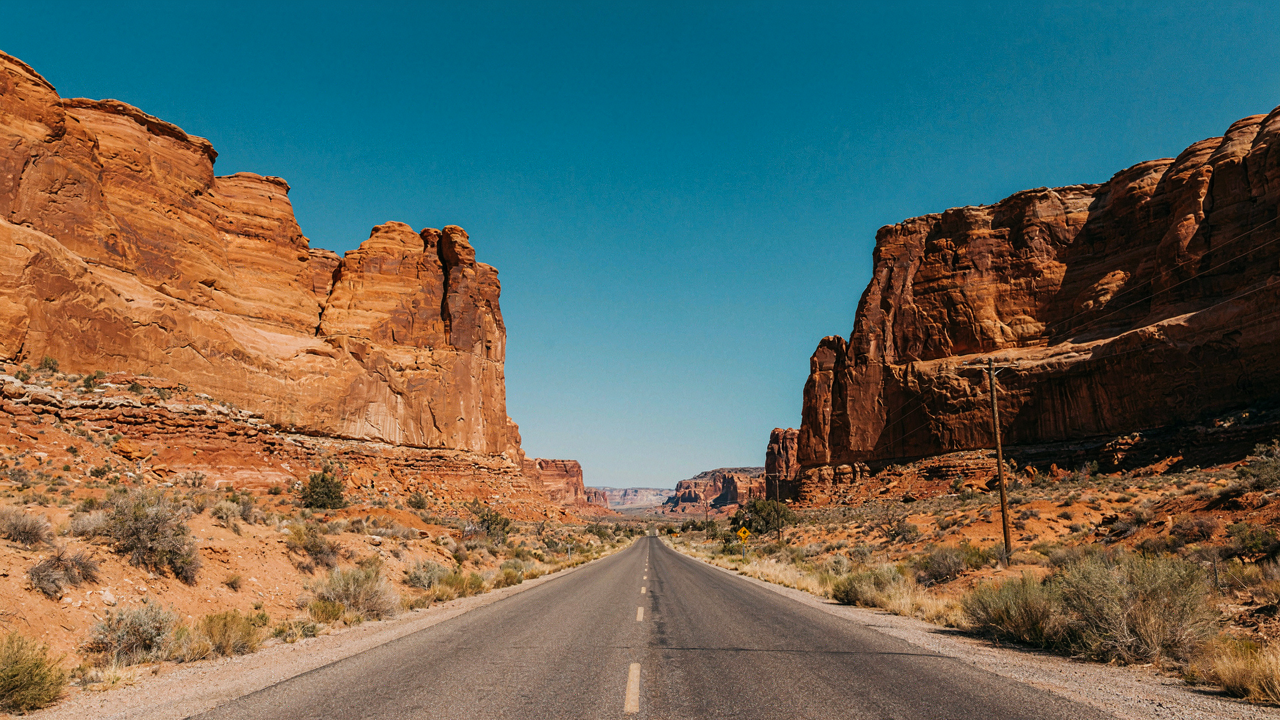
The Un Itinerary Protocol: Ditch The Checklist, Embrace The Void
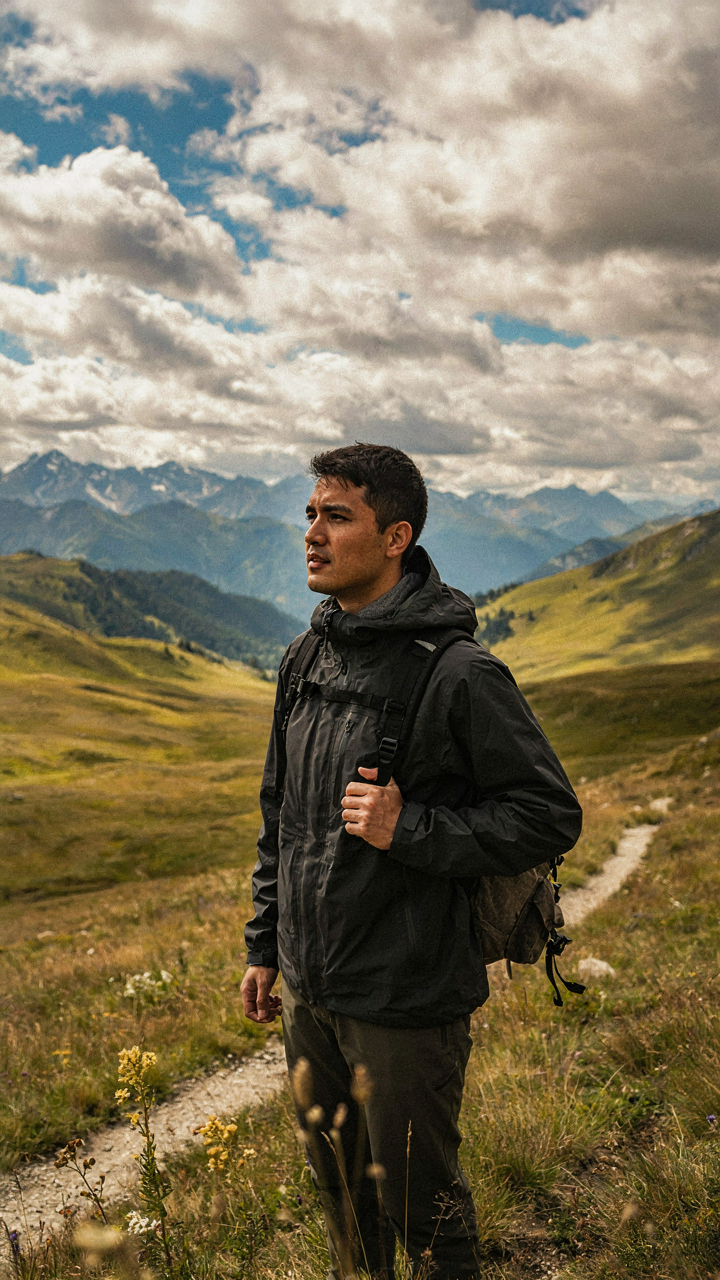
Popular Routes Trap You In A Crowd
You want to feel like you discovered something. The mechanism is simple: everyone follows the same three-stop itinerary because it’s published in guidebooks and Instagram, which means the moment you arrive at those spots, you’re competing for parking and sightlines with hundreds of other people doing the exact same thing. You get a photo that looks like everyone else’s photo. You feel like you went, but you didn’t actually see anything new.
The parks publish their most trafficked routes for a reason: infrastructure. Paved roads, established pullouts, cell service. The consensus route works logistically. But working logistically and generating actual discovery are opposite forces. Every first-timer follows the same validated path because validation feels safe. The cost is that you experience the park as a theme park, not as terrain.
Building Momentum Through Unscheduled Detours

Spontaneity isn’t random. It’s decision-making without a predetermined endpoint, which means you have permission to change course based on what you actually observe. You see a ridge line that looks different than the main viewpoint. You notice a trailhead with two cars instead of forty. You stop because the light hits a canyon wall a specific way. These moments exist in real-time observation, not pre-trip research.
The tactic is simple: plan your entry and exit points, book your lodging, then leave your day’s route fluid. Move through the park in a direction, not toward a checklist. When you hit something that contradicts your expectations in an interesting way, stay there longer instead of keeping pace with your itinerary. The mechanism that drives real memory isn’t coverage. It’s depth and surprise meeting at the same moment.

Beyond The Postcard: Decoding The True Value Of Us National Parks Road Trips

What You Actually Came For
You’re reading this because you suspect a national park road trip matters but can’t name why, and that uncertainty bugs you. Borrow from economics: parks trade in three currencies most travelers ignore. Solitude is scarce and gets scarcer. Challenge—real physical or mental friction—forces growth. Perspective arrives when you’re far enough from your routine that old patterns stop running. Most people chase Instagram moments instead, which costs them the actual value.
The mechanism is simple. You travel to parks thinking you want memories. You actually want the absence of choice paralysis and an environment where your body and mind operate differently than they do at home. Parks force this. They have weather, distance, and terrain that demand presence. You can’t scroll through a canyon. The postcard stops mattering the moment you realize the real transaction is between you and the land, not between you and an audience.
The Terrain Between You And The Real Thing
People talk about “finding yourself” in nature, which is lazy phrasing covering a real mechanism. Curated moments, filtered and pre-planned, keep you in the same cognitive state you left home with. Raw encounters don’t. When you miss the sunrise at a famous overlook and instead sit alone on a ridge at 8 AM watching light move across the valley, something shifts. You’re not performing. There’s no reference point. The experience builds without audience architecture.
Stop accepting the itinerary everyone else follows. The best encounters in parks happen on roads less traveled, at times that feel inconvenient, and in conditions that look unremarkable in photos. This requires one protocol: before entering a park, identify one destination people rarely mention. Drive there. Spend time. Notice what happens when nobody else is there to validate the experience. That’s where the real road trip value lives.
Logistics As Crucible: The National Park Road Trip Itinerary Is A Test
Supply Lines And Contingency
You want your itinerary to look seamless so you feel like you have control. Here’s the mechanism: most people treat a road trip itinerary like a sightseeing checklist instead of a supply chain problem. Military strategy borrowed from logistics teaches this principle: your front line only moves as far as your supply lines reach. On a national park road trip, your supply line is gas stations, water, food, and emergency services. Your itinerary succeeds or fails based on the distance between these nodes, not on how many parks you cram in.
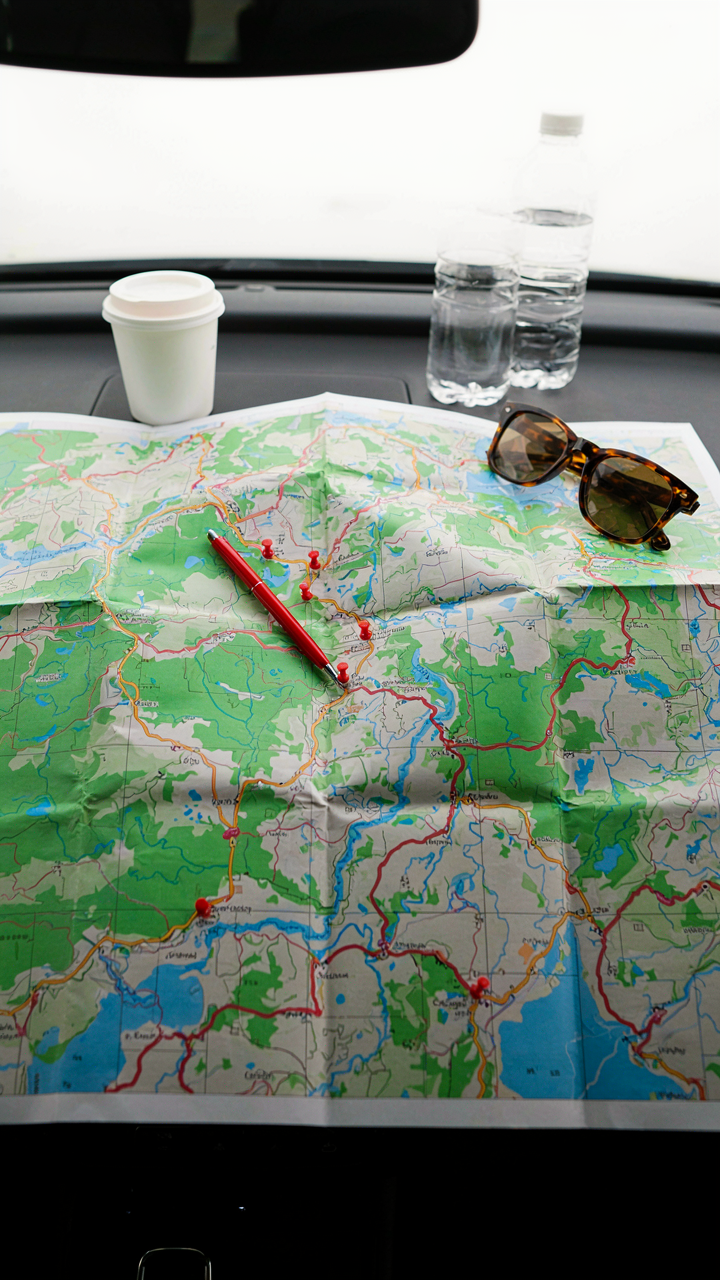
Map the actual locations of gas stations before you leave. Don’t assume they exist where you need them. Many park roads have stretches of fifty to one hundred miles without fuel or water. Check operating hours because remote stations close seasonally or by mid-afternoon. Build your daily route around resupply points, not around what looks good on Instagram. Your itinerary should show where you stop, not just what you see.
Redundant Systems Beat Luck
Most people say “bring extra water” and call it backup planning. That’s not a system, that’s hope. Real contingency means every critical function has a second independent path. Your vehicle needs a spare tire, yes, but also a repair kit, a portable air compressor, and a phone number for a tow service at each park. Your navigation needs GPS and paper maps. Your water needs containers in the vehicle plus knowledge of ranger stations that provide refills. One phone charger dies. Two phone chargers cover you. Build your itinerary so that single points of failure don’t exist.
The mechanism works like redundancy in engineering: the system stays functional when one component breaks. Test this before you leave by driving a day’s worth of your planned route. Note where cell service drops, where roads narrow to single lanes, where weather could trap you. Update your itinerary to add buffer time at these points and position your supply stops accordingly. Your final itinerary should account for a breakdown, a wrong turn, or a park closure without forcing you to improvise in real time.
The Minimalist’s Advantage: Why Less Gear Elevates Your National Park Road Trip
Gear Accumulation Kills Spontaneity
You pack extra stuff because it feels like insurance against uncertainty. But every item you bring is a decision deferred, a route you can’t take because the trunk is full, a trailhead you skip because setup takes an hour. Systems thinking calls this constraint optimization: remove friction points. With a national park road trip, the friction isn’t distance or time—it’s the weight of unused gear anchoring you to your car.
Most people treat packing like a checklist of fears. They bring backup shoes, extra layers, gadgets for every scenario. The trap is that more options create more friction in decision-making. You spend mental energy managing inventory instead of moving. When you hit a park entrance and realize you could drive a different loop, hike a different trail, or camp somewhere unexpected, your full trunk says no. Gear abundance doesn’t create freedom; it manufactures obligation.
Function Over Narrative
The real packing rule isn’t about minimalism as identity. It’s about specificity of use. Forget aspirational gear—the expensive tent you’ll barely use, the premium cooler that weighs thirty pounds. Ask one question per item: will I use this three or more times on this trip? If no, leave it.
- Sleeping bag: Choose one rated five to ten degrees below the coldest expected temperature. One bag covers all parks on your route. Overbuying protection you won’t need wastes pounds and dollars.
- Navigation: Phone GPS plus a single paper map of the region. Download offline maps before leaving cell coverage. This combo eliminates the need for GPS devices, compass, and multiple guidebooks.
- Cooking: One camp stove, one pot, one pan. Cook the same five meals you already know how to make. Specialized gear for varied cooking scenarios sits unused.
- Clothing: Five total pieces. Two pairs of pants, two shirts, one jacket. One pair of hiking boots, one pair of camp shoes. Wash items in your hotel shower or park water sources between stops.
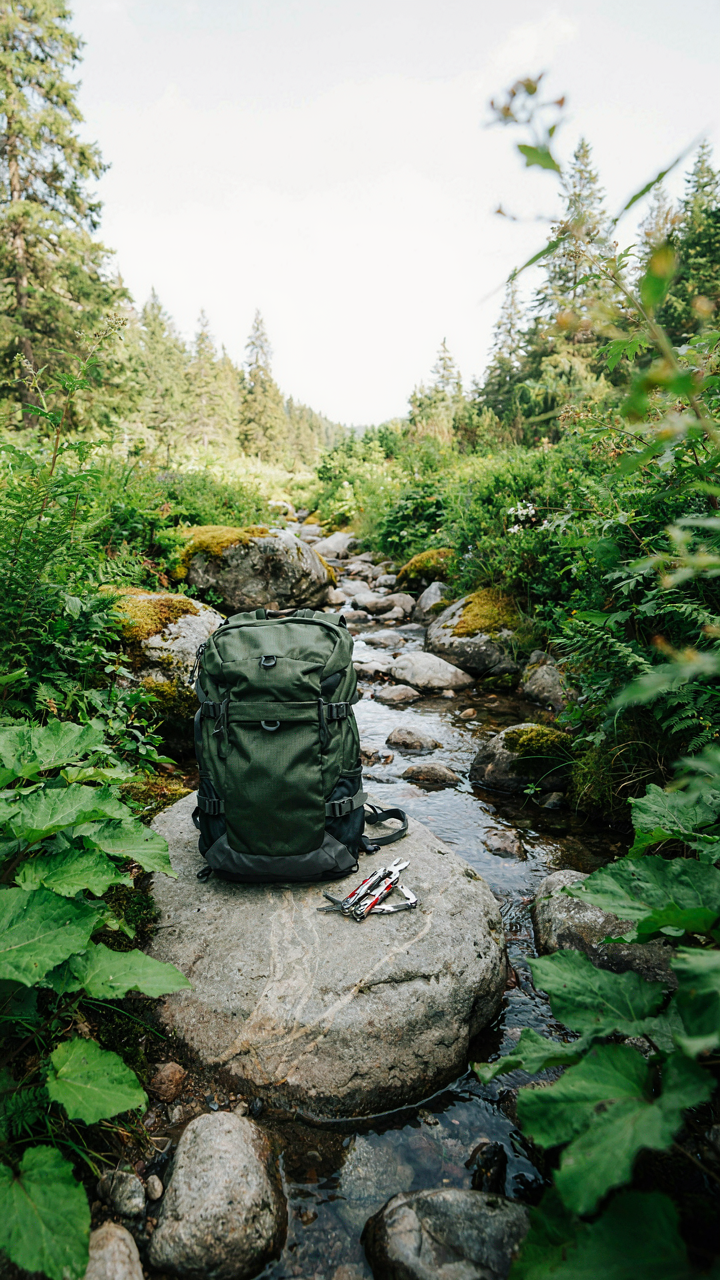
- Tools: A multi-tool, a headlamp with extra batteries, duct tape wrapped around a pencil. Skip the separate flashlights, knife, and screwdriver set.
Every item you eliminate removes a decision node and frees up a decision node elsewhere. You stop asking if you need something and start asking where you want to be in four hours. The mechanism is simple: remove gear, remove the friction that prevents you from changing plans.
Mastering The Micro Decision: Real Time Navigation For Road Trip National Parks
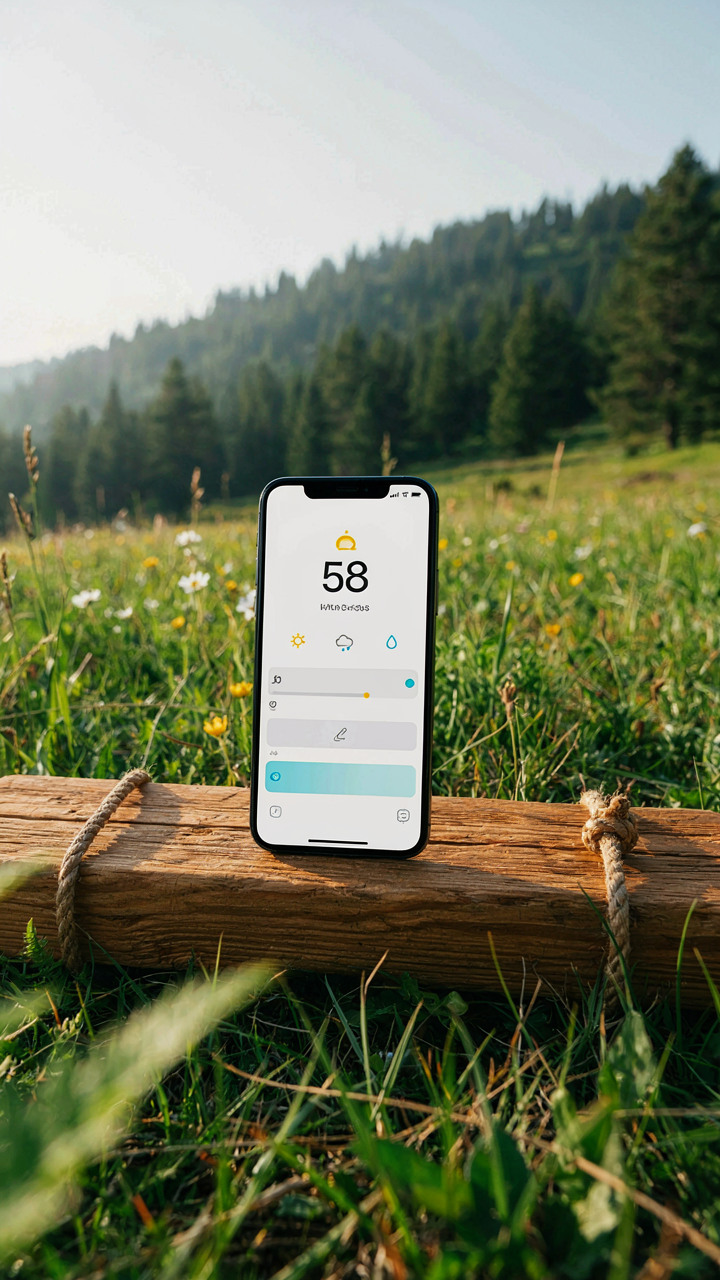
Check Weather Before You Leave Cell Service
You want to feel in control, but weather blindness kills more road trip plans than traffic. Think of meteorology like military intelligence: you need terrain data before you move. The National Weather Service publishes detailed forecasts for specific park regions up to ten days out. Download the forecast PDF or screenshot it before you enter zones with no signal. Most parks have dead zones starting thirty minutes from the entrance. Grab specific conditions for your exact route, not generic park summaries.
Road conditions matter as much as weather. Winter transforms scenic drives into hazard zones. The National Park Service maintains real-time closure lists and road condition reports on individual park websites. Call the ranger station directly the day before you drive—they know which passes flood, which routes freeze early, and which alternate roads work when your first choice fails. This call takes ten minutes and saves hours of wasted driving or forced detours.
Abandon The Planned Route When Reality Changes
Common advice says “stick to your itinerary.” That’s how you waste a full day watching rain from a parking lot. Adaptability in navigation mirrors how military units handle battlefield friction: the plan changes the moment conditions diverge from assumptions. You have two choices when weather or closures hit your route: drive an alternate park road or pivot to a different park region entirely. Both require offline maps downloaded before you lost signal. Google Maps offline mode works, but the National Park Service app with offline topo maps gives you road-specific detail and elevation profiles that prevent wrong-turn cascades.
When a road closes, the detour is usually longer than the original route, but it’s always faster than turning back. Study the park map before arrival and identify at least two complete routes to any destination. Mark scenic pullouts on both routes so you don’t lose the experience, just the order. The moment a ranger tells you a road is closed, you switch to route two without hesitation. Hesitation means you drive twenty miles in the wrong direction before realizing the alternate path existed.
The Underrated Power Of Solitude In Northern National Park Road Trip Routes

Escaping The Herd Completely
You want solitude because crowds trigger a status anxiety you won’t name: everyone else seems to know the “real” park experience, and you’re stuck in parking lot gridlock. The mechanism is simple. Northern parks funnel 80% of visitors into 20% of the space. The mechanism that applies here comes straight from economics: concentration creates scarcity. You’re not actually scarce on solitude. You’re scarce on the willingness to drive past the obvious trailhead and hike opposite the crowd flow. Early morning arrivals beat crowds by three hours minimum. Dusk visits work equally well because tourists prioritize daylight photography and miss the park’s actual rhythm.
Solitude rewires how you process a landscape. Without the social performance of being “at” the park, you notice what’s actually there: the water sound, the bird patterns, the specific geology. This isn’t meditation. It’s information gathering that happens to feel good because your brain isn’t allocating cycles to managing other people. Northern park roads like the Going-to-the-Sun Road in Glacier or the Dalton Highway access have quiet pullouts nobody uses because they lack Instagram frames. Stop there instead of the named viewpoint two miles ahead. The shift from observer-in-a-crowd to observer-alone changes what you retain.
Where Quiet Actually Hides
Everyone says “go early.” That’s lazy advice. Early works, but it’s also when rangers do maintenance and other early-risers cluster at the same spots. Better strategy: drive secondary roads during midday when everyone hits main attractions. The Camas Meadows Loop in Grand Teton or the minor spurs off the Beartooth Highway stay empty during peak hours because they lack the monument status of primary routes. Park your vehicle off-road legally where sight lines extend far. Distance from the pavement matters more than time of day. A half-mile hike from a secondary road gives you more solitude than the main trail at dawn.
Northern parks offer built-in advantages: shorter seasons and colder temperatures keep casual tourists out. Use them. October and May have full access with fractional crowds. The weather risk is manageable if you check conditions and pack accordingly. Solitude during shoulder seasons isn’t hidden—it’s just unpopular because it requires tolerance for weather instability. Pick a secondary route with legal pullouts, arrive mid-morning, walk away from vehicles for twenty minutes, and you’ve accessed something 95% of park visitors never find. That’s not luck. That’s reading the system and executing a specific protocol.
Beyond The Campground: Unconventional Stays For National Parks Travel Route

Free Land And Full Autonomy
You want to feel resourceful without paying resort prices. Here’s the mechanism: boondocking and dispersed camping exist because the federal government owns more land than it can manage, so it allows free camping on most of it. The Bureau of Land Management and Forest Service designate specific areas where you can camp without fees, reservations, or time limits. This isn’t roughing it by accident—it’s a structural loophole that saves money while giving you genuine control over your itinerary.
Dispersed camping requires one shift in thinking: you’re not getting amenities, so you plan differently. No water hookups means you carry water or find it. No designated toilets means you pack out waste. No ranger station means you verify current regulations before arrival. The trade is straightforward—autonomy for self-sufficiency. Most dispersed sites sit 10 to 30 minutes from major park entrances, not hours away. You also avoid peak-season crowding that makes established campgrounds unbearable by late morning.
- BLM Land: Accessible through Recreation.gov or Bureau of Land Management regional office websites. Search by state and district. Most sites allow 14 days consecutive camping before you must relocate five miles.
- National Forest Dispersed Areas: Check individual forest service websites for designated dispersed zones. These change seasonally based on fire risk and road conditions, so verify current status before committing.
- State Trust Land: Some states manage land open to dispersed camping. Idaho, Arizona, and New Mexico have significant acreage. Rules vary, so contact state land departments directly for specifics.
- Private RV Parks Near Parks: When dispersed camping fills, budget RV parks within 20 miles offer reliability. Cost runs 25 to 50 dollars nightly but includes water and dump stations for multi-day stays.
- Backcountry Permits: Most parks allow backpacking with permits. Costs are low or free, and you get solitude that car campers never find. Setup time is longer, but the tradeoff favors serious travelers.
The real advantage isn’t savings—it’s optionality. Dispersed camping lets you abandon a crowded park and pivot to an adjacent wilderness area without reboooking. You maintain flexibility that reservation systems destroy. Before leaving for your trip, download offline maps of dispersed areas and verify water sources on your route.
Local Towns Deliver What Parks Won’t
National parks charge entry fees to protect infrastructure, but towns adjacent to parks operate on different economics. A town three miles outside Moab or Springdale exists because tourists flow through it. This means culture, restaurants, and services that park lodging never offers. The locals also understand seasonal rhythms—they know when crowds peak, which trails are actually worth the hike, and where to eat after the visitor center closes. You get insider perspective by staying in town and day-tripping into the park.
Towns also solve a tactical problem: park accommodations book solid months in advance, while nearby towns maintain vacancy well into summer. You gain flexibility in your route. Stay one night in a smaller town, reassess energy levels, decide if you want to push harder the next day. You’re not locked into a predetermined campground spot. Plus, local businesses depend on relationship-building. Talk to a restaurant owner or guide, and they’ll recommend lesser-known viewpoints that don’t show up in guidebooks. That information is worth more than any premade itinerary because it changes based on current conditions—weather, wildlife activity, seasonal closures—that the owner deals with daily.
The Photography Deception: Capturing Reality, Not Reproducing Clichés In National Park Road Trips

Popular Viewpoints Are Artistically Bankrupt
You want the shot that proves you were there. That’s the real driver. The mechanism is simple: popular overlooks are visual commodity zones where thousands of people have already solved the composition problem, so you just copy it. Everyone gets the same frame because the vista is engineered by nature to funnel your eye one direction. You’re not capturing the park. You’re collecting proof of attendance from the same angle as the person who stood there yesterday.
The common advice says “arrive at sunrise.” That’s incomplete. Sunrise at a popular viewpoint means you’re one body in a line of bodies all shooting the same light on the same subject from the same spot. The real problem isn’t timing. It’s that you’ve accepted the viewpoint’s framing as your only option. Move thirty feet left. Shoot from the parking lot looking back at the crowds. Photograph the shadow cast by the famous rock instead of the rock itself. These aren’t clever tricks. They’re acknowledgments that the official vista has already been exhausted.
Seek Perspectives, Not Imitation
The economy of attention in photography rewards novelty over execution. Most parks have been photographed billions of times, so your technical skill won’t separate you from the noise. What separates you is a perspective nobody else bothered to frame. This means abandoning the idea that the “best view” is the one marked on the map. The best view is the one that changed how you see the space, which is almost never the designated overlook.
Study the park map for dead zones. Areas tourists skip because there’s no parking area or official signage. Hike twenty minutes past the main attraction. Shoot into the sun instead of away from it. Photograph a single leaf backlit instead of the canyon. Photograph the effort of climbing instead of the summit. The technical requirement is only that you actually observe what’s in front of you rather than reproduce what you’ve already seen online. That’s the protocol: look at what’s actually there, then photograph what others skipped.
Financial Freedom On The Open Road: Smart Spending For Usa National Parks Road Trips
Where Tourist Traps Drain Your Budget
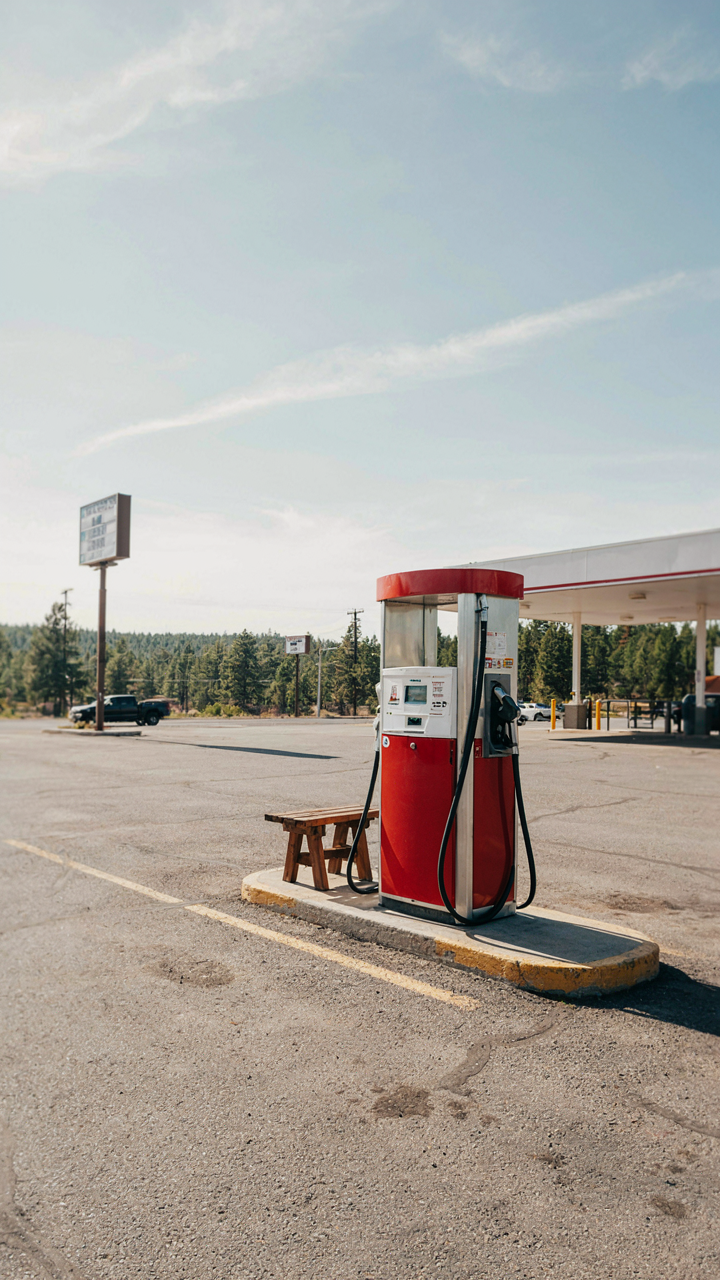
You care about this section because you’re afraid of wasting money on a trip you’ve planned for months. The mechanism is simple: tourist infrastructure clusters at park entrances and gateway towns, creating artificial scarcity and inflated prices. Gas stations inside or near park boundaries charge 20-40% more than stations outside the park perimeter. Restaurants within walking distance of visitor centers operate on captured audiences. You enter a park with limited options, limited time, and no alternative nearby. The trap sets itself.
The real play is logistics, not willpower. Fill your gas tank before entering any park. Buy groceries at supermarkets in towns 15-30 minutes before the park entrance, not at gift shops disguised as general stores. Park entrance towns like Springdale near Zion or Estes Park near Rocky Mountain exist specifically to extract money from your trip. You already paid for entrance. Plan your fuel and food stops with the same precision you planned your hiking routes.
Comfort Is The Enemy Of Clarity
Economics calls this the concept of diminishing returns, and your national park spending follows the exact curve. A hotel room 40 miles from the park costs half what it does 5 miles away, yet you sleep equally well in both. The difference between a $80 night and a $200 night is not experience quality on the trail—it’s real estate location and brand markup. Experiences happen in the parks, not in your lodging.
Separation of experience spend from comfort spend is the only framework that works. Budget for park activities, trail fees where they exist, and good fuel and food. Cheap your way through lodging without guilt. Camp when available. Stay in budget chains in smaller towns outside park zones. Drive the extra distance. Your experience quality depends entirely on what you do during daylight hours in the park itself, not on thread count or spa amenities at night.
The Return: Integrating Best National Park Road Trips Lessons Into Daily Life

Grit Translates To Execution
You want to believe the road trip changed you. It didn’t. What actually happened is you stopped making excuses for three weeks straight, and now you’re terrified that habit will evaporate the moment you return to your routine. The mechanism is simple: you operated under constraint. Limited gas budget, fixed time windows, no cell signal forcing real decisions. Constraint forces resourcefulness. Resourcefulness is just problem-solving without a safety net.
Your career stalls because you have too many options and no deadline pressure. National parks forced you to choose. You couldn’t waste time debating between three mediocre campsites because sunset was coming. Apply the same structure to work: set a fixed deadline for decisions, eliminate options below a quality threshold, and move. The road trip worked because you couldn’t afford to deliberate endlessly. Replicate that by treating your work hours like you treat daylight at a trailhead.
Restlessness Becomes The Baseline
The road trip mindset isn’t about wanting to travel constantly. It’s about refusing to accept passive comfort as normal. You watched the landscape change. You navigated without GPS. You solved problems because no one else was going to. Most people return home and slide back into the sedentary default because active discomfort feels wrong.
Sustain this by building small friction into your daily environment. Change your commute route weekly. Work from different locations. Set arbitrary constraints on projects like you did with park visit timing. The goal isn’t to recreate the road trip. The goal is to keep your brain in the mode where stagnation feels like a mistake. When you notice yourself defaulting to the same patterns, deliberately choose the harder option until it feels normal again.
The Parks Won’t Save You: Your Incompetence, Not The Crowds, Is The True Obstacle To A Meaningful Journey
Most people blame the parks for disappointing them. They blame crowds, weather, bad timing. The truth stings: you showed up unprepared and checked boxes instead of experiencing anything real. Stop researching and start committing. Pick one park. Spend three days there instead of hitting five in two weeks. The difference between a forgettable vacation and a trip that rewires you isn’t the destination. It’s whether you actually decided to go all in before you left your driveway.