
The Unseen Contract: Why Your Visit Isn’t Just About You

Your Footprint Extends Beyond The Trail
You want to believe Leave No Trace is enough because it lets you feel responsible without changing your behavior. It isn’t. Systems thinking from ecology teaches us that impact operates on multiple timescales and scales. Your single visit creates immediate wear. Multiplied across millions of annual visitors, that wear compounds into trail degradation, vegetation loss, and soil erosion that rangers spend years trying to reverse. The Park Service manages this through designated corridors, trail hardening, and visitor caps—not because they enjoy restrictions, but because the cumulative math is unforgiving.
Rangers design experiences around preventing the damage you don’t see happening. This means understanding that your choice to hike off-trail, camp in an unofficial spot, or skip the boardwalk doesn’t just affect that moment. It trains others to do the same. When you follow the ranger’s prescribed route instead of cutting switchbacks, you’re not obeying arbitrary rules. You’re protecting the infrastructure that lets 300 million acres serve 300 million people without becoming a wasteland. The mechanism is simple: concentrated use on hardened surfaces prevents diffuse damage across vulnerable ecosystems.
The Ranger’s Actual Job Description

Rangers operate under a workload crisis that visitor materials never mention. A single ranger manages educational programming, trail maintenance, search and rescue coordination, wildlife conflict resolution, and law enforcement across territories that should require five staff members. Most parks run 20 to 40 percent below authorized staffing levels. This isn’t a resource problem you can solve by being nice to rangers. It’s structural. When a ranger spends four hours responding to an off-trail emergency rescue, they’re not leading the interpretive program scheduled for that afternoon or maintaining the trail system.
Understanding ranger constraints changes how you engage with the program. When you attend a ranger-led program, you’re not consuming a service. You’re accessing concentrated expertise that frees rangers from repetitive explanations so they can handle maintenance and emergency response. When you ask a ranger for directions at the visitor center instead of checking the map you were given, you’re adding to their interruption load. The direct action here is specific: use digital resources and printed materials first, ask rangers second, and attend programs to learn in bulk rather than fragmenting their attention across individual questions.

Beyond The Badge: The Park Ranger Career Information You Miss

What Rangers Actually Do All Day
You’re reading this because you want to know what rangers do so you can sound informed when you visit, or maybe impress someone at a dinner party. Here’s the mechanism most people miss: ranger work operates like military logistics. In military terms, “supply lines” keep operations functional. For rangers, their supply line is invisible infrastructure work that makes the visitor experience possible at all.
Rangers spend more time on maintenance, paperwork, and resource management than they spend leading guided walks. They repair trails, manage wildlife conflicts, conduct search and rescue operations, maintain facilities, and handle permit systems. The guided tour is the visible output. The actual job is solving problems nobody sees. When you encounter a ranger on the job, they’re probably moving toward a specific task, not wandering around hoping to meet visitors.
Visitors Who Understand The System Get Better Access
Rangers respond differently to visitors who recognize what they actually do. When you show up asking intelligent questions about how the park operates rather than what Instagram spots exist, rangers engage differently. They have limited time and attention. Direct your questions at their actual work: trail conditions, wildlife patterns, resource constraints, seasonal challenges. Ask what they need from visitors to protect the park, not what they can give you.
The mechanism is simple reciprocity without expectation. Rangers maintain parks as a public trust. When visitors acknowledge that work and actively reduce the burden on it, rangers notice. Stay on marked trails. Pack out all waste. Report hazards instead of ignoring them. Respect closures. This isn’t virtue signaling. This is removing friction from their day so they can do their job better. Every visitor who needs rescue, every trail repaired because someone went off-path, every piece of litter collected represents time rangers can’t spend elsewhere.
The Junior Ranger Program Deception: It’s Not Just For Kids

How Adults Actually Learn In Park Systems
You think this program is beneath you. That’s the real barrier. The mechanism is simple: the National Park Service designed Junior Ranger booklets as scaffolded learning tools, and adults reject them on status grounds while missing the actual structure that makes parks teachable. The booklet forces sequential discovery instead of passive wandering. You complete tasks in order. Each one builds context for the next. This isn’t childish—it’s instructional design.
Adult visitors waste park time because they refuse the framework that makes learning stick. The booklet methodology works identically for a 45-year-old as it does for a ten-year-old because it exploits how human memory works, not age. You engage with specific ranger talks to answer booklet questions. You examine geology exhibits to complete sections. The badge is irrelevant. The process is what transfers knowledge into retention. Most adults skip this because they associate it with children’s entertainment rather than recognizing it as a delivery system.
What The Park Service Won’t Tell You Directly
The real equivalent for adults isn’t a different badge or separate program—it’s adopting the same booklet logic independently. Park rangers know this. They’ll hand you a Junior Ranger booklet without judgment if you ask. The social resistance you feel comes from internal expectation, not external judgment. Rangers see adults with booklets regularly. Some parks offer volunteer opportunities and backcountry certifications, but these are time commitments, not learning shortcuts. The Junior Ranger booklet remains the fastest translation of park complexity into actionable knowledge.
The mechanism works because it creates accountability and prevents decision paralysis. Instead of wandering uncertain which exhibits matter, you have specific tasks. This focus compresses your learning timeline and deepens retention. You move through the park with purpose. Rangers answer targeted questions instead of generic ones. The booklet becomes your curriculum. Complete it, and you exit with actual understanding of that park’s ecology, history, and systems rather than vague impressions.
The Visitor’s Feedback Loop Protocol

How To Actually Talk To Rangers
You want rangers to remember you as useful, not annoying. Here’s the mechanism: rangers process hundreds of visitor interactions monthly. Most are transactional noise. You cut through by showing you’ve observed something they can act on, which positions you as a collaborator rather than another complaint. Start conversations with context, not problems.
Timing matters. Rangers staff visitor centers during peak hours when they’re triaging questions. Seek them during shoulder times, early morning or late afternoon. Bring specifics: what you saw, where, when it happened. If you noticed erosion on a trail, describe the exact location and what caused it. Rangers build maintenance priorities from credible ground-level intel. You’re not complaining. You’re delivering actionable data they’ll actually use in their weekly briefing.
Observations That Move The Needle
Most visitor feedback is noise: complaints about crowds, prices, or amenities. Real reporting uses feedback like agriculture uses soil samples. Test soil in the wrong spot and the data’s useless. Test it where crops fail and you get actionable diagnosis. Report on actual park conditions, safety gaps, or resource damage. That’s the distinction rangers act on versus file away.
- Trail Hazards: Document specific unsafe conditions like exposed roots, loose rock, or water damage with precise locations. Rangers need coordinates or landmark references, not general complaints about difficulty.
- Wildlife Patterns: Report behavioral observations such as unusual animal activity, timing of sightings, or changes in migration patterns. Rangers use these to adjust educational programs and safety protocols.
- Infrastructure Deterioration: Note which facilities need repair, parking lot potholes, signage damage, or water system issues. Specificity determines whether work orders get priority status.
- Visitor Safety Violations: Report instances where visitors ignore boundaries, disturb protected areas, or create hazards. Rangers cross-reference these reports to identify patterns and deploy resources accordingly.
- Resource Damage: Describe vandalism, illegal collection, or environmental impact you witnessed. Include date, time, and exactly what happened so rangers can investigate and prevent recurrence.
Submit reports through official channels, not casual conversation. Visit the ranger station with written notes or file reports through the park’s website. Direct communication gets lost. Documented feedback enters the park’s maintenance and management system. Rangers then reference these reports in planning meetings and grant applications for funding. Your observation becomes part of the operational record.
Debunking The National Park Ranger Outfit Aesthetic: Practicality Over Instagram

Gear Choices: Essential Function Vs. Trendy
You want the outfit to work on social media first, the trail second. That’s the real problem here. The ranger uniform exists for signal and function, not aesthetics. The hat, the shirt, the boots all solve specific problems that tourists miss because they’re copying the visual rather than understanding the mechanism.
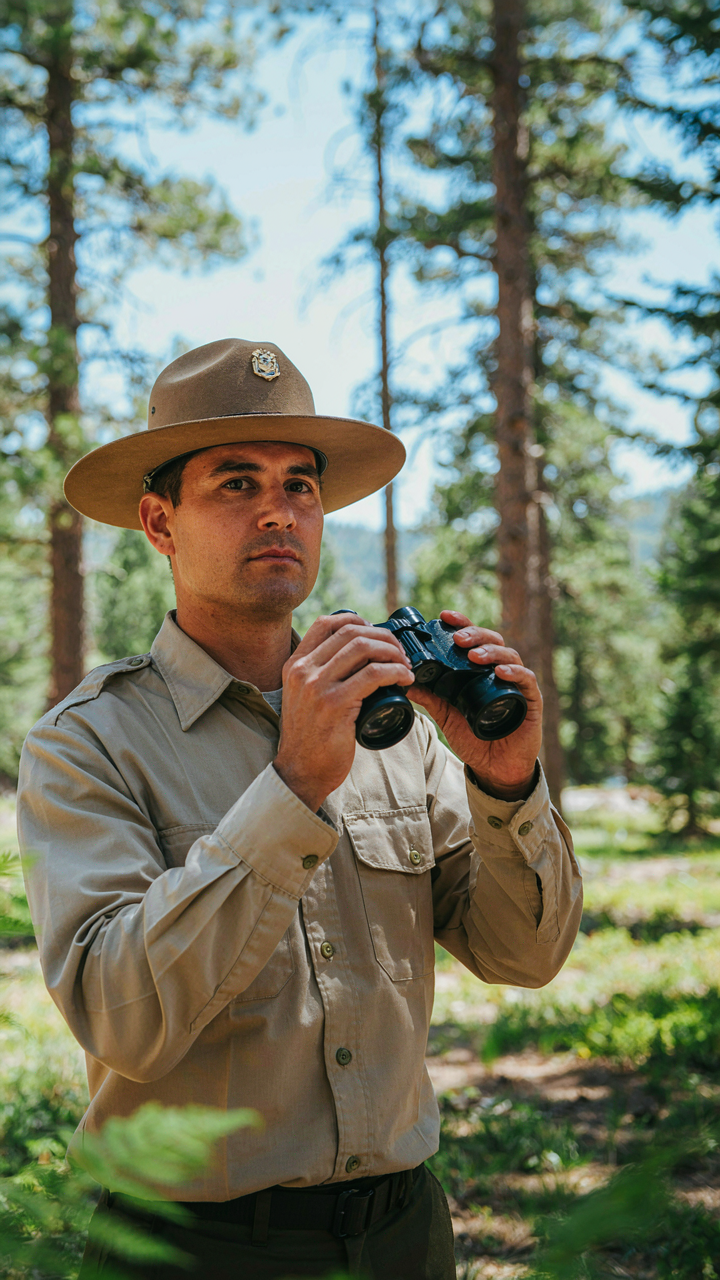
The ranger uniform descended from military field dress and park service practicality, not fashion. The wide-brimmed hat controls sun exposure and rain runoff away from your face. The tan shirt reflects heat instead of absorbing it. The boots have ankle support for uneven terrain and puncture resistance for hazards you won’t see coming. Copy the function, not the Instagram photo. Bring gear that performs its job in heat, cold, and wet conditions. Skip the “heritage” aesthetic if it compromises how your equipment actually works.
Adapting To Unpredictable Park Conditions
Most visitors pack for the weather they expect, not the weather that actually occurs. National parks operate on microclimates and rapid elevation changes. A 20-degree temperature swing between morning and afternoon is normal. The ranger tip everyone misses is this: layering beats single-piece solutions because you control the system in real time. Bring moisture-wicking base layers, an insulating mid-layer, and a windproof shell. These three pieces work together. Swap combinations based on conditions rather than guessing what you’ll need when you leave the parking lot.
Rangers spend hours in the same terrain daily across seasons. They know that weather forecasts are incomplete. Bring twice the water you think you need. Wear socks designed for hiking, not cotton. Pack a headlamp even on day trips because trails get shadowed fast. The concrete protocol: check the ranger station for current conditions before starting any trail. Rangers update hazard information hourly during peak season. That fifteen-minute conversation saves you from exposure problems rangers have already documented.
The Ecology Of Presence: Applying Systems Thinking To Park Visits
Your Impact Compounds Faster Than You Think
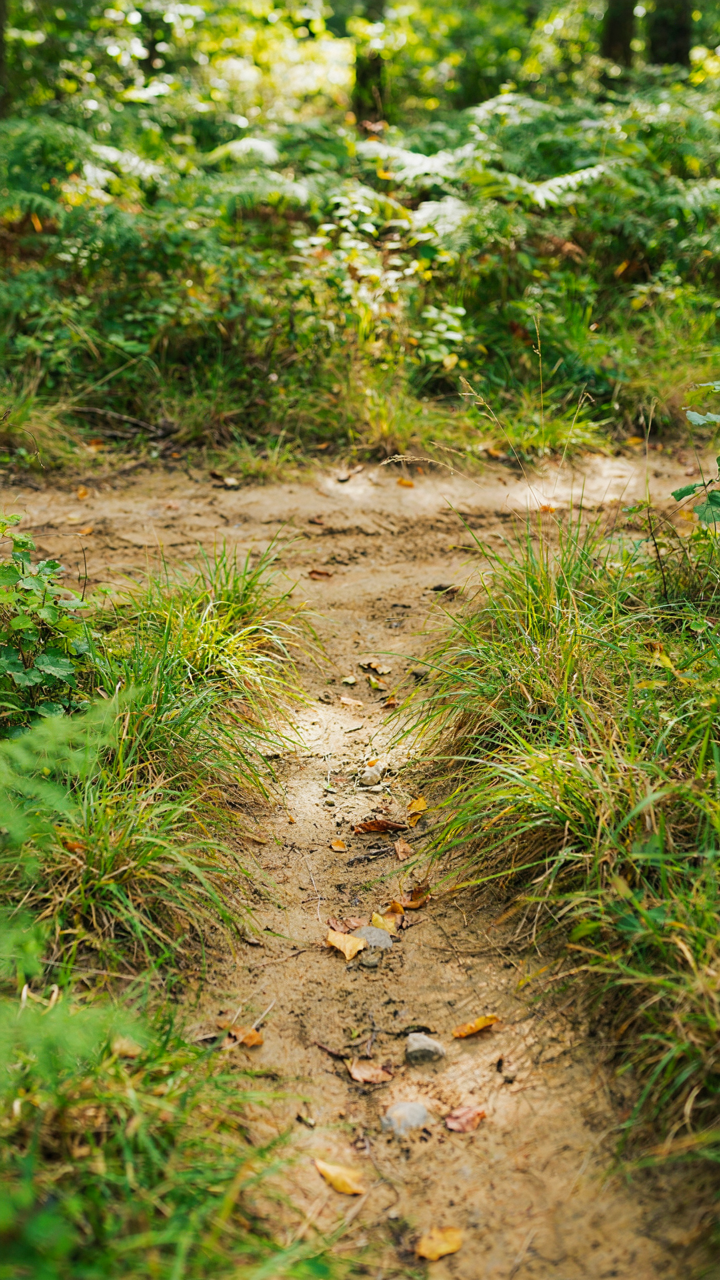
You want to feel like a responsible visitor without actually changing your behavior. Here’s the mechanism: biology treats a park like a living system where every input produces output. One visitor’s trampled grass isn’t the problem. Ten thousand visitors following the same path creates erosion that takes years to recover. Rangers track this because they measure impact in aggregate, not individual acts. Your presence isn’t neutral just because it feels small.
Systems thinking in ecology identifies feedback loops—the idea that small changes propagate through connected elements. At a national park, your footstep triggers soil compaction, which prevents water absorption, which stresses root systems, which weakens plant stability, which accelerates erosion. One person walking off-trail barely registers. But if fifty people notice the same “shortcut,” you’ve engineered a new trail without the park’s infrastructure to support it. Rangers work backward from visible damage to prevent the cascade before it starts.
Where Your Actions Ripple Through The Whole System
The common advice says “stay on trails and don’t touch wildlife.” That’s incomplete. The real mechanism is resource depletion through interconnection. When you feed wildlife, you shift their behavior patterns, which changes their feeding territory, which concentrates them near your location, which increases disease transmission, which crashes their population. Rangers know this isn’t morality—it’s thermodynamics. You’re not breaking a rule. You’re altering energy flow through a closed system.
Your presence in a crowded area also depletes less obvious resources. Soil bacteria populations drop when foot traffic increases. Water runoff changes composition when visitors concentrate near streams. Wildlife stress hormones spike when human density rises. These aren’t separate problems. They’re interdependent. The ranger program emphasizes dispersed visitation specifically because concentrated presence accelerates system degradation. When you follow ranger guidance on crowd distribution, you’re not being told where to stand. You’re being positioned to maintain the park’s carrying capacity.
Jr Ranger Program National Parks: Advanced Techniques For Engagement

Work Shifts That Build Real Credentials
You want the Jr Ranger badge to mean something instead of being a participation trophy your kid forgets in a backpack. Here’s what actually matters: parks need bodies doing maintenance, and volunteer hours create documented proof of park contribution that distinguishes your family from the snapshot-takers.
Most Jr Ranger programs let families sign up for trail maintenance, invasive species removal, or visitor center support. You’re not donating labor out of charity. You’re building a record. Parks track volunteer hours. Future scholarship applications, college essays, and outdoor job applications all want to see sustained commitment to a specific place, not generic nature enthusiasm.
Data Collection For Conservation Strategy
Biology operates on the principle of sampling: you cannot measure everything, so you measure representative units over time and build patterns. Citizen science in national parks applies this exact mechanism—parks recruit visitors to collect standardized data points that researchers cannot afford to gather alone.
- Bird counts: Record species, quantity, and location during designated survey windows. Parks use this data to track population health and migration patterns year over year.
- Invasive plant mapping: Photograph and GPS invasive species locations. Rangers use spatial data to prioritize removal efforts where impact is highest.
- Water quality monitoring: Test pH, temperature, and clarity at marked stream sites. Data identifies pollution sources and ecological trends before they become critical.
- Phenology tracking: Record bloom dates, leaf emergence, and animal behavior timing. Climate scientists use this to measure how seasons shift relative to historical baselines.
- Wildlife sighting logs: Submit photos and locations of animals observed. Researchers monitor population distribution and habitat usage patterns across the park.
The mechanism is simple: parks need continuous data streams. Official staff cannot be everywhere. Jr Rangers become a distributed observation network. Your participation is not supplementary—it fills a gap in the park’s actual conservation workflow. Report your data to the specific ranger or program coordinator managing the project, not into a void.
Beyond The Postcard: Cultivating A Real Park Ranger Aesthetic
Observation Without Appropriation
You want rangers to validate that you’re the type of person who “really sees” nature. That’s the real motive here. The mechanism is simple: depth of observation requires you to stop performing for the photo and start asking questions a ranger can actually answer. Attention in biology works like resource allocation. A ranger directs their focus—not everywhere at once, but toward specific ecological relationships, species behavior, seasonal shifts. When you shadow this focus instead of wandering through the park as a checklist, you absorb the framework. You notice what’s actually happening instead of what looks impressive. Rangers don’t point at a vista and move on. They point at a vista and explain the geological fault line that created it, the burn pattern from 1987, the invasive species now colonizing the slope. That’s observation.
Ask rangers about failure, not success. Ask what’s dying in the park, what shouldn’t be there, what management decision they disagree with. This transforms a ranger from an entertainer into a real source of information. Most visitors avoid these questions because they expect cheerful narration. Rangers respect the ones who don’t. When you probe actual mechanisms—water flow, species competition, human impact—you train yourself to see the park as a system, not a backdrop. This is how you build the aesthetic. You stop taking pictures of the landscape and start understanding it.
Presence As Currency
Respect isn’t performing politeness at a ranger talk. It’s showing up mentally present during every interaction, no matter how brief. Rangers notice this immediately. They’ve done the same talk two hundred times. The person asking a genuine clarifying question, the person who actually listens to the answer instead of waiting for the next opportunity to talk, the person who doesn’t interrupt—these are the interactions rangers remember. Presence is currency because it’s rare. Most visitors treat rangers as content dispensers, not people.
Leaving a positive impression means one thing: follow the rules you’re told, even the ones that seem pointless. Rangers enforce regulations because they’ve seen what happens when visitors don’t. When you comply without complaint, you demonstrate you respect the system they’re protecting. When you ask “why” about a rule before breaking it, you show you care about the reasoning. This changes how rangers interact with you for the rest of your visit. They open up. They take extra time. They answer the question behind your question. The mechanism is reciprocal trust. You validate their authority by respecting it, and they reward that by treating you like someone worth educating.
Your Biggest Obstacle Isn’t Park Rules, But Your Own Passive Consumption Of Nature

Most visitors treat national parks like Netflix. They show up, they watch, they leave. Rangers exist to flip that switch. You don’t need more tips or better gear. You need to stop outsourcing your curiosity to your phone. Pick one ranger program this week. Actually attend it. Ask one question that matters to you. The difference between a tourist and an explorer isn’t the destination—it’s whether you participate or just pass through.