

The Unspoken Truth: Why You’re Overpaying For National Park Entrance

The Visitor Who Never Plans
You’re reading this because you hate the idea of wasting money, and that fear blinds you to the actual mechanics of how park fees work. Most travelers treat the entrance fee as a fixed cost they accept at the gate—a passive tax on recreation. This is wrong. The real mechanism is behavioral: the park system prices based on your willingness to pay without advance knowledge, not on actual operating costs.
The National Park Service sets entrance fees to recover a portion of operational expenses, but the pricing model exploits information asymmetry. Visitors who show up unprepared pay the same as those who researched options weeks ahead. The Service doesn’t advertise annual passes at the gate with urgency because they profit more from casual day visitors who never consider the math. You’re overpaying because you arrived without a decision framework.
What Actually Costs Beyond The Gate Fee

The common advice says “budget for parking and food.” That’s incomplete and ignores the real hidden cost structure. Think of park economics like supply chain logistics: the entrance fee is only the first checkpoint. Once inside, you face a captive market where alternatives vanish.
Parking at popular parks fills by mid-morning, forcing overflow lots a mile away with shuttle fees. Campground reservations book months out, leaving you with private RV parks at double the price. Concessionaire lodges charge premium rates for basic rooms because competition doesn’t exist within park boundaries. Then there’s the time cost: you drive two hours to save thirty dollars on the entrance fee but spend five hours in traffic queues that weren’t visible in your planning. The entrance fee becomes meaningless against the total friction you absorb.

The Annual Pass Arbitrage: Your Most Overlooked Asset For US National Parks

When The Math Flips The Decision
You’re avoiding this because you hate admitting you miscalculated entry costs on your last trip. Here’s the mechanism: the America the Beautiful Annual Pass costs eighty dollars and grants unlimited entrance to all 423 National Park Service sites for twelve months. One visit to a park charging thirty-five dollars per vehicle eliminates nearly half that cost in a single day. Most travelers treat each park entrance as an isolated transaction instead of recognizing it as a portfolio problem from economics, where your capital allocation across multiple assets determines total return.
The breakeven math is brutal in its simplicity. If you plan two visits to parks charging thirty or higher entrance fees, the pass pays for itself. Three visits guarantee profit. The hidden cost most people miss is the temporal one: you only get twelve months from purchase date, not calendar year. Buy in December for a March trip and you’ve burned three months of your window before using it. Calculate backwards from your planned visit dates, not forwards from today.
Stacking Visits Across Regions
The real arbitrage appears when you treat park regions as clusters rather than destinations. Your actual strategy isn’t visiting one park per year. It’s visiting multiple parks within a concentrated timeframe to maximize per-day pass utilization. Western road trips hit five parks in two weeks. Southwestern loops cover Zion, Bryce, Arches, and Canyonlands in succession. Each additional park hit with the pass compounds your cost advantage.
The pass works at entry stations, but many parks also charge for parking or specialized activities like backcountry permits and shuttle fees. The pass removes the entrance component only. Map your entire trip itinerary first. If your route touches four or more park entrances, the annual pass becomes mandatory, not optional. Execute the purchase before your first park visit and you eliminate the friction of paying separately at each gate.
The Access Tier System: Deconstructing The National Park Service Fee Structure

How The NPS Prices Entry
You want to know the exact fee so you can budget without looking cheap. Here’s what actually happens: the National Park Service operates three distinct pricing models, and they’re not interchangeable. Per-vehicle passes charge one flat rate per car regardless of occupants. Per-person fees apply to foot traffic, cyclists, and motorcycle riders. Activity-specific fees target commercial operations, specialized permits, and group access. Most parks use per-vehicle as the baseline because it captures the highest revenue from the demographic that drives to parks. The per-person model exists mainly for parks with heavy pedestrian or transit access, like Gateway Arch or certain urban monuments.
Your actual cost depends entirely on how you arrive and what you do once inside. A family of five in one car pays the per-vehicle rate once. The same family arriving on bicycles pays five times the per-person rate. This isn’t bureaucratic oversight—it’s intentional rate discrimination designed to maximize revenue from high-volume visitor types while appearing equitable. The NPS publishes standard rates nationally, but implementation varies by park management discretion. Most parks charge between 25 and 35 dollars per vehicle, with per-person rates running 12 to 20 dollars. Annual passes cost 80 dollars and grant access to all federal fee-charging parks indefinitely, making them the break-even point after roughly three visits to a single park.
When Popularity Breaks The Pricing Model
Economics teaches us about scarcity pricing: when demand exceeds supply, prices rise. Zion National Park demonstrates this principle in real time. The park implemented timed entry permits during peak season because physical congestion created a capacity problem that static pricing couldn’t solve. Visitors must now reserve specific entry windows rather than arriving whenever they choose. This isn’t just a crowd management tool—it’s a price mechanism disguised as logistics.
The permit system functions like a hidden fee increase. You pay the standard entrance fee plus you lose flexibility. Peak-season permits disappear months in advance while shoulder-season slots remain available. Savvy travelers shift visits to off-peak windows and pay the same fee but experience fewer crowds. This creates effective price stratification: wealthy travelers with flexible schedules pay to visit during prime times and wait months ahead. Budget travelers adapt schedules around availability. The real mechanism at work isn’t transparency—it’s converting time and planning burden into the actual cost you bear.
The Strategic Entry Protocol: Timing Your National Parks Visit For Maximum Value

Off Peak Seasons Win The Math
You want to feel like you got a deal, but you’re not actually calculating what off-peak timing saves you. Here’s the mechanism: entrance fees stay fixed, but the value per dollar shifts with crowd density. Visiting Tuesday through Thursday in shoulder seasons (April-May, September-October) keeps your experience intact while cutting wait times that compress your visit window. You pay the same $35 at Yellowstone whether you show up during peak summer or mid-September, but mid-September gives you parking, trailhead access, and visibility that peak season steals.
Weekday visits in winter months (November through March) operate under the same fee structure but with radical differences in operational friction. Roads stay open in most parks, facilities function normally, and you navigate without the bottleneck of 20,000 daily visitors. The entrance fee becomes proportionally better value when you’re not burning time finding a parking spot or waiting for visibility on hiking trails. Check park-specific calendars before booking, as winter closures vary by elevation and region.
The Free Entrance Day Blueprint
The National Park Service designates four fee-free days annually where entrance fees disappear entirely. You don’t need a loophole here, just logistics, because this isn’t hidden information. The dates rotate each year, but they typically fall around Martin Luther King Jr. Day, Presidents’ Day, the first day of National Park Week in April, and Veterans Day in November. The mechanism is simple: park visitation spikes dramatically on these dates, which means overcrowding replaces savings as your actual cost.
- Martin Luther King Jr. Day: Third Monday in January. Early winter conditions apply in northern parks. Crowds concentrate in southern and lower elevation parks with mild weather.
- Presidents’ Day: Third Monday in February. Peak overlap with school break schedules. Parking and trail access degrade faster than on regular weekdays.
- National Park Week (First Day): Late April. Spring conditions are optimal in most parks. This day draws the heaviest crowds of the four free days.
- Veterans Day: November 11th. Fall conditions vary by region. Generally lighter than spring but still significantly elevated compared to typical weekdays.
- America the Beautiful Pass Alternative: Annual pass costs $80, covers unlimited entry to all 423 parks for twelve months. Breaks even after three park visits, making it superior to chasing free days.
If you actually care about experiencing the park rather than getting a free ticket, skip the crowded free days. The $35 entrance fee to Zion or Grand Canyon costs less than the time you lose in gridlocked parking lots and trailhead queues. Pay to enter on a Wednesday in May instead, and you gain hours of usable daylight and space that free days erase.
The Local’s Edge: Discounts And Waivers Most Nature Lover Travelers Ignore

Who Actually Qualifies For Free Or Reduced Entry
You want to feel like you outsmarted the system. That’s the real reason you’re reading this section. The mechanism is simple: the National Park Service built discount structures into its fee policy decades ago, but they don’t advertise them because most visitors never ask. You pay full price by default because inaction is the path of least resistance.
The America the Beautiful Pass costs eighty dollars and grants access to all federal recreation sites for a year. But if you’re sixty-two or older, disabled, a military veteran, or a Gold Star family member, the Park Service offers either free or discounted lifetime passes. These aren’t hidden, but they’re invisible to people who don’t know to look. The senior pass runs eighty dollars for a lifetime. Military passes are free. Disabled visitor passes are free. Stop paying full price if you fall into these categories. Verify your eligibility status directly with park entrance stations or the official NPS website before your trip.
Volunteer Your Way Through Park Entrances
Working inside the park system trades labor for access. The NPS maintains a structured volunteer program where participants earn entrance fee waivers in exchange for service hours. This isn’t charity or feel-good tourism marketing. It’s a straightforward transaction: your time equals their operational cost savings, and they pass that savings back as free entry.
Most parks require a minimum commitment of four to eight hours per week over a season. You staff visitor centers, maintain trails, conduct educational programs, or support resource management. The entrance fee waiver covers you and sometimes one companion, depending on the park and position. Contact the specific park’s volunteer coordinator months in advance. Seasonal positions fill fast. This route demands planning, but it eliminates the fee entirely and gives you insider knowledge of how parks operate.
Beyond The Permit: The Real World Logistical Overheads Of A National Parks Trip
Treating Park Entry Like A Supply Chain
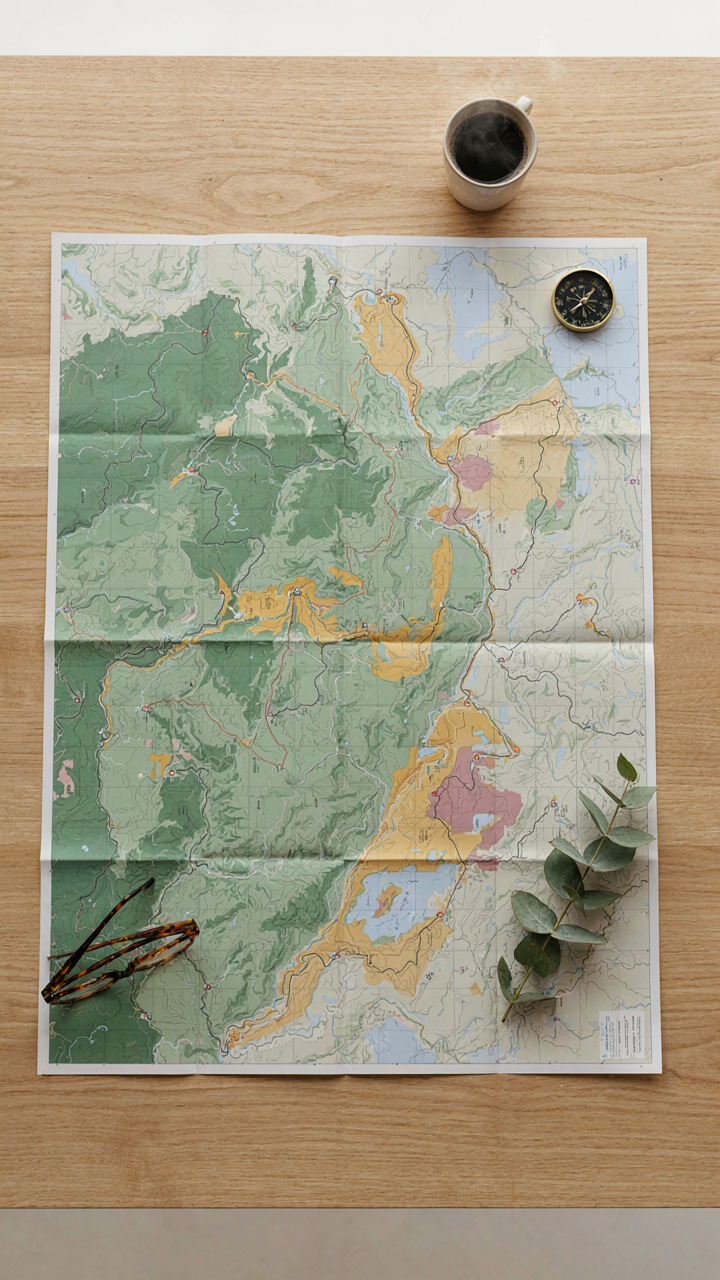
You’re worried about wasting money on a trip that falls apart before you even see the landscape. Here’s what nobody admits: the entrance fee is not your cost bottleneck. Supply chain management teaches us about “critical path analysis”—identifying which delays cascade and multiply. In national parks, the critical path isn’t the fee itself; it’s the gap between when you pay and when you actually have frictionless access.
Most parks charge entrance fees per vehicle, per person, or require specific passes, but the real overhead lives in the details nobody reads: reservation windows, permit timing, shuttle dependencies, and parking constraints. You can pay your fee on arrival and lose six hours to congestion, or you can pay three weeks early and secure a timed entry that compresses your logistics into a workable schedule. The mechanism is simple: early payment often unlocks reserved entry slots that most travelers never access because they assume the fee is a simple transaction.
Plotting Routes To Eliminate Dead Time
The standard advice is to enter parks early and stay late. That’s incomplete and wastes fuel, vehicle wear, and the actual value of your time. What matters is matching your entry point and exit point to your itinerary so you move through the park once without backtracking or waiting in secondary entry lines.
Check your park’s internal shuttle systems, road closures, and trailhead parking availability before you select your entrance gate. Many parks have multiple entry points with wildly different wait times and crowd patterns. Route optimization means choosing your gate based on which trailheads or destinations you’ll actually visit, not which gate sounds closest. Once inside, know which roads feed your destinations in sequence so you navigate the park like a supply route, not a tourist wandering for opportunities. Confirm your exit strategy before dark so you don’t spend money on unplanned lodging because you miscalculated drive time.
The Scarcity Equation: How Demand Dictates Your True Cost Of Park Access
When Popularity Becomes Price
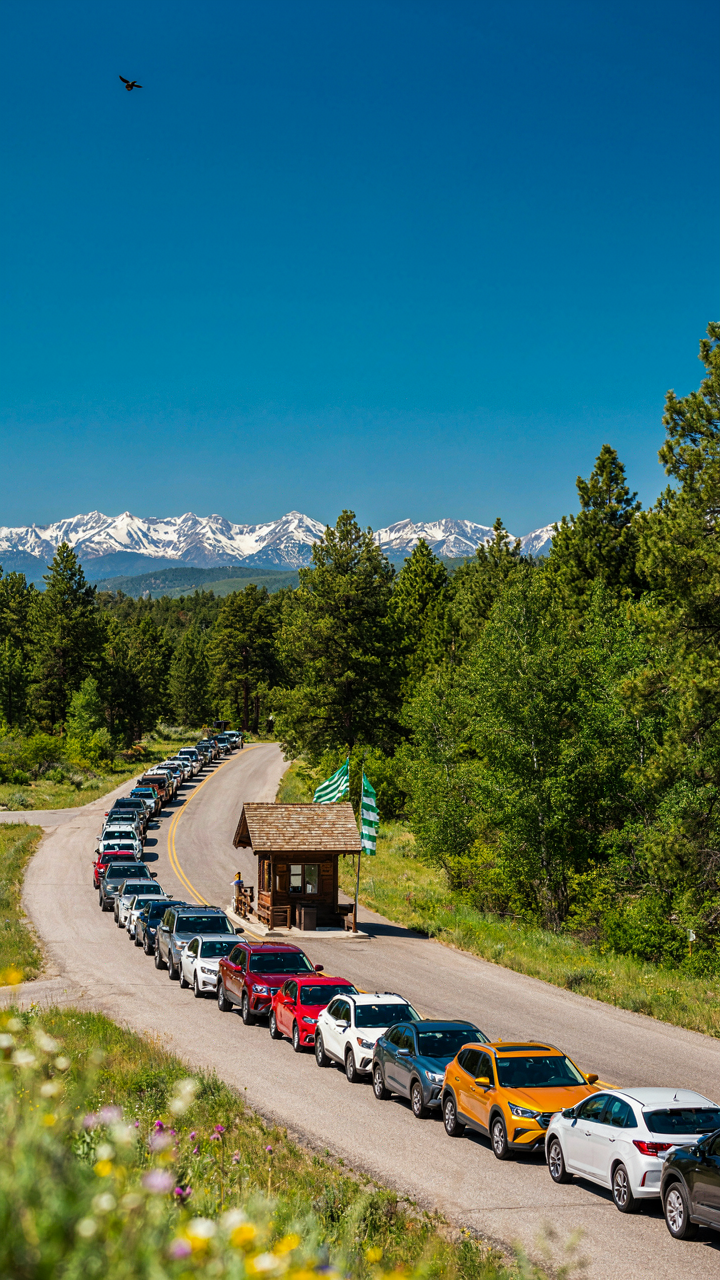
You want to know if you’re getting a deal. That’s the real question underneath this section. Here’s what matters: economics calls this demand elasticity, and parks operate under it like any constrained resource. When visitation spikes, the $35 entrance fee stays fixed, but your actual cost explodes because you’re paying in time, frustration, and degraded experience.
Popular parks like Yellowstone and Zion don’t raise fees during peak season even though demand justifies it. Instead, they hit capacity and force you to arrive at dawn or accept parking lots and crowded trails. The Park Service treats the fee as static, but scarcity makes the real price variable. You’re not paying more money—you’re paying more of everything else.
The Math Of Waiting
Everyone tells you to visit off-season. That’s lazy thinking. Off-season advice ignores what you actually lose by rearranging your life. Waiting in an entrance line for two hours costs more than the entrance fee itself if your time has any value. This is opportunity cost, and most travelers don’t quantify it before deciding when to visit.
A four-hour delay to enter a park during peak season represents real economic loss—hotel nights you’re burning, meals you’re skipping, other activities abandoned. Calculate your hourly rate and multiply by hours spent in lines or searching for parking. That number, added to the entrance fee, reveals your true cost. Most people never do this math and end up overpaying in time without realizing it. Book timed entry slots in advance where available, or pay the hidden cost.
Pre Trip Intelligence: How To Plan Your Trip To Dominate The Fee Landscape

Official Park Service Data Beats Guessing
You want to feel prepared without doing the actual work—that’s the real reason you’re reading this section. The mechanism is simple: the National Park Service publishes entrance fee information directly, and most travelers ignore it because it requires clicking through a government website instead of scrolling an influencer’s highlight reel.
The NPS maintains a searchable database on recreation.gov and individual park websites listing current entrance fees, annual pass options, and fee waivers by park. These aren’t estimates or outdated information—they’re the authoritative source updated in real time. Start there before any other research. You’ll find fee structures, operating hours, and seasonal variations that third-party sources lag on reporting.
Community Intel And Real Experience Reports
Reddit threads, park ranger forums, and travel blogs capture what the official data misses: actual visitor friction points, unofficial fee workarounds, and timing strategies that work on the ground. These sources reveal whether a park accepts credit cards at unmanned entrances, how early you need to arrive to avoid queues, and which entrances charge versus which don’t.
Filter this intel for recency and specificity. A post from last month beats a general blog post from three years ago. Look for reports from travelers visiting during your planned season, not random testimonials. Pay attention to comments correcting the original post—that’s where real experience lives. Cross reference community findings against official NPS data to catch outdated information before it wastes your travel day.
Your Personal Park Access Manifesto: A New Framework For Entry
Stop Reacting To Prices You Never Planned For
You want permission to feel smart about spending money on parks. That’s the real reason you’re reading this. The mechanism is simple: most travelers treat park fees as unavoidable costs instead of variables they control. They show up, pay whatever the entrance booth demands, and call it a day. This is consumer behavior, not strategy. The parks don’t set fees to match your budget or travel schedule. They set them based on operational costs and demand. Your job is to reverse-engineer that system.
Economics calls this dynamic pricing, but parks operate on fixed pricing with seasonal variation. Treat entrance fees like you’d treat any constrained resource: map the cost across time, access points, and pass types, then choose the entry method that maximizes your return. The America the Beautiful Annual Pass costs 80 dollars and covers unlimited entry to most federal parks for twelve months. A single vehicle pass at Yellowstone runs 35 dollars. Do the math before you arrive. Most people don’t, which is why they overpay for regional trips or miss the pass entirely.
Build Your Entry Strategy Before You Pack
Passive consumers wait until they reach the park gate to think about fees. Active strategists decide their access model months prior. Take inventory of parks you’ll actually visit in the next year, not the ones you might theoretically visit. If you’re hitting three or more parks in twelve months, the annual pass pays for itself immediately. If you’re doing a single Western road trip, calculate whether multiple park entries cost more than the annual pass. The answer shifts based on which parks you enter and how you enter them.
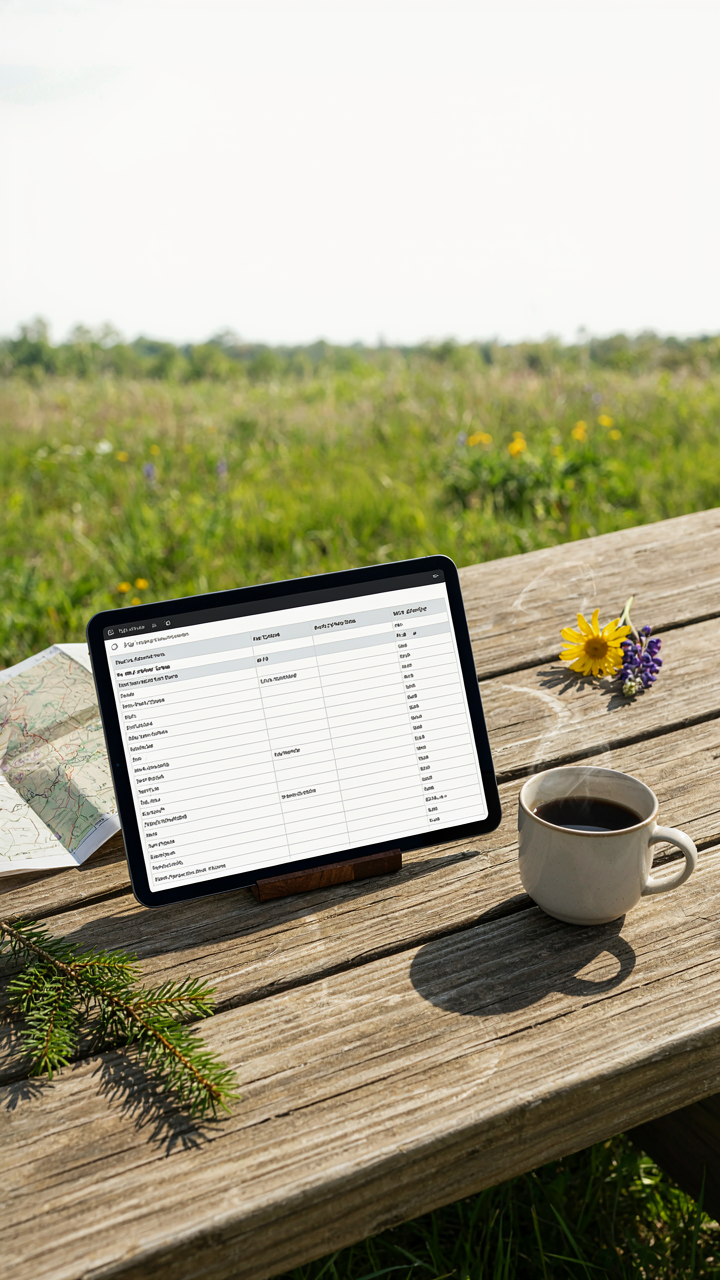
Your strategy framework has three variables: entry type, timing, and frequency. Most parks offer vehicle passes, motorcycle passes, individual entry passes, and annual passes. Some parks honor the America the Beautiful pass. Others, like certain state parks or commercial concessions, don’t. Check each park’s official fee structure now, not when you arrive. Build a spreadsheet if you’re hitting more than two parks. Write down the fee for each entry type and your expected visit month. Then compare total cost across your scenarios. This takes thirty minutes and saves you the friction of deciding at the gate.
The Real Cost Isn’t The Fee, But The Missed Experience Born From Passive Consumption

Most people never visit national parks because they’re too busy researching them. The entrance fee guide becomes an excuse, not a barrier. Stop reading about parks. Pick one within six hours of you. Pay the fee. Go next weekend. The parks don’t care about your budget spreadsheet. They care whether you show up.