
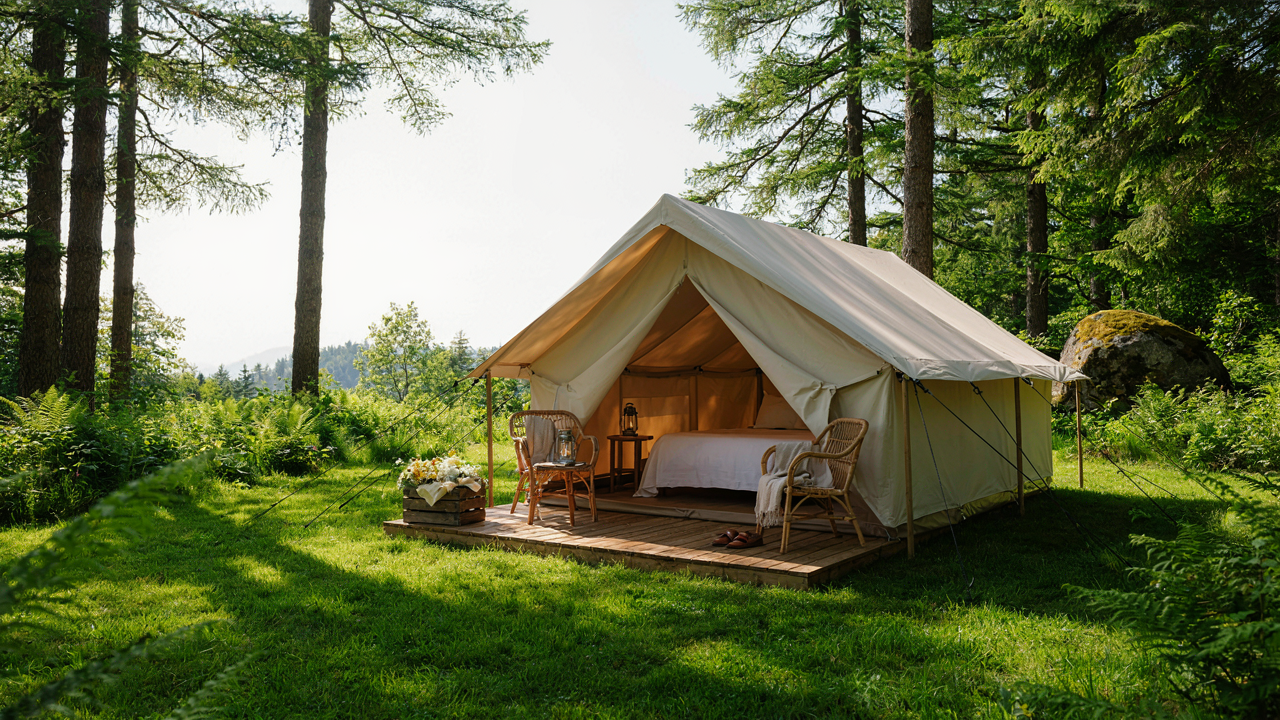
The Illusion Of Wilderness: What Most Glampers Miss

Comfort Over Connection
You’re booking mountain glamping because you want proof that you can rough it without actually roughing it. That’s not a weakness. It’s the mechanism most travel sites ignore: you’re paying for permission to feel adventurous without the cost of discomfort. The problem is that most glamping operations design backwards from this exact motive, which means they eliminate the one thing that makes mountains valuable in the first place.
Authenticity isn’t about hardship. It’s about friction. Real mountain experiences demand small decisions: where to sit for sunrise, how long to stay outside before cold drives you in, whether the noise outside is wind or something else. Curated comfort removes friction by answering these questions in advance. The bed is positioned, the temperature controlled, the ambiance pre-designed. You consume the mountain instead of inhabiting it.
The Mechanism That Separates Value From Waste
Economists call it the paradox of choice. When options multiply, satisfaction often drops. Mountain glamping inverts this: the fewer preset solutions the operation imposes, the more agency you retain, and the more the experience sticks. This isn’t about minimalism as aesthetic. It’s about degrees of freedom as a design principle.
Most glamping sites fail here by over-specifying everything. They choose your view, your activity schedule, your dining time, your “authentic” experience package. The sites that hold real value do the opposite. They provide infrastructure (shelter, water, heat) and then get out of the way. You select your own view by choosing where to sit. You set your own rhythm. The operation’s role is enablement, not curation. When booking, ask what the site doesn’t control, not what it does.
The “Glamping Hotel” Paradox: Is It Still Nature?

Deciding Your Real Comfort Floor
You’re asking this question because you want permission to feel like you’re roughing it while actually avoiding discomfort. Here’s the mechanism: your threshold for “immersion” is really a threshold for how much friction you’ll tolerate before the experience becomes a chore instead of a story. Most people set this backward. They chase the aesthetic of nature while negotiating the reality of their actual tolerance. The gap between those two things determines whether you book a canvas bell tent with a wood stove or a prefab structure with climate control.
Your threshold isn’t philosophical. It’s physical and behavioral. Ask yourself three specific questions: Will you use the bathroom outside the main structure? Will you accept inconsistent water temperature? Will you eat meals you didn’t prepare yourself? Your answers aren’t character flaws. They’re data points. They tell you whether you need a property where “glamping” means a luxury cabin with a stone foundation, or one where it means a heated geodesic dome with heated floors. Neither choice is wrong. The wrong choice is pretending you want the first when you actually want the second.
The Architecture Of Restraint
Unobtrusive luxury is an economics term: it’s negative space design. You pay for what’s absent, not what’s visible. A glamping property nails this when guests stop noticing the infrastructure and start noticing the view. This means the WiFi works without being marketed, the heating activates without your input, the hot water arrives without ritual. The best mountain glamping designs hide their systems.
Poor glamping properties make you hyperaware of their amenities. You see the generator, notice the plumbing, feel the draft around the door. The property becomes a negotiation between comfort and environment instead of a place where both coexist. Unobtrusive luxury means your attention stays on the mountain, not on the machinery keeping you warm. The protocol is simple: if you find yourself thinking about the logistics of your stay, the design has failed. You should only think about where you are, not how you got there.
The Eco Glamping Resort: True Sustainability Vs. Greenwashing

How To Spot Real Environmental Commitment
You want to feel good about where you spend money. That’s not cynical. The mechanism most resorts exploit is simple: they name sustainability without proving it. Real environmental work means measurable systems, not marketing language. Ask resorts for their water usage per guest night, waste diversion rates, and energy sources by percentage. Most cannot answer. The ones that can, and provide third-party verification, operate differently from the rest.
Genuine resorts track carbon offsets through established protocols like Gold Standard or Verified Carbon Standard. They publish annual reports on resource consumption. They disclose sewage treatment methods and water recycling capacity. They maintain these practices regardless of occupancy. Most glamping sites claim sustainability but operate on perception. The difference between greenwashing and real work shows up in spreadsheets, not brochures.
Design That Actually Reduces Impact
Materials science teaches us that load bearing requires understanding stress distribution. In glamping, stress on the land requires the same principle: concentrate human activity in high-use zones while protecting surrounding ecosystems. Most resorts scatter structures across acres. Smart ones cluster them densely, leaving larger areas untouched for natural regeneration. The second approach uses less road infrastructure, less site clearing, and creates buffer zones that prevent habitat fragmentation.
Building methods matter more than aesthetic choices. On-site materials reduce transport emissions. Timber from regional sources beats imported stone. Modular construction allows removal without permanent scarring. Resorts using locally-sourced natural materials and employing reversible installation techniques reduce their footprint by 40-60 percent compared to conventional resort building. Verify these methods before booking by requesting construction documentation and material sourcing records from the operator.
Yurt Glamping Beyond The Instagram Photo
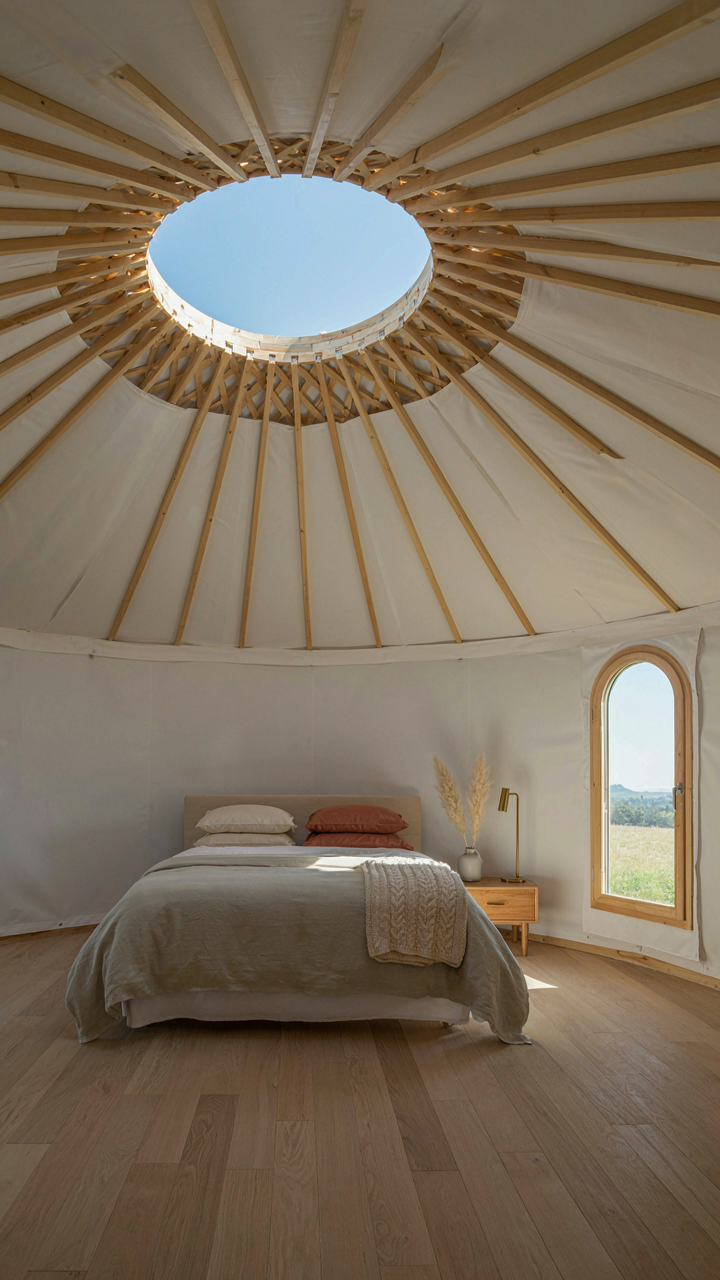
The Math Of Sleeping In A Circle
You’re booking a yurt because you want to tell people you slept in a yurt, not because you’ve thought through whether the design actually works for your body and your stuff. Military logistics uses the principle of concentric rings to maximize usable space while minimizing wasted perimeter. A yurt’s circular footprint forces you to apply this same principle: every inch from center to wall serves a function or it’s dead space.
The honest constraint nobody mentions is that circular rooms create dead zones. Corners disappear. Furniture doesn’t stack like it does in rectangles. A queen bed takes up meaningful real estate. Your luggage has nowhere obvious to land. The structure forces optimization because there’s no alternative. You either ruthlessly assign each zone a purpose or you live in friction for three days. Most glamping sites bury this in photos of mood lighting instead of telling you: bring minimal gear and commit to a layout before arrival.
Where Your Brain Actually Relaxes In Round Rooms
Neuroscience confirms what architects have known for centuries: enclosed circular spaces reduce peripheral threat detection. Your eyes don’t need to scan corners. This is measurable. The yurt’s geometry creates a psychological reset that has nothing to do with the views or the wood stove. What does matter is that this neurological shift only happens if the space is actually clean and organized. Clutter in a circle feels more oppressive than clutter in a rectangle because you can’t hide it behind a wall jog.
The second mechanic is acoustic. Sound reflects differently in circular geometry than linear rooms. Conversations don’t echo into corners. Wind noise distributes evenly rather than concentrating. This matters at night. Your nervous system registers this ambient stability even while you sleep. The practical move: test the yurt’s insulation before booking. Ask the operator directly about wind noise at the specific elevation. A poorly sealed yurt erases the neurological benefit and leaves you paying premium prices for worse sleep than a hotel.
The Cabin Resort Blueprint: Control Your Environment
What Actually Breaks Your Focus
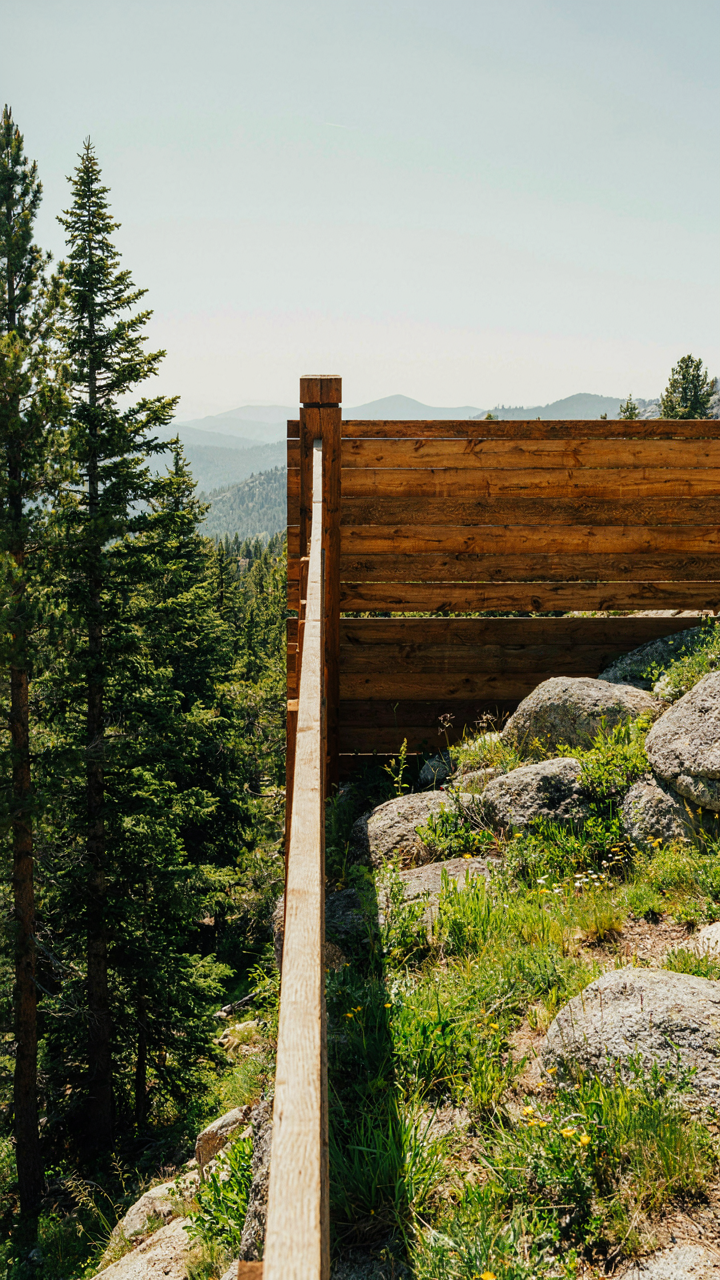
You’re booking mountain glamping because you want to escape distraction, but what you really want is permission to stop proving yourself for 72 hours. Here’s the mechanism: focus dies when your environment demands decisions. Every unknown variable in a cabin—thermostat placement, shower pressure, lighting strength—fragments attention and triggers low-level stress. The properties that control your environment eliminate decision fatigue before it starts, which is why high-performers return to the same places repeatedly.
Cabin resorts that dominate this category use systems thinking: they’ve pre-solved every variable you’d otherwise troubleshoot. Temperature stays stable through insulation and zone-controlled heating. Water pressure is engineered to spec. Lighting has dimmer presets. Noise barriers isolate you from other guests. These aren’t luxuries. They’re infrastructure for cognition. When nothing requires your attention, your brain has bandwidth for actual rest or actual work.
Privacy Through Deliberate Placement
Seclusion isn’t just about distance from neighbors; it’s about sight lines and acoustic barriers. Real privacy requires what military strategists call terrain advantage: positioning that prevents observation and contains sound. Mountain glamping resorts apply this by spacing cabins farther than you’d expect, using ridge lines or tree clusters to block direct sightlines, and constructing walls with mass enough to kill sound transmission. One cabin across a valley is private. Ten cabins crammed into one ridge are not, no matter what the marketing claims.
Ask resort operators one question before booking: What’s between your cabin and the next nearest guest cabin? If the answer is “thirty meters and some trees,” that’s insufficient. Verify it’s at least fifty to seventy meters with natural terrain between you. Check the site plan for cabin orientation too. If your deck faces away from neighbors’ decks, morning coffee stays yours. If it faces theirs, you inherit their schedule and noise profile. Acoustic privacy requires intention, not accident.
Glamping Tent Ideas: Upgrading Beyond Basic Canvas
The Fabric That Actually Keeps You Warm
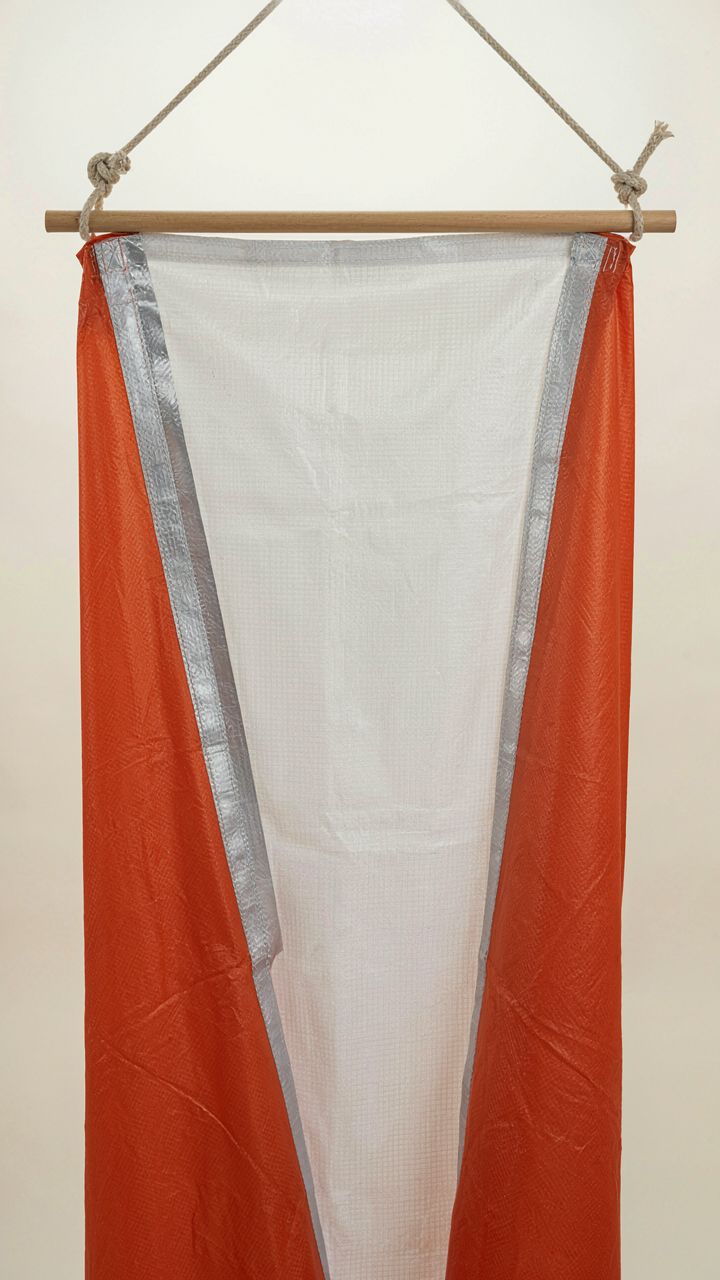
You’re booking glamping because you want comfort without sacrificing the view, but you’re worried canvas will leave you shivering at 8,000 feet. Here’s the mechanism: insulation works through thermal resistance, a physics concept that measures how well a material stops heat transfer. Most glamping tents use single-layer canvas, which has an R-value around 1. That’s nearly worthless in mountain cold.
Upgrade to double-wall construction with a thermal break between layers. The outer wall sheds moisture and wind. The inner wall traps dead air space, which is where actual insulation happens. Brands using this approach add fleece or synthetic batting between walls, pushing R-value to 3-4. At elevation, this difference separates uncomfortable from usable. Verify the tent’s specifications list R-value or thermal resistance before booking, not just “insulated” marketing speak.
Wiring The Tent Without Burning It Down
Everyone says glamping tents have heating and lighting, but few explain the actual constraint: you need 12-volt DC power run through conduit, not loose wiring stapled to canvas. This prevents the tent material from degrading and eliminates fire risk from friction or rodent damage. Most operators use a centralized battery bank outside the tent feeding individual circuits through weatherproof conduit into junction boxes mounted on support poles.
LED strip lighting and low-watt heaters pull minimal amperage, keeping your battery system simple. Heating pads in the bed work better than space heaters because they concentrate warmth where you sleep rather than heating empty air. A 100Ah lithium battery paired with solar panels means you’re not running a generator all night. Check whether your glamping site has solar backup for cloudy days, because a dead battery at midnight is not glamorous.
Luxury Glamping Ideas: Investing In Experience, Not Just Price Tag
What You’re Actually Paying For
You’re not paying for thread count or square footage. You’re paying because you want proof you made the right choice, and a generic hotel doesn’t provide that. Bespoke services work like compound interest in economics: small touches accumulate into a gap between your experience and what your friends got elsewhere. A property manager who knows your name before arrival, staff who anticipate needs without asking, meal timing that syncs with your schedule, not theirs. These aren’t extras. They’re the difference between consumption and customization.
The mechanism is simple: scaling personalization costs money because it requires systems, not luck. A 20-room property can’t bespoke its way to profitability without operational discipline. Properties that nail this hire staff with hospitality training, not just warm bodies. They build guest profiles before you arrive. They empower staff to solve problems without approval chains. The best mountain glamping properties treat you like a returning client on day one, which means they’ve engineered away the friction that commodity resorts accept as normal.
Designed Moments Beat Passive Scenery
The common advice says “just sit on a deck and enjoy the view.” That’s how people waste money on expensive places. Passive consumption doesn’t trigger memory formation or justify the price to your brain afterward. You need designed activities: guided foraging with a local expert, not a generic hike. A chef’s table where you influence the menu. A sunrise photography session with someone who knows the angle of light at that specific elevation. The difference is agency. You’re not a spectator. You’re building something.
Properties that understand this curate their activities around scarcity and exclusivity, not volume. They limit group sizes to maintain control. They partner with specialists who live locally, not touring guides. A bespoke glamping property structures your time so you’re doing one or two intentional things per day, leaving space for rest and spontaneity. This fills the gap between “I went to a beautiful place” and “I had an experience I’ll reference for years.” The booking process should make this clear: ask what activities they curate versus what they simply point you toward. If they can’t articulate the difference, they don’t have one.
The Solitude Protocol: Designing Your Escape From Distraction
Kill Your Signal Before You Leave
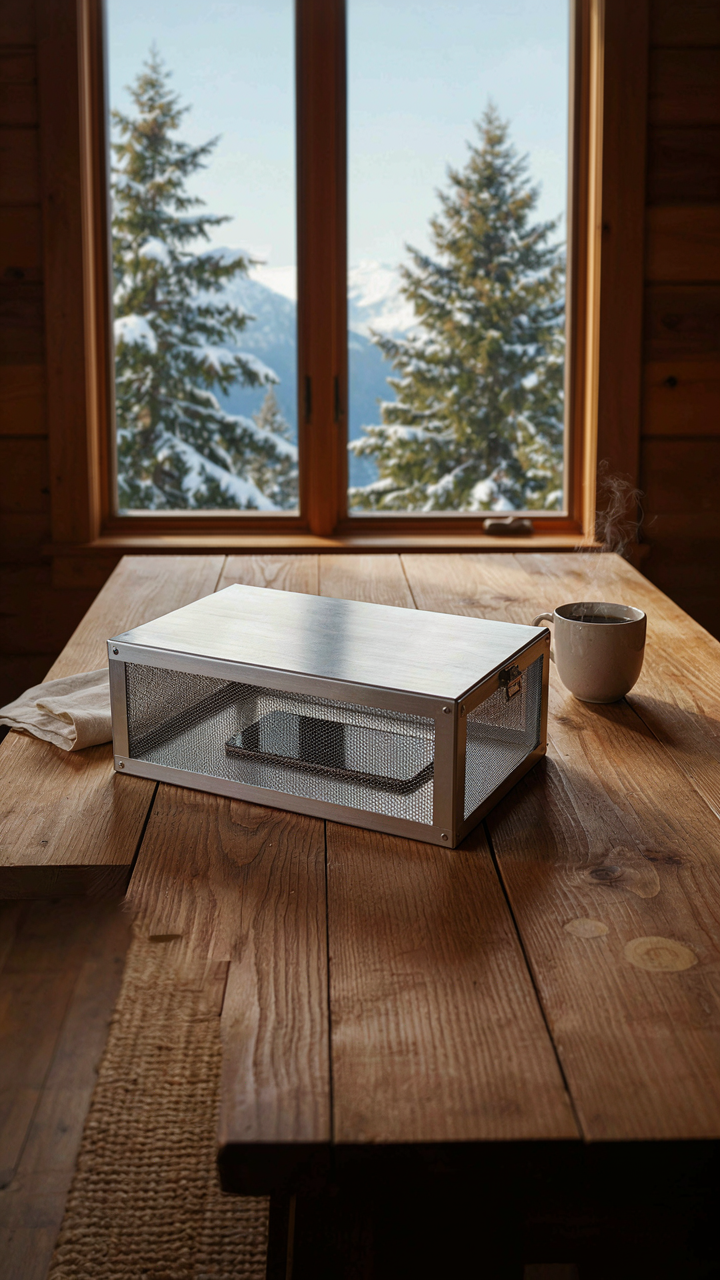
You want to believe you can “mostly” disconnect and still feel present. You can’t. The mechanism is simple: your phone’s mere presence activates cognitive load. You’re running a background process checking for notifications whether you admit it or not. Mountain glamping properties that enforce dead zones win because they remove the decision tax entirely. You don’t negotiate with yourself if the option doesn’t exist.
- Faraday cage accommodation design: Some high-end glamping sites use natural geography or intentional dead zones where cellular signal genuinely doesn’t reach. Confirm actual signal strength before booking, not just marketing claims.
- Hard power cutoffs in guest agreements: Premium properties require phone surrender at check-in or contractually enforce designated tech-free hours. This removes individual willpower from the equation.
- Wi-Fi kill switches on property: Owners disable internet access during specific windows, forcing all guests offline simultaneously. Eliminates the temptation to “just check one thing.”
- Altitude positioning advantage: Booking glampsites at elevations above 8,000 feet often reduces signal naturally. Geographic advantage beats relying on guest discipline.
- Physical separation from devices: Some sites collect phones during day activities and return them only at night. The friction of retrieval creates real behavioral change.
The properties that succeed here aren’t the ones offering meditation apps or mindfulness seminars. They’re the ones that make distraction physically impossible. Demand specifics about signal coverage and enforcement policies before you book. A site claiming “digital detox vibes” but offering full 5G is selling you an illusion.
Anchor Yourself To Recurring Actions
Your brain doesn’t detach from routine. It resists it. So don’t fight that; use it. Mountain glamping works best when you replace your home rituals with equivalent outdoor ones, creating the same neurological groove in a different context. This isn’t meditation or wellness theater. It’s substitution. You wake at the same time, move to the same spot, perform the same action for the same duration. The location changes but the structure holds.
The most effective glamping experiences build ritual infrastructure into the property itself. A morning fire pit with pre-staged materials means you don’t decide whether to start a fire; you simply do it. A designated writing table positioned for sunrise becomes the replacement for your desk coffee. A walking loop with marked distances replaces your gym route. These aren’t suggestions. They’re architectural cues that trigger existing behavioral patterns. Your nervous system recognizes the structure and settles faster. You’re not fighting your nature. You’re redirecting it toward intentional action instead of reflexive distraction.
“Camping Resort Design” Reimagined: The Anti Resort
Every Surface Earns Its Existence
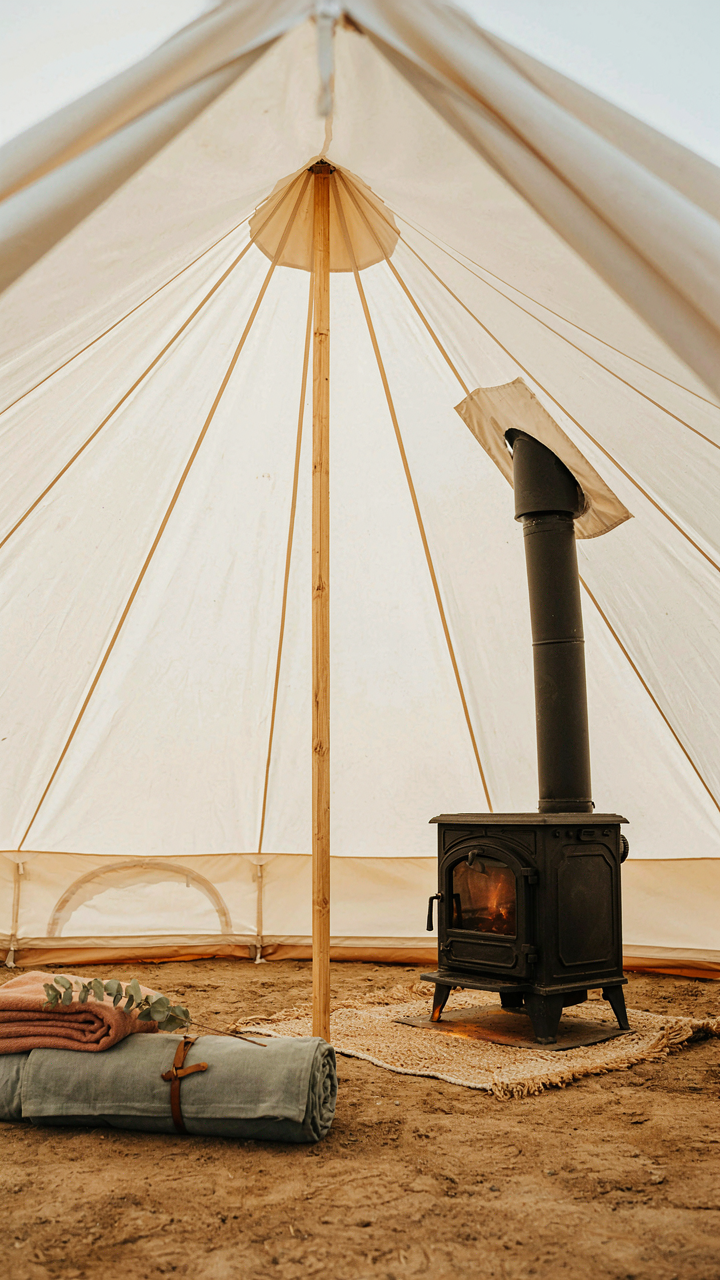
You want to feel like you’re roughing it while actually being comfortable. The mechanism that sells this lie is clutter disguised as authenticity. Minimalist design in mountain glamping strips away the resort theater—no decorative throw pillows, no themed wall art, no ambient uplighting pretending to be “nature.” The space holds only what function demands: a bed, storage, climate control, a workspace if needed. Materials matter here. Stone, steel, and untreated wood age visibly. They don’t pretend. A canvas bell tent with a wood-burning stove and a solid floor does more work than a cabin covered in rustic signage and unnecessary fixtures. The constraint forces intentionality. Every element solves a problem or it leaves.
This approach cuts operational costs too. Less to maintain means less staff overhead. Less inventory to manage. Fewer things break. The business model becomes sustainable because the design itself prevents waste. A glamping operator who builds one well-appointed structure gets higher margins than one managing fifty rooms full of items guests never touch. The design philosophy directly funds better materials, more land per unit, and longer structural lifespan. When you book a minimalist glamping setup, you’re paying for function and durability, not for the resort’s labor-intensive décor rotation.
Community Without The Manufactured Gathering
Resort culture manufactures togetherness through scheduled activities and shared amenities that isolate people by proximity. Real community emerges through voluntary proximity and friction. An anti-resort glamping site uses architectural arrangement, not programming, to allow connection. Wide gathering spaces near the kitchen or fire pit exist without forced attendance. Paths between units create natural encounter points. Shared resources like water sources or tool storage become informal meeting spots. People choose to be there together because the geography makes it convenient, not because the operator booked a group yoga instructor.
The key mechanism: remove the social friction while keeping the social option open. Separate structures ensure privacy. Clustered layouts ensure chance encounters. Absence of a activities schedule means guests who want solitude find it, and those seeking company can propose it. No staff member enforces mingling. No scheduled dinners require attendance. This design principle comes from urban planning, where successful public spaces work through choice architecture, not coercion. A glamping site structured this way attracts repeat visitors because they control their own experience. The operator doesn’t manufacture community—they architect the conditions where guests build it themselves.
Glamping Design That Serves Your Mind, Not Your Feed
Ergonomics For Mental Clarity
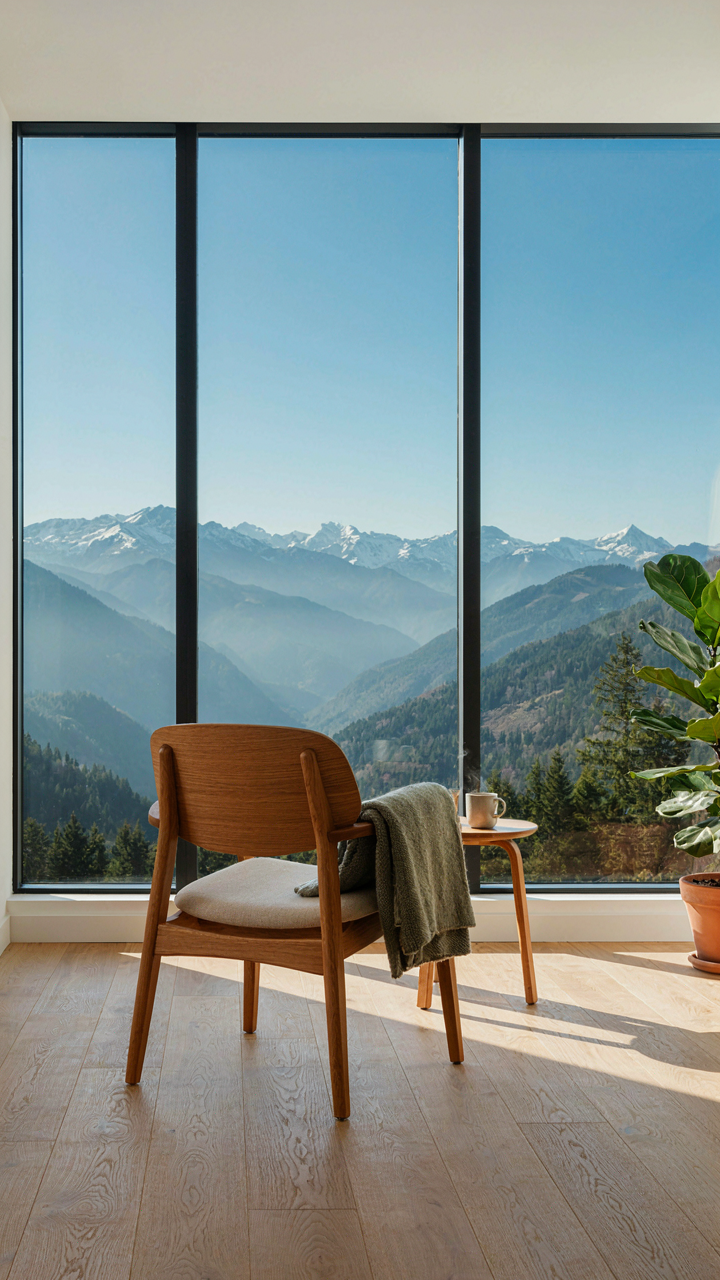
You want the space to look intentional on camera. But that’s backwards. The real mechanism comes from neuroscience: your brain processes spatial relationships before aesthetic ones. When a chair fits your body, your nervous system stops working. When it doesn’t, it’s constantly compensating. That compensation taxes cognition. Mountain glamping spaces that win use the principles of ergonomic design, which emerged from industrial psychology in the 1950s but applies directly here: eliminate friction between your body and the environment, and your mind gains bandwidth it previously spent on micro-adjustments.
Most glamping interiors ignore this entirely. They prioritize the photograph over the experience. Real clarity comes from mattress height aligned to your leg length, furniture placement that doesn’t force you to rotate your torso to see the view, and work surfaces at elbow height if you’re there to focus. When you enter a well-designed glamping structure, you should feel the absence of discomfort before you register the design itself. Check the bed frame height against standard ergonomic tables before booking. Confirm furniture distances from windows. The room should feel like it was built for your body, not around it.
Sensory Input For Deep Relaxation
Deep relaxation isn’t about silence or dimness. That’s the amateur take. Sensory biology shows the opposite: controlled input creates baseline calm. Your parasympathetic nervous system activates when it receives predictable, non-threatening stimuli. Mountain glamping that lands this uses what researchers call stimulus complexity: enough sensory data to engage attention, structured enough to avoid threat signals. The sound of water moving. The temperature gradient between sun and shade. The texture of natural materials your hands encounter. Unpredictable noise creates vigilance. Predictable natural variation creates ease.
The mistake: filtering out all discomfort. Real mountain glamping introduces deliberate sensory anchors that match what humans evolved around. Wood grain variation visible from bed. Layered textile surfaces. The acoustic dampening of canvas or felt. Air movement from natural cross-ventilation, not conditioning. Temperature fluctuation tied to time of day, not flattened into artificial consistency. Before booking, ask what materials the interior uses and whether the space relies on active climate control or passive thermal design. Spaces that maintain some connection to external conditions create deeper parasympathetic engagement than sealed environments that simulate comfort.
The Obstacle Isn’t Finding The Perfect Glamping Spot; It’s Your Inability To Define Your Own Perfection

You scroll through glamping sites for hours because you don’t know what you actually want. Stop. Open a document right now and write down three non-negotiables: altitude, season, and solitude level. Not “nice to haves.” Dealbreakers. This filters 90 percent of noise instantly. You don’t need more options. You need clarity. The best glamping experience isn’t luxury. It’s the one you stopped second-guessing yourself about.