
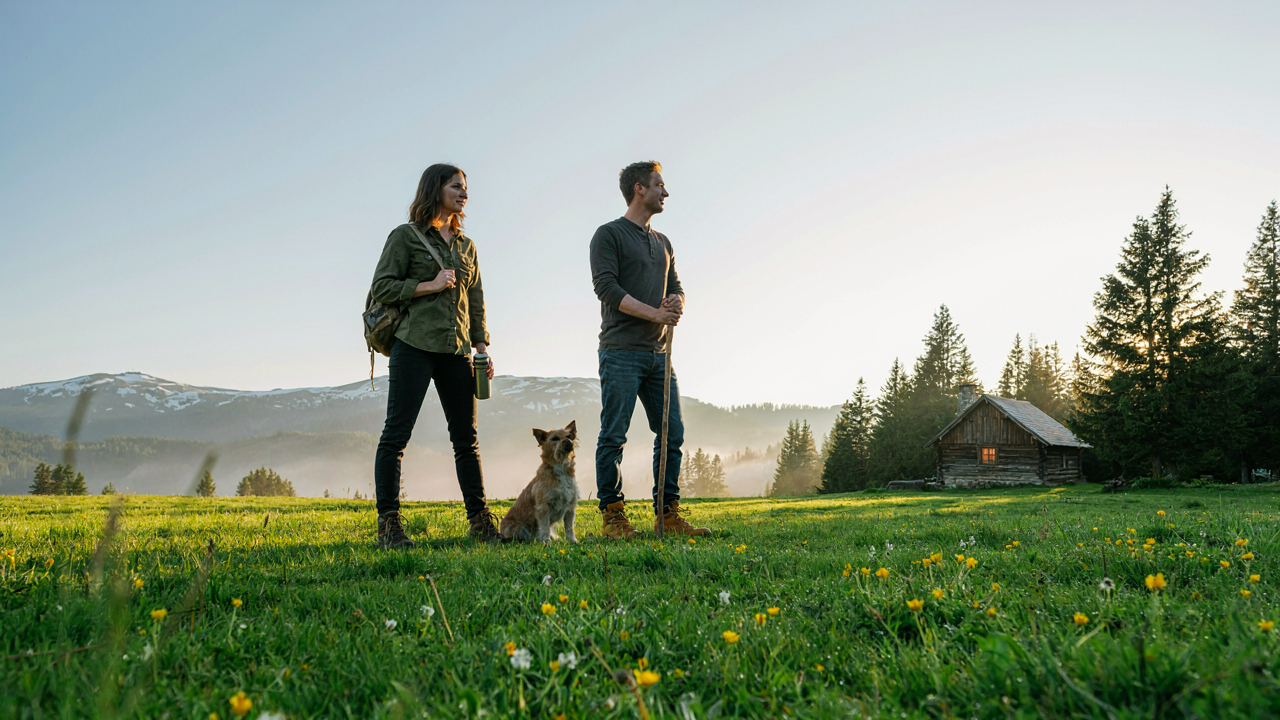
Beyond Instagram: The Unfiltered Mountain Cabin Reality

The Cabin Myth Versus Ground Truth
You’re drawn to this section because you’re afraid the cabin won’t feel like the photo. That fear is the mechanism: expectation mismatch destroys experience before you arrive. The romanticized cabin exists in two places only—magazines and the filtered frames people post. Real cabins have dead bugs on windowsills, uneven floors from foundation settling, and plumbing that requires negotiation. The gap between the image and the object is where most cabin stays fail.
Mountain cabins built before 1980 were utilitarian structures designed for function, not aesthetics. They have low ceilings to retain heat, small windows to reduce heat loss, and dark wood interiors that show age and wear fast. Modern rental cabins often replicate this aesthetic intentionally, but the replica never matches the original’s performance or comfort. Visitors expect lodge-like interiors with gallery lighting and open floor plans. They get cramped layouts, limited outlets, and heating systems that struggle above 8,000 feet.
Authenticity Over The Curated Experience
Stop expecting the cabin to match the listing photos. The real advantage of a mountain cabin is that it forces you to disconnect from the systems you’re trying to escape, not that it provides a boutique hotel experience with pine beams. Authenticity means dealing with minor inconveniences—no high-speed internet, limited cell signal, water that smells faintly of minerals, temperature fluctuations between rooms.
The cabin stay works when you stop treating it as a photo opportunity and start treating it as a functional shelter in a specific climate. You’re paying for location and simplicity, not luxury. Bring layers regardless of season. Expect the shower pressure to be weak. Assume you’ll need to operate a wood stove or propane heater manually. Accept that the kitchen has half the tools you’re used to and plan meals accordingly. The mechanism is simple: strip your expectations to match the actual product, and the cabin becomes exactly what you paid for.
The Wilderness Protocol: Prep Like Your Comfort Depends On It

What You Actually Need To Bring
You’re hoping gear lists will make you look prepared without requiring you to actually think. That’s the trap. The mechanism is simple: mountains don’t care about your Instagram setup or minimalist aesthetic. They care about temperature swings, isolation, and your body’s non-negotiable needs. Gear exists to solve specific problems, not to fill a backpack.
Start with what kills you fastest: cold and wet. Then work backward through what prevents injury, then comfort. Most people reverse this order and pack luxuries they’ll never use while leaving critical items behind.
- Insulation layers (not just a jacket): Merino wool base layer, fleece mid-layer, and windproof outer shell. Cotton fails in cold and wet. Layering lets you regulate without overheating during exertion.
- Water treatment system: Tablets, pump filter, or boiling setup. Mountain water looks clean and carries parasites. Giardia ruins weeks of your life. Treat everything upstream.
- Headlamp with spare batteries: Darkness arrives fast. Your phone flashlight dies in cold. A real headlamp works when you miscalculate daylight or need both hands.
- First aid focused on mountain injuries: Blister management, pain relief, and trauma supplies. Generic kits miss what actually happens: twisted ankles, deep cuts, and sustained cold exposure.
- Navigation tools independent of cell service: Physical map, compass, or GPS device. Relying on phone GPS drains batteries and fails in canyons. Know where you are without asking technology.
The difference between prepared and screwed is packing things that solve problems instead of things that sound good. Test every piece before you leave civilization. Bring backup batteries for your backup batteries.
Weather Doesn’t Follow The Forecast
Common advice says check a weather app and pack accordingly. That’s incomplete. Weather forecasts predict conditions at a single elevation in a flat area. Mountains generate their own systems through orographic lift, microclimates, and rapid pressure changes. Your cabin sits in a specific pocket of terrain that the national forecast doesn’t know exists.
Learn what “clear skies” means at your elevation in that season. A sunny morning at base camp becomes a lightning risk at 9,000 feet by afternoon because air mass rises, moisture condenses, and convection builds. Local weather patterns repeat. Talk to people who’ve been there in the same month, not the weather service. They’ll tell you about wind tunneling through the valley at dawn, afternoon storms that form in two hours, and how fast temperatures drop after sunset. The forecast says 45 degrees. Locals say it feels like 25 at night because wind chill accelerates. Prepare for the local condition, not the number.
Location Leverage: Optimizing Your Mountain Getaway ROI

Which Cabin Actually Delivers
You want to feel like you made the smart choice. That’s the real motive here. Economics calls this “information asymmetry”—you have incomplete data about what you’re buying, so you optimize for the wrong signals. Most cabin renters pick based on photos and star ratings, which measure presentation, not utility. The mechanism is simple: a cabin’s actual value tracks directly to what you can do from it, not what it looks like when you arrive. A cabin near a trailhead worth hiking beats a cabin with granite counters thirty minutes from anything real. Amenities are noise. Access is the product.
Evaluate cabins by mapping your specific activity first, then working backward to location. If you want to fish, a cabin two miles from the stream is worse than a cabin half a mile away with no hot tub. If you’re there to work remotely, proximity to reliable internet and power matters more than square footage. The cabin is a base station, not the destination. Choose your base by the radius of value around it, not the interior finishes. This filters out ninety percent of listings immediately because most cabins cluster in areas optimized for photos, not outcomes.
Proximity To Real Friction, Not Instagram Friction
Tourist traps exist because they’re easy to market, not because they’re good. A waterfall everyone photographs is crowded during daylight hours. A viewpoint with cell service gets overrun. The common advice says “seek hidden gems,” which is useless because if you’re reading it, they’re not hidden anymore. The real mechanism: friction is your competitive advantage. Places that require effort to reach have fewer people, better conditions, and lower rent. A cabin near a maintained trail that takes forty minutes to reach beats a cabin near a thirty-minute trail by orders of magnitude because most tourists quit before the effort threshold.
Measure proximity by access friction, not distance in miles. A cabin five miles from a trailhead on a rough forest service road is more isolated than a cabin two miles from a paved road. Check actual road conditions before booking—winter closures, washboard surfaces, and seasonal access gates are not marketing details. The cabin that seems inconvenient is the cabin where you actually relax. Contact the property owner directly and ask what time visitors show up at nearby attractions. That answer determines whether you’ll have peace or crowds. This is the only metric that predicts your actual experience.
The Fall Getaways Algorithm: Timing For Peak Experience, Not Crowds

Shoulder Seasons Beat Peak Crowds Every Time
You want the Instagram version of fall without the parking lot. Here’s the mechanism: everyone books the same three weekends in October because they saw the same photos. Economics calls this “demand clustering”—when supply stays fixed but demand spikes, price and crowding spike together. Mountain cabins operate on this exact pattern. The shoulder seasons (late September and early November) offer 80% of the visual payoff with 20% of the people because the consensus hasn’t solidified yet.
The real advantage isn’t just fewer bodies. Early fall cabins still have full daylight hours for hiking, water is still swimmable in most regions, and foliage starts changing earlier at higher elevations. Late fall gives you the tail end of color without the leaf-peeping tourists, plus lower rates across the board. You book a cabin in mid-September or late October and pay 30-40% less than peak dates while keeping the core experience intact. The trade-off is simple: one degree colder or slightly less saturated color for dramatically better access and cost efficiency.
Reading Weather Patterns Like Strategic Intel
Weather doesn’t happen to you during a cabin stay—it determines the entire experience quality. Storm systems move predictably through mountain ranges, which means you can forecast not just rain or snow, but the exact window where conditions shift. High-altitude weather stations publish hourly updates; most cabin renters ignore them and just look at the five-day forecast like civilians.
Real planning means tracking the jet stream position and frontal boundaries two weeks out. A low-pressure system moving through the Rockies or Appalachians creates a specific sequence: clear skies before it hits, intense weather during, then the clearest conditions after it passes. Book your cabin for the post-system window, not the week before. You’ll catch the dramatic clearing effect when visibility peaks and temperatures stabilize. Early morning frost and crisp afternoon air become your default, not your gamble. This isn’t fortune-telling—it’s pattern recognition applied to atmospheric data you can access right now.
Mindset Over Amenities: The True Mountain Cabin Vacation Ideas

Relaxation Without The Noise
You think you need Wi-Fi, a hot tub, and a view to feel like you’re actually resting. That’s status anxiety wearing vacation clothes. The real mechanism is simple: your nervous system doesn’t calm down around stimulation, it calms down around removal of it. A cabin without Netflix isn’t deprivation. It’s the subtraction that creates the actual rest your body needs but your ego resists.
Most cabin rental listings bury this truth under amenity lists because amenities sell. What actually works costs nothing. Silence, a fixed routine, no choice architecture, and genuine boredom trigger the parasympathetic response your body’s been waiting for. You don’t need a spa day. You need to be unable to refresh your email for three days straight. Build your cabin stay around that constraint, not around fighting it.
Boredom As The Operating System
The common advice says “bring activities” or “plan excursions.” Wrong frame. Entertainment is the problem, not the solution. Stillness isn’t something you manufacture through curated experiences. It’s what remains when you stop manufacturing anything at all. Most people confuse a quiet cabin with a resort that happens to be remote. That’s just isolation with distractions.
Real stillness requires a protocol: no scheduled activities, no streaming services, limited cell service, and a single book or task you’re genuinely interested in. Not hobbies to fill time. Not Instagram-worthy moments. One thing you do because it matters to you, pursued without performance. The mechanism is neurological. Boredom triggers your default mode network, which is where genuine thinking and nervous system recovery actually happen.
The Resource Allocation Model: Fueling Your Mountain Cabin Adventure

Packing For Systems, Not Sentiment
You want to feel prepared because unprepared people die in mountains. That’s the real mechanism behind why this matters. Military logistics operates on a principle called “load carrying capacity”—the ratio of what you bring versus what you can actually move and deploy. Your cabin packing works the same way. Everything you pack must either sustain you, enable work, or handle a failure state. Nothing else boards the vehicle.
The mistake most people make is packing for comfort instead of function. They bring decorative items, backup outfits they might wear, books they might read. At a mountain cabin, you’re operating under constraint. Every item competes for the same limited space and weight budget. Inventory what you actually need: water capacity, food for your stay plus a 20 percent buffer, first aid supplies, tools for basic repair, backup power sources, weather protection that matches the season, and shelter gear if you’re hiking between locations. That’s the list. Everything else is waste.
Efficiency Through Thermodynamic Design
Thermodynamics teaches that energy flows from high concentration to low concentration, and systems lose efficiency whenever they fight that gradient. Your cabin stay operates the same principle: stop fighting the environment’s energy state and instead work with it. Most people arrive at cabins and immediately try to maintain their home baseline—constant heating, constant lighting, constant activity. This burns resources fast and creates dependency on external supply lines you don’t have.
The real move is accepting seasonal rhythms instead of resisting them. In winter, cabins naturally cool at night; you consolidate activity into daylight hours and allow temperature to drop when you’re sleeping. Heating concentrates around the core living space, not the entire structure. In summer, the reverse: work during cooler morning and evening windows, rest during peak heat. Food storage uses ambient temperature instead of refrigeration in cold months. You’re not roughing it or being ascetic. You’re matching your operational schedule to the environment’s existing energy distribution. This reduces fuel consumption, extends supply longevity, and eliminates the friction of constantly working against local conditions.
Authenticity Filters: Vetting Your Cozy Cabin Vacation Spots

Real Rustic Charm Versus Marketing Fiction
You’re worried you’ll pay premium prices for something fake and feel stupid about it later. That fear is rational. The mechanism at play here borrows from signal detection in biology: you’re hunting for honest signals that can’t be faked cheaply, while filtering out costly-to-produce imitations designed to look old. A genuinely weathered cabin shows its age through specific, irreplaceable marks. Hand-hewn beams display tool marks that vary across the wood. Real stone fireplaces show uneven mortar joints and settling cracks that develop over decades. These details cost money to fake, so most operators don’t bother.
Examine photos for inconsistencies between rooms. Fake rustic cabins maintain visual uniformity because they’re built new with a theme applied everywhere. Real cabins have mismatched materials, different paint conditions, and upgrades layered unevenly across time. Ask owners directly about construction dates and renovations. Evasive answers or vague timelines signal a property that’s been rebranded rather than authentically maintained. Cross-reference their claim against county property records, which are public. The effort reveals whether the cabin actually has the history the listing claims.
Mass Market Imitation Versus Honest Positioning
Most advice says to read reviews carefully. That’s incomplete. Review algorithms reward engagement, not accuracy, and platform incentives push properties toward oversaturation. Here’s what actually matters: a cabin operator banking on repeat business prices differently than one extracting maximum value from transient guests. Properties positioned as “rustic escapes” but listed on mainstream platforms with luxury keywords are playing both sides. They’re trying to capture search traffic for “cozy mountain cabin” while charging resort rates.
Check whether the operator owns multiple properties in the same region. Portfolio players optimize for conversion volume and standardization across units. Single-cabin owners typically maintain their space differently because they live near it or personally maintain it. Request direct contact info from the listing rather than booking through the platform’s interface. If they avoid this, they’re protecting their algorithmic positioning over building direct relationships. The booking method itself signals whether you’re dealing with someone protecting a genuine operation or someone running an extraction play.
The Disconnect Method: Digital Detox In Your Mountain Cabin

Enforced Silence Without The Sanctimony
You want to believe disconnecting proves you’re thoughtful and intentional, but the real reason you’re reading this is fear that without forced constraints, you’ll never actually stop. The mechanism is simple: removal beats willpower. Willpower depletes. Removal is structural. A mountain cabin stay becomes a detox only when you eliminate the option, not when you promise yourself restraint.
- Dead zone cellular coverage: Choose a cabin location where signal naturally drops below usable strength. This removes the choice entirely, making disconnection involuntary rather than performative.
- WiFi router left at home: Don’t bring it. No password debates, no “just checking email.” Absence is cleaner than willpower against a blinking device.
- Device charging station locked in vehicle: Physically separate your phone and laptop from your sleeping area. Make retrieval require deliberate action and time to reconsider.
- Analog task list posted on wall: Write daily activities on paper, pinned inside. This shifts your dopamine reward from app notifications to physical completion and pen marks.
- No devices during meals or first two hours after waking: Establish this as a non-negotiable cabin rule before arrival. The ritual matters more than the specific hours.
Most people pack their cabin expecting self-discipline to kick in once trees are visible. It won’t. The environment must do the work your brain can’t. Structure the stay so disconnection becomes the path of least resistance, not the harder choice.
Breaking The Notification Treadmill
Notification addiction isn’t a character flaw, it’s an engineered response loop borrowed from operant conditioning in behavioral psychology. You’re a rat trained to press a lever. The mountain cabin breaks the lever, not the habit. What matters is what you do when the treadmill stops moving.
The first 36 to 48 hours feel empty. Your nervous system expects the dopamine hits. This is normal. What happens next depends on whether you’ve pre-loaded alternatives or sit in the void long enough to get bored. Boredom isn’t the enemy. Boredom is where actual thought returns. Books, woodworking, observation, conversation, walks without a phone—these aren’t filler. They’re the restoration of baseline cognition. Your focus returns not because the cabin is magical, but because you’ve removed the constant interruption that destroyed it.
Post Cabin Integration: Bringing The Mountain Mindset Home

What Actually Changed When You Left
You want to believe the cabin rewired you permanently. It didn’t. What actually happened is you removed friction long enough to notice how you normally operate. The cabin stripped away noise and forced prioritization by default, not virtue. That’s the mechanism: constraint reveals preference. Without it, you revert.
The mountain cabin works like sensory deprivation in neuroscience terms. Remove stimuli and your brain defaults to core patterns. You weren’t becoming a better person up there. You were operating without the interference that usually hijacks your attention. The work now is installing that constraint deliberately, at home, where it costs something to maintain.
The Friction You Must Recreate
Most advice says “journal daily” or “wake early like you did at the cabin.” Wrong. Those are outputs, not the cause. The real mechanism is friction design. At the cabin, friction eliminated choice. No notifications. No social media. No restaurant delivery. You didn’t decide to be focused. The environment decided for you.
Recreate that friction by attacking your input layer, not your willpower. Delete apps. Set your phone to grayscale permanently. Schedule deep work in blocks with airplane mode mandatory. The clarity you felt wasn’t mystical. It was the result of your brain not competing for attention every six seconds. Rebuild that scarcity at home through deliberate obstruction, not motivation.
The Best Cabin Getaways Vacations: Defined By Experience, Not Brochure
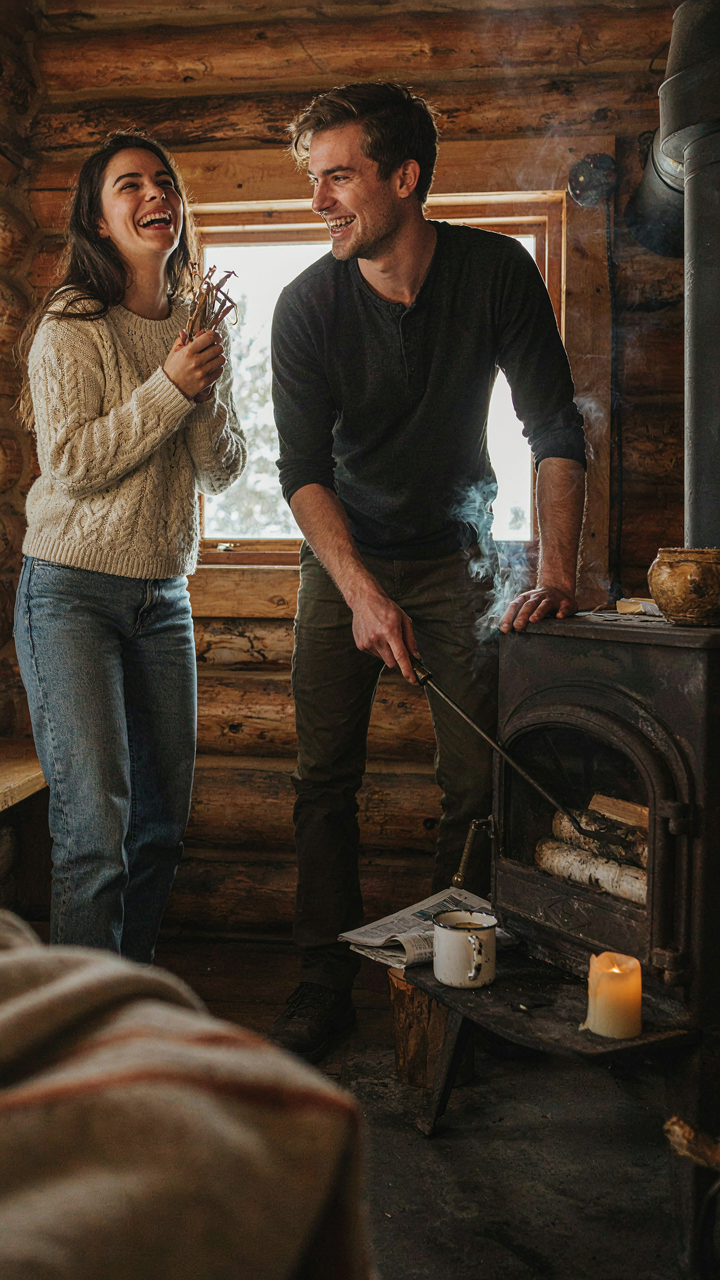
What Actually Makes A Cabin Stay Stick
You want proof you did something worthwhile. That’s why you’re reading this. The real mechanism isn’t the cabin itself—it’s friction. Low-friction vacations vanish from memory. You scroll past the photos three months later and feel nothing. High-friction experiences—the ones where something actually breaks, you solve it, you adapt—those cement themselves. A cabin forces decisions. No concierge. No room service. No algorithm deciding what you see next. You interact with actual problems: the water heater fails, the road floods, you miscalculated food. Solving these creates narrative. Narrative becomes memory. Memory becomes the thing you actually paid for.
Most cabin guides miss this entirely. They describe amenities and proximity to trails. Wrong angle. The best cabin getaway isn’t about what the cabin offers—it’s about what the cabin removes. Remove the scaffolding of convenience and people show up differently to themselves. They cook together instead of eating separately. They talk instead of consuming content. They notice boredom and push through it instead of swiping away from discomfort. This is why cabin stays feel different from hotels. The hotel removes friction from comfort. The cabin removes friction from meaning.
The Actual Decision That Separates Forgettable From Remarkable
Choosing a cabin based on reviews is the trap. You’re outsourcing your judgment to people who wanted different things than you do. You end up in someone else’s ideal cabin. That’s not a getaway—that’s following instructions. The real decision is this: what problem do you want to have for three days? Not what amenities do you want. What constraint interests you? Maybe it’s proximity—you want the cabin within two hours of home so logistics don’t dominate planning. Maybe it’s isolation—you want no cell signal and a mile walk to the mailbox. Maybe it’s seasonality—you want to experience a place during its hardest season, not its prettiest. These aren’t preferences. They’re filters that determine which experiences become possible.
Once you’ve named your constraint, the cabin selection writes itself. A cabin near a trailhead with electricity and heat serves a different purpose than a remote structure with a wood stove and no running water. Neither is better. They create different friction profiles. One teaches you navigation and weather. One teaches you patience and fire management. Pick the friction that matches what you actually want to learn about yourself during those days. Then stop comparing and book it.
The Real Obstacle: Your Addiction To Curated Comfort Zones

You won’t book a mountain cabin because you’ve optimized your life into a predictable box. WiFi, climate control, convenience. The cabin threatens that. Stop waiting for the perfect conditions to exist. Open your laptop right now and book three nights at a cabin you’ve been thinking about. Not next month. Not when work settles down. Today. The discomfort you feel before you go is the point.