
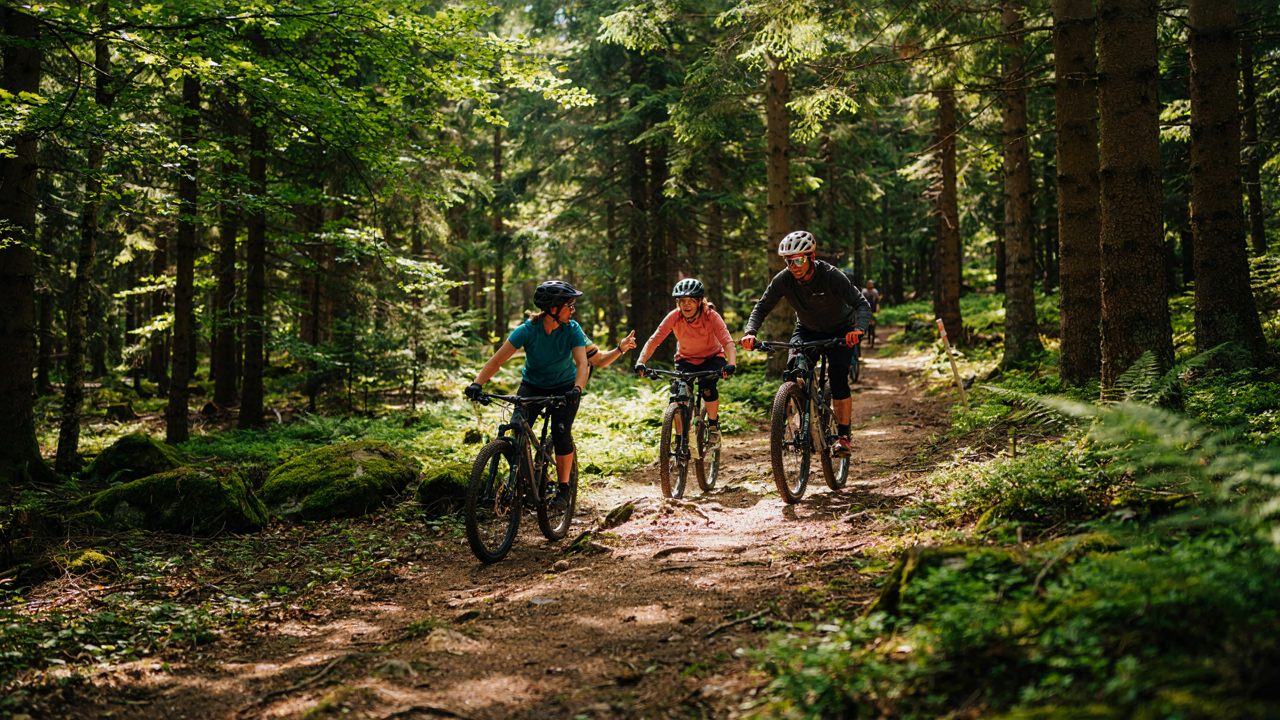
The “Adrenaline” Myth: Why Your Current Approach Fails
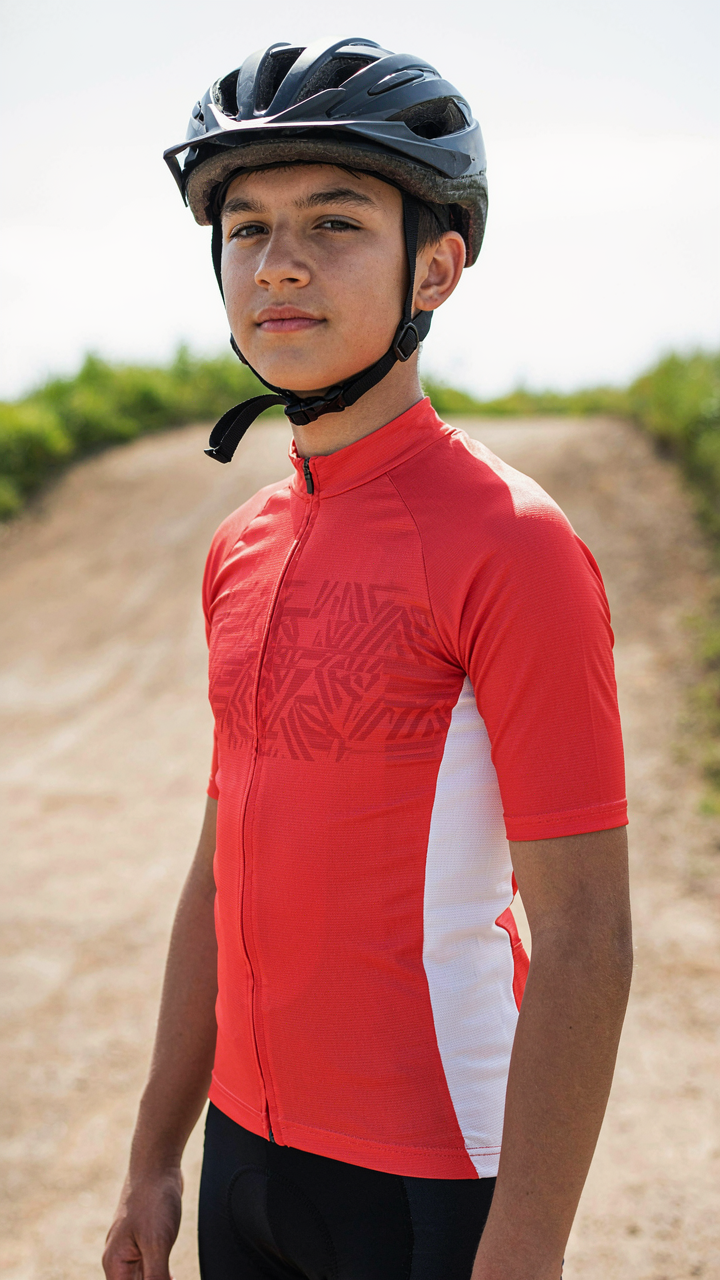
You’re Confusing Panic With Mastery
You want the adrenaline rush because you think it means you’re alive. What it actually means is you’re operating beyond your control threshold. Most beginners skip the fundamentals—body position, braking technique, line selection—and throw themselves at terrain that punishes sloppy execution. They mistake fear for achievement. The mechanism is simple: your nervous system floods cortisol when you’re unprepared. That’s not adrenaline. That’s survival mode.
The gap between beginners and riders who actually get sustained rushes isn’t bravery. It’s skill. A beginner on a black diamond trail is white-knuckling the bars, fighting the bike, hyperventilating. An intermediate rider on the same trail is relaxed, confident, making micro-adjustments. One is terrified. One is having fun. Both produce adrenaline, but only one has earned it. Your current approach—finding the scariest thing and hoping you survive—guarantees a short shelf life before injury or burnout.
The Dopamine Ladder You’re Missing

Dopamine neuroscience teaches us about variable reward schedules, but here’s what mountain biking reveals: cheap thrills flatten your dopamine baseline faster than anything else. Hit one gnarly feature unprepared, survive it, get a dopamine spike. Do it again. Your brain adapts. Now you need bigger, more reckless hits to feel the same charge. This is the trap that turns beginners into wreckled bodies.
Earned mastery works differently. You spend weeks refining a corner. You dial your body position, practice your braking point, nail your line consistently. The first time you flow through cleanly without thinking—that dopamine hit lasts because it’s anchored to competence. Progression through mastery extends your reward curve indefinitely. You build skills, not just scars. Start with basic pump tracks or rolling terrain where you can spend hours optimizing technique, not minutes fighting for survival.

Beyond The Hype: Affordable Mountain Bikes For Beginners
Components Matter More Than The Logo On The Frame
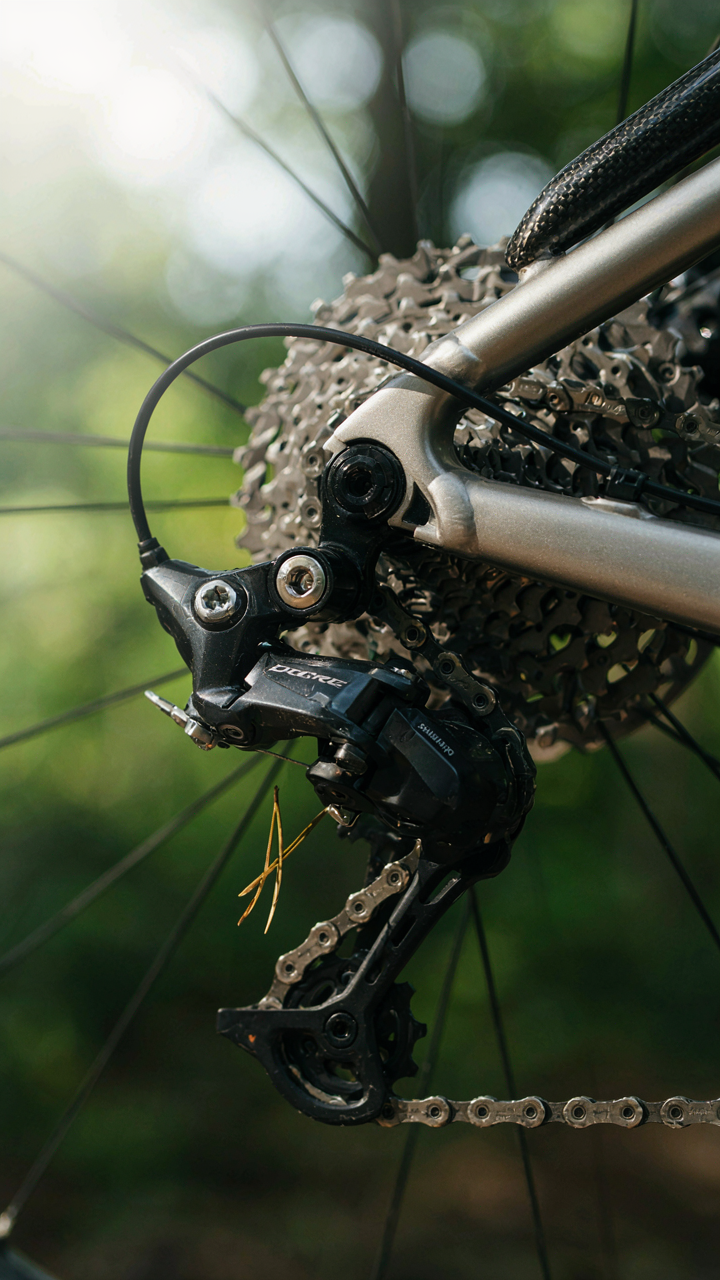
You want the brand name because it signals you made a smart choice. That’s the real fear here. But the frame is marketing. The components are the machine. Think of it like economics: the frame is the currency, the components are the actual purchasing power. A Trek frame with Shimano Deore components outperforms a Santa Cruz frame with generic parts because the drivetrain, brakes, and suspension do the work. The frame just holds them.
Entry-level bikes under 800 dollars live or die by their component tier. Shimano Deore, SRAM NX, and Microshift Advent are the functional baseline. These aren’t flashy, but they shift predictably and brake consistently across hundreds of rides. Generic house-brand components fail faster and feel mushy because the tolerances aren’t tight enough. You notice this on the trail when the chain won’t drop cleanly or brakes require constant adjustment.
Where Your Money Actually Builds Durability
Most beginners throw money at suspension because it looks technical. Stop. Suspension matters, but not first. The real order is brakes, drivetrain, then wheels, then suspension. Brakes are non negotiable because they keep you vertical. A hardtail with solid brakes beats a full suspension with weak stoppers. Put 40 percent of your budget into the drivetrain and brakes combined. The remaining budget covers the frame, wheels, and fork.
A rigid or basic hardtail fork for 500 to 700 dollars with Deore components rides better than a fancy full suspension with entry-level shifting. The brakes stop you. The drivetrain propels you. Everything else is refinement. When you upgrade later, you upgrade suspension and wheels. The frame lasts, but components wear and you replace them anyway. This protocol keeps you riding while beginners with expensive bikes sit at home waiting for warranty service.
What Do You Need For Mountain Biking: The Essentialist’s Gear Guide
The Three Non Negotiables
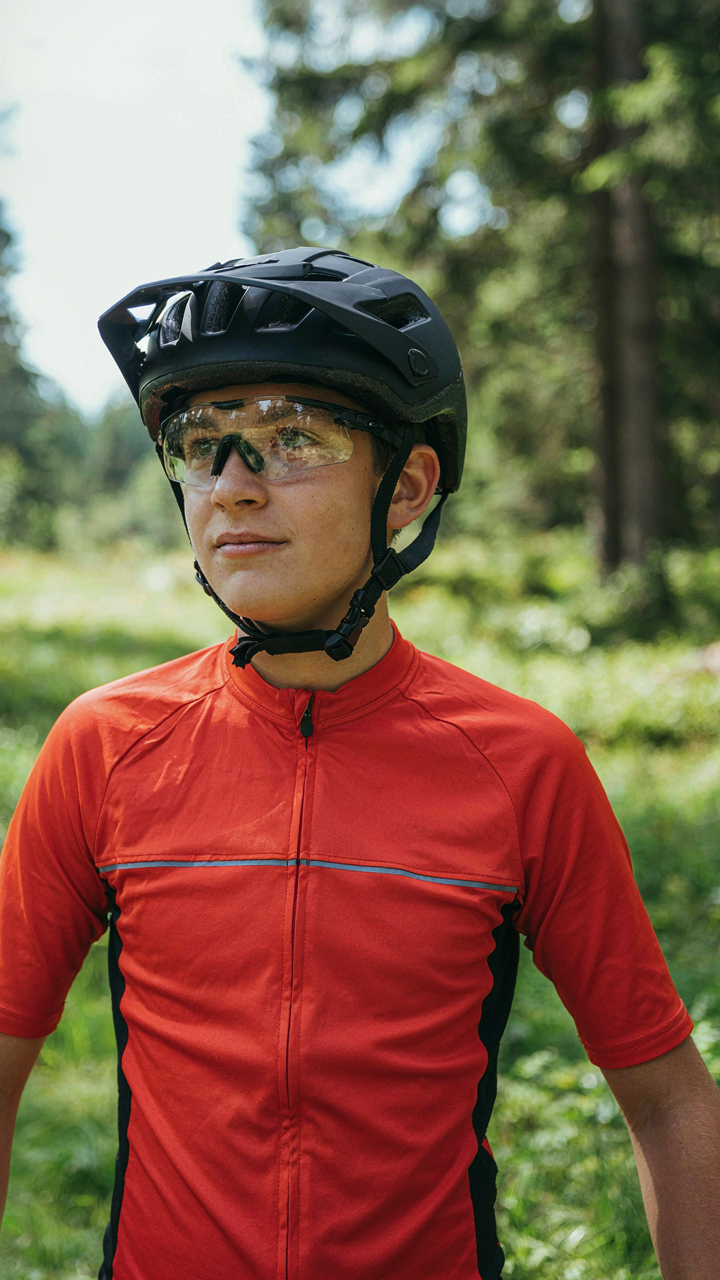
You’re reading this section because you think gear determines outcome. It doesn’t. Your ability to stay conscious determines outcome. Here’s the mechanism: your brain processes visual input at roughly 13 milliseconds per frame when you’re moving. A helmet protects the processing unit. Gloves protect your grip and your palms from becoming road pizza. Eye protection keeps debris from fracturing your ability to see the trail. Everything else is noise.
- Helmet: ASTM or CE certified. Fits level on your head, one finger above your eyebrows. Non-negotiable for every single ride, no exceptions.
- Gloves: Protect hands during falls and improve grip in wet conditions. Half-finger works for dry trails; full-finger adds wrist support and warmth.
- Eye Protection: Shields eyes from branches, dust, and sun glare. Amber or rose lenses improve contrast on shaded trails; clear lenses work for bright conditions.
- Shorts or Pants: Prevents road rash on legs during crashes. Padded chamois isn’t necessary for beginners but protects your sit bones on longer rides.
- Shoes: Flat-pedal shoes with sticky rubber soles grip better than sneakers. Clips are optional for beginners and add complexity without immediate benefit.
These three items exist for a single reason: damage prevention. Your body stops improving the moment it’s in repair mode. Everything beyond these three is optional until you’ve logged 50 hours on trail. Then your actual weaknesses will tell you what you need.
Stop Collecting Gear You Won’t Use
The advice you hear is backwards. You don’t need a dropper post, a suspension fork, tubeless tires, or a GPS computer. Those aren’t gear. They’re status signals masquerading as performance upgrades. Beginners crash because they ride past their skill level, not because their seat post is 20 millimeters too high.
Your attention is the real resource being wasted. Every gadget you add is a variable you have to manage. A computer shows you data your body already knows. A fancy fork teaches you to trust technology instead of trail feel. A dropper post lets you ride poorly at more angles. Start with none of it. Ride the bike. Watch your technique improve. Only then add something you’ve identified as a genuine bottleneck in your performance.
The “Flow State” Protocol: How To Enjoy Mountain Biking
Silence The Noise Before You Ride
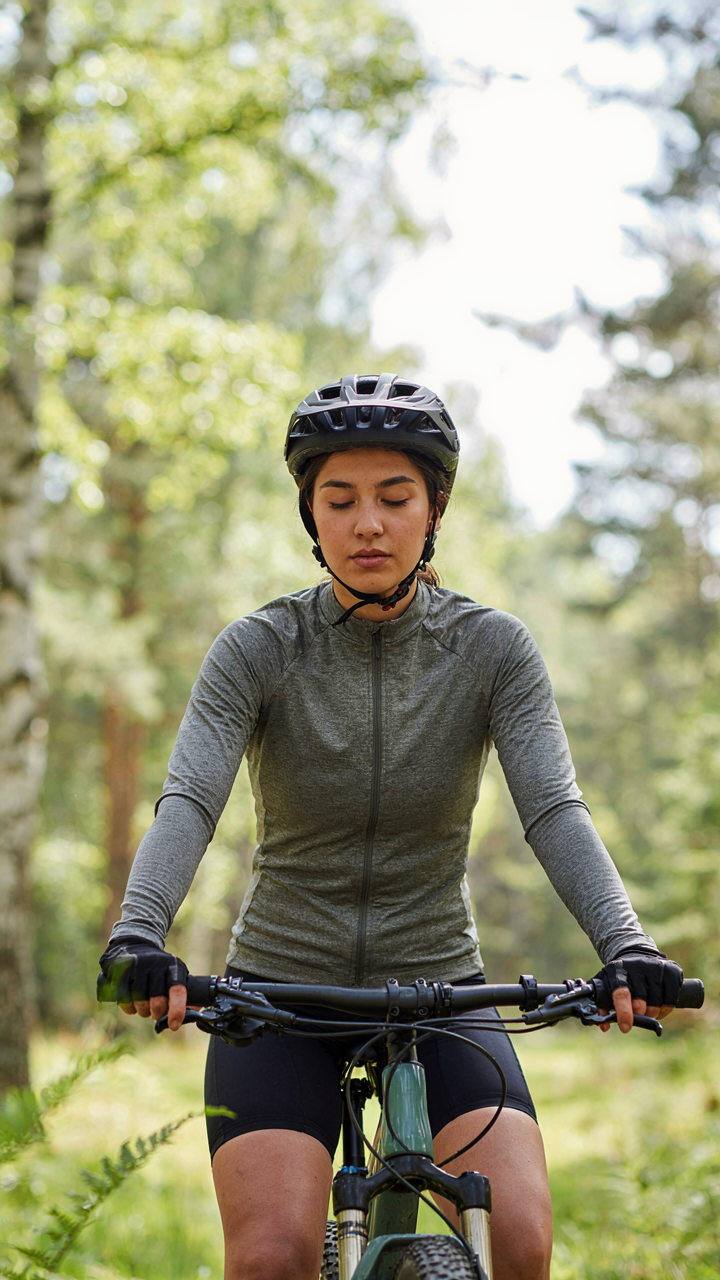
You want flow state because you’re tired of feeling anxious on the trail. That anxiety isn’t about the terrain—it’s about your internal monologue running commentary on everything you do. The mechanism is simple: your brain can’t process trail data and self-judgment simultaneously. One has to win. Pre-ride mental prep means starving the self-talk before you clip in, so attention goes where it needs to go.
Most riders ignore this and just show up. The real move is a five-minute shutdown ritual before the ride. Sit on your bike, eyes closed, and mentally rehearse one section you find difficult. Not visualization of success—just the actual line. This primes your brain to recognize that specific sequence. Your nervous system shifts from defensive to predictive mode. You’re no longer fighting yourself on the trail.
One Micro Adjustment Per Section
Flow isn’t about perfection—it’s about continuous small corrections. Borrowing from aviation, pilots call this “instrument scanning”: they don’t stare at one gauge; they cycle through multiple data points in sequence. Your data points are body position, brake pressure, line, and speed. Each trail section requires you to adjust one of these, not all four at once.
Pick the single weakest element in your current riding and make it your focus for that ride. If your body position is sloppy on climbs, that’s your variable for the day. Leave everything else as is. This isn’t laziness—it’s how your nervous system actually learns. Attempting to fix multiple things at once creates cognitive overload, which kills flow and frustration becomes your only output. Repeat the same section three to five times with one tweak in mind. Your body automates it. Then pick the next variable next ride.
Beginner Mountain Bike Trails: Your Proving Ground

Pick Trails That Match Your Actual Skill
You want to look competent in front of people who matter to you. That’s the real reason you care about trail selection. But here’s the mechanism that actually works: progression is borrowed from strength training. Just as you don’t load a barbell with your one-rep max on day one, you don’t send yourself down a trail your body hasn’t trained for. Your nervous system needs exposure to features at lower speeds first. Pick trails where you can sustain control the entire time.
Most beginners skip this step and jump to trails their ego thinks they should ride. You’ll crash harder and learn slower. The correct move is finding trails rated easy to intermediate in your area, riding them until you’re bored, then moving up. Boredom means your nervous system has processed the terrain. That’s when progression happens. Use trail apps like Trailforks or Singletracks to filter by difficulty and read actual feedback from local riders on what each trail demands.
Master Features Before Sending Full Trail
Roots, rocks, berms, and jumps aren’t random obstacles. They’re the vocabulary of the trail. Most beginners encounter them at speed and panic. The real skill is learning each feature in isolation on forgiving terrain first. This means finding beginner trails with small versions of the technical elements you’ll see later, or practicing on flat ground in parking lots where consequences are zero.
A berm is a banked turn. Learn to trust the wall by riding it slowly and progressively leaning harder into the angle. Roots are traction traps. Practice lifting your front wheel over small ones before attempting root fields at speed. Rocks teach you to pick your line and trust your bike. Commit to one feature type per ride until your body stops thinking and starts reacting. This is exactly how progression compounds into real trail fitness.
How To Ride Mountain Bikes: The Kinesthetic Feedback Loop

Weight Distribution Over The Wheels
You want to feel in control because control keeps you alive. Physics says leverage wins, and on a bike that means distributing your mass to manipulate where the wheels contact the ground. Balance isn’t a fixed state you achieve once—it’s a continuous correction system where your body constantly shifts to keep the contact patch doing what you need.
When you brake hard, your weight transfers forward. When you accelerate, it moves back. When you corner, it shifts lateral. Most beginners plant themselves in one position and wonder why the bike fights them. The real move is treating your body as a dynamic weight distribution tool, not a passenger seat. Move your hips back on descents. Push your hips forward on climbs. Lean into turns by dropping your outside knee, not tilting your whole frame. Your body position determines what the wheels can do before the bike itself does anything.
Modulating Brake Pressure For Predictable Stops
The common advice about braking is incomplete: “Feather your brakes” tells you nothing about the mechanism. What actually matters is understanding braking as a control system. Cybernetics teaches feedback loops, and your brake lever is the input that controls one thing: how much traction the wheel loses before it skids. Progressive pressure, not on-off input, keeps the wheel spinning while slowing you down.
Squeeze the brake lever gradually. If the wheel locks, you’ve lost the feedback—you’re skidding, not braking. Modulate pressure means adjusting force based on what the traction feels like. On loose terrain, use less pressure. On hardpack, you can brake harder. Practice this: brake, release slightly, brake again. Build a feel for the point where the wheel is about to lock but hasn’t. That threshold is where maximum braking power lives. Train this feedback loop until pressure adjustment becomes automatic, not conscious.
Off Road Biking Tips: Navigating Obstacles Like A Predator
Choose The Line That Demands The Least
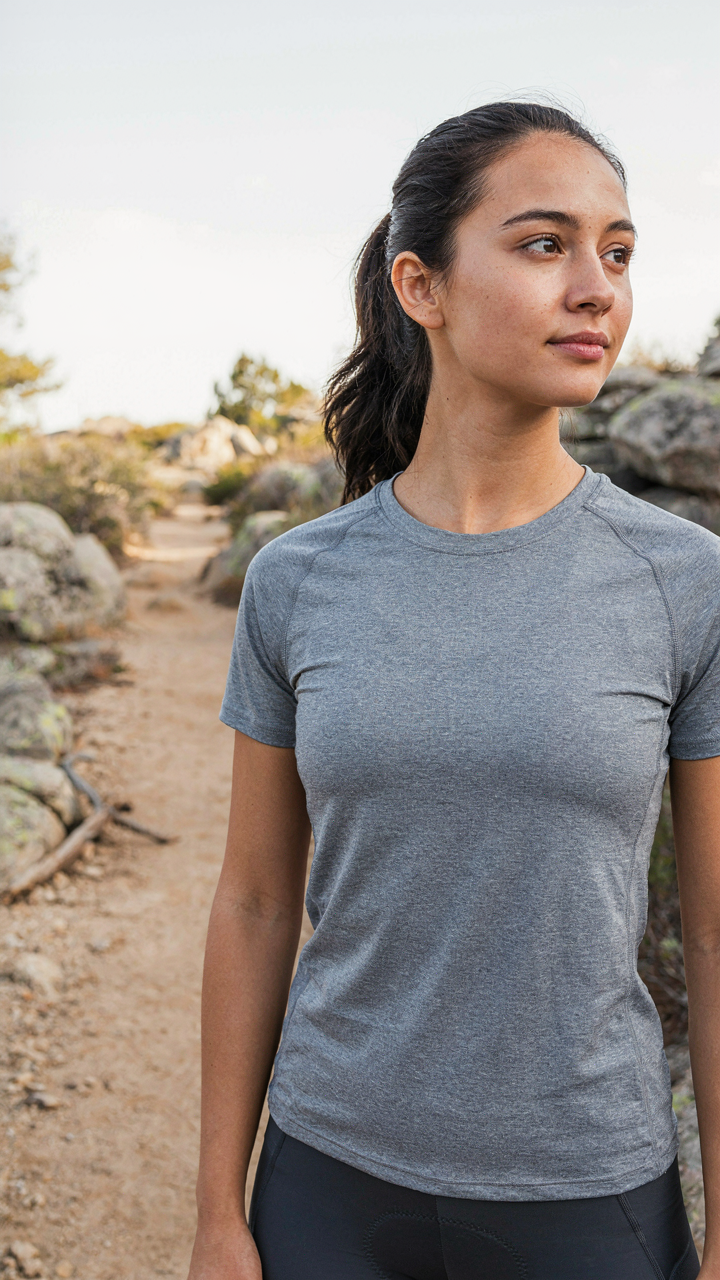
You want people to think you’re fearless on the trail. The real mechanism is simpler: obstacles don’t get harder when you commit to them. They get harder when you hesitate and change your line mid-approach. Predators in nature don’t debate their path—they commit. The same applies to rocks, roots, and drops. Your brain wants to scan every option. Your bike wants commitment. Pick the cleanest line before you reach the obstacle, then stop shopping.
Most riders believe “harder line equals more skill.” Wrong. The path of least resistance teaches your body how obstacles actually move. Dirt, rocks, and wood have friction patterns. Smooth lines preserve momentum and tire contact. A beginner who takes the smooth line through a rocky section stays upright. A beginner who takes the technical line stays nervous and loses traction. Choose the line where the terrain forgives hesitation, not punishes it.
Weight Back, Grip Forward
Physics calls it the center of gravity. Mountain biking calls it not crashing. When you approach an obstacle, your weight follows a mechanical law: too far forward and your front wheel dives. Too far back and your rear wheel washes out on the landing. The mechanism works like a lever—your hips control the fulcrum. Move hips back as the terrain tilts down. Move hips forward as you need grip climbing up. This isn’t feel. This is geometry.
Traction happens where tire meets dirt, which requires consistent pressure on the contact patch. A beginner who sits still through obstacles loses traction on rocks because weight shifts randomly with each bump. A beginner who actively moves their hips maintains pressure where the tires need it. Practice this protocol: approach the obstacle with hips centered, move hips back as the front wheel rises, then shift forward as your rear wheel needs grip on the exit. That’s not advanced technique. That’s just physics applied.
The “Skill Stacking” Method: Mountain Biking Tips For Beginners
Isolate The Micro Movement First
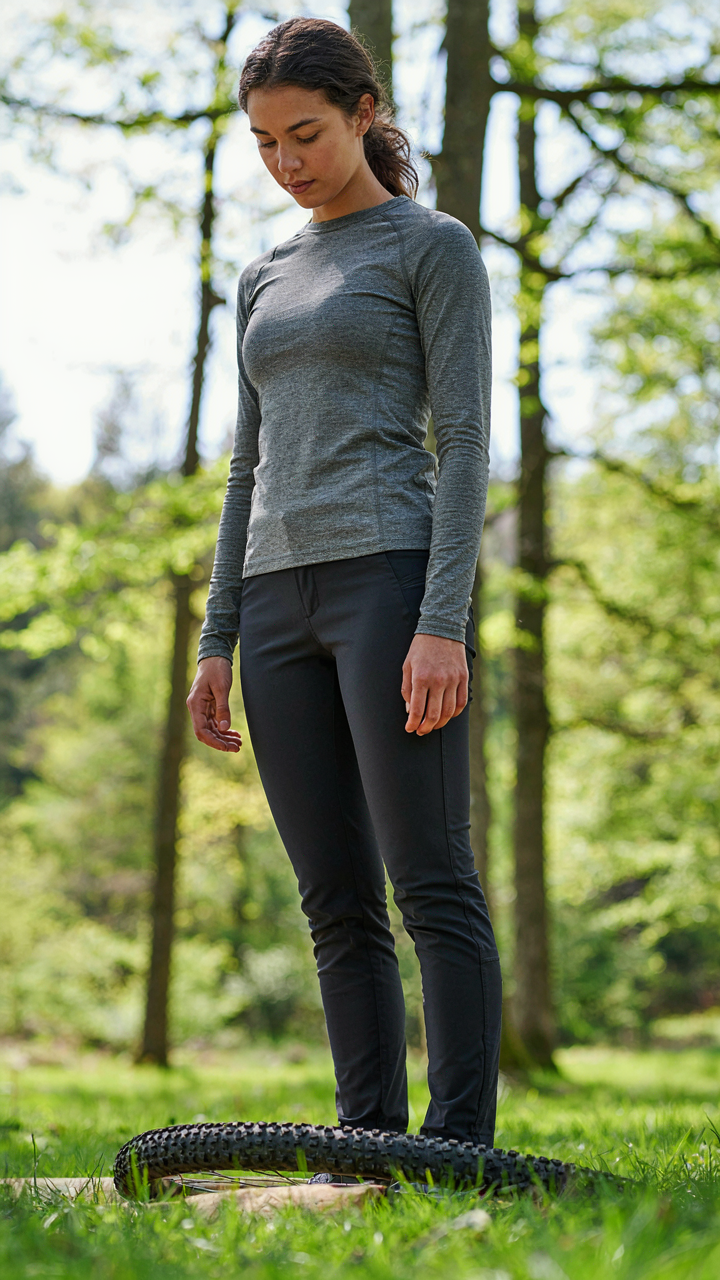
You want to look competent fast. That’s the real reason you’re reading this. The mechanism is simple: your brain cannot process a full trail simultaneously while learning. It needs isolated, repeatable drills that remove decision-making overhead.
Break every skill into its smallest component. Braking isn’t one skill. It’s modulation on flat ground, then on descents, then under weight transfer. Cornering isn’t one skill. It’s body position, then line selection, then speed management. Each drill takes five to ten minutes. Each one builds without the noise of a full ride.
The Compounding Edge Through Repetition
Biology calls this motor learning. Mountain biking borrows the exact same mechanism. Repetition doesn’t just build muscle memory. It rewires your neural pathways to automate the movement, freeing cognitive bandwidth for the next layer of complexity.
Deliberate practice means hitting the same drill until it feels stupid to repeat it. Not until you nail it once. Until you nail it wrong-footed, tired, and distracted. This is where most beginners quit early. They nail a drill once and move on. The compounding happens in the reps that feel redundant.
Set a protocol: one drill per session for ten days minimum before adding the next layer. Track nothing except whether you showed up. Consistency beats intensity here. After four weeks of this stacking, skills that seemed impossible integrate into fluid movement because your nervous system automated the foundation.
Your First Ride: A Beginner Mountain Bike Guide For Impact
The Pre Ride Inspection That Matters
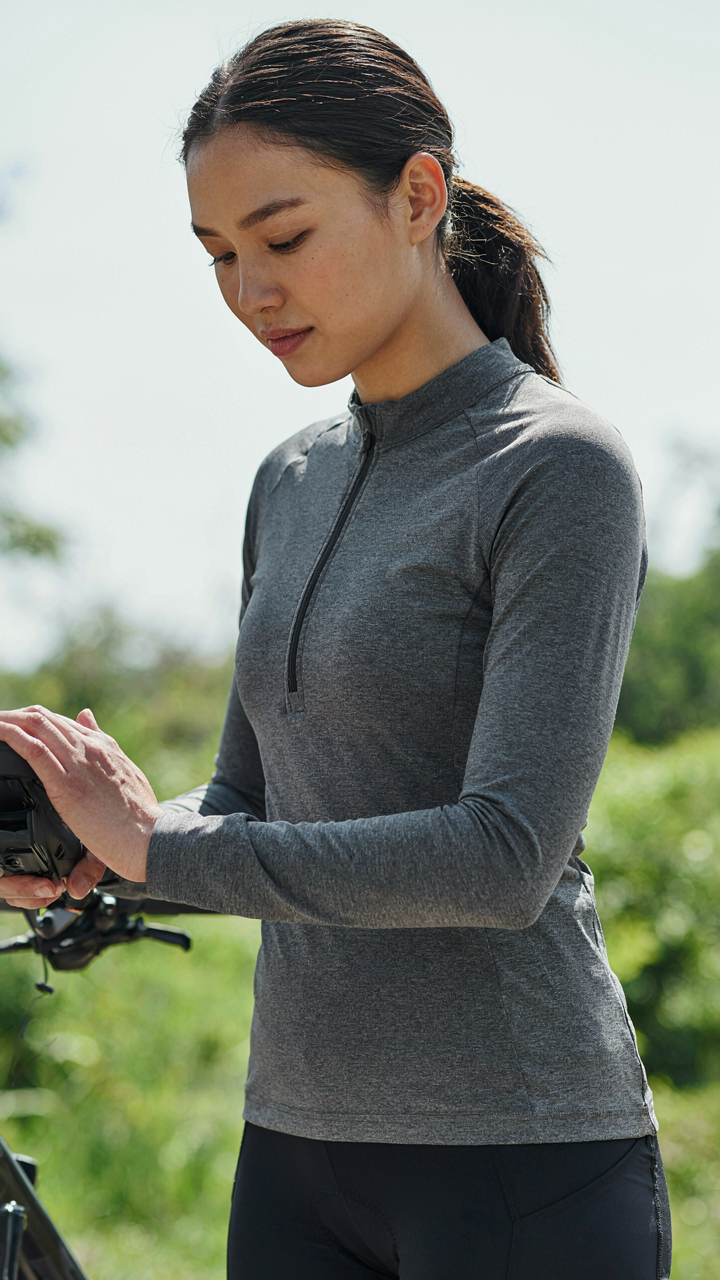
You want to feel confident so you don’t look incompetent in front of others. That’s the real reason you care about this section. Here’s the mechanism: a bike check isn’t about ritual. It’s about load bearing. Think of it like structural engineering—every component carries stress loads, and a failure point under weight means immediate consequences on terrain.
Start with the tires. Press your thumb into the sidewall. You should feel resistance, not give. Soft tires roll slower and pinch flat easily on rocks. Spin each wheel. Watch the rim. It should track straight without wobbling side to side. A bent rim will catch on brake pads or rock at a critical moment. Check brake lever feel. Pull each one. The lever should need firm pressure and stop before hitting the handlebar. Mushy brakes mean your stopping power is compromised before you even start.
Expect To Be Slower Than You Think
The gap between watching videos and riding trails is where most beginners crash their confidence. Nobody tells you this plainly: even flat beginner trails feel technical at first because your body doesn’t know how to move a mountain bike yet. Your brain expects immediate grip and control like a road bike. It doesn’t work that way.
You will walk sections. You will put a foot down on terrain you thought you’d ride. Your legs will burn in unfamiliar muscles. Your hands will cramp from gripping too hard. This isn’t failure—this is your body learning the micro-adjustments required to stay upright on unstable ground. Your first ride should be on terrain rated for beginners with low consequences. One fall with good armor teaches you more than ten rides where you never test your limits.
The “Adrenaline” Myth: Why Your Current Approach Fails

You’re Chasing The Wrong Feeling
You want to believe adrenaline comes from risk. It doesn’t. You’re really after status—the story you’ll tell about pushing yourself. The mechanism is simple: beginners overestimate their skill because they conflate watching good riders with being one. You see a line you think looks hard, assume that means it’s yours to take, and ignore the gap between observation and execution. That gap kills people.
Skill compounds slowly in mountain biking. You can’t see the fundamentals from a spectator’s angle. Balance, weight distribution, braking modulation, line selection—these take hundreds of hours to internalize. A beginner who rides a difficult trail once and survives hasn’t learned anything. They’ve just gotten lucky. The body doesn’t retain what the mind didn’t build first.
The Dopamine Trap That Keeps You Stuck
Neuroscience uses “reward prediction error” to explain motivation—the gap between what you expect to happen and what actually happens. When reality exceeds prediction, you get a dopamine hit. Mountain biking beginners exploit this by seeking cheap thrills: riding terrain they can barely handle, crashing, surviving, feeling the spike. Then they chase the same spike again, never building anything real.
Real dopamine comes from earned mastery. You master a technical section through deliberate practice. Your body learns. Next time, it’s easier. You push to harder terrain and repeat. The reward scales because your competence scales. Cheap thrills plateau instantly. Mastery creates a compounding curve. Stop confusing the two, or you’ll spend years chasing the same crash and calling it progress.
The Only Thing Holding You Back From Real Mountain Biking Adrenaline Isn’t The Trail, It’s Your Own Mental Inertia
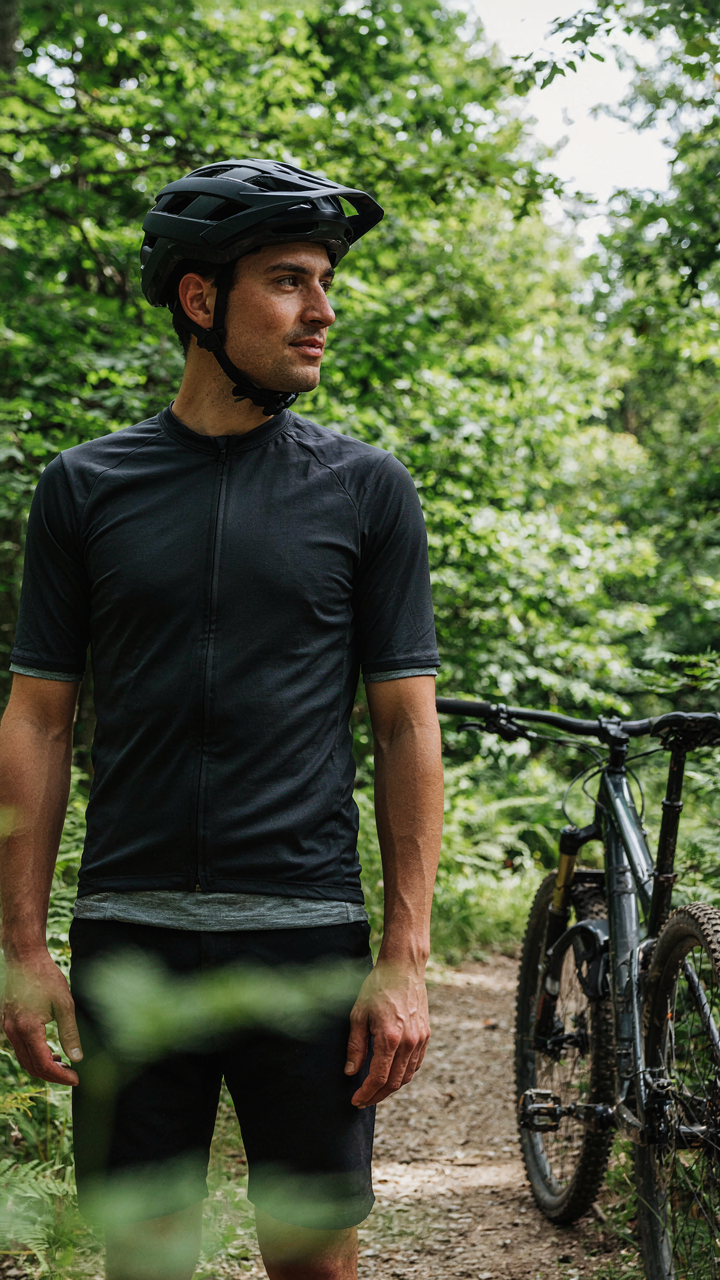
You already know what to do. You’re waiting for permission you don’t need. Book a trail day with someone faster than you this week, not next month. Ride something that scares you a little. Your body learns fear faster than your brain learns excuses. Stop preparing to start and start preparing yourself.
The difference between a beginner and an adrenaline junkie is one decision repeated.