
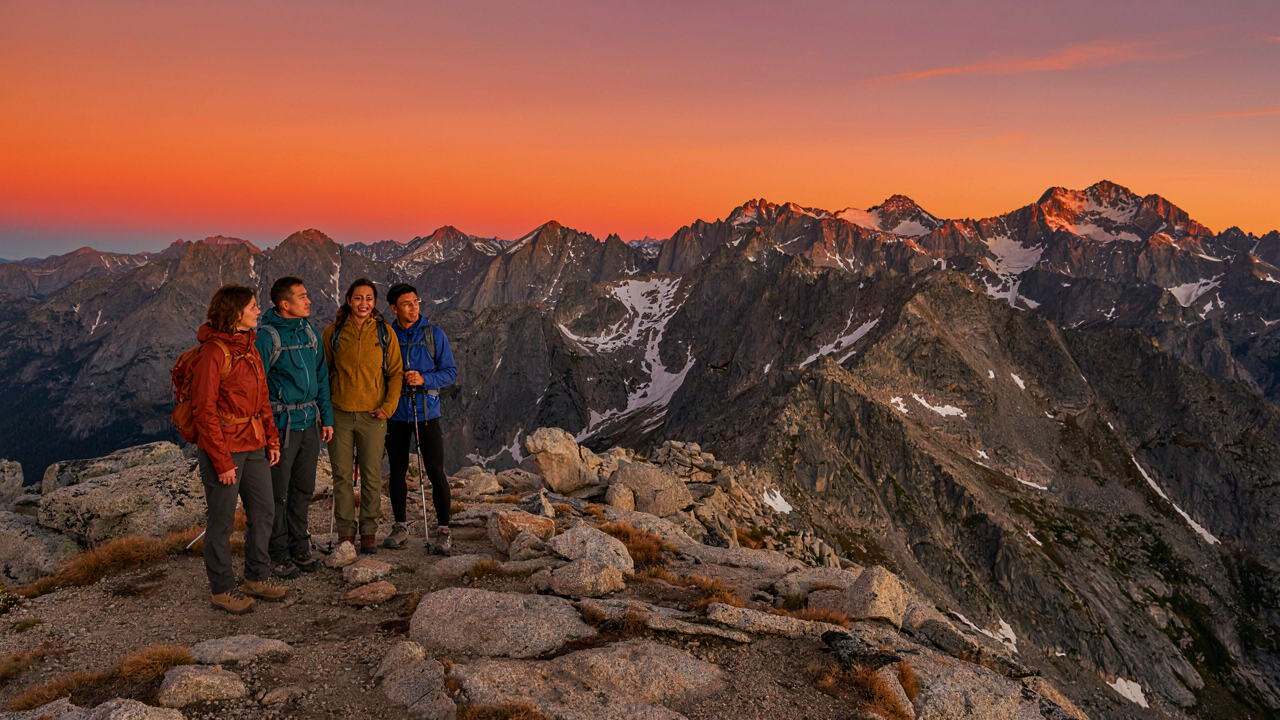
The Illusion Of The Summit: Why Your Adrenaline Vacation Falls Flat
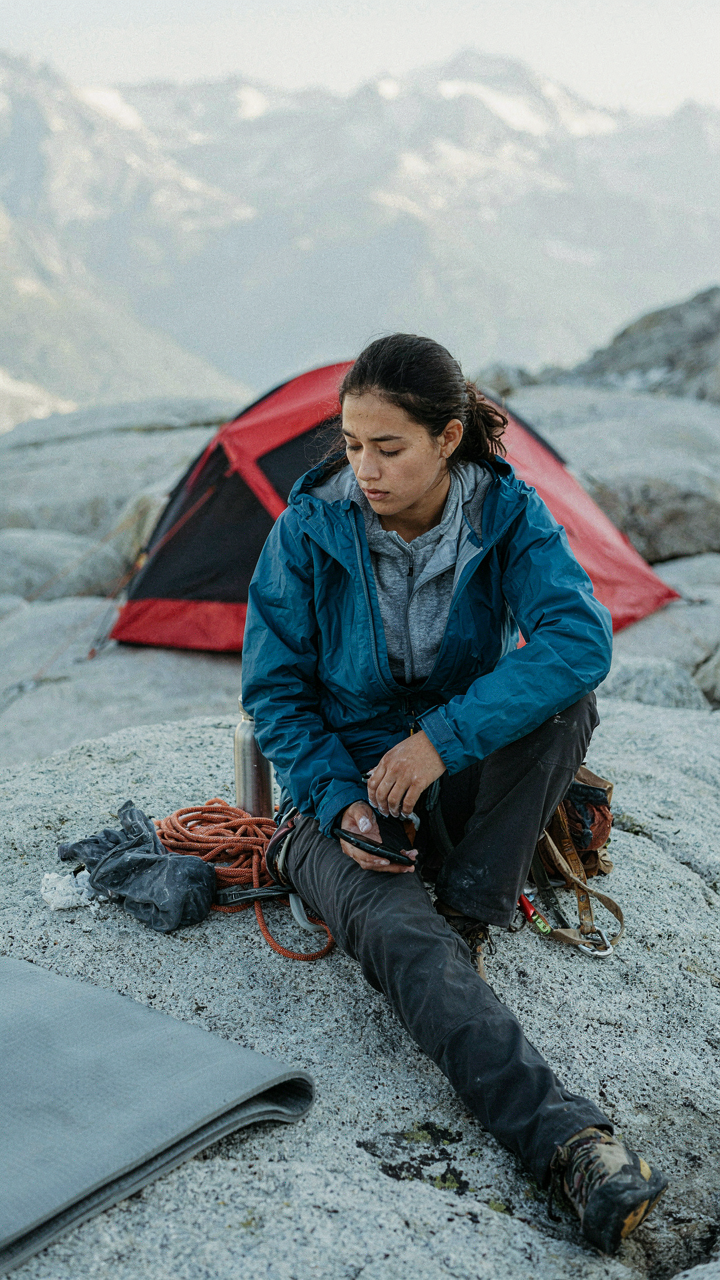
Chasing The Photo, Not The Experience
You want people to know you did something hard. That’s the real reason you’re reading this. The mechanism at work here comes from status signaling in economics: you’re consuming the signal, not the activity itself. A summit selfie at 14,000 feet does the same social work whether you felt present or numb the entire time.
Most people treat mountain adventure as a content opportunity first and an experience second. You pick the location based on how it photographs. You time the trip around weather that looks dramatic, not weather that feels manageable. You rush to summits because the story needs a peak. Meanwhile, the actual sensory experience—the cold, the effort, the view in real time—becomes background noise to the narrative you’re already composing for an audience that won’t remember it in three weeks.
The Crash After Climbing Down

Neurobiology calls this the comedown phase: elevated cortisol and adrenaline drop hard when the threat signal disappears. Your body goes from high alert to baseline within hours. Most people mistake this for the adventure being “not worth it,” when they’re actually experiencing basic physiology. You felt more alive on the climb because your nervous system was engaged. Off the mountain, it isn’t.
The problem is expectation mismatch. You believe a ten-day trip should produce ten days of elevated mood. It doesn’t work that way. The peak dopamine hit lasts maybe six hours during the activity. The rest of the trip is your baseline nervous system trying to stay interested in scenery. When you return home, the real crash begins: no stimulus, no purpose, no eyes on you. You’ve trained your brain to need the extreme to feel functional. Regular life feels hollow by comparison, so you book the next trip. That’s the trap. Integrate the adventure into a life with consistent stimulation and purpose, or the vacation becomes expensive escapism you chase forever.

The Uncomfortable Truth: Your Motives For Adventurous Activities
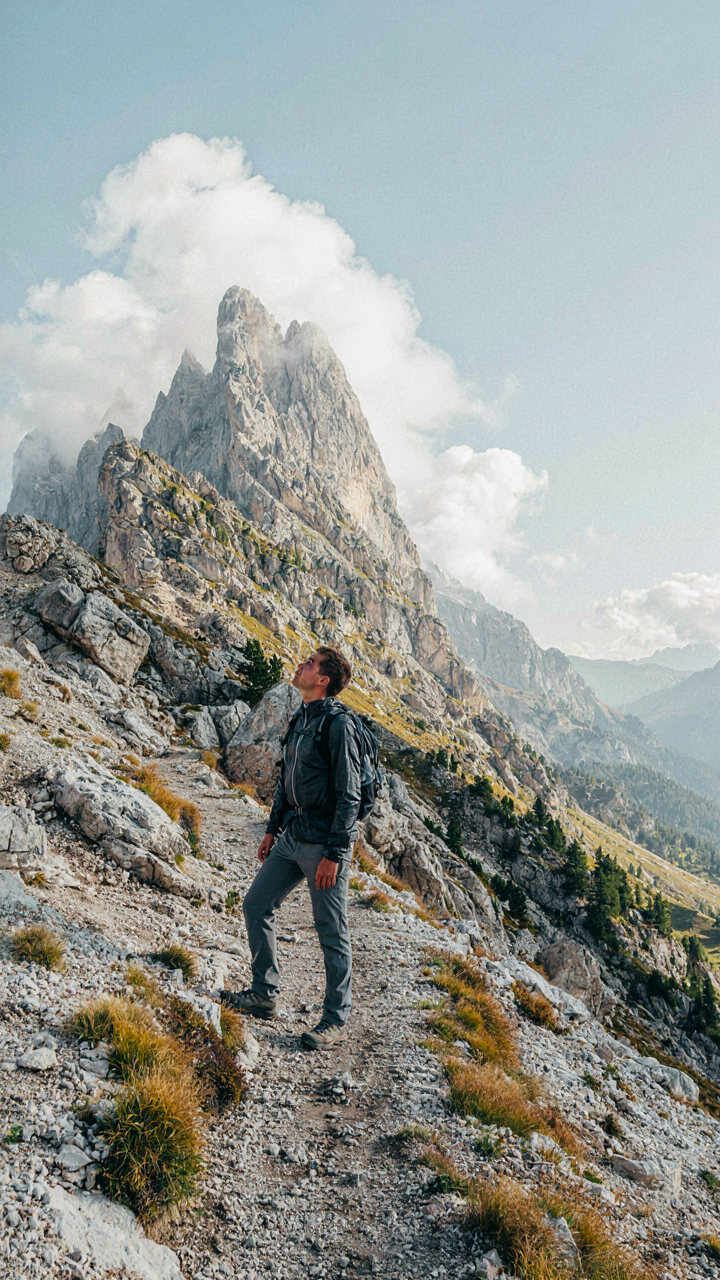
Running From Something Instead Of Toward It
You’re reading this section because you suspect you might be lying to yourself about why you actually want to climb that mountain. Here’s the mechanism: escapism borrows from psychology the concept of avoidant coping, where you redirect energy away from unresolved problems instead of solving them. Mountain adventure becomes the socially acceptable exit door from a job you hate, a relationship deteriorating, or a creative project you’re afraid to start.
The difference between escapism and genuine self-discovery hinges on what you do when you return. Real discovery means you come back changed, with new capacity to handle what you left. Escapism means you go back to the exact same environment and wonder why the climb didn’t fix anything. If your primary feeling before a climb is relief rather than curiosity, you’re running from something. That’s not inherently wrong, but it means your adventure won’t solve the actual problem.
The Audience You Never Admit You’re Performing For
Most people won’t say this openly: they want witnesses. Social validation through feats operates on the same reward loop that kept you scrolling feeds at 2 AM. You summit a peak and feel nothing until you post it. The climb itself becomes secondary to the narrative you’ll tell.
The mechanism is straightforward. Your brain has learned that external recognition triggers dopamine more reliably than internal satisfaction. So you unconsciously choose mountains that photograph well, routes that impress specific people, and timelines that align with peak social media engagement. You’re not climbing for the ascent. You’re climbing for the screenshot. The solution isn’t to ignore the audience entirely, but to make the climb hard enough that the difficulty itself becomes the primary experience. When you’re gasping for oxygen at 12,000 feet, no one cares about the camera angle.
The Stoic Ascent: Mindset Over Mountain On A Hiking Trail
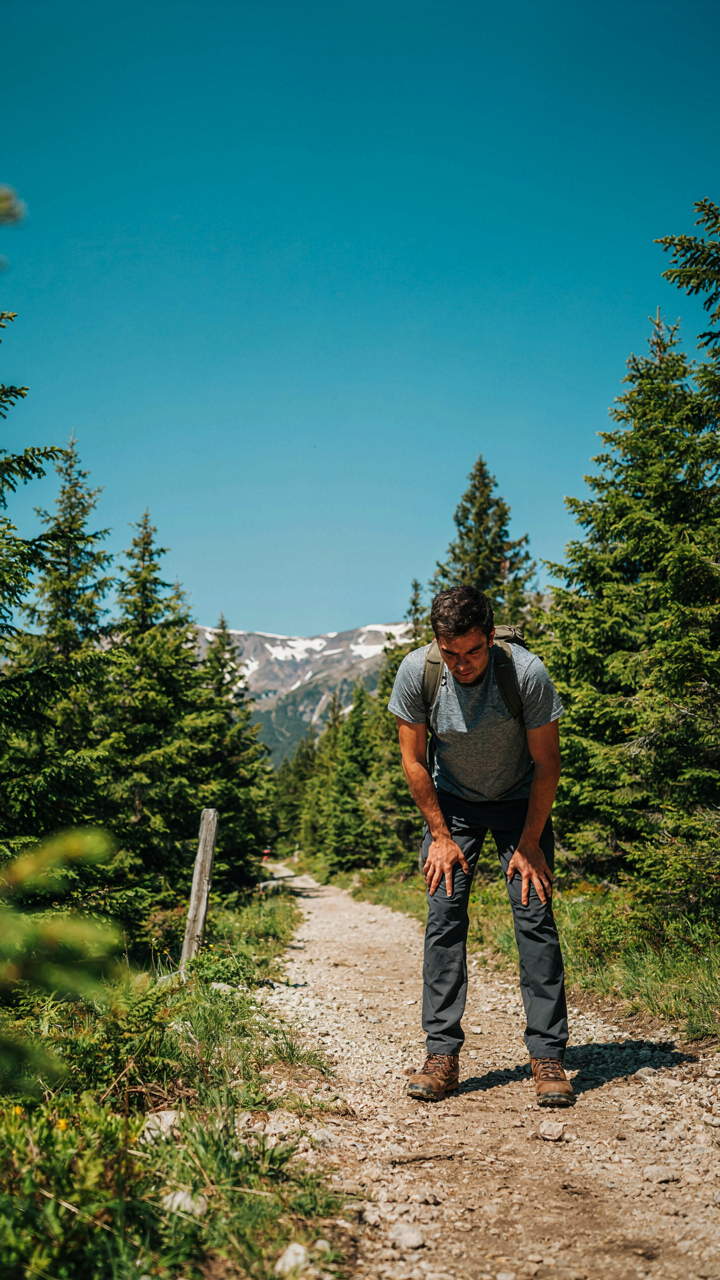
Discomfort Is Data, Not Damage
You want to believe the hike will feel good. That’s the trap. Borrowed from physiology, your body sends signals—what researchers call nociception—the raw data before your brain labels it “pain.” On a trail, most hikers treat discomfort as a stop sign. It isn’t. Burning quads, labored breathing, mental resistance: these are inputs, not injuries. The mechanism is simple. Your nervous system fires warnings constantly. Learning to read them without obeying them separates people who summit from people who turn back.
The real work happens between stimulus and response. That gap is where the hike actually occurs. When your legs burn at elevation, you have two choices: interpret it as weakness and quit, or interpret it as effort and continue. The body doesn’t care which story you pick. Your mind does. Most advice says “push through pain.” Wrong framing. You’re not pushing through anything. You’re learning to differentiate between signals that demand action and signals that demand nothing but observation. This skill transfers everywhere. On the trail, it teaches you to stay present with discomfort instead of panicking into poor decisions.
Attention On The Next Step, Not The Summit
The summit is a fantasy that kills climbs. You reach the trailhead thinking about standing on top. Six hours in, that image becomes a burden, not a motivator. Presence means focusing exclusively on the terrain beneath your feet, your breathing rhythm, and the next hundred meters. Not the peak. Not the time. Not how you’ll feel when it’s done.
This isn’t motivational rhetoric. It’s load management. Your cognitive resources are finite. Every second spent calculating remaining elevation or imagining the view drains energy from the actual climbing. Alpine mountaineers call this “pressure breathing”—controlling output to match demand. Apply the same logic to attention. Allocate it only to what’s in your control right now: foot placement, breathing, pace. The peak arrives when it arrives. Your job is to notice the granite, the switchback, the quality of light. The summit handles itself.
The Wilderness Intelligence Protocol: Beyond Basic Camp Activities
What Animals Know About Positioning
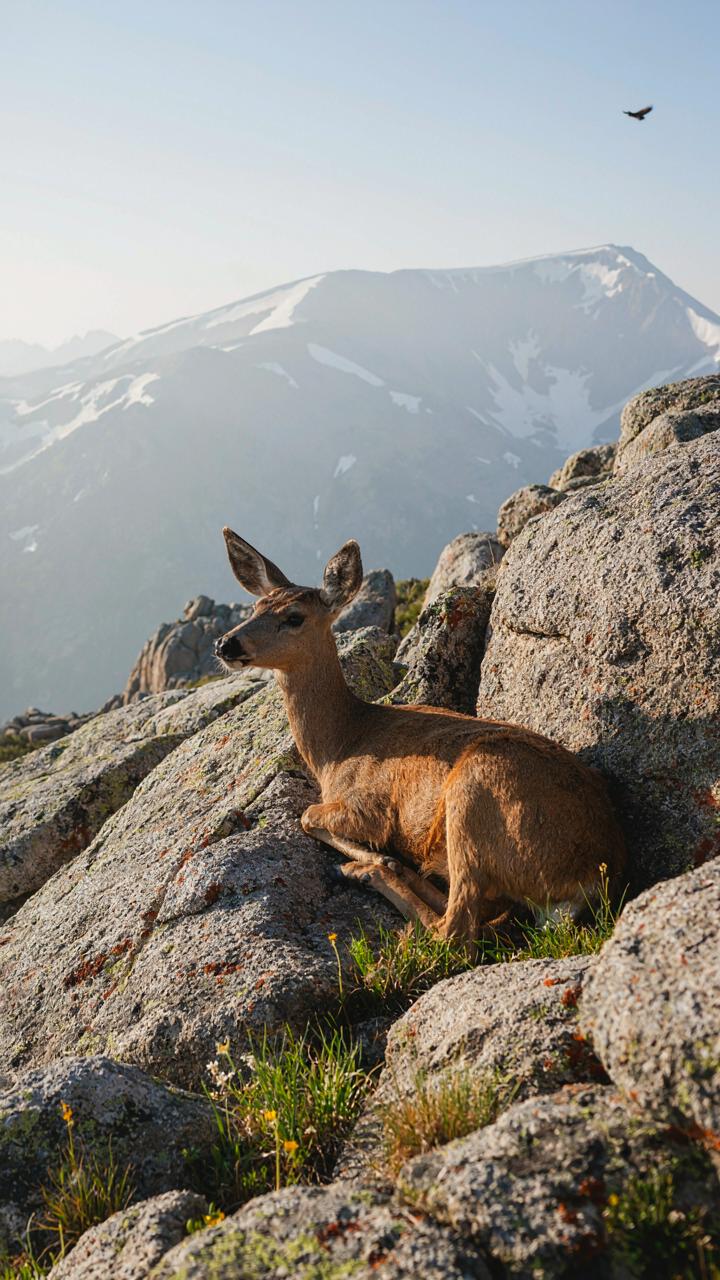
You want to feel competent in wild terrain without actually studying how it works. That’s the real friction. Ecology—the study of organism and environment interaction—offers a direct parallel most climbers and mountaineers skip entirely. Predators don’t camp randomly. They position themselves where terrain funnels movement and weather provides cover. A mule deer bedding site teaches more about microclimate than most guidebooks. Aspect, wind shadow, drainage patterns, and sight lines determine survival odds long before you pitch a tent.
The standard advice is “pick high ground.” That’s incomplete. High ground exposes you to wind and lightning. What matters is reading the landscape like an organism does: where does water flow, where does wind accelerate, where do natural barriers break sightlines. A rocky outcrop two hundred meters downslope with boulder cover might keep you alive where an exposed ridge won’t. Study ridgelines for three seasons in different weather. Pattern recognition becomes instinct.
Decision Loops That Keep You Moving
Cybernetics—the science of control and feedback in systems—reveals why most mountaineers fail during emergencies. They wait for conditions to change instead of acting on real-time data. A feedback loop is the mechanism: observe current state, compare to threshold, execute response, observe again. On a summit attempt at altitude, you monitor oxygen availability, core temperature, decision quality, and visibility every thirty minutes. If any metric crosses your predetermined threshold, you abort. Not because conditions seem bad. Because the data says so.
Most climbers argue with their own thresholds mid-route, which is how people die on mountains they’ve summited before. Set your metrics before you leave base camp: turnaround time, heart rate ceiling, temperature minimum, visibility minimum. Write them down. When the moment arrives and your brain screams to push on, you follow the protocol instead of your ego. This is not conservative. It’s the only rational response to incomplete information in a hostile environment.
Gravity As A Teacher: The Physics Of True Zipline Adventure
Force, Friction, And What You’re Actually Afraid Of
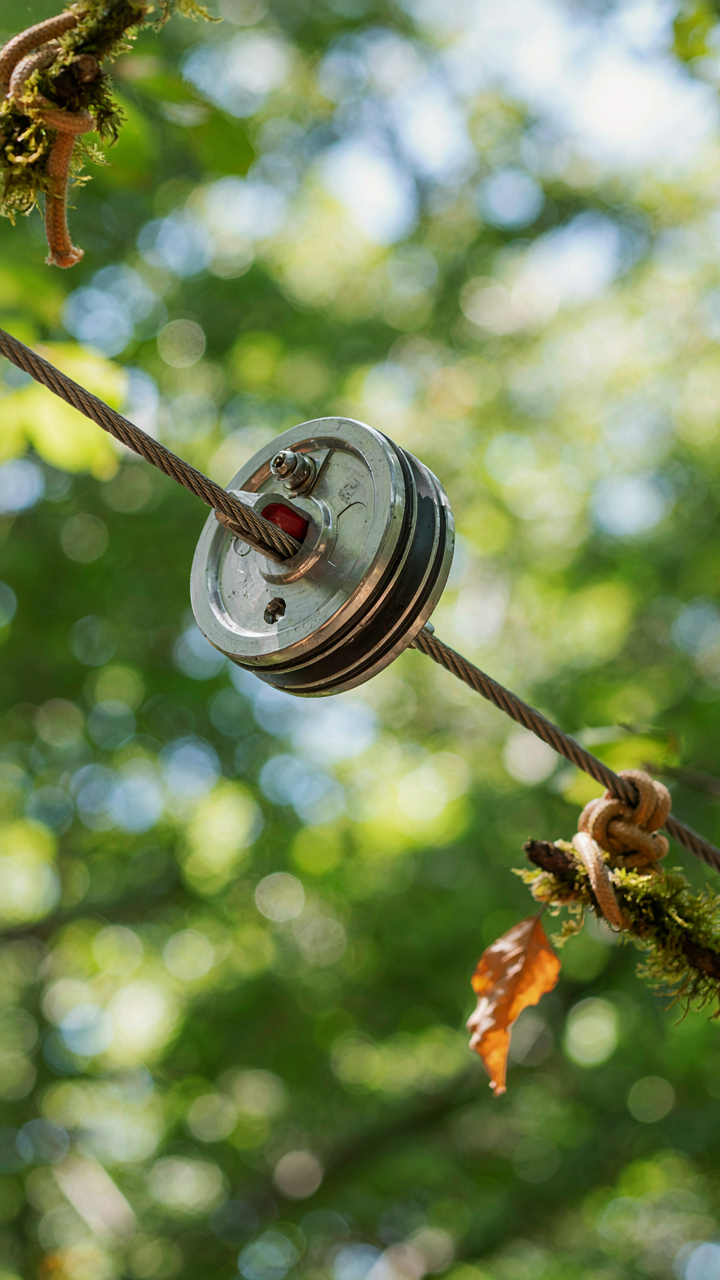
You want to feel in control while doing something dangerous. That’s the real draw here, and physics is how you get it. Zipline design borrows directly from mechanical engineering’s concept of load distribution, which applies to your body as the moving load across a cable under tension. The cable experiences force from your weight plus acceleration. Friction between your harness pulley and that cable is what prevents you from free-falling at terminal velocity.
Most people think ziplining is about the cable being strong enough to hold you. Wrong. The cable matters less than the friction coefficient between your pulley wheels and the cable surface. A worn cable increases friction unpredictably. A pulley with glazed wheels decreases it. The operator controls descent speed by managing friction through wheel material, cable condition, and harness design. You’re not hanging on a rope. You’re managing momentum through engineered drag.
Where Mastery Replaces Luck
The difference between a controlled descent and a terrifying one isn’t bravery, it’s system knowledge. Most commercial zipline operators pre-set friction to a fixed level, assuming one speed fits all body weights. This fails. A 120-pound person and a 240-pound person experience different forces on the same cable. Heavier riders accelerate faster. Their friction must increase to match. Operators who adjust for individual weight and wind conditions eliminate the variable that creates fear.
Real mastery means understanding your body’s role in the equation. You don’t grip harder or tense up to slow down, that changes your weight distribution and creates oscillation. Instead, you learn body positioning that optimizes how your harness interacts with friction. Legs extended, torso upright, arms at sides. This stance distributes load evenly, maximizes pulley contact with the cable, and gives you predictable deceleration. Request the operator adjust your setup individually, then verify the descent speed on a short test run before committing to the full line.
Beyond The Instagram Shot: Cultivating Real Adventure Ideas
Why You Actually Want To Be There
You care about this section because you’re spending money and time on activities that don’t feel real anymore. The mechanism is simple: intrinsic motivation, borrowed from psychology, operates like fuel efficiency in an engine. High-RPM activities (chasing views, checking boxes) burn resources fast and leave you empty. Low-RPM exploration (genuine curiosity about terrain, weather patterns, your own limits) converts effort into lasting capability. The difference isn’t subtle. One makes you dependent on external validation. The other makes you competent.
Exploration without an audience creates a different nervous system response. Your brain stops performing and starts processing. When you’re on a ridge at dawn with no phone signal and no one to tell, you notice things: how wind moves, how your body responds to altitude, what actually scares you versus what you think should scare you. That data feeds real decision-making on your next climb. You’re not collecting stories. You’re building a library of conditions and responses that keep you alive.
Designing For Experience, Not Documentation
Everyone says “be present” and “put the phone away.” That’s incomplete advice because it ignores the actual pull. You didn’t bring the phone to be rude. You brought it because the experience feels incomplete without capture. The real move is redesigning what completion means. Instead of measuring a day by the quality of footage, measure it by the quality of decisions you made or the specific terrain feature you learned to read.
Pick one micro-focus per outing: master a single rope technique, study how weather changes light on one valley, or time yourself on a specific scramble to establish a baseline. This creates intrinsic stakes. You’re racing against your own data, not against captions or likes. Document that one metric if you need to. The rest of your attention stays on the mountain. Your adventure becomes the work itself, not the announcement of it.
The Primal Return: Reclaiming Skill Through Adventurous Activities
Build Competence Before You Need It
You want proof you’re not soft. That’s the real driver here. But what you actually need is a nervous system that doesn’t panic when terrain changes. Mountain activities force this through repetition and consequence. You gain skills in low-stakes environments, then deploy them under pressure. The mechanism is simple: deliberate practice in controllable conditions rewires your response pattern.
Here are the core skills that transfer across mountain adventure activities:
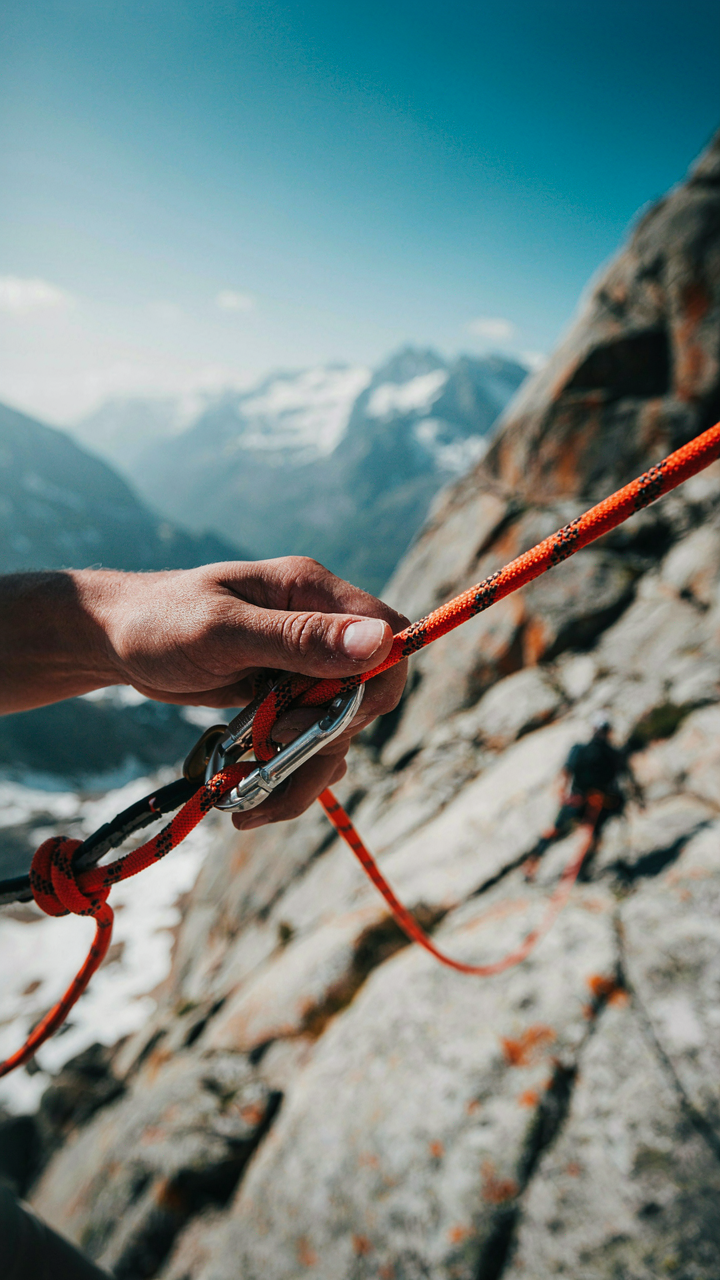
- Rope work and belaying: Master anchor points, friction management, and load direction before you’re suspended on a cliff. Practice on ground level first with full weight-bearing practice falls.
- Navigation without electronics: Map reading, terrain association, and compass bearings stay sharp only through constant use. Start on day hikes, then graduate to cloud-covered ridge lines where mistakes cost time, not lives.
- Hazard recognition: Learn to read snow conditions, rock quality, and weather patterns through observation, not just instruction. Each mountain teaches different tells. Spend time on the same terrain repeatedly.
- Emergency descent techniques: Rappelling, downclimbing, and self-rescue basics must be automatic. Train these in controlled settings until your hands move without thinking.
- Weather interpretation: Understand temperature lapse rates, cloud formation, wind loading, and barometric pressure shifts. Combine forecast data with real-time observation to predict condition changes before they arrive.
The competence stacks. Each skill reduces variables you have to manage. You move faster, make better calls, and recover from mistakes before they compound. Self-reliance isn’t about going alone. It’s about needing fewer external solutions when things shift.
Carry What Works, Leave The Rest
The gear industry sells comfort as a proxy for safety. This is backwards. Extra weight creates fatigue, fatigue creates mistakes, mistakes kill people. You need the opposite approach: minimum effective load paired with trained skill.
Alpine mountaineers figured this out decades ago. They call it “moving fast and light.” The principle borrows from efficiency economics: maximize output per unit input. Here, the input is weight and the output is capability. A climber carrying forty pounds on a technical pitch is slower and weaker than one carrying fifteen. The lighter climber also thinks clearer because their nervous system isn’t flooded with cortisol from exertion. Competence lets you strip away redundancy. You don’t need a backup headlamp if you can navigate by terrain and starlight. You don’t need emergency food if you can ration what you carry and time your descent before real hunger sets in. You don’t need a first aid kit the size of a briefcase if you know how to prevent injury through pacing and proper footwork.
Test your load on practice days. Climb for three hours and notice what you actually use versus what stayed in your pack. Remove two items. Climb again. Your real kit stabilizes fast. Most people carry the same excess their entire climbing career because they never stress-test their assumptions.
The Discomfort Economy: Investing In Adrenaline Filled Travel Destinations
Why Suffering Beats The Safe Route
You want proof that you’re alive. That’s the real reason you’re reading this. Discomfort is the signal your brain uses to distinguish memorable experience from the forgettable blur of routine. In economics, we call this the concept of “value exchange”—you trade something of worth for something of greater worth. In mountain adventure, you trade comfort and safety margins for irreversible competence and data about yourself nobody else has.
Most people misunderstand what they’re actually buying. They think it’s the peak view or the story. Wrong. They’re buying the specific moment their body rejected the easy path and their mind kept moving anyway. That transaction changes your risk tolerance permanently. It resets your baseline for what “hard” means.
The Math On Personal Transformation
Skip the generic “personal growth” talk. Personal growth isn’t real unless you can measure what changed. The ROI framework works here: you spend time, money, and the specific stress of altitude or technical terrain. You receive compressed experience—the kind you can’t simulate in controlled environments. A week on rock teaches you about pressure decisions faster than months of hypothetical scenarios.
The compound effect matters. Each expedition stacks on the last. Your body adapts to thin air. Your judgment improves on exposed terrain. Your fear response calibrates closer to reality. Three months after summiting at elevation or mastering a technical pitch, you notice you make faster decisions under pressure in unrelated situations. That’s the actual return. Measure it by counting how many times you acted instead of hesitated in your regular life.
The Solo Expedition: Finding Your True North On Adventure Trips

Solitude As A Weapon, Not A Reward
You want solo mountaineering to feel like enlightenment because that story is easier to sell than the truth: you’re running from something. The actual mechanism is simpler. Solitude removes the social performance layer. On a rope team, you manage other people’s fear, their pace, their judgment. Alone, you manage only your decision-making under pressure. That friction disappears. You climb faster because you’re not performing competence. You move slower when conditions demand it because nobody’s watching. The mountain becomes a feedback system instead of a stage.
Most advice treats solo trips as spiritual retreats. That’s romantic nonsense. Solo expeditions work because they collapse the gap between your actions and their consequences. You misjudge a snow slope, you pay immediately. You read the weather wrong, you solve it alone. There’s no committee, no blame shifting, no second opinions to hide behind. This clarity trains your judgment faster than any guided expedition.
Where Your Story Meets The Actual Trail
Internal narrative is the economist’s term for the story you tell yourself about why you do things. On group climbs, your narrative stays hidden because the group’s narrative overwrites it. Solo, your story becomes inescapable. You’ll hear every excuse your mind generates: the weather’s too risky, you’re too tired, you don’t deserve this. These aren’t just thoughts. They’re the operating system running your decisions.
The real work is identifying which narratives run your decisions and which ones are actual data. Fear of objective hazard is data. Fear of looking weak to an audience you’ve already paid is narrative. Solo climbing forces this distinction because you can’t defer to group consensus or an instructor’s authority. You make the turnaround decision. You set the pace. You choose the route. Every move traces back to your actual judgment, not borrowed confidence. Start your next solo trip by writing down three assumptions you hold about your own limits before you leave. Revisit them at camp each night. You’ll find where narrative replaced reality.
The Real Climb Isn’t A Mountain; It’s The Mountain Of Self-deception You Carry. Drop It
Most people don’t avoid mountain adventure activities because they’re dangerous. They avoid them because admitting you’re afraid feels worse than staying small. You tell yourself you’ll do it someday. Someday never comes. Pick one activity today. Not next month. Not when you’re “more prepared.” Book it, pay for it, tell someone. The mountain doesn’t care about your excuses. Neither should you.