
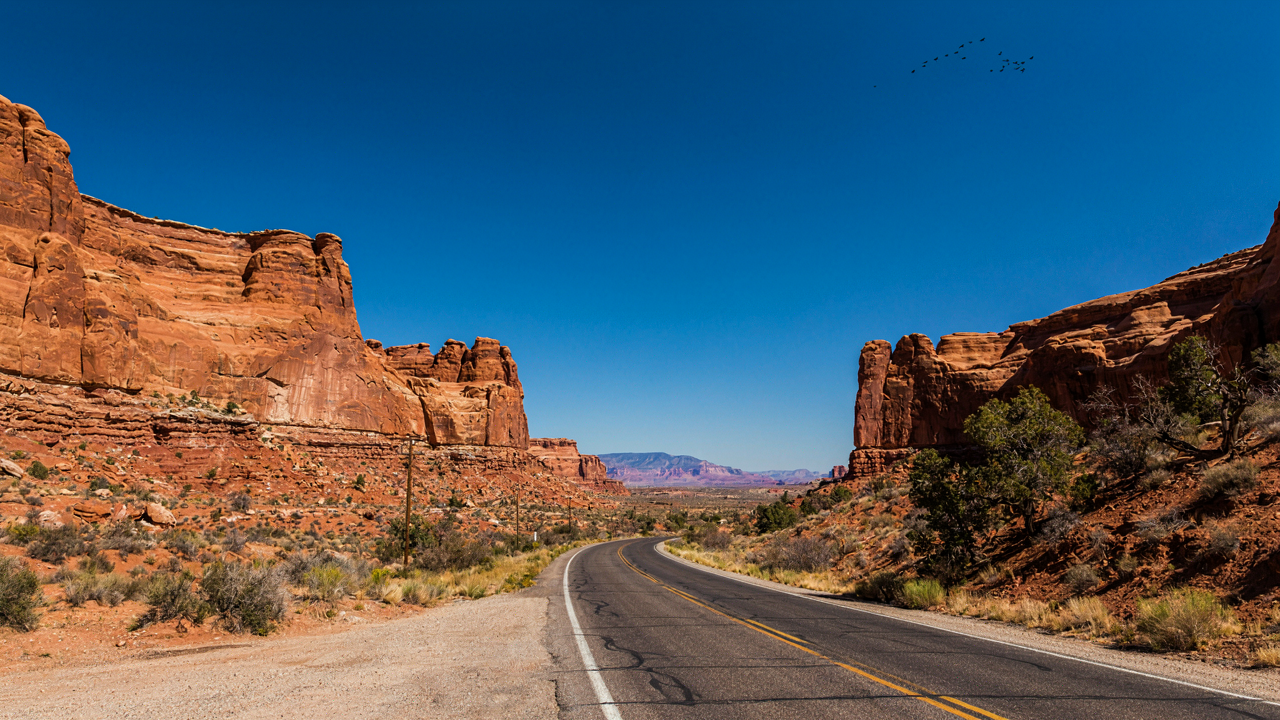
The Anti Itinerary Principle

Rigid Plans Kill Discovery
You want to feel like you’ve optimized the trip, that you’ve figured it out before you left. The mechanism is simple: a locked itinerary gives you the illusion of control while actually removing your ability to respond to what’s actually in front of you. Like a chess player who memorizes the first ten moves but can’t adapt when the opponent deviates, you end up playing a game against reality instead of with it. The best scenic road trips aren’t found on planning apps.
The moment you book every stop, every meal, every viewpoint, you’ve traded discovery for confirmation. You’ll drive past something genuinely strange or beautiful because it wasn’t in the plan. You’ll skip a town because it adds twelve minutes. Most road trip advice treats the route like a checklist to complete rather than a system to navigate. Stop treating the journey like a to do list and start treating it like a conversation with the landscape.
Unplanned Detours Are The Real Route

The best stops on scenic road trips happen because you noticed something, turned the wheel, and went. A pull off nobody mentions. A diner that looks lived in. A vista visible only if you take the backroad instead of the highway. You find these by driving slowly enough to notice, stopping when curiosity hits, and asking locals what they actually do on weekends instead of what they tell tourists. Your secondary roads carry more visual and cultural density than your planned main attractions.
Build a trip around three or four anchor points you actually want to see, then leave the hours between them completely open. Don’t fill gaps. Drive them. Stop when momentum breaks. When you see something worth investigating, take the next exit without checking your phone first. This is how you encounter the places that reshape how you see a region. The mechanism works because friction is removed from your decision making—you act on immediate interest rather than delayed planning.

Unearthing Hidden Gems: Scenic Drives In Usa Beyond The Brochure

What Locals Actually Drive
You want the story nobody tells on Instagram because it makes you look smarter than the people who discovered it on a listicle. The mechanism is simple: tourist infrastructure concentrates around famous endpoints, which means the best sections exist in the gaps between destinations. The road itself becomes invisible once it’s packaged.
Start by mapping state highways instead of interstates. US Route 395 through Eastern California, US Route 12 across Idaho, US Route 20 through Oregon—these carry traffic but not crowds. Pull local county maps. Ask gas station attendants what route they take when they’re not working. The information is free because it has no commercial value to anyone selling experiences.
Routes That Require Actual Navigation
Most road trip advice tells you to “explore” without naming the mechanism: you’re trading time against discovery. Economics calls this the exploration-exploitation tradeoff. In scenic drives, it means committing fuel and hours to unmapped sections, knowing some won’t pay off, because the ones that do eliminate the mediation layer between you and the landscape.
The Volcanic Legacy Scenic Byway in Oregon (Highway 97 south) moves through geologically distinct terrain with minimal development. The Rim of the World Highway east of San Bernardino offers desert-to-pine transitions without the Yosemite infrastructure. These routes demand you stop at unmarked pullouts, read geological markers yourself, and notice what’s actually there instead of what a brochure told you to see. Pick one section. Spend four hours on it. Photograph nothing.
The Minimalist’s Manifesto: Road Trip Scenic Drives Usa With Less Baggage
Carry Only What Moves You Forward
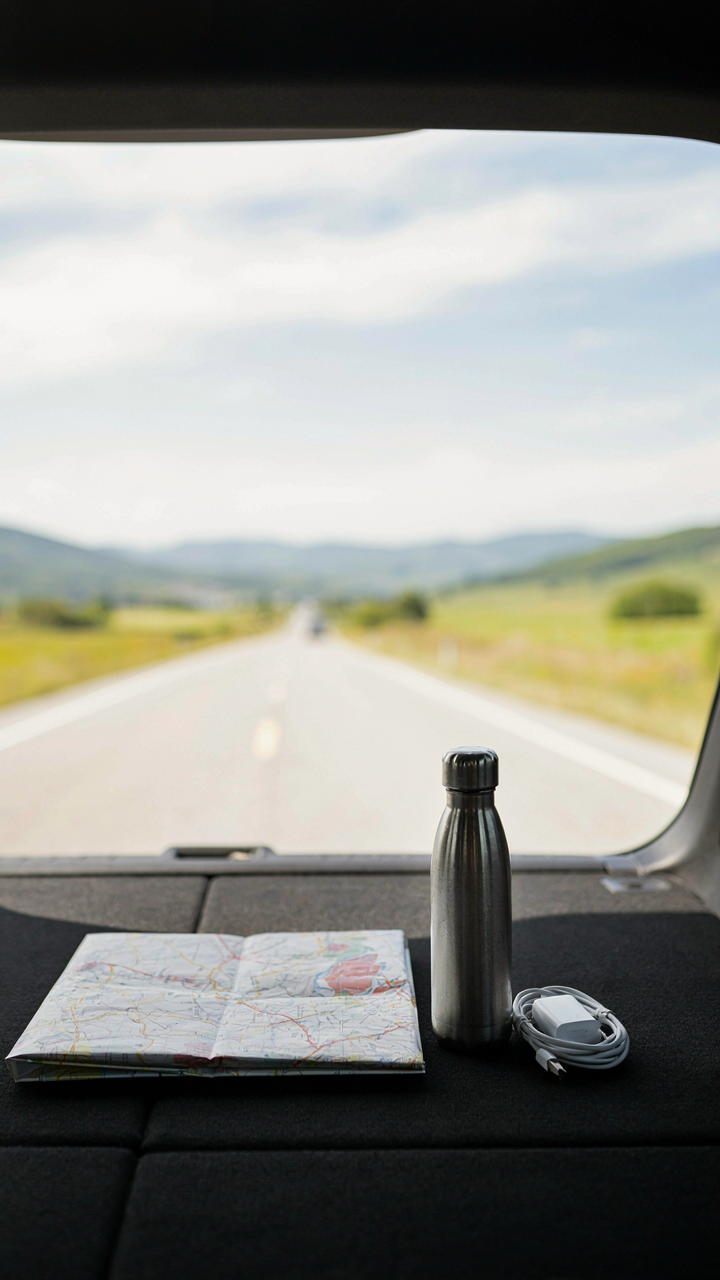
You want permission to feel like you’re traveling “right,” as if a curated packing list proves something about your character. The mechanism is simpler: excess weight in your vehicle burns fuel, slows acceleration, and forces you to manage stuff instead of experience terrain. Every pound you don’t carry is fuel saved and mental bandwidth freed. Strip your trunk to essentials: water, a phone charger, a physical map, a light layer, basic tools. The Route 66 corridor from Chicago to Los Angeles demands nothing more. Leave the rest behind.
Heavy vehicles move slower through mountain passes. Lighter loads mean better MPG on long stretches of the Pacific Coast Highway or the Blue Ridge Parkway. You’ll notice the difference in how your body feels after eight hours of driving and in how much you actually observe the landscape instead of managing logistics. The goal isn’t Instagram minimalism. It’s operational efficiency that compounds into presence.
What Your Attention Actually Needs
This section calls for a borrowed framework from cognitive load theory: the principle of signal-to-noise ratio. Most road trips fail because travelers fill the silence with phones, podcasts, and passenger scrolling, which drowns the actual signal: the landscape you drove to see. The real work isn’t mental decluttering advice. It’s removing the competing stimuli that hijack your focus before you even leave the parking lot.
Set a rule before you drive: phones in the glovebox after route planning. No streaming audio. No group chat notifications. Give the road your actual sensory bandwidth. Drive through the Natchez Trace or the Going-to-the-Sun Road in Montana without a single notification ping. Your mind fills the silence with observation instead of anxiety. When you notice the light hitting the canyon walls or the specific smell of sage after rain, that’s not magic. That’s what attention does when you don’t starve it.
The mechanism is deliberate deprivation: remove enough noise that the environment becomes louder than your device.
The Discomfort Dividend: Why Your “Worst” Detour Is The Best Scenic Drive Destination Idea
Growth Happens Off The Main Road
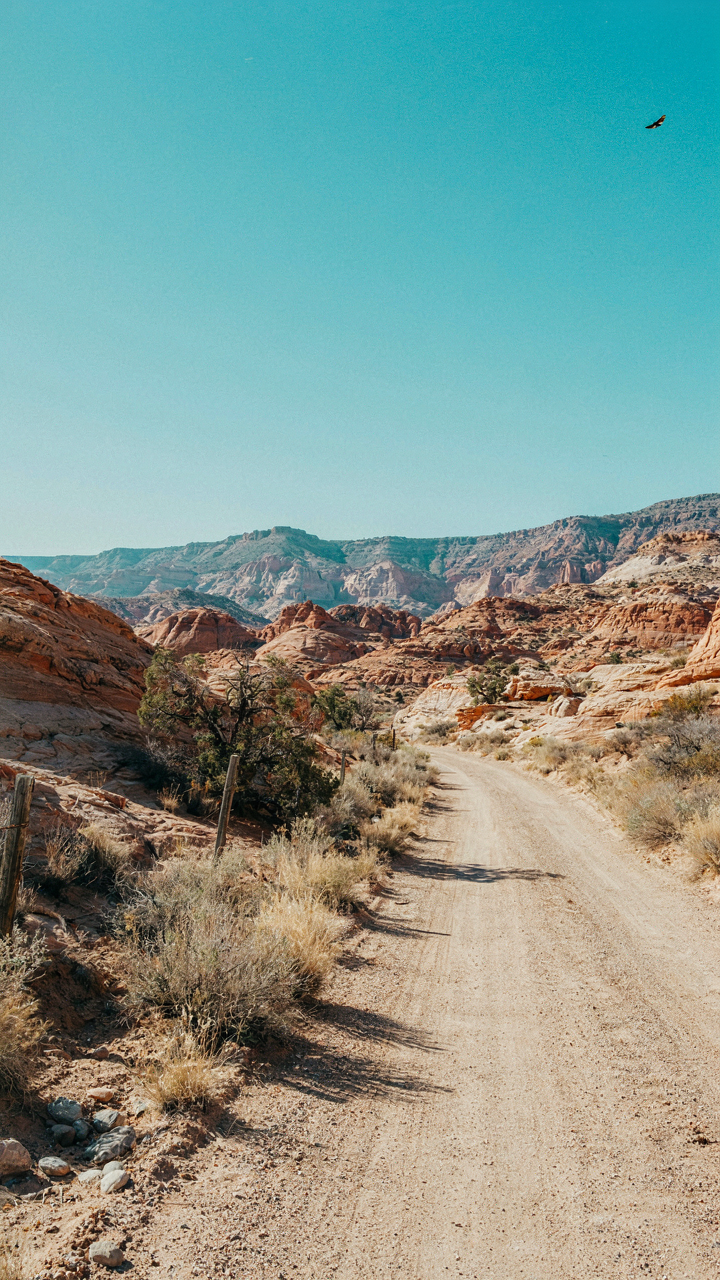
You want permission to take the detour without feeling like you wasted time. Here’s the real mechanism: comfort preserves your current skill set. Discomfort upgrades it. The moment you leave a highway corridor for an unmapped back route, you enter what systems thinking calls a “positive feedback loop”—your navigation demands attention, your senses sharpen, and you notice details the highway obscures. This is where most scenic drives actually live. Not in the famous overlooks everyone photographs, but in the terrain you find by refusing the efficient path.
The Route 66 corridor through Arizona demonstrates this perfectly. Most drivers skip the backroads between Flagstaff and Kingman to save time. Those who take the dirt switchbacks through the Hualapai Reservation encounter red rock formations, canyon depth, and silence that the interstate erases. Discomfort forced observation. Observation created memory. The scenic value wasn’t the road itself—it was your willingness to navigate uncertainty.
Friction Becomes The Story
Most travel advice treats problems as obstacles. They’re actually your competitive advantage. When your GPS fails on a mountain pass outside Moab or you encounter road closure on the Blue Ridge Parkway, you stop reacting to a predetermined route and start actually exploring. The problem-solving work your brain does in that moment—reading terrain, talking to locals, choosing between alternatives—generates the stories you actually tell later. Not because they’re dramatic. Because you earned them.
This is measurable on real road trips. The Colorado River Scenic Byway between Cisco and Moab has minimal cell coverage and limited services. That friction creates interaction with place. You notice the San Juan Mountains at different angles because you’re navigating manually. You stop at a gas station and talk to someone who knows which side roads connect. These aren’t obstacles—they’re the filtering mechanism that separates a drive you forget from one that changes how you see landscape. The best scenic routes are the ones that demand something from you before revealing themselves.
The Solitude Protocol: Harnessing Loneliness For Deeper Exploration
Why Isolation Changes What You See
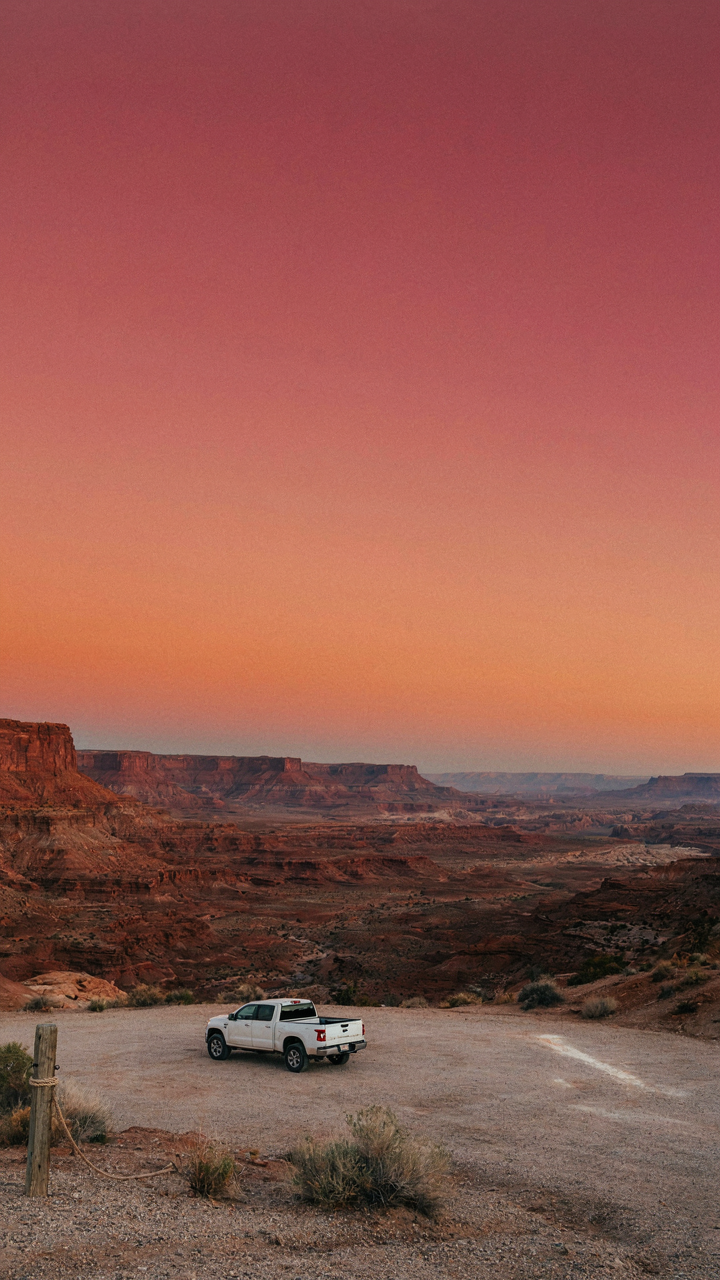
You want permission to travel alone without feeling like a failure at connection. Here’s the mechanism: evolutionary biology treats isolation as a selection pressure. Organisms in isolation develop distinct traits because they can’t rely on the group’s defaults. A scenic road trip alone works the same way. Your brain doesn’t outsource attention to companions. You notice details a passenger misses. The canyon wall’s color shift at different elevations. The exact moment vegetation changes. The specific quality of light that makes one overlook work and another feel empty. Solitude strips away the social narrative you’d otherwise construct.
When you drive alone through the Appalachian spine or along California’s I-395 corridor, you’re not escaping people to feel special. You’re removing the filter that turns landscape into background for conversation. Your perception sharpens because there’s nothing else to process. This isn’t meditation or therapeutic. It’s straightforward neurology. The road demands your attention when you’re the only mind in the vehicle, and attention is what reveals what’s actually there.
Reflection Happens Because You’re Forced To Listen
Self-reflection isn’t a luxury benefit of solo travel. It’s a byproduct of boredom with your own thought loops. Most people running road trips with others externalize constantly. They narrate, compare, plan the next stop. Alone, you hit a wall around hour three where your mental playlist exhausts. That’s when actual thinking begins. The Redwood Drive from Eureka to Leggett, or the Going-to-the-Sun Road in Glacier, forces this because the scenery is too uniform to sustain external focus. Your mind has to turn inward.
The mechanism isn’t mystical. It’s pattern recognition on internal data. When you have no one to tell your story to, you start noticing which stories you tell yourself repeatedly. Which anxieties surface at mile 150 versus mile 300. Which decisions you rationalize versus which ones stick. This isn’t productive in the startup sense. It’s productive in the diagnosis sense. You can’t change what you don’t notice. Solo road trips compress weeks of internal work into days because there are no exit routes. No phone calls. No restaurants to distract into. Just you and the feedback loop of your own attention.
The Local Lens: Beyond Tourist Traps, Exploring Scenic Drives In USA

Talk To People Actually Living There
You want the Instagram version of authenticity without the work of earning it. The mechanism is simple: tourists and locals see different routes because they value different things. A local knows which pullout has cell service, which diner doesn’t get slammed at noon, and which detour reveals what the highway hides.
Stop at gas stations and diners. Ask the person behind the counter about the road ahead. They’ll tell you what’s worth stopping for and what’s a waste of time. This takes five minutes and eliminates hours of following dead-end recommendations. Their filter is experience, not engagement metrics.
Spend Money Where It Stays
The tourism advice on this is incomplete. Yes, eat local. But that’s theater if you’re still sleeping in a chain hotel. The real leverage comes from economics: money that stays in a community funds the infrastructure that keeps the drive worth taking.
Book a room at a family business. Buy gas from independent stations. Eat where the trucks park. These choices compound. They keep small towns solvent enough to maintain roads, fund ranger programs, and staff visitor centers with people who actually know the region. Your spending directly determines whether the route remains navigable and interesting next season.
The Slow Burn Method: Reclaiming Time On Scenic Drive Travel Ideas
Stop Collecting Destinations
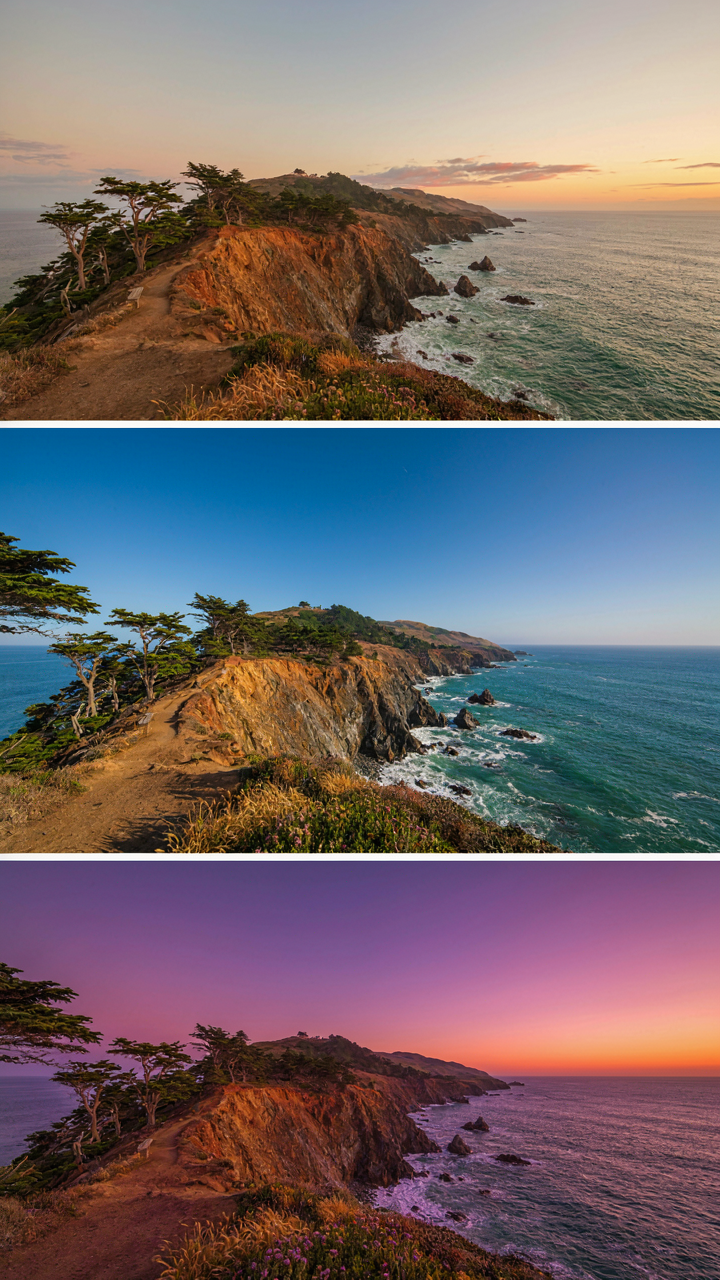
You want validation that your time matters, so you chase a checklist. The real mechanism is scarcity thinking: more places equals more proof you lived. That’s backwards. Economics teaches us about opportunity cost—what you gain by doing one thing is what you lose by doing another. On a road trip, every mile toward a new town is a mile away from depth in the current one. You optimize for coverage when you should optimize for saturation.
- Pacific Coast Highway (California): Stop for two full days in Big Sur instead of driving through. Walk multiple trails at different times, watch light change on cliffs, understand why the landscape shaped local culture.
- Natchez Trace Parkway (Tennessee to Mississippi): Pick three overlooks and return to them at sunrise, midday, and dusk. The road reveals different narratives depending on light and time. Most people miss this entirely.
- Million Dollar Highway (Colorado): Camp near Ouray for three days. Hike the surrounding peaks, eat at local establishments, let your body acclimate to altitude. The views compound when you’re not rushing.
- Cabot Trail (Nova Scotia): Two weeks minimum to walk portions of the trail on foot, not just drive it. The road exists because of the landscape, but the landscape exists in the walking.
- Beartooth Highway (Montana to Wyoming): Spend one night at high elevation. Watch weather systems move through. The 60-mile drive takes four hours if you stop—most people finish in two and see nothing.
The calendar pressure kills most road trips before they start. You book five days and plan seven destinations. By day two, you’re calculating drive time instead of experiencing place. Set the same budget for three locations and add 40 percent to your time per stop.
Build Margin Into Your Schedule
Common advice says “be flexible,” which is useless because you still feel the deadline. Real flexibility requires architecture—you have to design the trip so delays don’t create stress. Treat your itinerary like a product roadmap: build in buffer time as a feature, not an accident.
If you plan to drive eight hours, leave twelve hours open. If a town arrests your attention—unexpected restaurant, hike, conversation—you respond by staying, not by cutting the next stop. This isn’t about wandering aimlessly. It’s about giving friction room to become discovery. One extra night in the wrong place teaches you nothing. One extra day in a place already captured your focus compounds the experience geometrically. The mechanism is simple: constrained time forces selection based on assumption. Open time forces selection based on reality.
Digital Detoxification: Disconnecting For Authentic Scenic Drive Ideas
The Phone Is The Problem
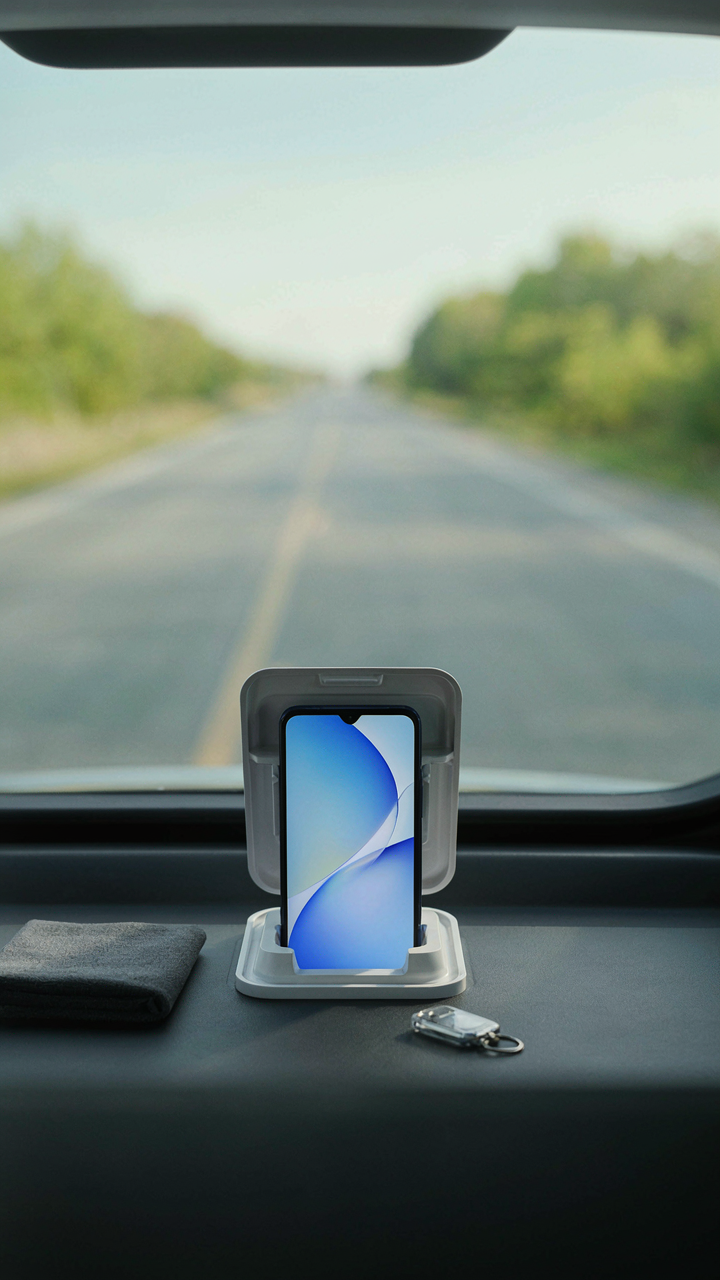
You want permission to disconnect because you’re afraid missing notifications means missing opportunity. The real mechanism is simpler: your phone splits your attention into competing streams, and scenic drives demand singular focus to register. A canyon doesn’t compete with your phone’s pull—your divided mind does. Remove the device entirely from the front seat. Put it in the trunk or in a bag behind you. The friction matters. You need physical distance, not willpower.
Most people think turning off notifications solves this. It doesn’t. Your brain still knows the device exists within arm’s reach, and that knowledge taxes your cognitive load before you ever touch it. The neuroscience is clear: mere presence of your phone degrades performance on attention tasks. A scenic drive with a phone nearby isn’t a drive at all—it’s a drive you’re half-experiencing while managing a relationship with a device.
Boredom Builds Observation
The common advice says stay present. That’s incomplete. Presence without boredom is just looking—observation requires the absence of stimulation. When your mind has nothing to grab onto, it grabs onto detail. A two-hour stretch of empty highway feels painful only if you expect to be entertained. Remove that expectation and your brain shifts gears.
This is why long drives without audiobooks or podcasts produce clearer thinking than drives filled with content. The boredom isn’t a bug—it’s the mechanism that forces your visual cortex to work. Notice the rock formations, the light changes, the vegetation patterns. Let your mind wander without feeding it information. That wandering is where authentic observation happens. Stop your car at unmarked pullouts. Sit in silence for five minutes. Write down what you actually saw, not what you think you should have seen.
The Road Less Paved: Beyond The “Best” Scenic Drives In North America

Stop Measuring Scenic Value Like Everyone Else
You want the road that proves something about your taste. That’s the real mechanism at work here. The lists everyone shares—Pacific Coast Highway, Blue Ridge Parkway, Going-to-the-Sun Road—those aren’t objectively the most scenic. They’re the most photographed, most accessible, and most validated by Instagram metrics. You’ve already seen them filtered through a thousand other people’s cameras.
The actual decision framework is simple: what geography do you want to understand at human speed? Scenic value isn’t an absolute property of a landscape. It’s the match between terrain, season, your specific eye, and what you’re looking for. A desert highway teaches you something a coastal one doesn’t. A mountain pass reveals structure. A river valley shows erosion. Define what you actually need to see, not what consensus says is beautiful.
Design Your Route Around What Changes, Not What Stays Still
Borrowing from systems design, a scenic road trip has input variables and output variables. Most people treat the route as static and expect the experience to be dynamic. That’s backward. You shape the experience by controlling three inputs: direction of travel, time of year, and what you stop for between points A and B.
The Pacific Northwest coast looks identical whether you drive it north or south. The Cascade Range in fall versus spring is two different journeys. A highway through Utah’s canyon country becomes functional research if you stop at specific geological formations instead of just rolling through. Your route design should change the data you collect, not just move you across space.
The Real Obstacle Isn’t The Road Ahead, But The Curated Reality You Cling To

You don’t lack scenic routes. You lack permission to abandon your screen for three days. The best road trip isn’t the one with the perfect Instagram backdrop. It’s the one you actually take. Stop researching and book a tank of gas this week. Pick a direction. Drive until something breaks your routine or breaks your expectations. The real journey starts when you stop treating travel like content and start treating it like living.