

The Myth Of The “Perfect” Frame
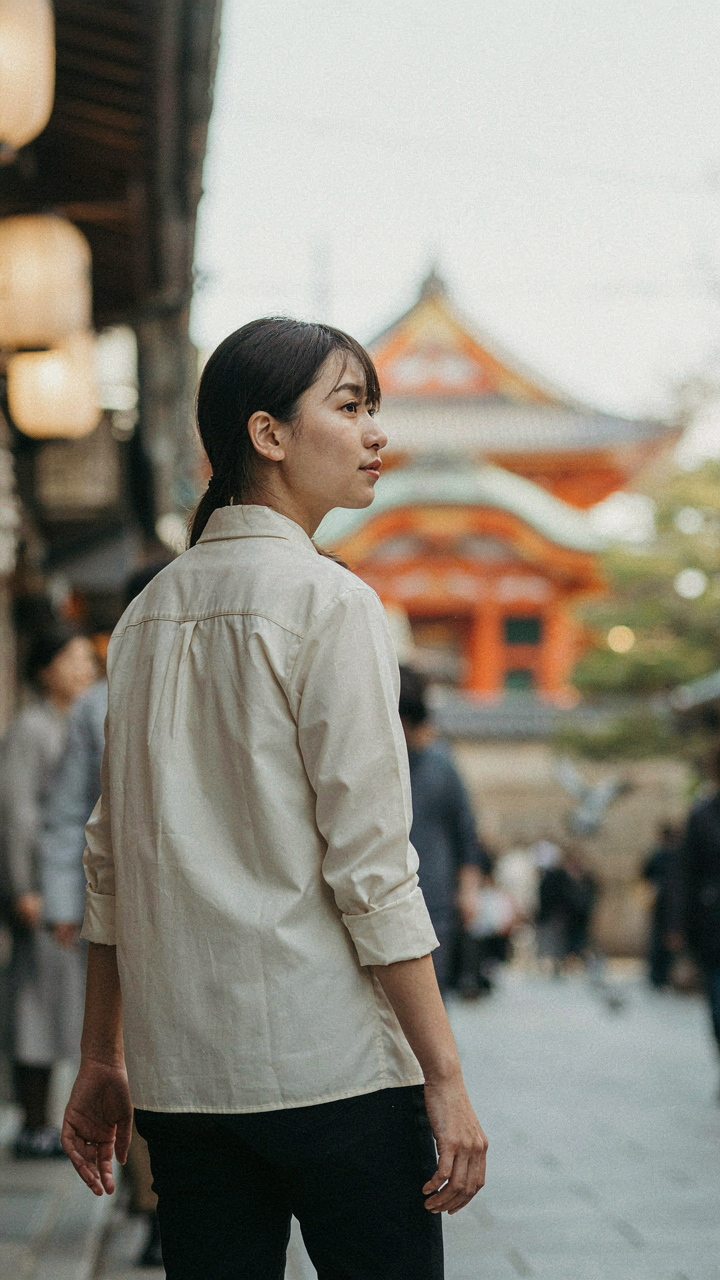
Deconstructing The Curated Instagram Lie
You’re looking for permission to believe a location will fix your photography. It won’t. The mechanism at work here is selection bias: Instagram shows you the three frames out of three hundred that worked, shot by people who either got lucky or spent twelve hours repositioning themselves for light. The location didn’t create the image. Timing, angle, and obsession did.
Popular destinations get flattened by repetition. Thousands of travelers shoot from identical vantage points because travel blogs and influencers anchor the “best spot” in collective memory. You see the same composition of the Santorini caldera, the same Kyoto temple gate, the same Barcelona street corner across ten thousand accounts. The location becomes a checkbox, not a discovery. What actually separates strong travel photography from mediocre travel photography is constraint and specificity, not destination prestige.
Why Popular Spots Stifle Unique Vision

Crowded locations train your eye to see what’s already been seen. You arrive with preloaded mental frames from the content you consumed before booking. This is the opposite of how vision develops. Strong photographers typically build work by noticing what others overlook, not by executing someone else’s composition better. Popular destinations reverse this: they reward conformity because the light, the angle, and the subject are already solved problems.
The real constraint isn’t the destination. It’s the permission you give yourself to shoot differently. Visit an overphotographed location at the wrong time on purpose. Shoot the crowd instead of the monument. Frame the peripheral details. Walk backward and sideways until you see something that hasn’t appeared in a thousand blog posts. You don’t need a new destination. You need a new protocol for how you move through any destination.

Beyond Postcards: The Unseen Charms

Where The Crowd Isn’t Looking
You want the shot nobody else got because you believe that proves something about your taste. Here’s the mechanism: most photogenic destinations aren’t hidden—they’re ignored because they lack the social proof of a famous landmark. The best light hits side streets, worker neighborhoods, and transit corridors at specific hours because fewer photographers compete for those angles. You’re not finding beauty. You’re finding real estate where attention hasn’t driven up the visual price.
The postcards exist because they’re easy to reach and frame. That advantage is also their liability. A town square photographed ten thousand times becomes technically perfect but visually dead. The overlooked zones—weathered market buildings, industrial waterfronts, residential blocks with actual color variation—retain compositional tension because the light still surprises. Start by mapping a destination’s unglamorous sectors on foot before sunrise. Document what moves you, not what moves engagement metrics.
The Angle That Changes Everything
Light engineering beats location scouting. This concept borrows from architecture’s material hierarchy: some elements anchor the visual weight while others recede. In most photogenic destinations, foreground texture carries the entire frame—not the background landmark. Most travel photography advice gets this backward, treating the famous building as the subject when it’s actually just context. The real subject is how worn stone, shadow patterns, or crowd density creates depth that a postcard flattens into decoration.
Capture the moment surfaces catch light differently than the monument behind them. A weathered doorway at side light, a vendor’s hands working produce, wet pavement after rain reflecting storefronts—these anchor a frame with reality. The famous landmark becomes proof of location without dominating the composition. Scout your location the day before, note where light angles change hour by hour, then return with a specific frame already locked in your mind.
The Light Hacker Protocol: Master Illumination
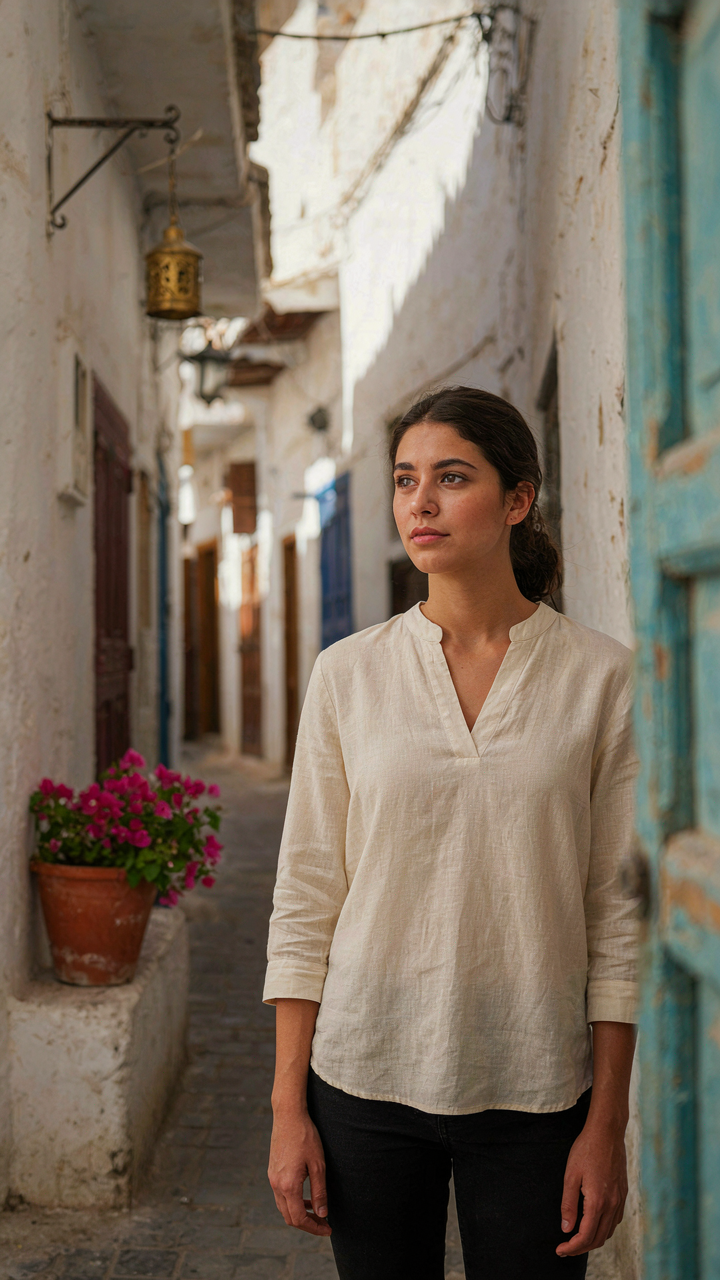
How Light Actually Shapes What Photographs
You want better photos because you think the destination matters. It doesn’t. Light matters. Physics governs photography the way supply and demand governs markets: it’s the invisible force that makes or breaks the outcome. The sun moves predictably. It rises at a specific azimuth, travels an arc, and sets. Every location on Earth has golden hour windows that shift by latitude and season. Mastering these windows removes the guesswork that separates amateur travel photos from publishable ones.
Most photogenic destinations aren’t chosen randomly. They’re chosen because their geography amplifies or extends natural light cycles. Santorini’s caldera faces west, holding sunset light for extended periods. Marrakech’s desert air creates sharp contrast between lit and shadowed surfaces. Venice’s water reflects and multiplies available light. Once you understand that destinations are selected for their light behavior, not their Instagram popularity, you stop chasing the wrong places and start timing the right ones correctly.
Darkness Creates The Composition
The advice to “find good light” misses the mechanism. Good light only works because bad light exists next to it. Contrast is the actual variable. Shadows aren’t failures of light—they’re the structure that makes light visible. A bright facade against a blue sky reads as flat. The same facade with a deep shadow cast across half its surface reads as dimensional and compelling.
Most photogenic destinations have natural shadow generators: narrow alleys in medinas, colonnaded streets, canyon formations, dense architecture that blocks direct sun. The Amalfi Coast’s vertical cliffs create shadow zones. Petra’s carved facades generate internal shadows that photographers can position subjects within. You don’t chase the light. You map where shadows fall at specific times, then position yourself to capture the contrast between them and the lit area behind or beside them.
Architectural Alchemy: Transforming Urban Sprawl

The Geometry Hidden In Plain Sight
You want to look like you discovered something nobody else saw, which means you need to stop looking at buildings as whole objects. Geometry isn’t an aesthetic choice—it’s the mechanical foundation of how light hits surfaces and how your brain processes visual information. Every unremarkable street in Prague, Barcelona, or Istanbul contains repeating patterns: window grids, cornice lines, staircase rhythms, shadow intervals. These patterns create rhythm. Your camera locks onto rhythm before it locks onto beauty.
The real work happens before you shoot. Walk a street at three different times of day. Watch how shadow angles change the plane geometry of a facade. A brutalist apartment block becomes photographically valuable the moment you frame it to isolate its concrete grid against clear sky. Geometric patterns work because they’re predictable enough to satisfy the eye, but complex enough to hold attention. Stop hunting for “pretty” buildings. Hunt for strong lines and repetition instead.
The Details Nobody Frames
Everyone photographs the Colosseum and the Sagrada Familia because they’re already famous, which makes those shots worthless as proof of your eye. European cities are dense with forgotten details: weathered door hinges in Lisbon’s Alfama district, tile work on residential facades in Porto, wrought-iron balcony railings in New Orleans’ French Quarter. These aren’t hidden—they’re ignored because they don’t appear in guidebooks. Your competitive advantage is noticing what the consensus walks past.
The mechanism is simple: zoom in ruthlessly. A 50mm or 85mm lens forces you past the whole building into texture, material, and craftsmanship. Aged plaster in Rome reveals how lime mortar works differently than modern cement. Weathered shingles in coastal towns show specific patterns of salt and wind damage. A single ornate doorknob becomes more visually interesting than the entire door when you frame it properly. Spend time in one neighborhood. Shoot the details that made you stop walking.
Ancient Echoes: Photography Locations For Ancient Sites

Framing History: Perspectives On Ruins And Relics
You want the photo that proves you were somewhere important. That’s the real reason you care about ancient sites. The mechanism is simple: ruins work photographically because they contain actual contrast between human intention and natural decay. Stone that was shaped with purpose now sits fractured. This contrast is what reads on camera, not the age itself.
The mistake most photographers make is shooting from eye level, the tourist angle. Roman columns, Greek temples, and Egyptian structures were built with scale as their primary design tool. You need to shoot from ground level to capture that vertical dominance, or from directly above to show the geometric precision beneath the weathering. Distance matters more than lens choice here. Stand far enough back to let the structure claim the frame instead of filling it with texture.
The Weight Of Time, Not Just Stones
Architecture speaks in load bearing terms, the language of structural engineering. Every ancient site uses compression and distribution as its underlying grammar. What appears as weight on camera is actually the visible proof of engineering decisions made centuries ago. Most photographers shoot what they see. Better photographers shoot the decision that created what they see.
The atmospheric conditions matter more than the location itself. Early morning and late afternoon light hits stone at angles that reveal mortar lines, tool marks, and the actual labor embedded in the construction. This isn’t about golden hour sentiment. It’s about the angle of incidence making invisible work visible. Shoot during these windows. Bring a polarizing filter to cut glare off whitewashed surfaces and reveal the depth beneath. This is your protocol.
The Human Element: Stories In Every Frame
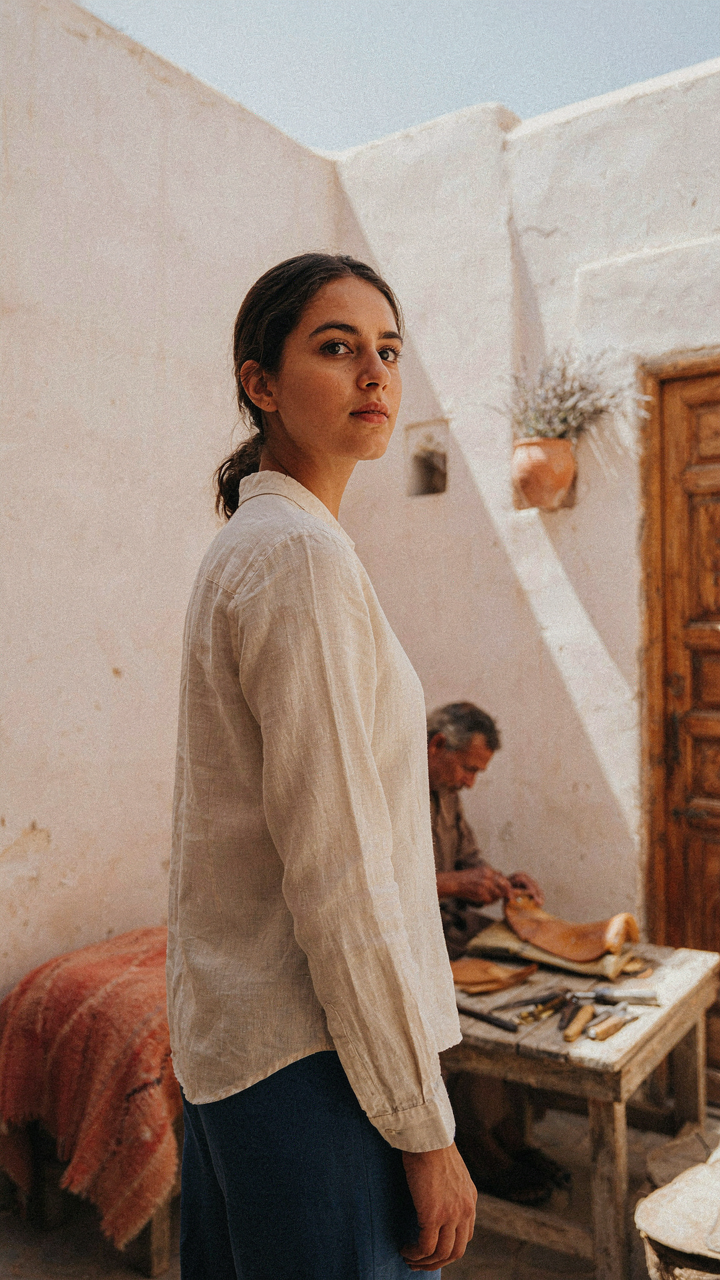
Candid Moments Over Posed Perfection
You want the shot to prove you were there. That’s the real motive. The mechanism that separates forgettable travel photos from ones people actually engage with is tension between subject and environment. Borrowed from cinematography: you need what editors call “negative space” tension, where the subject’s action creates meaning against the backdrop rather than dominating it. A person walking through a Moroccan medina matters because their movement reveals the maze. Their stillness in front of Angkor Wat reveals nothing.
Stop waiting for permission to shoot. The best candid moments happen when you’re already shooting, not preparing to shoot. This means positioning yourself where light and human movement intersect, then adjusting for the action that emerges. In Kyoto’s Philosopher’s Walk, tourists stop and stare. Locals walk with purpose. Capture the walker. In Venice’s side canals, the real story isn’t gondolas in the Grand Canal, it’s how residents navigate narrow passages with practiced efficiency.
- Street vendors during transaction moments: Capture hands exchanging goods, faces mid-negotiation. The transaction itself tells the economic story of the place better than any posed portrait.
- Morning routines before tourism peaks: Markets opening in Marrakech, fishermen preparing boats in coastal towns. These windows close fast and reveal authentic infrastructure.
- Layered depth from foreground to background: Shoot through crowds or architectural elements rather than around them. Bangkok’s Chatuchak Market works because you can layer multiple subjects across planes of depth.
- Reaction faces, not destination faces: Photograph people discovering something, not people aware they’re being photographed. A child’s first encounter with temple architecture beats any family smile.
- Hands and details during work: Artisans in Fez leather tanneries, weavers in Bali, bakers in Istanbul. Hands reveal skill and cultural practice more than faces do.
The mechanical advantage is this: candid moments require you to understand timing and anticipation, not just composition. You predict where light and action converge, position yourself there 30 seconds early, and let the frame fill itself.
Respect As Logistics, Not Morality
Write the rule down: reciprocal permission means you ask before shooting someone’s work, livelihood, or grief, then offer something back that has actual value to them. This isn’t about feeling good. It’s about creating access. The destinations that welcome photographers are the ones where photographers have built trust through visible exchange. When you pay for chai, you earn the right to photograph the chai seller’s hands. When you spend money at a family restaurant, you’ve earned the environment they created.
The practical layer: understand what you’re actually photographing. In Varanasi, cremation rituals at the Ganges aren’t public performances despite appearing that way. The crowds of tourists treating them as spectacle is why access gets tighter each year. In contrast, the Sapa markets in Vietnam remain relatively open to photography because visitors photograph commerce and culture, not poverty for shock value. The ethical position and the strategic position align here. Respect the distinction between documenting a place and extracting content from it.
Beautiful Places In The World: Unlocking Hidden Potential

When Nature Rebuilds Itself
You’re looking for permission to skip the crowded postcard locations without feeling like you wasted your travel budget. The real mechanism is ecological succession, a biological process where ecosystems predictably evolve through stages after disruption. Apply this to photogenic destinations: early-stage recovery zones create visual contrast that mature landscapes cannot. Abandoned quarries in Portugal, rewilded estates in Scotland, and former industrial waterfronts in Germany produce more compelling photographs than pristine wilderness because the tension between decay and renewal reads on camera.
Succession follows a sequence. Pioneer species arrive first, then intermediate colonizers, then stable communities. Photographically, the early and middle stages contain the most visual information: raw textures, competing growth patterns, dramatic color shifts. By the time a landscape reaches climax community status, it becomes uniform and predictable. The Camposanto Cemetery in Pisa or overgrown Ming tombs outside Beijing work as destinations precisely because they occupy the middle stage of succession, where intentional design meets natural reclamation.
Reading Landscapes Before They Peak
Predicting which natural landscapes will photograph best requires tracking three variables: erosion patterns, vegetation establishment rates, and seasonal visibility windows. None of the generic travel guides measure this. Slot canyons like Antelope Canyon in Arizona are photographically peaking now because water erosion has exposed the layered sandstone, but increased visitor traffic and flash flooding will alter the light diffusion within five to ten years. Zhangye Danxia in China’s Gansu Province is entering its optimal window because mineral oxidation is still actively coloring the formations without yet facing the weathering that softens contrast.
The actionable step is temporal mapping. Research satellite imagery from three to five years ago and compare it to current images of destinations you’re considering. If the landscape is visibly changing, determine whether that change improves or diminishes photographic potential. Visit during the phase that maximizes the visual elements you need. Tsingy Rouge in Madagascar, for instance, photographs best during dry season when the red iron oxide reaches peak saturation, and the formations cast the sharpest shadows. Timing matters more than location.
The Un Tourist: Unique Travel Photography Spots

Beat The Algorithm, Not The Clock
You want the shot nobody else has because you want the credit nobody else gets. That’s the real mechanism here. Most photographers optimize for the wrong variable: they chase the golden hour at famous landmarks, forgetting that every other photographer with an internet connection is doing the same thing at the same time.
The actual play is temporal arbitrage. Shoot the famous spot during the dead hours—midday, off-season, wrong weather—when it’s genuinely empty. Most photogenic destinations become photogenic precisely because the light and composition work at specific times, but those times attract crowds. Flip it: the location stays the same, the light changes, the people vanish. That’s your window.
The Locations Shooting You Back
Forget the advice to “explore local neighborhoods.” That’s vague and lazy. The real mechanism comes from economics: supply and demand. You want places with natural photographic demand but artificially low tourist supply because they lack Instagram velocity or easy access.
Target destinations that require friction to reach. Not dangerous friction, but friction. A 30-minute hike from a major city, a 2-hour drive from the nearest airport, a location that requires local knowledge to access legally. Plitvice Lakes in Croatia, the Zhangye Danxia formations in China’s Gansu Province, the black sand beaches of Iceland’s interior—these hold their visual power because the barrier to entry filters out casual visitors. The composition doesn’t change based on crowd size, but your ability to isolate it does.
Mastering The Moment: The Art Of Anticipation

When Light Stops Waiting For You
You want to nail the shot because you’re terrified of leaving empty-handed. The mechanism is simple: anticipation beats reaction. You cannot outrun light or people or weather by pressing the shutter button faster. Most travelers shoot after the moment peaks. Photographers with intuition predict where the moment will form before it arrives, then position themselves inside that prediction.
Think of this like ecology’s concept of niche positioning. A niche isn’t about finding empty space, it’s about occupying the exact intersection where conditions align for a specific outcome. In the world’s most photogenic destinations, your niche is the intersection of light angle, subject position, and human activity. You’re not waiting for that intersection to appear. You’re calculating when it will exist, then standing inside it.
The Decisive Moment Isn’t Luck
Seizing fleeting opportunities sounds romantic and false. Henri Cartier-Bresson’s decisive moment wasn’t magic. He understood that certain moments repeat in pattern. Light hits temple walls at the same angle every sunset. Markets pulse with activity in predictable rhythms. People congregate near fountains during specific hours. He scouted, observed, returned to the same location across different times, and identified the pattern. Then he waited inside the pattern.
Stop assuming you need to hunt for novelty at every destination. The real protocol is three moves: scout a location at different times of day, identify when conditions converge with human activity, return when that convergence happens with your camera ready. At Angkor Wat, light breaks through stone at predictable moments. At Venice’s rialto, crowds peak during specific windows. At Santorini’s caldera viewpoints, the golden hour window is fixed. Your job is to know the schedule before you shoot.
Your Greatest Obstacle Is Not The Destination, But The Scarcity Mentality You Bring To The Lens

Every photogenic destination on earth exists the same way for everyone. The difference isn’t location. It’s whether you shoot like you’re hunting for scraps or creating work that matters. Most travelers frame their trip around collecting proof they were there. Stop that. Pick one location this week and photograph it like you’re obsessed with understanding light, composition, and story instead of getting the shot. The best photographers don’t chase destinations. They chase mastery and let destinations follow.