
Introduction
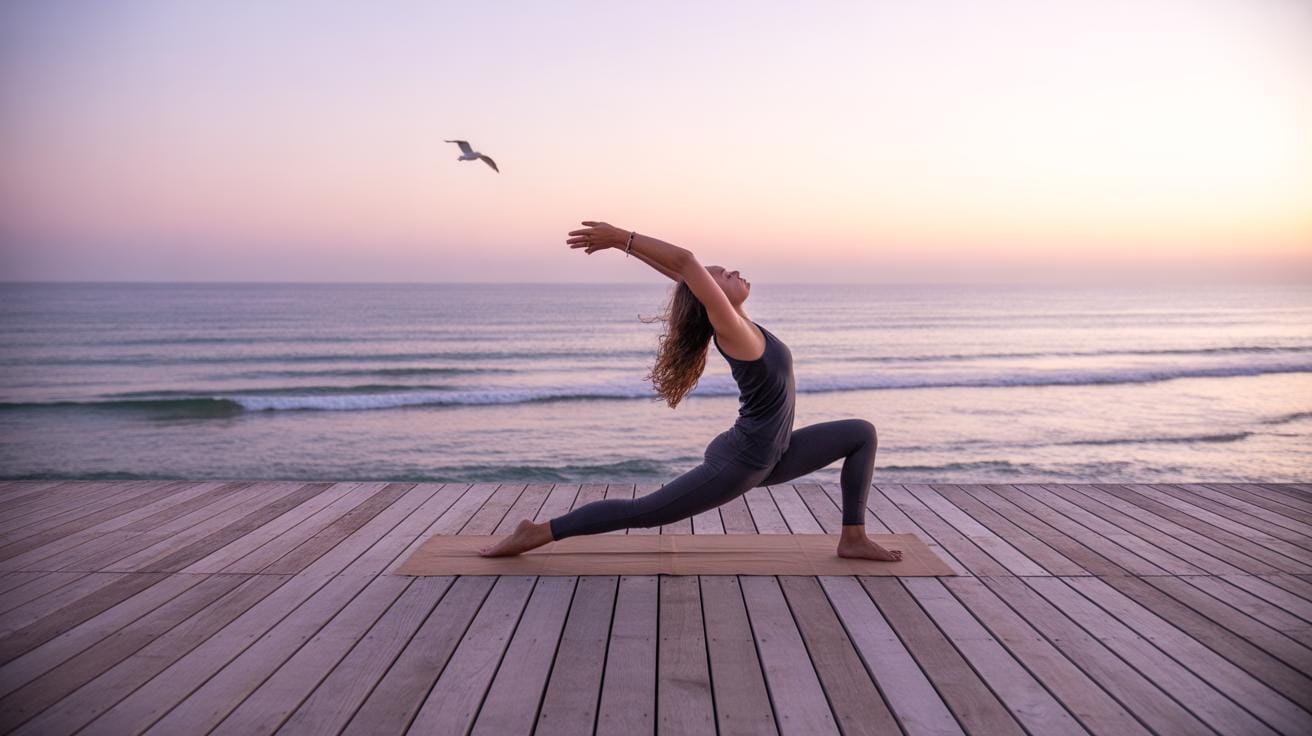
Starting your day with a morning yoga flow can transform your energy and mood. It sheds light on how incorporating a few gentle poses after waking up can improve your focus, flexibility, and overall wellness. This morning routine suits everyone, especially those on the road or traveling, who want to keep their fitness consistent despite changing environments.
This article explains why morning yoga matters, how to perform a beginner-friendly sequence, and what to expect from your practice. Follow along to discover practical tips and real examples on integrating yoga into your travel and wellness lifestyle, giving you a healthy start every day.
Morning Yoga Benefits Explained

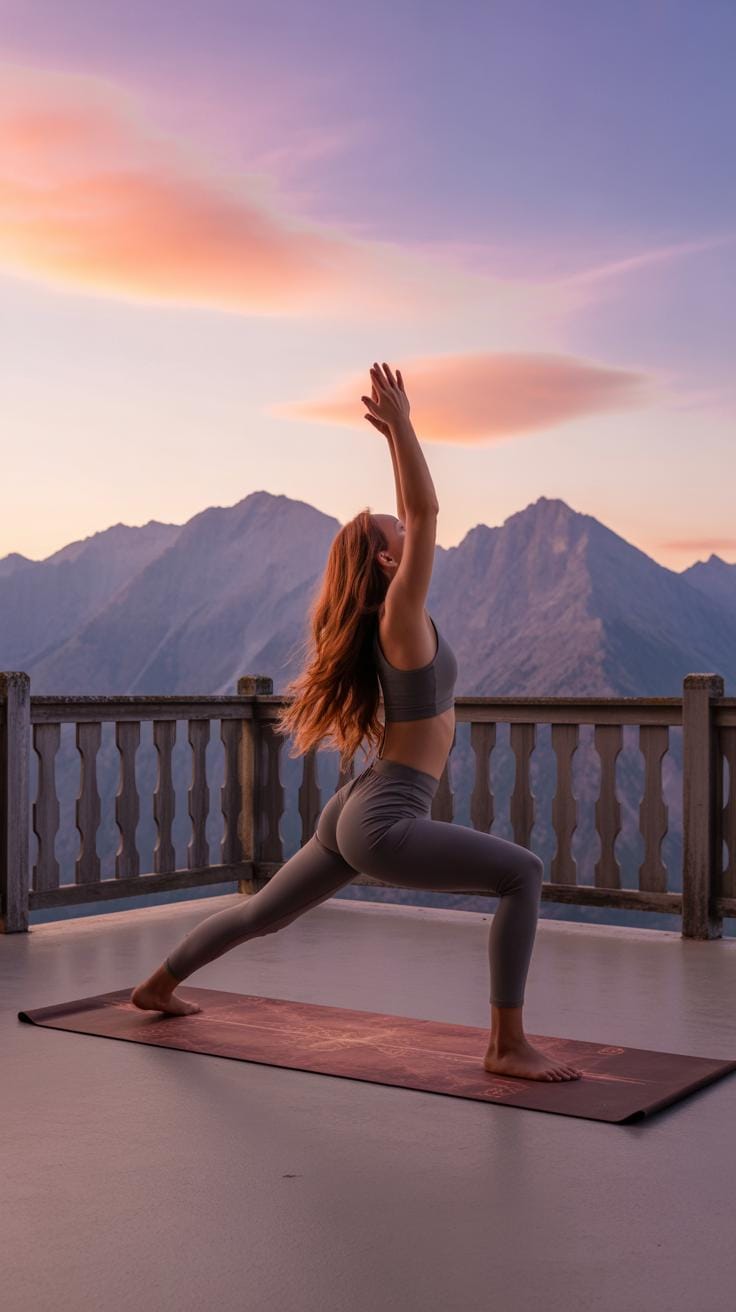
Starting your day with yoga offers more than just gentle movement. Physically, morning yoga stretches tight muscles, making your body feel more flexible and less stiff after sleep. This flexibility isn’t just about easy bending—improved range of motion makes daily tasks smoother and travel more comfortable, especially after hours spent sitting on planes or in cars.

Mental benefits surface quickly too. Yoga invites mindfulness, drawing your attention inward just as the world around you stirs awake. This sense of calm awareness can help reduce stress, which often lingers under the surface throughout the day. For travelers, this calm is handy. Facing the unpredictability of airports, schedules, or new environments becomes a little easier when your mind is steady.
That rising energy feels different with yoga—not a rush or caffeine jolt, but a natural activation. You might notice your breath deepens, heart rate rises gently, and you feel more alert. Regular morning practice seems to train the nervous system, readying it for challenges ahead without overwhelming it. Does your daily routine suffer from mid-morning slumps? Yoga can help shift that.
Why Energy Boosts Matter in Morning Yoga
Morning yoga sparks your body into gear. Practicing poses that engage large muscle groups—even simple sun salutations—circulates blood and wakes up your nervous system. This activation is not random; scientific studies suggest that light physical activity soon after waking improves alertness by boosting oxygen flow and increasing hormone levels like cortisol, which helps regulate energy.
Think of that sluggish feeling when you first get up. Yoga deliberately interrupts it. I’ve found even a short session can shake off lingering grogginess better than a splash of cold water. This gentle stimulation lays a foundation for sustained energy, rather than just a brief spike followed by a crash, unlike caffeine.
For travelers, this energy boost also counters jet lag’s disorienting effects by gently resetting your internal clock. It’s a practical tool that supports travel health by making you feel less drained and more ready to explore.
How Yoga Enhances Mental Focus at Daybreak
Yoga’s mindful movements serve as a natural focus exercise. Combining breath control with deliberate postures invites your mind to settle, which is surprisingly rare in the flurry of morning distractions. This intentional centering improves concentration and mental clarity immediately after practice.
When you move through your morning flow, your brain is practicing staying present. This mental rehearsal can carry over into your day, making it easier to tackle work, conversations, or travel logistics without feeling scattered. You might notice tasks that usually feel overwhelming become more manageable.
Interestingly, this effect can vary. Some mornings might feel sharper than others, depending on how well you’ve rested or your mindset before practice. But over time, consistent morning yoga seems to build a habit of calm focus, setting a tone that often lasts longer than expected.
Morning Yoga vs Other Exercises
Comparing Yoga and Jogging for Morning Exercise
You might notice that jogging gets your heart pumping faster than yoga, and that’s true—it’s definitely more intense for your cardiovascular system. But with that intensity comes impact. Jogging often stresses your knees and hips, and if you’re moving through unfamiliar streets or uneven paths while traveling, that risk only rises. Yoga, on the other hand, tends to be gentler on your joints, focusing on controlled movement and balance. That difference can matter, especially when you want to avoid aggravating old injuries or just start your day with calm rather than pounding feet on pavement.
Also, yoga is incredibly easy to fit into a small hotel room or even a quiet corner in a park. You don’t need shoes, special clothes, or a safe running trail. It’s quiet—a plus if you’re not keen on disturbing neighbors or waking up early in a new place. Jogging depends more on the environment and can sometimes feel limiting when you travel to places without good running routes.
Why Choose Yoga Over Gym Workouts at Sunrise
Early mornings in a hotel gym can be a bit uninspiring, don’t you think? Waiting for machines, noisy clanking, and sometimes a rushed vibe—gym workouts often lack the peacefulness many people crave at sunrise. Yoga invites a different pace. It encourages you to focus inward, which can soothe travel stress and energize your body in a way that stiff weights or cardio machines might not.
Flexibility is another point in yoga’s favor. While gym workouts often target isolated muscle groups, yoga flows loosen your entire body gently. That combination of stretching and strengthening can make the rest of your day feel less tense, something that might be hard to achieve in a typical gym session. Plus, all you really need is a bit of floor space and maybe a mat. This simplicity means you can keep your practice consistent when traveling, without depending on hours of gym availability or equipment access.
Set Up Your Morning Yoga Space
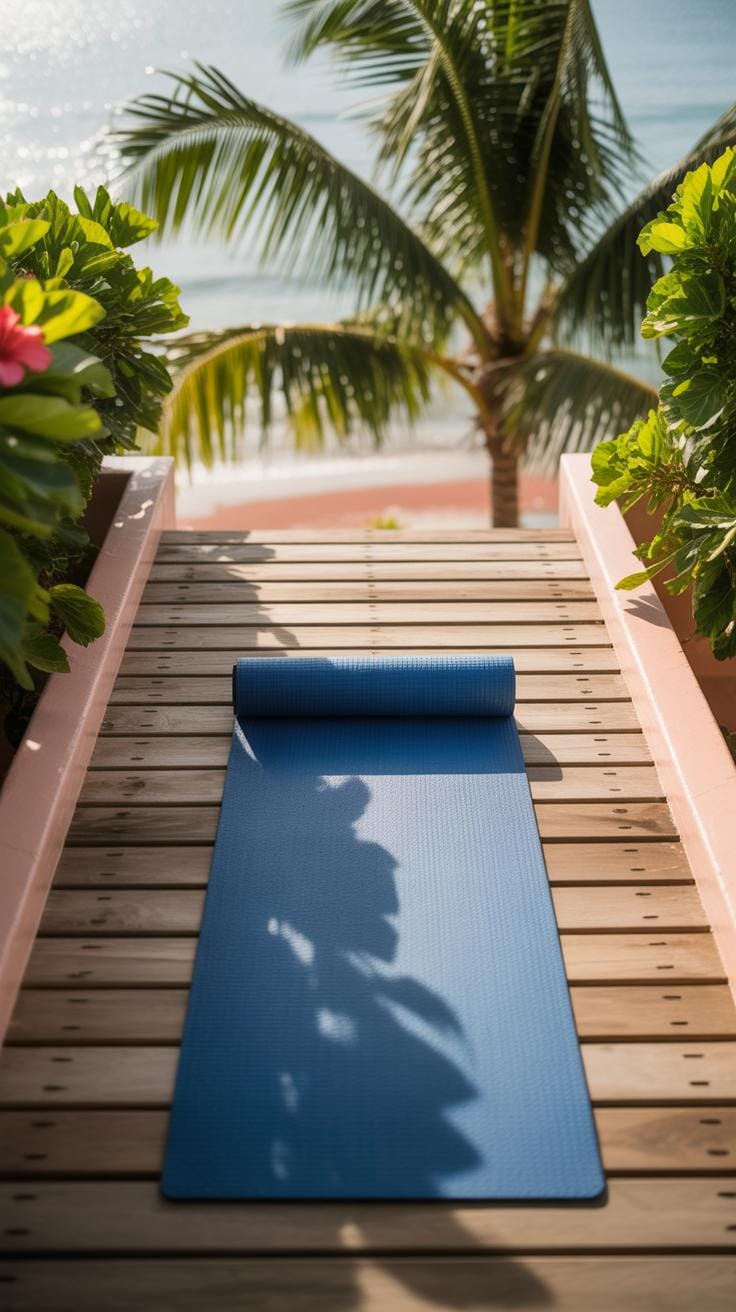
Creating a space for morning yoga, whether at home or traveling, doesn’t need to be complicated. Think about where you can move freely without feeling cramped. A corner by a window or even a small spot in your hotel room might work. The goal is comfort, but not too much—room to stretch matters.
Here’s a simple checklist to get you started:
- A flat surface free of clutter.
- A yoga mat or towel for cushioning, something lightweight if you’re on the road.
- Comfortable clothes ready the night before.
- Optional: a blanket or pillow to support certain poses or relaxation.
- Natural light if possible; it wakes you up without being harsh.
If you don’t have a mat, a towel can do the trick. Sometimes, I’ve even practiced barefoot on carpet or smooth floor without anything at all—less gripping, yes, but still doable.
Key Items Needed for Morning Yoga
You really just need your body and a bit of space. A travel-sized yoga mat is great, thin enough to fold, but thick enough to protect your knees. A strap or belt can help if your hamstrings are tight, but you can substitute with a scarf or towel from your luggage.
Blocks help with balance, but they may be too bulky to carry. A towel or folded blanket can mimic their function. Even a sturdy book has worked for me in a pinch. If you want, a small speaker or headphones help with calming music or guided practice. Those feel nice but are optional.
Tips for Finding Quiet Space Anywhere
Finding peace early in the morning sometimes feels impossible. Hotel gyms get noisy. Busy Airbnbs might have kids running around. One trick I use is to wake up earlier than needed and claim a spot near a window or a balcony. Fresh air helps.
Public parks or beaches work if weather permits. Otherwise, try to create a buffer zone: close doors, dim lights, and hang a scarf or towel over a doorknob to remind others you need space. Headphones with calming noise or nature sounds can block distractions.
Sometimes, it’s less about perfect silence and more about choosing a place where you feel less observed. Quiet mindset often comes with practice, more than the setting itself.
A Beginners Morning Yoga Flow
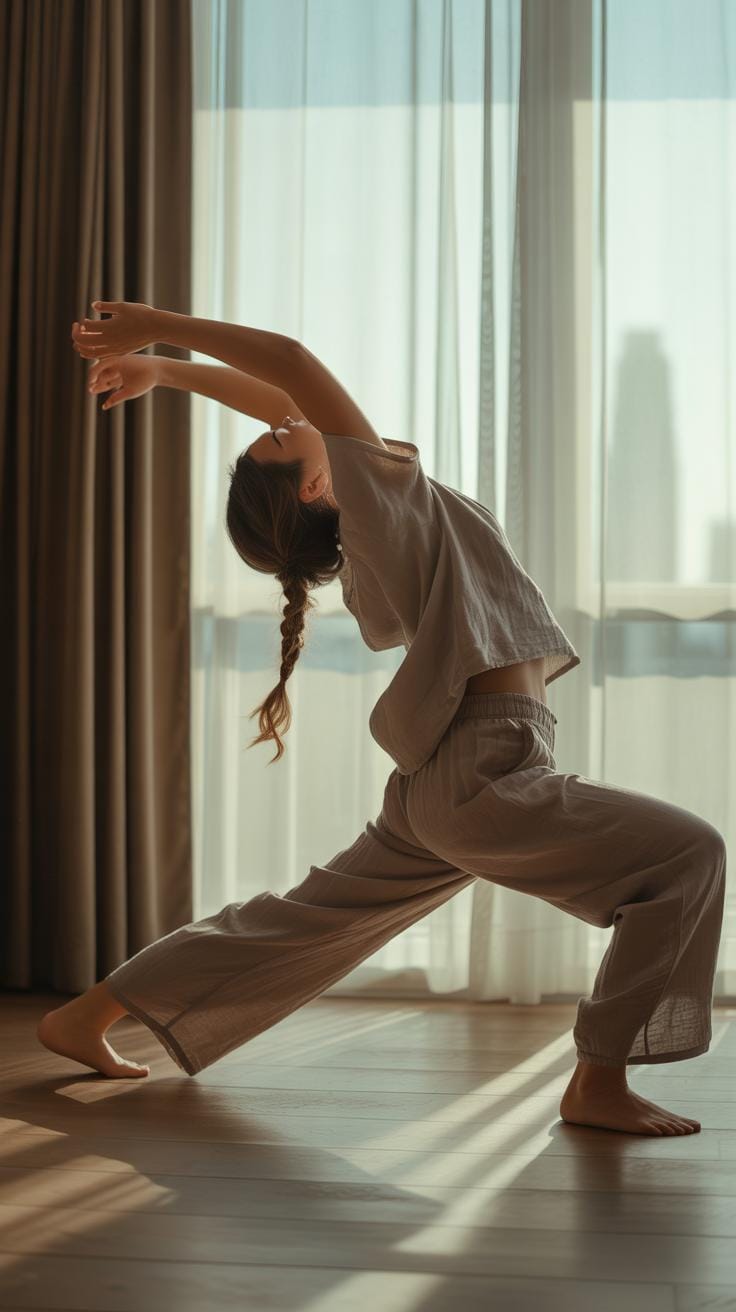
Gentle Stretching Poses to Warm Up
Start on your mat with simple movements to wake up your body. Begin in a seated position, sitting cross-legged or kneeling comfortably. Take a few deep breaths, feeling your spine lengthen—this sets a calm tone.
Next, gently move into Cat-Cow stretches. On hands and knees, inhale arching your back and lifting your gaze, then exhale rounding your spine and tucking your chin. Repeat this for about 5 rounds. It loosens the spine and eases any morning stiffness.
Follow with a gentle seated side stretch. With legs crossed, inhale to raise one arm overhead, and exhale bending sideways, feeling a mild stretch along your ribs. Hold for 3 breaths each side. This helps open the sides and prepares your body for more movement. It might feel subtle, but these early stretches matter more than you think.
Flowing to Energizing Standing Poses
When your body feels quietly awake, stand up slowly. Begin with Mountain Pose—standing tall, feet hip-width apart, shoulders relaxed, arms by your sides. Focus on grounding through your feet and feeling length through the spine.
From there, step into Warrior I. Step one foot back, bend your front knee, and raise your arms overhead with palms facing in. Stay here for about 5 breaths to open the chest and activate the legs.
Then move into Warrior II by opening your hips and arms out to the sides, gazing over your front hand. Hold for another 5 breaths, allowing your breath and movement to build energy. These standing poses boost circulation and create alertness, but you don’t need to push too hard—ease into the strength quietly and notice how your body responds.
Monitor Your Progress and Adjust
Tracking your progress in morning yoga can feel a bit elusive at first. Unlike running or weightlifting, flexibility and mental clarity aren’t easy to measure with numbers. That said, you can notice small shifts if you pay attention. For flexibility, keep a simple journal—or even take photos every few weeks. Watch how much further you reach in each pose or how comfortable your body feels. Energy levels often reveal themselves in subtle ways, maybe you feel less sluggish during the morning or your mood lightens after a session. Mental clarity might be trickier, but you can reflect on your focus throughout the day—are you less distracted, calmer, or more patient?
When the flow begins to feel too easy or repetitive, it’s a signal to tweak it. You could add a few challenging poses or hold stretches longer. Alternatively, if you’re traveling or tired, don’t hesitate to shorten your routine or go gentle. It’s not about pushing hard every day but responding to what your body and mind signal. Sometimes a slower flow with deliberate breaths brings more benefit than forcing intensity. You’ll find your own balance as you observe and adjust.
Signs You Are Improving in Yoga
Physical changes can be subtle. For example, you might find your hamstrings less tight or your back bends become smoother. It’s not always about how deep your pose looks but rather how natural your movements feel. Mentally, you may notice a quieting of the usual morning rush inside your head or a new patience when handling stress. Some days feel stagnant, but over time, patterns emerge showing progress.
How to Modify Flow for Changing Needs
Your morning yoga doesn’t have to follow a fixed length or intensity. Adjust it based on your energy and schedule. Feeling drained or jet-lagged? Try a 10-minute gentle stretch routine focusing on breathing. When well-rested, perhaps extend your practice with balancing poses or hold stretches longer. Listen carefully to what your body demands—sometimes less is more, other times a bit more effort sparks better results. Experiment, and don’t feel locked into a particular flow. Your yoga should evolve with your life, not the other way around.
Morning Yoga While Traveling
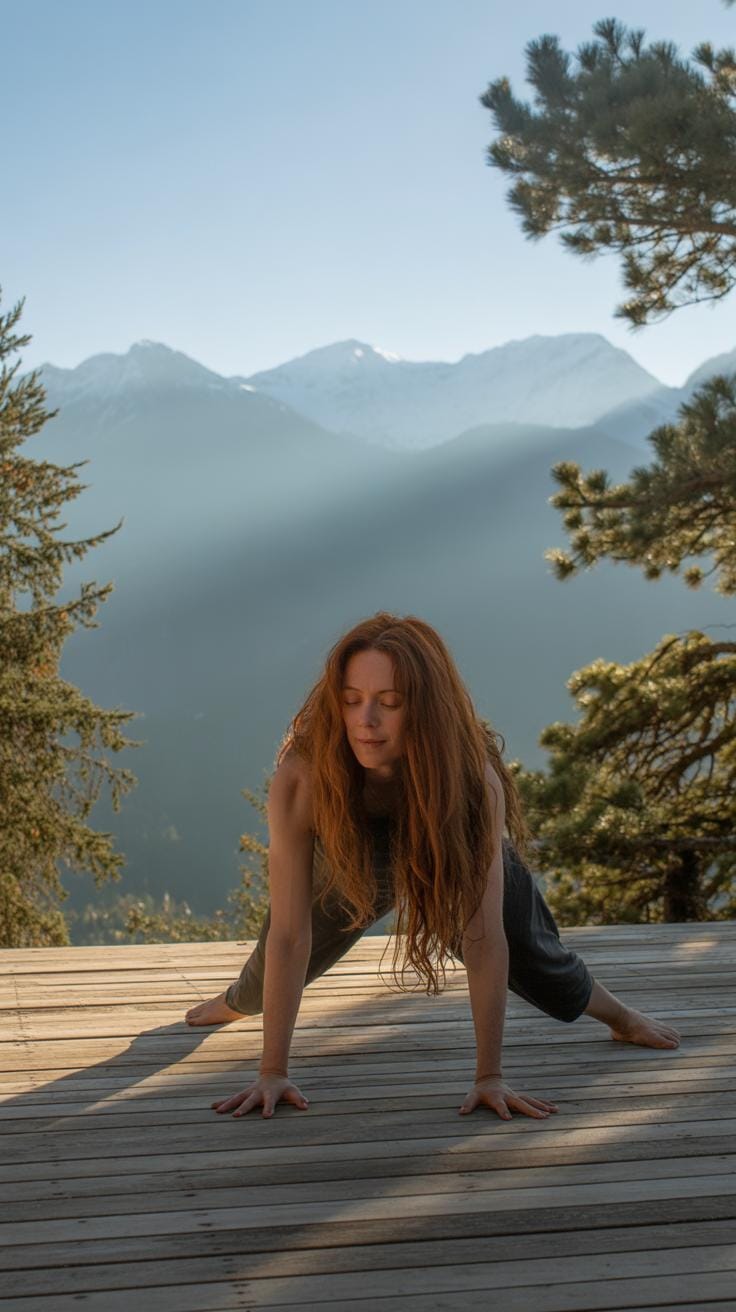
Strategies to Maintain a Morning Yoga Practice During Travel
Keeping up with morning yoga while on the move can feel tricky, especially when your routine suddenly shifts from your peaceful home to a busy airport or a cramped hotel room. Yet, a bit of planning can make all the difference. One approach is to set a flexible intention rather than a fixed routine—maybe a few stretches, some breath work, or just five minutes of quiet movement before the day starts. This way, you’re not overwhelmed but still connected.
For example, when I last traveled, I kept it simple with slow Cat-Cow stretches and gentle Chair Pose, even in a tiny hotel room. These poses don’t need much space and gently wake up the body. You could also add Downward Dog or a seated twist to help loosen tension from travel stress.
Best Yoga Practices for Small Spaces
Hotel rooms or campsites rarely give you room to stretch out fully. But don’t let that stop you. Focus on poses that don’t require a lot of floor space or special tools. Think of poses like:
- Mountain Pose to ground yourself
- Standing Forward Fold for hamstring release
- Seated Spinal Twist to ease tightness
- Low Lunge to open hips in a compact area
A yoga mat or even a towel can help define your spot, but you can also practice on carpet or grass. Props aren’t essential; a chair in the room works well for support if needed.
Staying Consistent on the Road
Motivation often dips when your environment changes. To stay consistent, try to anchor your practice to a specific time—maybe just before breakfast. And keep your sessions short if that feels more doable, ten minutes is better than none. I find that reminding myself why this morning ritual matters—whether for energy, calm, or focus—helps me push past excuses.
Sometimes the day gets messy, plans shift, or you’re tired. That’s okay. Flexibility becomes part of the practice. If you miss a morning, perhaps a few stretches before bed based on your practice can still offer benefits. The key is to keep the dialogue with your body ongoing, not perfect.
Avoid Common Morning Yoga Mistakes

Why Skipping Warm-ups Hurts Your Practice
It might be tempting to jump straight into your favorite poses first thing in the morning, especially when you’re eager to finish quickly. But skipping a warm-up can backfire. Your muscles and joints are usually stiff after sleep, and they need gentle movement to get ready for deeper stretches. Without this, you might feel tightness or even pain as you push into poses.
Missing warm-ups can increase the risk of strains or pulls — something you probably want to avoid right before a long travel day or a busy schedule. Warming up gradually wakes your body and mind, making poses feel more accessible and less intimidating.
Try movements like seated twists, gentle neck rolls, or cat-cow stretches to begin. They prime your body without overdoing it. It’s not complicated; just a simple step that often gets overlooked.
Preventing Overstretching and Injury
One tricky part about morning yoga is knowing your limits. It’s easy to push too hard as your body feels dull or less responsive at first. I’ve seen beginners cling to ambition and end up with sore muscles or aggravate old injuries.
So, how do you avoid this? Pay attention to how your body speaks to you. Tightness and mild discomfort are normal, but sharp or intense pain is a clear sign to ease off. Move slowly and pause to check in with yourself. If something feels wrong, it probably is.
Remember, yoga isn’t a race. Stretch just enough to feel challenged but not overwhelmed. That approach builds strength and flexibility steadily, avoiding setbacks that come from pushing too far in the morning when your body isn’t fully awake yet.
Tools and Apps to Support Your Flow
Top Yoga Apps for Beginners
Many apps today make starting a morning yoga flow easier, especially if you travel. If you’re new to yoga or want something straightforward, apps like Yoga with Adriene or Daily Yoga offer gentle, beginner-friendly sequences that you can follow without feeling overwhelmed. These apps often have short routines aimed at waking up your body, which is perfect when you don’t have much time.
One thing I’ve noticed is that the best apps tend to offer offline modes or small downloadable routines, which helps if you’re in places with spotty Wi-Fi. Apps like Down Dog even let you customize your session length, pace, and style, which feels quite flexible when your schedule or mood shifts unexpectedly. Exploring these features can make your practice feel more personal.
Using Props to Enhance Practice
Simple props like yoga straps and blocks can really change your morning flow. You might think these extras are bulky or unnecessary when traveling, but many lightweight options fold down pretty small. A strap can support your stretches when your body feels stiff, while a block offers balance and alignment without pushing too hard.
Carrying a block may seem like overkill, yet it has saved me from awkward poses in cramped hotel rooms or uneven surfaces. Sometimes, just a strap around the foot during a seated stretch helps ease tension and keeps the routine comfortable. It’s these small tools that often make the difference between a rushed practice and one that actually feels restorative—even on the road.
Make Morning Yoga Part of Your Routine

Finding a way to weave morning yoga into your everyday life—whether you’re home, traveling, or caught up in a busy day—can feel tricky. But it’s not impossible. Start by picking a consistent time that’s realistically yours. Maybe it’s right after you wake up, before breakfast, or even during a quiet moment in a hotel room. The key is choosing a slot that won’t constantly compete with other things.
Next, find a reliable space that feels good enough, even if it’s not perfect. A corner in your bedroom, a spot in your hotel room, or—even outside if weather allows—it just needs to be somewhere you can stretch without hassle.
Here’s a quick checklist to keep you on track:
- Decide on a fixed time that fits your daily rhythm, even if just 10 minutes.
- Pick a place where you feel comfortable and can lay out your mat easily.
- Use reminders—a phone alarm or sticky note—to gently nudge you.
- Set small rewards after your practice: a favorite tea, a few pages of a book, or just a moment to breathe calmly.
- Track your progress, but don’t obsess—sometimes just marking the day is enough.
Keeping up motivation can get tough. Some days, you’ll love the calm; others, it might feel like a chore. That’s okay. Try mixing up your flow with new poses or music to stay curious. Or reflect on how you feel after, which can be surprisingly encouraging.
What’s one small thing you could add tomorrow morning to make this practice stick? Even a tiny shift can make the difference when days get hectic.
Conclusions
Morning yoga flows carry clear benefits for your energy levels and mental clarity throughout the day. By committing to even short daily sessions, you can enhance your physical health and calm your mind, essential for both travel and routine living.
Keeping your practice simple and consistent makes it easier to maintain while traveling or managing a busy schedule. The routines and tips shared here aim to help you craft your perfect morning yoga habit, ensuring every day begins with balance and strength.