

The Myth Of The Essential Hiking Things To Bring
What Everyone Tells You To Pack
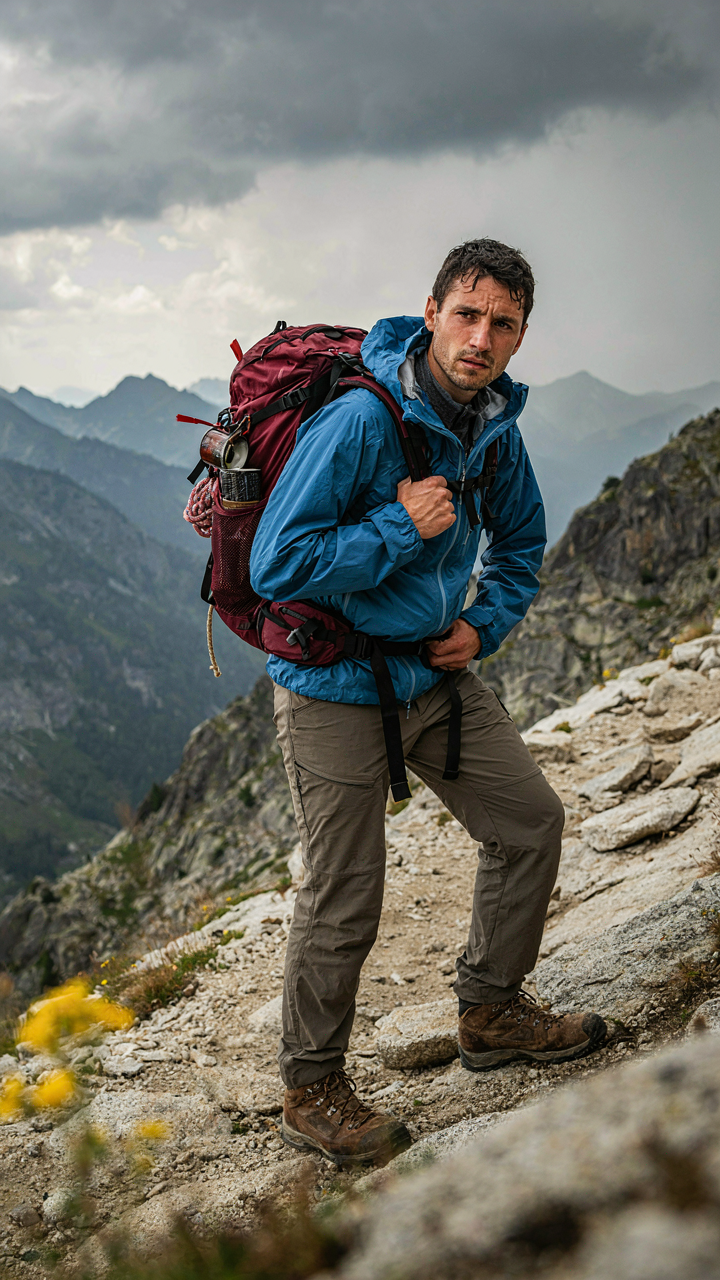
You want permission to bring less because you’re afraid of looking unprepared. That fear drives the entire hiking gear industry. The mechanism is simple: sellers profit when you believe a long list of items prevents disaster. Most hiking advice comes from people selling gear or protecting their reputation by over-recommending. The result is bloat dressed up as safety.
Start by separating actual hazards from theoretical ones. A real hazard kills you or forces an early exit. A theoretical one might happen in rare conditions you won’t face on your planned route. Most “essentials” lists treat every possible scenario the same. They don’t. Distance, season, terrain, weather window, and fitness level determine what you actually need. A day hike in summer on a marked trail in a populated area needs nothing like a winter alpine crossing.
The Hidden Cost Of Just In Case
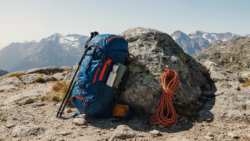
Just-in-case thinking operates on the sunk cost fallacy from economics: you pack weight hoping it justifies its existence through hypothetical use. Every extra item creates a trade-off you ignore. Carry one extra pound and you burn more calories, tire faster, risk injury to knees and ankles, and stay out longer than intended. Fatigue compounds your actual risk. The item you packed to handle emergencies becomes the reason you need one.
Weight kills more trips than missing gear ever does. Hikers turn back, push too hard, or make poor decisions because they’re exhausted. Set a hard weight limit before packing, then work backward from that constraint. This forces prioritization instead of accumulation. List every item, estimate its weight, then justify it against real conditions on your specific route. If you can’t defend it in thirty seconds, it stays home.

The Cognitive Load Of Over Preparation An Economics Model

What Your Pack Really Costs You
You’re worried that leaving something behind means you’ll fail on the trail. That fear drives the overpacking. But economics gives us the real language here: opportunity cost. Every pound you carry isn’t just weight. It’s a trade. You’re trading miles, speed, and mental clarity for the theoretical comfort of redundancy you likely won’t use.
A hiker with a 35-pound pack and a hiker with a 22-pound pack aren’t making different choices about safety. They’re making different trades. The heavier pack buys certainty at the price of fatigue, joint stress, and slower progress. The lighter pack demands you know what actually fails on a trail and what doesn’t. One trade has better returns. Most people just never calculate which one.
When More Gear Stops Solving Problems
The common advice says pack a backup for everything. Backup shelter, backup layers, backup light source. That’s incomplete. Diminishing returns applies directly here. Your first backup item solves a real problem. Your second solves edge cases. Your third solves your anxiety. Each additional piece of redundant gear drops in utility while staying constant in weight.
Test this on your next trip. Track which backup items you actually open. Most hikers find they use zero backups on a three-day trip, maybe one on ten days in the field. The marginal benefit of the third water filter or second emergency shelter approaches zero while the marginal cost stays fixed. Strip to one backup of mission critical gear only. Everything else is mental overhead disguised as preparedness.
The Zero Based Packing List For Hiking Protocol
Start With Nothing And Add Only Proven Needs
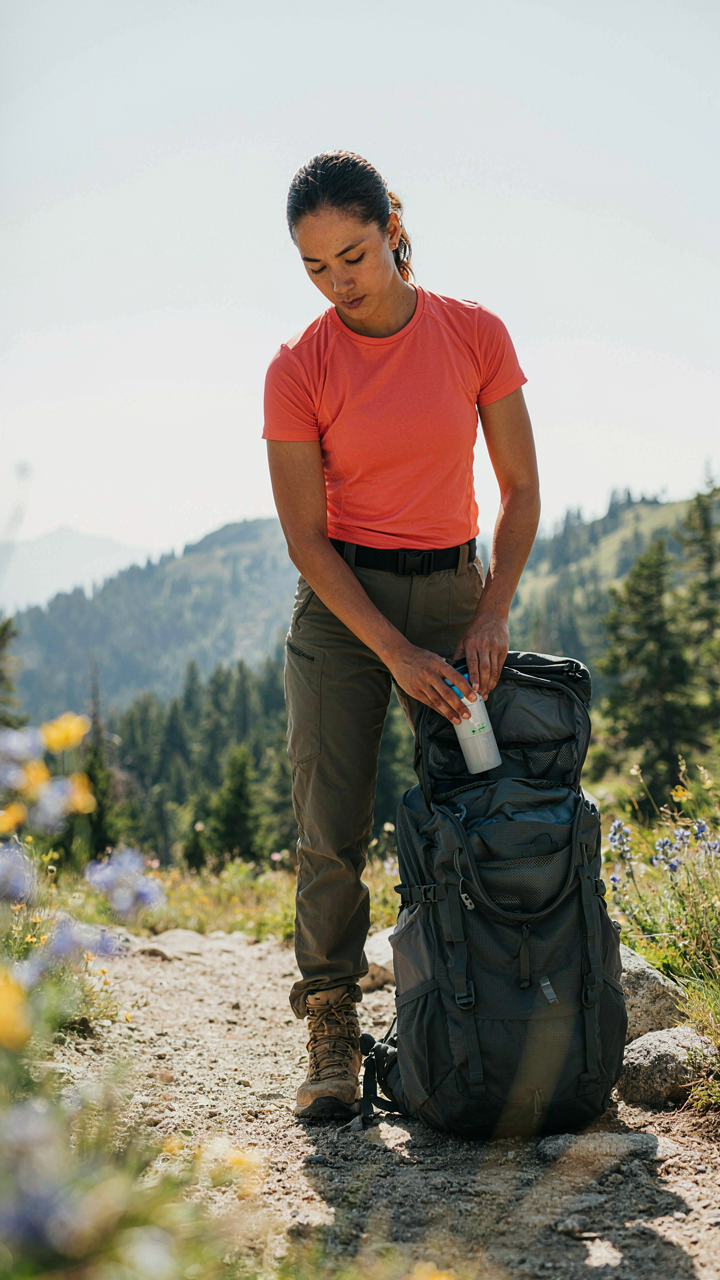
You want permission to buy gear. That’s the real reason you’re reading this. The mechanism is simple: most hikers pack based on fear and imagination, not experience. They mentally rehearse worst case scenarios that never happen, then buy equipment to solve problems that don’t exist on their actual trail. Zero-based packing inverts this. You begin with an empty pack and add only items you’ve used on previous hikes or can justify with a specific threat present on this route.
The practice strips away the sunk cost fallacy that keeps unused gear in rotation. Every item earns its place through demonstrated necessity, not theoretical utility. This forces you to notice what actually protects you versus what you think should protect you. After three hikes, your list stabilizes. After ten, you stop buying things entirely. The protocol is: complete one hike with minimal gear, document what you actually needed, then add only those items for the next outing.
Categorize By Survival Priority Not Comfort
Military triage uses immediate life threat as the sorting mechanism, not patient preference. Apply this to your pack. Shelter, water, and fire-starting capability sit at tier one because exposure and dehydration kill faster than hunger or blisters. Navigation sits tier two because being lost extends exposure time. Navigation tools and fire-starting equipment must enter your pack before any comfort item, period.
Most hikers reverse this ordering. They pack a sleeping pad before a map, or bring snacks before water purification. Comfort items feel urgent because they solve immediate discomfort, but discomfort is not survival risk. The sorting rule is mechanical: if the item prevents death or serious injury within the first 12 hours, it’s tier one. If it prevents the next 12 hours, tier two. If it solves mild suffering, tier three. Pack only through tier two until you have surplus capacity.
Beyond Ultralight Backpacking: The ‘Why’ Not Just The ‘What’

The Gear You Don’t Buy
You want permission to stop shopping. That’s the real reason you’re reading this section. Here’s the mechanism: ultralight culture reverses the actual problem. It treats gear acquisition as the solution when restraint is the skill. Every item you consider owning should answer one question: does this solve a real constraint on this specific trail, or am I solving a constraint that doesn’t exist?
The difference between minimalist packing and ultralight obsession is intention versus anxiety. Ultralight hikers often follow a checklist of shaved grams without understanding the tradeoff math for their terrain and conditions. You pack light because you’ve eliminated unnecessary decisions, not because lighter gear exists. That’s a discipline problem, not a shopping problem.
Skills Replace Dead Weight
Economics calls this “substitution effect”—when one input replaces another to achieve the same output. In hiking terms: knowledge substitutes for gear. A hiker who understands microclimate patterns needs fewer backup layers. One who reads water sources accurately carries less. One who moves efficiently over rough terrain needs less food per mile.
Most packing advice skips this entirely. It lists items instead of naming the competencies that reduce items. Navigation skill reduces backup devices. Fire-building competency reduces dependency on matches or lighters. Weather literacy reduces safety gear. Build these before buying. Then pack from what remains. The protocol: audit each category of your pack, name the skill that makes it lighter, then honestly assess whether you have it.
The Iterative Gear Elimination Method
Test And Discard After Each Trip
You want to feel like you’re optimizing without actually committing to less. The real mechanism here is that your gear only reveals its true value under load, in weather, over distance. Theory fails. Only repetition works.
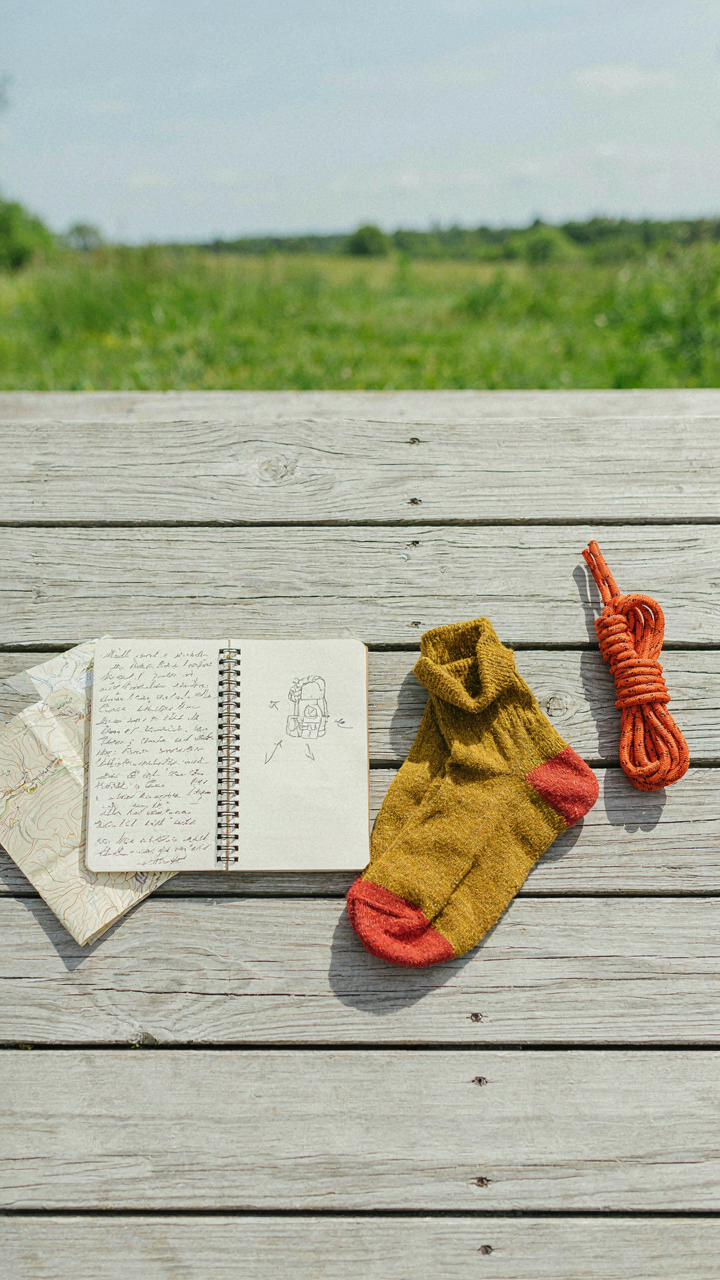
Pack what you think you need. Hike. Note what stays in your pack untouched. Remove it next trip. This is not philosophy. This is empirical data collection. One trip teaches you more than a dozen packing lists written by strangers. Your body, your terrain, your pace are the only variables that matter.
What Stayed Packed Gets Documented
Bring a small notebook or use your phone’s notes app. After each hike, log gear you never touched. Be specific: “emergency whistle,” “backup battery pack,” “extra socks.” Vague memory fails. Written records compound. Over four or five trips, patterns emerge.
- Unused shelter layers: Record specific conditions where you didn’t deploy them, then assess if those conditions match your typical hiking seasons.
- Redundant repair tools: Note which multi-tool functions stayed holstered while others saw use, revealing what dual-purpose items actually serve you.
- Backup navigation gear: Document whether you consulted map or compass and when, exposing reliance on GPS versus genuine backup need.
- Food surplus patterns: Track how much energy food remained uneaten, showing whether you overestimate calorie burn or pack excessive contingency.
- Duplicate communication devices: Record if you ever reached for a second headlamp, whistle, or emergency beacon, or if one device always sufficed.
The data becomes your permission structure. You stop guessing and start removing based on evidence. After three trips, your pack drops five to eight pounds because you’ve killed cargo that looked useful but never moved.
The True Cost Of ‘Comfort’ Hiking Essentials List

What You’re Actually Buying
You want permission to carry more without admitting you’re afraid of being uncomfortable. That’s the real transaction happening when you read gear reviews and watch hiking videos. The mechanism is simple: brands and influencers sell comfort as a problem to solve, and you buy it because mild discomfort feels like failure rather than normal conditions.
Your sleeping pad isn’t just insulation. In thermodynamics, it’s a thermal resistance barrier that prevents ground conduction from draining your core temperature. A minimalist hiker optimizes for the minimum R-value needed to prevent heat loss in their specific season, not maximum padding. This distinction separates someone carrying eight pounds of gear from someone carrying sixteen. The padding you add beyond necessity is dead weight masquerading as security.
The Actual Cost Of Skipping Hard Training
Most hiking advice on discomfort is incomplete. It tells you to “embrace the elements” or “build resilience” without naming what happens physiologically when you stop softening every variable. Your body adapts to load and temperature exposure through repeated stimulus. Skip the adaptation, and your first real trail destroys you. Chase artificial comfort, and you never build the system you need.
Controlled discomfort during training hikes creates specific adaptations: your feet toughen, your joints stabilize under load, your mind stops treating normal fatigue as an emergency. A minimalist pack forces these adaptations faster because the stimulus stays constant. You run the protocol by packing lean on training days, then maintaining that baseline on actual trips. Your body doesn’t know the difference between a practice mile and a real one. It only knows the load you demand it carries.
The Multi Purpose Gear Axiom For Hiking

One Item Carries Multiple Functions
You want to feel smart about your pack weight without actually changing your behavior. Here’s the mechanism: every item in your pack either does one thing or multiple things. Single-purpose gear scales linearly with function count. Multi-purpose gear scales exponentially. A bandana handles sweat, sun protection, water filtration, signaling, and pot holder duties. One item. Five functions. This isn’t minimalism theater. It’s arithmetic.
The math compounds fast. A ten-pound pack built on single-purpose items needs ten items minimum. The same pack built on multi-purpose items needs four to five items maximum. You don’t need to hike lighter by removing things. You remove redundancy. A lightweight merino wool base layer regulates temperature, resists odor, and works as sleepwear. A rope handles guy lines, emergency repair, and load securing. Your water bottle becomes a cooking pot. Stop buying gear designed for one scenario.
Optimize For Versatility Not Specialization
Most hiking advice tells you to buy specialized gear for each condition: a rain jacket, a wind shell, an insulating layer, a sun shirt. That’s industry logic, not trail logic. The real principle comes from systems design: constraint breeds innovation. When you commit to one garment that handles multiple conditions, you force yourself to pick better materials and construction. A single waterproof breathable jacket in merino wool blend handles rain, wind, and temperature swings. One item replaces three.
Specialization creates dependency. You pack a tarp, a groundsheet, and a sleeping bag liner as separate items when a tarp covers shelter and moisture. A stuff sack becomes a pillow. Duct tape wrapped around a pencil handles repairs and marks trail. Your knife does food prep, first aid, and camp tasks. The constraint isn’t limitation. It’s clarity. You stop asking what you need and start asking what works in the most situations. Buy for versatility, use it, then buy again when it wears out.
The Mental Game: Why Hikers Overpack Their Backpacking Gear

Conquer The Scarcity Mindset
You’re afraid of being caught without something. That fear drives the packing. Scarcity mindset in economics describes how people behave when they believe resources are limited—and in hiking, your pack space is genuinely finite, so your brain treats every item as irreplaceable. But here’s the mechanism: you’re not actually optimizing for scarcity. You’re optimizing for regret avoidance. That’s different.
The hiker who packs seventeen items “just in case” isn’t thinking about weight or space. They’re thinking about the story they’ll tell if something goes wrong. Your brain runs a simulation where you’re caught in rain without the extra layer, or hungry without the backup snacks. You pack against the narrative, not the probability. The real fix isn’t motivation or discipline. It’s tracking what you actually use on every hike, then building your pack from data, not fear.
Trust Your Preparedness, Not Your Pack
Preparation and equipment are not the same thing. Most hikers conflate them—they think carrying more gear means they’re more prepared. That’s backwards. A prepared hiker with a light pack outperforms an unprepared hiker with a heavy one. Your preparedness lives in your decisions, your fitness, your route knowledge, and your skills. Your pack is just the delivery vehicle.
The protocol is simple: before your next hike, list what you actually needed from your last five trips. Mark each item as used or unused. Remove everything unused. On your next trip, track again. After three hikes, you’ll see the pattern. Your real pack emerges from this data, not from what other people recommend or what feels safe. This is the feedback loop that kills overpacking.
The Field Tested Hiking Pack List: What Actually Matters

The Non Negotiable Three
You want to feel smart by cutting weight. That’s not the mechanism here. The mechanism is survival probability. Water, shelter, and navigation aren’t gear choices. They’re the three systems that determine whether you walk out or someone searches for you. Everything else is optimization around these. A liter of water weighs a kilogram. A tarp weighs grams. A map weighs nothing. These three fail, and weight becomes irrelevant.
Most hikers obsess over baseweight while ignoring dependency. You can hike fifty kilometers on two kilograms of gear if you have water, a dry place to sleep, and a way to find the trail. Strip those and you’re gambling. The order matters too. Navigation failures compound water failures. Water failures make shelter critical. Shelter failures kill you. Build your pack list backward from these three. Everything else gets questioned, not assumed.
Layers That Adapt To Conditions
The military calls this load bearing capacity. Your clothing system operates the same way. You’re not buying gear. You’re buying a range of temperatures you can access without adding weight. One midweight insulating layer replaces two lighter ones because you can regulate by activity level instead of layering inefficiently.
- Base layer: Synthetic or merino, stays dry through sweat, works wet or dry unlike cotton, packs small
- Midweight insulation: Fleece or down depending on climate, adds warmth without bulk, compresses when not needed
- Wind shell: Lightweight nylon that blocks wind, doesn’t need to be waterproof if you have a rain layer, five hundred grams or less
- Rain layer: The one truly waterproof piece, worn over everything, doubles as emergency shelter in extreme conditions
- Hat and gloves: Regulates core temperature faster than torso layers, stored in pack until needed, minimal weight
Test your layer system in actual conditions before committing to a hike. A base layer that works in a gym fails at altitude. A midweight that keeps you warm at rest overheats during climbing. You’re not collecting gear. You’re calibrating a temperature regulation system that works for your metabolism and the specific range of conditions you’ll face.
The Real Obstacle To Minimalist Packing Isn’t Gear; It’s Your Attachment To Comfort And Perceived Safety

You don’t need a lighter pack. You need permission to feel slightly uncomfortable for a few hours. Pack one item today and leave behind its backup. Notice nothing catastrophic happens. Repeat this experiment on your next hike. The gear industry profits when you believe safety lives in ounces. Your actual safety lives in your willingness to trust yourself over your fears.