
Introduction
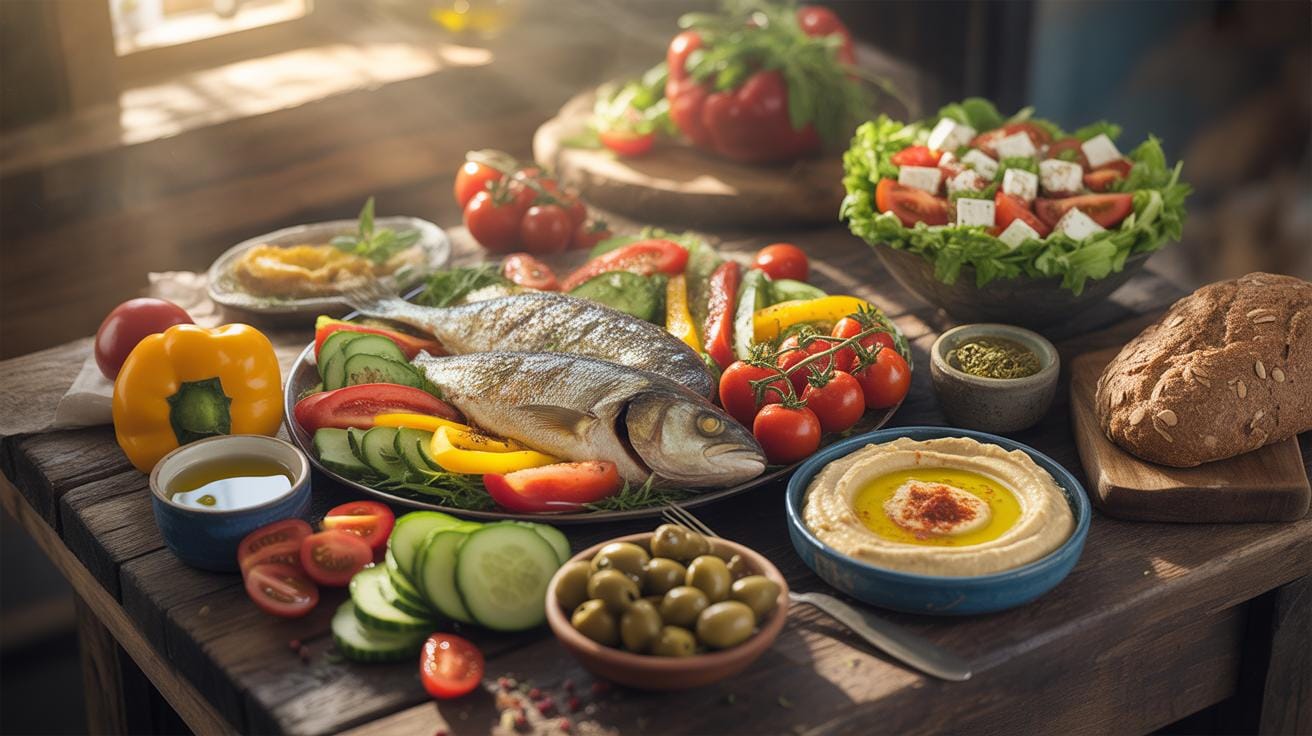
Easy Mediterranean Diet Recipes For Quick Healthy Meals focus on practical and fast ways to make meals healthy and flavorful. This diet is based on the eating habits from countries around the Mediterranean Sea such as Greece, Italy, and Spain. It uses natural foods like fruits, vegetables, grains, fish, and olive oil while limiting red meat and sugary foods. This guide will cover the essentials of Mediterranean recipes and show how you can create quick meals.
Using Mediterranean diet recipes means adding more nutrients to your food. These recipes are not only good for your heart but also support weight control and improve overall health. You will find simple recipes, cooking tips, and meal ideas suitable for any busy lifestyle. Let’s see why adopting these recipes can be good for you and how you can start cooking healthy Mediterranean meals today.
Benefits Of Mediterranean Diet Recipes
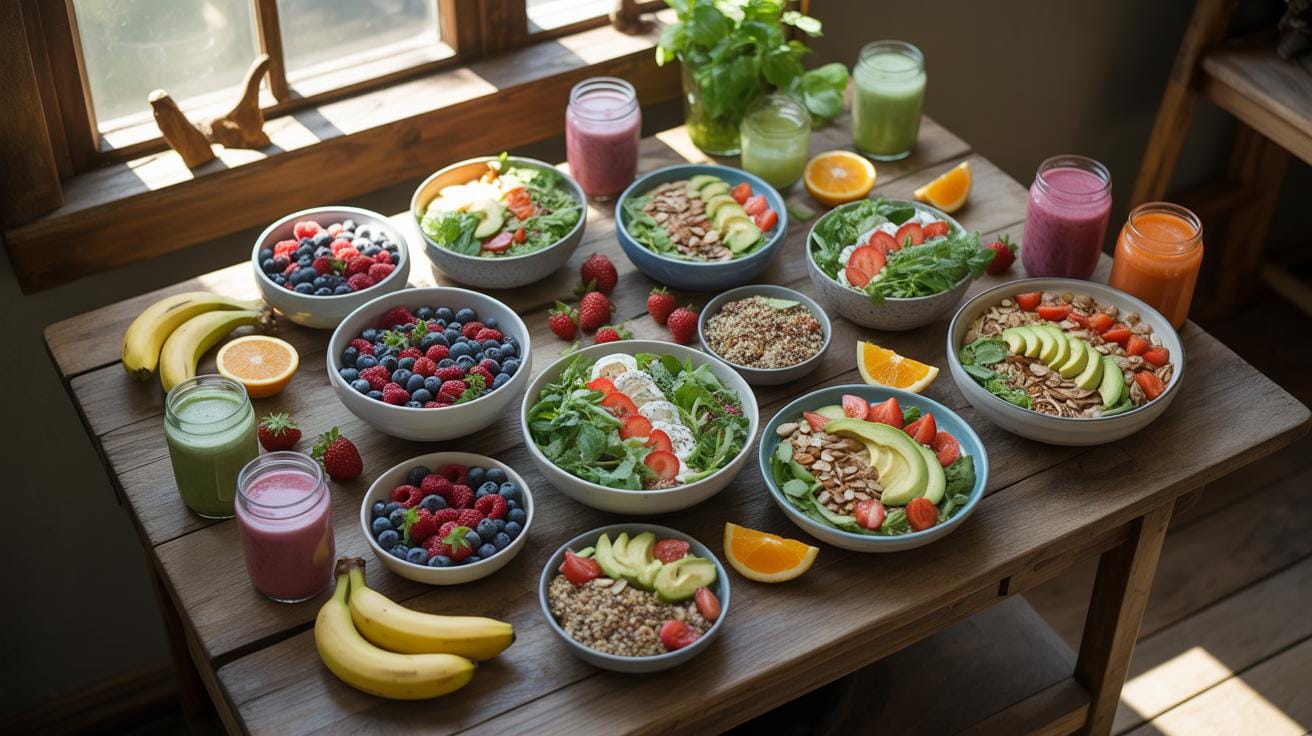
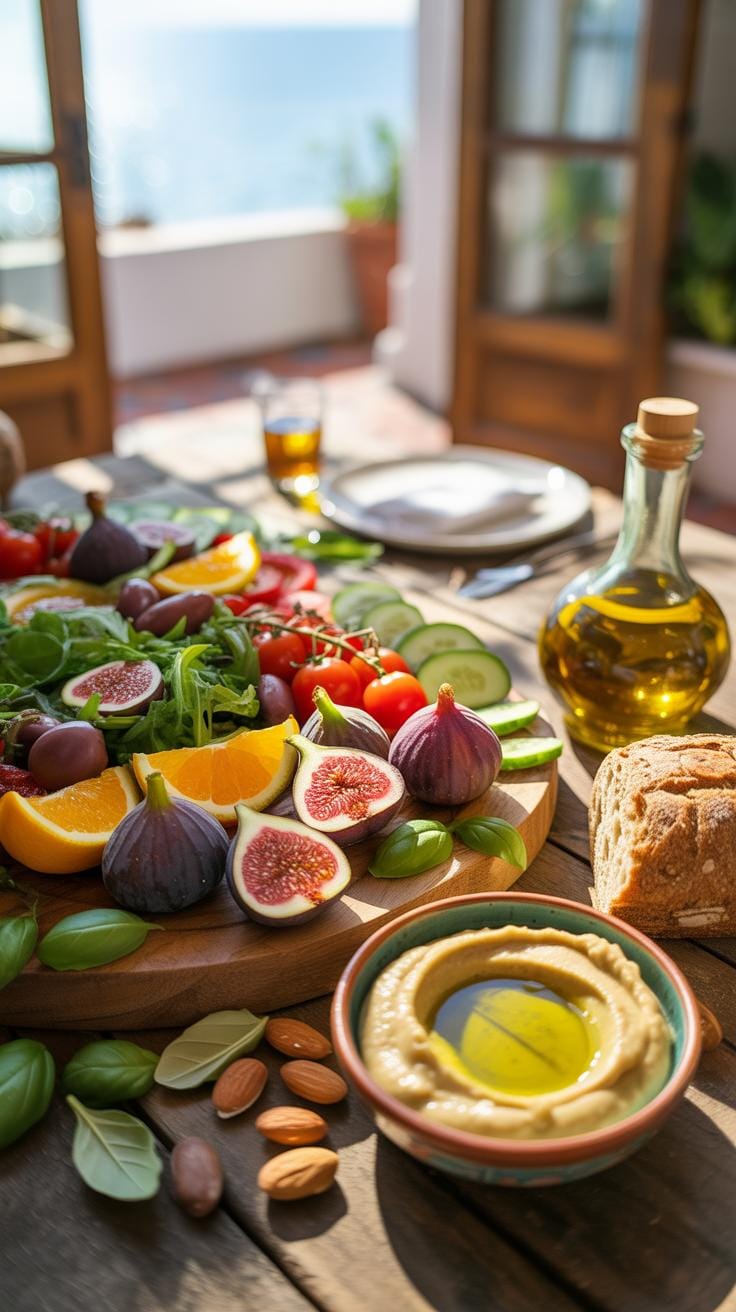
The Mediterranean diet offers a range of benefits that go beyond just keeping you full. These recipes focus on whole foods like fruits, vegetables, whole grains, nuts, and olive oil, which provide a strong nutritional foundation. One of the biggest draws is how these ingredients come together to support heart health. For instance, olive oil contains healthy fats that may help lower bad cholesterol while boosting good cholesterol levels. Eating fish regularly, another common feature in Mediterranean meals, provides omega-3 fatty acids linked to reduced inflammation and better cardiovascular function.
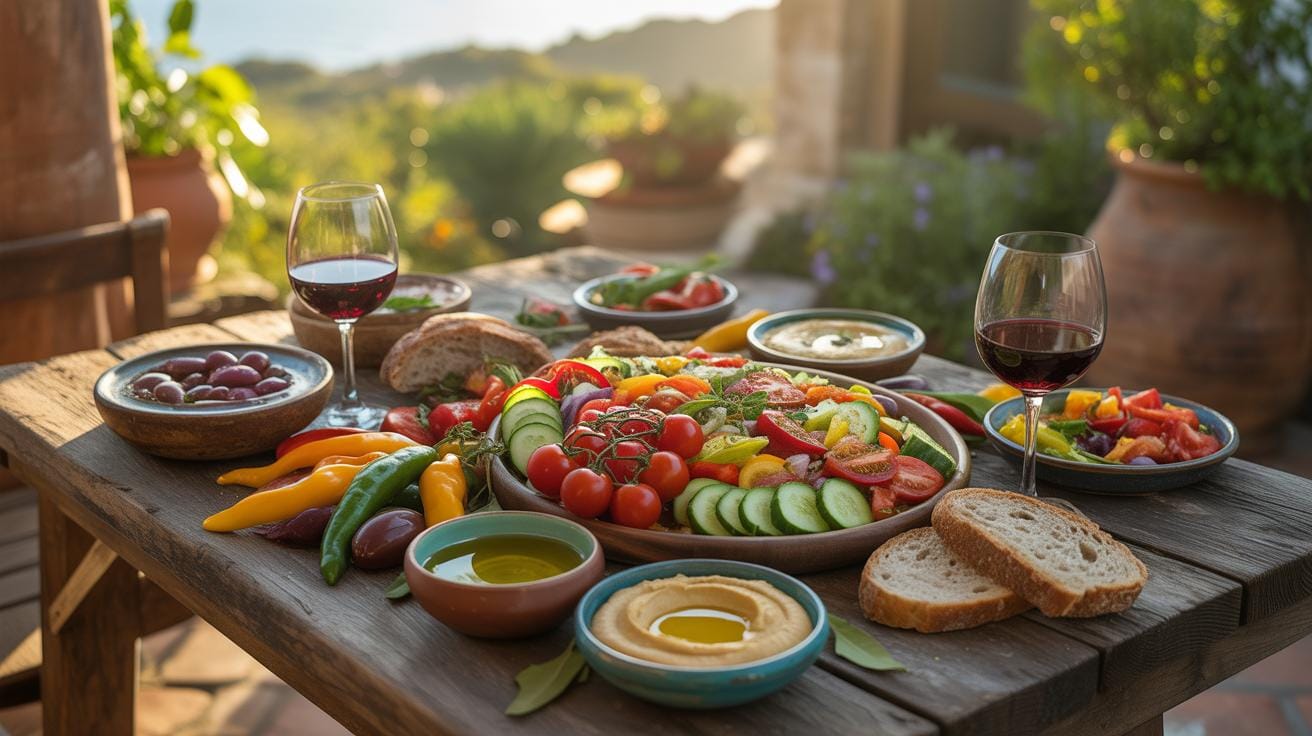
Weight management can feel tricky with most diets, but Mediterranean recipes tend to be satisfying enough to curb overeating without being calorie-heavy. The fiber from legumes and whole grains makes you feel full longer, which can reduce snacking—and thus, overall calorie intake.
These meals also contribute to disease prevention. Some studies suggest that eating Mediterranean-style foods lowers the risk of type 2 diabetes and even certain cancers. It seems the combination of antioxidants, fiber, and healthy fats plays a role here, though exactly why this works isn’t fully clear yet.
For anyone wondering if these recipes fit easily into daily life, the ingredients are often simple and widely available—fresh produce, canned beans, whole grains like quinoa or farro mostly—and the cooking methods are straightforward. You don’t need to spend hours in the kitchen, which is a plus for busy days. Plus, the flavors tend to be quite enjoyable, making it easier to stick with the diet longer.
How To Start Mediterranean Diet Cooking
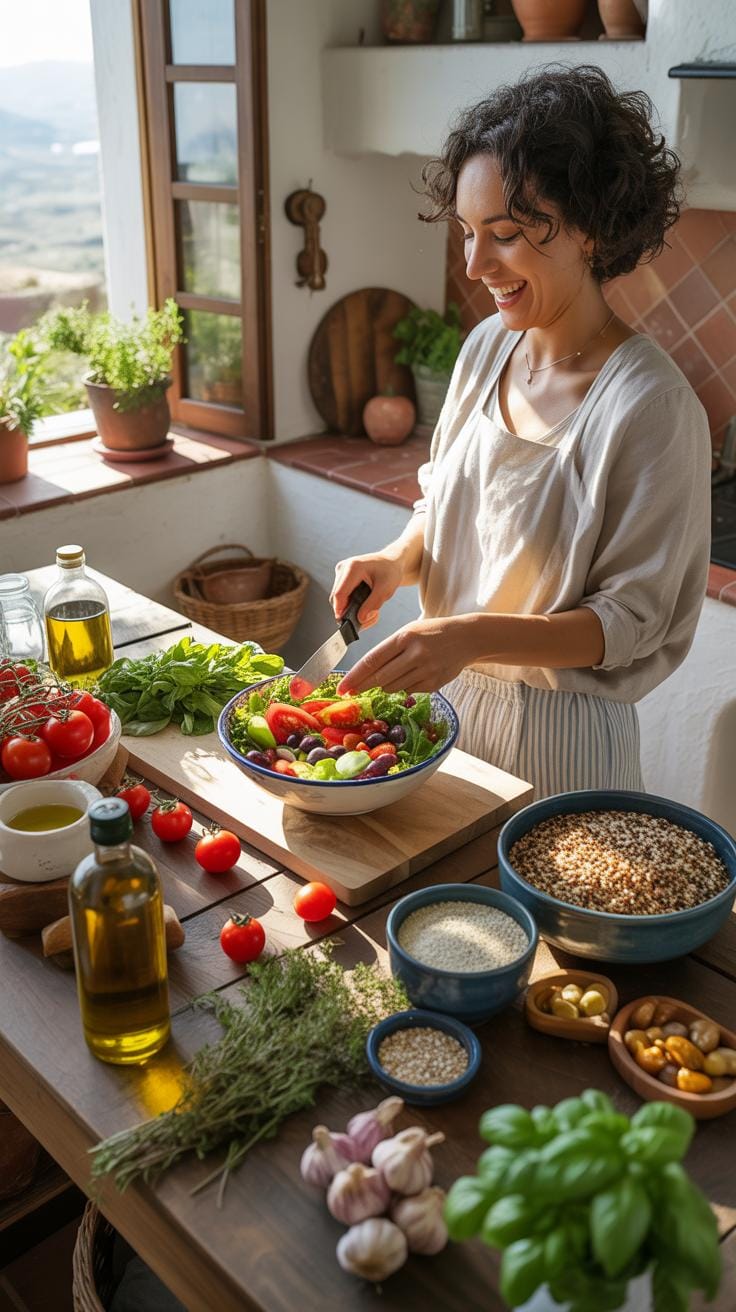
Starting Mediterranean diet cooking can feel tricky at first, but it doesn’t have to be complicated. Begin by focusing on simple steps rather than aiming for perfection. First, consider what you keep in your pantry—stock it with basics like good-quality olive oil, dried legumes such as chickpeas and lentils, and whole grains like quinoa or farro. These ingredients form the foundation of many meals and keep well over time.
When shopping, try to pick fresh produce that’s in season. Buying locally or from farmers’ markets can be a bonus, but if that’s not an option, don’t stress—frozen vegetables often retain their nutrients and save time. Fish, fresh herbs, and some cheese—feta or Parmesan—round out the essentials.
For cooking, start with straightforward methods like roasting vegetables with olive oil and herbs or sautéing greens with garlic. Taking time to learn a few versatile recipes—maybe a simple Greek salad or a quick shakshuka—helps build confidence. Don’t rush; Mediterranean cooking is about savoring food without fuss.
One tip that worked for me: prepare bigger batches early in the week, then mix things up with fresh sides. It’s easier than cooking from scratch daily, yet maintains that fresh, wholesome feel.
Pantry Essentials For Mediterranean Recipes
Your pantry is your Mediterranean kitchen’s backbone. Olive oil is the first must-have; its rich flavor and healthy fats make it the go-to for almost everything. Next, legumes like chickpeas, lentils, and cannellini beans provide protein and fiber, essential for hearty dishes.
Then, whole grains—think brown rice, bulgur, or farro—bring texture and keep you full. Don’t forget nuts and seeds for snacks or toppings, plus dried herbs like oregano, thyme, and rosemary, which instantly brighten flavors.
Sometimes I find myself surprised by how a small jar of capers or anchovies can turn a simple dish into something interesting. These pantry staples give flexibility without adding complexity.
Time Saving Cooking Techniques
Quick Mediterranean meals don’t mean sacrificing nutrition. Using techniques like roasting a tray of mixed vegetables or grilling fish takes little active time but delivers plenty of flavor. One-pan dishes combine cooking stages, reducing cleaning and effort.
Batch cooking is another way—make a big pot of lentil soup or couscous salad that lasts several days. Using a pressure cooker or Instant Pot can drastically cut cooking times for grains and beans, though I sometimes prefer the slower simmer for flavor.
Don’t overlook simple hacks like peeling garlic in bulk or washing and chopping herbs right after shopping. Those few minutes save lots during weekday dinners.
Have you tried cooking with frozen spinach or pre-cut veggies? They can be lifesavers when your schedule feels tight, without making you compromise meal quality.
Mediterranean Diet Recipes For Quick Meals
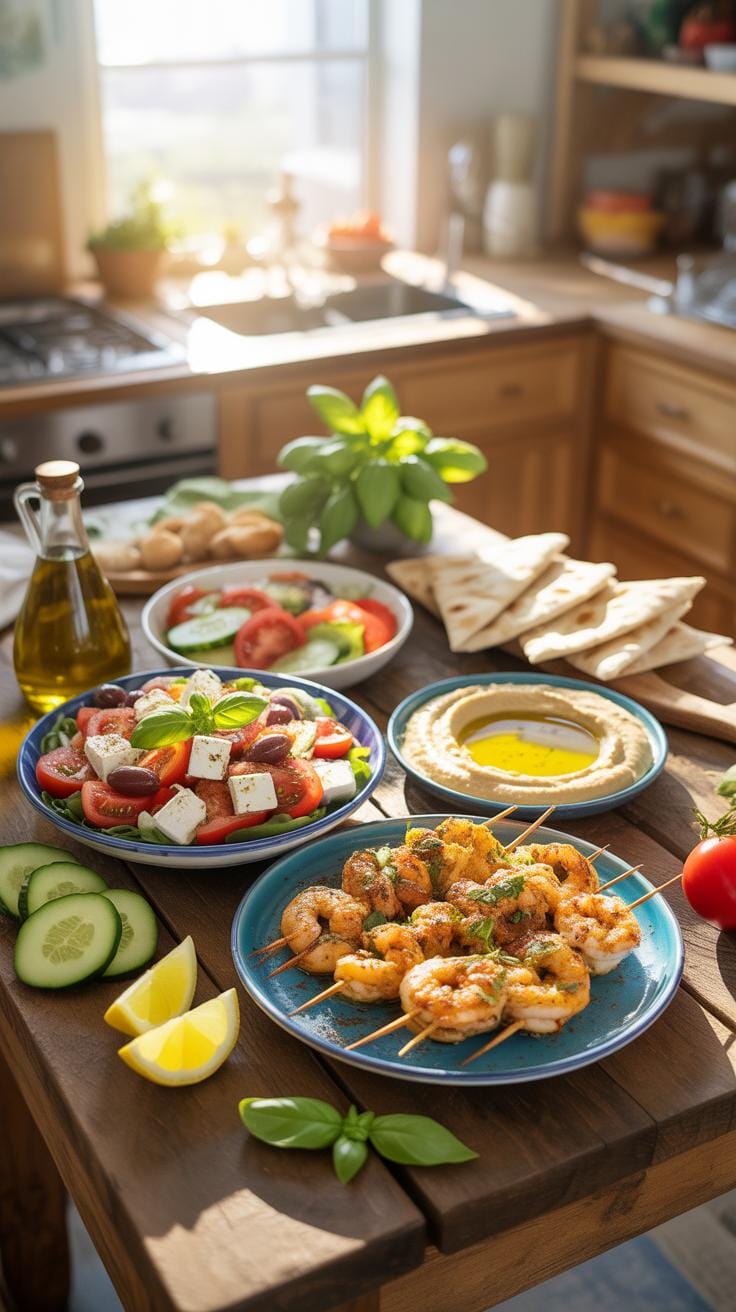
You might find that Mediterranean recipes don’t have to be complicated or time-consuming. In fact, several dishes come together quickly and fit well into a busy day. The key is focusing on fresh, simple ingredients you can throw together without much fuss.
Think of lunch or dinner that revolves around vibrant vegetables, whole grains, and a touch of protein. For example, chopping a handful of cherry tomatoes, cucumbers, olives, and tossing them with cooked couscous or quinoa takes barely ten minutes. Add a drizzle of olive oil, lemon juice, and a sprinkle of feta cheese, and it feels like a well-rounded meal. Simple, yet satisfying.
Another route is to rely on classic staples like whole-grain pita filled with hummus, roasted vegetables, and maybe some grilled chicken or tuna if you have time. The assembly is quick, and cleanup is minimal.
Really, the recipes don’t demand complicated steps. Stir-fries with Mediterranean herbs or quick spinach and chickpea sautés fit well when time isn’t on your side. You’ll find that less time cooking doesn’t mean sacrificing flavor or nutrition, especially when you embrace the basics of this diet.
Quick Vegetable And Grain Bowls
Vegetable and grain bowls are a surprisingly fast way to eat well with a Mediterranean twist—perfect for an easy lunch or light dinner. You start with a base of grains like farro, bulgur, or brown rice, which you can cook in bulk in advance to save time.
Then add roasted or raw vegetables. For instance, roasted zucchini, cherry tomatoes, and bell peppers paired with fresh spinach work nicely. Mixing in some chickpeas or white beans boosts the protein content.
Don’t forget something tangy or briny—capers or olives are great. A splash of lemon vinaigrette or even just olive oil and herbs like oregano and parsley brings it all together. I like to keep some nuts or seeds on hand, like toasted pine nuts, to add a bit of crunch.
What do you enjoy more—warm bowls or cold? Both work well and can be adjusted to what’s in your fridge. The key is layering textures and simple flavors that hit the spot fast.
Simple Fish And Legume Dishes
Fish and legumes merge effortlessly in Mediterranean cooking, especially when time matters. A fillet of white fish, like cod or hake, takes just a few minutes to pan-sear or bake. While the fish cooks, you can simmer canned lentils or chickpeas for a quick side.
A basic sauté of garlic, tomatoes, and spinach mixed with chickpeas creates a flavorful bed for the fish. You might add a squeeze of lemon and sprinkle some fresh herbs for brightness. It’s a dish that feels homemade but doesn’t keep you long in the kitchen.
Try simple preparations like steaming fish along with green beans and serving them with warm white beans dressed in olive oil and herbs. Or toss cooked lentils with cucumber, tomatoes, and flaked tuna for a no-cook supper. The combinations are endless and mostly forgiving.
Have you noticed how these meals often taste better the next day? Sometimes the simplest fish and legume combos become even more satisfying after resting, which is a nice bonus if you want to prep ahead or eat leftovers.
Mediterranean Flavors And Ingredients
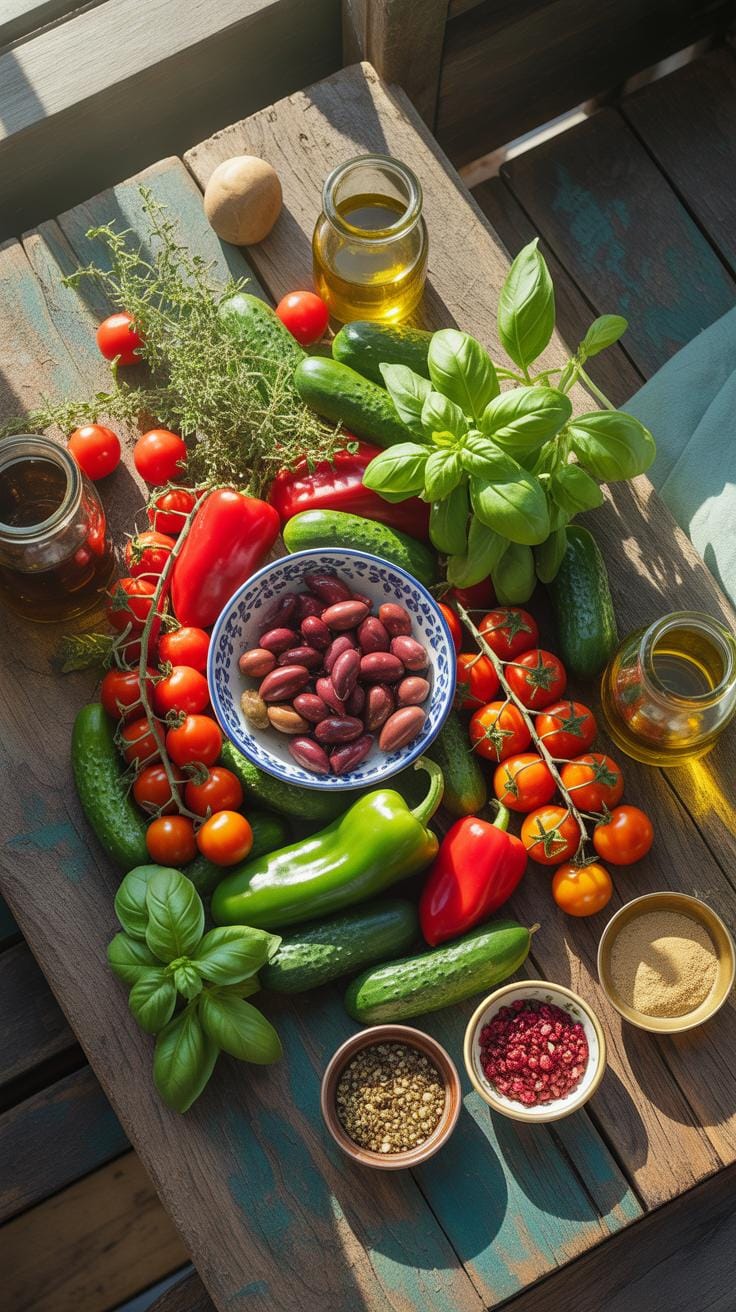
When you think about Mediterranean cooking, certain flavors come to mind—bright, fresh, sometimes crisp, other times rich but never heavy. The charm is in simple, quality ingredients used thoughtfully. Olive oil, lemons, garlic, and fresh vegetables form the base of many dishes, bringing out natural flavors rather than covering them up.
Herbs and spices play a key role. Oregano offers a warm, slightly bitter note, perfect for roasted vegetables or grilled meats. Basil adds a sweet, peppery freshness, especially in tomato-based dishes. Rosemary and thyme give an earthy depth, often found in slow-cooked stews or roasted potatoes.
You can transform a basic salad with a sprinkle of cumin or coriander, which adds a subtle warmth without overpowering. Paprika—both sweet and smoked—brings a soft smoky taste, commonly used in Mediterranean rice or chickpea dishes. Don’t hesitate to experiment a little. Sometimes a pinch of cinnamon or nutmeg in a tomato sauce can deliver surprising results.
Olive oil is more than just a cooking fat here; it’s an essential ingredient for both flavor and health. Using good quality extra virgin olive oil in dressings or as a finishing touch can elevate even the simplest dishes. It adds a fruity, peppery undertone that can tie together ingredients in unexpected ways. Plus, the health benefits, from heart protection to antioxidants, give you a good reason to drizzle it generously—maybe more than you thought you would.
Try drizzling olive oil over roasted veggies just before serving or stirring it into a warm bowl of soup to add richness without dairy. And when cooking, use medium heat to preserve its delicate flavors and nutritional qualities. A backpacking trip years ago had me discover that a splash of olive oil can rescue a plain loaf of bread, making even a quick meal special. It’s those little details that matter most in Mediterranean cooking—flavors that feel effortless but aren’t accidental.
Meal Planning With Mediterranean Recipes
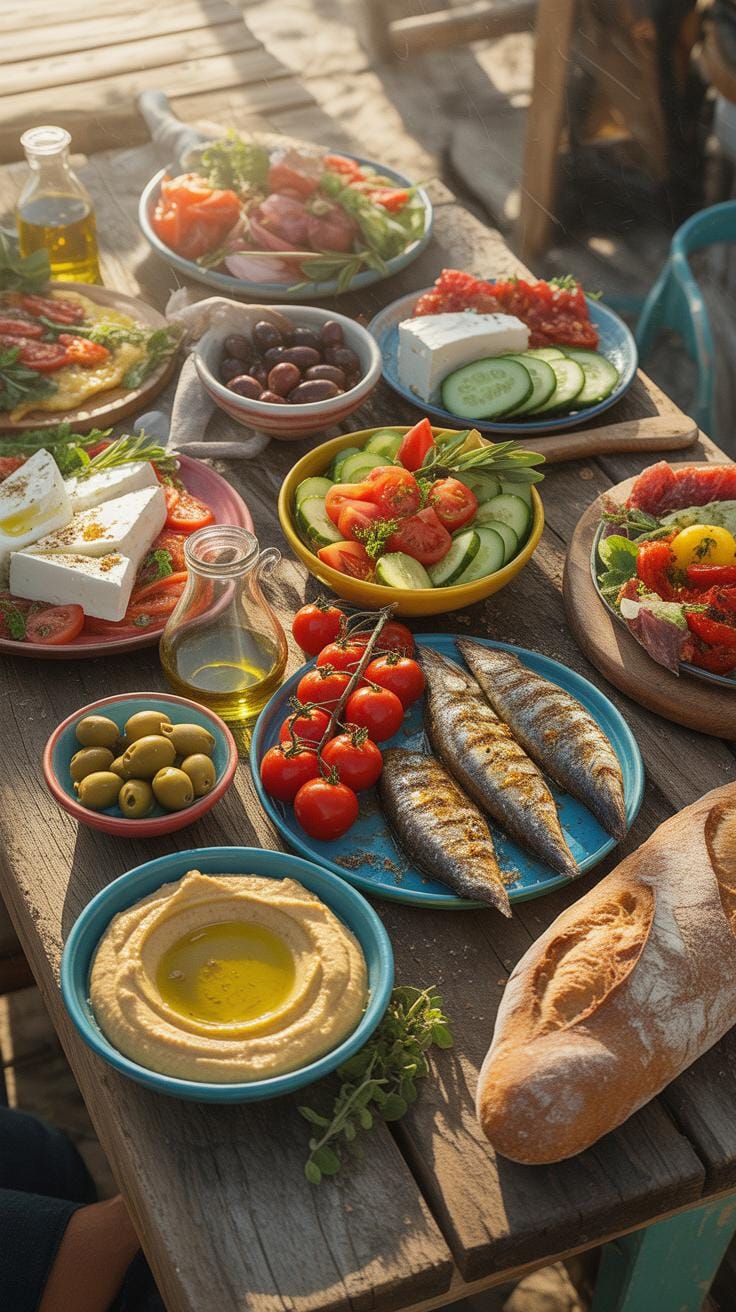
Planning meals with Mediterranean recipes doesn’t need to be complicated. In fact, a simple approach can save you time and keep your diet balanced and enjoyable. Think about organizing your week around a few staple ingredients like olive oil, fresh vegetables, legumes, and lean proteins such as fish or chicken. You might find it helpful to batch-cook grains or legumes early in the week, so assembling meals feels faster on busy days.
It’s also practical to mix and match meals—say, using grilled vegetables across different dishes or transforming leftovers into salads or wraps. This way, you avoid food waste and skip lengthy cooking sessions. You could, for example, roast a tray of mixed veggies that then appear in a lunch bowl, a pasta topping, and a side for dinner.
Consider setting aside a short time each weekend to jot down meals and double-check your pantry. It might seem trivial, but this habit often prevents last-minute takeout temptations. Plus, you might be surprised how predictable your preferences and ingredients tend to be, which makes future planning easier.
Weekly Mediterranean Meal Plan Ideas
Here’s a simple week outline that captures the essence of Mediterranean flavors without being overwhelming:
- Monday: Breakfast with Greek yogurt and honey. Lunch is a chickpea salad with cucumber and tomato. Dinner might be grilled salmon with lemon and roasted asparagus.
- Tuesday: Start with oatmeal topped with fresh fruit and nuts. Lunch includes a whole grain pita stuffed with hummus and veggies. Dinner could be a lentil stew with spinach.
- Wednesday: Breakfast is avocado toast sprinkled with feta. For lunch, a quinoa salad mixed with olives, cherry tomatoes, and herbs. Dinner: baked chicken with a side of ratatouille.
- Thursday: Have a smoothie loaded with spinach, banana, and almond milk. Lunch is a Mediterranean grain bowl with roasted eggplant and tahini dressing. Dinner might be shrimp sautéed with garlic and lemon.
- Friday: Breakfast could be ricotta on whole grain bread with fresh berries. Lunch includes a tomato and mozzarella salad. Dinner rounds off the week with stuffed peppers filled with rice and herbs.
Notice the variety but also the repetition of ingredients that make shopping easier and prevent monotony.
Shopping Checklist For Mediterranean Meals
A focused shopping list can help you stick to your meal plan and keep your kitchen stocked with essentials. Here’s a rundown of common ingredients you’ll want to have:
- Extra virgin olive oil
- Fresh vegetables: tomatoes, cucumbers, bell peppers, spinach, eggplant, zucchini
- Fresh fruits: lemons, berries, oranges, bananas
- Whole grains: quinoa, brown rice, whole wheat bread or pita
- Legumes: chickpeas, lentils, black beans
- Lean proteins: chicken breasts, fish (salmon, sardines), shrimp
- Dairy: Greek yogurt, feta cheese, ricotta
- Nuts and seeds: almonds, walnuts, sunflower seeds
- Herbs and spices: garlic, basil, oregano, parsley, cinnamon
Having these basics on hand means you’re rarely stuck without something to whip up a quick, healthy meal. And you might notice it’s less about buying lots of unusual items and more about freshening up what you already enjoy.
Mediterranean Diet Recipes Versus Other Diets
Comparison With Low Carb Diet Recipes
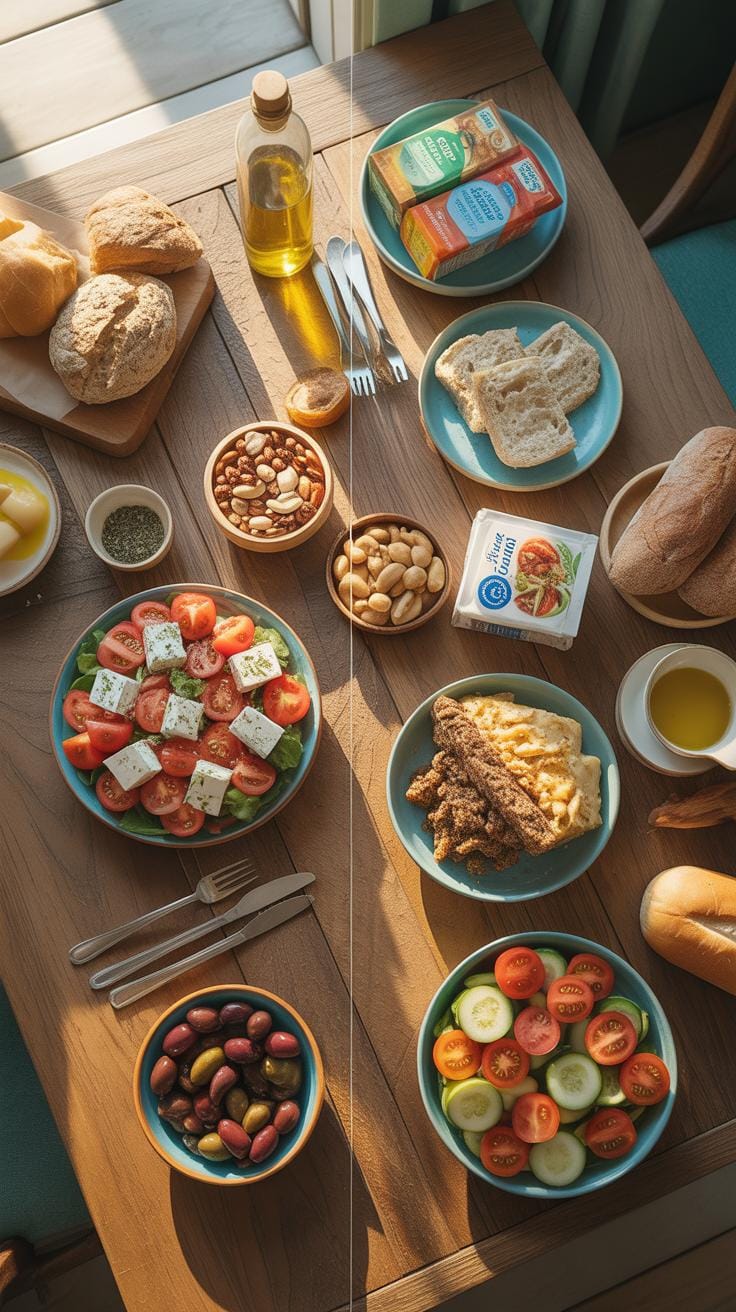
Both Mediterranean and low-carb diets have their appeal when you’re looking to eat healthier, yet their approaches feel quite distinct. Low-carb recipes typically slash grains and sugars, focusing mainly on proteins and fats. Mediterranean dishes, on the other hand, still embrace whole grains, legumes, and fruits, which makes their menus fuller and often easier to sustain long-term. You’ll find Mediterranean recipes using olive oil generously, while low-carb meals might rely more on butter or animal fats. When cooking, Mediterranean recipes often involve more variety and colors on the plate—roasted veggies, fresh herbs, fish, nuts—which keeps things interesting but might take a bit longer to prep than just frying some meat and greens.
Health-wise, Mediterranean meals offer a broader nutrient profile due to that diversity. Some low-carb variants might miss out on fiber or antioxidants because they limit plant-based foods more strictly. Yet, if you want quicker cooking with very simple ingredients, low-carb might edge out a bit. But really, the Mediterranean style tends to balance enjoyment and health without demanding strict carb counting.
Mediterranean Diet Compared To Vegetarian Options
Mediterranean recipes can overlap with vegetarian dishes, yet they’re not the same thing. True vegetarians avoid meat entirely, while Mediterranean diets often include fish and moderate amounts of poultry. But both share a love for plant-forward meals—think beans, nuts, whole grains, and plenty of fresh vegetables. This makes it easier to find Mediterranean recipes that fit vegetarian needs, like chickpea stews or eggplant dishes. Still, Mediterranean cuisine tends to look for balance—some protein from fish or dairy alongside plant foods—which can provide nutrients vegetarians sometimes have to plan carefully for.
On the flip side, vegetarian diets might include more dairy or eggs or lean heavily on meat substitutes, shifting the nutrient mix. Mediterranean recipes can feel more flexible and less limiting overall, which might be appealing if you’re considering making a diet that’s plant-rich but not strictly vegetarian. The question you might ask yourself is whether you want strict exclusion or a way to incorporate plant foods with some animal products while keeping it easy and tasty.
Common Mistakes To Avoid When Cooking

Overusing Processed Ingredients
It’s easy to grab packaged items when you want a quick meal, but that can really take away from the Mediterranean diet’s benefits. Many processed foods are loaded with added sugars, unhealthy fats, or excess sodium. These not only dull the natural flavors but also undermine the fresh, nutrient-rich nature of these recipes.
Instead of reaching for canned sauces or pre-seasoned mixes, try simple, fresh ingredients. For example, use fresh tomatoes and herbs rather than jarred sauces. Swap processed deli meats for grilled chicken or legumes. Fresh vegetables, whole grains, nuts, and olive oil should be your staples—they give you the authentic taste and health boost the Mediterranean diet promises.
It might take a bit more prep in the beginning, but that little extra effort makes a difference. Your meals will taste better, and you won’t be sneaking in hidden additives. It’s one of those small shifts that really changes the experience.
Ignoring Proper Portion Sizes
You might think that since these meals are healthy, you can eat as much as you want. But portion control still matters, especially with calorie-dense foods like nuts, olive oil, and cheese. Overeating even these “good” fats can tip the scale away from health benefits.
Try paying attention to serving sizes without obsessing—maybe use smaller plates or measure portions occasionally to get a feel for what’s reasonable. Mediterranean meals often focus on balance, with plenty of vegetables and moderate amounts of protein and carbs, so keeping your portions in check supports that balance.
It’s not about strict restrictions or counting every bite. More about being mindful, almost like you’re checking in with your hunger and fullness cues. Sometimes I catch myself piling too much on the plate and feel overly full afterward. That’s a clear sign portion sizes slipped. Don’t be surprised if the food tastes better and leaves you feeling lighter when you scale back a bit. It’s quite the paradox, really.
Troubleshooting Mediterranean Meal Prep
Substituting Ingredients When Needed
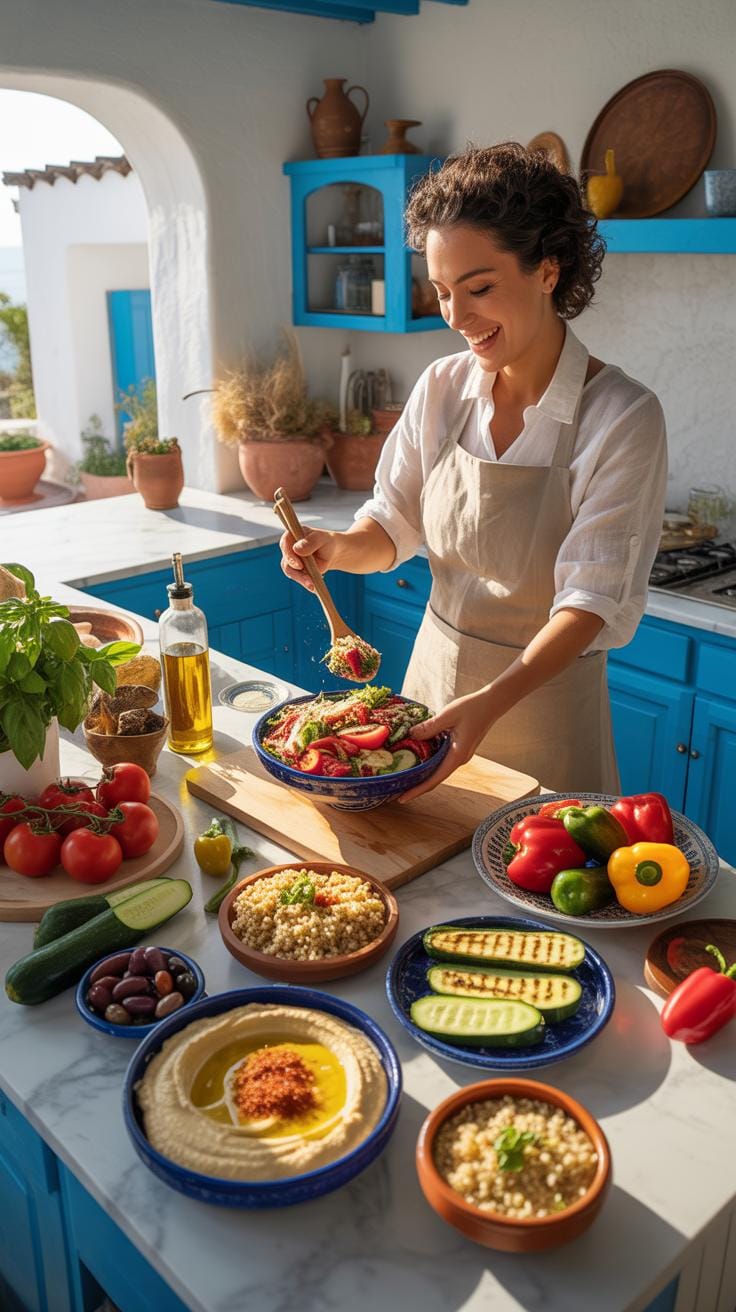
Sometimes, you just can’t find that specific Mediterranean ingredient—say, fresh oregano or high-quality feta—and it feels like your whole meal’s off track. But don’t worry, it’s often not as strict as recipes suggest. You can swap fresh herbs like oregano with dried ones, keeping in mind dried herbs tend to be more concentrated. A little less usually works better.
If you can’t get olives, capers make a decent stand-in because they share that briny kick, though the texture will shift. For cheeses, if feta is too expensive or unavailable, try a crumbly goat cheese or even a mild ricotta salata; they won’t be exact, but your dish keeps its character.
Missing a vegetable like eggplant? Zucchini or mushrooms often work well, especially in stews or roasted dishes. The key is to keep the spirit of simple, fresh ingredients alive, even if you bend the rules a bit.
Tips For Balancing Flavors Quickly
Got a dish that tastes flat or too sharp? You’ve probably been there. Fixing flavor quickly usually means adjusting basic elements: salt, acid, fat, and sometimes sweetness.
Here’s what I’ve learned trying to rescue meals in a pinch:
- If it feels bland, add a pinch of salt step by step rather than all at once. Sometimes just a sprinkle wakes up everything.
- If it’s too bitter or heavy, a splash of lemon juice or vinegar brightens things up fast. It’s almost magic how acid rescues a dull sauce or salad.
- Overly salty? Balance with a pinch of sugar or a little extra olive oil to mellow that out.
- If a dish feels one-dimensional, tossing in fresh herbs at the end (like parsley or mint) can add a fresh, lively note instantly.
Don’t hesitate to taste as you go. Adjusting flavors is more art than science—sometimes a small tweak makes a big difference. Have you found yourself hesitating to add acid or salt? Try a tiny bit now and then. It might surprise you how forgiving Mediterranean recipes can be.
Examples Of Easy Mediterranean Recipes
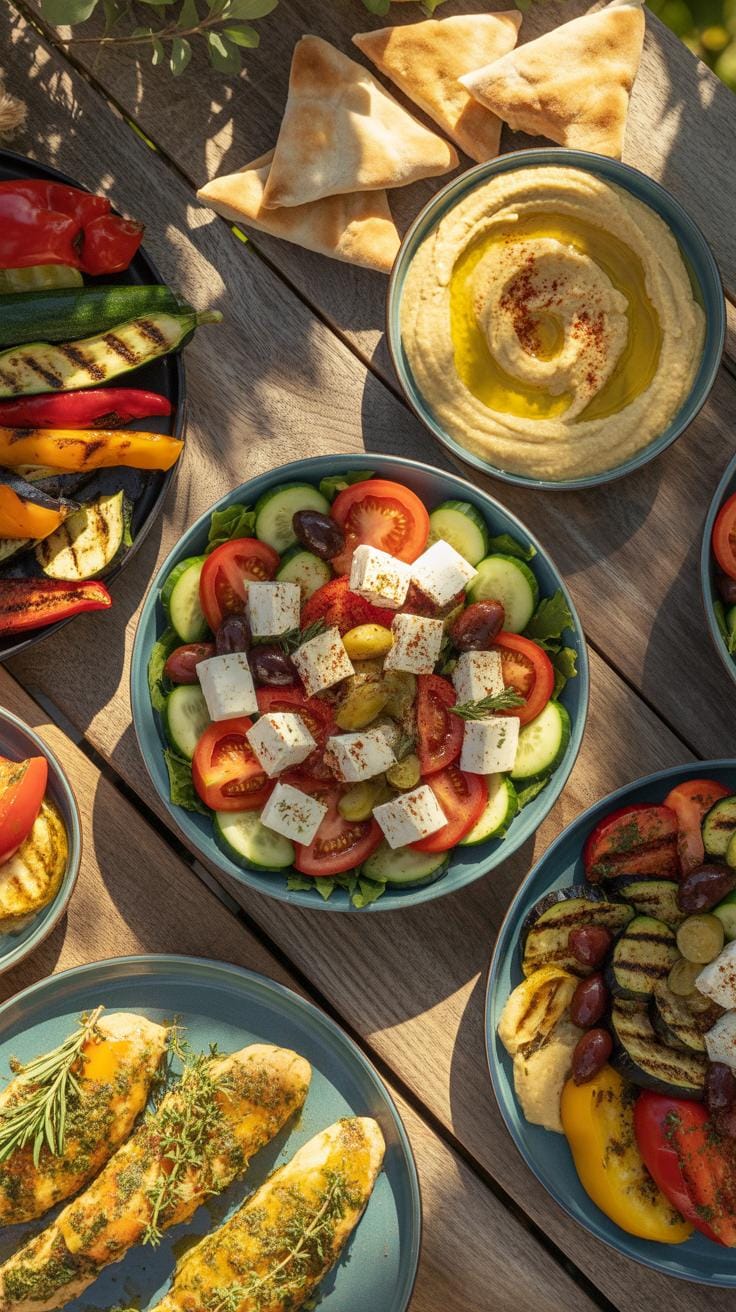
Let’s talk about some simple Mediterranean recipes that you can actually make without much fuss. Starting with breakfast—one straightforward option is plain Greek yogurt topped with fresh fruit like berries or sliced peaches. Add a handful of nuts for crunch and a drizzle of honey if you like it a bit sweeter. It’s quick, filling, and feels lighter than heavy cereals.
Another easy breakfast is whole grain toast with a splash of good olive oil and a pinch of salt. It takes less than five minutes, and honestly, the olive oil adds such a pleasant flavor that plain toast suddenly doesn’t feel boring anymore. You can top it with sliced tomatoes or avocado if you want.
Now, for some dinner options you might actually look forward to making, there’s grilled fish served with roasted or steamed Mediterranean vegetables like zucchini, eggplant, and bell peppers. Season everything simply with lemon, garlic, and oregano. It’s a light meal that doesn’t require hours in the kitchen.
A quick chickpea salad can be made by tossing canned chickpeas with cucumber, cherry tomatoes, red onion, parsley, and a dressing of olive oil and lemon. It’s fresh, filling, and you don’t even need to cook it. Sometimes I find that these salads are perfect on those crazy busy evenings when cooking feels like the last thing you want to do.
Have you tried these recipes, or do you stick to the same meals every day? Making Mediterranean dishes doesn’t have to take time, and the ingredients often overlap, so you waste less and eat better.
Conclusions
Eating Mediterranean diet recipes can improve your health and make cooking easier. They use foods that help reduce heart problems and keep your weight in check. By choosing fresh ingredients and simple cooking methods, you can enjoy meals that are both tasty and nutritious. Mediterranean recipes fit well into a busy schedule without requiring complicated preparation.
Try adding these recipes to your weekly plan and see how quick and healthy meals can become a habit. Cooking Mediterranean meals means enjoying food that supports your body while being easy to prepare. You can start small with basic dishes and build a routine that helps you stay healthy and satisfied.