
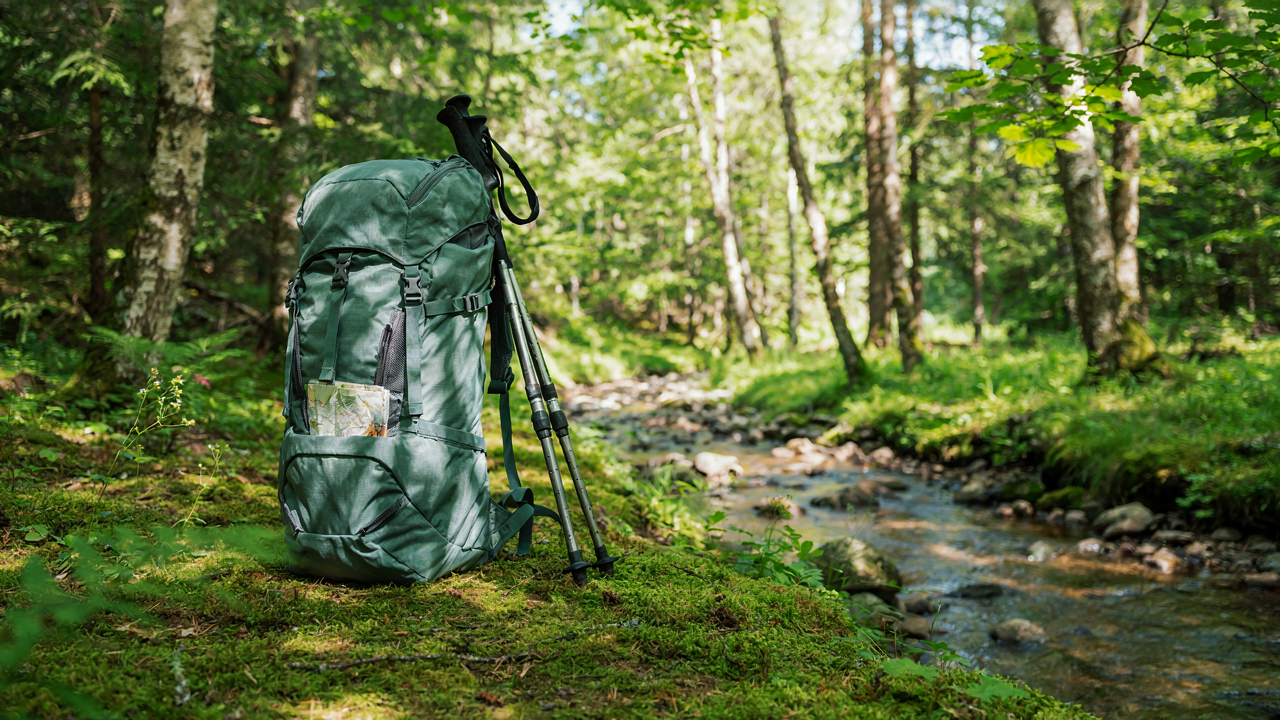
The Illusion Of Essential Backpacking Gear
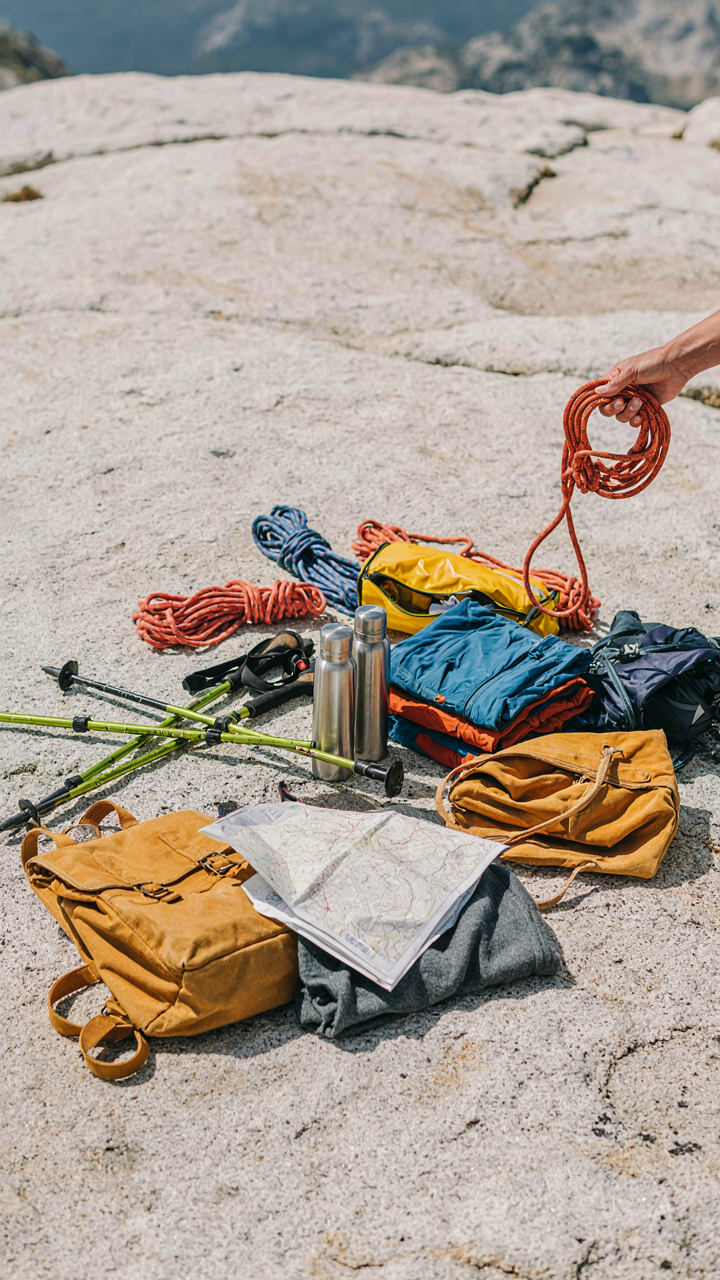
Why You Pack Things You’ll Never Use
You pack gear because not packing it feels like failure. Fear of being unprepared is stronger than the actual risk of needing that item. This is loss aversion in motion: the pain of leaving something behind outweighs the pain of carrying dead weight. Most hikers solve this by defaulting to what other hikers carried, which compounds the problem. Nobody questions the original choice, they just copy it forward. The mechanism is tribal default masquerading as necessity. You inherit a pack list, not a reasoning process.
The gap between what you actually need and what you bring widows grows wider with each trip you complete unharmed. A blister kit sits unused for three years. A full repair kit stays sealed. An extra insulation layer never leaves the bottom of your pack. You notice this pattern eventually, but only if you’re tracking what weight you moved versus what weight moved you. Most hikers don’t. They keep the same setup and wonder why their knees hurt.
What Your Pack List Actually Reveals
Everyone says “bring what you need” then hands you a list designed for worst-case scenarios that rarely happen. This is risk management backward. Real risk management cuts ruthlessly. The hiking industry has inverted the problem: they talk about ultralight like it’s a philosophy when it’s actually just math. Lighter load equals lower injury risk, better pace, fewer recovery days. The consensus gear list isn’t built on this math, it’s built on liability and tradition.
Start by identifying what your actual conditions are, not what conditions might exist somewhere on Earth. A summer three-day loop in temperate forest needs a different kit than winter mountaineering. Yet most people consult the same generic list and add items “just in case.” That’s security theater. The real move is building a baseline kit for your specific terrain and season, testing it twice, then removing one item per trip until something breaks or you genuinely suffer. That’s your true minimum.

The Weight To Worth Equation For Outdoor Adventure Gear

Utility Against The Scale
You want to believe a lighter pack means you’re smarter than other hikers. That’s not the mechanism. Economics calls this marginal utility: the value you extract from one additional unit drops as you accumulate more. Each gram in your pack must justify itself by either preventing failure or enabling something impossible at heavier weight. A tent fails its job at zero pounds. A backup battery fails at zero ounces. Everything else is negotiable.
The real question isn’t “is this light?” It’s “what problem does this solve that my body can’t?” A 200 gram ultralight stove saves weight but requires perfect fuel management. A 400 gram conventional stove trades ounces for reliability. Neither is objectively correct. You choose based on what breaks first: your patience with failure or your knees under load. Start by naming the actual failure mode each item prevents, then weigh that against the grams it costs.
Carrying Cost Of Dead Weight
Physicist call this work: force applied over distance. On trail, you apply force every time your legs lift your pack. Every 500 grams you carry for ten miles is actual muscular effort wasted if that item doesn’t earn its place. Most hikers pack items “just in case” and carry them the entire distance, burning calories on contingencies that never materialize. That’s not caution. That’s a math error.
The calculation is straightforward. A ten pound pack difference over a ten mile day equals measurable fatigue, slower pace, and higher injury risk on descents. You lose the ability to move deliberately and stay sharp. Most people solve this wrong by ultralight maximalism, cutting safety margins for ounce savings. The mechanism is simpler: exclude items that solve problems you don’t actually encounter on your typical terrain, then accept the weight of items that prevent real harms. Before each trip, audit your previous three hikes and remove anything you never touched.
The Decisive Elimination Protocol: A Hiking Checklist Reimagined
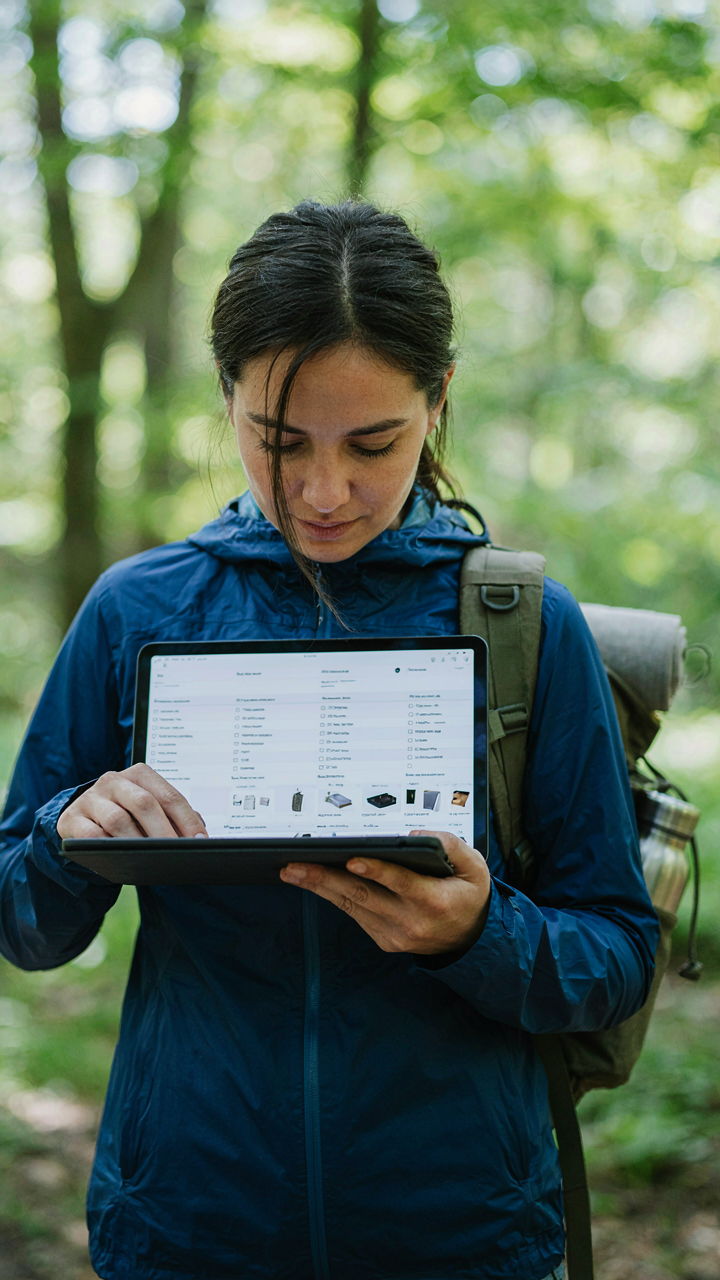
Sort Gear By What Actually Stops You
You want permission to buy new stuff without feeling guilty about it. That’s the real question here. The mechanism is simple: most hikers pack items they never use because they never measured what actually creates friction on a hike. Blisters, weight fatigue, cold exposure, navigation failure, dehydration. These are the five failure modes. Everything in your pack either prevents one of these or it doesn’t.
Start by listing every item you currently carry. Next to each one, write which failure mode it prevents. If an item prevents nothing, remove it now. If two items prevent the same failure mode, keep only the one that does it lightest or most reliably. This forces a choice. You stop rationalizing duplicates and sentimental gear you’ve never deployed.
The Trade Off System For Pack Weight
Substitution economics apply directly to load management. In economics, substitution means trading one good for another that serves the same function but costs less. In hiking, it means replacing a ten-ounce item with a five-ounce alternative that performs identically. One item leaves your pack for every new item that enters it.
The rule is ruthless: you gain nothing by adding a lighter item unless something heavier simultaneously exits. A two-ounce ultralight sleeping pad means your old pad leaves permanently. You don’t stack upgrades. You swap them. This prevents pack creep, which kills lightweight hiking faster than any single purchase decision. Track pack weight monthly. If it rises, find what entered that shouldn’t have, and remove it without negotiation.
Multi Use Mastery: Beyond Single Purpose Hiking Gear

What Actually Belongs In Your Pack
You want to feel smart about optimization. The real mechanism: single-purpose gear forces you to choose between weight and capability, a false choice that gets exploited by marketing. Dual-purpose items collapse that trade-off entirely. Your pack weight stays low while your problem-solving capacity expands. Most hikers pack redundantly because they never learned to interrogate each item’s actual function. A rain jacket isn’t just waterproofing. A cooking pot isn’t just containment. These items perform secondary work if you design for it intentionally from selection onward.
The economics of backpacking reward consolidation. You remove ounces not by cutting items but by combining their functions. A nylon stuff sack becomes a dry bag and a storage organizer. A carabiner clips gear, secures tent stakes, and hangs items away from rodents. A bandana dries dishes, filters sediment, covers your head, and ties down load shifts. The question isn’t whether you need something. The question is whether the thing you’re already carrying can do double duty. Every addition requires justification by weight. Every substitution of a multi-use item for a single-purpose one is pure gain.
The Redundancy That Costs Nothing
Think in terms of systems design, borrowed from engineering. In engineering, redundancy means backup pathways when primary systems fail. In hiking gear, redundancy means overlapping function without overlapping weight. A fleece provides insulation and can serve as a pillow. A dry bag provides waterproofing and can compress gear into a compact bundle. Your food stuff sack can hold water if you’re caught without a container. These aren’t clever hacks. They’re the basic principle: every item earns its place by doing minimum two jobs.
The trap is overthinking this. Don’t hunt for obscure dual-purpose gear that doesn’t exist. Work backward from the problems you actually face on a three-day hike: staying warm, staying dry, staying fed, treating minor injuries, managing moisture, securing loose items, navigation, and emergency signaling. Now ask what’s already in your pack that addresses multiple problems. A lightweight puffy can be emergency insulation and a day-pack liner. Your rain jacket works as ground coverage. Your aluminum foil dinner plate scrapes pot residue and reflects heat. Start here. Test combinations before committing to them on trail.
The Unspoken Cost Of Comfort: Backcountry Camping Essentials
What Actually Separates Gear From Burden
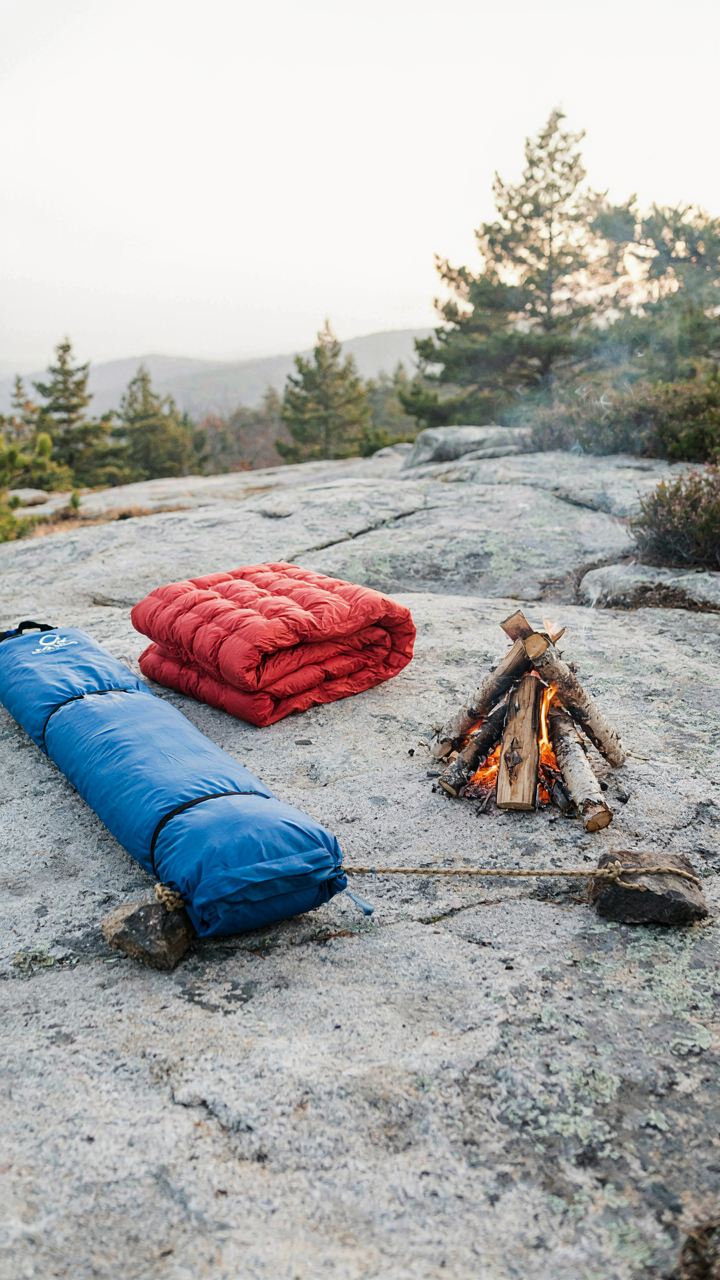
You want permission to buy the soft stuff because you’re afraid sleeping on the ground will hurt. Here’s the mechanism: your brain conflates comfort with safety, and gear companies exploit that conflation to move inventory. The difference between a necessity and a luxury isn’t how good it feels—it’s whether it prevents actual failure. A sleeping pad prevents hypothermia. A memory foam topper prevents whining. Only one keeps you alive.
Most people pack items that solve problems that won’t happen. Backcountry camping demands a different calculus than car camping. You carry every ounce. Weight compounds over miles. The real question isn’t “Will this help?” but “What happens if I leave it?” That distinction cuts your pack weight in half.
Discomfort Is Data, Not Disaster
Economics calls this the marginal utility of consumption—each additional unit of comfort delivers less value than the last. Apply this to lightweight hiking gear and your sleeping system becomes the proof. A 20-degree bag and foam pad keep you alive and functional at altitude. A 10-degree bag, down quilt, and insulated mat do the same job with diminishing returns and 3 extra pounds you carry uphill.
Discomfort serves as feedback. Cold tells you to move. A hard ground tells you to shift positions instead of staying still and stiffening up. Your body acclimates faster than you expect. Backcountry trips under five days don’t require the gear that justifies car-camping luxury. Strip systems to baseline function, then add weight only when data from previous trips proves necessity.
The Systems Thinking Approach To Hiking Things To Bring
Every Item Serves A Larger System
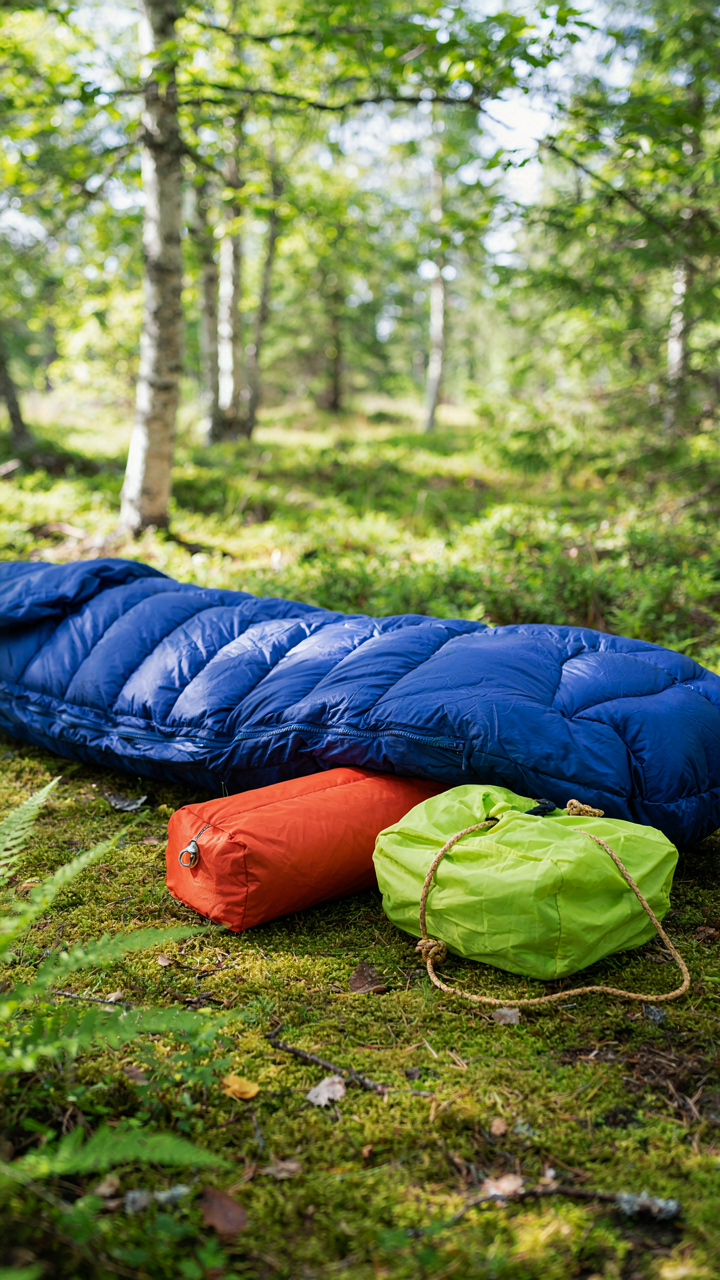
You want to feel smart about your gear choices. The real reason you’re reading this is to avoid the shame of carrying dead weight while watching someone else move faster. Military logistics wins wars not through individual equipment quality but through supply chain design: each component multiplies the effectiveness of others. Your pack works the same way. A tent means nothing without stakes. Stakes mean nothing without a ground sheet. The ground sheet matters only because your sleeping bag loses insulation when compressed against wet earth. Strip away one piece and the entire system degrades.
Most hikers treat gear selection like shopping. They pick a backpack, then a sleeping bag, then a tent as separate purchases. This creates bloat. The military approach reverses this: define the mission first, then build every dependency around it. Your mission is covering distance and sleeping safely on minimal weight. This constraint forces integration. Your water container becomes your cooking pot. Your emergency bivy becomes your ground sheet. Your trekking poles become your tent structure. These aren’t compromises. They’re efficiencies that only emerge when you design for systems, not items.
Interactions Between Gear Multiply Efficiency
Most lightweight advice focuses on individual item weight. A lighter tent saves half a pound. A lighter sleeping bag saves two pounds. Useful but incomplete. The real leverage lies in how items interact. A quilt rated for cold weather adds unnecessary weight in mild seasons. But pair it with a lighter base layer and lower temperature tolerance, and you shed three pounds across multiple components. A heavier water filter becomes acceptable if it means carrying less fuel to boil water. A bulkier stove becomes lighter overall when paired with specific cookware that nests inside it. The interactions create exponential returns.
Map every item’s secondary functions onto your primary constraints. Weight, volume, and weather management form the triangle. An item that reduces weight but increases volume has solved nothing for a backpack with fixed dimensions. Find pieces that push all three constraints in the same direction simultaneously. Your sleeping pad insulates and provides ground protection and cushioning with one component. Your pack cover doubles as a ground sheet. Your liner bag holds items and provides water protection. When you optimize for interactions instead of individual specs, you eliminate the gear bloat that turns casual hikers into pack mules. Start with your three heaviest items: shelter, sleep system, and backpack. Design the remaining gear around how those three work together, not around gaps you imagine exist.
Durability Vs. Weight: The Real Trade Off For Lightweight Hiking Gear
When Ultra Light Becomes Ultra Expensive
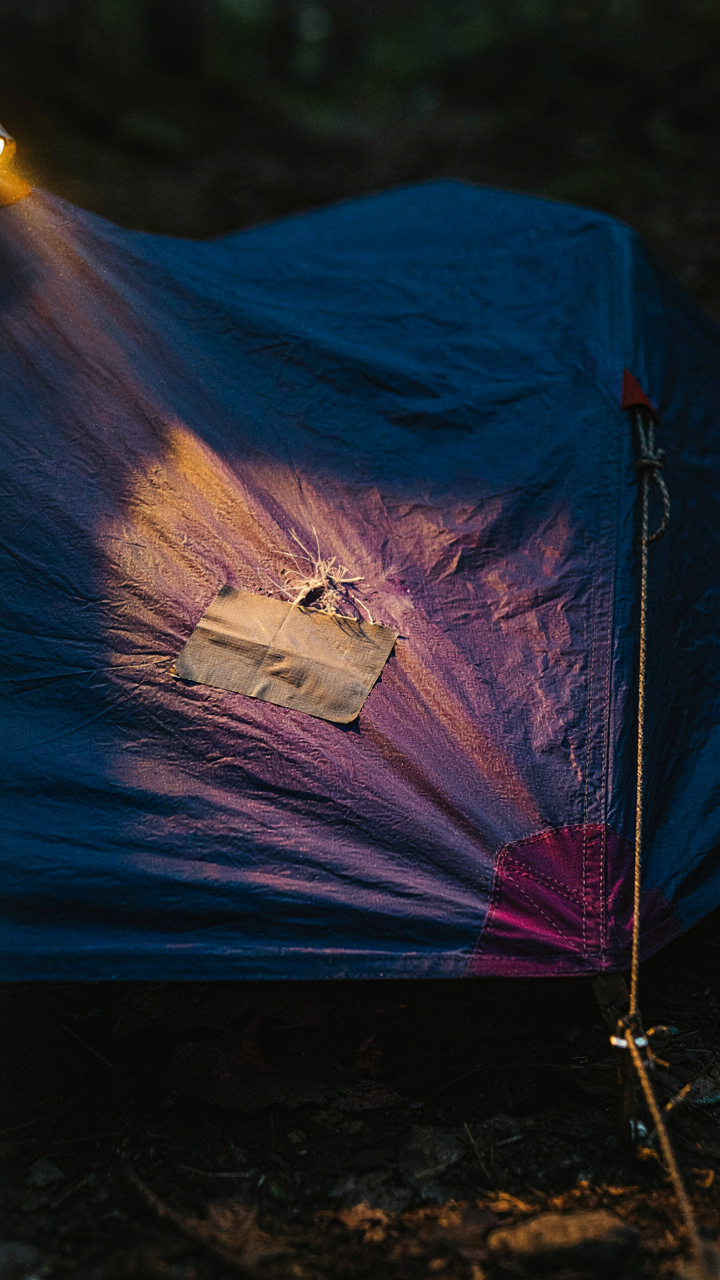
You want ultralight gear because you think it proves you’re serious. The mechanism is simpler: lighter materials cost more per unit of durability, and you’ll either replace them constantly or accept failure in the field. The lightest fabrics, foams, and alloys compress performance into minimal mass, but they sacrifice the redundancy that prevents catastrophe. A 0.8-ounce tent fabric tears easier than a 1.2-ounce one. Both keep rain out. Only one keeps doing it after three seasons.
The real trade is not weight versus durability in the abstract. It’s weight versus longevity per dollar spent. A 16-ounce sleeping bag shell might last eight years of regular use. A 10-ounce one might last three. You save 90 grams per night but spend four times as much per night of actual use. Most gear guides skip this math entirely because it makes ultralight look worse than marketing needs it to look.
Material Selection As A Filtering Mechanism
Durability engineering borrows from material science the concept of “stress concentration”—weak points that fail first under load. Choose materials that distribute stress instead of focusing it. Nylon ripstop fabrics work because the grid pattern stops tears from spreading. Dyneema fibers resist abrasion better than standard polyester, which matters for pack straps and ground contact points. Aluminum frame stays bend instead of breaking, surviving mistakes that carbon would shatter on.
Match material choice to actual failure modes on your trips. Rain gear fails from UV degradation and puncture, not weight. Use thicker nylon in high-friction zones (pack bottom, shoulder straps, hip belt) and lighter fabric where contact is minimal. Seam tape thickness matters more than shell weight for waterproofing longevity. A heavier insulation type (down versus synthetic) lasts longer if stored dry but fails catastrophically if wet and unsupported. The weight difference is real, but so is the cost of replacing failed gear mid-season.
The Power Of Exclusion: What NOT To Add To Your Packing List For Hiking

Dead Weight Masquerading As Safety
You want permission to bring things. The real mechanism at work here is that most hikers confuse preparedness with abundance. You feel safer with more options, so you pack items that solve problems you won’t face. Every ounce you add compounds over miles. The best gear decisions aren’t about what to include—they’re about what to refuse.
- Backup batteries for devices you’re not bringing: A dead item wastes pack space. Bring the device or leave both behind. Half measures create clutter.
- Multi-tools without a clear use case: You already have a knife. You already have your hands. A 10-ounce tool solves zero problems on a day hike.
- Cotton clothing of any kind: It absorbs moisture, dries slowly, and loses insulation when wet. Synthetics and merino wool outperform it in every condition.
- Redundant navigation tools: GPS watch or map and compass. Not both. Decide your system before the trail.
- Camp pillow or foam pad for short trips: Under 24 hours, sleep on your pack stuffed with gear. The weight saved outweighs comfort you won’t miss once.
The weight you don’t carry is the only weight that has zero impact. Stop thinking in categories like shelter and clothing. Think in problems you actually solve. Remove items one at a time during practice hikes and notice what you never miss.
When Less Load Rewires Your Decision Making
The reduction of physical load triggers a cascade of behavioral changes that most people misattribute to psychology. What’s actually happening is economic in nature: lower carrying capacity forces genuine resource allocation. You stop making lazy decisions about route, pace, and rest breaks because you can feel the difference each choice makes.
A lighter pack means you hike faster without trying. You climb grades that would punish a heavy load. You notice terrain and weather shifts earlier because your body isn’t already fatigued. The psychological benefit is real, but it’s secondary to the mechanical reality that your legs carry less mass uphill. Start by cutting 20 percent of your current pack weight on the next outing. Don’t announce it. Just notice what changes about how you move and think.
Pre Trip Intelligence: The Ultimate Gear Reducer
Know Your Route Before You Buy Anything
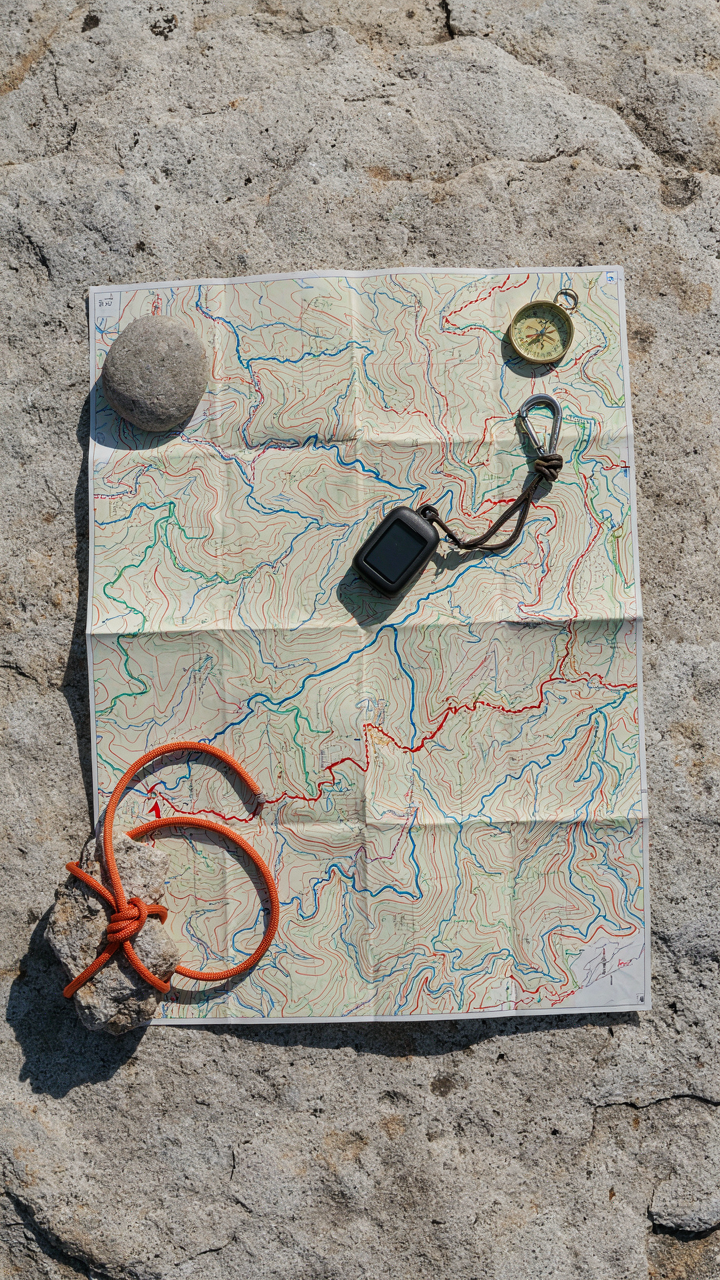
You think you need lighter gear. What you actually need is permission to leave things behind, and reconnaissance gives you that permission. Apply the military concept of terrain analysis to your hike: elevation gain, water sources, exposed sections, and bailout points determine what you carry, not gear lists.
Most hikers pack for a hypothetical worst case that never materializes on their specific route. A day hike with water every two miles requires nothing like a ridge traverse in the alpine. Map your actual terrain, identify constraints, then select gear that addresses only those constraints. This eliminates 30 to 40 percent of what you’d otherwise consider.
Reading Conditions Before They Arrive
Weather patterns shift regionally and seasonally. A forecast matters less than understanding what actually happens on your route during your travel window. Check historical data for your specific location and date range, not just the extended forecast.
Rain in the Pacific Northwest in October demands different gear than rain in the Southwest in monsoon season. Temperature swings, wind exposure, and UV intensity vary by geography and elevation. Gather three to five years of historical weather data for your route, identify the actual ceiling and floor of conditions you’ll face, then pack for that reality instead of national generalizations. This precision cuts unnecessary insulation, rain protection, and contingency items.
Skill Over Stuff: The Final Frontier Of Lightweight Hiking

Competence Reduces What You Carry
You want to believe buying the right gear solves the problem because gear is passive and you control the purchase. It doesn’t work that way. In systems theory, this is called burden shifting: you’re moving load from your skill set to your equipment budget. The mechanism is simple. A skilled hiker knows which miles demand water and which don’t. They read terrain and weather patterns. They navigate without constant GPS recalibration. They repair gear on trail instead of abandoning it. Each of these removes dependency on redundancy.
Beginners pack extra because they don’t trust their decisions. They carry backup layers they won’t use. They bring navigation tools they can’t read properly. They choose heavier gear because marketing promised safety. A skilled hiker carries less because they’ve eliminated the uncertainty that drives over-packing. Route finding becomes muscle memory. Weather assessment becomes pattern recognition. The gear weight drops because the person carrying it got sharper, not because they found a lighter alternative to the same item.
Investment In Capability Beats Gear Acquisition
The common advice says “buy once, cry once” on lightweight gear. That’s incomplete. Crying once on a five-pound tent doesn’t help if you don’t know how to site it properly or maintain it in wet conditions. Real investment flows toward skills first. Learn to navigate by map and compass before you trust your phone to die. Practice fire building on backyard trips before relying on it in the field. Test your cooking system a dozen times in your yard. This approach costs almost nothing upfront but returns compounding value every trip you take.
When you reverse the priority, gear becomes a tool for reinforcing what you already know, not a substitute for knowing it. A ultralight pack only works if you’ve mastered load management and movement efficiency. A minimalist sleep system only functions if you understand insulation and site selection. Start with competence. Let your skills dictate which gear you actually need. Then buy that gear light. The sequence matters more than the final equipment list.
Your Pack’s Weight Reflects Your Mind’s Clutter. Simplify Your Thinking, Simplify Your Load, Simplify Your Journey

Most hikers pack fear. They throw in backup gear for backups, comfort items that cost pounds, and equipment that sounds useful in theory. Stop. Pull everything from your pack today. Touch each item. Ask if you’d buy it again right now. If the answer hesitates, it goes. Your lightweight hiking gear guide isn’t about ultralight dogma. It’s about cutting the gap between what you think you need and what actually keeps you alive and moving. The gear you don’t carry moves faster than the gear you do.