
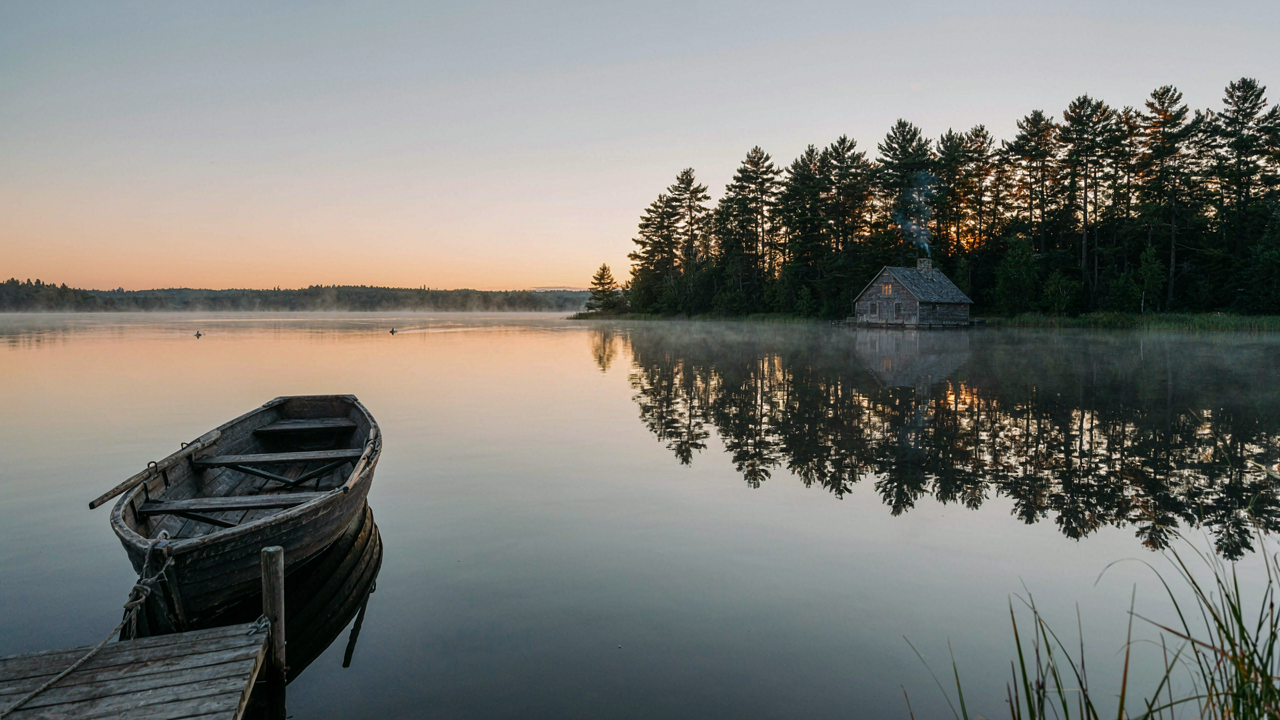
The Illusion Of Escape: Why Your Lakeside Cabin Getaway Fails

You’re Booking The Wrong Problem
You want to believe a cabin fixes your burnout. That’s the real reason you’re reading this. The mechanism is simple: you’re treating location as a cure when the issue is behavioral. A lakeside cabin doesn’t rewire how you work or think. It just relocates your habits to a different zip code. Most people arrive with the same phone, email, and anxieties they left behind. The scenery changes. Nothing else does.
The gap between expectation and reality kills more cabin trips than weather or logistics. You imagine silence and presence. You arrive and immediately fill the void with the same distractions that drove you to book the cabin in the first place. Your brain resists stillness. It always has. A lake doesn’t override that. You have to design the stay before you arrive, not improvise it once you’re there.
The Cost Of Showing Up Unprepared
Unpreparedness is economics in disguise: you’re paying full price for a location you can’t actually use. Most people discover midway through that the cabin lacks basic infrastructure for their actual needs. No reliable internet means you can’t work remotely like you planned. Poor insulation means the heating fails in shoulder seasons. Inadequate kitchen equipment turns meal prep into frustration. You’ve already paid. Now you’re burning time solving problems instead of experiencing what you booked.
The hidden cost isn’t just money. It’s the mental friction that destroys the purpose of the getaway. You spend the first day troubleshooting. By day two, you’re compromising on why you came. By day three, you’re mentally calculating the refund or already planning to leave early. The antidote is basic: contact the property owner two weeks prior with specific questions about utilities, heating systems, kitchen tools, and connectivity. Request photos of the actual setup. Ask about seasonal limitations. This ten-minute conversation prevents forty-eight hours of silent resentment.
Beyond Instagram: Identifying Your True Lakeside Cabin Needs

What Actually Matters At A Cabin
You’re scrolling cabin rentals imagining yourself as someone else, and that’s the trap. You want the identity of a person who does solitude well, not solitude itself. The mechanism is simple: you confuse the aesthetic with the function, then book something that looks right but feels wrong because it doesn’t match how you actually spend time.
Start by naming what you do alone. Not what you think you should do. Not what photographs well. Do you read for four hours straight, or do you get restless after thirty minutes? Do you cook elaborate meals or microwave leftovers? Do you need a view or do you need a desk? Your cabin type follows your actual behavior, not your aspirational self-image.
Cabin Type Matches Your Real Isolation Style
Think in terms of constraint, a concept from systems design. Constraints force behavior. A one-room cabin without Wi-Fi removes your escape routes. A sprawling house with multiple rooms lets you fragment your attention across spaces. You don’t choose the cabin that looks best in photos. You choose the one whose constraints match your isolation goal.
If you chase deep work, you need a cabin with one central room and minimal comfort distractions. If you want to recover from burnout, you need outdoor access without forced activities. If you’re testing ideas or writing, you need silence you can’t negotiate with. The wrong cabin type doesn’t fail because it’s uncomfortable. It fails because its structure undermines your stated purpose before you arrive.
The Logistics Leverage: Engineering A Seamless Lake Cabin Arrival

Pre Arrival Planning Eliminates Chaos
You care about this because you’re terrified of arriving at a cabin to discover something broken, missing, or wrong. Military logistics operates on a single principle: reduce friction between decision and execution. Apply that to your cabin arrival and you eliminate the gap between leaving your car and actually relaxing.
Contact the property owner or manager 48 hours before arrival. Confirm water pressure, heating, electricity, Wi-Fi status, and key pickup. Request a photo walkthrough of the kitchen, bathroom, and main living areas. Ask about parking, gate codes, and trash collection schedules. Document everything in writing. This isn’t paranoia. This is front-loading problems before they become your problem.
Remove Friction Before You Arrive
The common advice says to “pack everything you need.” That’s incomplete. You need to stage your arrival so nothing requires decision-making when you walk through the door. Stock the cabin with essentials before you arrive when possible, or arrange delivery the day prior.
Confirm bedding is clean and ready. Verify towels are stocked. Check that bathroom basics (soap, toilet paper, paper towels) are in place. Test the shower temperature remotely if the owner can assist. Arrange groceries for the first night through a local delivery service or pre-shop and request the owner refrigerate items. Your friction-free arrival is measured in how many steps you can skip between entry and settling in.
Unplugging Protocol: Mastering Digital Detox In Your Cozy Log Cabin

The Setup Before Arrival
You want to feel like you’ve earned a break without the guilt of actually unplugging. That’s the real mechanism at work here. Most people sabotage their own cabin trips by arriving unprepared, then white-knuckling through the first 36 hours while their phone buzzes. The solution is mechanical: establish friction before you leave home. Notify your contacts of your blackout window. Set your email to auto-reply. Delete the apps you’ll mindlessly open. Your nervous system doesn’t reset because you’re somewhere quiet. It resets because you’ve eliminated the option to revert to old patterns.
The cabin’s isolation works like negative pressure in physics—it abhors a vacuum. If you don’t fill that space intentionally, your brain pulls you back toward digital stimulation. This isn’t about willpower. It’s about architecture. Configure your phone to disable data entirely, not just silent it. Turn off push notifications before you leave your house, not when you arrive. The friction you create now determines whether you actually disconnect or just pretend to while stress-checking your messages.
Attention Reclamation Through Structure
People pretend boredom is the enemy of disconnection. It’s actually the tool. When your mind doesn’t have external input to chase, it stops reaching for your phone. The mistake most cabin visitors make is arriving with vague intentions to “relax”—then they panic at the absence of stimulation and regress. Instead, design specific activities that demand your attention without devices. Reading a physical book works. So does woodworking, cooking from scratch, or long walks with a notebook. Your brain needs something to do. Give it tasks that can’t be interrupted.
The real work happens on day two or three, when the novelty wears off and your dopamine circuits scream for input. This is where most people crack and start hunting for wifi. Establish a protocol: physical activity in the morning, focused task in the afternoon, social time or observation in the evening. Anchor yourself to the cabin’s rhythms instead of digital ones. Check the weather. Notice light changes. Eat when hungry, sleep when tired. Your attention doesn’t return because you’ve relaxed into acceptance. It returns because you’ve replaced one structure with another—and the new one actually serves you.
The Lake Superior Effect: Maximizing Waterfront Cabin Experiences
Why Water Changes The Nervous System
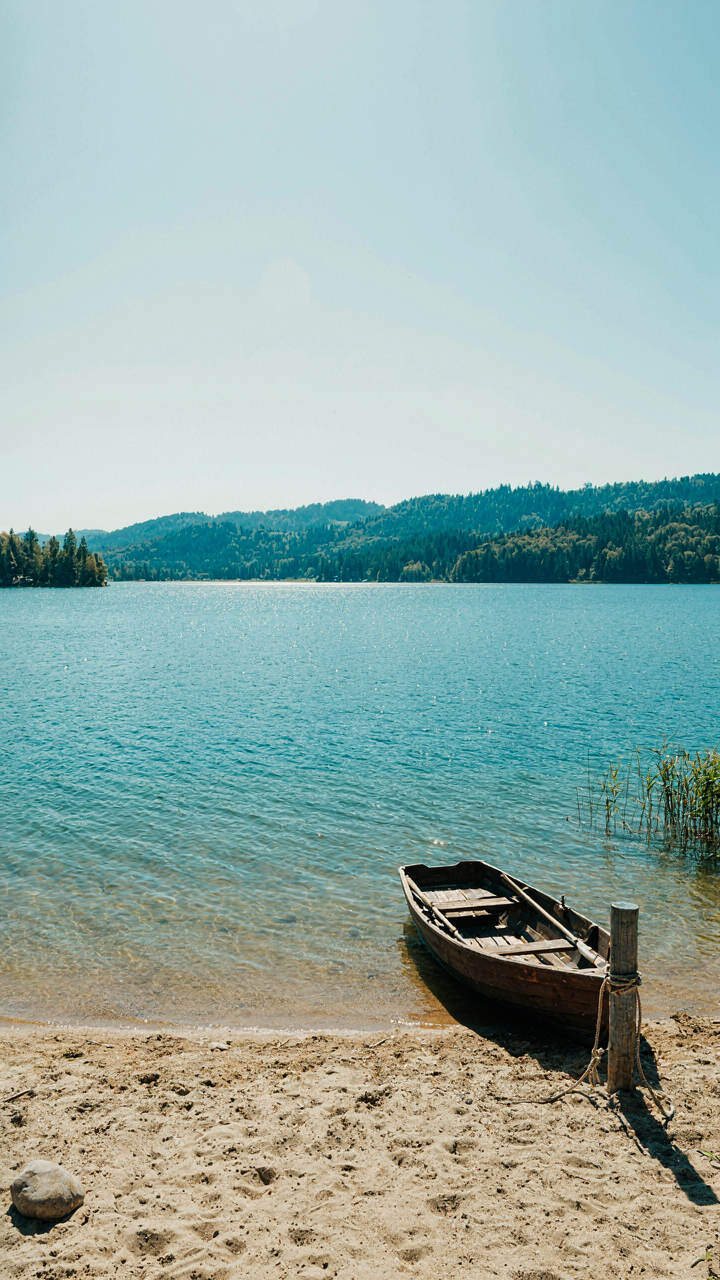
You want to believe a cabin stay fixes you because you’re burned out and scared a weekend won’t be enough. The mechanism is simpler: water bodies regulate your parasympathetic nervous system through predictable sensory input. Neuroscience shows that consistent, non-threatening stimuli like wave patterns and water sounds lower cortisol measurably. Lake proximity isn’t spiritual. It’s biological. Your cabin placement relative to the shoreline determines how much ambient sound reaches you without effort.
Set your cabin within earshot of the water, ideally fifty to two hundred feet back. Closer than fifty feet creates wind and spray interference. Farther than two hundred feet loses the acoustic benefit. Open windows facing the water at night. This positions you in what environmental psychologists call “soft fascination” territory. Your attention relaxes without collapsing into sleep. The water does the regulatory work your nervous system normally fights to do alone.
Sensory Saturation Without Overwhelm
Everyone says “disconnect and recharge,” which is corporate wellness speak that avoids naming what actually happens. Overload recovery works through sensory dominance, not sensory deprivation. Biological systems prioritize novel input. A lakeside cabin forces your brain to process water movement, light refraction, and ambient sound over the notification signals that normally hijack your attention.
The key is positioning. Arrange your cabin’s main living space facing the water. Eliminate view-blocking trees between the cabin and shoreline where possible. Morning and evening light angles matter most, so check the sun’s path at your specific latitude before booking. Place seating to capture the water view without requiring you to turn or adjust. The passive visual dominance keeps your brain occupied with real-time pattern recognition instead of mentally drafting emails. This isn’t meditation. It’s attention redirection through superior stimulus.
The Getaway Cabins’ Resourcefulness Imperative
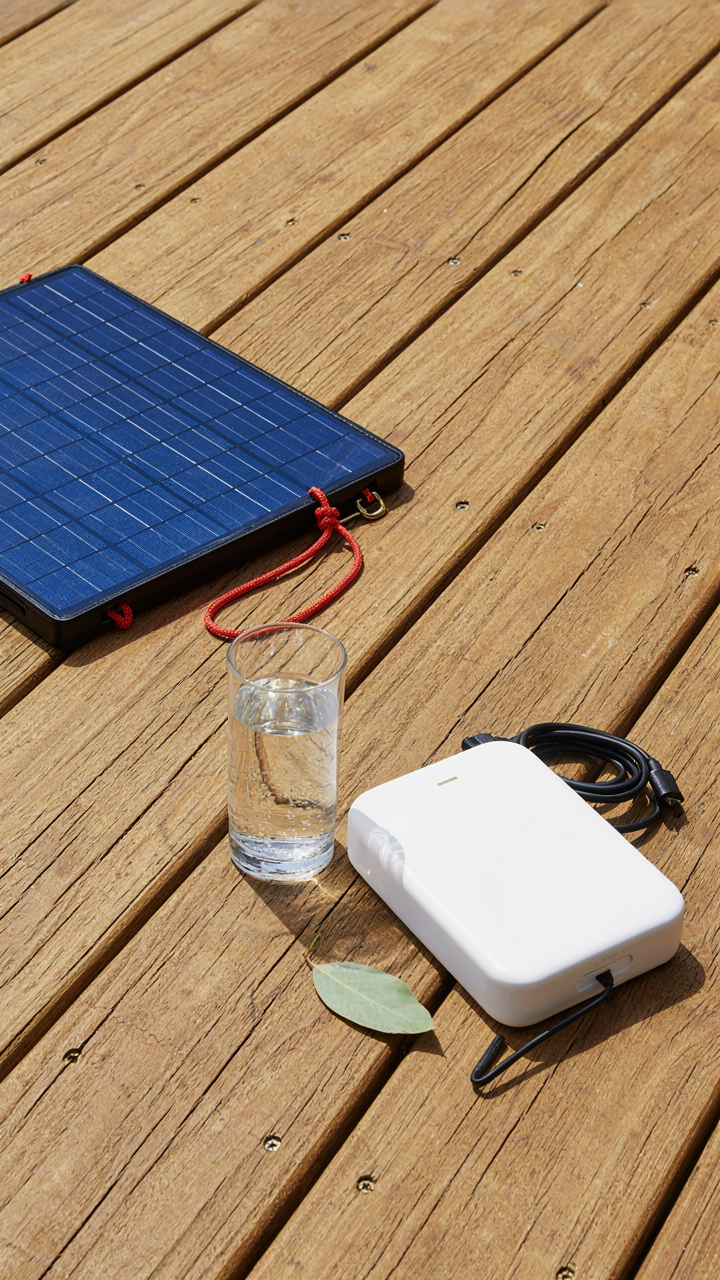
Gear That Actually Stops Problems
You want to feel prepared so you can relax without that nagging anxiety in the background. Here’s the mechanism: remote cabins fail in predictable ways, and most people pack wrong because they conflate “camping gear” with “cabin backup systems.” You’re not roughing it. You’re preventing the specific failures that strand you without power, water, heat, or communication.
- Battery bank with solar panel: Keeps phones and flashlights charged when grid power drops. Choose capacity rated for at least 48 hours of phone use. Solar ensures recharging without a generator.
- Manual water pump or gravity filter: Handles contamination or supply interruption. Fits in a backpack. Pumps work when electricity fails, filtration removes particles and bacteria without power dependency.
- Propane camping stove with fuel canisters: Cooks and boils water independent of the cabin’s main system. Bring double what you think you’ll use. Most cabin fires start from improvised heating methods.
- First aid kit with prescription refills: Remote areas mean hour-plus drives to pharmacies. Include antibiotics, pain management, and any personal medications in sealed waterproof containers.
- Headlamp and backup flashlights: Battery failure happens. Bring redundancy. Headlamps free your hands during emergencies when you need them most.
Pack these before packing entertainment. Every item solves a specific failure mode that kills comfort or creates risk. Check functionality before arrival. Dead batteries in an emergency kit are worse than no kit.
Self Sufficiency Without Delusion
Remote cabin living teaches you fast: systems break, help arrives slowly, and your capability ceiling is the actual limit. Most people romanticize “disconnection” while secretly relying on the cabin owner’s infrastructure and proximity to town. That’s not self-sufficiency, that’s borrowed stability.
Real self-sufficiency means understanding the cabin’s core systems before arrival, knowing which failures you can fix and which require evacuation, and maintaining supplies that let you function for 5 to 7 days without external input. Test your water supply on day one. Locate the electrical panel and backup generator. Know the heating system’s fuel type and reserve level. Learn how to restart the septic system if it backs up. When you can troubleshoot instead of panic, you’ve moved from guest to operator.
Beyond Aesthetics: Function Over Form In Lakefront Homes
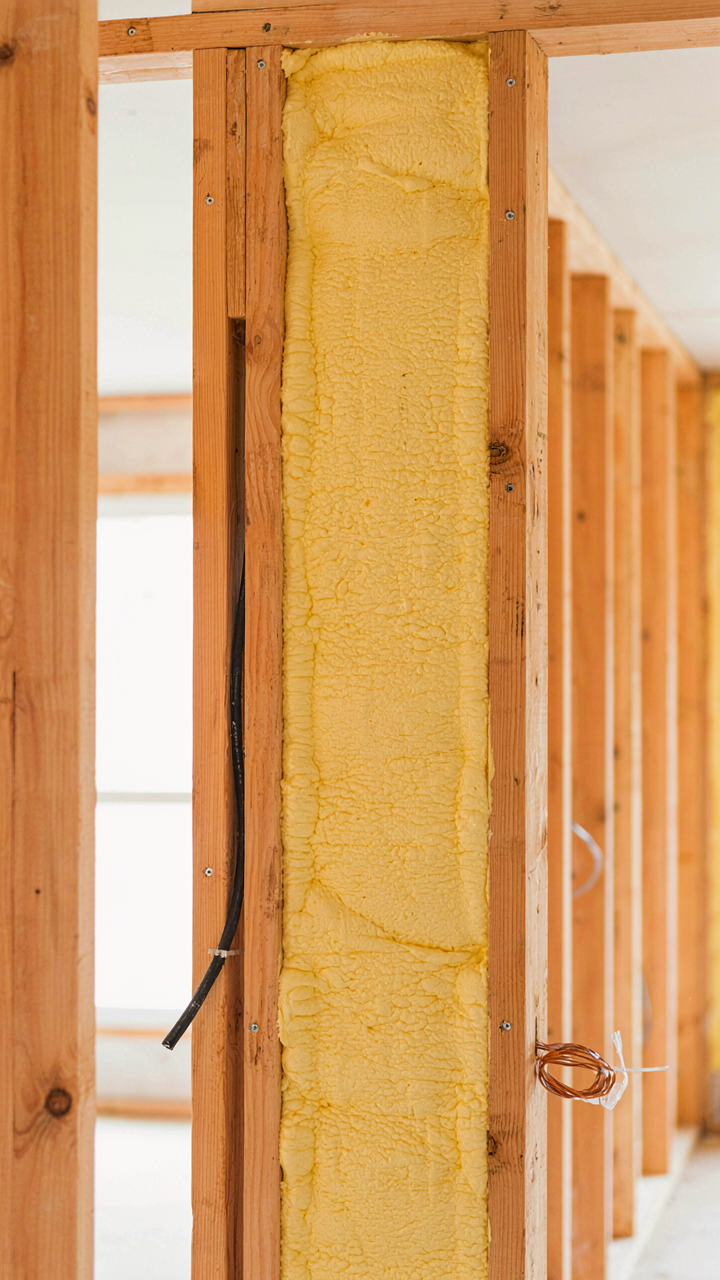
The Layout That Actually Works
You want the cabin to look good in photos because you think that’s what matters. It’s not. The mechanism is simple: a poorly designed floor plan burns energy, creates dead zones, and forces you into friction every single day. Lakefront cabins face unique constraints—water access, elevation changes, wind exposure—that demand layout decisions rooted in how people actually move through space, not Instagram angles.
Start with the thermal load. Heat escapes fastest through windows and doors, so entry points should cluster on one side of the cabin, ideally facing away from prevailing winds. The living area needs proximity to the kitchen and bathroom without creating a hallway maze. Bedrooms go upstairs or in wings where noise from the main space doesn’t carry. Water views matter less than sight lines to the exit.
Mechanical Systems Built For Isolation
Efficiency in a natural setting isn’t about being green—it’s about not freezing or running out of hot water on day three. Lakeside locations mean no municipal infrastructure. Your systems must work independently and fail safely. Propane heaters, tankless water heaters, and backup generators aren’t luxuries; they’re load-bearing walls of the experience.
Insulation thickness matters more than material choice. Foam, fiberglass, or cellulose all work; what matters is R-value matched to your climate zone and water table depth for frost lines. Ventilation prevents moisture buildup in walls—the slow killer of cabins. Install mechanical ventilation with heat recovery, not just passive air leaks. Plumbing runs need heat tape in freeze zones. Test your entire system in cold season before you rely on it.
The Cabin Living Manifesto: Cultivating A Mindset For True Rest

Vacation Is Not The Point
You want permission to feel like you’re doing something meaningful instead of just escaping. That’s the real transaction happening here. The mechanism is this: vacation implies a return to your normal life unchanged. A cabin stay works differently because the environment itself forces behavioral change, which then rewires how you process time and attention.
Most people treat cabins like hotels with fewer amenities. They show up, scroll through their phone, watch the lake, then leave exactly the same. The shift happens when you treat the stay as a constraint that produces a specific outcome, not as downtime from your real life. Your actual life is happening right now at the cabin. The work waiting back home is the interruption.
What Simplicity Actually Removes
Everyone says embrace simplicity. Nobody says what simplicity removes: the cognitive overhead of choice architecture. Cabin living strips away options not because poverty is noble, but because decision fatigue tanks clarity. No restaurant menu means no 15-minute deliberation about lunch. No streaming services means no 40-minute hunt for content. No city noise means your brain stops context-switching involuntarily.
The real work is learning to tolerate this. Boredom is not rest. Boredom is your nervous system recalibrating after constant stimulation. When you stop fighting it and let the cabin’s emptiness work on you, something shifts around day three. Your attention span returns. You finish thoughts. You notice details you’d normally filter out. Bring one book, one project, or nothing. The mechanism: constraint produces focus through elimination of distraction pathways.
Legacy Of The Lakeside Cabin Vacation: Building Enduring Memories

What Actually Sticks With You
You want proof that your time mattered. That’s the real reason you care about memory-building at a cabin. The mechanism is simple: intentional activities create neural markers that resist decay. Passive time disappears. Structured experience stays. The difference is whether you enter the cabin with a plan or enter it hoping atmosphere does the work for you. Atmosphere does nothing without friction.
Friction comes from constraint. A cabin forces you into close quarters with limited distractions. This is the condition where real conversation happens, where skill-building happens, where boredom pushes you toward creation instead of consumption. You don’t build memories by relaxing. You build them by doing something that requires your attention in a place that removes your escape routes. The cabin’s isolation isn’t a feature for rest. It’s a feature for focus.
Identity Formation Through Temporary Immersion
Personal growth doesn’t require permanent change. Temporary immersion in a different environment rewires your self-perception faster than gradual lifestyle shifts. Think of it through the lens of behavioral economics: your identity follows your environment. A lakeside cabin is an environment that signals a specific version of yourself to your brain. You’re not the person scrolling in your office. You’re the person who reads, builds, cooks, or creates without an audience.
What you do repeatedly in the cabin becomes part of how you see yourself when you leave. If you spend a week writing daily at a desk overlooking water, you return home as “someone who writes.” Not “someone trying writing.” Not “someone interested in writing.” Someone who writes. That identity shift persists. It becomes the lens through which you make decisions for months after you leave. The cabin stay is the initial immersion that triggers the identity change. Repeat the stay and the identity hardens into something permanent.
The Real Obstacle Isn’t Finding A Cabin; It’s Escaping The Noise You Bring With You

Most people rent a lakeside cabin and bring their entire digital life with them. Phone notifications. Work emails. The constant hum of productivity. The cabin doesn’t fix you. Silence does. Before you book anything, commit to one rule: no screens after sunset. Not as a suggestion. As a non-negotiable. Pull the trigger on that reservation today, then delete the work apps from your phone. A cabin teaches you nothing if you refuse to be taught. You don’t need more nature. You need fewer distractions.