
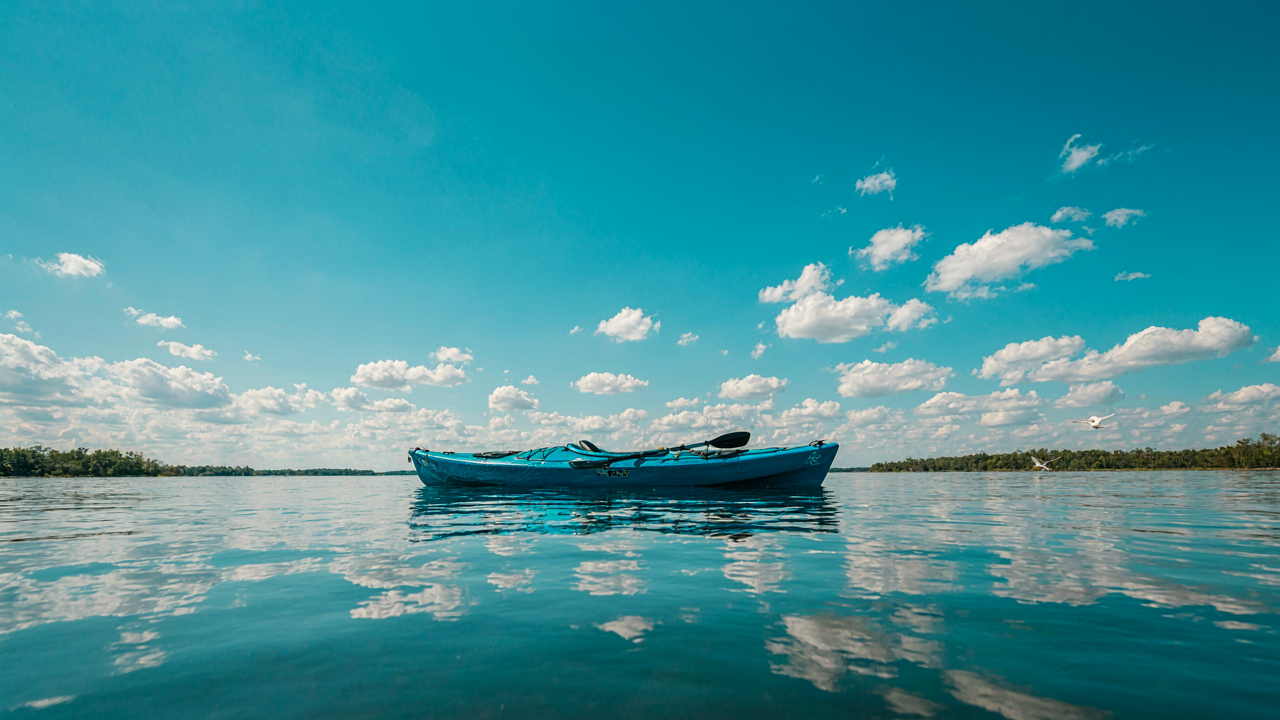
The “Adrenaline Bypass” Protocol: Why Novices Seek Chaos
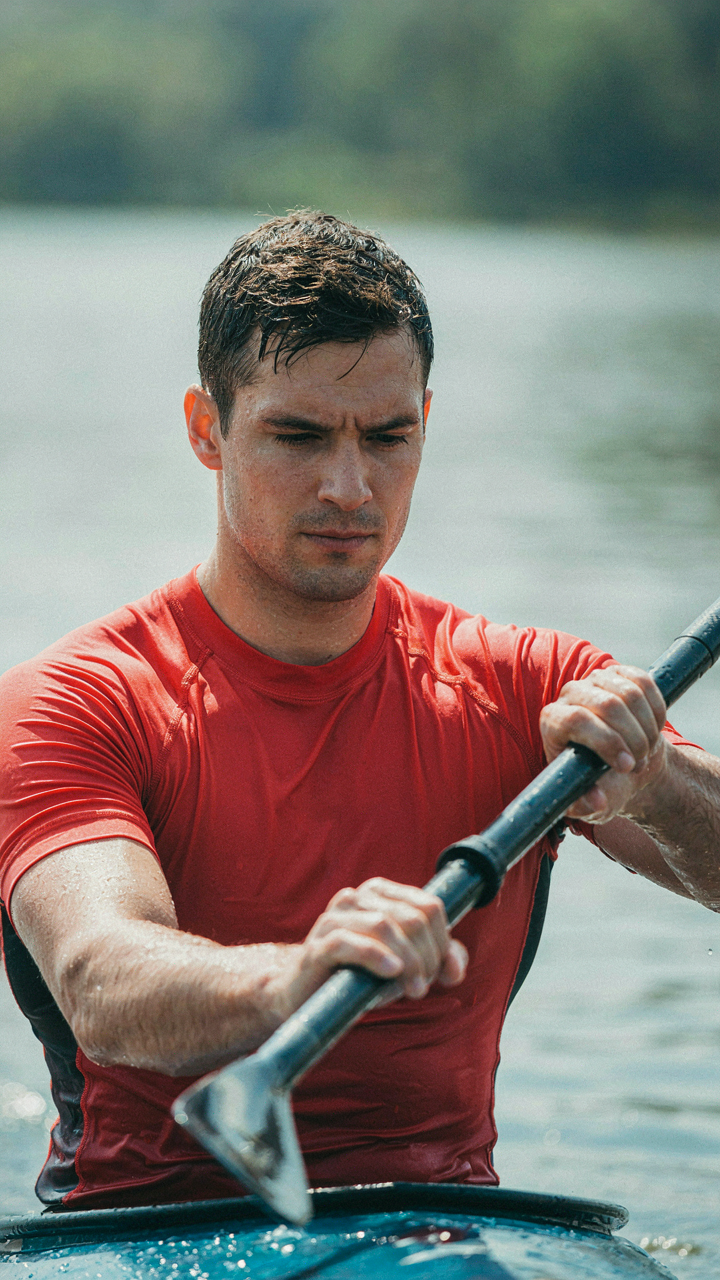
The Mistakes That Feel Like Progress
You want the rush without the skill because admitting you need practice feels like failure. Beginners confuse speed, whitewater difficulty, and distance with competence. They chase conditions that spike their heart rate instead of building the mechanics that keep them alive in those conditions. A fast heartbeat is feedback that you’re unprepared, not proof that you’re brave.
The gap between novice and intermediate paddlers isn’t courage. It’s edge control, bracing technique, and the ability to read current. Most beginners skip these because they’re boring. They paddle flat blades at high speeds, sit too high in the seat, and lean into turns instead of edging. Each error compounds. Speed magnifies mistakes into danger, which produces adrenaline, which feels like achievement. It’s a trap disguised as a shortcut.
The Psychology Of Escalating Too Fast

Risk tolerance follows the same curve as performance skill: both must rise together or you hit a wall. Borrowing from behavioral economics, we call this the “hedonic treadmill” but in kayaking it operates like structural load bearing. Your nervous system adapts to threat levels. After a few paddles in mild conditions, mild conditions stop producing adrenaline. So you pursue harder whitewater. But your boat handling hasn’t improved. The adrenaline spike comes from genuine danger, not from mastery.
Premature escalation kills paddlers because it disconnects sensation from reality. You feel alive in a Class II rapid because you’re out of control, not because you’ve earned the right to be there. The mechanism is simple: stop seeking the feeling and start building the skill. Do flat water drills for recovery strokes and edge transitions for two months before you touch current. Your future adrenaline rushes will be real because you’ll know exactly how much control you have.

Beginner Kayak Options: The Right Tool, Not The Flashiest
Stable Vs. Agile: Matching Boat To Intent
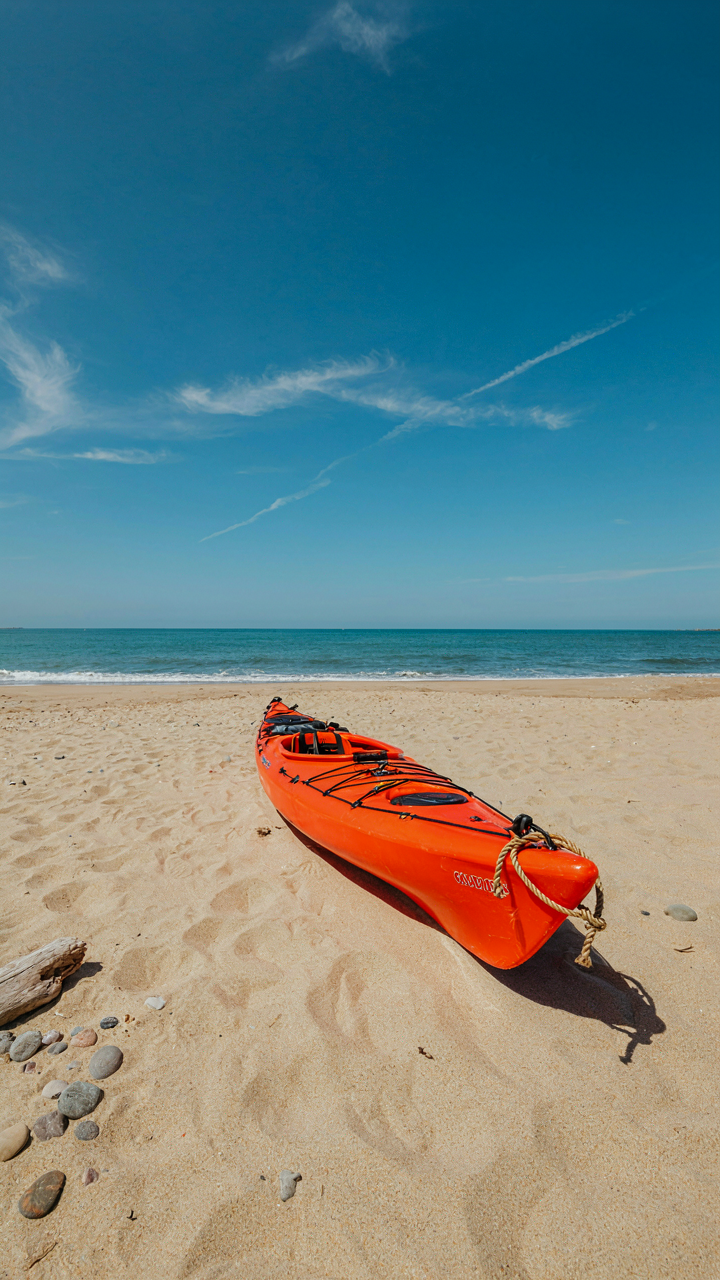
You want the kayak that makes you look competent on day one. That’s not a character flaw. It’s why most beginners chase stability when they should be mapping their actual intention onto hull geometry. A kayak’s stability trades directly against responsiveness, using the same lever-and-fulcrum physics that governs load-bearing structures. A wider, flatter hull resists tipping but fights your paddle input. A narrower, V-shaped hull responds instantly but demands constant micro-corrections.
If you’re chasing adrenaline, stability is the trap. Recreational kayaks max out width at 30 to 32 inches to keep you upright during mistakes. Touring and sea kayaks sit 24 to 28 inches across the beam because paddlers who travel distance need edge control and speed. The mechanism is simple: wider boats forgive poor technique. Narrower boats punish it immediately, which trains you fast. Choose based on whether you want to feel safe or actually improve.
Sit On Top Vs. Sit In: Decoding The Utility
Most advice treats this as preference. It’s not. Sit-on-top kayaks offer zero water retention and instant drainage. That matters if you’re paddling moving water, which is where beginner adrenaline seekers end up. Sit-in kayaks lock you in a hull with a skirt seal, giving you spray deck protection and lower center of gravity. But water gets inside. You have to pump or bail or capsize and swim.
Sit-on-tops dominate beginner adrenaline because they remove the capsize penalty. You tip over, you get wet, you climb back on. Sit-ins require rescue skills or a return to shore. If you’re planning to run moving water or chase current, a sit-on-top in the 9 to 10 foot range gives you the speed upgrade without the commitment overhead. Your first boat should match your willingness to swim, not your Instagram aesthetic.
How To Prepare For Kayaking: Beyond The Gear Checklist
Train Your Nervous System First
You want to feel in control on the water because losing control feels like failure. Here’s what actually matters: your nervous system’s response to environmental variables determines whether you make decisions or react in panic. Cold water, wind, current, and noise all trigger your sympathetic nervous system. Most beginners skip this entirely and show up unprepared neurologically.
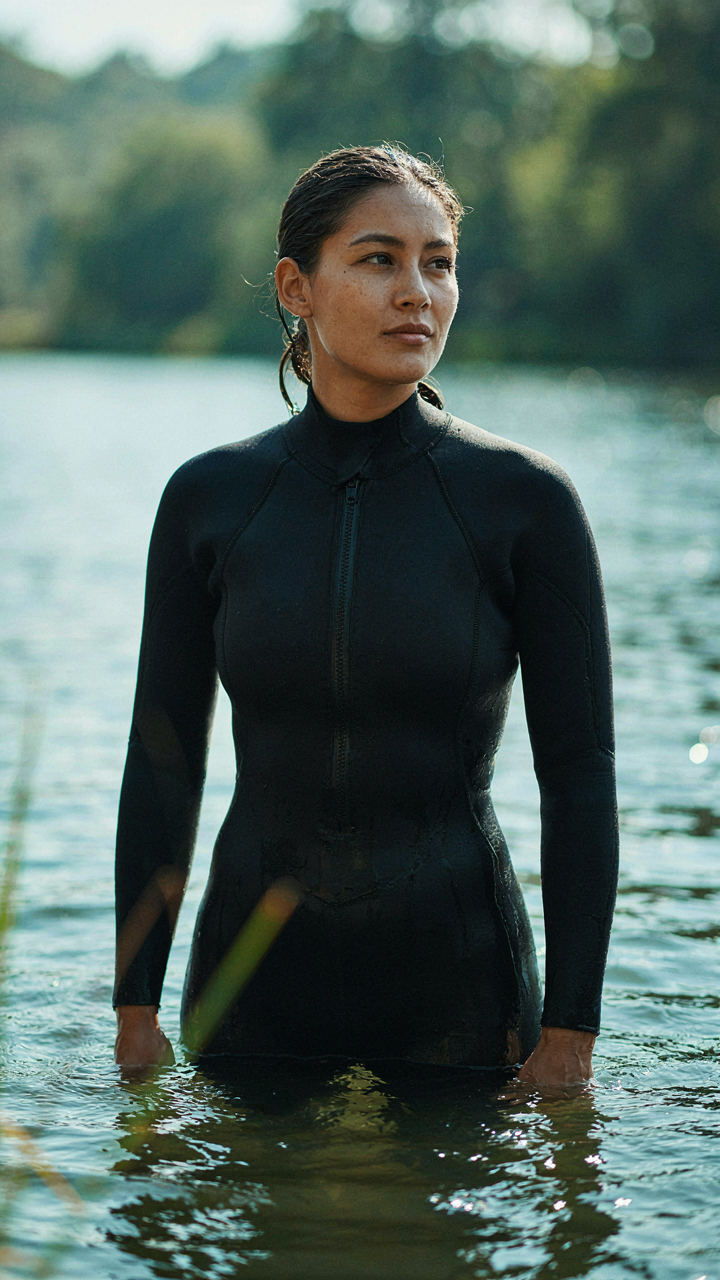
Desensitization works. Spend time in the environment before you kayak in it. Wade into cold water fully clothed in the weeks before your trip. Sit near moving water and listen to it. Practice breathing exercises in windy conditions. Your body learns to recognize these stimuli as normal, not threatening. This isn’t meditation or positive thinking. It’s literal nervous system recalibration through repeated exposure.
Run A Pre Mortem On Your Plan
Military strategists use pre-mortems to identify failure points before they happen. The mechanism works like this: assume your kayak trip already failed catastrophically, then work backward to identify why. This isn’t pessimism. It’s the fastest way to surface risks nobody mentions in generic checklists.
Ask yourself specific questions. What water conditions would end this trip badly? What equipment failure would be most dangerous? Where would I get into trouble fastest? Which of my skills would actually fail under stress? Write down each answer. Now map a specific response to each one. Not “be careful.” Actual protocols. If you capsize in cold water, you do X. If the wind picks up, you do Y. If you can’t paddle back, you do Z. This transforms vague worry into actionable contingency.
Kayaking Gear: Essentials Stripped Bare
Paddles: The Lever Between You And Speed
You want to think buying an expensive paddle makes you skilled. It doesn’t. The paddle is a lever, and like all levers in physics, its mechanical advantage comes from length and blade design working against water resistance, not from price tag. A mismatched paddle kills your efficiency faster than poor technique ever will.
- Length: Measured in centimeters, typically 200-230cm for recreational kayaks. Longer paddles give leverage on touring strokes. Shorter ones suit tight spaces. Your height and kayak width determine the exact fit, not preference.
- Material: Aluminum shafts are cheap, heavy, and absorb cold. Fiberglass and carbon fiber reduce fatigue over long paddles. Carbon costs more but matters if you’re paddling multiple hours weekly.
- Blade Shape: Wide blades push more water per stroke, useful for acceleration and rough conditions. Narrow blades require less effort per stroke, better for endurance and beginners building technique without shoulder strain.
- Blade Angle: Feathered blades reduce wind resistance on the recovery stroke. Unfeathered blades are simpler and better for learning because they build consistent muscle memory without compensation.
- Symmetry vs Asymmetry: Asymmetrical blades have a lower edge that catches water efficiently. Symmetrical blades work equally in forward and reverse strokes. Beginners should start symmetrical to eliminate variables.
Paddle weight matters more than material name. Hold two paddles. Pick the one that doesn’t fatigue your shoulders after thirty strokes. That’s the one you use, regardless of what it costs or what brand stamped it.
Personal Flotation Devices: Non Negotiable
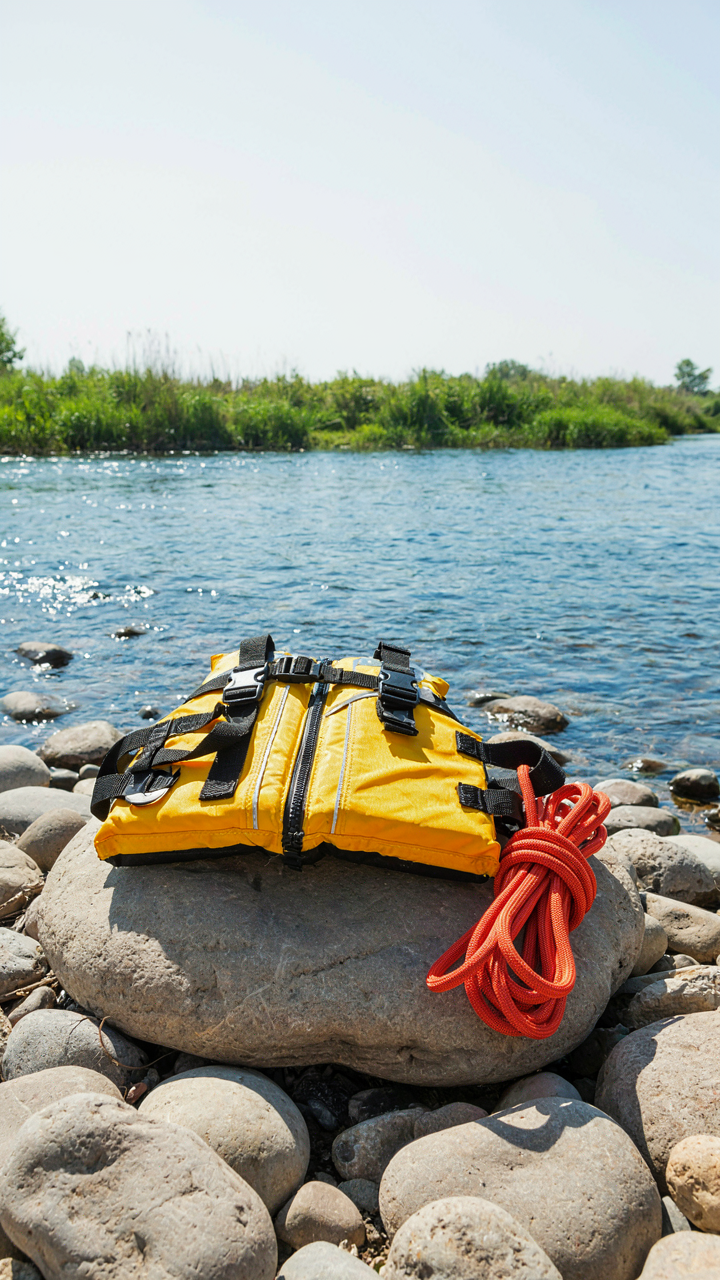
This isn’t a safety lecture you’ve heard before. A PFD doesn’t keep you alive if you don’t wear it, and you won’t wear it if it restricts movement or floods with water and drags you down. The mechanism is simple: a vest that fits your actual torso, not a generic size, stays on and functions when you need it.
Coast Guard approved PFDs for kayaking come in two practical types: inflatable vests that compress until deployed, and foam vests that stay buoyant always. Inflatables let you move freely but require manual or automatic inflation. Foam vests are bulkier but work without thinking. For beginners chasing adrenaline, a fitted foam PFD rated for your weight keeps you protected without overthinking deployment. Check the label. Match your body weight to the PFD’s flotation capacity. Wear it before you get wet.
Beginner Kayak Setup Tips: Efficiency Over Aesthetics
Footpeg And Seat Position Control
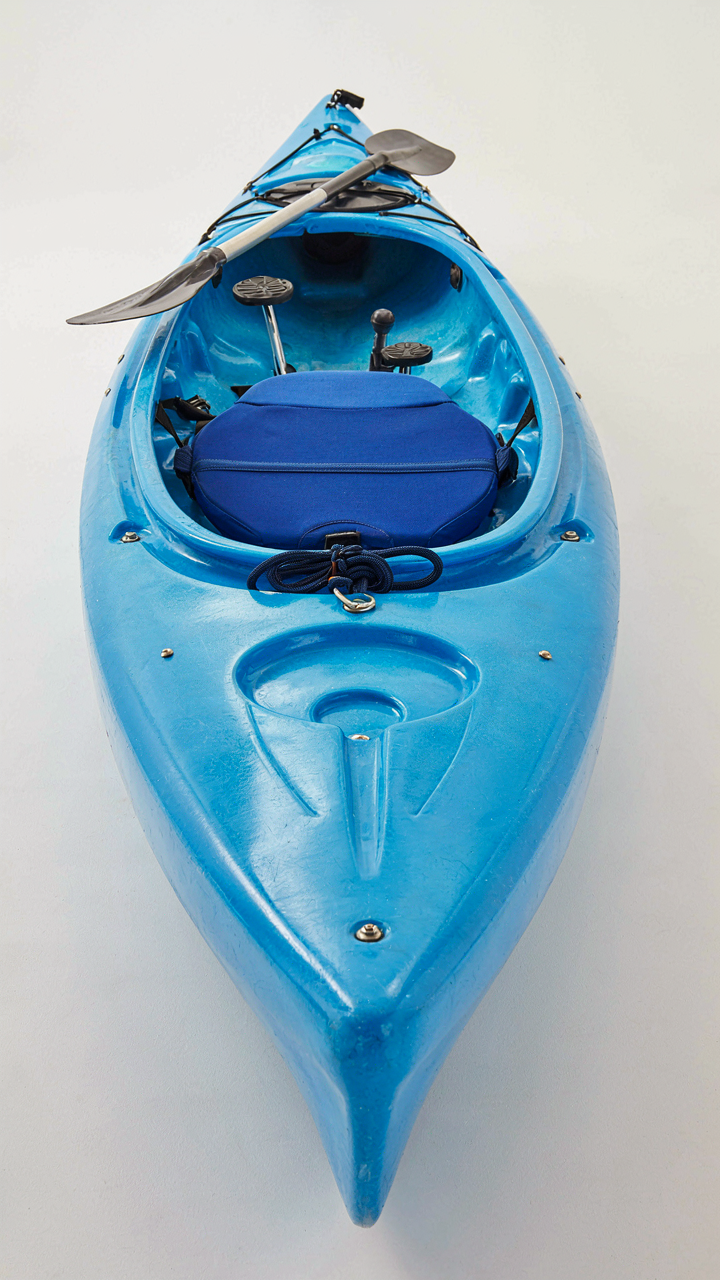
You want your kayak to feel like an extension of your body instead of a plastic bucket you’re stuck in. That’s not vanity—it’s the difference between control and panic when water gets rough. Your footpegs and seat position are your only mechanical connection to the hull, so they determine whether your legs stay locked or flail uselessly.
Most beginners position footpegs too far back or too close. Your legs should extend with a slight knee bend when your feet rest flat on the pegs. Too extended and you lose leverage; too cramped and you can’t brace or pivot. Adjust the seat forward until your hips feel centered over the kayak’s widest point, not rocked back like you’re lounging. This puts your weight where the hull handles best.
Weight Distribution And Stability Mechanics
Physics says a system is stable when its center of mass sits low and centered. Apply that to kayaking: your body weight determines how your hull tracks and responds to tilting. Most beginners sit too high or let their weight drift toward one rail, which turns the boat into a tipping pendulum instead of a platform.
Keep your weight centered over the kayak’s centerline and low in your seat. Your hips, not your shoulders, control the boat’s angle. When you feel an edge catch or the boat start to roll, the fix happens below your waist, not by throwing your upper body around. Test this by sitting still and gently shifting your hips side to side—the boat should respond immediately, smoothly, with no delay.
The Water Whisperer Principles: Basic Kayaking Tips
How The Forward Stroke Actually Works
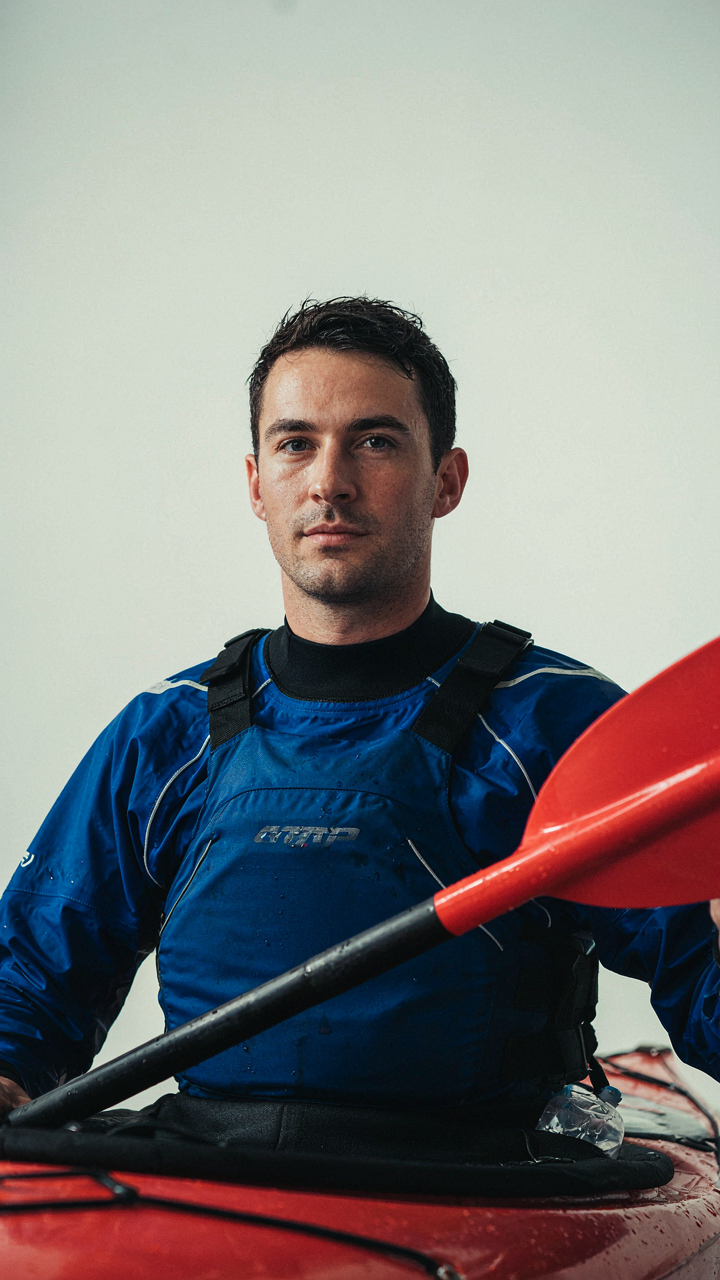
You want to look competent fast. The truth is most beginners think the forward stroke is an arm movement, which is why they tire out and go nowhere. It’s not. Physics calls this torque, and kayaking calls it rotational power. Your core muscles generate force by rotating your torso. Your arms stay relatively straight and transfer that rotation into the paddle blade.
The stroke sequence matters: rotate your torso, let your outside shoulder drive forward, plant the blade fully in the water near your toes, then unwind your hips like you’re screwing yourself forward. Your arms pull the paddle back, but they’re just levers. The power comes from your trunk unwinding against resistance. This is why fatigue signals poor form, not weakness.
Turning And Bracing Require Opposite Pressures
Most advice says lean into turns or “look where you want to go.” Both miss the mechanism. Bracing is the military term for defensive positioning, and kayaking borrows that concept: you use counter-pressure against the water to prevent a capsize. A high brace pushes the paddle blade flat against the water surface as you lean. A low brace does the same underneath the hull.
Turning works differently. You apply pressure through the stroke itself, not the lean. A sweep stroke reaches the paddle wider to rotate the boat. On flat water, you can turn by drawing the blade toward you on one side. The brace keeps you stable during the turn. These are separate skills. Master the counter-pressure feel first by practicing braces in shallow water, then add turning strokes once your balance stops being a panic reflex.
Beginner Kayak Maintenance Tips: Longevity For Performance
Keep Your Hull Clean Between Paddles
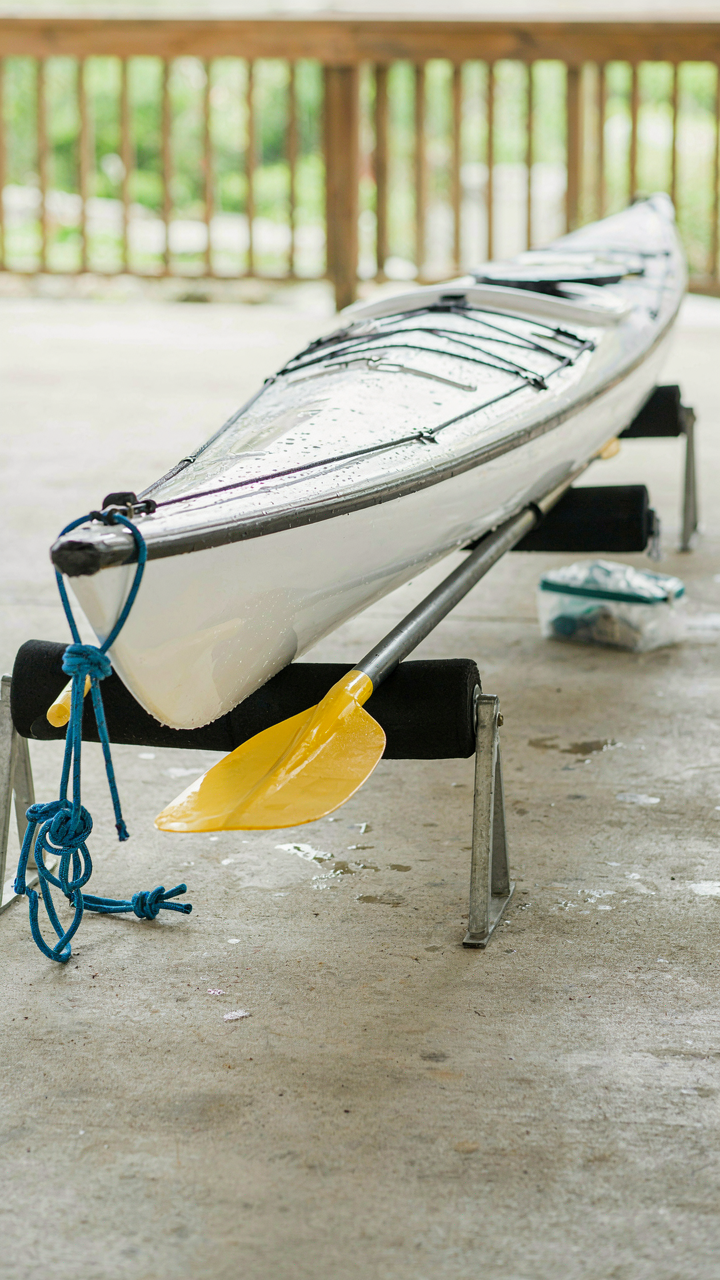
You want to skip this section because you think maintenance is what you do after the kayak falls apart. The real mechanism is simpler: UV rays and salt degrade polymer and fiberglass faster than impact ever will. Rinse your kayak with fresh water within two hours of paddling, especially after saltwater. Sun exposure oxidizes the hull material. Let it dry completely before storage. This extends usable life by years, not months.
Most beginners store wet kayaks in direct sun and wonder why the plastic turns brittle. Store in shade or cover it. Stack kayaks on padded racks, never flat on concrete for weeks. Concrete wicks moisture into the hull. Humidity causes internal delamination in fiberglass boats. Check storage conditions monthly. The kayak deteriorates fastest when it sits idle in bad conditions, not when you’re using it hard.
Inspect The Hull For Stress Cracks
Cracks reveal load patterns. Stress fractures form where force concentrates, and in beginner kayaks that’s usually around the cockpit edges and where the seat connects. Run your hand over the entire exterior hull monthly. Feel for rough spots, small fractures, or soft areas. A hairline crack in fiberglass spreads fast if water gets inside. Catch it early.
For plastic kayaks, look for permanent creasing or whitening along the keel line. This means the material is fatiguing. Small cracks under two inches can be sealed with two-part epoxy resin. Larger damage requires professional repair or replacement. If cracks reach the waterline or the structural seams, the kayak is unsafe. Stop using it. Take a photo, document the damage location, then decide repair versus replacement based on the boat’s age.
Escalating The Rush: When You’re No Longer A Beginner

Reading Water Like A Hydrologist
You want proof you’ve graduated. You want visible evidence of competence that impresses people watching from shore. The real mechanism is this: water tells you what it’s about to do if you can decode the language. Hydrology—the study of water movement—gives us the framework. Think of current like a river’s nervous system. Where the water accelerates, compresses, or changes color, energy is concentrated. These aren’t random. They’re predictable patterns created by depth, obstacles, and gravity.
The mistake beginners make is treating current as uniform. It isn’t. A single river section contains slow water near banks, fast water in channels, and dead zones behind rocks. Dynamic water—rapids, tidal flows, moving currents—amplifies these zones into obvious signatures. Boils (upwellings of water), seams (lines where two currents collide), and eddies (circular water movements) are the language you decode. Learn to spot them and you control your line instead of reacting to it. This is where the rush compounds: you’re not surviving the water anymore. You’re navigating it by intention.
Precision Strokes For Unstable Conditions
Advanced stroke work doesn’t mean flashy. It means exact. A draw stroke pulls your boat sideways. A brace stroke uses the paddle like a leg to catch yourself falling. A sculling stroke moves water under your blade without rotating your torso. In slow, forgiving water, sloppy timing doesn’t cost you. In dynamic water, it dumps you. The progression is mechanical, not mystical.
Build these strokes on flat water first until they’re reflexive. Then practice them in mild current where mistakes sting but don’t harm you. The goal is speed of response, not strength. Your paddle angle, blade depth, and hand position trigger the boat’s response. Most beginners power through strokes. Advanced paddlers calibrate them. Once these strokes live in your muscle memory, you can read water and respond in the same moment. That’s when kayaking stops feeling like fighting and starts feeling like control.
The Real Obstacle Isn’t The Water; It’s Your Impulse To Skip Fundamentals For Fleeting Highs
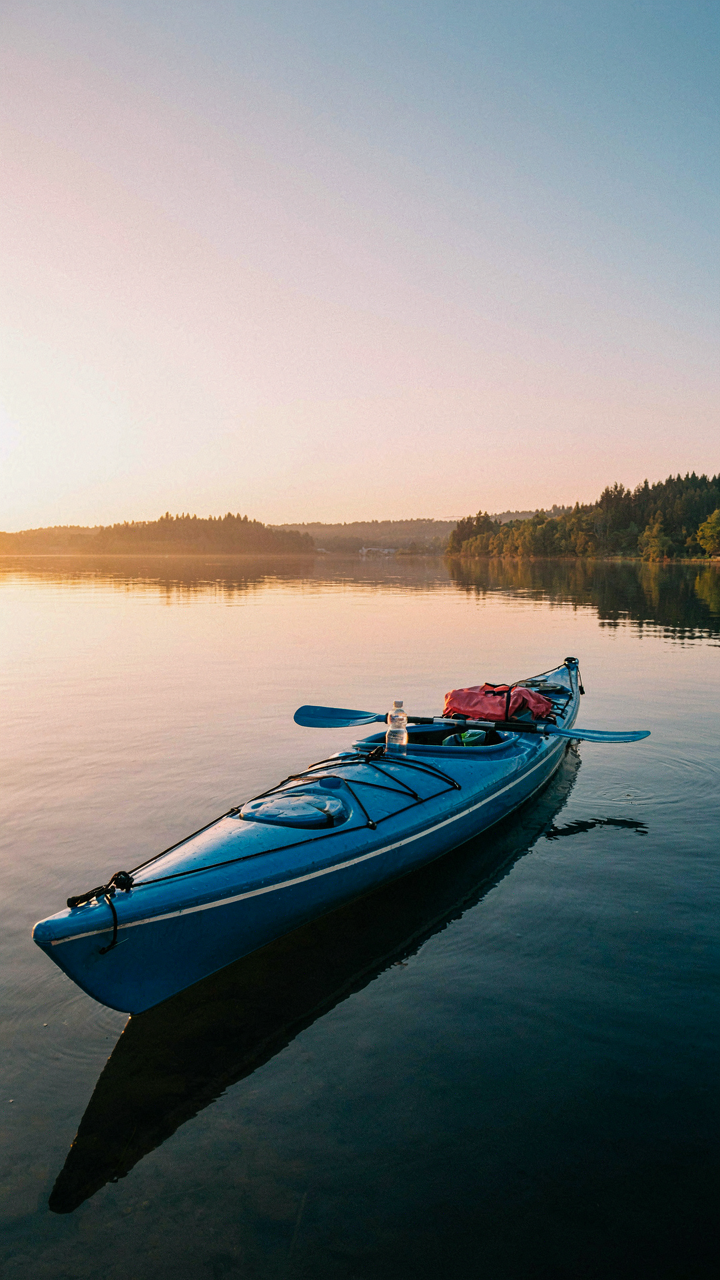
Every beginner wants the rush before they earn the competence. You’ll watch someone run whitewater after three lessons and think that’s the move. It’s not. Master flat water first. Nail your strokes, your balance, your exit strategy. Book one session this week on calm water with zero distractions. The adrenaline rush you actually want comes after you’ve already survived the one you weren’t ready for.