
Introduction
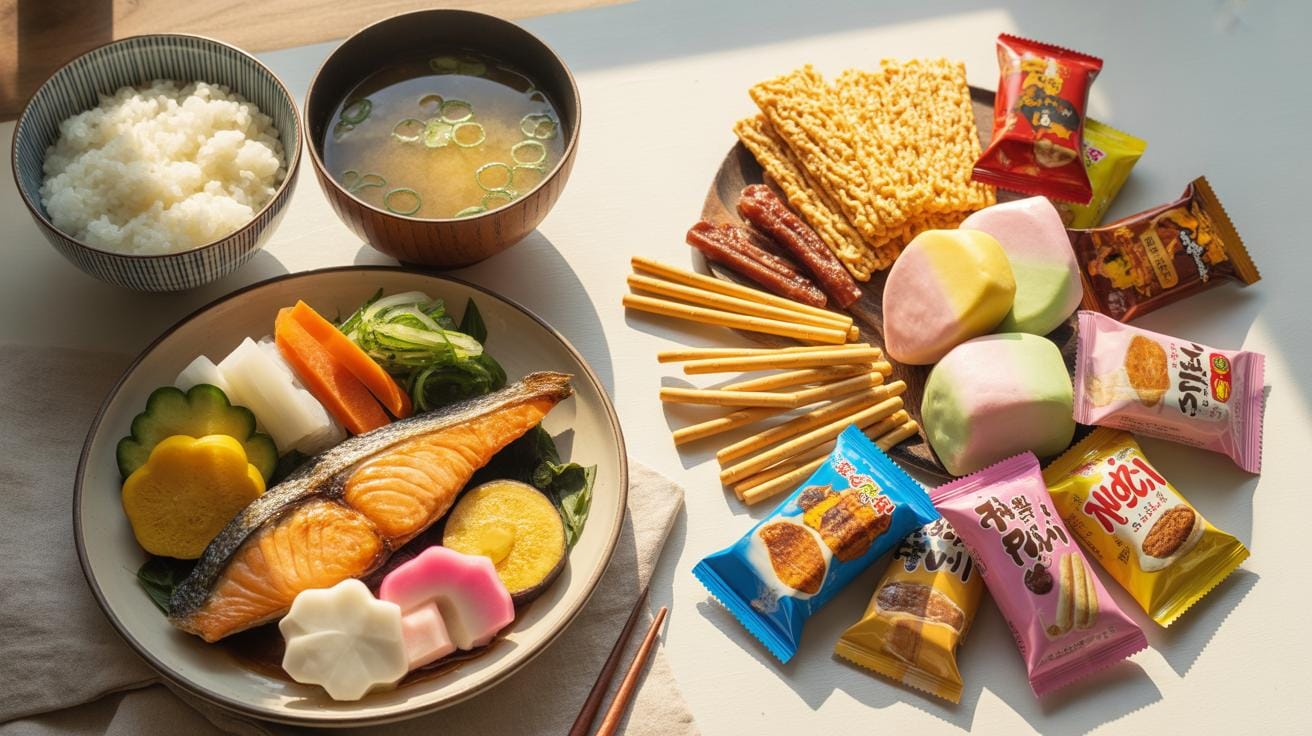
Japan food includes many traditional dishes made with fresh ingredients like fish, rice, and vegetables. These meals focus on balanced nutrition with proteins, carbs, and vitamins. Japanese snacks, on the other hand, range from sweet bean pastes to crunchy chips and candies. They are popular for quick bites but often have different nutritional profiles.
This article compares Japan food and Japanese snacks, focusing on their nutritional differences. You will learn how each fits into a healthy diet and what to watch out for when choosing snacks. Understanding these differences helps you enjoy Japan food and snacks wisely.
Overview Of Japan Food
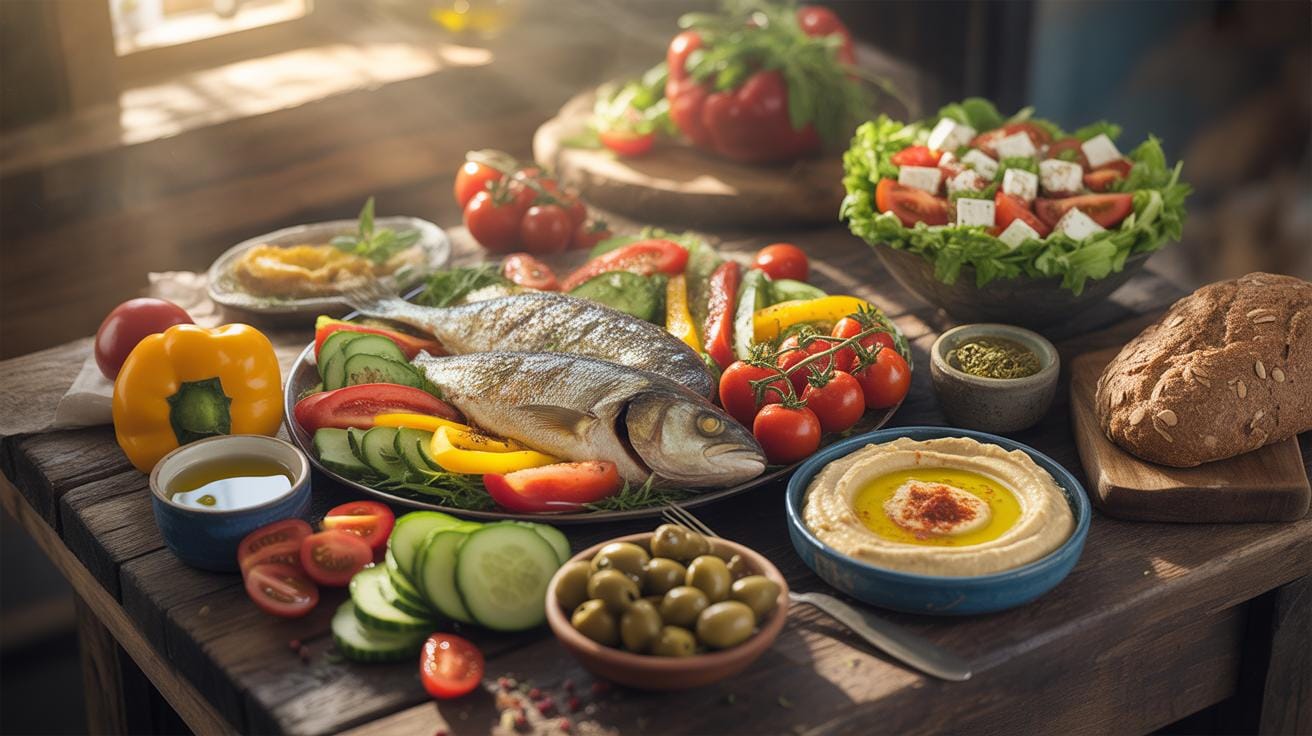
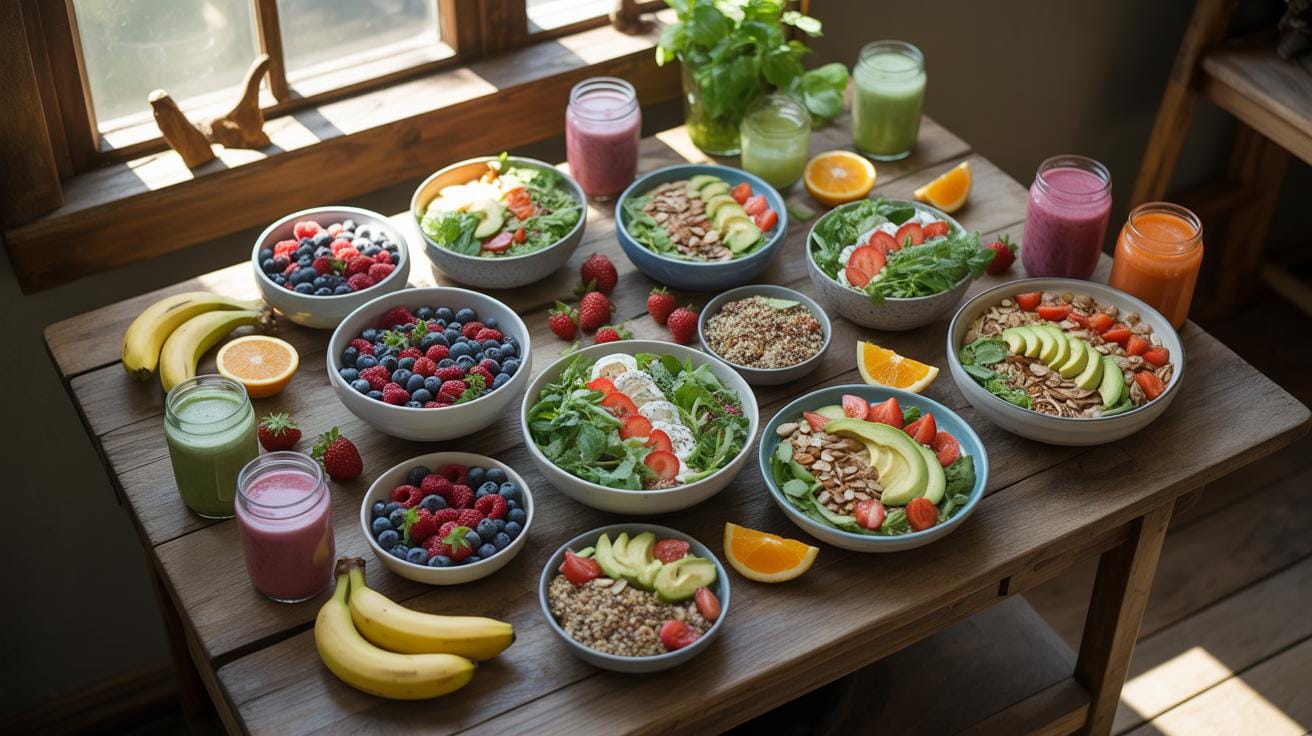
Traditional Japanese food centers around a few staple ingredients, mainly rice, fish, and vegetables. Rice typically forms the foundation of most meals, providing a solid source of carbohydrates. Fish serves as a primary protein source, often fresh and sometimes lightly cooked or even raw, like in sushi. Vegetables appear frequently, sometimes pickled, sometimes steamed or simmered, giving variety and a dose of vitamins.
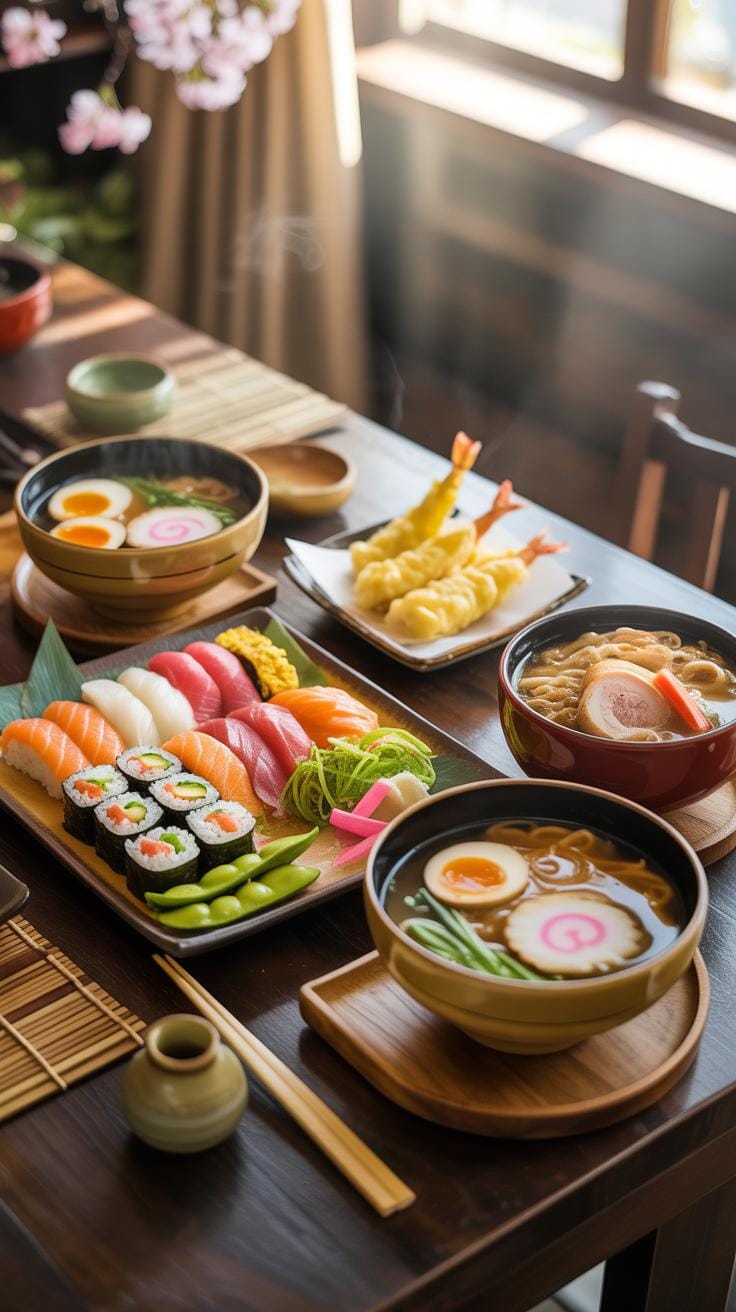
Common dishes include sushi, which you might think of as just raw fish and rice, but it can be quite complex. Then there’s miso soup—a simple broth with fermented soybean paste, tofu, and seaweed—that’s usually part of everyday meals. Tempura, batter-fried vegetables or seafood, adds a bit of texture contrast and flavor diversity. These dishes highlight Japan’s attention to seasonal and fresh ingredients, reflecting what’s available at different times of the year.
Japanese cuisine has a long history shaped by geography, culture, and religion. The emphasis on balanced meals—combining proteins, carbs, and vitamins—stems partly from Buddhist influences and an understanding, perhaps intuitive, that meals should support health and longevity. It’s not just about taste but nutrition and presentation, which often make the food feel a bit more thoughtful than you’d expect at a casual meal.
Common Ingredients In Japan Food
The key ingredients you’ll find often include:
- Rice: The cornerstone, providing energy through carbohydrates.
- Soy products: Like tofu and natto, offering plant-based protein and probiotics.
- Fish: Rich in omega-3 fatty acids and lean protein.
- Seaweed: Contains iodine, fiber, and micronutrients.
- Vegetables: Seasonal, usually lightly cooked or pickled for vitamins and minerals.
These ingredients aren’t just common—they fit together nutritionally. For example, soy provides protein without heavy fats, and seaweed adds minerals not often found elsewhere. The variety ensures meals are nutrient-dense without relying on processed foods.
Typical Meals And Their Nutrients
A classic Japanese meal might include steamed rice paired with grilled fish, a bowl of miso soup, and a few vegetable dishes, like pickled cucumbers or simmered root vegetables. The rice offers carbohydrates for energy, while fish supplies protein and healthy fats. Miso soup adds probiotics from fermented soy, which can assist digestion.
The vegetable sides contribute fiber, vitamins, and antioxidants, balancing out the meal. This kind of dietary pattern can feel light but filling. It avoids heavy sauces or excess oils, keeping calories moderate but nutrients high. Eating this way encourages portion control and mindful eating—even when meals vary day to day with the seasons or availability.
Have you noticed how this kind of meal often leaves you satisfied but not overly full? That might be why many find it sustainable over the long term, even if you swap dishes now and then. It’s a kind of balance that somehow feels natural once you get used to it.
Japan Food
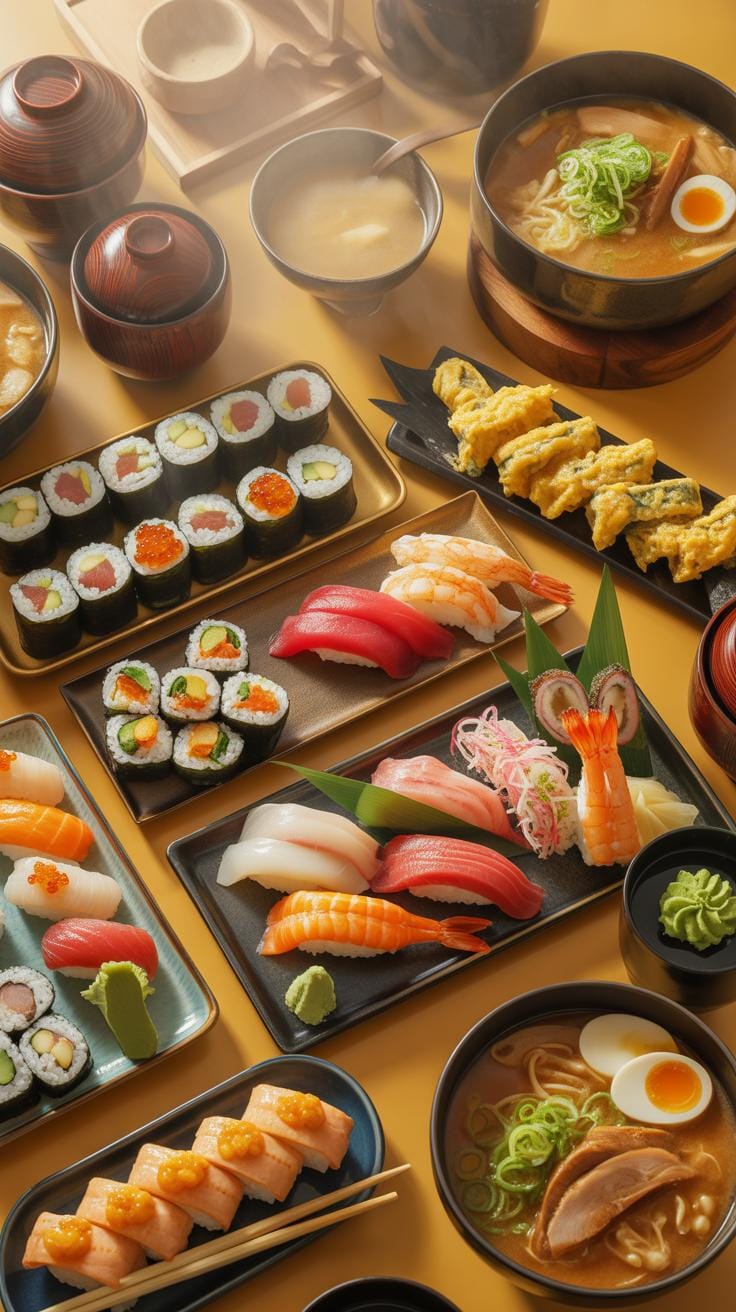
Japanese food goes well beyond what many people expect—it’s not just sushi or ramen. Meals in Japan often emphasize balance and seasonality. You’ll usually find a mix of rice, soup, pickles, and several small side dishes, rather than one large plate. This variety aims to cover a broad range of nutrients and flavors in moderate portions.
Take for example a typical meal plate: steamed rice is almost always there, sometimes alongside grilled fish or simmered vegetables. Soy-based products like tofu and miso soup also play a big role. Fish, fresh and prepared in various ways, provides much of the protein, while vegetables come both fresh and cooked. Meals tend to focus on natural flavors instead of heavy sauces or spices.
One thing I noticed is that Japanese meals tend to encourage mindful eating. The portions look reasonable, but they feel satisfying. This might be because you eat slowly or because each dish offers small bursts of flavor. It’s almost as if the food invites you to pause and appreciate rather than hurry through.
What stands out, too, is the cultural aspect—food is often shared and presented with care. Presentation matters, and so does variety on the table. You rarely see over-processed or overly sugary items in everyday meals. Instead, there’s a subtle emphasis on freshness and simplicity that shapes the nutritional profile.
So, compared to snacks, which are often quick and sometimes sweet or salty bites, full Japanese meals lay down a foundation of balanced nutrition. Yet, you might wonder if that balance always holds up in real life or if it’s partly just an ideal. It may differ from household to household, but the cultural template remains clear.
Health Impacts Of Japan Food
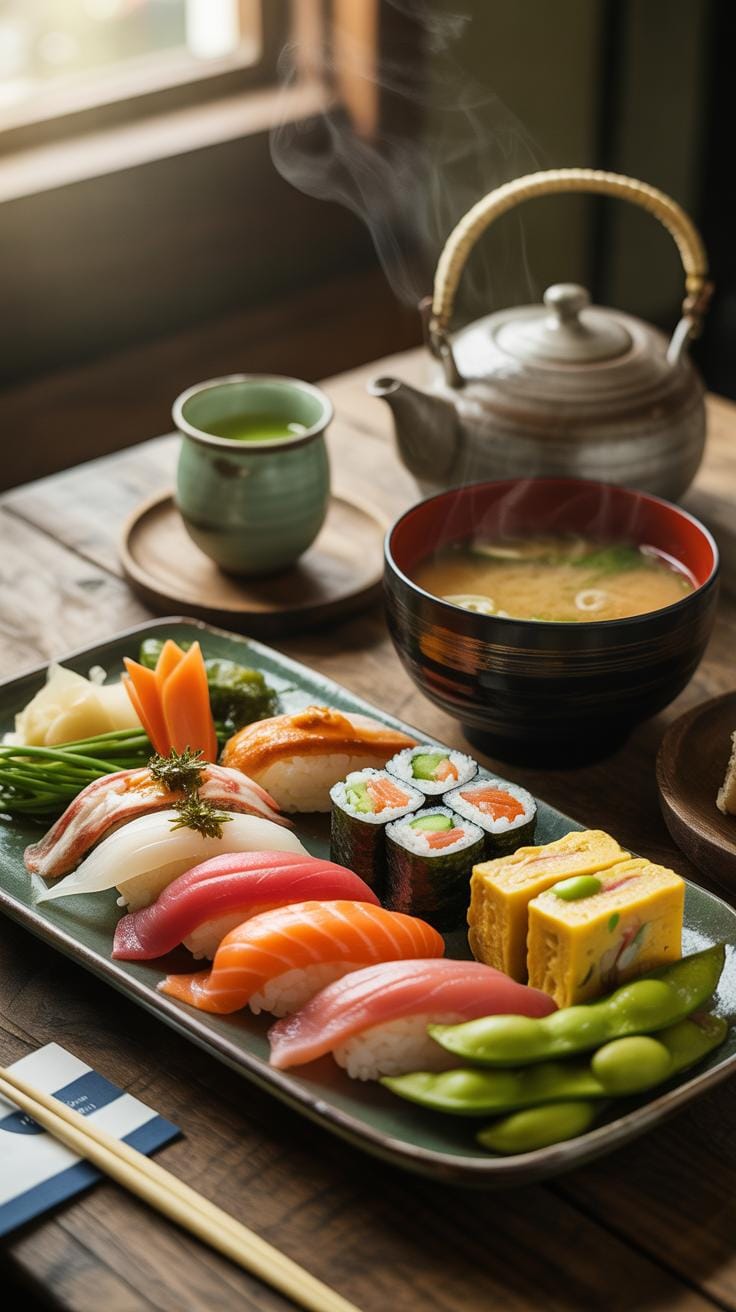
Japanese food tends to support health through a careful balance of nutrients and fresh ingredients that may seem simple but pack a punch. Meals often include proteins from fish, which provide omega-3 fatty acids—those fats that are good for your heart and brain. I’ve noticed how traditional dishes weave vitamins and minerals naturally into the meal, with vegetables that vary by season and local availability.
There’s something about eating the way the Japanese traditionally do, with small portions and variety, that feels connected to their longer life spans. It’s not just what they eat but how they eat it—slowly, with intention, which may also help digestion and well-being. Those nutrients, combined with fresh ingredients, may offer benefits beyond just filling you up.
The connection to longevity is complex, and while diet alone isn’t everything, Japan’s focus on balance, freshness, and variety in meals seems to play a role. Eating this way might encourage you to be more mindful of what you put on your plate too.
Benefits Of Balanced Meals
Balanced meals, like those centered around rice, fish, and vegetables, provide steady energy throughout the day. Rice serves as a reliable source of carbohydrates, supporting your body’s fuel needs without sudden spikes in blood sugar. Fish adds not only protein but those omega-3s again, which help maintain muscles and brain health.
Vegetables, often lightly cooked or pickled, add essential vitamins and fiber, aiding digestion and keeping you feeling full. This combination keeps energy levels more consistent than meals high in processed sugars or fats. Often, I find such meals leave you satisfied but not heavy or sluggish, which matters if you have a busy day ahead.
Role Of Fresh Ingredients
Fresh, seasonal ingredients play a key role in Japanese cuisine, influencing both taste and nutrition. Eating what’s in season often means getting more nutrients—foods picked at their peak contain more vitamins than those stored for long periods. This freshness can improve digestion and absorption since your body gets what it needs in a natural form.
Compared to packaged foods, fresh items usually have fewer preservatives or added chemicals, which might affect gut health negatively over time. Even if packaged foods try to mimic flavors, they rarely match the complex nutrient profile of fresh ingredients. It’s a subtle difference but could make a real impact on your well-being if you pay attention.
Freshness also means meals feel lighter and more satisfying. I find it easier to appreciate the textures and flavors when items aren’t masked by heavy processing. Maybe that’s part of why traditional eating habits endure—they’re in tune with natural cycles and tastes, something modern diets sometimes overlook.
Japan Food Versus Japanese Snacks
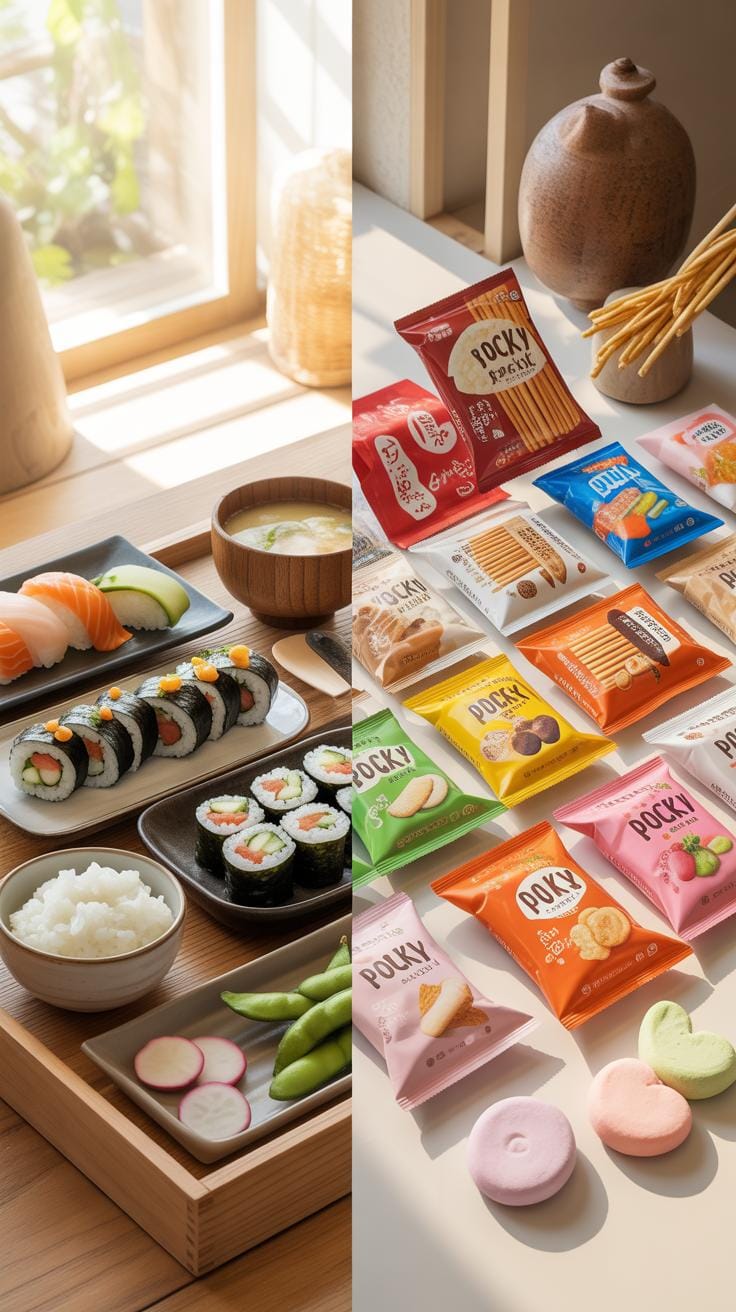
Traditional Japanese food often focuses on balance and simplicity. Meals typically include rice, fresh vegetables, fish, and fermented items like miso or pickles. These ingredients come together to provide a variety of nutrients without relying heavily on sugars or unhealthy fats.
For example, a typical Japanese meal might feature a bowl of plain white rice, grilled fish, a side of steamed greens, and some miso soup. This combination supplies protein, fiber, vitamins, and minerals while keeping calorie counts moderate. The emphasis is on natural flavors and fresh ingredients, rather than processed or heavily altered foods you might find in packaged snacks.
That said, not every traditional dish is low in salt—soy sauce and pickled items can pack quite a bit of sodium. But overall, the food culture encourages eating mindfully and often includes portion control, something snacks sometimes lack.
Japanese meals also tend to highlight seasonal and local specialties, which means menus shift throughout the year, offering diverse nutrient profiles. This changing variety helps prevent monotony and promotes a well-rounded diet over time.
While it’s tempting to view Japanese food as inherently healthier than snacks, preparation and context matter a lot. Some dishes might sneak in more fats or sugar depending on how they’re made or combined, but meals usually still encourage harmony among different food groups.
Balancing Japan Food And Snacks Daily
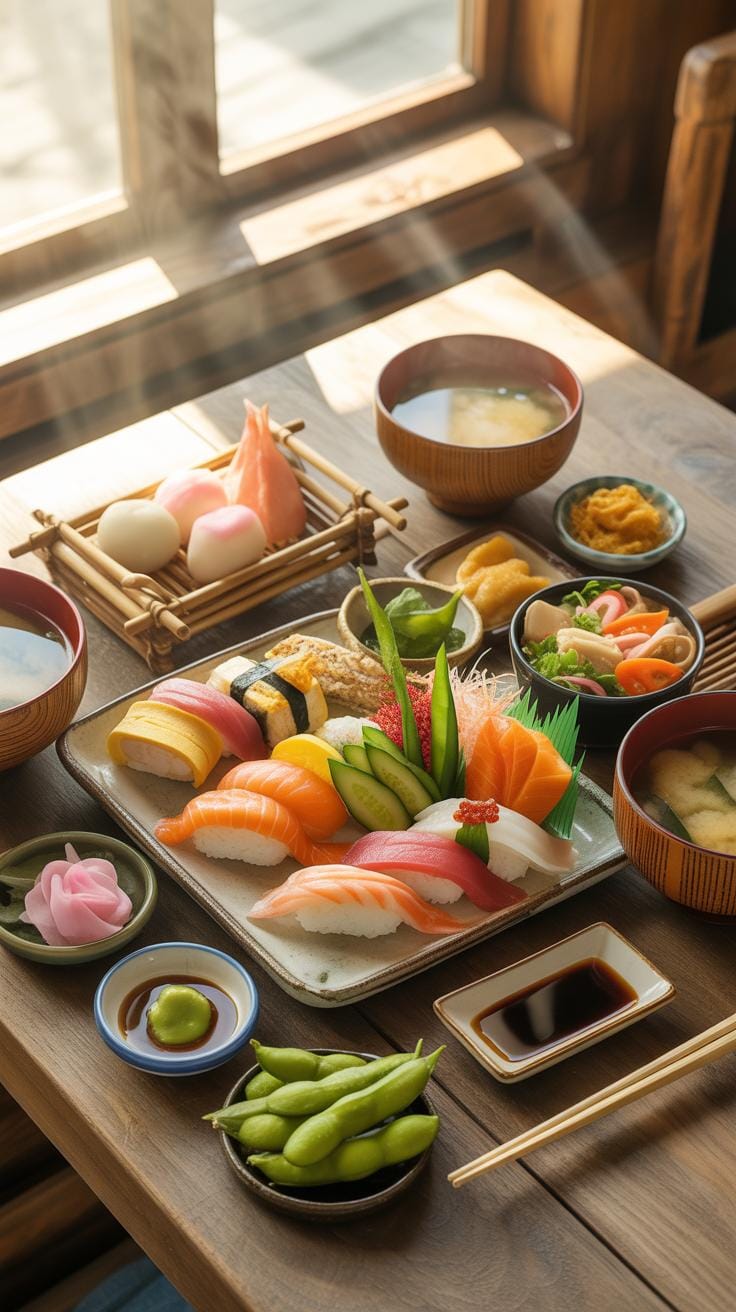
Combining traditional Japanese meals with snacks isn’t just about mixing different foods; it’s about striking a balance that supports your daily nutrition without tipping into excess. You might find that traditional Japan food—rice, fish, vegetables, and fermented items—forms a solid base packed with nutrients, protein, and fiber. These meals tend to slow digestion, keeping you fuller longer.
Snacks, on the other hand, can sometimes fill gaps or satisfy cravings, but they shouldn’t replace meals. Think of snacks as occasional complements rather than constant companions. So, how do you do that without constantly grazing throughout the day? One way is simple meal planning.
Try to plan your main meals with enough protein and vegetables to feel satiated for hours. If you do include snacks, choose those with fiber or protein, such as edamame or a small portion of natto on rice crackers, which align better with your meal’s nutritional goals. Timing also matters. Snacking right before a meal might dull your appetite, causing you to skip nutritious food, while snacking too long after a meal might boost unnecessary calorie intake.
Making a rough schedule—three main meals, one or two light snacks—can help your body anticipate energy intake and manage hunger signals. It’s a balance, really, and probably something you’ll adjust as you go along, noticing what feels right for you.
Conclusions
Japan food offers well-rounded meals with fresh, seasonal ingredients that deliver important nutrients. Meals like sushi, miso soup, and grilled fish provide protein, vitamins, and healthy fats. Japanese snacks can be tasty and convenient but often contain more sugars, fats, or salt. Balancing snacks with traditional meals keeps your diet healthy.
Choosing Japan food more often ensures better nutrition. When enjoying Japanese snacks, look at the ingredients and serving sizes. Small portions can satisfy cravings without impacting your health. Knowing these nutritional differences lets you enjoy both foods thoughtfully and maintain a balanced diet.