
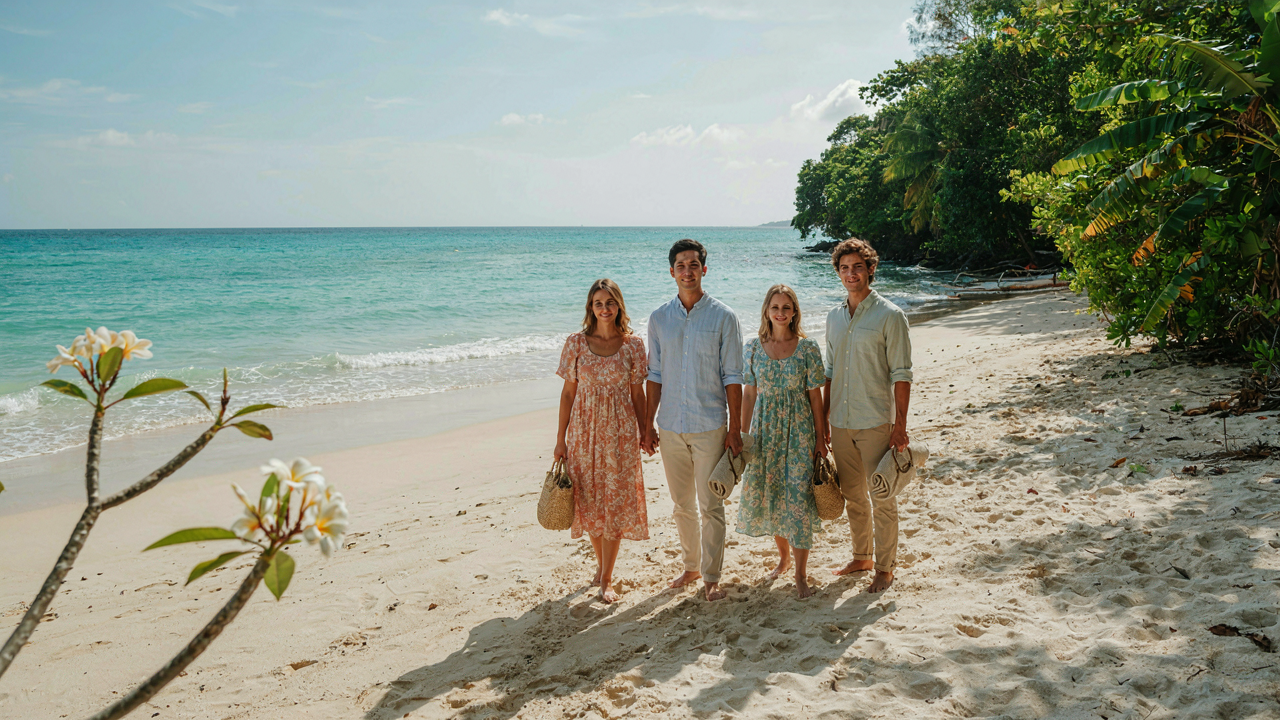
The Unseen Cost Of Popular Island Hopping Destinations

Overtourism Destroys What You Came For
You want to feel like you discovered something real, not visited a theme park version of nature. Here’s the mechanism: popular islands reach a tipping point where visitor volume exceeds the ecosystem’s regeneration rate. Coral reefs degrade from anchor damage and sunscreen runoff. Trails erode. Wildlife abandons predictable patterns. The destination becomes a photograph, not an experience. This isn’t opinion. It’s carrying capacity, a concept from ecology that applies directly here.
Most island hopping advice ignores this entirely. It just tells you where everyone else goes. The real move is recognizing that Bali, Palau, and the Maldives crossed their threshold years ago. The snorkeling you’ll experience in these places is objectively worse than it was a decade prior because the system degraded faster than recovery could happen. You still pay the same price for diminished returns.
The Instagram Trap Has A Built In Timer

Social proof is a terrible navigation system for discovery. When a destination gets tagged enough times, the algorithm floods it with people seeking that specific shot. This creates a feedback loop: more visitors, more damage, less authenticity remaining, yet the image stays the same online. You arrive expecting the curated version and find a crowded version instead. The moment a location becomes famous for being undiscovered, it stops being undiscovered.
The antidote isn’t finding the next undiscovered place on Instagram. It’s abandoning the framework entirely and using ecological data instead. Research which islands have lower visitor caps, stricter protection laws, and smaller tourism infrastructure. Places like Palau implemented daily visitor limits and fees specifically to reverse damage. Socotra in Yemen, Komodo in Indonesia, and certain atolls in French Polynesia maintain lower traffic because they’re harder to reach and more expensive to visit. The protocol is simple: if you can find detailed logistics about the island online, too many people are already going there.

Philippines: Beyond The Brochure
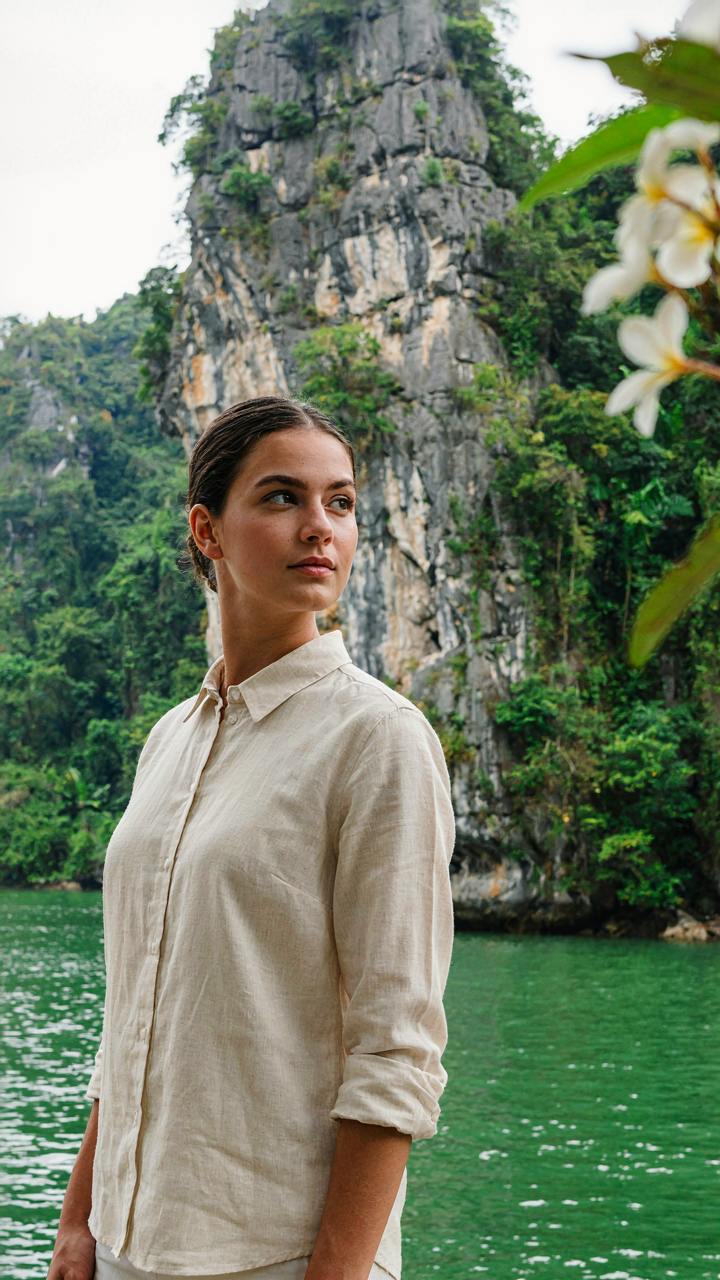
Palawan’s Lesser Known Wonders
You want Palawan because everyone else has the Instagram coordinates, which means you’re actually looking for proof that you went somewhere real instead of just somewhere famous. The mechanism is simple: Palawan gets crushed by tourism because it’s genuinely spectacular, but that concentration creates voids elsewhere on the island where the same geology and ecosystem persist untouched. The rock formations, underground rivers, and marine life don’t stop at the resort perimeter.
El Nido and Coron dominate because they’re packaged tour destinations with infrastructure. But venture to Taytay, north of El Nido, and you hit limestone cliffs with zero crowds. The same karst topography continues inland. Rent a boat locally rather than booking through hotels, pay half the price, and access the same water. The difference between tourist Palawan and actual Palawan is often just thirty kilometers and a willingness to skip the branded experience.
Visayas Hidden Gems For Genuine Encounters
Boracay and Cebu function as filters that push serious travelers toward islands where you can actually see the ocean floor. The Visayas use a dispersal pattern—smaller islands orbit larger population centers, creating a hierarchy where tourism money pools at the top while adjacent islands remain structurally identical but functionally empty. Jump that hierarchy and you keep the destination intact.
Siargao draws surfers to a specific break, which means the rest of the island operates normally. Siquijor has a tourism infrastructure built around mysticism and diving, but the interior stays rural and navigable. Negros Oriental runs parallel to Cebu geographically but pulls a fraction of the traffic. The water quality, reef systems, and marine biodiversity mirror the crowded islands exactly. Identify which islands feed the overflow from major hubs, then book those instead of fighting the original destination.
The Biomimicry Protocol: Adapting To Your Island Environment
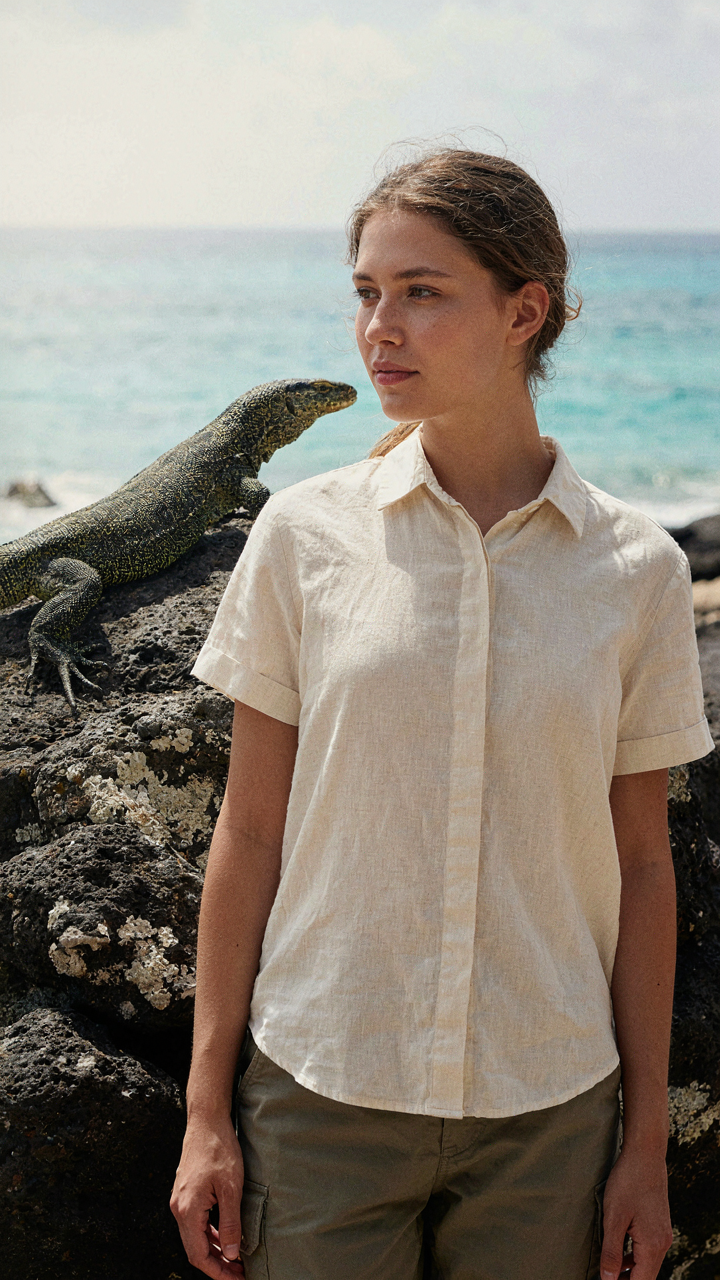
How Local Species Navigate Terrain
You want to feel like you’re traveling smart, like you’ve cracked some code others missed. Here’s the mechanism: evolution solves navigation problems faster than human trial and error ever will. Biology teaches us that organisms don’t fight terrain—they read it. Island species like rock crabs, frigatebirds, and monitor lizards move through volcanic rock, salt marshes, and dense canopy by following the path of least resistance. They’ve mapped the micro-topography through generations.
Study how local animals move through your specific island’s terrain before you move through it. Crabs navigate tidal zones by sensing moisture gradients and chemical signals in crevices. Birds scout thermal updrafts along cliff faces. Lizards use shadow patterns to time their runs across exposed ground. Watch a guide move through jungle, not because they’re mystical, but because their movement reveals where the ground is stable, where water flows, and where unstable terrain hides. Copy the route, not the mystique.
Selecting Gear Through Natural Selection
The conventional approach to island gear is wrong—you add items based on what sounds useful, not what survives the actual environment. Natural selection teaches us a blunt principle: redundancy dies first. On the Galápagos, equipment that works in multiple conditions outperforms specialized gear. Merino wool base layers regulate temperature in both humid coastal zones and cold highland passages. Reef shoes with drainage holes protect feet from sharp volcanic rock and sea urchins without becoming waterlogged. Quick-dry pants handle both jungle sweat and saltwater spray.
Eliminate gear that serves one purpose only. Test your equipment in the exact conditions you’ll face—not at home, not on a tame hike. Bring a pack that handles wet sand, salt corrosion, and UV exposure without degrading. Use titanium or stainless hardware on bags and boots. Apply this rule: if a piece of gear fails in one island microclimate, it goes. Your pack on day three should be lighter than your pack on day one because you’ll have discarded what doesn’t adapt.
Crafting Your 10 Day Philippines Nature Itinerary

The Route That Actually Works
You want proof your trip matters more than someone else’s Instagram post. Here’s the mechanism: the Philippines archipelago has 7,641 islands, but only 460 are inhabited. Most tourists waste days traveling between islands that look identical. Strategic sequencing means moving north to south or clustering by biogeographic zone, not by proximity alone. This cuts dead travel time and lets ecosystems compound your experience instead of diluting it.
Start in Palawan, move to the Visayas, then Mindanao. This routing follows trade winds and ferry schedules that actually exist, not fantasy connections. You hit three distinct ecosystems: limestone karst, coral triangle biodiversity, and mountainous rainforest. Each transition marks a real ecological shift, not just a scenic swap. The Puerto Princesa Underground River sits in the same limestone system as Coron’s lake tours, so you’re seeing variation within a zone before jumping to the next. This is how you actually retain what you’re seeing instead of experiencing island blur.
Skipping The Tourist Bottleneck
Everyone tells you to book everything in advance. That’s backwards for nature lovers in the Philippines. Fixed itineraries force you into crowded ferry times and peak-season congestion at the same three beaches. The real move is arriving in each hub with flexibility, then reading local conditions. Sea conditions, tide cycles, and guide availability shift weekly. A boatman in El Nido knows if Nacpan Beach is overcrowded today or if the wind makes the southern coves inaccessible.
Stay 2 to 3 nights in each major hub instead of one. Use the first night to scout operators and current conditions. The second day executes your planned activity. The third day either repeats what worked or pivots to what locals suggest. This rhythm lets you catch wildlife patterns you’d miss in a fixed schedule. Early morning jungle treks reveal more bird species and mammals. Evening kayaking in mangrove channels shows nocturnal feeding behavior. You’re not moving faster, you’re seeing more because you’re moving strategically, not compulsively.
The Art Of Solitude: Finding Undisturbed Nature
Where Silence Actually Exists
You want proof you chose right. That’s the real reason you care about finding truly tranquil spots. The mechanism is simple: most islands marketed as peaceful sit within established tourism zones. They’ve already been catalogued, rated, and filtered through Instagram. Real tranquility requires negative space—islands that fail the profitability test for major operators. Look for archipelagos where infrastructure is minimal, where ferries run weekly instead of daily, where the nearest resort is genuinely far. Places like the outer islands of French Polynesia or the lesser-known atolls in the Maldives require specific logistics, not just a booking engine.
Identifying true quiet means checking ferry schedules first, not accommodation reviews. Islands with limited transport options naturally repel crowds. Research which islands lack airstrips or scheduled flights. Cross-reference tourism boards—if an island doesn’t appear in their top ten recommendations, that’s a signal. Talk to local ferry operators directly. They know which islands get visitors and which don’t. The pattern holds across geographies: accessibility inverse correlates with solitude.
The Crowd Repellent Nobody Mentions
Season timing is surface-level advice. Real escape requires understanding what repels casual tourists. Monsoons, rough seas, and minimal amenities filter people out faster than distance. The Solomon Islands experience this naturally—most tourists avoid them during cyclone season, yet the weather window still permits safe island hopping if you know local conditions. Lack of wifi and cellular service works as a stronger barrier than you’d think. People claim they want peace but can’t handle three days without connectivity.
Visit during shoulder seasons when the logistics are harder, not just cheaper. Take ferries that operate on local schedules, not tourist timetables. Stay on islands where you cook your own meals rather than relying on restaurants. These friction points aren’t bugs—they’re features that keep the crowds thin. Friction is the mechanism that protects solitude. Apply it deliberately, and you stop competing with the 2,000 other nature lovers trying the same island that month.
Sustainable Exploration: Preserving Island Nature
What Actually Moves The Needle
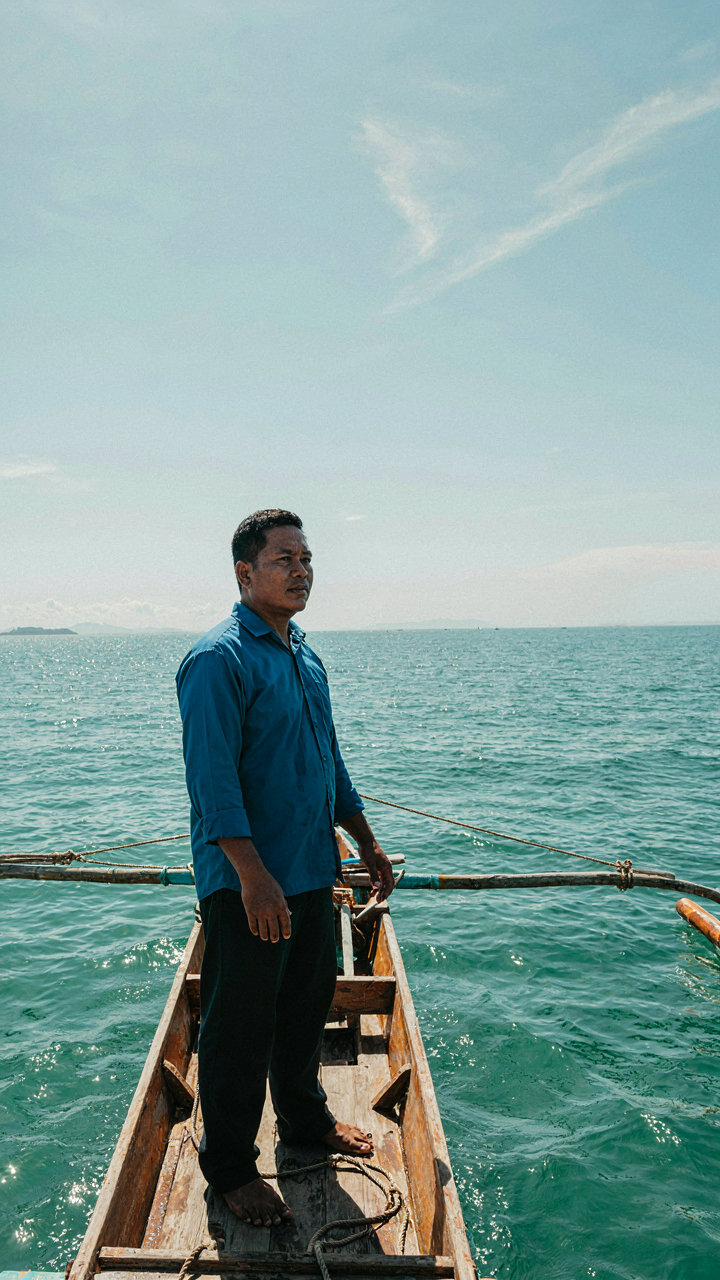
You want to feel like you’re helping. The mechanism that actually works is understanding that your money decides what gets protected or destroyed. The Philippines operates on direct economic incentives. Tourist dollars fund conservation because it outcompetes extraction. When you pay for a guide who knows the reef, you’re funding someone’s livelihood to keep that reef alive instead of dynamite fishing it for quick cash.
Local guides make more money year-round from live tourists than they do from one destructive fishing trip. That’s not sentiment. That’s math. Choose operators who employ locals as guides and boatmen. Verify they’ve been in place for years, not seasonal. Ask how many staff they retain off-season. This filters for operators whose business model depends on ecosystem health, not rapid depletion.
Funding What Actually Gets Protected
Conservation in the Philippines isn’t government-led most of the time. NGOs and private operators shoulder the load because bureaucracy moves slower than reef damage. Your booking choice funds one of three models: commercial operators running legitimate marine sanctuaries, community-managed protected areas where locals gate-keep their own resources, or research stations that track species recovery and enforce rules.
When you book through operators inside the Tubbataha Reefs National Marine Park or similar zones, your permit fee directly funds ranger patrols and equipment. These aren’t token parks. Rangers physically stop illegal fishing. The money has to flow consistently or the operation collapses. Book during peak season when your presence generates the most annual revenue for a single site. This concentrates funding where it matters most rather than spreading thin across dead seasons.
Capturing The Unseen: Beyond Tourist Photography
The Story Nobody Else Is Shooting
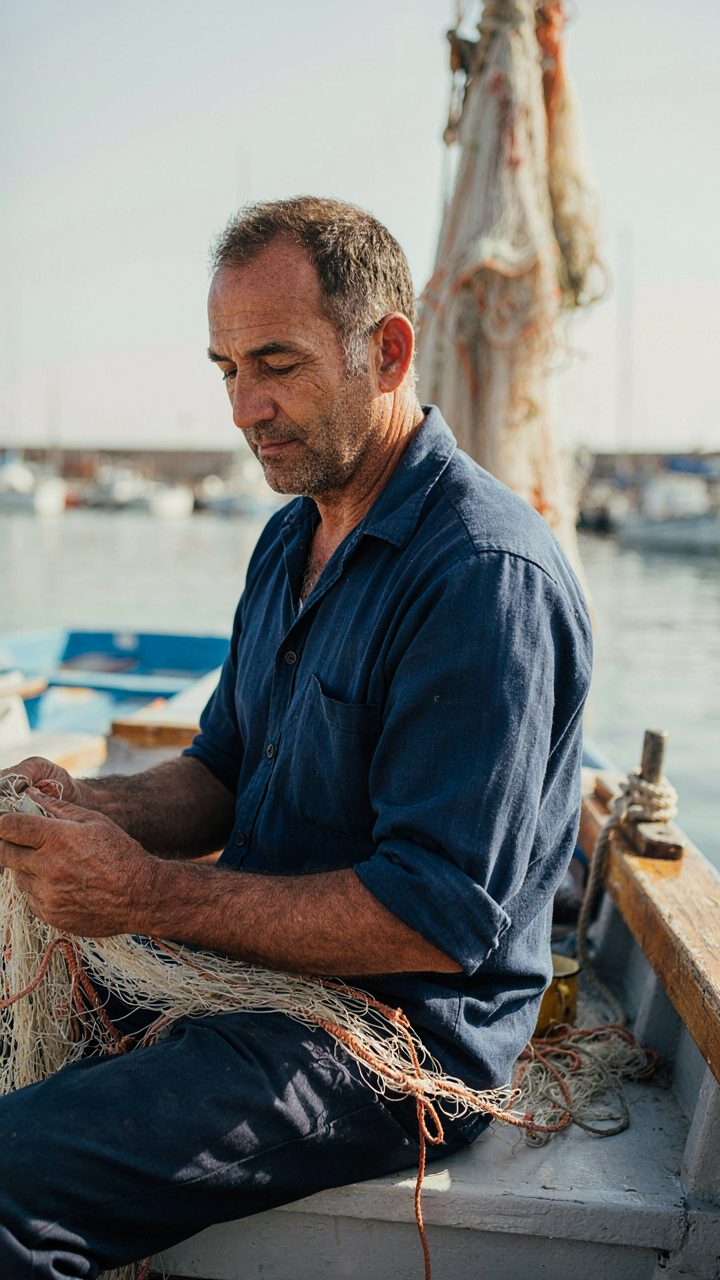
You want proof that you saw something real. That’s the actual motive here. The mechanism is simple: most island hoppers shoot what everyone else shoots because algorithms and Instagram have trained us to recognize “good” as “seen before.” In the Philippines specifically, you’ll find ten thousand identical sunset shots from Palawan and maybe five frames that show how local fishermen navigate monsoon seasons or how barangay communities prepare islands for typhoons. The difference between those categories is intention, not equipment.
Authentic visual storytelling requires you to identify what the destination actually does versus what it performs for cameras. The Philippines is an archipelago of 7,641 islands shaped by typhoon cycles, colonial layering, and subsistence economies that tourists never photograph. When you shoot a scene that documents function rather than aesthetics, you capture something that holds meaning beyond the moment you took it. Start by observing what locals photograph of their own lives, then invert that into your frame.
Gear That Doesn’t Hold You Back
The camera you own is sufficient. Professionals believe better equipment produces better images, but that’s incomplete. The real bottleneck in island hopping photography is your ability to move fast between locations and your willingness to shoot in poor light without chimping every frame. In the Philippines, where humidity corrodes gear and weather shifts unpredictably, a compact camera with manual controls beats a full frame that stays in your bag. Prioritize a system that reduces friction between seeing something and capturing it.
A prime lens between 35mm and 50mm forces you to move your body instead of zooming, which naturally places you closer to subjects and their context. Use a polarizing filter to cut water glare and reveal underwater reef structure, and carry a weather-sealed body because afternoon rains move across islands in minutes. The mechanical protocol is this: one camera body, one versatile lens, one filter, no tripod unless you’re shooting before dawn. Everything else is negotiable weight.
The Investor’s Playbook For Island Hopping

Budget Allocation Across Your Route
You want to feel like you’re making a smart financial decision without actually doing the math. The mechanism is simple: most people front-load spending on the first island, then scramble through the rest. Economics calls this the sunk cost fallacy, and island hopping destinations exploit it hard because early islands feel like the “real” destination while later ones feel like afterthoughts. You need to invert this.
Divide your total budget by the number of islands first, not by perceived importance. This forces discipline. Then add a variable buffer of 15 percent for unexpected transport costs between islands, which always run higher than quoted. Allocate this buffer before you book anything.
- First Island Budget: Subtract 25 percent from your per-island average. Resist the urge to splurge on arrival. You’re still acclimating.
- Middle Islands Budget: Allocate your full per-island average here. These islands deliver the highest return on attention and spending because you’re experienced but not yet fatigued.
- Final Island Budget: Add 10 percent back. You’ve earned the right to slow down and absorb without rushing logistics.
- Inter-Island Transport: Budget 400 to 800 dollars per hop, depending on region. Small boats and seaplanes cost more than they appear online.
- Contingency Reserve: Keep 15 percent liquid and separate. Weather delays, missed ferries, and medical situations demand cash without negotiation.
Most island hoppers fail because they treat each island as independent. They don’t. The cost structure is cumulative, and your spending velocity compounds across the route. Lock in your per-island number before departure, then protect it like a protocol.
Protocols For Remote Conditions
Island hopping in nature demands risk management nobody talks about directly because the activity industry profits from downplaying real hazards. You’re not on a cruise ship. Weather windows close fast. Medical evacuation runs fifteen to forty thousand dollars in remote regions. Your phone has no signal for days at a time.
Build a written protocol before you leave. Not a list of tips. A protocol. This means: specific decision trees for weather delays, a vetted backup route for each leg, emergency contact numbers logged in multiple locations, and a daily check-in system with someone on the mainland. Medical evacuation insurance costs under three hundred dollars and should be non-negotiable. Confirm your travel dates with your airline and tour operator in writing, not through chat. Remote islands operate on archipelago time, not schedule time, and misalignment creates cascading failures. Test your communication method once on each island. Establish a go-no-go decision point for every multi-hour boat journey before you depart, based on weather forecasts refreshed at six AM and noon. The moment you treat island hopping like tourism instead of expedition logistics, you become a liability to your guides and a victim of circumstance.
Beyond The Horizon: Future Dream Travel Destinations
Where The Crowd Hasn’t Arrived Yet
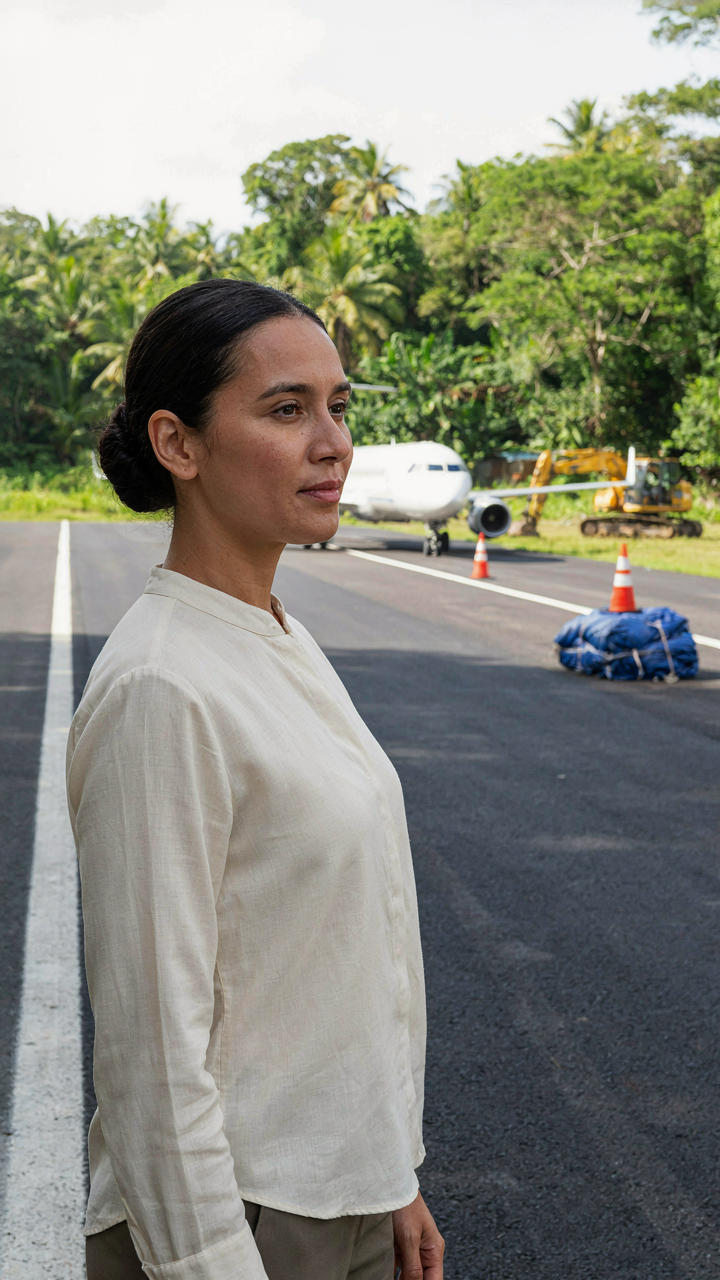
You want to feel like you discovered something before everyone else did. That status play is real, and it’s driving your research right now. The mechanism underneath emerging destinations is supply and demand collision: infrastructure finally catches up to remote islands just as social media saturates the obvious choices. Places like Palau, the Solomon Islands, and parts of Vanuatu sit at that exact inflection point. They have enough tourism infrastructure to be reachable, but not enough to be crowded. This window closes fast.
The gatekeeping factor isn’t geography anymore—it’s visa friction and flight routing. Indonesia’s Komodo region went from secret to packed in seven years because flights improved and word spread. Palau maintains scarcity through deliberate policy: expensive entrance fees, limited permits, and visa requirements. Nature lovers who move now get eighteen months to three years of genuine solitude before tour operators optimize routes and Instagram makes those islands famous. The math is simple: earlier arrival equals less human noise in your experience.
When Access Changes Everything
Timing in island hopping operates like a supply chain problem in logistics—you’re tracking when bottlenecks open. The Galápagos didn’t get crowded because it’s beautiful. It got crowded because Ecuador invested in airport infrastructure. The Azores experienced a similar shift when European airlines added more routes. Vanuatu is next. Direct flights from Sydney are expanding, and that changes everything for tourist volume within twenty-four months.
The real move is identifying islands where infrastructure investment is announced but not yet complete. Research government tourism plans, airport expansion projects, and new airline routes—these are public records. Places like Timor-Leste and parts of the Philippines have development timelines that signal five-year windows before access normalizes. Move during construction, not after completion.
The Real ROI: Why Nature Travel Matters
Wild Spaces Rewire Your Nervous System
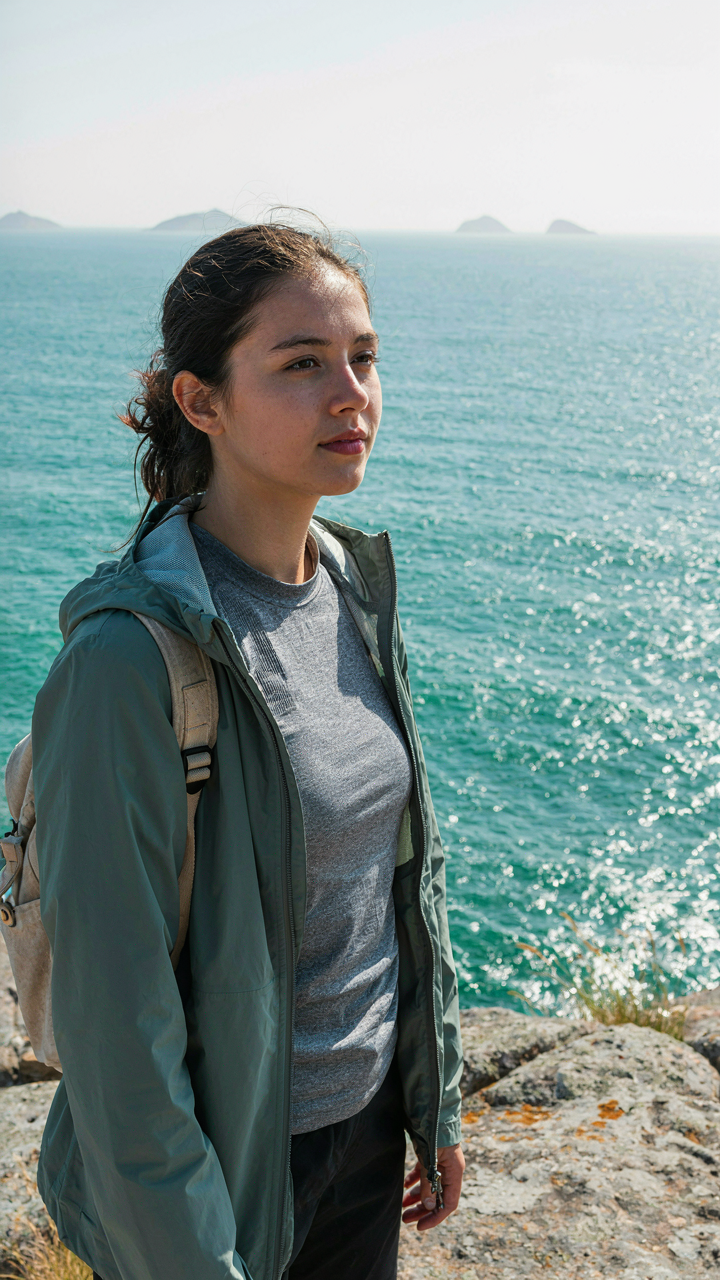
You want permission to leave your life for a week without feeling guilty about productivity. Here’s the mechanism: neuroscience calls it “attention restoration theory,” and island hopping destinations operate as reset nodes for your prefrontal cortex. When you move between islands—each with distinct ecosystems, minimal digital friction, and zero email infrastructure—your brain stops running the background task of threat assessment that urban environments demand. You’re not relaxing. You’re recalibrating your baseline stress response.
The shift happens fastest in archipelagos where you’re geographically isolated but not stranded. The Galápagos, Indonesia’s Raja Ampat, and the San Juan Islands force you into micro-transitions: boat rides, tidal changes, unfamiliar flora. These interruptions break the automaticity of your thinking patterns. Your nervous system resets because the environment no longer matches the threat profile your body expects. Returning home, you maintain this recalibration for weeks—measurably lower cortisol, sharper decision-making, actual cognitive gains that justify the expense.
Authentic Connection Compounds Over Time
Everyone says travel builds perspective. That’s incomplete. What builds perspective is repeated, unmediated contact with ecosystems and people who operate on different systems than you do. Island hopping accelerates this because you can’t half-commit—you arrive by water, stay for days, and leave the same way. This friction creates forced presence.
When you island hop intentionally, you develop pattern recognition across cultures and environments that armchair learning never produces. Spending four days in Palau, then three in the Philippines, then five in Micronesia teaches you why reef systems fail or thrive in ways that reading about conservation never will. You build genuine relationships with guides, locals, and other travelers because sustained proximity over multiple islands creates trust faster than single-destination tourism. This knowledge network becomes your most durable asset, accessible for future work, collaboration, or simply understanding how the world actually operates.
The Real Obstacle Isn’t Finding Paradise, It’s Shedding The Need For External Validation In Your Search For It
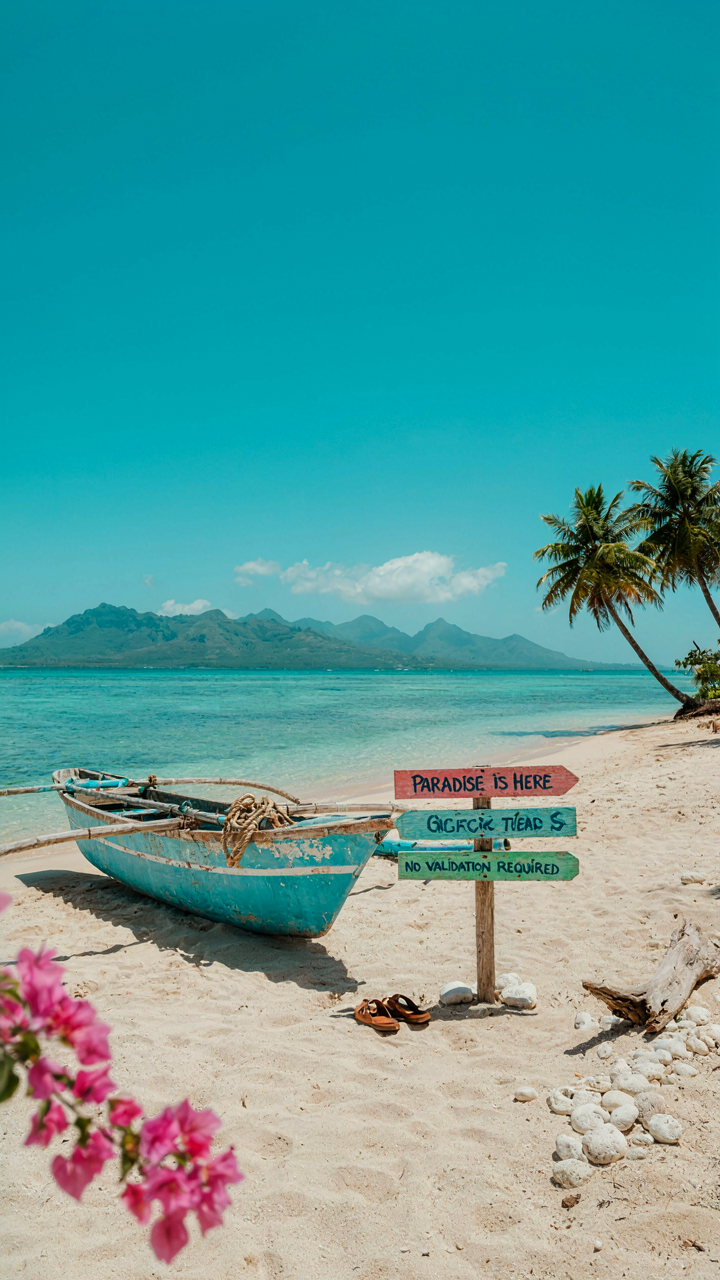
You’ll scroll through island hopping destinations forever if you’re waiting for someone else to tell you which one matters. Stop checking Instagram likes on other people’s trips. Pick an archipelago today based on what actually excites you, not what photographs well. The islands don’t care about your validation. Neither should you.