

The Sweat Wicking Imperative: Ditching The Cotton Delusion
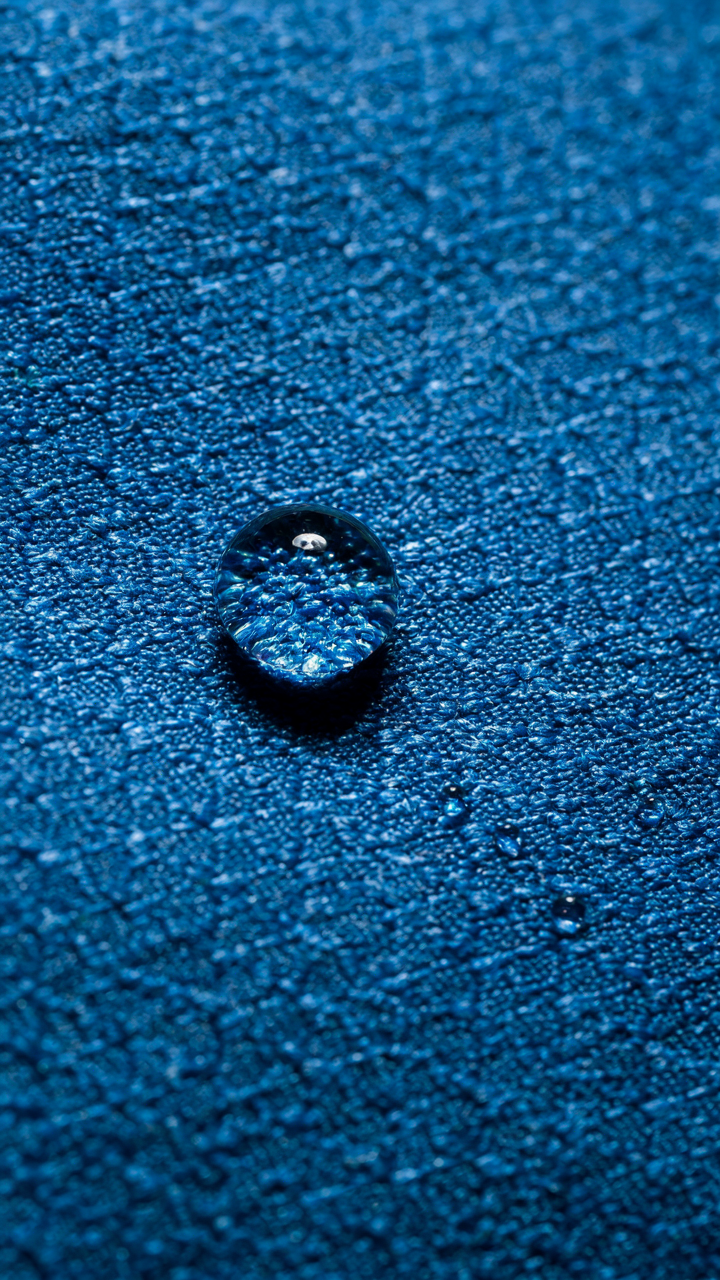
Why Cotton Fails In Humidity
You want to believe cotton works because it’s cheap and feels soft on day one. The mechanism is simple: cotton absorbs moisture instead of moving it away from your skin. When humidity saturates the air, cotton stays wet against your body, tanking your core temperature regulation and creating dead weight that chafes. A teen hiking in 80-degree humidity wearing cotton doesn’t dry faster. They get colder, heavier, and more miserable mile by mile.
Cotton holds water like a sponge because of its fiber structure. The cellulose fibers swell when wet and trap moisture in the weave rather than releasing it. In humid conditions, this isn’t a minor inconvenience. It’s the difference between a teen finishing a hike strong and them bonking hard at mile four because their body can’t thermoregulate properly. Cotton also takes hours to dry. Wool at least insulates when wet. Cotton just hangs there, useless and heavy.
How Synthetics Move Water, Not Store It

Physics calls this capillary action. Synthetic fibers use the same principle: moisture moves through the material via capillaries rather than being absorbed into it. Polyester, nylon, and polypropylene have hydrophobic cores that repel water while the surface structure wicks sweat outward, releasing it to air or the next layer. The sweat doesn’t pool on skin. It migrates away continuously. A teen wearing a synthetic base layer in 90-degree humidity stays dry at the skin line because the fiber never holds the moisture in the first place.
The speed of moisture transfer matters more than the fabric’s absorbency. Synthetic materials move sweat to the outer surface in minutes, where it evaporates or transfers to an outer layer. This keeps the microclimate around your skin stable and cool. Blend fabrics like merino-synthetic hybrids add odor resistance and durability without losing the wicking advantage. For humid hikes, synthetics aren’t optional. They’re the only mechanism that keeps a teen’s thermoregulation from collapsing under hours of sustained sweat output.

Ventilation Protocols: Engineered Airflow For Teen Hikers
Strategic Layering For Maximum Air Circulation
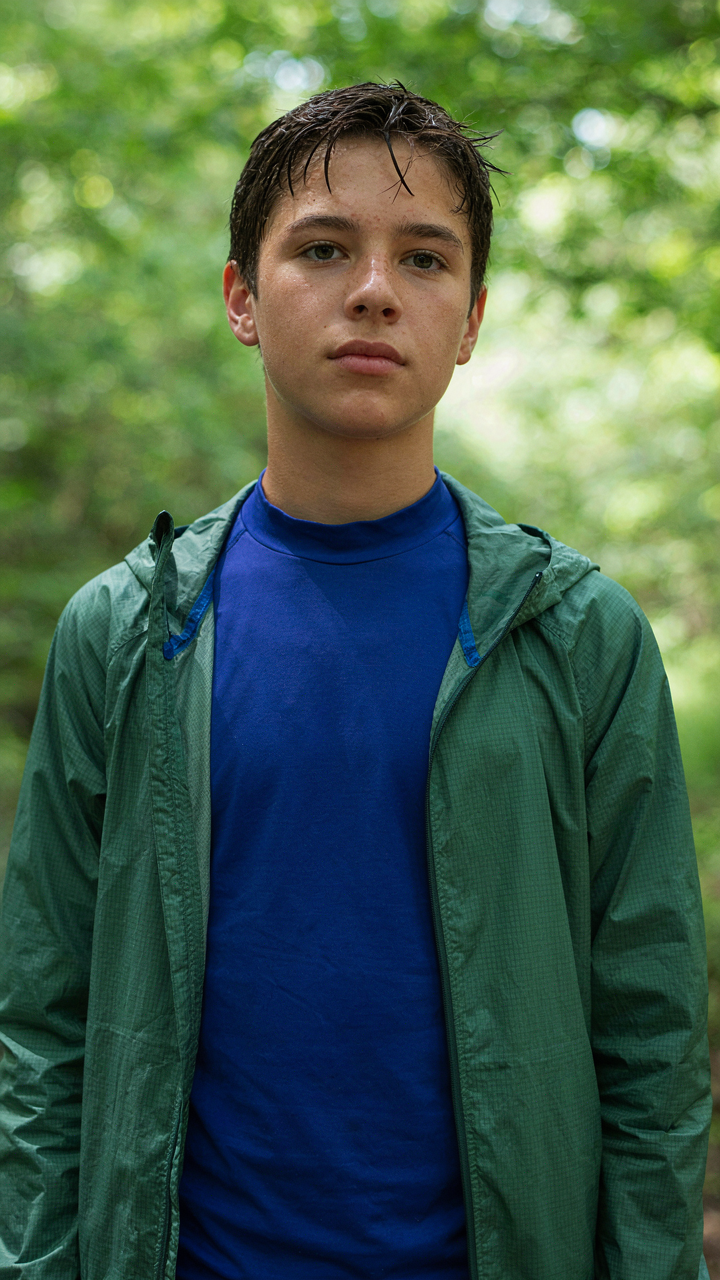
You’re reading this because you want your teen to stay dry and comfortable, not because you actually understand how moisture moves through fabric. Here’s the mechanism: layering in humid conditions isn’t about insulation—it’s about creating pressure differentials that push sweat vapor outward faster than it can condense back into liquid. This is thermodynamics applied to clothing.
Start with a moisture-wicking base layer in polyester or merino wool, not cotton. The base layer sits against skin and moves sweat away from it. Add a breathable mid-layer—fleece or grid-knit synthetic—that creates air channels between itself and the base layer. This gap is where the actual ventilation happens. The outer shell remains loose enough to allow convection. Tight layering traps humidity. Loose layering that’s still structured wins in humid air.
Zipper And Mesh Placement: Functional Design
Most advice about ventilation focuses on color and fabric names and ignores where the holes actually are. That’s incomplete. Functional design means vents where heat and moisture accumulate most: underarms, side panels, and back panels near the shoulder blades. A teen’s core temperature rises during exertion, and venting happens fastest at the largest surface areas with the most blood flow.
Look for pit zips—underarm zippers that vent quickly without removing the jacket. Side panel mesh vents that run from hip to armpit let convection air move vertically along the torso. Back vents positioned between the shoulder blades catch rising hot air before it concentrates. Verify that mesh panels are actual perforations, not just lighter-colored fabric pretending to breathe. The vent placement determines airflow efficiency far more than the fabric weight does.
The Sun Shield System: UV Defense For Outdoorsy Outfits Summer
Long Sleeves Over Short Counterintuitive Protection
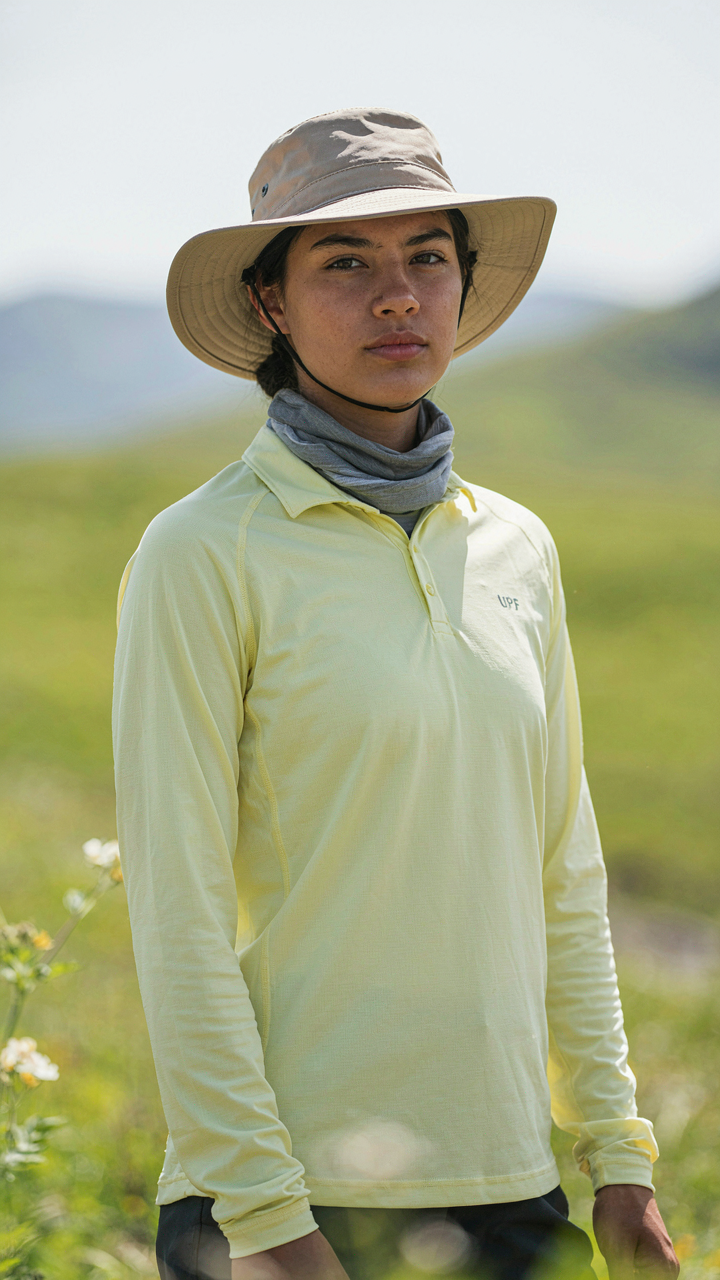
You want the sun off your skin without looking like you’re preparing for a winter expedition. Here’s the mechanism: long sleeves in humid conditions work because they create an air gap between fabric and skin, allowing sweat to evaporate underneath while blocking direct UV radiation. Cotton and synthetic blends with UPF ratings do the job. The sleeve itself becomes your barrier, not bulk.
Teens reject this because it feels hotter than bare arms. It isn’t. The difference is physics: direct sun heats skin faster than clothed skin loses heat through sweat evaporation. A lightweight long-sleeve UPF shirt weighs almost nothing and dries quickly in humidity. Wear it over a moisture-wicking base layer, not cotton, and you’ll move sweat away from your body faster than sun exposure damages your skin cells.
Wide Brim Hats And Neck Gaiters Complete Coverage
A wide-brim hat isn’t fashion. It’s coverage geometry. The brim extends six inches or more from your head in all directions, shading your face, ears, and the back of your neck where teens routinely miss sunscreen reapplication. Humidity makes sunscreen slip off faster, so mechanical blocking beats chemistry alone.
Neck gaiters solve the gap between hat and shirt collar. Loop one up around your neck and over your lower face during peak sun hours, or keep it down and wear it as a collar guard. They’re lightweight, pack small, and require zero maintenance on the trail. The combination of brim and gaiter eliminates the unshaded zones where UV damage compounds across a full day hike.
Footwear Foundation: Preventing Blisters And Fatigue (Hike Outfit)
Sock Material Matters Most
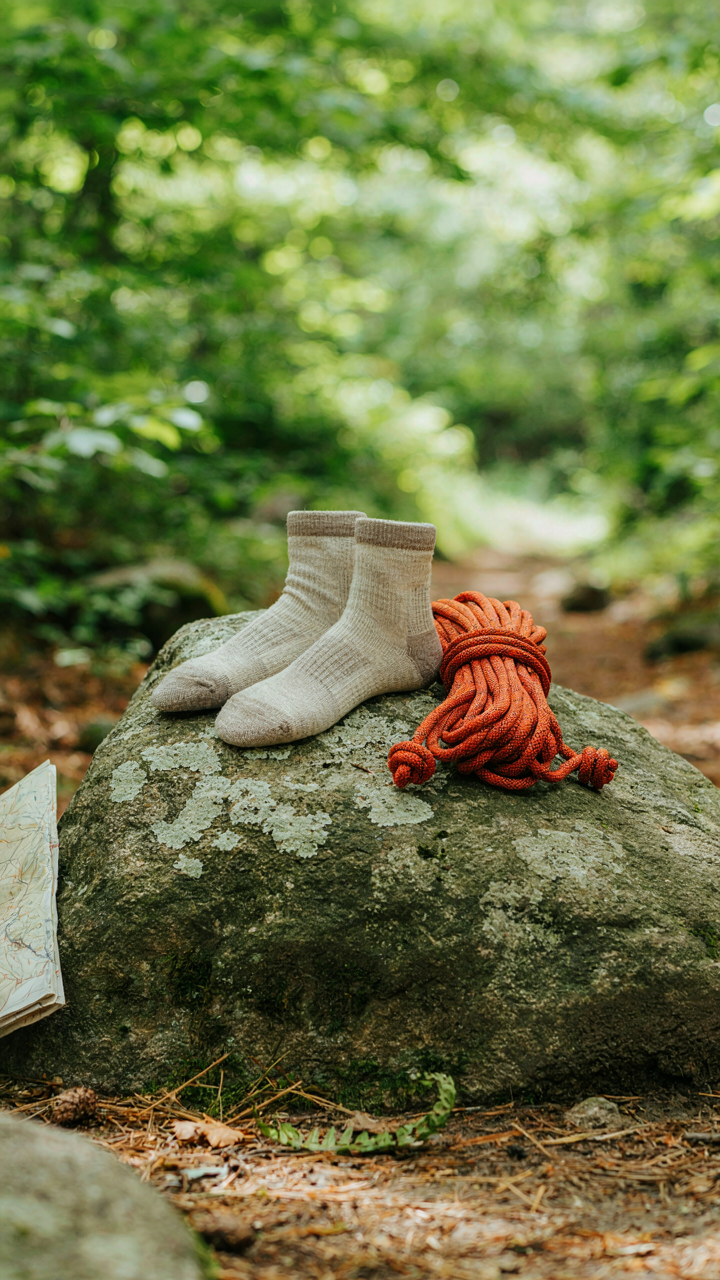
You’re worried about looking unprepared or suffering on the trail, but that fear is misplaced. The real problem is moisture management, which operates like a thermodynamic system: sweat accumulates, temperature drops, friction increases. Cotton holds water and stays wet. Merino wool and synthetic blends (polyester, nylon) wick moisture away from skin and dry fast. Cotton creates the conditions for blisters within the first hour on a humid trail. A teen in cotton socks doesn’t have a comfort problem yet, they have a blister timeline already running.
The mechanism is physics, not preference. Humid air saturates cotton faster than any synthetic fiber dries it. Merino wool regulates temperature while wicking, which cotton cannot do. For humid weather hiking, teens need socks with at least 70 percent synthetic or merino content. Wool blends specifically outperform pure synthetics in extended moisture exposure because wool fibers absorb sweat without feeling saturated. Buy two pairs and rotate them to dry completely between hikes. This prevents the breakdown of the fiber structure that happens when socks stay damp.
Ventilated Shoes That Actually Drain
Most hiking shoe advice ignores a basic fact: ventilation without drainage is useless in humidity. A shoe can have mesh panels and still trap water if the sole doesn’t channel it out. Look for shoes with drainage holes in the insole or elevated tread that doesn’t seal the footbed. Teens’ feet in humid conditions generate sweat that pools around the heel and arch. Standard closed hiking shoes hold that water against skin for hours, creating the exact environment where blisters form.
Quick-drying capability means the shoe material (mesh, suede, synthetic leather) sheds water and dries to the touch in under two hours after exposure. Mesh uppers dry fastest. Waterproof membranes (Gore-Tex) actually slow drying and trap internal moisture, so skip them for humid weather. After each hike, remove insoles and air dry shoes separately for at least 24 hours. Wet insoles are a blister accelerant because they compress and create pressure points that sweat reactivates.
Hydration Harnesses: Carrying Water Effectively
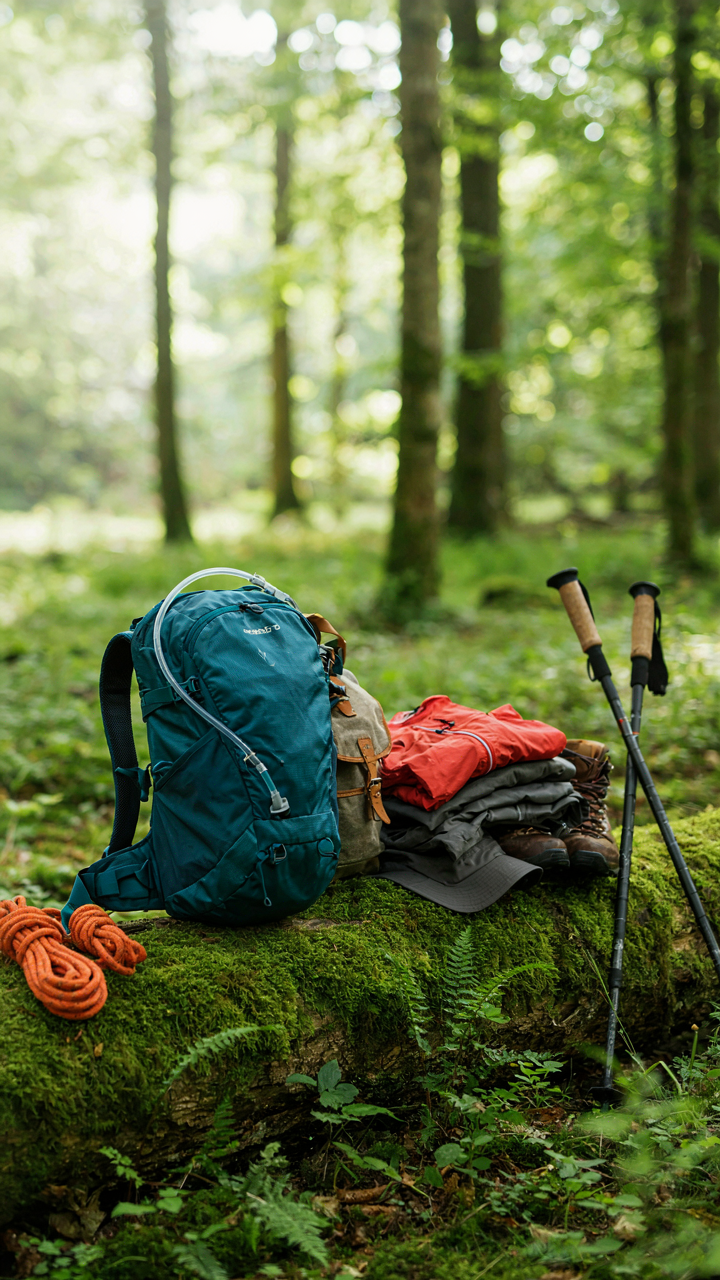
Hydration Pack Versus Bottles
You want the setup that makes you look prepared without admitting you’re terrified of dehydration on the trail. Here’s the actual mechanism: hydration packs win in humid conditions because they remove the friction between reaching for water and drinking it. Physics calls this “reduction of activation energy”—the lower the barrier to action, the more often the action occurs. Teens in humidity need frequent water intake, not occasional gulps. A pack’s tube sits at mouth level. A bottle stays buried in your pack.
Bottles force a decision each time you’re thirsty. You stop. You unpack. You drink. You repack. This delay compounds over six hours. Hydration packs eliminate that choice architecture. The common advice says “both work fine.” That’s lazy. One measurably increases consumption frequency in real conditions. Packs also distribute weight across your shoulders and hips instead of concentrating it in one hand. For teens carrying gear in 80+ degree humidity, this matters for posture and fatigue management. Pick the pack.
Electrolyte Replenishment Beyond Water
Water alone doesn’t replace what sweat takes from you in humid heat. Your body loses sodium, potassium, and minerals faster than it loses water, and plain hydration actually accelerates this imbalance through dilution. Teens often ignore electrolytes because they assume thirst drives intake correctly. It doesn’t. Thirst lags behind actual need by 20 to 30 minutes in humid conditions.
Add electrolyte powder to your pack—not for taste, for function. Sodium signals your kidneys to retain fluid instead of dumping it as urine. This is osmotic pressure at work. A teen hiking five miles in 75 percent humidity should consume one electrolyte serving per two hours of activity. Skip the sports drinks loaded with sugar. Grab packets you mix into your hydration pack or bottle. Check sodium content: aim for 200 to 300 milligrams per serving. This single addition cuts cramping risk and maintains cognitive function when fatigue would otherwise cloud judgment on the trail.
The “Mud Outfit” Protocol: Navigating Unavoidable Mess
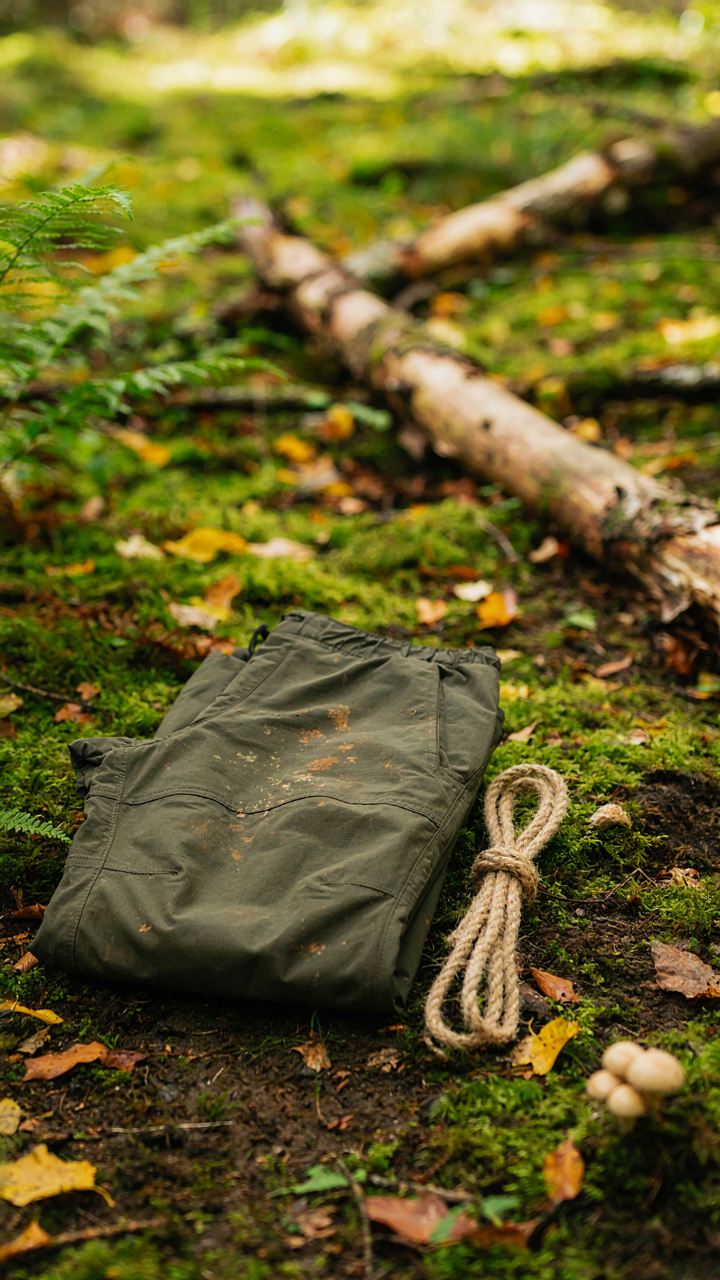
Fabrics That Actually Survive Trail Conditions
You want to look put-together on the trail while secretly knowing your clothes will get destroyed, so you’re hoping fabric names will solve this. They won’t. The mechanism is simple: synthetic fibers dry faster than natural ones because they absorb less water. Nylon and polyester shed moisture quickly in humid conditions. Cotton holds water like a sponge, then takes hours to dry while clinging to your skin and breeding bacteria. Teens hiking in humid climates need synthetics. The speed of water release matters more than the name on the tag.
Durability under mud load comes from weave density and thread count, not marketing language. Ripstop nylon resists tearing when you brush against branches or fall into wet earth. Tightly woven polyester blends don’t pill or shred after one muddy outing. Check the garment spec sheet for fabric weight measured in denier or grams per square meter, not the product description. Heavier synthetics win in mud and humidity. Lighter synthetics win in drying speed. For humid trail conditions with predictable mud exposure, choose mid-weight synthetics between 200-400 denier.
Gear Cleaning That Doesn’t Demand Your Time
Most hiking guides tell teens to rinse gear immediately after hiking, as if you’re all motivated enough to clean equipment on the same day you finish a sweaty hike. You’re not. The real protocol prevents damage by accepting that cleanup will happen later. Mud-caked synthetic gear dries without degrading. Let it dry completely before cleaning. Once dry, mud falls off fabric with minimal effort. Soak dried mud in cold water for ten minutes, then brush it away. This takes five minutes instead of thirty.
Zippers and seams need targeted attention because they trap moisture and salt. Use a soft brush to remove dried mud from zipper tracks before washing. Run a damp cloth through the seam where legs meet the torso. For genuine stains, spot-treat with diluted detergent and a brush, then rinse. Machine wash on cold water in a gentle cycle with no fabric softener. Air dry completely. Store synthetic hiking clothes in a dry place, not in a humid bedroom. The drying environment matters as much as the washing method.
Accessory Arsenal: Smart Additions For Mountain Outfit Success
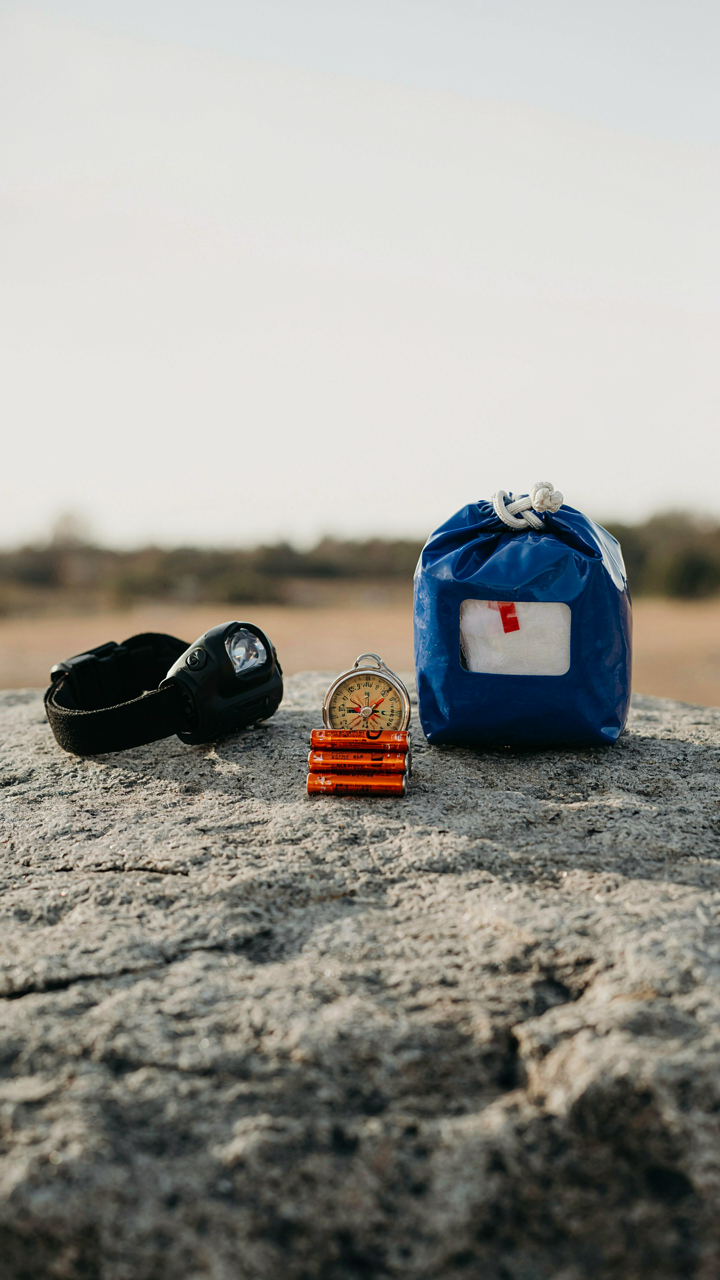
The Core Gear You Cannot Forget
You want to feel prepared so you don’t spiral into anxiety halfway up the trail. The real mechanism is this: visibility, direction, and injury response collapse when conditions turn. Headlamps fail when batteries die in humidity. Navigation fails when paper maps wet out. First aid fails when supplies are forgotten entirely.
- Headlamp with extra batteries: Humid air drains alkaline batteries 30% faster than dry conditions. Bring lithium alternatives instead. Mount it on a forehead band, not your pack.
- Compass and topographic map in waterproof case: GPS units lose signal in dense canopy. Paper maps stay readable when phones die. Know how to use both before you hike.
- First aid kit in dry bag: Standard first aid kits absorb moisture and render bandages useless. Use a sealed dry bag. Include blister treatment, pain relief, and elastic bandage.
- Multi-tool or knife: Rope tangles. Straps tear. Blisters need lancing. A blade solves three emergencies without debate.
- Emergency whistle: Sound carries through fog and rain better than shouting. Three blasts is the distress signal. Attach it to your pack strap where you can reach it fast.
Your body fails in humidity because dehydration sneaks up. Electrolyte imbalance kills decision-making before exhaustion ever sets in. Teens lose sweat at higher rates than adults due to higher surface-area-to-mass ratios. Pack these tools before you feel thirsty.
Chemical Barriers Against Bites And Burn
Most teens skip insect repellent because they assume bugs won’t bother them. That’s wrong. Mosquitoes and blackflies peak in humid zones and hunt during dawn and dusk, which is exactly when teens choose to hike. Insect-borne illness isn’t a theoretical threat. It’s a mechanism that converts a good hike into weeks of fever and fatigue.
DEET-based repellents work because they disrupt the insect’s ability to locate carbon dioxide and body heat. Spray it on exposed skin and clothing edges. Reapply every two hours if you’re sweating heavily. Sunscreen compounds the problem by breaking down under sweat. Apply sunscreen first, then repellent on top. SPF 30 minimum for midday hikes. Choose zinc oxide or titanium dioxide formulas instead of chemical sunscreens, which wash off faster in humid conditions. Reapply every 90 minutes on exposed areas. Skip the idea that one application covers your entire hike. It doesn’t.
The “Cute Exploring Outfits” Fallacy: Prioritizing Function Over Form

Fashion Choices Kill Performance
You want to look good on the trail because your friends will see the photos. Here’s what actually happens: cotton absorbs sweat, traps moisture against your skin, and stays wet for hours in humid conditions. That’s the mechanism. Fashion-first decisions made on Instagram don’t account for how fabric behaves under heat and moisture.
The common advice says “just wear what feels cute.” Wrong. A cute outfit in humid weather creates conditions for chafing, heat rash, and faster fatigue. Your body burns energy trying to regulate temperature while damp fabric pulls heat away from your core inefficiently. Performance fabrics like polyester blends and merino wool manage moisture actively instead of storing it. The difference isn’t small—it’s the difference between a hike you finish strong and one where your legs quit at mile three.
Materials That Earn Their Cost
Quality gear costs more upfront because synthetic fibers and merino blends require manufacturing precision that cheap cotton doesn’t demand. You pay for durability and function, not branding. A mid-range moisture-wicking shirt lasts three to five years of regular hiking. A cheap cotton tee falls apart after one season and fails every time you need it most.
Merino wool regulates temperature in both heat and cold, resists odor naturally, and dries faster than cotton despite feeling heavier when wet. Polyester blends shed moisture quickly and won’t degrade from sweat exposure like cotton does. Investing in these materials means your gear performs the same way on hike ten as it did on hike one. When you’re buying for a teenager who’s still growing, this longevity matters—you’re not replacing the entire outfit every season because the fabric broke down.
Stop Chasing Comfort. Chase Capability. Your Real Obstacle Is Underestimating Nature And Overestimating Your Cotton T-shirt
Most teens fail on the trail because they dressed for air conditioning, not sweat. Humid weather doesn’t care about your comfort. It punishes poor choices. Grab synthetic base layers today. Not tomorrow. Not “eventually.” Today. Test them on a short hike before you commit to a real one. The only thing between you and a miserable day is one decision made now instead of later. Your outfit either works for nature or nature works against you.