

The Evaporation Equation: Why Your Cotton Kills In Humid Plus Size Hiking
Sweat Saturation And The Cooling Trap
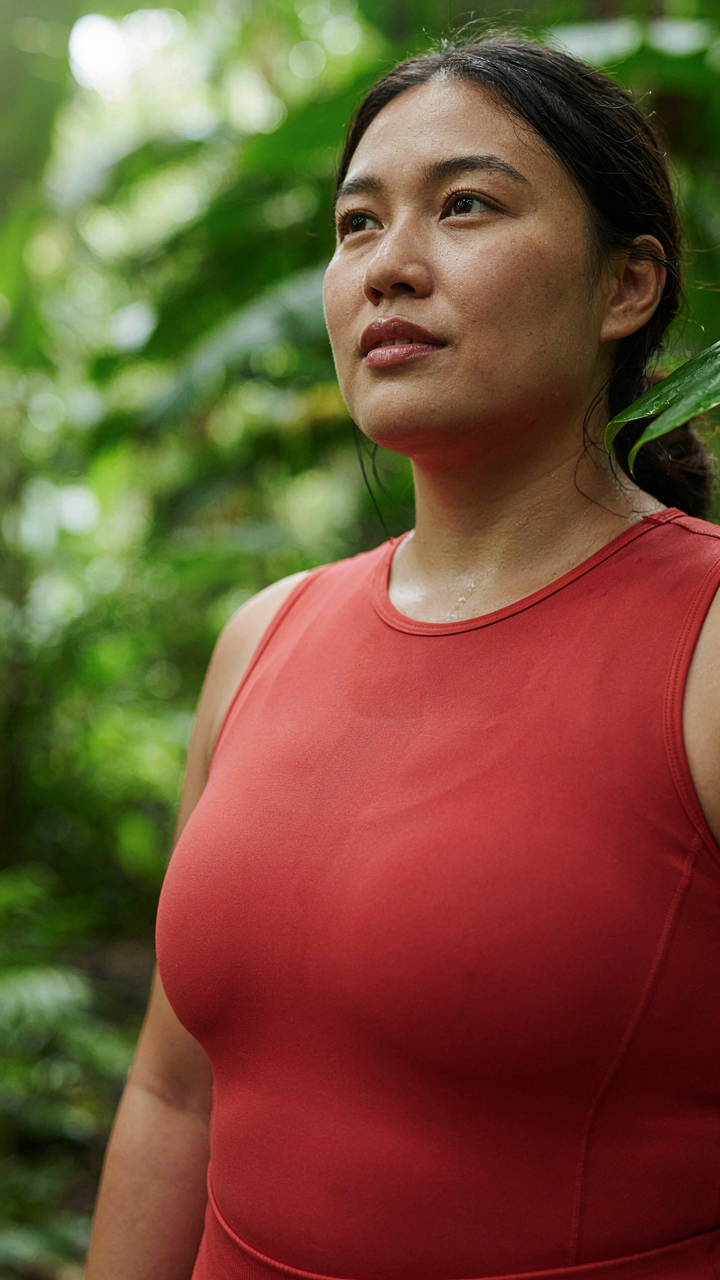
You want to believe cotton is fine because it’s cheap and familiar. It isn’t. In thermodynamics, cooling depends on evaporation rate, not sweat volume. Humidity blocks evaporation. Your skin stays wet. Cotton absorbs moisture and holds it against your body, trapping heat instead of releasing it. The fabric becomes a thermal liability the moment the air reaches saturation point. Plus size bodies generate more total sweat volume across larger surface area, which amplifies this problem. Cotton on a humid trail doesn’t cool you. It insulates you while you burn.
The mechanism is simple: sweat only cools through evaporation into dry air. When humidity is high (above 70 percent), that air is already saturated. Water can’t evaporate from fabric or skin at the rate your body needs. Cotton holds moisture longer than synthetics, keeping wet fabric plastered to your torso. You feel hotter, not cooler. Chafing increases. Movement becomes harder. Cotton was never designed for thermal regulation in humid conditions. It was designed for comfort in dry heat. Stop treating it as a universal hiking base layer.
Fiber Type As Heat Management Architecture

Fabric choice functions like infrastructure for thermal regulation. Your skin needs the fastest possible pathway to move moisture away from your body. Synthetic fibers like polyester and nylon have lower moisture absorption rates than cotton. They move sweat outward through capillary action instead of holding it. Merino wool, despite being natural fiber, wicks moisture effectively and regulates temperature across humidity ranges. For plus size bodies hiking in humid climates, the fabric acts as a transport system. Choose based on how fast moisture leaves your skin, not how soft it feels.
Polyester moves moisture away fastest. Nylon performs similarly with added durability for larger frame stress on seams and hems. Merino costs more but handles humidity better than standard synthetics and resists odor buildup during multi-day trips. The fit matters equally to fiber choice because loose synthetic fabric creates gaps where air reaches skin, accelerating evaporation. For plus size hikers, prioritize moisture-wicking synthetics in fitted cuts over loose natural fibers that trap humidity in fabric folds. Test your base layer by wearing it wet. If it clings and feels cold immediately after, it’s wrong for humid terrain.

The Capillary Action Protocol: Wicking Fabrics For Plus Size Outdoor Outfits
Synthetic Blends And Moisture Transport Efficiency
You want to believe that expensive gear brands have some secret formula. They don’t. The mechanism is simple: synthetic blends move sweat away from your skin through capillary action, the same physics that pulls water up a paper towel. Polyester and nylon fibers have spaces between them that exploit surface tension. Water molecules climb those gaps faster than they evaporate from your body. Cotton does the opposite. It absorbs moisture, holds it, and makes you feel like you’re wearing a wet blanket in 85 degree heat with 90 percent humidity.
The real problem with most plus size hiking wear isn’t the cut. It’s that manufacturers cheap out on fabric blend ratios. A 60/40 polyester-cotton mix underperforms compared to 85/15 or higher synthetic ratios. More polyester means tighter capillary channels and faster wicking velocity. Check the tag before you buy. If it’s below 70 percent synthetic, the fabric will fail in sustained humidity. Your sweat stays on your skin instead of moving to the surface where air can dry it.
Fabric Weave And Surface Tension Dynamics
The weave structure determines how effectively fibers create capillary pathways for moisture transport. A tight knit weave compresses fibers closer together, which increases the surface area tension can act on. This is textile physics, not marketing language. Looser weaves have larger gaps that move moisture faster but may feel less structured. Plus size outdoor wear often defaults to loose knits for comfort, which is a trade-off. You gain fit but sacrifice moisture velocity. The better move is a tight knit in a breathable synthetic that still allows air circulation through the fabric’s structure rather than between loose fibers.
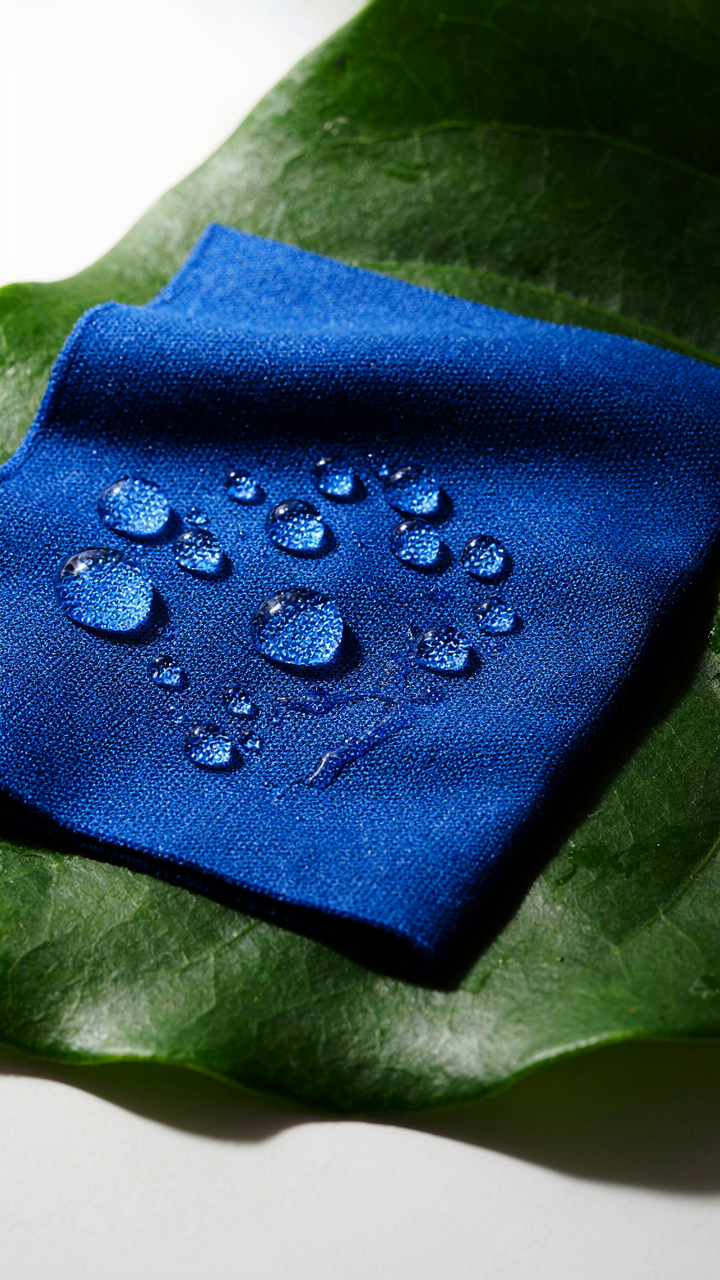
Moisture beading on fabric surface means the weave failed. That’s sweat sitting on top of your skin-facing layer instead of moving through it. It happens when fibers are too smooth or spaced wrong to create the tension gradient moisture needs. Jersey knit and mesh blends beat plain weave for humid conditions because their construction naturally favors perpendicular moisture movement. When you’re shopping, run your thumb across the inside of the garment. If it feels slick, the weave won’t transport sweat efficiently. Buy the fabric that grabs slightly, where friction indicates fiber structure designed to move water off your body.
Airflow Architecture: Designing For Natural Ventilation In Plus Size Hiking Outfit Summer
Where Loose Fit Actually Works
You want loose fit because you think it hides your body. That’s not why it matters on the trail. Loose fit creates dead air space between fabric and skin, which breaks the humid microclimate that suffocates you. Physics calls this convection. In hiking terms, it’s the gap that lets sweat evaporate instead of pool. Standard hiking advice says “breathable fabric,” but fabric alone doesn’t move air. The architecture does.
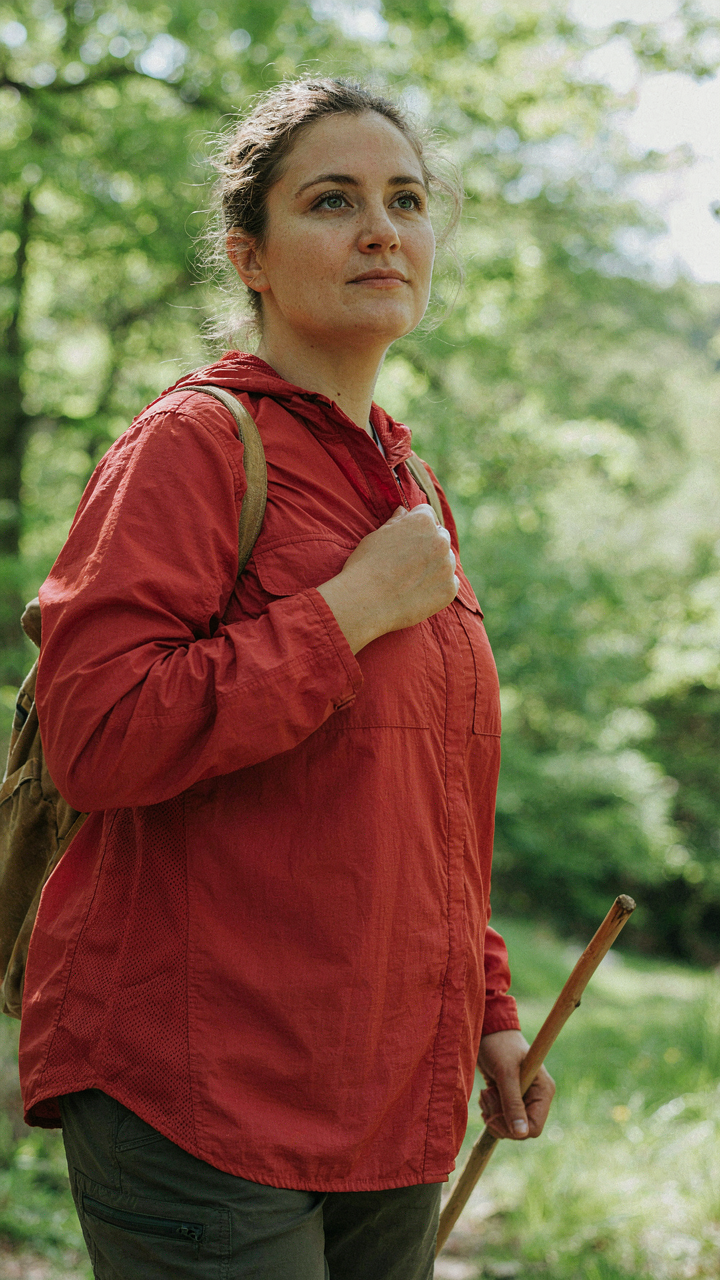
A loose fit doesn’t mean oversized chaos. It means deliberate space at the torso, underarms, and hip line where moisture accumulates fastest. Tight sleeves ruin this. Fitted waistbands ruin this. You need 2-3 inches of give between your body and the garment at the widest points. This space becomes the ventilation channel. Measure yourself at your fullest point, then add that margin when choosing sizes.
Vent Placement Beats Fabric Choice
Most hiking brands obsess over fabric tech when the real lever is where holes exist. Strategic vents force air movement instead of relying on fabric to “breathe.” Underarm gussets are standard now, but plus size cuts often skip them or place them wrong. A gusset works only if it extends from your armpit down to your rib cage. A gusset that sits too high or too short is decoration, not ventilation.
The second critical vent location is the back panel. Humidity rises off your lower back and shoulders during climbing. A back vent or split hem allows hot air to escape upward. Side seams should have some give or actual venting. Some brands now add mesh panels at the side ribs specifically for plus size cuts. This is the detail that separates function from fashion. Check the actual construction photos, not the description text. The vents have to exist and be positioned at the points your body actually sweats.
The Friction Reduction Matrix: Preventing Chafing On Humid Trails

Where Your Seams Actually Matter
You’re worried about showing up to a trail looking uncomfortable, which means you’re already thinking about what other people notice. Stop. The real problem is that standard hiking gear assumes your body matches a template it doesn’t, and seams placed for that template create pressure points that sweat amplifies. Seamless construction isn’t luxury—it’s the difference between a functional hike and one where movement becomes negotiation with your own clothing.
Brands like Smartwool and Patagonia engineered seamless panels specifically for high-friction zones because the mechanism is simple: a seam catches sweat, traps heat, and creates a vector for abrasion. Plus-size cuts from companies like REI Co-op and Old Navy’s active line now offer engineered seamless sides and underarm gussets that prevent the bunching common in scaled-up standard sizes. The seams still exist—they’re just positioned away from where your body actually experiences load during movement.
Protective Barriers And Active Defense
The common advice about chafing cream is half the answer. Friction is physics, and physics doesn’t care about your intentions—it only responds to coefficient of drag. Body Glide, Squirrel’s Nut Butter, and Chamois Butt’r create a temporary low-friction surface, but they wash out in humidity faster than most people reapply. The real protocol involves layering defense.
- Anti-chafe balms with silicone base: Products like 2Toms BodyGlide Sport stick through sweat longer than water-based formulas, staying effective for 4-6 hour stretches typical of moderate hikes.
- Moisture-wicking compression shorts underneath: Brands like Shefit and Knix make plus-size compression layers that wick sweat away from skin contact points, reducing the wet-on-wet friction that escalates chafing.
- Technical fabric blend in base layer: Merino wool or synthetic polyester blends (not cotton) dry faster and reduce bacterial growth that accelerates skin breakdown in humid conditions.
- Thigh guards or running shorts with liner: Some hikers use specialized thigh chafing prevention products like Bandelettes or wear running shorts with integrated liners instead of traditional hiking shorts alone.
- Talc-free powder for dry reapplication: Keeping a small container of talc-free powder in your pack lets you dry contact zones mid-hike without the moisture retention talc creates.
Apply balm to your inner thighs, underarms, and any spot where fabric meets skin at pressure points before you start. Reapply after 3-4 hours if you’re sweating heavily, and switch your base layer if it becomes saturated. This isn’t optional maintenance—it’s infrastructure that determines whether humidity becomes a minor inconvenience or a reason you won’t hike again.
The Hydrophobic Barrier Strategy: Water Resistance Beyond The Rain
DWR Coatings And The Real Moisture Problem
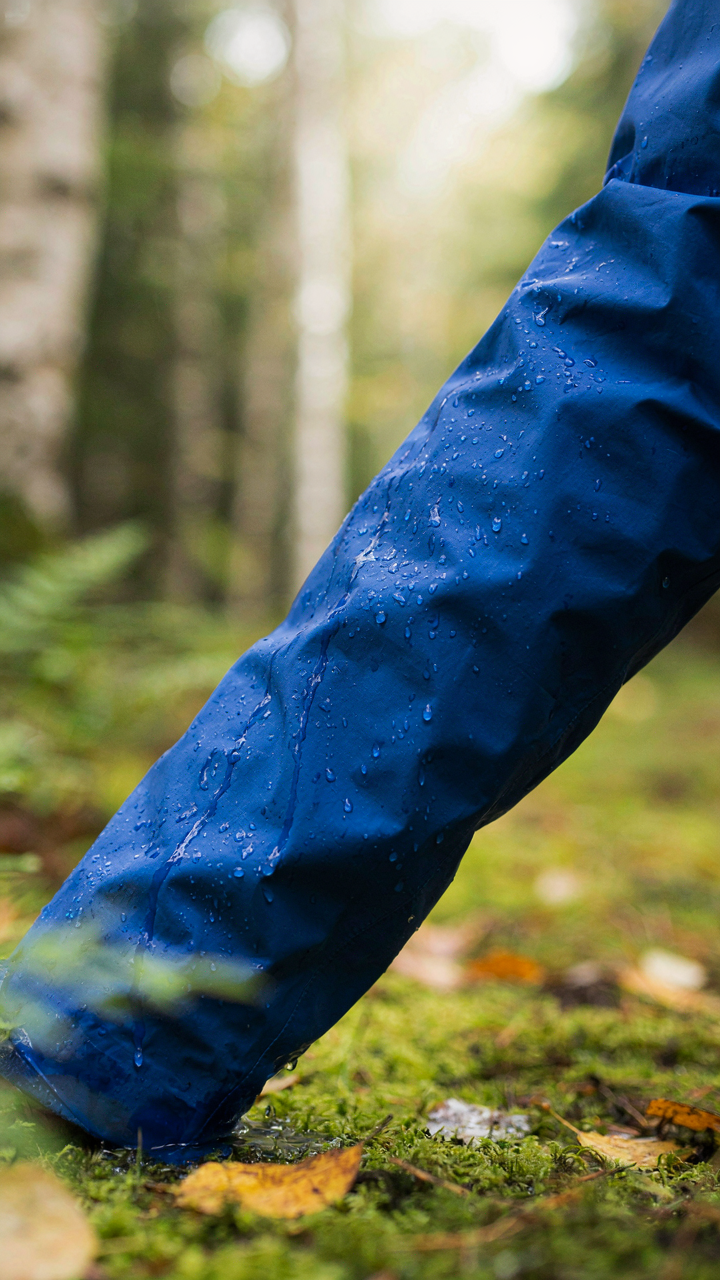
You want this layer to work because you’re tired of feeling damp and uncomfortable, and damp breaks your hike faster than rain does. DWR stands for durable water repellent, a chemical treatment applied to fabric surfaces that forces water to bead and roll off rather than absorb. The coating doesn’t seal fabric. It modifies the surface tension of individual fibers so water slides away instead of soaking in. On plus-size gear, DWR is critical because larger surface area means more fabric pulling moisture into the weave during humid conditions.
DWR breaks down. Washing, sweat, sunlight, and friction degrade the coating within six months to two years depending on use and care. This matters for plus-size hikers because replacement or re-coating your jacket costs more in dollars and shipping hassle than replacing a standard size. Most brands treat their outer shells with DWR as standard, but verify the spec sheet before buying. Reapply DWR coating using spray or wash-in treatments when water stops beading. Test by pouring water on the sleeve. If it absorbs instead of rolling off, your barrier is compromised and humidity will penetrate faster.
Quick Dry Fabric Versus Waterproof Membranes
The common advice says waterproof membranes protect you better in humidity, but that’s wrong and incomplete. Waterproof membranes like Gore-Tex trap moisture inside the jacket because they block water from entering but don’t prevent sweat from exiting fast enough in 85-degree, 90-percent-humidity conditions. You trade external wetness for internal saturation. Quick-dry synthetics like nylon and polyester move moisture away from your skin through capillary action, the same principle that pulls water up through plant roots. In humid hiking, this mechanism beats impermeability because your body generates constant sweat that needs to escape.
Quick-dry fabrics work when they’re loosely woven and treated with DWR. The DWR keeps rain off the surface while the weave allows sweat vapor to exit sideways and downward. For plus-size women, this means choosing jackets and pants with synthetic outer shells rated 20-30 denier nylon rather than thick, dense membranes. Layer a moisture-wicking base under a quick-dry shell. Remove the shell when humidity peaks and air circulation allows. This protocol beats wearing a waterproof membrane that traps sweat against your core in conditions where heat management matters more than staying dry from external sources.
The Biomimicry Of Skin: How Animal Adaptations Inform Your Hiking Outfit Women
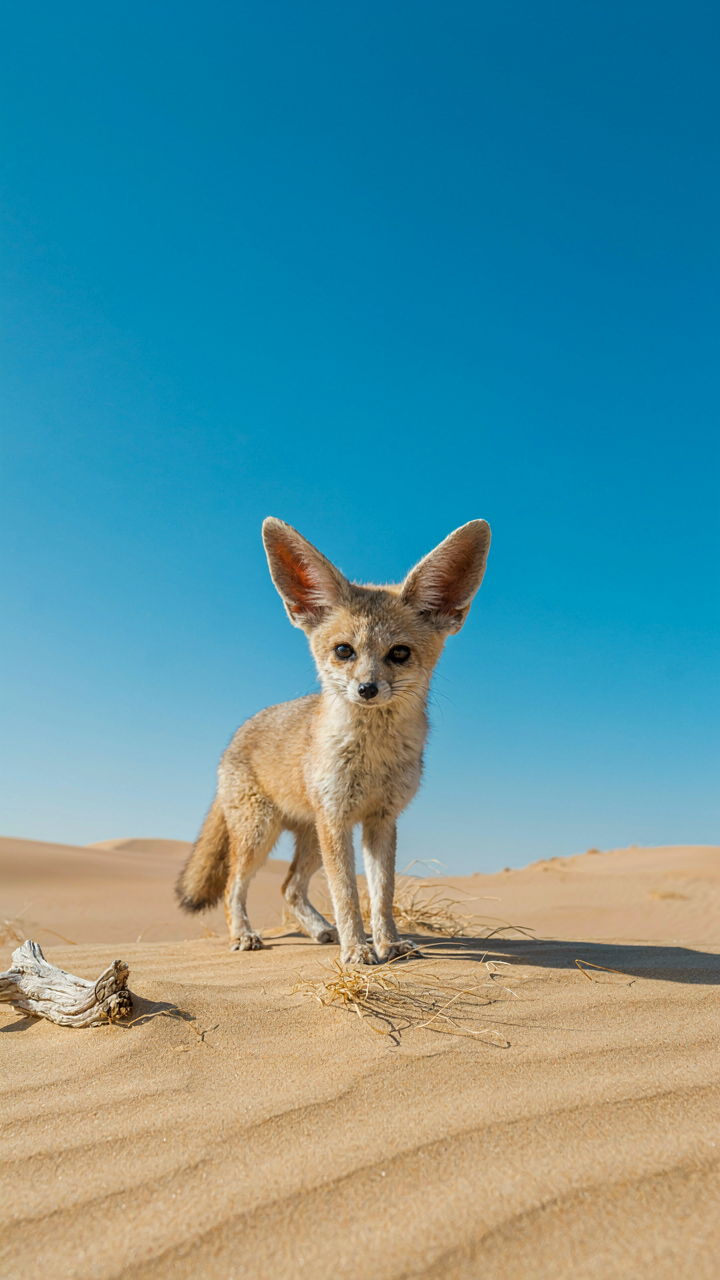
Desert Animals Stay Cool Without Shedding Skin
You want permission to ignore the mainstream fitness industry’s obsession with “breathable” fabrics as though they’re magic. They’re not. Thermoregulation is the field here, and the mechanism is simple: animals in hot, humid environments don’t fight moisture, they manage it. Desert creatures like fennec foxes and camels use surface area and color strategically, not fabric marketing. Your plus-size frame has real advantages—more skin surface means more evaporative cooling potential if you dress for it, not against it.
The practical takeaway is counterintuitive. Light colors absorb less solar radiation. Loose fit over your body creates air pockets that allow sweat to evaporate instead of pool. Humidity makes this harder, not impossible. Cotton and linen hold moisture longer than synthetics, which means they keep sweat on your skin longer—bad in humid heat. Moisture-wicking synthetics pull sweat away from your body to the fabric surface where it can evaporate faster. Wear a moisture-wicking base layer in humid conditions, then a loose light-colored overshirt that doesn’t seal against your skin.
Structured Layers Work Like Segmented Protection
Exoskeletons don’t squeeze the creature inside, they distribute load and protect while allowing movement. Your layering system serves the same function. The mistake most advice makes is stacking too many tight pieces. A fitted base layer wicks sweat. A looser mid-layer traps air without compression. An outer shell stays breathable but shields you from wind and bugs. Plus-size women benefit from this approach because structured layering on a larger frame provides support without restriction, which changes your hiking comfort profile entirely.
Test your layers before heading out. Wear the base layer for thirty minutes of indoor activity—if it feels clammy instead of dry, the synthetic blend is wrong for your sweat rate. Your mid-layer should slip on and off easily without bunching. The outer layer needs armholes that don’t pull your shoulders forward. This three-tier approach lets you shed pieces as humidity and exertion levels shift, keeping your core temperature stable without overheating or chilling.
Footwear As Foundation: The Unsung Hero Of Plus Size Hiking
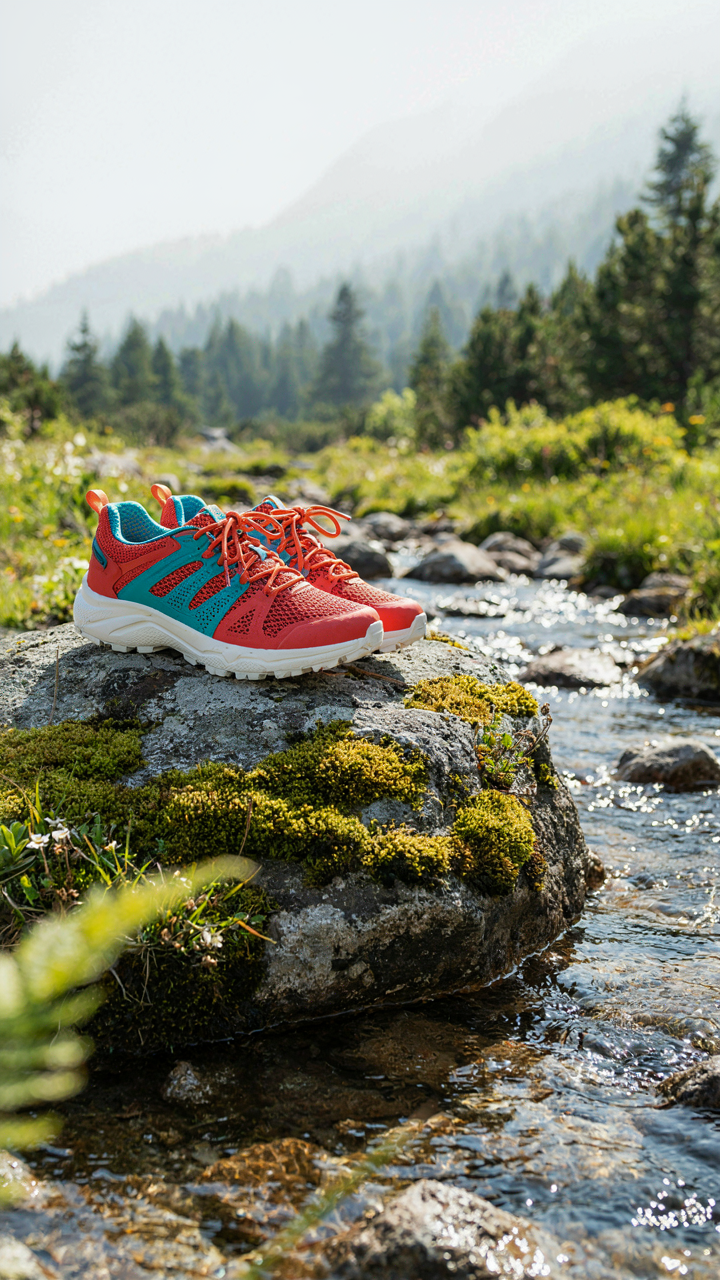
Breathable Materials And Drainage Design
You want to believe the shoe matters less than your willpower. It doesn’t. Drainage is a physics problem: water that sits on your foot creates friction and heat faster than water that moves through it. Mesh uppers with strategic perforations aren’t aesthetic choices—they’re load-bearing components. Plus size hikers carry more total weight, which means more sweat generation and higher stakes for moisture management. Shoes with neoprene or Gore-Tex linings trap water. Mesh-only construction lets humidity escape.
Most hiking shoe recommendations ignore a basic fact: humidity plus static moisture equals rapid blister formation and fungal risk. Your foot generates heat continuously. In humid climates, that heat has nowhere to go if your shoe becomes a sealed chamber. Look for shoes with vents positioned at pressure points—the ball of the foot, the heel cup. Quick-dry foam insoles aren’t luxury features; they’re functional necessities. Test shoes on wet ground before committing to full hikes. If water pools inside after five minutes, the shoe fails its primary job.
Sock Technology For Moisture And Blister Prevention
Socks determine whether your feet finish the hike functional or destroyed. Merino wool and synthetic blends dominate the space because they manage moisture differently than cotton—wool wicks sweat away from skin while synthetics dry faster when they do absorb it. Cotton holds moisture against your skin indefinitely. That’s not preference, that’s chemistry. Thickness matters too. Thin socks compress under the extra pressure plus size hiking creates; thicker cushioning distributes weight across a larger surface area and reduces repetitive stress points where blisters start.
The mechanism is straightforward: moisture on skin plus repetitive friction equals blister nucleation. Midweight merino or polypropylene blend socks (not cotton) handle this in humid conditions. Buy socks slightly larger than your regular size to prevent compression around the arch and toe box. Change socks halfway through any hike longer than four hours—this breaks the moisture accumulation cycle before it becomes a problem. Bring an extra pair in your pack every time.
The Layering Fallacy: Less Is More In Humid Hiking Outfit Summer Midsize

Why Traditional Layering Fails In Humidity
You want to feel prepared. You want the safety net of options. That’s why you’ve heard about layering your entire life. But layering in humidity doesn’t create versatility—it creates a sweat trap that turns your body into a thermostat nobody can control. Apply thermodynamics here: in humid conditions, air cannot absorb moisture from your skin, so each layer acts as an insulator that locks sweat against your body instead of letting it escape. More fabric means more heat retention and zero evaporative cooling.
Plus size bodies generate more surface area, which means more sweat production and exponentially worse conditions when that moisture can’t evaporate. Traditional hiking culture built the layering system for alpine environments where temperature swings demand flexibility. Humidity demands the opposite strategy. You’re not climbing a variable-temperature mountain. You’re hiking through air that’s already saturated, so the system designed for dry cold actively works against you.
Single Layer Strategy For Heat Dissipation
One quality technical fabric beats three mediocre layers every time. Choose a single shirt made from a high-performance wicking material—merino wool or synthetic polyester blends engineered for moisture management. The shirt moves sweat away from skin faster than the time it takes moisture to travel through multiple layers. This isn’t about fashion or minimalism. It’s about physics: fewer barriers between your body and air means faster evaporative cooling and lower core temperature throughout your hike.
Pair that single layer with shorts or pants in the same moisture-wicking material, and adjust your pace or sun exposure instead of adding clothing. Bring a lightweight rain jacket for actual weather changes, stored in your pack until needed. The rain jacket only activates when conditions shift. Everything else stays packed. Your outfit does one job: move sweat away from your body so the humid air can actually cool you down instead of trapping heat. Test this system on a short hike before committing to full distance, because the difference in performance is immediate and undeniable.
Accessory Augmentation: Enhancing Comfort On The Trail For Plus Size Women
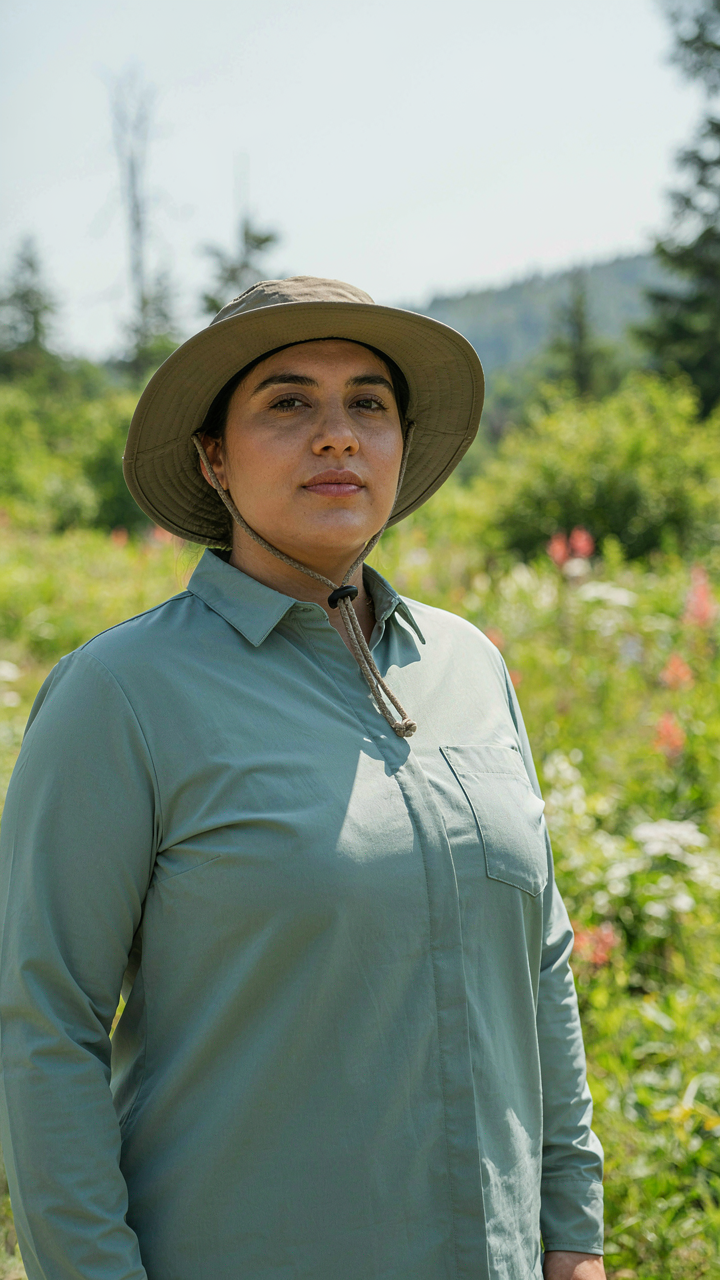
Head Coverage And Microclimate Control
You want the accessories to do the work so you stop obsessing about sweat and visibility. Here’s the mechanism: a hat or buff creates a microclimate by trapping air and managing moisture at the boundary between your skin and the environment. In humid conditions, this matters more than you think because the air around your head stays saturated. A wide-brimmed hat reduces direct solar load while allowing sweat to evaporate from your forehead and neck. Plus size women benefit from larger hat sizes and adjustable back panels that accommodate longer hair without compression.
Buffs and neck gaiters serve dual purpose in humidity. They wick moisture away from sensitive skin, but they also prevent sweat from running into your eyes, which disrupts your footing on technical sections. Choose lightweight, quick-dry synthetic blends over cotton. Merino wool works if you want natural antimicrobial properties, but it takes longer to dry in dense humidity. Position your buff low on your neck when climbing to avoid heat trapping around your face, then pull it up during descents when evaporative cooling matters less.
Hydration Packs And Heat Dissipation
The common advice treats hydration packs as just containers for water. They’re actually thermal regulators. Wearing a pack on your back in 80 percent humidity creates a warm zone of trapped moisture against your skin, and most women don’t account for this during pack selection. A hydration pack with mesh backing and ventilated panels reduces contact heat transfer. Look for packs sized appropriately for plus size frames, not scaled down from unisex designs, which bunch fabric across your mid and lower back.
Insulated hydration bladders keep water cool longer in heat, which matters for sustained effort on long trails. The cold water against your core reduces overall body temperature, making the rest of your hike feel manageable. Position your pack’s weight across your hips and shoulders to avoid cinching, which traps sweat. Drink consistently rather than in large amounts at once. This prevents internal temperature spikes that make you overheat faster than dehydration alone would cause.
Your Biggest Obstacle Isn’t The Humidity; It’s Your Attachment To Conventional Fashion Norms In The Face Of Physiological Demands
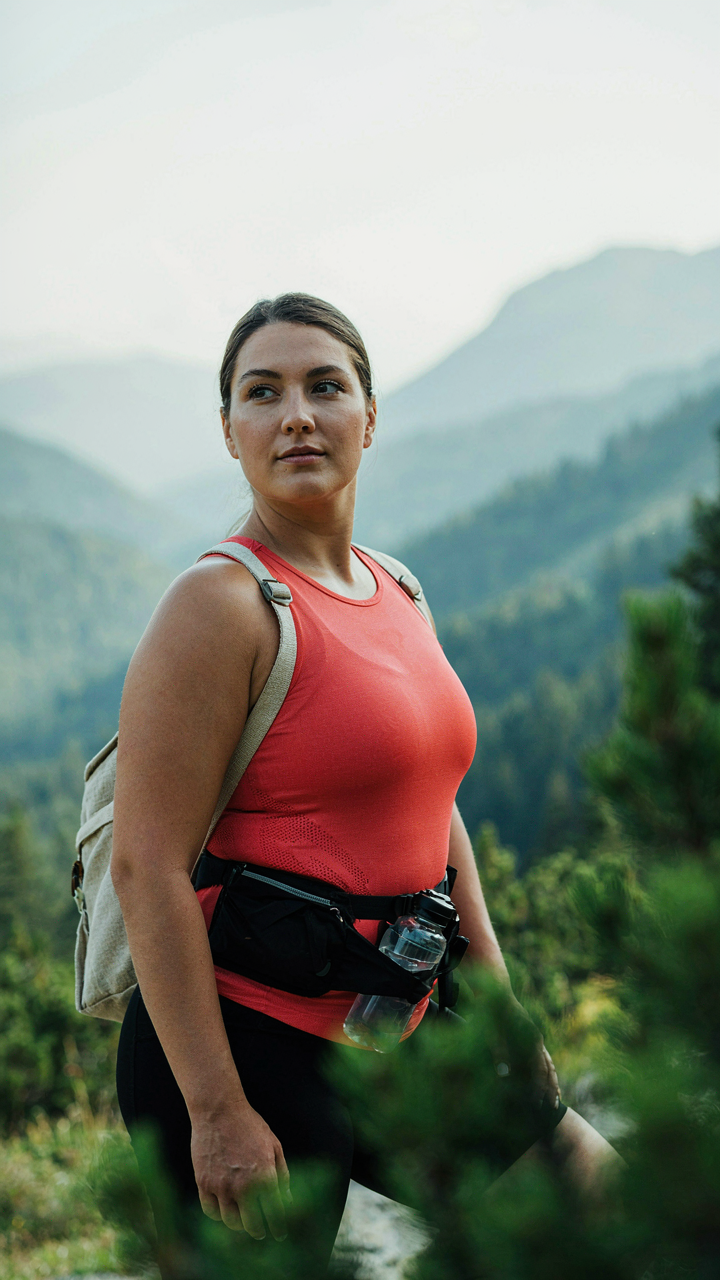
The real problem isn’t finding clothes that fit your body. It’s that you’ve internalized the lie that function means sacrificing how you look. Stop choosing between comfort and confidence. Go buy one moisture-wicking piece today that actually fits your shape, then wear it on your next hike without apologizing for it. Your body doesn’t owe fashion anything, but your hike demands respect.