

The Material Mandate: Why Fabric Trumps Fit For Hot Weather
Sweat Wicking Beats Natural Fibers
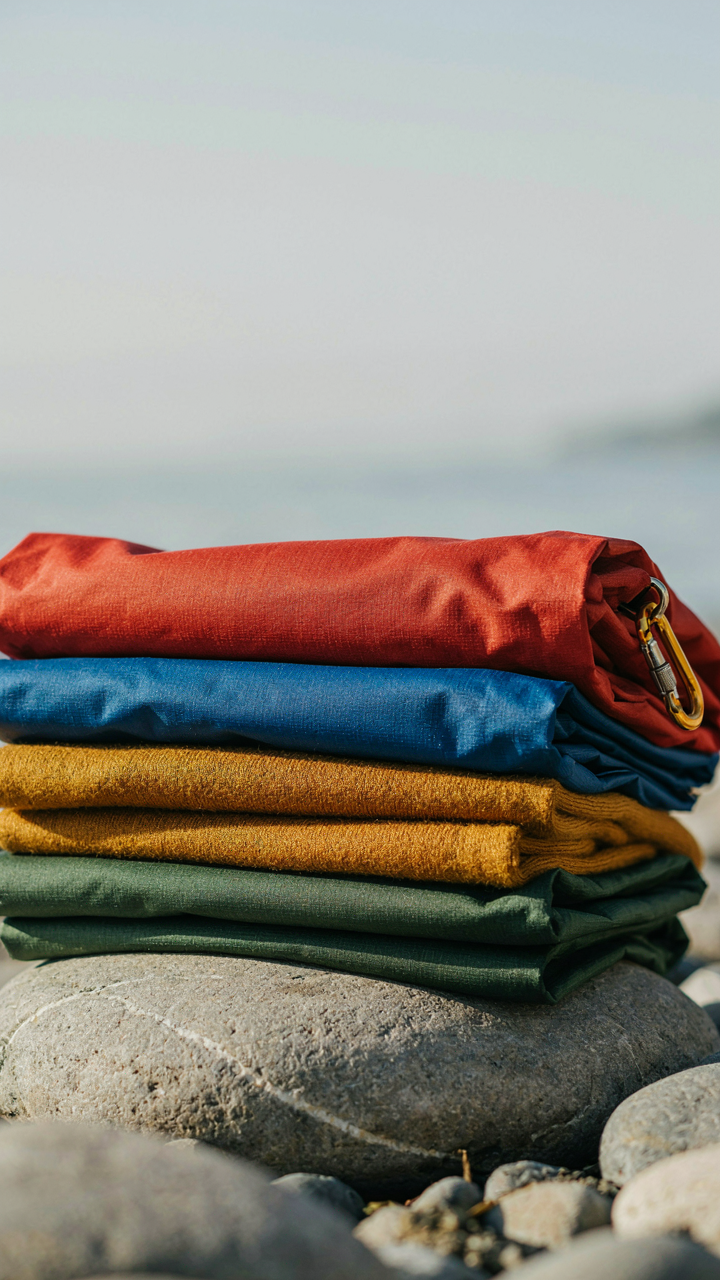
You want the outfit that makes you look competent on the trail, which means you need the one that keeps you dry first. Here’s the mechanism: cotton absorbs moisture and holds it against your skin, trapping heat through evaporation failure. Synthetic blends and technical fabrics move sweat away from your body to the outer surface where it can actually evaporate, cooling you down instead of cooking you.
- Polyester blend tops: Moves moisture outward faster than pure cotton, stays lightweight even when damp, common in budget hiking gear.
- Nylon: Dries almost twice as fast as cotton, resists UV damage, holds up under repeated washing without degrading performance.
- Merino wool base layers: Natural option that wicks despite being wool, regulates temperature better than synthetics in extreme humidity, though it costs more.
- Spandex stretch blends: Provides mobility for petite frames with shorter inseams, improves fit in the waist without bulk, maintains moisture-wicking properties.
- Polypropylene liners: Often used in shorts and sports bras, repels liquid completely, dries in minutes, prevents chafing in high-friction zones.
Petite women specifically need this fabric advantage because poor fit already works against you. A standard women’s hiking pant made of cotton will bunch at your ankles and trap sweat at pressure points. The synthetic equivalent with the same fit problem still lets moisture move, cutting humidity damage by half. Material choice is non-negotiable before you even consider tailoring.
Quick Drying Synthetics Polyester And Nylon

The conventional wisdom says synthetics feel cheap and trap heat. Wrong. Physics doesn’t care about perception. Polyester and nylon have low moisture regain, meaning they absorb minimal water compared to natural fibers, so they dry fast regardless of fabric weight or thickness. In humid conditions, this matters more than breathability because you’ll sweat either way. The question is whether that sweat leaves your body or stays on it.
Polyester works because the fiber structure repels water rather than soaking it up. Nylon performs even better, drying 40 to 50 percent faster than polyester in field conditions. For petite women on humid trails, this translates to wearing the same shirt for a full day hike without the weight gain that comes from saturated fabric. A wet cotton shirt at 8 ounces becomes a dead anchor at 14 ounces. A wet polyester shirt stays near its original weight, preserving your mobility and reducing fatigue on longer terrain.

Layering Logic: The Evaporation Engine For Petite Trail Outfits
Start With Sweat Management, Not Insulation
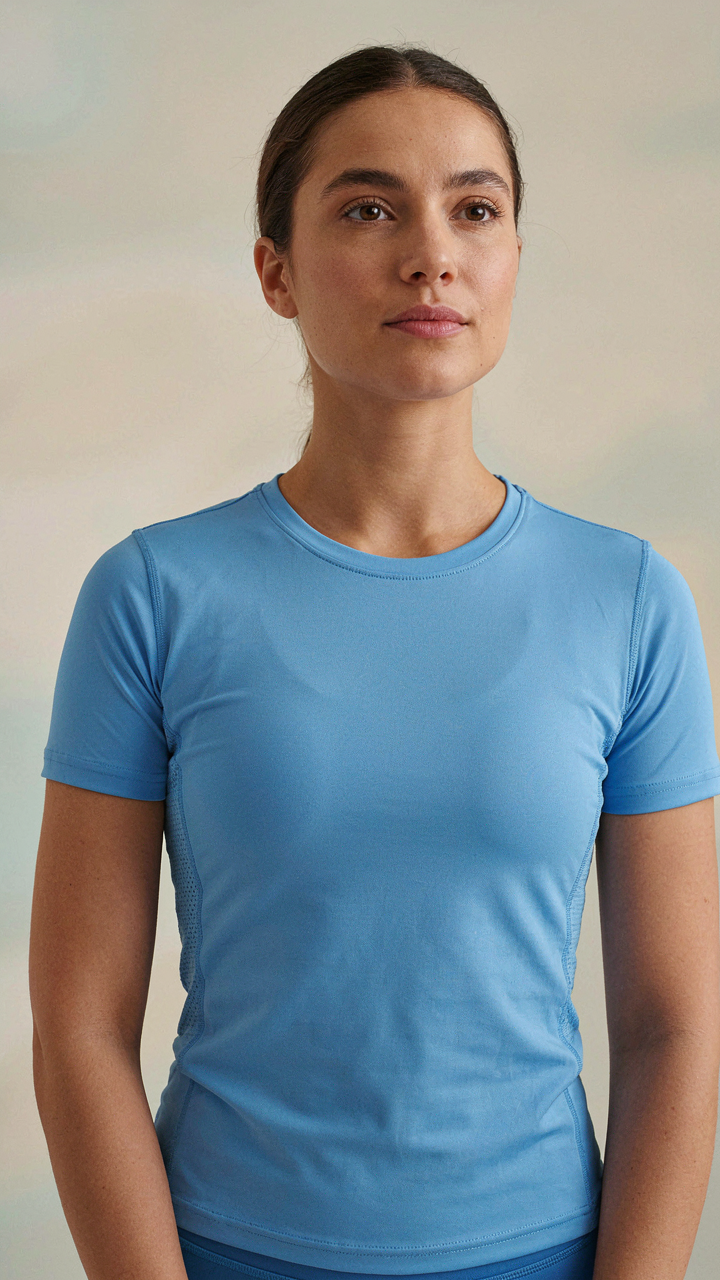
You want to believe that picking the right fabrics will keep you comfortable. What actually matters is stopping sweat from pooling against your skin. This is thermodynamics: moisture on skin blocks evaporation and tanks your core temperature. Your base layer isn’t there to keep you warm in humid conditions. It’s there to move moisture away from your body to the outer layers where air can actually dry it. Petite frames mean tighter fit against the skin, which accelerates this process if the material cooperates.
Polyester and nylon blends move moisture faster than merino wool in high humidity. The misconception persists because wool works brilliantly in dry cold. Humid conditions demand synthetic materials with low moisture regain. You want a base layer that fits snug without compressing, letting sweat transport outward instead of sitting. Merino creates drag in tropical air. A synthetic base worn tight against your torso establishes the evaporation chain that everything else depends on.
Open The Air Gaps That Actually Cool You
Everyone talks about breathability. Nobody explains where breathability actually happens. It’s not in your fabric. It’s in the air exchange between your layers and the environment. Petite women’s hiking outfits fail because gaps that work on standard frames create compression points on smaller torsos. Compression kills airflow. You need ventilation geometry that matches your proportions.
This means shorter sleeve lengths to prevent bunching at your wrists, cutouts or mesh panels at the torso where sweat volume peaks, and a fit through the shoulders that doesn’t create dead air pockets. The common advice of “just wear moisture-wicking layers” misses the actual cooling mechanism: forced air movement across wet fabric. Your mid-layer should have side vents or pit zips positioned where your frame actually sheds heat fastest, not where some standard-size pattern assumed vents belonged. Humidity traps heat near the body when airflow stalls. Design your layer stack to prevent that stall point from existing.
The Microclimate Method: Engineering Personal Airflow

Clothing As Heat Exchange
You want comfort without looking like you’re fighting the weather. That’s not shallow. The real issue is that most people treat clothes as insulators when they’re actually heat-exchange systems. In thermodynamics terms, your outfit manages three transfer mechanisms: conduction (direct contact), convection (air movement), and evaporation (moisture). For petite women in humidity, convection becomes your lever because your smaller body surface area means less natural air circulation around your frame.
Humid air already carries moisture your skin can’t shed efficiently. Tight or layered clothing traps this moisture against your body, raising your core temperature faster than loose fits allow. The solution isn’t “wear less”—that’s what lazy advice defaults to. You need strategic fabric placement that channels sweat away from skin while creating micro-gaps where convection can work. Moisture-wicking synthetic blends move sweat outward faster than cotton, but only if air can actually reach the fabric surface. The garment’s geometry matters more than the material alone.
Strategic Openings That Move Air
Ventilation points aren’t decorative. A petite frame means standard hiking shirts often drape loosely at the sides and back, creating dead zones where humid air pools. You need deliberate openings: underarm gussets, side splits, or back mesh panels positioned exactly where airflow naturally occurs. On flat terrain your body generates minimal wind; on climbs, convection depends on intentional gaps.
Pit zips (underarm zippers) on jackets or shirts solve the layering trap most people miss. When you’re moving uphill in 85-degree humidity, you can’t add or remove a full layer fast enough to match effort changes. Side seams that split to hip height work equally well for shirts without zippers. Position matters: a small back panel at your shoulder blades catches rising heat before it stalls. For petite frames, ensure these openings don’t gap awkwardly at rest; test them sitting and standing. Your clothing protocol: confirm each garment has at least two separate ventilation points, test them during a 20-minute hill walk, then adjust fit or replace if dead zones remain.
Bottom Line Brutality: Shorts Vs. Convertible Pants For Summer Hike
Where Friction Meets Skin
You care about this because chafing will stop a hike faster than any blister, and you want to know which cut actually works for your body without wasting money on gear that fails midtrail. The mechanism is simple: friction equals heat plus moisture plus fabric rubbing against skin. In humid conditions, your body sweats constantly, which means you’re running at maximum friction the entire time. Petite frames have a distinct geometry problem here—shorter inseams mean fabric bunches differently, and standard shorts ride higher on smaller hips.
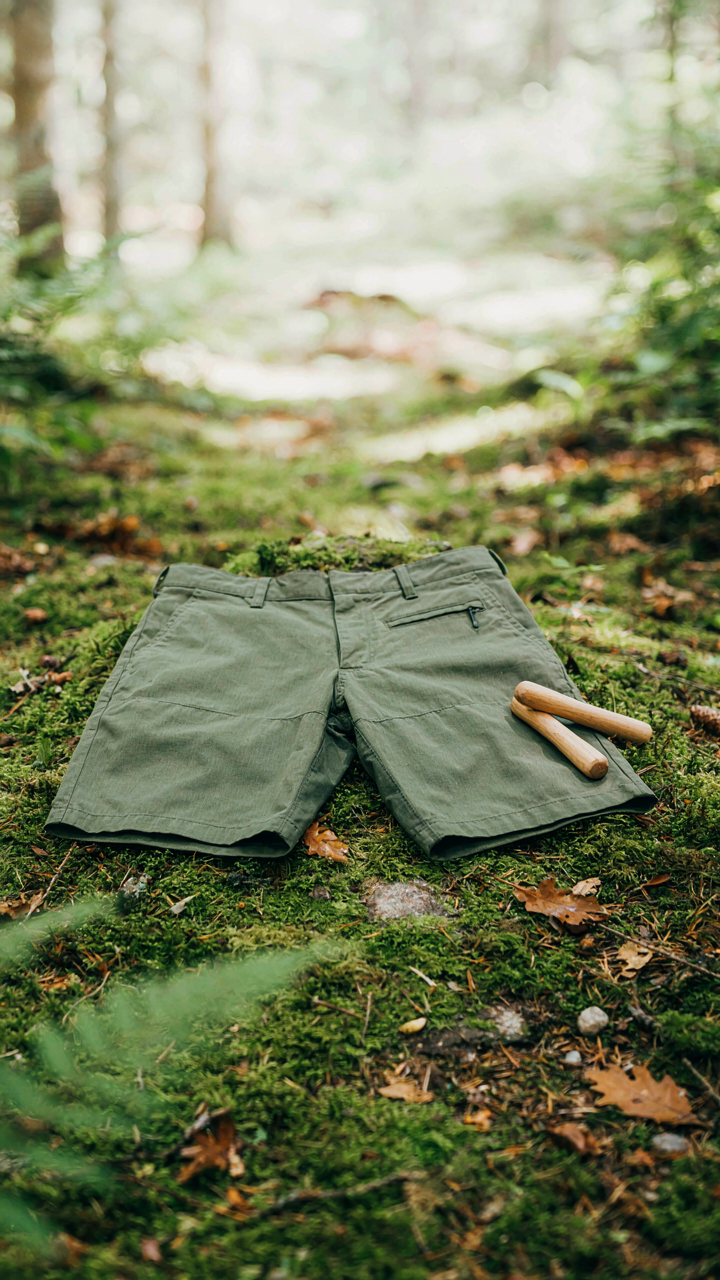
Shorts eliminate inner-thigh friction entirely, which is the primary chafing vector in humid heat. Convertible pants create a false choice: the zip-off legs still leave a seam running down your thigh, and that seam traps sweat against skin exactly where chafing starts. If you go shorts, choose inseams between 3 to 5 inches—longer shorts shift the friction zone upward into areas that sweat less. Apply a friction barrier like body glide or silicone-based anti-chafe cream to your inner thighs, the back of your knees, and anywhere elastic touches skin before every hike. Reapply after two hours or immediately if you feel heat building.
Abrasion Against Reality
The common advice says convertible pants are versatile, which ignores how petite women actually move on uneven ground. Durability in hiking gear comes down to abrasion resistance—a material science term describing how long fabric survives repeated contact with rough surfaces. For petite hikers navigating rocky terrain, convertible pants fail because the seams are placed where your legs make contact with rocks and brush most often. The shorter limbs of petite bodies mean your thigh hits obstacles at different angles than a six-foot hiker, putting stress directly on those zip-off seams.
High-denier nylon shorts with gusseted crotches withstand rocky scrambles better because there’s less fabric breaking down where movement happens. Convertible pants with reinforced seat and thigh panels help, but the fundamental problem remains: more seams mean more points of failure. For varied terrain, pick shorts rated for 400 denier nylon minimum, or go with full-length hiking pants if sun protection matters more than cooling. Then avoid the convertible altogether—commit to one garment and buy two of them for rotation rather than chasing a solution that does both jobs halfway.
Top Tier Truth: Performance Shirts For Hiking Outfit Women

Ventilated Long Sleeves Beat Bare Skin
You want the sun protection without looking like you’re overdressed for the trail. That’s the real trade-off nobody names. Long sleeves in humid conditions work through evaporative cooling, the same thermodynamic principle that makes a wet cloth cool your skin. The fabric itself becomes your air conditioning system when sweat moves through it instead of pooling. Petite frames have less surface area, which means you overheat faster in direct sun. Sleeves aren’t a compromise here, they’re the mechanism that keeps your core temperature stable.
Most hikers get this backwards by choosing sleeveless tops and fighting sweat the entire climb. You need fabric with open weaves, not tight knits. Materials like nylon or polyester blends move moisture away from skin while allowing air circulation through the weave structure itself. In humid weather, this distinction matters more than the brand name. The shirt works because of how it’s engineered, not because of marketing claims about “breathability.” Your petite frame needs this efficiency from the first mile.
Sleeve Length And Airflow Optimization
Rolled or pushed-up sleeves defeat the purpose entirely on a humid hike. The engineering problem is simple: you need continuous airflow over the forearms and shoulders, which catch direct sun exposure regardless of frame size. Three-quarter sleeves at your natural wrist create a seal point that traps heat. Full-length sleeves with thumbholes keep fabric from riding up on shorter arms. This matters for petite women specifically because standard sizing leaves excess fabric bunching at wrists, which blocks airflow and creates hot spots.
Test this before committing to a full hike: wear the shirt stationary in your yard during peak heat. Watch where sweat collects and where fabric pulls away from skin. Petite-specific cuts exist for this reason, they account for shorter arm lengths and narrower shoulders. The seam placement on mass-market shirts often sits too far back on petite frames, creating dead zones where moisture accumulates. Measure your inseam to sleeve length ratio. If sleeves reach past your wrist bone by more than half an inch, the shirt’s ventilation channels won’t work as designed.
Footwear Fallacy: The Real Role Of Socks And Shoes
Blister Prevention Without The Marketing
You care about this because blisters end hikes and signal poor planning, which feels like failure. Here’s the mechanism: blisters form through friction and moisture, not mystery. In humid conditions, your skin stays wet longer, which means friction builds faster between sock and foot. Petite women often wear smaller shoe sizes where fit tolerances are tighter, so even minor slippage creates hot spots before larger sizes would register them.
The standard advice about moisture-wicking socks is incomplete. Merino wool works because it absorbs sweat without feeling wet and has natural antimicrobial properties, but the real move is sock fit and thickness. Your sock must stay in place without bunching. For petite frames, this means finding socks made for smaller shoe sizes, not cutting down standard hiking socks. Tighter is actually better here because movement between sock and skin is the problem.
Drainage Beats Waterproofing Every Time
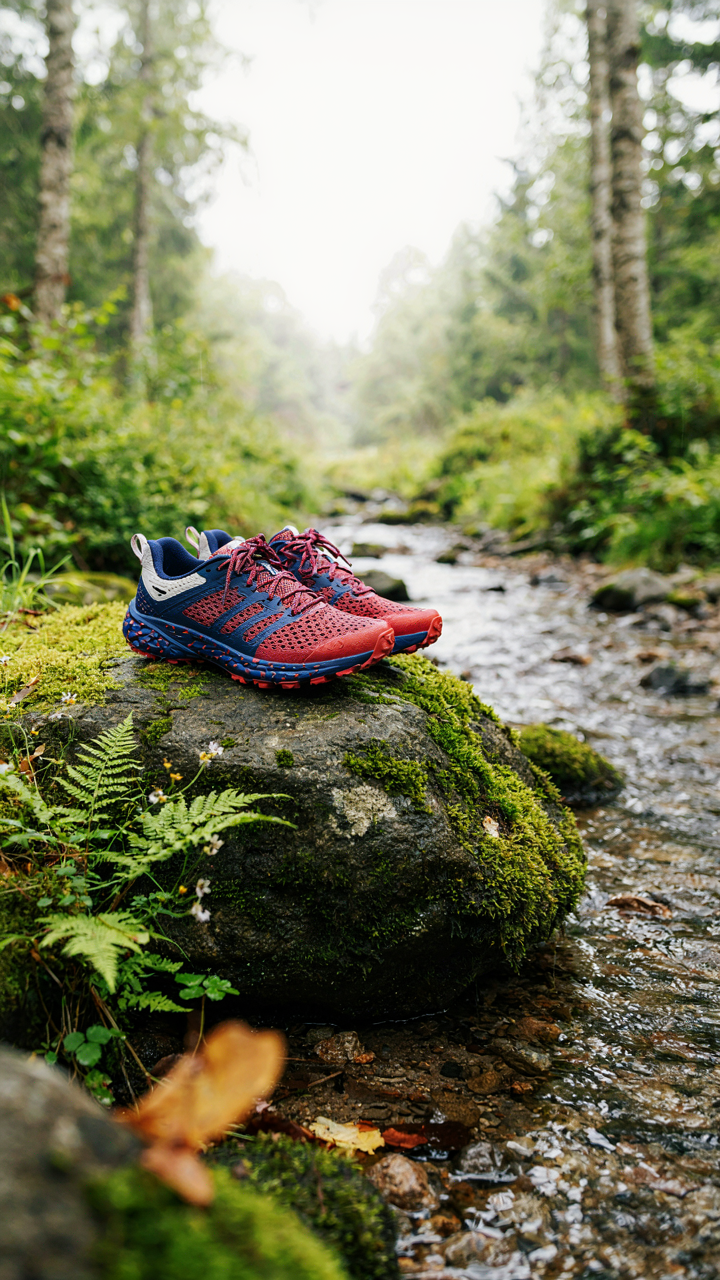
Waterproof hiking boots are a trap in humid weather. You’ll sweat inside them just as much as water seeps in, trapping moisture against your skin and guaranteeing blisters. The real mechanism comes from hydrology: water moves through the path of least resistance. Drainage-focused shoes channel moisture out, while sealed boots trap it.
For petite women, this means shoes with mesh panels, drainage holes, or open weaves that prioritize airflow over water resistance. Your foot dries faster when it can breathe. Merrell and Salomon make trail shoes with proprietary drainage systems that actually work in practice. Test your footwear in a shower before hitting humid trails to confirm water exits your shoe within minutes, not pools inside it. This single protocol prevents ninety percent of foot-related trail failures.
Accessory Advantage: Beyond The Cute Hiking Outfit

Hat Selection And Sun Exposure Management
You want the hat to do the work so you don’t have to think about it. The real mechanism here is surface area reduction: a petite frame with a smaller head circumference needs a hat scaled to your actual proportions, not vanity sizing. Standard hiking hats sit too loose, slide during exertion, and create gaps where UV hits your face and neck directly. A properly fitted hat keeps the brim at your eyebrow and covers the back of your neck without pulling across your temples.
Humidity demands breathable mesh or vented panels over solid fabric. Solid hats trap heat and sweat, defeating the purpose in wet climates. Look for hats with a smaller crown diameter (typically marked as small or XS) and adjust the back strap snug enough that it doesn’t shift when you’re moving uphill. The brim should overhang enough to shade your collarbone without blocking peripheral vision. This is not optional if you’re out for more than two hours in direct sun and humidity.
Pack Weight And Hydration Efficiency
Lightweight packs for petite women are not a luxury choice; they’re a load distribution necessity. Heavier frames distribute load differently than lighter ones, and a standard 30-liter pack designed for average builds sits wrong on your torso, pulling your center of gravity backward. In humid conditions, any excess pack weight magnifies fatigue and increases sweat production, which defeats moisture-wicking clothing. A 12 to 20-liter pack keeps your center of mass closer to your spine and reduces compensatory strain on your lower back and knees.
Hydration strategy changes in humidity because you lose water faster through perspiration and need replacement during the hike, not after. A 2-liter hydration reservoir or three 16-ounce bottles distributed in your pack prevents the weight concentration that throws off posture. Drink at regular intervals regardless of thirst cues, since humidity suppresses thirst signals. Fill before you head out, refill at water sources on route, and monitor urine color as your primary marker of hydration status.
The “Athletic Dress” Delusion: When One Piece Fails Outdoor Fashion

Why One Piece Fails Your Mobility
You want a single solution because it feels simpler, cleaner, more finished. Here’s the mechanism: a one-piece athletic dress constrains your range of motion across two independent joints—hips and shoulders—simultaneously. Physics calls this a compound constraint. When you’re petite and reaching for handholds on steep terrain or adjusting your pack straps mid-hike, that single layer forces your torso and legs to move as one rigid unit instead of independently.
A two-piece system—fitted shorts or leggings plus a separate top—lets each garment move with its own joint. Your legs bend and extend freely while your shoulders rotate without pulling fabric down your torso. In humid conditions, this separation also prevents sweat from pooling in one zone. The dress forces moisture to migrate across your entire core, extending drying time and increasing chafing risk where fabric clings tightest.
The Bathroom Break Problem Nobody Names
One-piece outfits create a removal problem that two-piece systems solve instantly. When you need to urinate on trail, a dress requires you to remove your entire upper body coverage, exposing your core to sun, insects, and temperature swings. Petite women especially face this because shorter inseams mean proportionally less fabric length to work with.
Shorts or leggings paired with a separate top let you lower your bottom layer and leave your torso protected and covered. You manage sun exposure, regulate core temperature, and maintain pack positioning without undressing completely. On humid trails where you’ll need bathroom breaks every ninety minutes due to increased fluid intake, this efficiency compounds over an eight-mile hike. Choose a two-piece system and eliminate a recurring friction point that the one-piece model ignores entirely.
Post Hike Protocol: The Recovery Regimen

Strip Wet Layers Immediately
You want to feel like you handled the hike well, but staying in damp clothes is the mechanism that keeps sweat and bacteria working against your skin long after the trail ends. Petite frames have less thermal mass, so you cool faster once movement stops, which means moisture clings harder and longer. Change out of every wet layer within 15 minutes of finishing. This isn’t comfort theater. It’s preventing bacterial and fungal growth in the exact environment where humidity already stacked the deck against you.
Your base layer absorbed sweat during the hike. Even if it feels only slightly damp, it’s saturated enough to trap warmth and create the pH shift that fungi need to colonize. Remove it completely, dry your skin with a clean towel, and put on dry clothes immediately. Don’t wait for a shower or a car ride. Wet fabric on skin for extended periods is the direct path to rashes and infections that take weeks to clear.
Reset Skin PH After Humidity Exposure
Dermatology tells us that humidity disrupts your skin’s acid mantle, the protective layer that keeps pathogens out and moisture balanced. Petite women often have higher skin sensitivity due to tighter facial structure and less surface area to distribute irritants. After prolonged humidity exposure, your skin’s pH has drifted alkaline from sweat salts and environmental moisture. A simple water rinse won’t rebalance it. You need an acidic toner or mild acid wash to restore the barrier that humidity compromised.
Use a pH-balanced cleanser followed by a toner with lactic or glycolic acid within an hour of finishing the hike. This resets your skin’s chemistry back to the 4.5 to 5.5 range where your natural defenses work properly. Skip heavy creams that day. Your skin is already overloaded with moisture. A lightweight, fragrance-free moisturizer once the pH toner dries is enough. The goal is restoration, not addition.
Gear Graveyard: The False Economy Of Cheap Trail Outfits
Technical Fabric Beats Price Tag Every Time
You want to believe cheap gear works because admitting it doesn’t means you wasted money already. Here’s the mechanism: moisture management in humid conditions operates on physics, not intention. Cotton absorbs sweat and holds it against your skin, creating drag and chafing. Synthetic blends and merino wool move moisture away from your body. For petite women, this matters more because proportionally smaller surface area means sweat concentrates faster on key friction zones like underarms and inner thighs.
Brands selling budget hiking wear use thin synthetics that break down after ten to fifteen outings in humidity. The seams separate first. The fabric pills and loses its moisture-wicking function. You’ll spend fifty dollars replacing worn-out pieces three times over instead of investing one hundred fifty dollars in gear that lasts two years of regular use. The math compounds when you’re buying in petite sizing, where your options are already limited and replacement costs higher per replacement cycle.
Replacement Cost Multiplier In Limited Sizing
The real trap isn’t the initial purchase price. It’s that petite-specific hiking wear has fewer manufacturers, fewer sales, and lower inventory turnover. When you buy cheap petite gear and it fails, you can’t just grab a replacement from five competing brands tomorrow. You wait for restocks. You buy emergency replacements at full price because your options compress. Fast fashion hiking brands treat petite lines as afterthoughts, which means they discontinue them faster and restock them slower than standard sizes.
A single technical shirt in petite sizing costs fifteen to twenty dollars more than standard sizing versions of the same brand. Multiply that across a full outfit over three to five years of replacing failed cheap pieces, and you’re spending two to three times the original investment. The economy flips. Spend strategically on one base layer, one mid-layer, and one shell that actually fit your frame, and you eliminate the replacement cycle that bleeds money.
The Real Obstacle Isn’t Finding The Right Outfit; It’s Your Unwillingness To Prioritize Function Over Conventional Fashion Dogma

Most petite women skip the trail because they choose looking cute over staying comfortable. You won’t. Go buy one technical base layer today. Not tomorrow. Wear it on your next hike and notice how your body actually performs when you stop fighting the climate. The outfit doesn’t matter. Your willingness to feel awkward in public does.