

The Sweat Wicking Fallacy: What Your Gear Labels Won’t Tell You

Natural Fibers Often Outperform Synthetics
You bought the marketing promise that synthetic fabrics solve sweat. They don’t. Here’s the mechanism: synthetics move moisture away from skin through capillary action, but they don’t let it escape into air fast enough in humid conditions. That’s the real problem nobody states plainly.
Merino wool and cotton actually evaporate sweat more efficiently than polyester or nylon in high humidity because they absorb moisture into their fiber structure, then release it into surrounding air as vapor. Synthetic fibers repel water, which means sweat pools on your skin longer while the fabric stays dry on the outside. In humid weather, you need the moisture moving through the fabric and into air, not sitting trapped between your body and a water-resistant layer.
Evaporation Is Key, Not Just Wicking

Physics matters here. Evaporation is the actual heat loss mechanism that cools your body, not wicking. Wicking just moves water sideways. An older adult hiking in 80-degree humidity needs fabric that prioritizes vapor transmission over liquid water movement. Most gear guides skip this distinction entirely.
Merino wool manages this because it tolerates moisture buildup without losing insulating properties or feeling cold. It also resists odor growth during multi-day trips, which matters when you’re wearing the same base layer for three days. Test this yourself: wear synthetic base layers in humid conditions for two hours, then switch to merino wool the same length of time. You’ll feel the difference in how quickly your skin dries once you stop moving and sit down to rest.

Beyond SPF: The Unseen Dangers Of Fabric Choices
Why Light Colors Beat Dark Every Time
You want to believe dark looks more authoritative on the trail. It doesn’t matter. Thermal physics is indifferent to your preferences. Dark fabrics absorb solar radiation across the visible and infrared spectrum, converting that energy into heat. Light colors reflect it. On a humid 85-degree day, the difference between a dark shirt and a light one isn’t cosmetic—it’s a core temperature problem your body cannot regulate as efficiently at sixty-plus years old.
The cooling system older adults rely on degrades with age. Sweat production decreases. Blood vessel response slows. Wearing dark fabric forces your body to work harder to shed heat it’s already struggling to manage. Light-colored, UV-protective hiking shirts aren’t a luxury. They’re a load calculation. Wear light colors on humid hikes.
The Mesh Gap That Kills Comfort
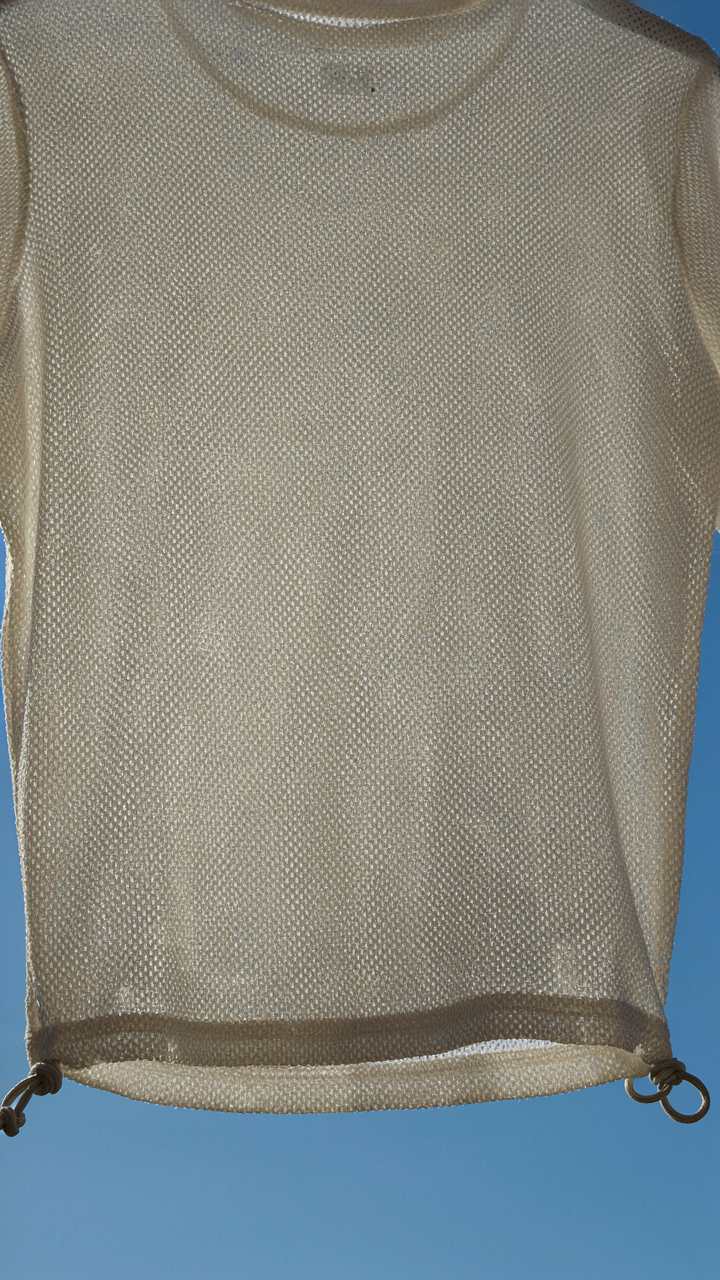
Most hiking apparel advice mentions “breathability” and stops there. Useless. The mechanism is airflow, borrowed from fluid dynamics: you need turbulent air moving across skin to enable evaporative cooling. Tight weaves trap humid air against your body. Loose weaves allow that air to circulate and replace sweat-saturated moisture with drier air. The difference compounds over three to four hours on a trail.
Older adults sweat less but recover more slowly from overheating. Loose mesh panels on shirts, jackets, and even pants create convection channels that accelerate moisture removal. This isn’t about looking technical. Check garment construction before buying. If you can’t see light through the fabric when you hold it up, the weave is too tight for sustained humidity. You’ll spend the last mile damp and depleted.
The “Less Is More” Layering Protocol For Older Adults

One Base Layer Beats Multiple Thin Ones
You want to feel prepared without admitting that carrying extra clothes you won’t use is dead weight. Here’s the thermodynamic reality: a single high-performance base layer traps moisture more efficiently than two thin ones stacked together. In thermodynamics, we call this thermal resistance, and redundant layers don’t add resistance linearly—they create air pockets that trap sweat instead of moving it away. Older adults in humidity need one engineered fabric doing the job, not a stack gambling on layering theory.
Merino wool or synthetic blends designed for active moisture management outperform cotton entirely and beat cotton-poly blends. Your base layer handles sweat transport during the hike itself. A second layer becomes excess bulk that slows you down and increases chafing risk on longer trails. Strip the conventional wisdom: more layers isn’t insurance. It’s just unnecessary weight that complicates what should be simple.
Strategic Venting Without The Vest Clutter
Convertible hiking pants with zip-off legs solve the venting problem most hikers get wrong. Full-length pants block airflow around your calves and ankles, where humidity clings hardest to older skin prone to temperature regulation issues. The mechanism is straightforward: legs generate minimal heat during hiking, but they accumulate moisture from external humidity. Zip-off sections let you expose skin without committing to shorts, which lose sun and insect protection. This is precision venting, not guesswork.
Chest zippers on your base layer matter more than most realize because they control upper body heat without removing your entire shirt. Opening a chest zip for 30 seconds during a trail break cools your core and lets trapped sweat escape. Avoid vests entirely in humid weather—they trap air pockets that defeat the whole layering purpose. Adjust strategically, move on.
Footwear: The Overlooked Core Of Humid Hiking Comfort

Mesh Ventilation Over Waterproof Membranes
You want your feet to stay dry. That’s the real reason you’re reading this. But waterproof membranes in humid conditions create the opposite problem—they trap sweat and heat, turning your feet into a breeding ground for blisters and fungal issues. Thermodynamics applies here: moisture moves from high concentration to low concentration. A sealed membrane blocks that escape route.
Mesh uppers with minimal lining beat Gore-Tex and similar barriers in humid climates. Your foot needs direct air exposure, not a vapor barrier that works against the surrounding saturation. Look for shoes with open mesh panels on the sides and tongue. Water will enter—accept this. It dries faster than sweat accumulates inside a sealed chamber. The trade-off is worth it after the first mile.
Sock Material Matters More Than You Think
Cotton socks are the enemy of humid hiking, and most people still wear them because they feel comfortable at the trailhead. Cotton absorbs moisture and holds it, creating friction and heat. Your socks need to wick and dry, not absorb.
- Merino wool: Temperature regulates naturally and resists odor. Works well in humid conditions because it releases moisture quickly despite feeling warm.
- Synthetic blends (nylon/polyester): Fast-drying and durable. Best for pure humidity management if you prioritize quick evaporation over temperature nuance.
- Silk liners: Thin base layer worn under main socks to reduce friction and wick surface moisture before it reaches heavier material.
- Nylon-spandex hybrids: Compress slightly around the foot and reduce slippage inside shoes, critical for older adults with looser skin and less foot muscle definition.
- Bamboo viscose blends: Breathable and antimicrobial, though less durable than merino or synthetics over multiple seasons.
Buy socks one size up from your street shoe size. Older feet swell in heat and humidity, and compression from normal-fit socks cuts circulation. Change socks at the halfway point if your hike exceeds three miles. Wet feet in motion create hot spots that become blisters in the last mile—the moment when most injuries happen.
Head To Toe Cooling: The Smart Accessories For Woman Hiking

Wide Brim Hats Keep Heat Off Your Head
You want to look competent on the trail, which means you need shade that actually works. The mechanism is simple: a hat with a brim wider than five inches blocks direct solar radiation before it hits your face and neck, the two zones where older skin burns fastest and heat absorption peaks. Most women grab baseball caps, which fail because the back leaves your neck exposed to the sun’s worst angle during midday climbs.
A wide-brim hat functions like an awning for your face and shoulders. Look for hats with a minimum five-inch brim all the way around, not just the front. The material matters: lightweight nylon or cotton blends dry faster than canvas when sweat soaks through. The crown should have ventilation holes or mesh panels to let hot air escape upward instead of trapping it against your scalp. Secure it with a chin strap so humidity-driven wind doesn’t knock it off on exposed ridges.
Cooling Towels Target Where Heat Builds Up
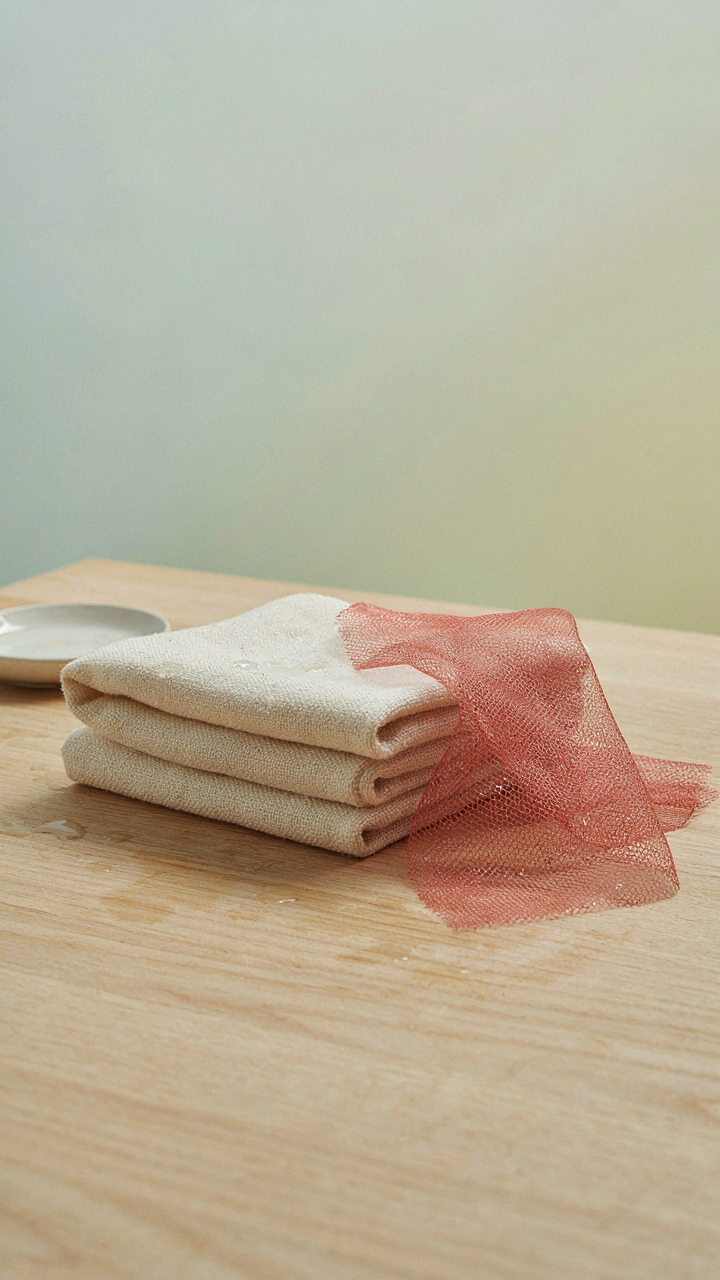
Everyone talks about cooling towels, but almost nobody explains when they actually work. Physics calls this evaporative cooling, and it only functions when moisture evaporates from fabric. A cooling towel is just material engineered to hold water longer than regular cloth, creating sustained evaporation against your skin. In humid air, evaporation slows dramatically, which is why these towels work better in dry climates than in the swamp conditions older adults face on summer hikes.
Keep the cooling towel dampened and draped across your shoulders or neck during breaks, where major blood vessels run close to the surface. Soak it in a stream or your water bottle every thirty to forty minutes, depending on humidity levels. The towel pulls heat away from your core faster than your body can generate it, dropping your internal temperature measurably. This gives you a legitimate physiological reset, not just a psychological one. When humidity prevents sweat from evaporating naturally, this mechanism becomes your backup heat-dissipation system.
The Adventure Outfit: What Ancient Cultures Knew About Heat

Loose Garments Work Better Than You Think
You want to look like you know what you’re doing on a trail. Here’s what actually matters: physics. In thermodynamics, air movement is your cooling mechanism, and tight fabric blocks it. Desert nomads didn’t wear fitted clothing because they understood forced convection. Loose garments create a microclimate between fabric and skin, allowing sweat to evaporate instead of pooling. This isn’t fashion advice. It’s applied physics.
The mistake most hikers make is confusing “breathable” with “fitted.” Modern athletic brands sell compression gear as if tightness equals performance. For older adults in humidity, loose construction matters more than fabric technology. A well-cut cotton shirt that hangs away from your body beats expensive synthetic compression every time. The gap between fabric and skin is your engine. Protect it.
Material Selection Shifts The Whole Equation
Linen and thin cotton blends aren’t trendy choices. They’re the outcome of what actually works in heat and moisture. Linen has hollow fiber cores that accelerate water vapor transmission. Cotton absorbs sweat without clinging to skin like synthetics do. Neither material tries to wick moisture away. They simply let it move through.
Most hiking gear recommendations ignore this because the industry profits from synthetic complexity. Merino wool marketing, moisture-wicking technology, advanced polymers. All of it. The real mechanism is simpler: natural fibers have larger pores that allow air and moisture to pass through faster than tightly engineered synthetics. Wear linen or cotton blends on humid trails. Plan for moisture to sit on fabric rather than trying to evacuate it from skin.
Why “Hiking Outfit Women” Needs To Rethink “Durability”
The Myth Of Heavy Fabric Protection
You want to believe that thicker, tougher fabric means your outfit will last longer and protect you better. Here’s the mechanism: heavy-duty materials trap moisture against your skin in humid conditions, which accelerates both chafing and the breakdown of the fabric itself. Sweat doesn’t evaporate through dense weaves. It pools. This creates the exact conditions that rot seams, degrade synthetic fibers, and leave you uncomfortable for hours.
The gear industry sold durability as thickness because it’s easier to market and manufacture. Older adults especially fall for this because durability has always meant something reliable. But in humid hiking, durability means your outfit survives the sweat cycle, not just the rocks. A lighter synthetic that dries in thirty minutes outlasts heavy cotton or dense blends that trap moisture for hours.
Breathability Changes Everything
Thermodynamics governs this choice: your body generates heat on the trail, and in humid air, the only way to regulate temperature is through evaporative cooling. Dense fabrics block evaporation. Breathable ones accelerate it. The difference in core temperature between the two can reach 3 to 5 degrees Fahrenheit on a sustained hike.
When you prioritize breathability over abrasion resistance, you’re trading the idea of toughness for the reality of function. Lightweight, open-weave synthetics like polyester mesh allow sweat to migrate away from skin faster than any other category of fabric. This one choice determines whether your joints stay cool enough to hike comfortably for four hours or whether inflammation and fatigue hit at hour two. Select base layers and outer shells with moisture-wicking ratings above 1000 grams per square meter per 24 hours, and your outfit becomes the mechanism that keeps you moving.
The Thermodynamics Of Smart Hiking: Applying Physics To Your Kit

Air Movement Beats Fabric Weight
You want to believe the right material solves this problem so you can stop thinking about it. It doesn’t. Physics says convection, the transfer of heat through moving air, dominates your thermal comfort in humid conditions. Your body generates heat constantly. That heat either moves away from your skin or builds up. The mechanism is simple: faster airflow removes more heat faster. Loose, lightweight layers trap less air against your skin than tight ones do.
Most hiking advice says “moisture-wicking” like it’s a magic property. Wrong framing. Moisture-wicking matters less than airflow in humid heat. A tight synthetic shirt that wicks sweat still holds that sweat-laden air against you. A loose linen or cotton shirt, despite lower wicking ability, allows air to circulate and carries heat away mechanically. For older adults, whose core temperature regulation declines with age, this distinction separates a comfortable hike from an unsafe one. Choose loose construction first. Material choice comes second.
Sweat Evaporation Is Your Only Cooling System
The latent heat of evaporation, the energy required to turn liquid sweat into vapor, is the only active cooling mechanism your body has in heat. When sweat evaporates, it pulls thermal energy from your skin. Humidity blocks this process completely. At 90 percent humidity, sweat stays liquid on your skin instead of evaporating. Your body keeps sweating uselessly while heat accumulates. The common advice to “stay dry” misses the mechanism entirely.
Fabrics engineered for high surface area maximize evaporation speed when conditions allow it. Merino wool and technical synthetics create capillary networks that spread sweat thin across more fabric surface. This doesn’t help in 90 percent humidity where evaporation stalls regardless of material. What helps is removing the liquid sweat before humidity can saturate the air around your skin. Wear breathable layers that shed sweat outward, not inward. Switch wet layers for dry ones at rest stops. The goal is never to be dry—it’s to evaporate what sweat forms before it accumulates.
Packing Light: Camping Outfits And The Minimalist Mindset
Gear That Does Multiple Jobs
You want to feel prepared without admitting you’re afraid of being caught unprepared. The real mechanism is this: every item you pack generates heat through its own mass and restricts airflow around your skin. In humid conditions, this becomes a problem fast. This is basic thermodynamics applied to your body as a heat-dissipation system. One piece doing two jobs means you strip away dead weight that traps sweat against your skin.
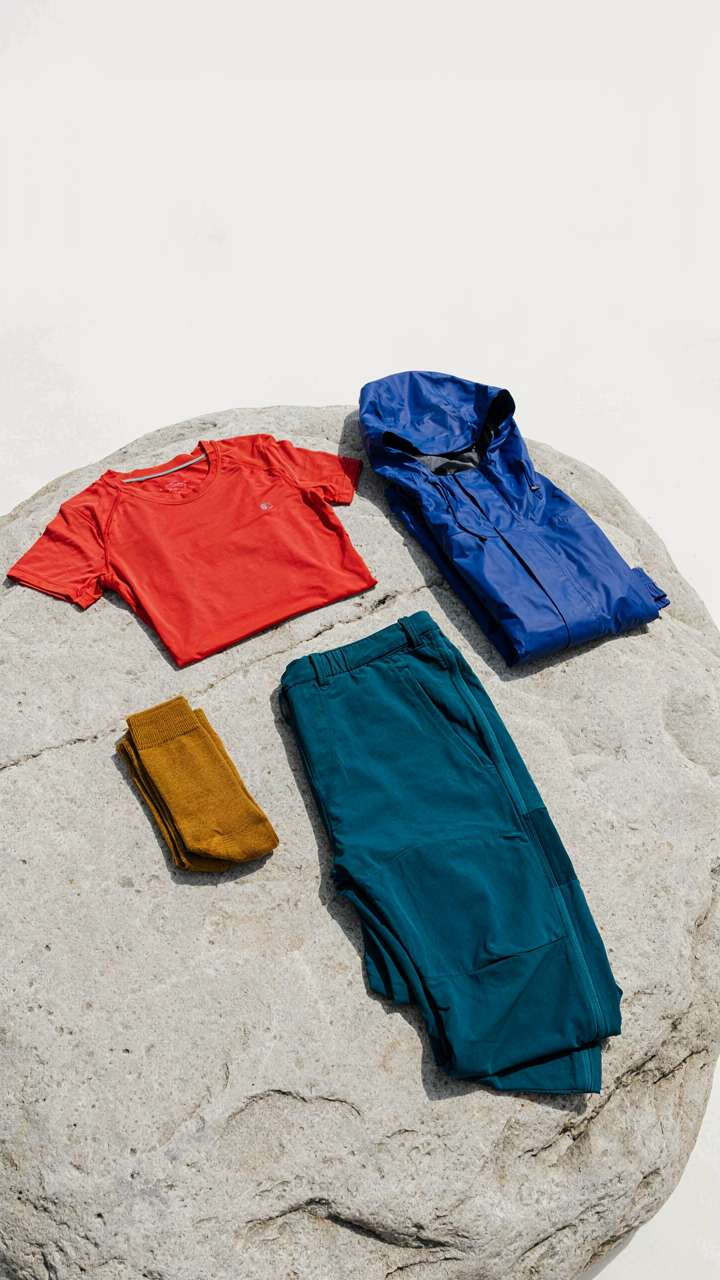
A moisture-wicking shirt with built-in sun protection eliminates the need for a separate UV layer. Quick-dry pants with convertible legs let you switch from full length to shorts without carrying two pairs. A lightweight rain shell that doubles as wind protection cuts bulk by half. Choose merino wool base layers over synthetic blends when you want one layer instead of stacking two thin ones. The math is simple: fewer items equals less insulation equals better cooling in heat and humidity.
Strip Away Everything That Isn’t Essential
The generic advice says “layer strategically.” That’s incomplete. Layering works in cold conditions. In humidity, most older adults over-layer and wonder why they’re soaked by mile two. Your core outfit needs to be the bare minimum because humidity means any trapped air becomes a sweat trap, not an insulation buffer.
Start with one moisture-wicking base. Add one lightweight outer shell for sun and occasional rain. Wear one pair of shorts or capris. One pair of socks designed for hiking, not cotton. One hat or visor. That’s the outfit. Everything else stays in your pack or at camp. Your body regulates heat through evaporation and airflow, not through outfit complexity. When packing, ask: does this item do something my other gear doesn’t? If the answer is no, it doesn’t come.
Stylish Summer Outfits: Function Over Form, Always
Stop Chasing The Instagram Version
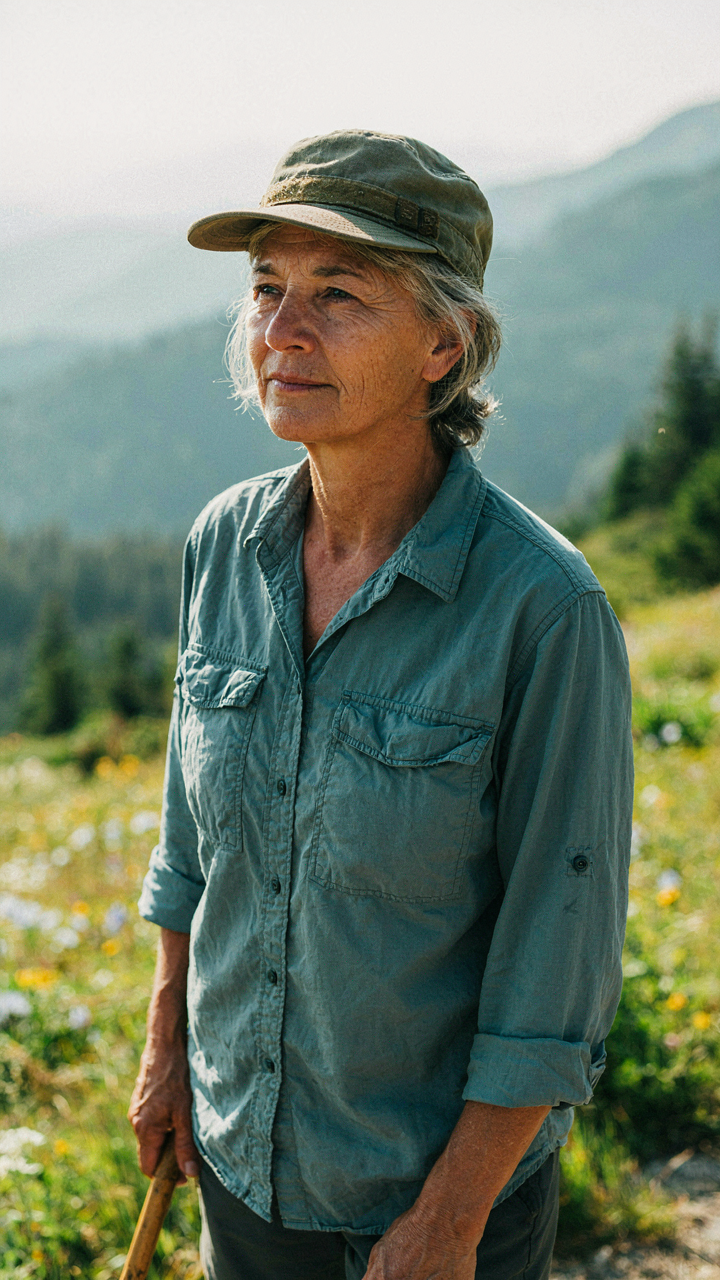
You want to look put-together on the trail because you’re afraid looking competent means looking frumpy. Here’s the mechanism: in humid conditions, anything tight traps sweat against your skin and accelerates chafing. Anything loose sheds heat faster through air circulation. The outfit that performs best—loose, moisture-wicking, minimal seams—happens to look understated. That’s not a compromise. That’s the physics working in your favor.
Cotton kills performance in humidity. Merino wool or synthetic blends wick moisture away from skin instead of holding it. A loose-fitting shirt in these materials lets air move between fabric and body, cooling you down. Older adults hiking in heat need this mechanism working, not fighting against your body. The styling follows the function, never the reverse.
Earned Credibility Beats Logo Recognition
This isn’t psychology, it’s signaling theory from economics. You signal competence through decisions that solve real problems, not through brand patches visible from ten feet away. An older adult in worn hiking boots and a faded technical shirt reads as experienced. Someone in pristine gear with visible logos reads as untested.
Your outfit builds credibility through visible wear patterns and material choices that make sense for the conditions. A hat with a sweat band, shoulders bleached lighter from sun exposure, pants with reinforced seams at stress points—these details say you’ve solved problems repeatedly. Buy gear that survives hard use. Use it until it shows. That’s the entire system.
Your Real Obstacle Isn’t The Humidity; It’s Clinging To Outdated Notions Of Appropriate Hiking Attire

Most older hikers fail because they dress for what hiking used to be, not what it is. You don’t need cotton. You don’t need heavy boots. You don’t need to suffer through sweat and chafing to earn the trail. Go buy one moisture-wicking shirt today and wear it on your next walk. Your body already knows the difference between comfort and tradition. Stop choosing tradition.