

The Sweat Wicking Deception: Why Cotton Kills Comfort

What Moisture Actually Does To Your Skin
You want to believe cotton works because it’s cheap and familiar. The reality is different. Thermodynamics governs how fabric interacts with sweat in humid conditions. Cotton absorbs moisture instead of moving it away from skin, and once saturated, it holds that water against your body. This creates a cooling deficit rather than a cooling mechanism. Wet fabric conducts heat away from skin faster than dry fabric, but only in the initial moment. After saturation, you’re wearing a heat-conducting liability that won’t dry because the ambient humidity prevents evaporation.
The problem isn’t sweat itself. Sweat is your body’s cooling system. The problem is fabric that traps sweat and prevents the air circulation needed for evaporation to occur. Cotton can hold up to 27% of its weight in water before feeling wet. In 90-degree humidity, that saturation point arrives fast and stays there. Your core temperature climbs because your body’s thermoregulation mechanism gets blocked by the fabric you chose to regulate it. You’re not staying cool. You’re insulating heat.
Polyester, Merino, Nylon: The Actual Trade Offs

Polyester moves moisture away from skin through capillary action. The fibers are hydrophobic, meaning water doesn’t bond to them. Sweat spreads across the fabric surface instead of soaking in, creating more area for evaporation. Merino wool does something different. It absorbs moisture but releases it faster than cotton because the fiber structure allows water to move through it and disperse. Nylon sits between them. It’s hydrophobic like polyester but has slightly more grip on moisture, which makes it better for extended saturation periods in truly brutal humidity.
Here’s what the gear companies won’t state plainly: there’s no single best choice. Polyester dries fastest and works well for short hikes where you’re constantly moving and generating airflow. Merino regulates temperature better during extended exposure because it buffers sweat absorption and dissipates heat even when damp. Nylon handles abrasion and maintains performance when fully saturated. Choose based on duration and intensity, not based on which brand marketing team spent the most on Instagram ads. Your outfit should match the hike profile, not your aesthetic preferences.

The Minimalist Layering Protocol For Humid Climates

Base Layer As Skin Extension Material Selection
You want the base layer to solve a problem you think doesn’t exist yet, which is why you’ll buy the wrong one. Humidity kills cotton dead because it holds moisture against your skin indefinitely. Think in terms of fluid dynamics: water molecules need an escape route, not a trap. Synthetic fibers like polyester and nylon move sweat away from skin faster than natural fibers because they’re hydrophobic. Merino wool sits between them, wicking moisture while resisting odor and temperature swings, but it costs more and dries slower in truly tropical conditions.
The real mechanism is capillary action. Your base layer must pull sweat from skin to the surface where air can evaporate it. Cotton fails here because it absorbs moisture and holds it. Polyester succeeds because it repels water and forces it along fiber surfaces toward air. In humid climates, pick synthetic or merino. Skip cotton entirely. Your base layer’s job is transportation, not absorption. Wear it tight enough to maintain contact with skin, loose enough to breathe.
Outer Shell Wind Resistance Not Bulk
The common advice says “breathable rain jacket,” which is half right and half marketing. Wind resistance matters more than rain resistance in humid conditions because wind interrupts evaporation, which is your only cooling mechanism. A thin, tight weave shell stops wind without trapping heat like heavy Gore-Tex does. Physics calls this laminar versus turbulent flow. Your outer shell manages airflow around your body, not just water. Lightweight nylon or polyester jackets with a DWR coating handle afternoon storms while staying packable and breathable.
Bulky insulated jackets destroy performance in humidity because they trap the warm, moist air your sweat creates. You need a shell that moves with you and lets convection work. Look for jackets under 300 grams that pack into a fist-sized ball. A tight weave stops wind gusts that would strip heat faster than you can generate it. Your outer shell stays in your pack until wind picks up or rain starts. That’s the protocol: base layer stays on, outer shell deploys only when conditions demand it, nothing else.
Ventilation: The Unsung Hero Of Trek Outfits Men

Mesh Placement Where It Matters
You want ventilation in your hiking outfit because you’re terrified of looking like you’re struggling, but the real mechanism is this: your body dumps heat through convection, and mesh creates air pathways that make convection work. Armpits and back panels aren’t arbitrary choices. Your armpits generate constant heat. Your back faces the sun directly. Mesh sewn into these zones lets heated air escape instead of trapping it against your skin where sweat pools and stays.
Most hiking shirts waste mesh in cosmetic strips across the chest. That’s theater. Strategic placement means mesh panels that run the full depth of your armpit from shoulder to ribcage, and back panels that extend from your shoulders to your lower back where your pack sits. The mesh itself needs to be tight enough to stop insects but loose enough to let air move freely. Cheap mesh clogs with humidity. Quality mesh stays open. That’s the difference between drying out and marinating in your own sweat for six hours.
Zipper Systems For Rapid Heat Dump Efficiency
Thermal management operates on the physics principle of rapid heat dissipation. A zipper is a heat valve. Half-zips and full-front zips work differently in humid conditions. A half-zip lets you open your chest and neck area fast. A full-zip gives you precision control over how much of your torso you expose. Most men treat zippers like binary switches, fully open or fully closed. That’s wrong.
The tactical move is managing zippers to match effort levels throughout your hike. During steep climbs, unzip to 60 percent to bleed excess heat while keeping your core protected. During descents and flats when you’re generating less metabolic heat, zip up to 80 percent to trap a thermal layer while still having an escape valve. Dual sliders on full-zip shirts are worth the extra cost because you can open from the top and bottom simultaneously, creating a vent system that functions like active cooling. Test your zipper pulls before buying. Wet hands fail on cheap sliders in humidity.
Footwear Fluid Dynamics: Avoiding The Swamp Foot
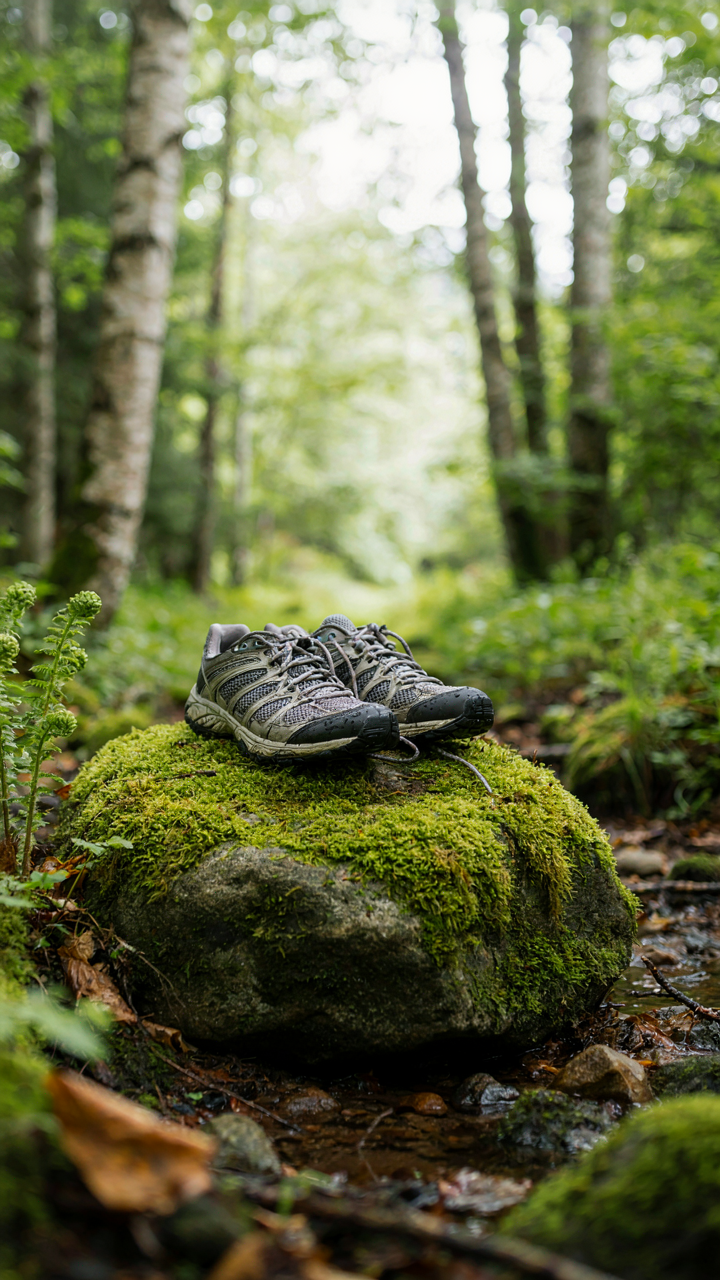
Waterproof Boots Kill Your Feet In Humidity
You want waterproof boots because you think they’ll keep your feet dry. They won’t. The real mechanism here is vapor pressure: moisture doesn’t just come from outside water, it evaporates off your skin and gets trapped inside sealed material, creating a swamp against your skin. Waterproof equals suffocation in humid conditions. Your foot sweats. That sweat has nowhere to go.
The common advice is backwards. Breathability beats impermeability every time in humid climates. Mesh panels, perforated uppers, and open weaves let moisture escape instead of accumulating. Gore-Tex and similar membranes claim to breathe but they’re a compromise solution designed for mixed conditions, not sustained humidity. For pure humid-weather hiking, prioritize drainage and evaporation over blocking water. Your feet will thank you by remaining functional rather than macerated.
Sock Strategy For Friction And Moisture
Merino wool and synthetic blends solve two separate problems simultaneously. Merino wicks moisture away from skin faster than cotton, which absorbs sweat and holds it. Synthetics like polyester and nylon add durability and reduce cost. The blend is the move: merino for the moisture management, synthetics for the structure and lifespan.
- Merino Wool Blend: Naturally regulates moisture and resists odor buildup. Maintains grip even when damp, preventing blisters from friction. Typically 60-80% merino mixed with nylon or polyester for durability.
- Lightweight Construction: Thin socks breathe better than thick ones in humidity. Heavy socks trap heat and moisture. Choose merino or synthetic lightweight versions for humid conditions, not winter-weight options.
- Seamless Or Flat-Lock Seams: Standard seams create pressure points that worsen friction blisters. Flat-lock or seamless designs distribute pressure evenly across the foot, critical in humid sweat conditions.
- Mid-Calf Height: Prevents debris entry and provides ankle support without the heat trap of full-length boots. Keeps sock position stable during long hikes where slipping causes blisters.
- Quick-Dry Rated Materials: Specific synthetic blends dry 30-50% faster than standard cotton or pure merino. Useful if you’re hiking multiple days and need functional socks by morning.
Friction happens when socks slip inside wet boots or when moisture softens skin and reduces its structural integrity. Replace cotton entirely. Carry a spare pair of merino-synthetic blend socks in your pack and change them at the halfway point if you’re hiking beyond four hours. Damp feet breed blisters faster than any other single factor in humid terrain.
The Un Cargo: Why Traditional Mens Cargo Shorts Fail
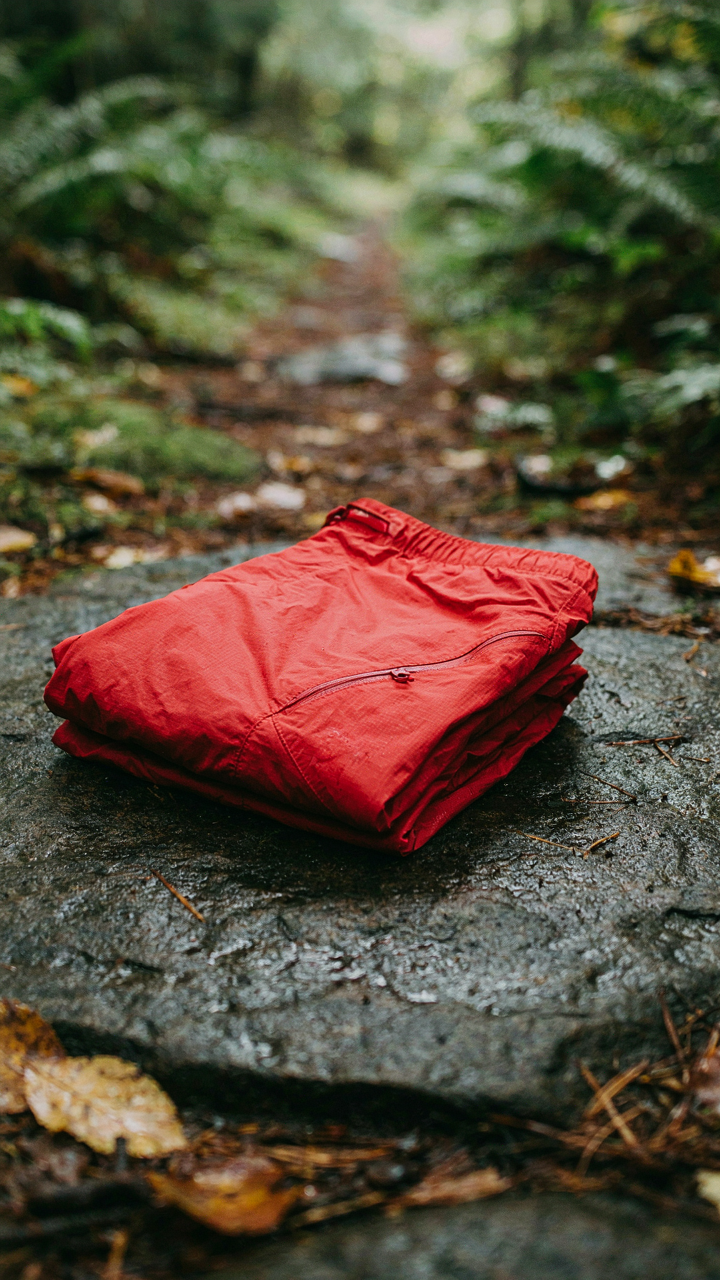
Weight Vs Utility Streamlined Pocket Design
You want cargo shorts because you think extra pockets mean you’re prepared. They don’t. They mean you’re carrying dead weight that compounds with sweat and humidity, turning your legs into a sauna. The mechanism is simple: every ounce of fabric touching your body in humid conditions traps moisture and heat. More pockets require more fabric seams, more structure, more material overall. A traditional cargo short weighs 8 to 12 ounces. A streamlined hiking short weighs 4 to 6.
The real play is ruthless compartmentalization. Keep one thigh pocket for a small knife or emergency card. One zippered back pocket for your phone. That’s it. Your pack carries the load. Your legs carry you. The shorts exist to shed sweat and dry fast, not to replace your backpack’s job. When fabric stays lighter, airflow moves through it, sweat evaporates instead of pooling, and you maintain core temperature control.
Ripstop Nylon Vs Heavy Cotton
Cotton is the worst fabric choice for humid hiking, and nobody says it plainly enough. Cotton absorbs water like a sponge and holds it against your skin. Ripstop nylon, by contrast, sheds moisture and dries in minutes. This isn’t preference. This is physics. Cotton fibers swell when wet and lose structural integrity. Nylon fibers repel water at the molecular level because they’re hydrophobic.
Ripstop nylon also resists puncture and tear better because its woven grid pattern distributes force across fibers instead of letting one tear propagate. In humid environments where you’re moving through dense brush or wet vegetation, this matters. Your shorts stay intact longer, perform longer, and weigh less when saturated. Choose 100 percent ripstop nylon or a ripstop nylon blend with minimal cotton content. Cotton blends marketed as hiking shorts often contain 30 to 50 percent cotton, which defeats the purpose entirely.
Headwear & Handwear: Precision Protection, Not Excess
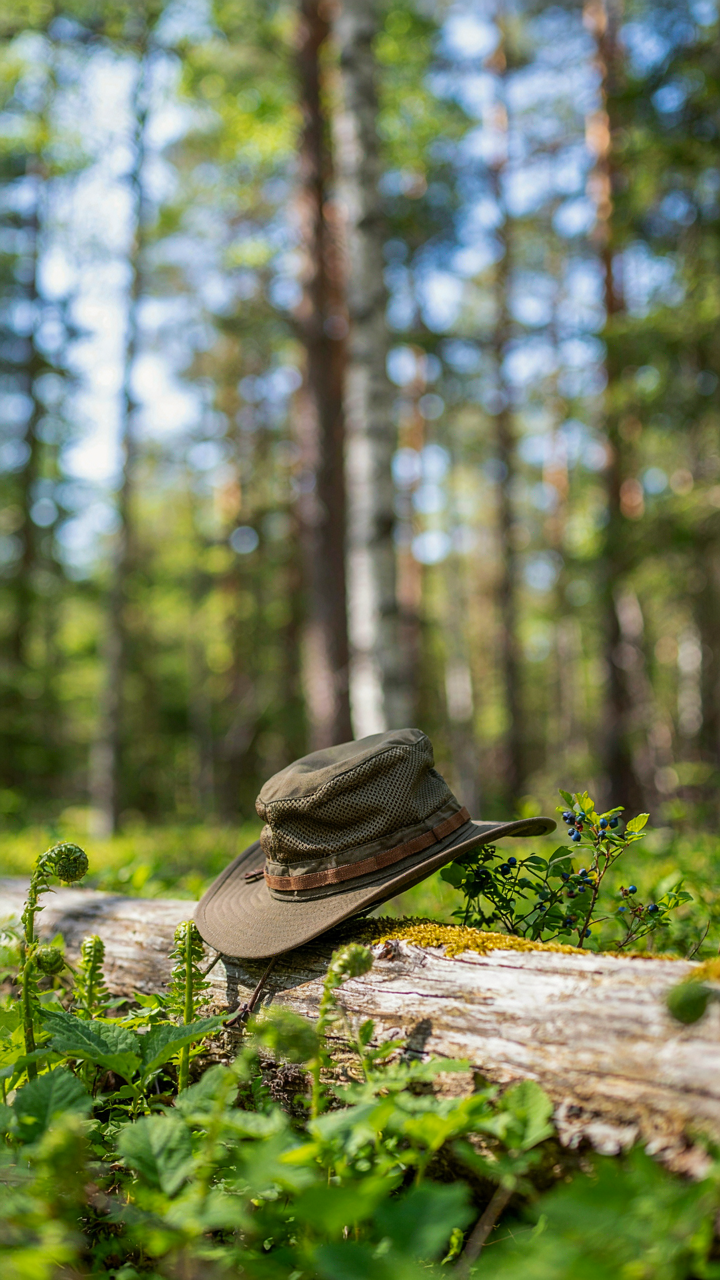
The Hat That Actually Breathes
You want a hat that makes you look purposeful on the trail. The real mechanism is evaporative cooling: a wide brim deflects solar radiation before it hits your skin, while ventilation gaps let hot air escape instead of trapping it against your scalp. Most men buy hats that look good and fail on both counts. A proper humid-weather hiking hat needs a three to four inch brim minimum, mesh panels on the crown and sides, and a sweatband that wicks moisture away from your forehead.
Packability matters because you’ll remove it during steep climbs or dense tree coverage where sun exposure drops. Look for hats that compress into a daypack pocket without permanent creasing, typically unstructured designs with minimal internal structure. The sweatband should be synthetic or merino wool, never cotton. Cotton holds moisture and creates a cold, clammy band against your forehead when you sweat. Your hat works only when air moves through it, so sealed or fully lined crowns defeat the purpose entirely.
Grip Over Everything Else
Gloves in humid conditions serve one function: grip. Wet palms on a trekking pole or climbing rock mean lost traction and unnecessary hand fatigue. Most hiking glove advice ignores this and focuses on insulation, which is irrelevant above fifty degrees in humid air. You need thin synthetic or leather gloves with textured palms, never padded or insulated construction. Blister prevention comes from friction control during repetitive gripping, not cushioning.
Choose gloves that dry quickly and don’t retain sweat inside the palm. Leather with mesh backing works. Synthetic with perforated palms works better. Avoid neoprene or any fully closed material. Many men bring heavy mountaineering gloves on humid summer hikes—a waste of weight that creates hand heat and reduces grip through added bulk. Test your gloves by grabbing a wet trekking pole hard for thirty seconds. Your hand should feel secure, not slippery or overheated. That’s your baseline.
The “Outdoorsy Style” Illusion: Function Over Fashion
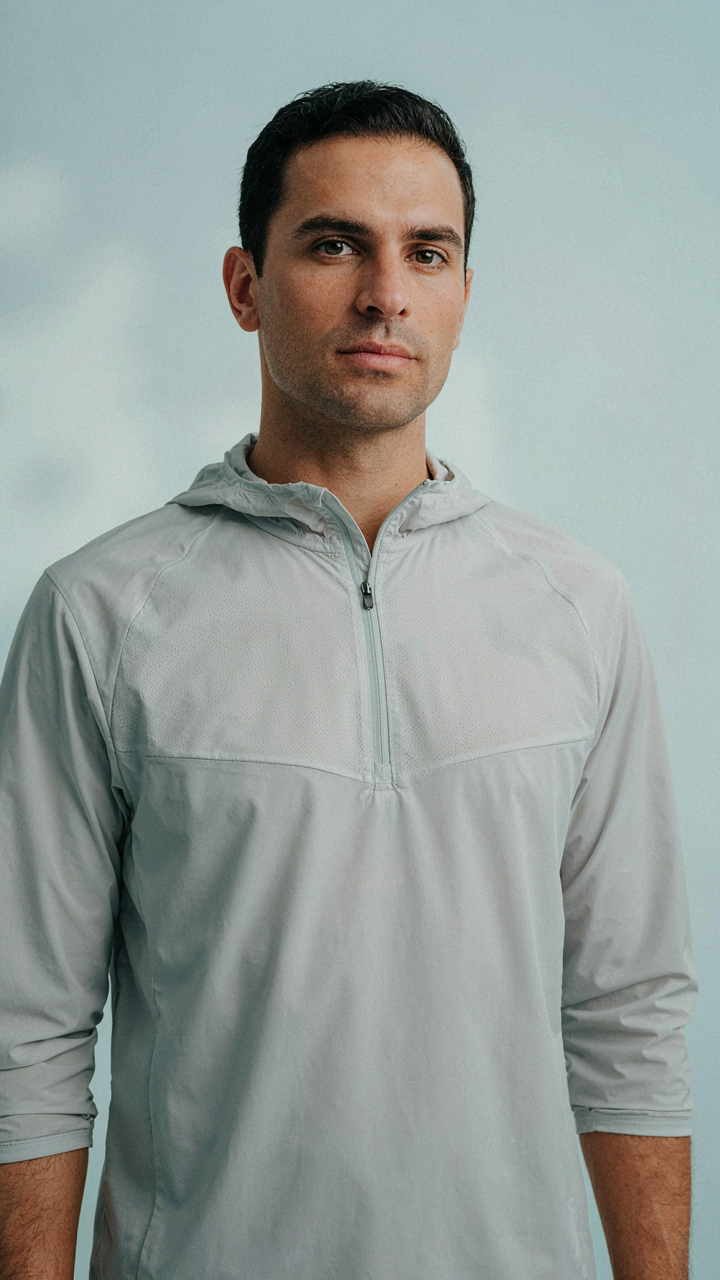
Color Choice Shapes Heat And Survival
You want to look intentional out there. That’s the real reason this matters. But color on a humid hike isn’t about aesthetics—it’s thermodynamics. Light colors reflect solar radiation. Dark colors absorb it. In humidity, your body already can’t shed heat through evaporation the way it does in dry climates, so absorption becomes a liability you can’t ignore.
Wear light colors on your torso and legs. Cream, tan, light gray, and white all perform the same function: they bounce wavelengths away from your skin. High-visibility orange works too—safety doesn’t contradict physics. Reserve dark colors for minimal surfaces. Your hat bill should stay neutral. The mechanism is simple: less absorbed heat means lower core temperature, lower sweat production, and lower risk of heat exhaustion on an eight-hour push through wet air.
Fit That Lets Your Body Work
Everyone says “wear breathable fabric.” That’s incomplete. Fit controls whether that fabric actually breathes. Tight clothing traps moisture against skin and restricts the air circulation your body needs. Loose clothing that moves with you lets sweat migrate away from your body to the garment surface where evaporation can happen, even in humidity.
Your shirt should allow a full shoulder roll without pulling across your chest. Your pants need thigh room for climbing—test this by doing a deep lunge. Seams matter too: place them on the outside of your shoulders and along the sides of your legs, not running down the center of high-friction zones. Before any hike over two hours, do a thirty-minute movement test in your outfit to catch chafing points before they become problems.
Survival Physics: Heat Dissipation Strategies
Evaporation Is Your Only Real Weapon
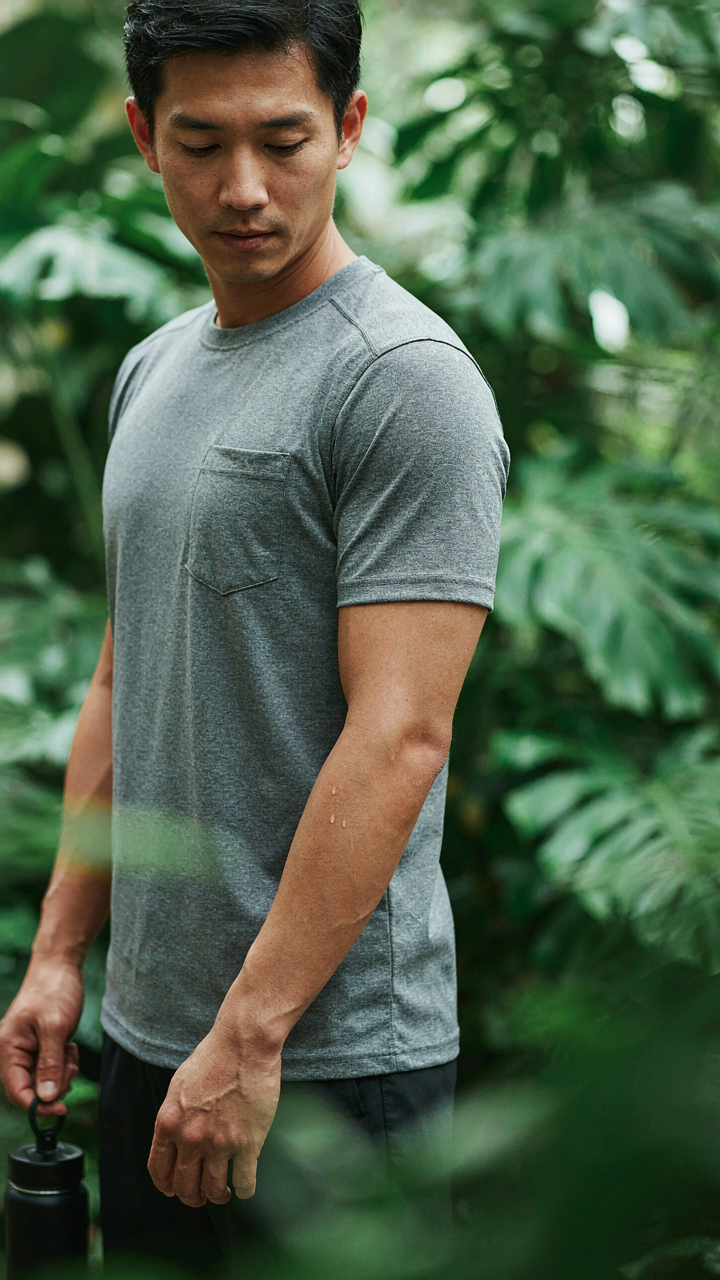
You care about this because you want to hike without falling apart, and the fitness industry sells you myths about “breathable fabrics” instead of naming the actual mechanism. Physics calls this evaporative cooling, and it’s the dominant heat loss pathway in humid conditions. Your skin produces sweat. That sweat evaporates. The phase change from liquid to vapor pulls thermal energy off your body. That’s it. Everything else is secondary noise.
The problem most hikers miss: humidity strangles evaporative cooling. When air is already saturated with moisture, sweat sits on your skin instead of evaporating. You need maximum surface area exposure to catch whatever breeze exists and accelerate water loss. Loose cuts work better than tight fits. Sleeveless or short-sleeve tops beat long sleeves in true humidity. The fabric itself matters less than the geometry that lets air move across wet skin. Your outfit is a thermal management tool, not a fashion statement.
Air Movement Beats Material Brand Names
Material selection matters far less than convection—the transfer of heat through moving air across your body. Nylon and polyester both shed water and dry fast, but neither creates airflow by itself. The real leverage is silhouette and weave density. A loose mesh tank top forces air circulation around sweat-covered skin. A tight compression shirt traps heat regardless of what marketing calls it “advanced.” Cotton holds moisture and cools through evaporation only after it dries, which takes longer. Merino wool regulates temperature but adds bulk you don’t need in true heat.
Radiation—heat loss through infrared emission—ranks third in humid conditions because your skin temperature barely exceeds air temperature. Dark colors absorb radiant energy from the sun and worsen your thermal load. Light colors reflect it back. Wear neutrals or whites. The real protocol: choose loose, light-colored synthetic mesh or technical fabrics with open weaves, keep sleeves short, and prioritize airflow over any material’s brand reputation.
Beyond Gear: Mental Fortitude & Hydration Tactics
The Discomfort You’re Actually Fighting
You want this section because you’re hoping gear will solve what your mind won’t accept. It won’t. Humidity breaks people through perception, not physics. Your body produces the same effort in 95 degrees and 60 percent humidity as it does in dry heat, but your sweat can’t evaporate. Your nervous system reads this as failure. You interpret the wet shirt and slow pace as weakness. Control the story you tell yourself, and the walk becomes manageable instead of miserable.
The mechanism is simple: humidity doesn’t increase workload, it blocks feedback. Sweat cooling your skin is the thermostat telling you you’re handling it. When evaporation stops, you lose that signal and panic. Strip the panic. You’re not overheating. Your body is working exactly as designed. Accept the sweat as function, not failure. Wear synthetic or merino wool that moves moisture away from skin and dries fast. This isn’t comfort. This is removing the lie your nervous system keeps telling you.
Sodium And Electrolyte Replacement Done Right
The common advice is wrong: you don’t need sports drinks. You need salt and water timing. Sweat loss in humidity is aggressive, and you’re bleeding sodium faster than you replace it through food alone. Most hikers hydrate generically, sipping water whenever thirsty. By mile eight, your sodium concentration has dropped enough to trigger cramping and fatigue you can’t explain. The fix isn’t miraculous. It’s mechanical.
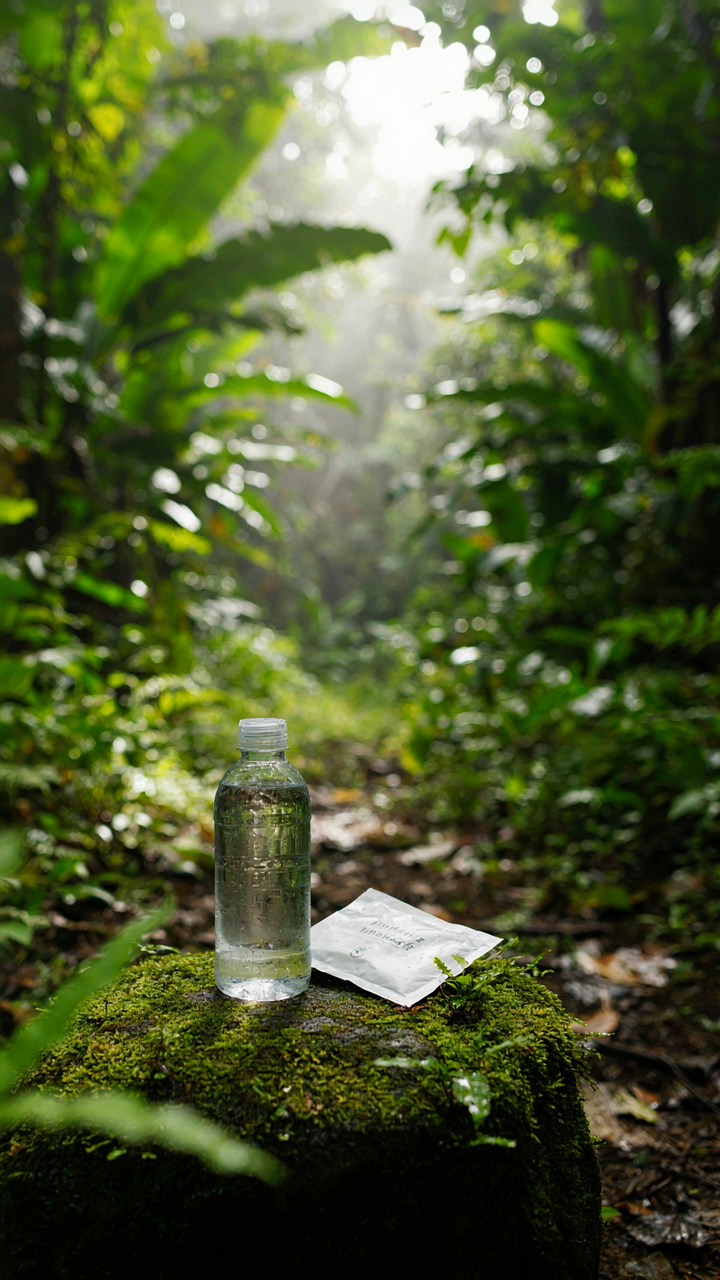
Carry electrolyte tablets or powder that dissolve in water. Take one serving every 45 minutes of hiking, not when you’re already cramping. Pair it with real food that contains salt: jerky, trail mix with salted nuts, or energy bars formulated with sodium. Your kidneys regulate water retention through sodium balance. Skip the salt, and you’ll drink water that your body can’t hold onto. You’ll pee clear and still feel depleted. Start replacing electrolytes at mile two, not at mile six.
Your Biggest Obstacle Isn’t The Humidity; It’s Your Attachment To Unnecessary Layers And Conventional Wisdom
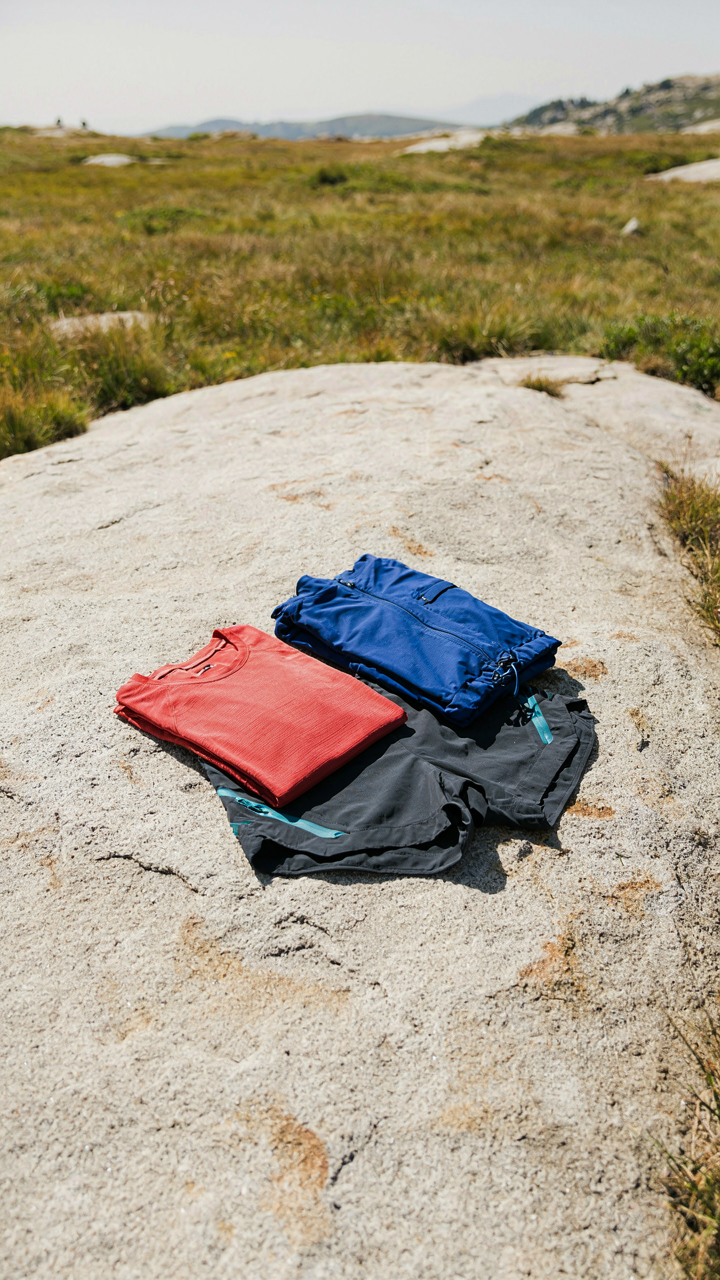
Most men sabotage themselves before the trail even starts. They pack extra shirts. They wear cotton because it’s familiar. They follow generic lists instead of testing what their body actually needs. Strip it down today. Pick one breathable base layer, one lightweight shell, and go hike a local trail for an hour. Your body will tell you what works. The gear doesn’t matter. Listening to yourself instead of the internet does.