
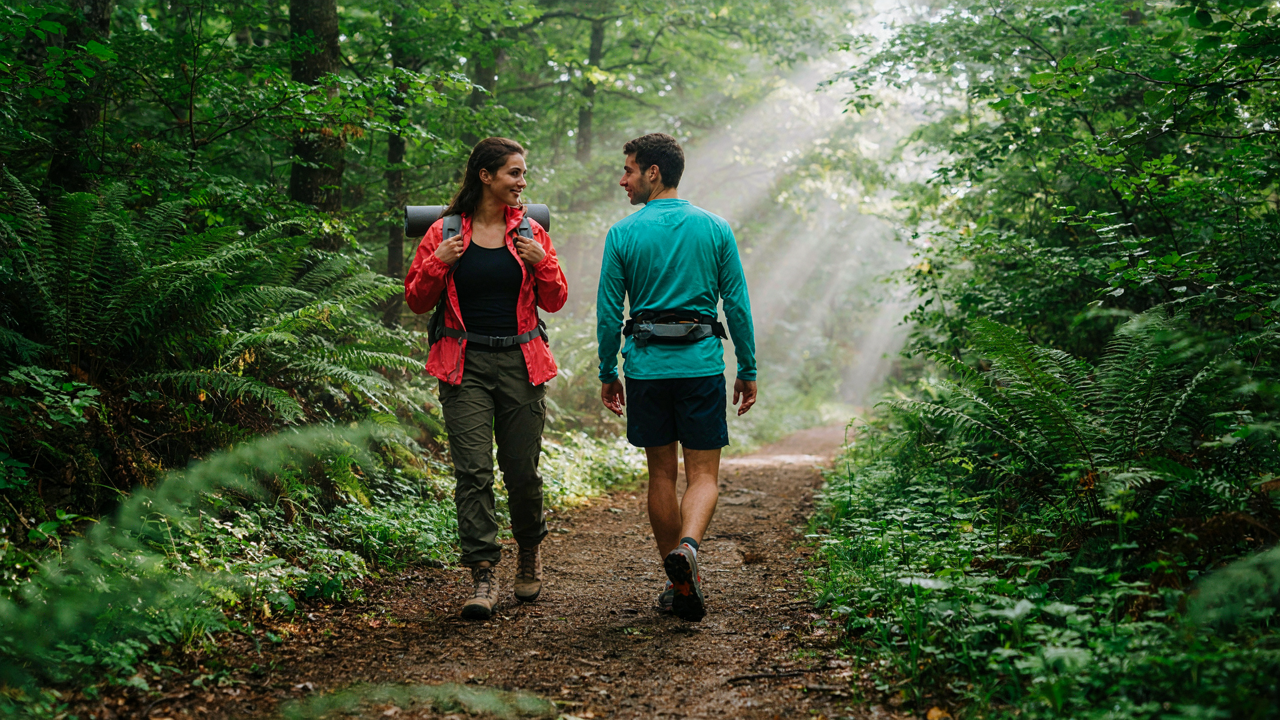
The Evaporation Equation: Why Your “Breathable” Shirt Fails
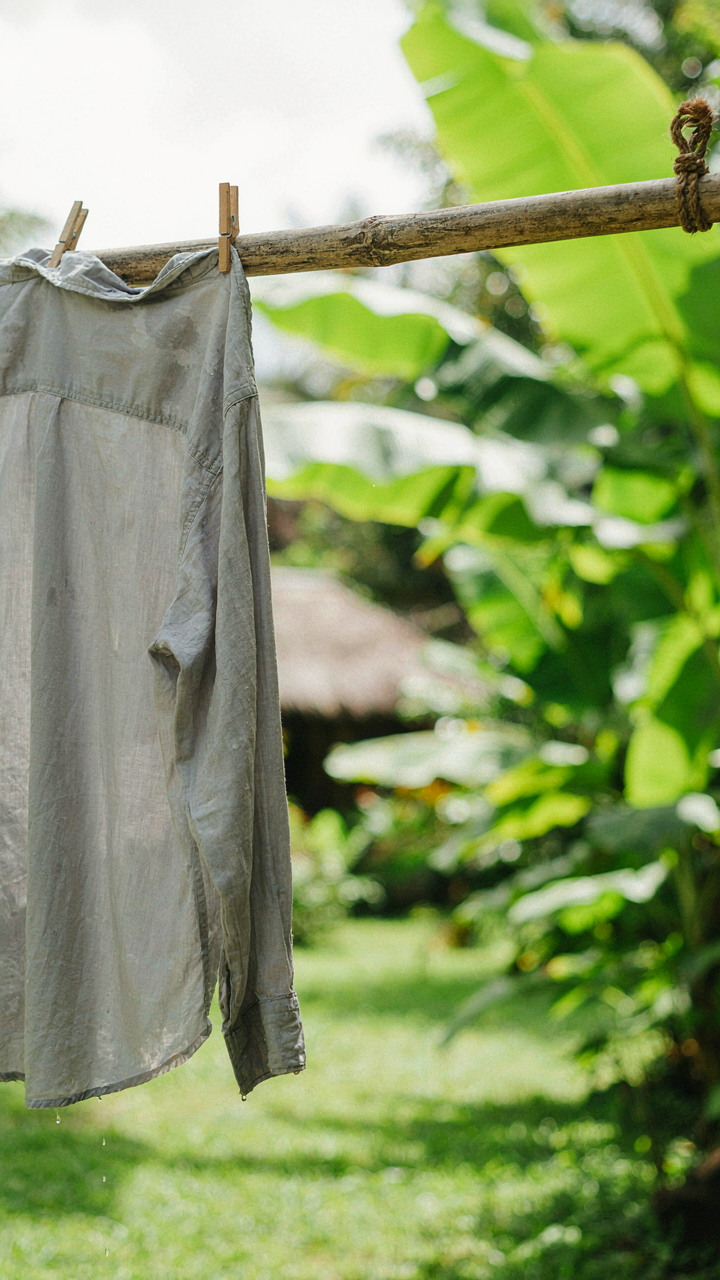
When Humidity Breaks The Physics
You bought the expensive shirt because you wanted proof you made the right call. Here’s what nobody tells you: evaporative cooling requires a vapor pressure gradient between your skin and the air. In humid conditions, that gradient collapses. Physics doesn’t care about your fabric’s marketing language. When ambient humidity sits above 70 percent, sweat stops evaporating efficiently regardless of thread count or brand promise. Your body heat has nowhere to go. The shirt traps warmth instead of releasing it, making you hotter than cotton would.
Most people blame the fabric. Wrong target. Blame thermodynamics. A moisture-wicking synthetic can only pull sweat away from skin if the air can accept that moisture. Saturated air rejects it. On a humid trail with a partner, you’ll both experience the same limitation your expensive gear promised to solve. The mechanism is simple: no gradient, no evaporation, no cooling. Switching fabrics won’t fix a physics problem.
Materials That Actively Trap Heat

Cotton gets attacked for absorbing water, but synthetics commit a quieter crime: they shed moisture too slowly in high humidity. Polyester and nylon were designed to move sweat away from skin toward outer layers where air exposure causes evaporation. That works in dry climates. In humid air, moisture pools at the fabric surface instead of dispersing. You end up wearing a damp synthetic layer that conducts heat toward your body rather than away from it.
Merino wool performs differently because it absorbs moisture into the fiber itself, insulating even when wet. But common hiking synthetics create a moisture barrier between skin and air. They don’t fail—they work exactly as designed for conditions they weren’t made for. Cotton, counterintuitively, allows faster water evaporation once saturated because it holds moisture in a distributed way rather than concentrating it at one boundary layer. For humid couples hiking, a thin cotton base layer outperforms premium synthetics in pure evaporative efficiency. Switch your base layer before you switch your destination.

Debunking The “Light Colors Only” Myth For Adventure Couple
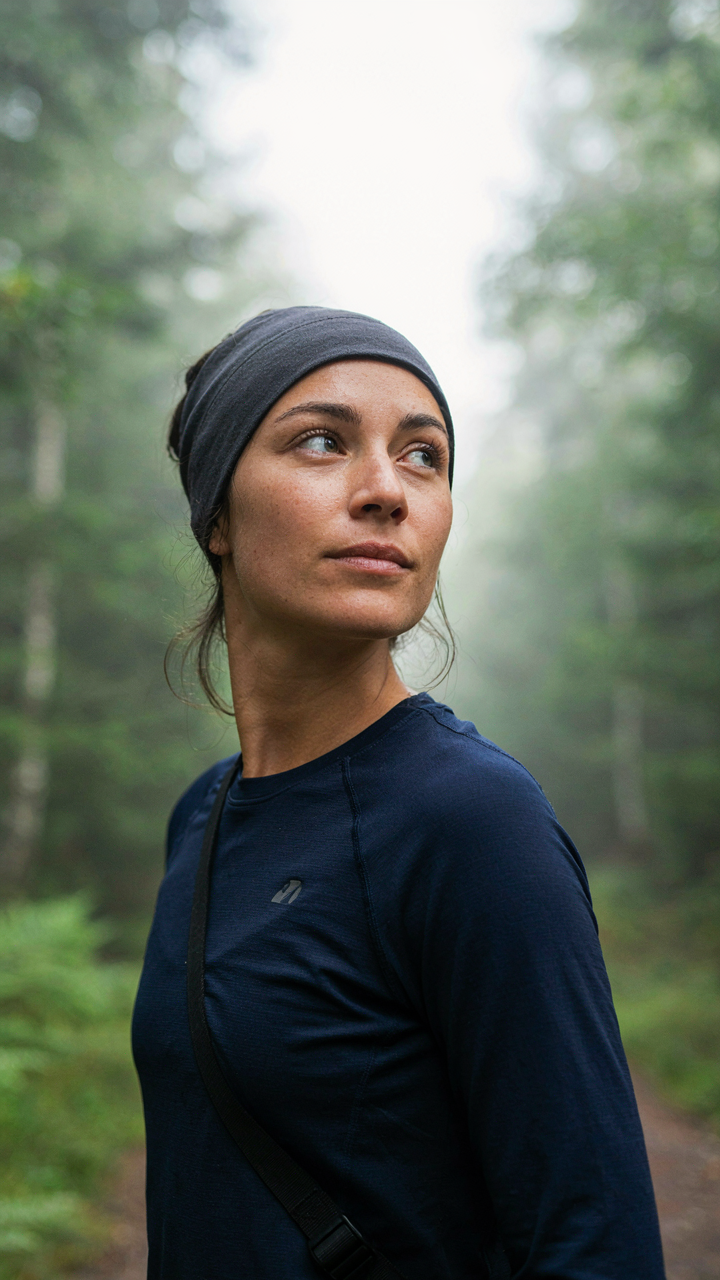
When Albedo Fails Against Real Heat
You believe light colors solve humidity because everyone says so, and admitting you don’t understand the physics feels risky. Here’s the mechanism: physics distinguishes between albedo (surface reflectivity) and convective heat transfer (air movement stripping heat from skin). In humid conditions, convection matters far more than reflection. Light fabrics do reflect solar radiation, but trapped moisture on your skin and clothes prevents evaporative cooling, which is your actual heat escape valve. The reflected heat becomes irrelevant when sweat can’t leave your body.
Humidity destroys the efficiency gap between light and dark fabrics because your cooling system relies on sweat evaporation, not on what color sits against your skin. A dark, moisture-wicking synthetic outperforms a light cotton shirt in 85 percent humidity because fiber choice and fabric construction determine evaporation speed, not the dye. Tourist couples buy white linen expecting relief and find themselves drenched and overheating while technical fabric couples in charcoal stay cooler. The color mythology persists because it sounds logical and requires no understanding of materials science.
Strategic Darker Shades For Hidden Advantages
Darker technical fabrics dominate humid hiking for one reason: they mask visible sweat and salt stains, which means you stay psychologically intact for the full hike. Your partner notices everything. When you’re visibly drenched in white after thirty minutes, both of you adjust your pace, become self-conscious, and hike worse. Dark synthetics hide the reality of sweat while performing identically to light versions in moisture management. This isn’t shallow, it’s operational. You control morale by controlling what your partner sees.
Choose merino wool or synthetic blends in charcoal, navy, or black for humid couples’ hikes. These materials wick moisture away from skin regardless of color, but the dark shade compounds the advantage by eliminating the psychological burden of looking soaked. Black polyester and charcoal merino reduce UV reflection marginally compared to white, but in the humid Southeast, Midwest, or tropics, that trade-off vanishes against the morale and performance benefit. Buy technical dark fabrics and ignore the color advice aimed at desert hikers.
The Dan Koe Humid Trekking Outfit Protocol

Layering For Temperature Swings, Not Just Cold
You want to look like you know what you’re doing as a couple, and layering is where most hikers expose themselves as guessing. The real mechanism here is borrowed from thermodynamics: humidity attacks your evaporative cooling system. Your sweat stops evaporating efficiently in dense air, so your body temperature rises even when the external temperature hasn’t. Standard advice says “bring layers.” That’s useless. You need layers that shed moisture, not trap it.
Start with a moisture-wicking base layer in merino wool or synthetic polyester. Cotton dies in humidity because it absorbs sweat and clings to your skin. As humidity spikes mid-hike, you’ll overheat fast. Your mid-layer should be breathable netting or mesh, not fleece. When temperature drops at elevation or evening hits, add a windproof shell that vents from the armpits and sides. The couple that coordinates gear changes together avoids one person overheating while the other freezes, which tanks morale. Your layering protocol: base stays on, mid-layer deploys only if temperature genuinely drops below 55 degrees Fahrenheit, shell deploys for wind or rain. Nothing more.
Strip Your Pack To What Actually Prevents Failure
Most couples hike with extra gear “just in case,” which means they carry dead weight that taxes endurance and leaves them tired and grumpy by mile three. Ditch the backup jacket unless you’re above eight thousand feet or starting after 2 PM. Ditch the “emergency” third shirt. Ditch heavy cotton towels. Keep one microfiber cloth that weighs less than three ounces.
What you keep: water filtration system, electrolyte replacement, one pair of dry socks, blister treatment, and a compact rain shell. Humid air means you’ll dehydrate faster because your body can’t cool through evaporation efficiently. Electrolytes matter more than water volume. A half-pound difference in pack weight compounds over miles and destroys the hike quality for both of you. Strip everything that doesn’t solve a specific failure mode. Your pack combined should weigh under thirty pounds for a full day, or you’re carrying someone else’s anxiety instead of gear.
Footwear: The Overlooked Core Of Humid Hiking

Materials That Prevent Maceration And Fungal Growth
You want your feet to look good in photos and not fall apart by mile three. Here’s the mechanism: maceration—waterlogged skin breakdown—happens when moisture stays trapped against your foot for hours. This is biology, and it follows the same principle as wound healing in wet environments. Wet tissue degrades faster. Standard cotton or leather absorbs humidity and holds it. Your foot becomes a petri dish.
Synthetic uppers and insoles change this equation. Mesh, neoprene blends, and materials like Gore-Tex actively move moisture away from skin instead of trapping it. Pair these with drainage holes in the forefoot and you interrupt the fungal cycle before it starts. The shoe becomes a system that sheds water rather than a barrier that holds it. Test this on a short hike first. If your feet feel damp after two hours instead of wrinkled, the material works.
Sock Technology: A Microclimate For Your Feet
Most people buy hiking socks and call it solved. They’re wrong. The sock is not padding. It’s a moisture management layer, and merino wool or synthetic blends beat cotton by a fundamental margin. Cotton absorbs sweat and stays wet. Merino and polyester pull moisture away from skin and dry faster, even under compression inside a boot.
The real tactic is thickness and construction. Midweight socks with reinforced heel and toe give you durability without trapping heat. Thin socks let sweat pass through too fast and offer no protection. Thick socks cook your feet in humidity. Midweight hits the zone. Buy two pairs so one pair dries overnight while you wear the other. Replace socks halfway through a long hike if they feel damp. Damp feet fail. Dry feet keep moving.
Protection, Not Just Coverage: The Sun And Bug Gambit
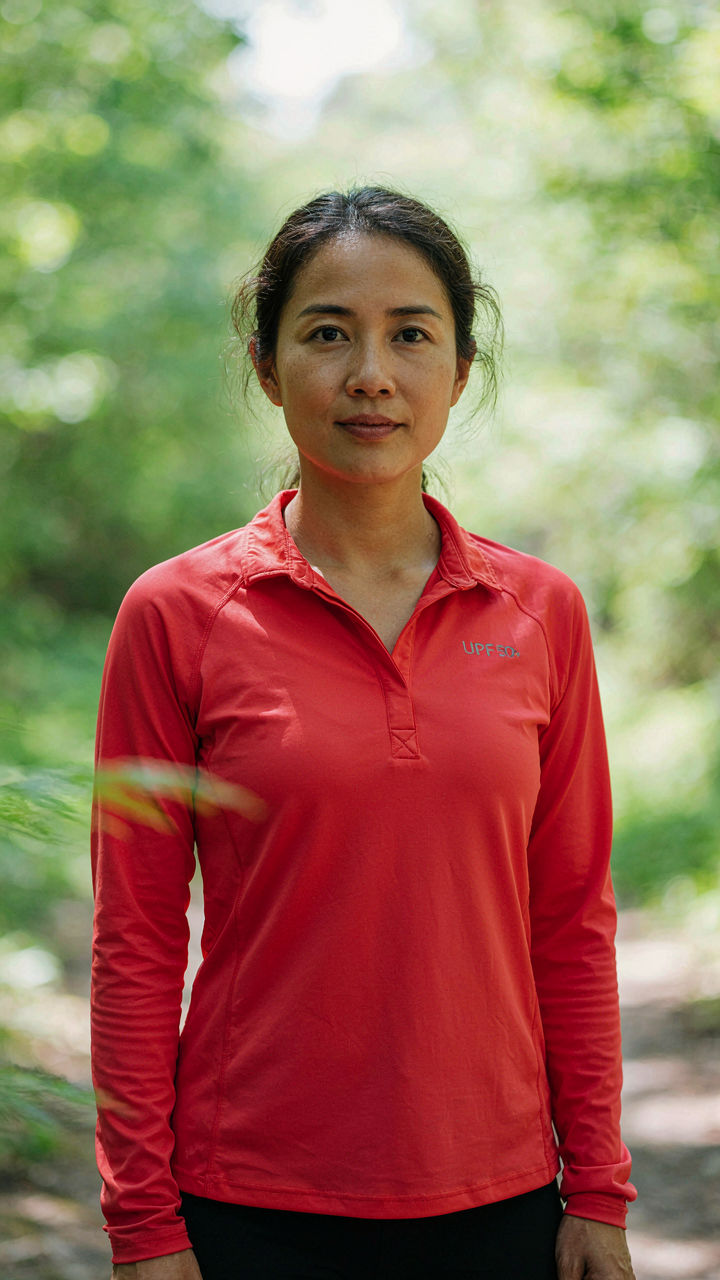
UPF Ratings Do More Than Sound Technical
You want the label that proves you made the right choice. UPF ratings exist because cotton stops almost nothing—the mechanism is simple physics applied to textiles. UV radiation penetrates fabric fibers. Tighter weaves and synthetic materials absorb or scatter that radiation before it reaches skin. UPF 50+ means the fabric lets through 1/50th of UV rays instead of 1/15th with regular clothing. In humid conditions, this matters more because sweat reduces your body’s natural cooling, forcing longer sun exposure.
Most couples buy UPF gear then wear it loosely or roll sleeves up, negating the protection entirely. The rating only works if fabric stays on skin and stays dry enough to maintain its weave integrity. Humidity degrades this fast. A UPF 50+ shirt soaked through loses effectiveness. Check the care label—many UPF treatments wash out after twenty cycles. Replace or retreat the garment, or accept that your protection has an expiration date you can’t see.
Permethrin Treats Fabric, DEET Repels From Skin
This is chemistry applied like military doctrine. DEET creates a repellent zone around exposed skin—mosquitos detect it and turn away. Permethrin kills insects on contact and persists in fabric fibers for months, even through washing. The distinction matters: DEET requires reapplication every few hours in humid heat because sweat breaks it down. Permethrin needs application before the hike, not during.
Treat your clothes with permethrin before the trip. Spray both partners’ shirts, pants, and hats in a well-ventilated space, let them dry completely, then pack them. Use DEET on exposed skin—neck, hands, ears—right before hiking and reapply after swimming or heavy sweating. Never mix products or apply DEET over permethrin; the combination reduces effectiveness of both. Permethrin on fabric plus DEET on skin creates redundancy. One fails, the other holds.
The “Alternate Worlds” Of Pack Design And Hydration
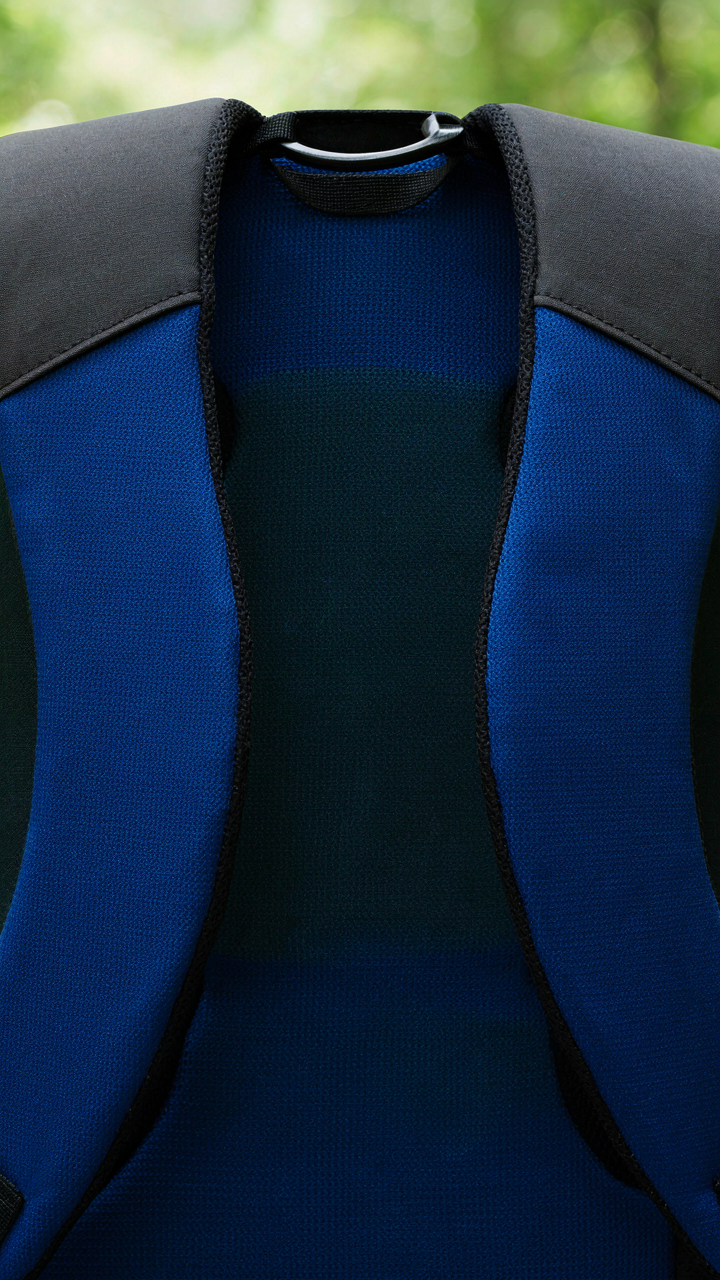
Backpack Ventilation Beats Panel Padding
You want to believe a padded back panel makes you cooler. It doesn’t. Aerodynamic engineering teaches us about boundary layer separation—the space where moving air detaches from a surface. Apply that principle to your pack: the gap between your back and the pack matters more than the padding itself. A ventilated frame creates that air channel. Mesh backing with rigid stays does the actual work here, not foam.
Couples hiking in humidity split the load, so pack design directly impacts whether you overheat together or stay functional. Your choice between a traditional padded panel and an open ventilation system determines how much sweat pools against your spine at mile four. Most hikers pick padding because it feels supportive in the store. That’s the trap. Air movement prevents thermal buildup. Choose a pack with channel ventilation or a suspended mesh system, especially on trips over two hours in wet conditions.
Electrolyte Strategy Beyond Just Drinking Water
Water alone doesn’t replace what your body loses in humidity. Sweat contains sodium, potassium, and magnesium—minerals your muscles and nervous system need to function. Plain water flushes electrolytes faster, creating a deficit that causes cramping, mental fog, and premature fatigue. You’ve heard “drink more water.” That’s incomplete advice for couples hiking in heat.
- Sodium dosing: Aim for 300-600mg per hour via sports drinks, electrolyte tablets, or salted snacks. Your body retains fluids better with sodium present.
- Potassium inclusion: Found in dried fruit, nuts, and electrolyte mixes. Critical for muscle function and preventing cramps during extended exertion.
- Timing over volume: Sip consistently rather than gulping large amounts. Your stomach absorbs smaller, frequent doses more effectively in heat.
- Carbohydrate pairing: 4-8% carb concentration in your drink improves fluid absorption and sustains energy. Too high slows stomach emptying.
- Individual tolerance testing: One partner may need different ratios than the other. Test your exact formula on short hikes before committing to a full day.
Both of you need an electrolyte protocol before the hike starts, not during emergency cramping. Mix your drinks at home, measure portions precisely, and consume on schedule regardless of thirst cues. Thirst lags behind actual need in humidity. Pack one electrolyte source per person plus a backup, consume your planned amount at planned intervals, then reassess based on performance.
Accessories For The Prepared: Beyond Hiking Pose Aesthetics
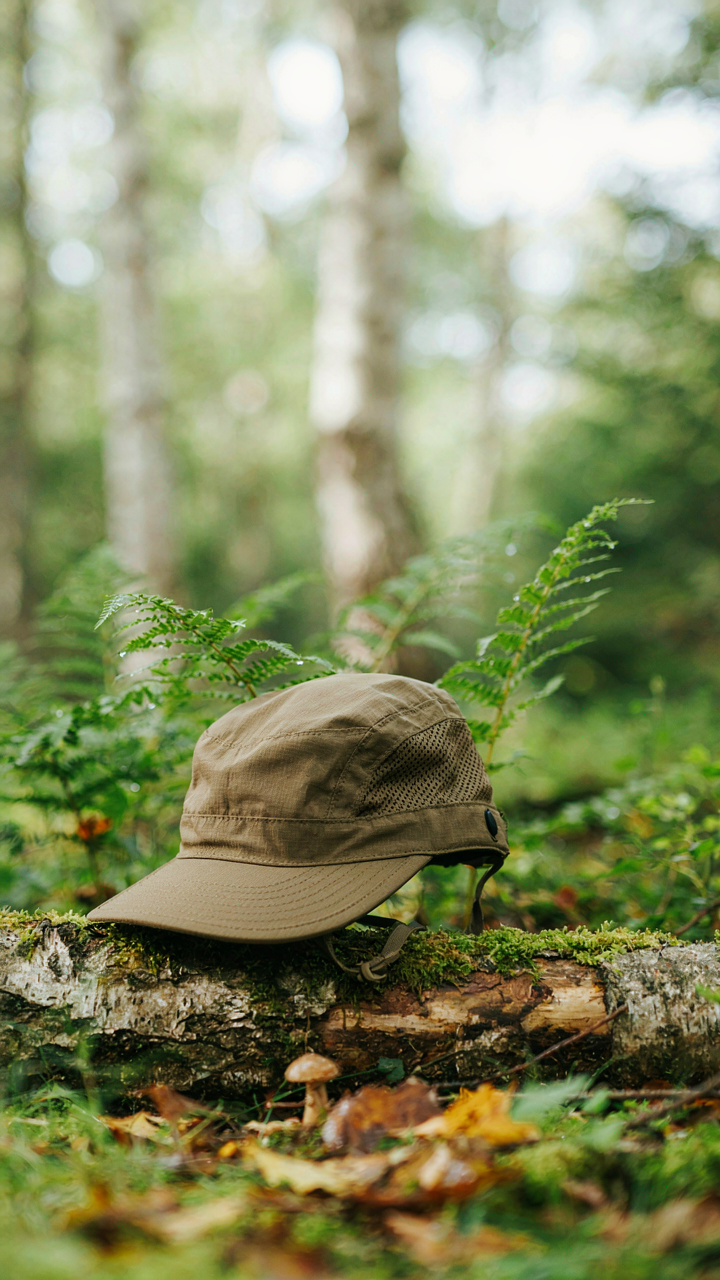
Headwear That Actually Aids Thermoregulation
You want the right hat so you look intentional, not lost. But the real mechanism is this: in humid environments, your head generates heat while your body struggles to shed it through sweat evaporation. A hat with ventilation holes and a wide brim forces air circulation across your scalp while blocking solar radiation. This dual function matters more than the brand or color.
The common advice says wear light colors and breathable fabric. That’s incomplete. You need actual airflow channels, not just thin material. Mesh panels on the sides, a crown vent, or a structured design with gaps between the band and fabric all create the convection you need. Both partners should verify the hat doesn’t trap humid air against the head. Test it: if moisture pools under the band after five minutes, the design fails.
Gloves: When Sweat Is A Liability, Not An Asset
Most hikers skip gloves in humidity. They’re wrong about the reasoning. Thermodynamics says moisture on bare skin dissipates heat through evaporation, but only if air moves across that skin. In thick humidity, the air is already saturated. Bare hands sweat uselessly and lose grip on wet rock, rope, or trekking poles. Gloves solve both problems at once.
Choose gloves with silicone or synthetic rubber palms and breathable backs. The palm material prevents slipping while wet, not to look tactical. The breathable back lets moisture escape instead of pooling. For couples, mismatched grip levels create rope management problems and frustration. Both partners wear the same glove type on technical sections. Test grip on a damp surface before the hike starts.
Post Hike Recovery: Extending The “Camping Outfits” Mentality
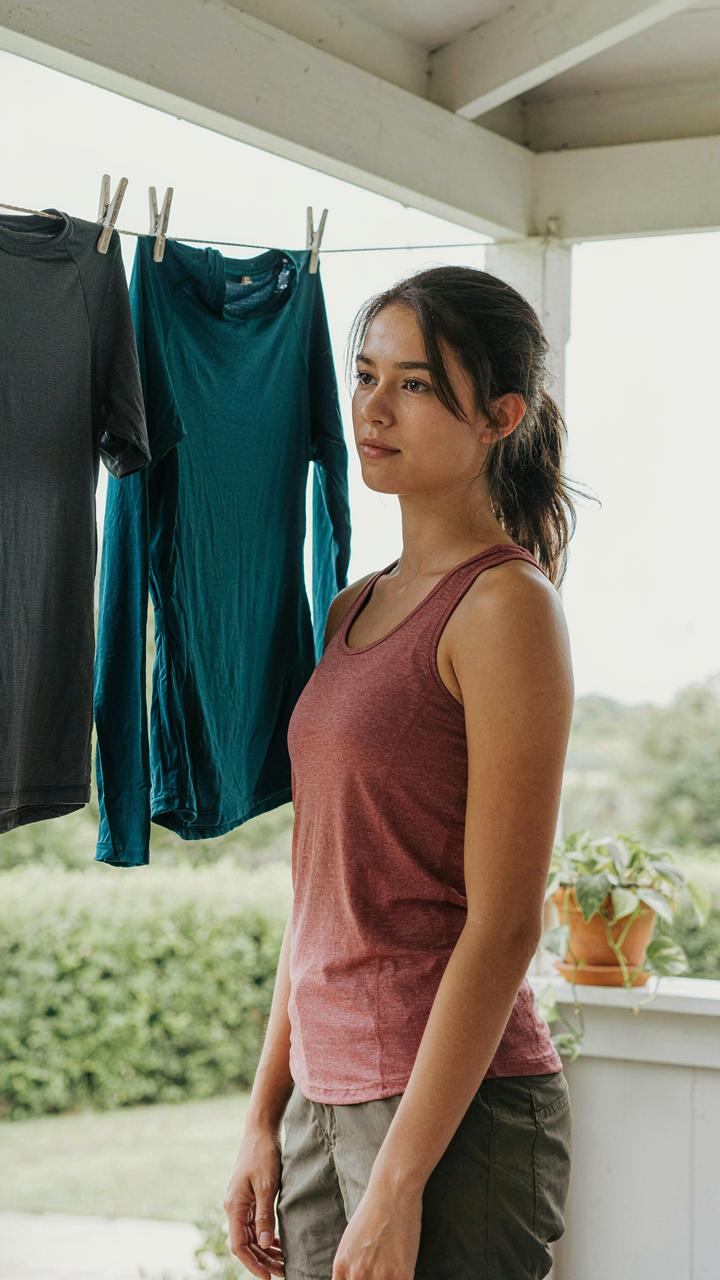
Gear Management For Longevity
You’re worried your expensive moisture-wicking setup will degrade faster than it should, and you’re right to worry. The mechanism is simple: salt buildup and bacterial colonization happen fastest in damp synthetic fabrics. Rinse your hiking clothes within two hours of finishing, not tomorrow. Use cool water, not hot. Hot water sets sweat salts into fibers permanently. Ring out excess water by hand, then hang everything in direct airflow, away from direct sunlight if the fabric is dark colored. Do not ball up your gear in a backpack or gym bag.
Microfiber and polyester retain moisture longer than merino wool, which naturally sheds water. If you hiked as a couple, both partners need to rinse their gear on the same timeline. One person’s wet clothes sitting in a car while the other rinses theirs defeats the purpose. Check seams and cuffs for trapped moisture. These areas take longest to dry and breed mildew first. Your gear lasts three to five years longer when managed this way instead of tossed in a dryer after every trip.
Hygiene Rituals To Prevent Post Hike Issues
Sweat hygiene isn’t about feeling fresh. It’s about preventing skin maceration, which is the exact mechanism that causes chafing, fungal growth, and bacterial folliculitis in humid conditions. Change out of your hiking clothes within thirty minutes of finishing. Do not sit around in damp synthetic fabric while you eat lunch or debrief. Shower within the hour if possible, focusing on areas that stayed covered: underarms, groin, inner thighs, and between toes. Humidity amplifies what gets trapped there.
Apply an antifungal powder or talc alternative to those same areas while skin is still slightly damp. This isn’t optional for couples hiking regularly in humid climates. Let the powder dry fully before putting on fresh clothes. Cotton underwear and loose fitting pants for the rest of the day accelerate moisture evaporation off skin. Your feet need the same treatment: dry them completely, air them out for ten minutes before socks go back on, then apply powder to webbing between toes. This prevents athlete’s foot from establishing.
The Real Obstacle Isn’t The Humidity; It’s Your Refusal To Adapt Your Mindset Beyond Generic Advice
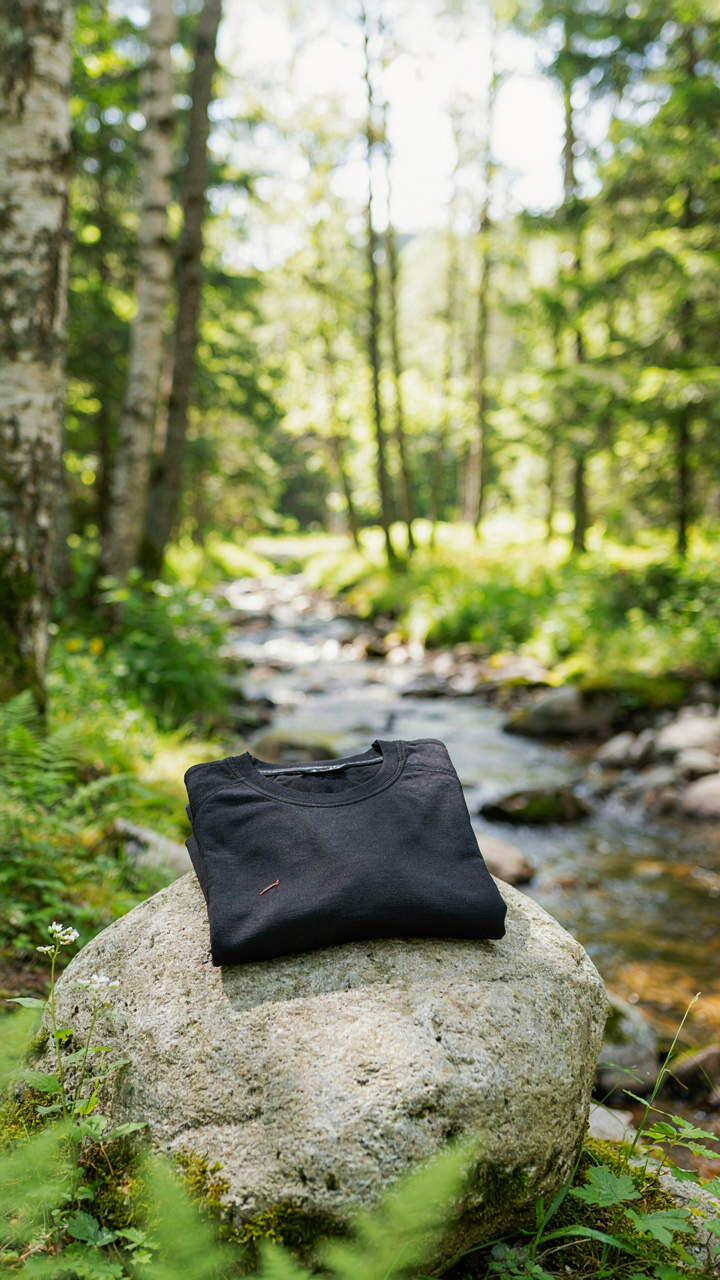
Most couples fail because they chase comfort instead of function. You don’t need the perfect outfit. You need to stop treating humidity like an enemy and start treating it like a variable you control through fabric choice and layer strategy. Right now, go audit your closet and replace one cotton piece with merino wool. That single swap breaks the mindset that keeps you stuck. The couple that moves wins. The couple that plans loses.