

The “Lightweight Lies” Exposed: Beyond Basic Breathability

What Breathability Actually Means
You want to believe that a fabric label tells you something real, that you can trust marketing language to predict comfort in actual sweat conditions. It doesn’t work that way. Breathability is a measure of water vapor transmission rate, not moisture management. The mechanism matters: a fabric can pass vapor while still trapping liquid sweat against your skin if the weave is too dense or the construction forces moisture to pool rather than disperse. Polyester with a loose knit outperforms a tight merino blend in humid conditions because vapor escapes faster through larger spaces, not because the material is inherently superior.
Marketing conflates “breathable” with “will keep you dry,” which are different problems. A fabric rated highly for breathability in lab conditions gets tested in controlled humidity at specific temperatures. Real humid hiking in 75-degree weather with 85 percent humidity creates a vapor pressure gradient that lab tests don’t replicate. Cotton fails not because it absorbs water, but because it holds that water close to your body instead of allowing it to escape into already-saturated air. Polyester and nylon move moisture faster through capillary action, which is the only mechanism that matters when air is already full of moisture.
Weight Versus Actual Performance

Physics teaches us about load distribution and energy cost. In hiking, weight-to-performance is really about the energy cost of carrying fabric that doesn’t earn its place. A college student with a 20-pound pack feels every extra ounce during a four-mile climb in heat. Most hikers overestimate how much insulation or protection they need in humid conditions, then carry items that create more problems than they solve. A lightweight rain shell that compresses to nothing might save half a pound but forces you to choose between shedding it or overheating. The trade-off isn’t worth the confusion.
The real metric is sweat management per ounce carried. A 3-ounce moisture-wicking base layer in polyester moves sweat away from skin faster than a 2-ounce cotton shirt because of fiber properties, not weight. You don’t earn back those saved ounces if the cheaper material leaves you damp and uncomfortable after thirty minutes of climbing. Test pieces on short hikes first, measure how long it takes your skin to feel dry after you stop moving, and compare that to the weight difference. Performance only counts if you can sustain it for the duration of your hike.

The Layering Fallacy: Strategic Stripping For Humid Climates
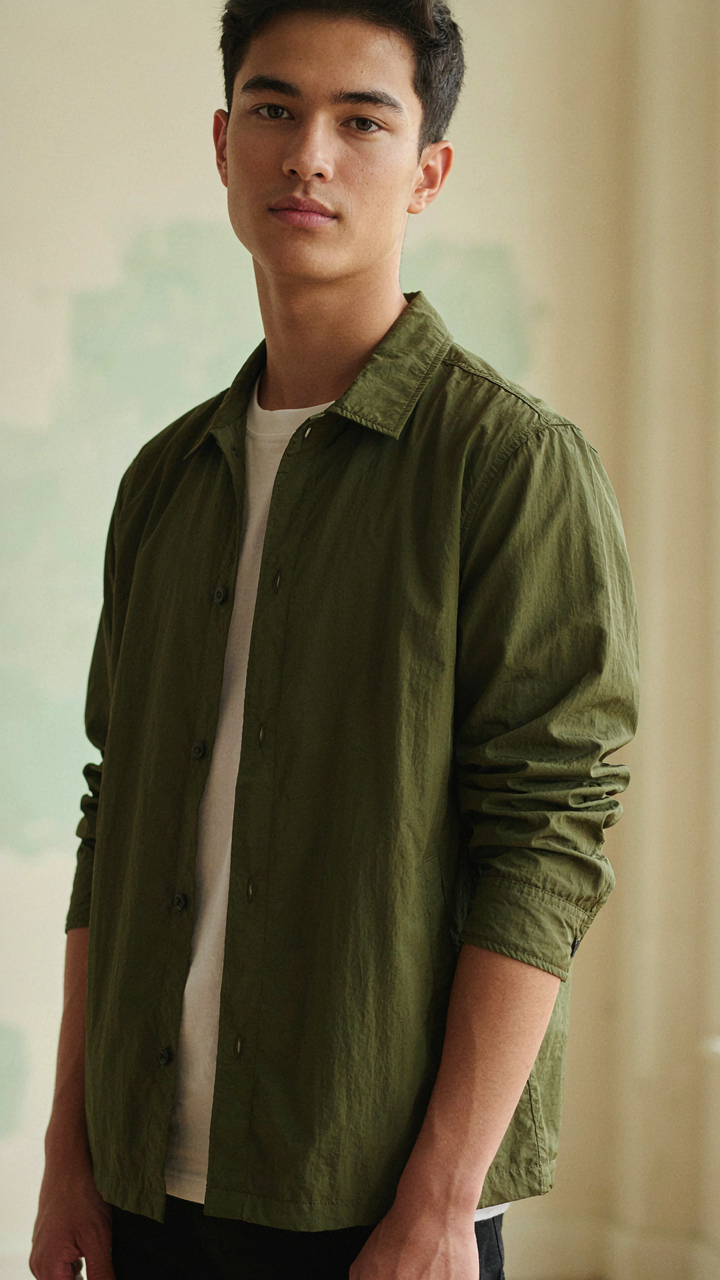
Minimalist Layering: Base Layers Only
You want to look like you know what you’re doing on the trail. The reality is simpler: traditional layering theory breaks down in humidity because sweat doesn’t evaporate. Cotton kills you in cold. Merino or synthetic base layers don’t kill you in humidity, but they’re not the answer either. The mechanism is straightforward—moisture trapped between layers accelerates heat loss and chafing. Wear one breathable layer, not three hoping one will save you.
Most hikers layer defensively, assuming more options equal more control. In humid conditions, this creates a sweat trap. A single moisture-wicking base layer from polyester or merino does the job. Skip the insulation layer entirely. Your body generates enough heat during exertion. The gap between skin and air matters more than fabric thickness.
Ventilation As The Primary Mechanism
Humidity destroys the thermal physics everyone teaches you about layering. In dry climates, layers trap dead air and insulate. In humid climates, ventilation is the only mechanism that matters. Your goal isn’t warmth—it’s moving moisture away from skin before it cools you down. Loose, breathable outerwear with pit zips beats tight, technical jackets every time on the trail.
Sweat on skin in humid air creates evaporative cooling that works against you. You chill faster, not slower. Open air movement prevents this. Wear lightweight nylon or mesh overshirts with underarm venting. Don’t seal yourself into Gore-Tex jackets unless rain is active. The moment you stop hiking or the rain stops, humidity inside the jacket exceeds humidity outside.
The “Moisture Management” Protocol: Engineering Evaporation

How Fabric Pulls Sweat Away From Skin
You want to stay dry on the trail because staying wet means you’re slower, colder, and visibly uncomfortable in front of people. The physics field calls this capillary action, and it’s the same force that lets a paper towel wick water upward against gravity. Synthetic fabrics like polyester use fiber geometry to create pathways between strands. Sweat doesn’t sit on your skin. It travels up and outward through those pathways toward the surface where air can hit it.
Cotton kills this mechanism entirely. The fibers absorb water and hold it, creating a wet barrier against your body. Polyester and nylon do the opposite: they repel water slightly while creating channels for moisture to move through. The fabric itself stays relatively dry because moisture passes through it rather than into it. This is why “moisture-wicking” isn’t marketing speak. It’s a structural property you can feel the moment you start moving uphill in humidity.
The Real Difference Between Wicking And Absorption
Everyone says “wicking fabric” like it’s one thing. It’s not. Wicking actively moves moisture away from skin through capillary channels. Absorption soaks moisture into fiber itself, holding it against you. These are opposite mechanics, and most cheap outdoor brands mix them up in their descriptions. Your college budget pushes you toward blended fabrics, which is where the real problem lives.
A sixty-forty polyester-cotton blend doesn’t split the difference. It absorbs enough to feel damp while wicking just enough to feel incomplete. You need to hit eighty-five percent synthetic minimum for wicking to dominate absorption in a humid climate. The mechanism that matters: moisture must reach the fabric surface and evaporate into air faster than your body produces it. If absorption wins, you’re wearing a wet sponge. Test fabric by pouring water on your wrist, then the garment. Watch how fast each releases the water. That speed difference is your answer.
Beyond “Cute Summer Hiking Outfit”: Tactical Footwear & Blister Prevention

Your Shoes Are Load Bearing Structures
You care about this section because blisters end hikes early, and early-ended hikes feel like failure even when they’re just physics catching up with you. The real mechanism here is load distribution. In structural engineering, stress concentration occurs when force channels through a narrow point instead of spreading across a surface. Your heel does this naturally: it’s a small contact patch absorbing repeated impact. Add humidity, which softens skin and reduces friction thresholds, and you’ve created the exact conditions for blisters to form faster than on dry terrain.
Most hiking advice tells you to “just break in your boots,” which is incomplete. The shoe itself must match your foot’s geometry and the trail’s demand. A shoe built with a stiffer midsole distributes your weight across a larger area of your foot instead of letting pressure spikes at pressure points. For humid conditions, this matters more than on dry hikes because sweat-softened skin can’t tolerate the same stress load. Choose shoes with a full-length shank (the internal support structure running from heel to toe) and a heel cup that locks your foot in place. Movement inside the shoe creates friction. A locked foot creates stability. Stability prevents blisters.
The Sock Mechanism That Actually Stops Friction
The standard advice is “wear synthetic socks,” which misses the entire problem. Friction causes blisters, and friction depends on two variables: moisture and material surface texture. Merino wool reduces friction against skin more effectively than synthetics because its scales lie flatter when wet. Synthetics actually absorb and hold moisture against your skin, which increases friction coefficient over time. In humid conditions, this distinction becomes critical within the first two hours of hiking.
The real protocol is this: wear merino wool blend socks that are at least 70 percent merino, not 100 percent cotton and not cheap acrylic synthetics. Merino manages moisture by wicking it away from skin contact while maintaining a lower friction surface. Change socks if they become soaked, not just damp. A soaked sock bunches inside your shoe and creates pressure points that cotton amplifies and merino dampens. Carry one spare pair per six miles of planned hiking in humidity. When you change socks, you reset the friction clock.
The Anti Chafe Arsenal: Preventing Performance Degradation
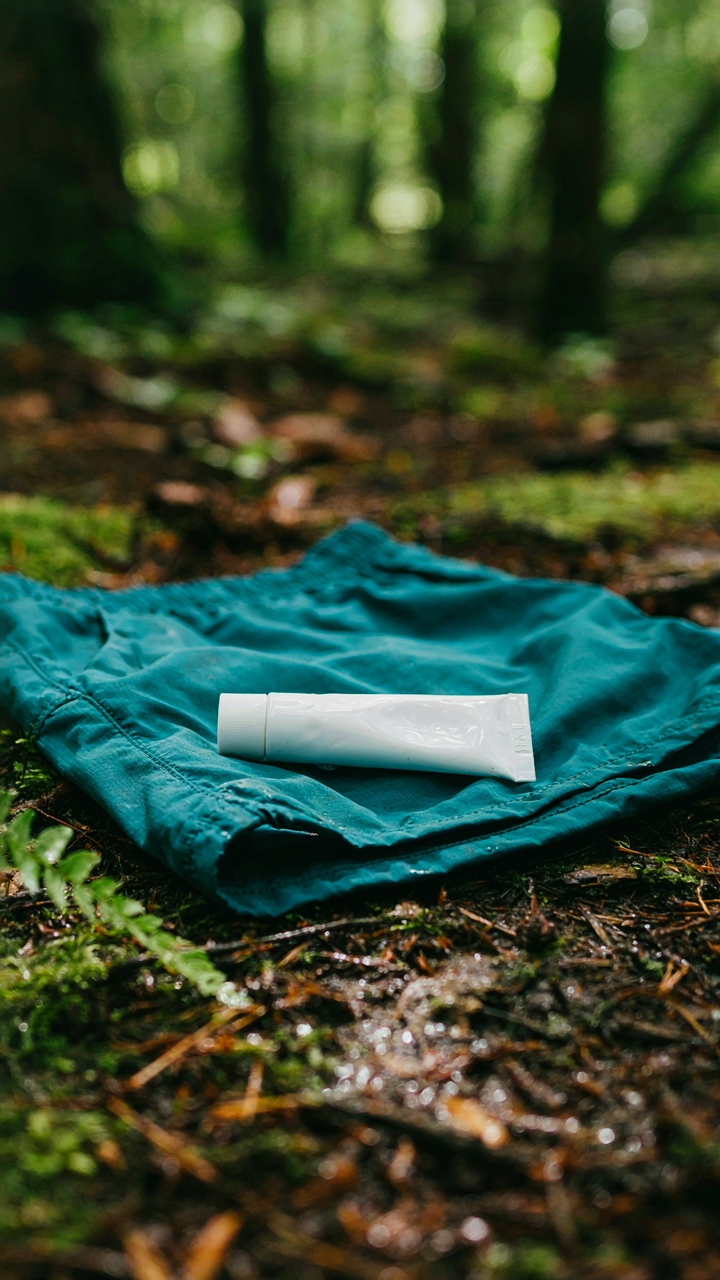
Fabric Choice For High Friction Zones
You care about this because chafing kills your hike before mile two, and you’ll spend the next week walking like you’ve forgotten how legs work. The mechanism is simple: friction multiplied by moisture multiplied by time equals skin damage. Humid conditions accelerate this equation because sweat keeps friction zones wet constantly. Cotton absorbs moisture and holds it against skin, guaranteeing failure. Synthetic blends and merino wool move sweat away from contact points.
- Merino wool blend shorts: Naturally antimicrobial and wicks moisture faster than cotton. Stays dry even in extreme humidity, reducing friction cycles on inner thighs and waistband areas.
- Nylon blend sports bra or compression shirt: Technical fabrics engineered for moisture management. Prevents the underboob and armpit chafe that humidity accelerates in cotton alternatives.
- Seamless synthetic socks: Flat-knit construction eliminates the seam that creates pressure points. Polypropylene or acrylic blends dry quickly and prevent the wet-sock blister cycle.
- Spandex blend mid layer: Stretch fabrics move with your body instead of bunching in moist folds. This reduces the static friction that builds under backpack straps in humidity.
- Polyester or nylon gaiters: Lightweight barrier between shoe collar and skin. Prevents the ankle rub that happens when moisture softens skin and repetitive motion creates raw spots.
Material selection is not about brand preference or feel. It is about moisture transmission rates and how fabric behaves when saturated. A cotton shirt feels soft in the store and fails after forty minutes of humid hiking when sweat never evaporates.
Getting Ahead Of The Problem
The standard advice says apply body glide before you hike. That is incomplete because you are treating the symptom instead of the root. The real move is barrier maintenance during the hike. Reapply anti chafe products at mile two, not at mile five when damage has already started.
Humidity breaks down topical barriers faster than dry conditions. Sweat dilutes lubricants. Rain washes them off. You need products that resist moisture and reapply them on schedule, not when you feel hot spots. Body Glide, Squirrel’s Nut Butter, and Chamois Buttr all work, but frequency matters more than brand. Treat chafe prevention like a protocol with checkpoints, not a one time application before departure.
The “Mud Outfit” & Water Resistance: A Necessary Compromise

DWR Coatings: The Lifespan Problem Nobody Mentions
You want gear that sheds water without turning into a sauna. That desire is real. But the mechanism most hikers miss is that DWR (Durable Water Repellent) coatings degrade faster than the fabric underneath them. A jacket that cost you thirty dollars with factory DWR loses that coating within six to twelve months of regular use, especially in humid climates where you’re washing it frequently. The coating flakes off through washing, UV exposure, and abrasion against your pack.
This means buying a “water-resistant” budget jacket for college hiking is a temporary solution you’ll need to replace or reapply coating to. Most college students don’t reapply DWR treatments, so they end up with a jacket that absorbs water like cotton. The trade-off isn’t between breathability and water resistance on the same garment. It’s between having a working barrier now and accepting you’ll need to refresh or replace the layer within a year or two.
Quick Dry Fabrics: What Actually Matters
The textile industry uses a measurement called moisture vapor transmission rate to track how fast fabric dries. Polyester and nylon move water away from your skin faster than cotton, but not because they’re magical. They simply don’t absorb water into the fiber itself. Cotton holds water inside the weave. Synthetic blends shed it on the surface or pass it through to evaporate on the outside.
For humid hiking, this distinction changes your outfit choice. A 50/50 poly-cotton shirt dries faster than 100 percent cotton because the polyester component won’t trap moisture. Nylon pants shed water and dry within hours if wrung out. This is why cheap rain shells paired with synthetic base layers work better than high-end merino wool when you’re sweating in ninety-five-degree humidity. Buy synthetic, accept the lower cost, and plan to replace the outer layer’s water resistance every season.
Accessories Are Not Optional: Micro Optimizations For Endurance

The Hat That Actually Works
You want to look like you know what you’re doing on the trail. The real reason you care about headwear is avoiding the visible sweat stains and heat exhaustion that announce you’re unprepared. Thermoregulation is borrowed from physiology: your body sheds heat through radiation and evaporation, and a hat in humid conditions either accelerates or blocks this process. Most college hikers grab any baseball cap. That’s wrong. Baseball caps trap heat on your scalp while leaving your neck exposed, the exact opposite of what humid conditions demand.
A wide brimmed hat with ventilation channels moves sweat away from your eyes and off your face faster. Mesh panels or holes in the crown let warm air escape instead of building up under solid fabric. The brim should extend at least three inches all around, protecting your ears and neck where sun exposure compounds heat stress. Pair this with a moisture wicking sweatband that sits inside the hat and pulls sweat toward the edges where evaporation happens. Test the fit before the hike: tilt your head forward, backward, and sideways to confirm the brim stays in place when you move.
Gloves Stop You From Falling Apart
Gloves feel optional because the visible problem is heat, not cold. But grip failure on humid trails causes falls, and falls end hikes fast. Biomechanics applies here: your hands lose friction coefficient as moisture accumulates on skin. Wet palms on wet trekking pole handles become slippery anchors that don’t hold when you need them.
Lightweight gloves with silicone palm dots give you the grip without adding insulation. The dots create texture that friction can actually bite into when your hands sweat. Choose gloves that dry in under two hours and breathe on the backs of your hands where sweat accumulates. Wear them from the start of the hike, not after your hands already slip. This prevents the panic moment when you’re mid scramble with no grip left.
The Outdoorsy Outfits Summer Mindset: Gear As A Force Multiplier
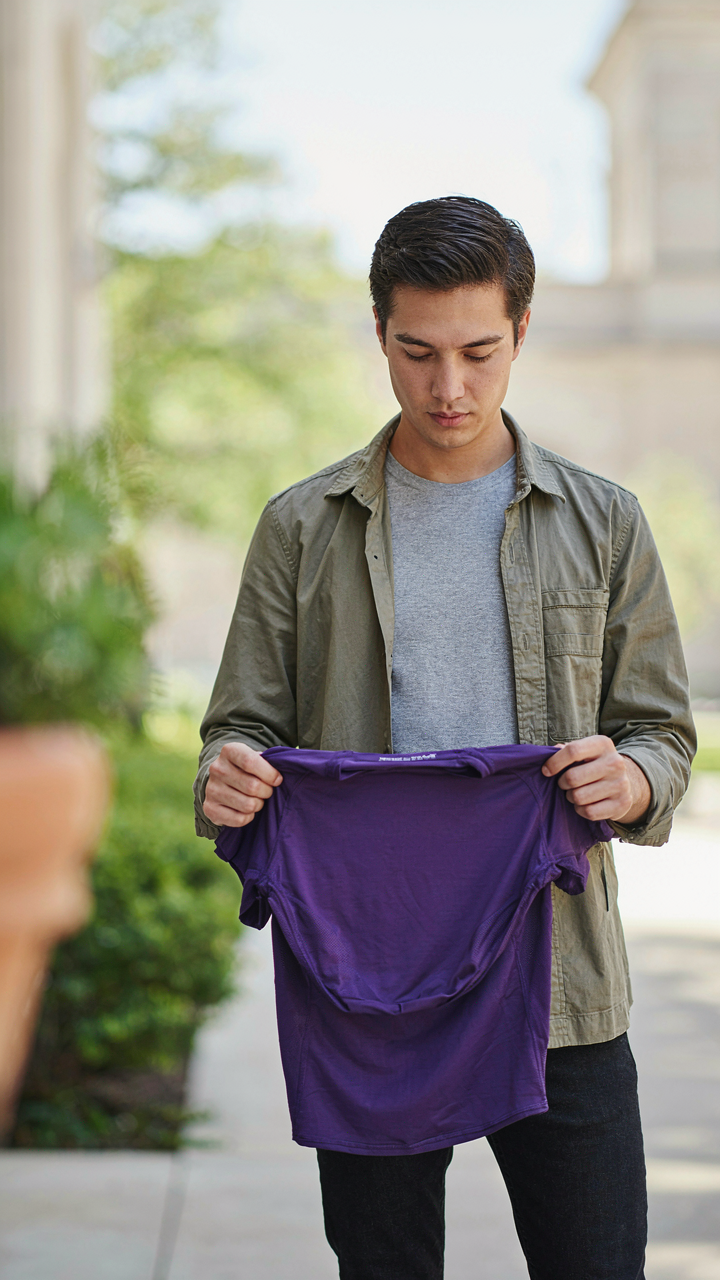
Readiness Through Strategic Gear Selection
You want to feel prepared without admitting you’re scared of looking stupid on the trail. That fear drives the real mechanism: in military doctrine, readiness means matching equipment to mission parameters before you encounter resistance. In humid hiking, your outfit is reconnaissance—it tells your body what conditions to expect and primes your nervous system to handle them. Cotton fails in humidity because it holds water against skin, creating friction and heat. Synthetic materials and merino wool don’t. The gear choice isn’t about fashion. It’s about sending your body accurate signals before sweat and temperature stress take over.
College students often grab whatever’s comfortable at home, then panic halfway up a trail when their clothes cling and chafe. That’s not a comfort problem. That’s an information failure. Your outfit teaches your body the humidity before the hike starts. Wear a moisture-wicking base layer in practice conditions. Your thermoregulation system learns what’s coming. Wear cotton and your body stays confused, overheating because it can’t read the environment correctly. The outfit works as a communication tool between you and the conditions you chose to enter.
Decision Protocol Over Generic Rules
Everyone says “dress in layers.” Nobody explains why that advice collapses in humidity. Layering works in cold, dry climates because air gaps trap warmth. Humidity kills that mechanism. Air gaps fill with water vapor. You need a different system: single-layer moisture management instead of insulation stacking. This means picking one base layer that actively moves sweat away, one breathable outer shell that sheds rain without trapping humidity, and minimal middle layers that add bulk without function.
The protocol is simple: test your exact outfit in humid conditions before the actual hike. Wear it on a 30-minute walk in similar temperature and humidity. Don’t imagine how it will perform. Observe it. Mark where sweat pools. Note where chafing starts. Identify which seams trap moisture. This single action catches failures that generic guides miss. Then make one change and repeat. This iterative approach beats any list of “recommended items” because your body’s response to humidity is individual. The mechanism that works is feedback, testing, and adjustment before stakes rise.
The Only Real Obstacle Is Your Underestimation Of The Elements

Most college students fail on humid hikes because they treat the outfit like a checkbox instead of a system. Humidity doesn’t care about your gear list. It cares about how you move through it. Stop buying random moisture-wicking pieces and start viewing your fit as a strategy to manage sweat, airflow, and weight. Today, pull out three items you already own and test them on a local trail. You’ll learn faster in one hour than reading articles for a month. The hike doesn’t test your clothes. It tests whether you respected the conditions enough to prepare.