

The Sweat Management Manifesto: Ditching The “Comfort” Delusion
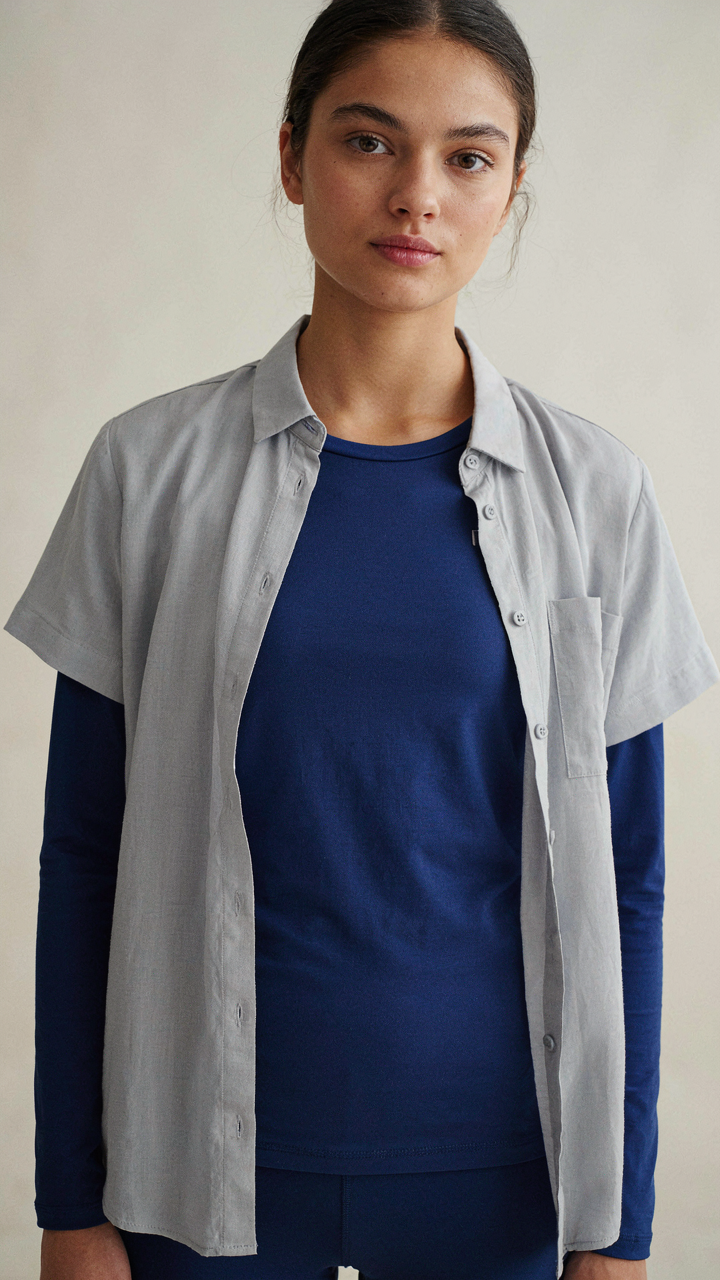
Wicking Fabrics Vs. Absorption Delusion
You want to believe cotton is fine because you already own it. Here’s the mechanism: wicking is a physics term describing capillary action, and your outfit’s job is to move moisture away from skin, not hold it. Cotton absorbs sweat and holds it against your body. Polyester and nylon push moisture outward through the weave structure itself. The difference isn’t comfort in the moment. It’s the difference between staying dry enough to regulate body temperature and building a swamp against your skin that breeds blisters and rash.
Humid conditions amplify this problem. Your body dumps sweat faster in heat and moisture, but the air can’t evaporate it efficiently. A wicking base layer becomes non-negotiable. Merino wool works because lanolin in the fiber naturally repels water while still moving moisture. Synthetic blends with polyester or nylon do the same job cheaper. Cotton fails because it never dries. Don’t overthink the brand. Pick any base layer labeled “moisture wicking” made from polyester, nylon, or merino. Wear it against skin. Everything else fails before the first mile.
Strategic Ventilation Zones

Most beginner advice says “wear breathable fabrics” and stops there. That’s incomplete. The real move is creating pressure gradients so air actually moves across your skin instead of getting trapped. Your armpits, lower back, and inner thighs are heat dumping zones. Cover them last or leave them exposed longer. Your chest and shoulders need airflow but also sun protection. The strategy: start with short sleeves or sleeveless base layer, add a loose-fitting shirt you can roll up or remove, and carry it instead of wearing it once you’ve cooled down.
Ventilation zones work like building airflow. You need intake points and exhaust points. Wear your base layer tight. Wear your outer shirt loose and untucked. Leave the collar unbuttoned. Roll sleeves to the elbow, not the wrist. This creates channels for air to move through rather than a dead zone of trapped heat and humidity against your body. Test this on mile two. If you’re sweating through your shirt but your base layer stays dry, the system works. Adjust sleeve length and fit based on that feedback, not what feels right standing still.

The Evaporation Equation: Why Cotton Is Your Enemy
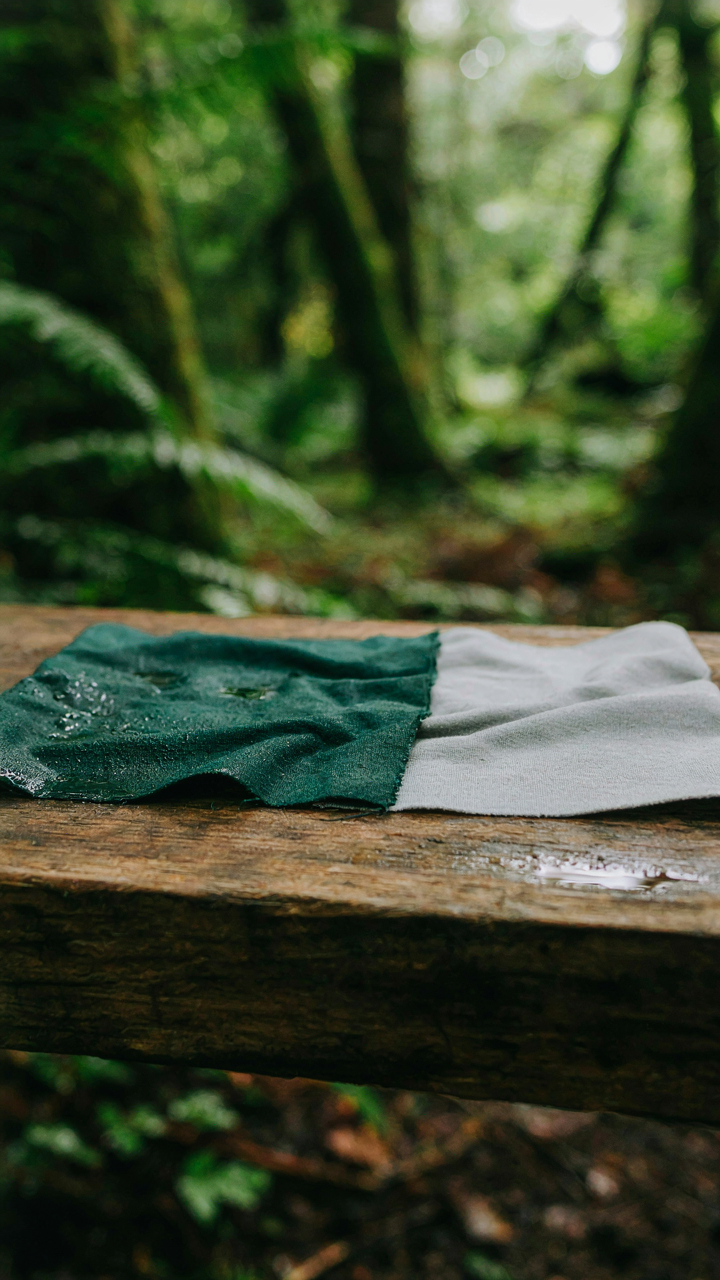
How Sweat Becomes Your Failure Point
You want to believe cotton works because it feels soft and breathes fine in air conditioning. Here’s what actually matters: evaporative cooling only functions when moisture leaves your skin. Physics calls this phase transition, and your hiking outfit either enables it or blocks it.
Cotton absorbs sweat and holds it against your body instead of releasing it into air. The water stays trapped in the fibers, warming up as it sits there. Your core temperature climbs while you feel clammy and heavy. Synthetic materials like polyester and nylon wick moisture away from skin to the fabric’s surface where air can evaporate it. This is the mechanism that keeps you cool in humidity, not the fabric’s feel or marketing claims.
What Traps Heat And What Doesn’t
The difference between synthetic and natural fibers isn’t preference, it’s water behavior. Natural fibers like cotton and wool absorb moisture into their structure because their molecular bonds attract water. Once saturated, they stay wet for hours and shed heat slowly. Synthetic fibers repel water instead of absorbing it, creating a faster pathway for moisture to move away from your body.
Humidity already fills the air with water vapor, making evaporation harder. Cotton compounds this problem by holding additional moisture right against your skin. Synthetics give evaporation a fighting chance by moving sweat to the outer layer of the garment where air circulation matters. When you pick your base layer and mid-layer, choose polyester, nylon, or merino wool. Skip cotton entirely, even for socks.
The 3 Layer Deception: Humid Edition
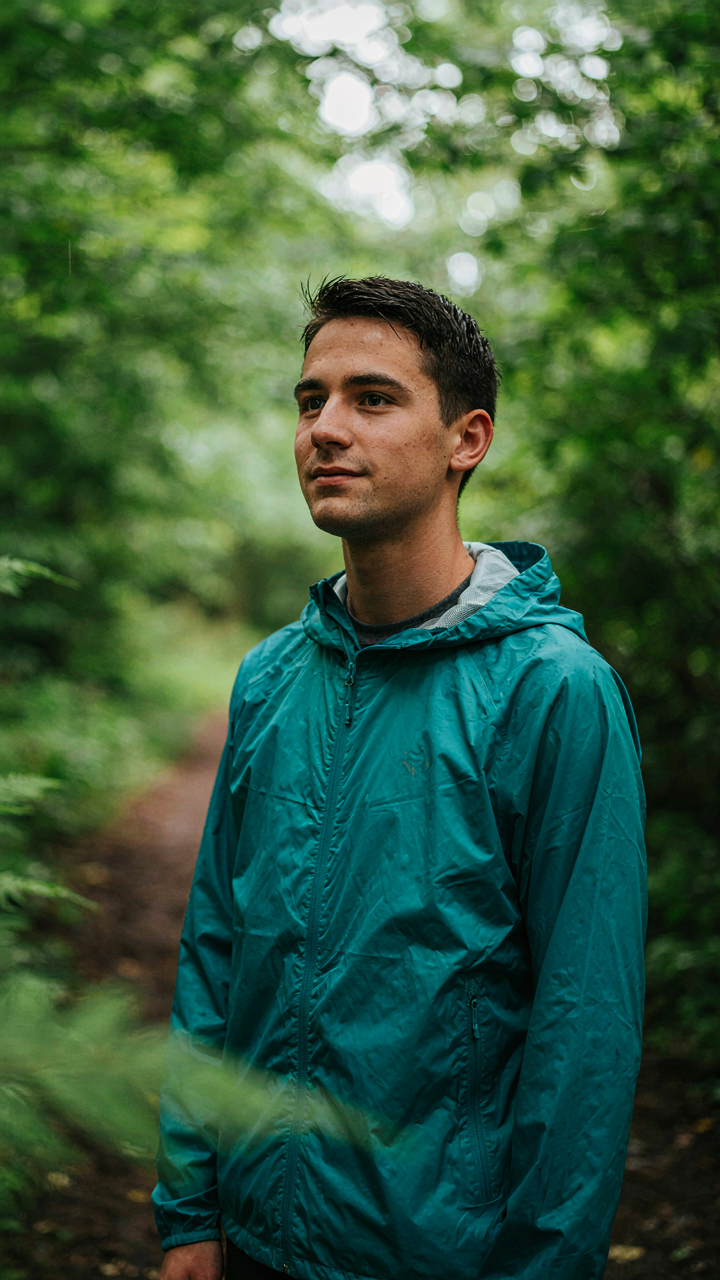
Your Base Layer Is Not What You Think It Is
You want to look like you know what you’re doing on a trail. Here’s the mechanism: in humid conditions, the standard three-layer system fails because humidity doesn’t care about your layers—it saturates them all at once. Think of thermodynamics. Your base layer isn’t insulation in humid weather; it’s a moisture management interface. Cotton absorbs sweat and holds it against your skin. Synthetic fibers and merino wool wick moisture away from your body to the next layer where it can evaporate. That distinction matters completely.
Most beginner advice treats base layers as generic “first thing you wear.” Wrong. In humidity, your base layer determines whether you stay functional or develop chafing and heat rash by mile two. Polyester blends and merino wool move sweat outward; cotton traps it inward. A proper base layer in humid conditions is tight enough to maintain contact with skin for effective moisture transfer, but loose enough to allow airflow between fibers. Test this on a short walk first, not a full hike.
Outer Layer As Wind And Vapor Barrier
Your outer layer in humid weather operates backward from what you expect. In dry climates, an outer shell protects you from wind and rain. In humidity, that same shell traps warm, moist air against your body if it’s not breathable. Vapor permeability is the principle here: your shell must allow moisture vapor to escape faster than liquid water enters. A non-breathable rain jacket creates an internal sauna.
Pick a shell with high breathability ratings, measured in grams of moisture vapor transmitted per square meter per 24 hours. Look for jackets rated above 10,000 MVTR if possible. Ventilation vents, pit zips, or back vents create pressure relief—they let humid air escape during high exertion. Your outer layer should stay on during the hike even when it’s not raining, because it prevents wind from evaporating sweat too fast and cooling you down unpredictably.
The “Cute Hiking Outfit” Myth: Function Over Fashion Folly
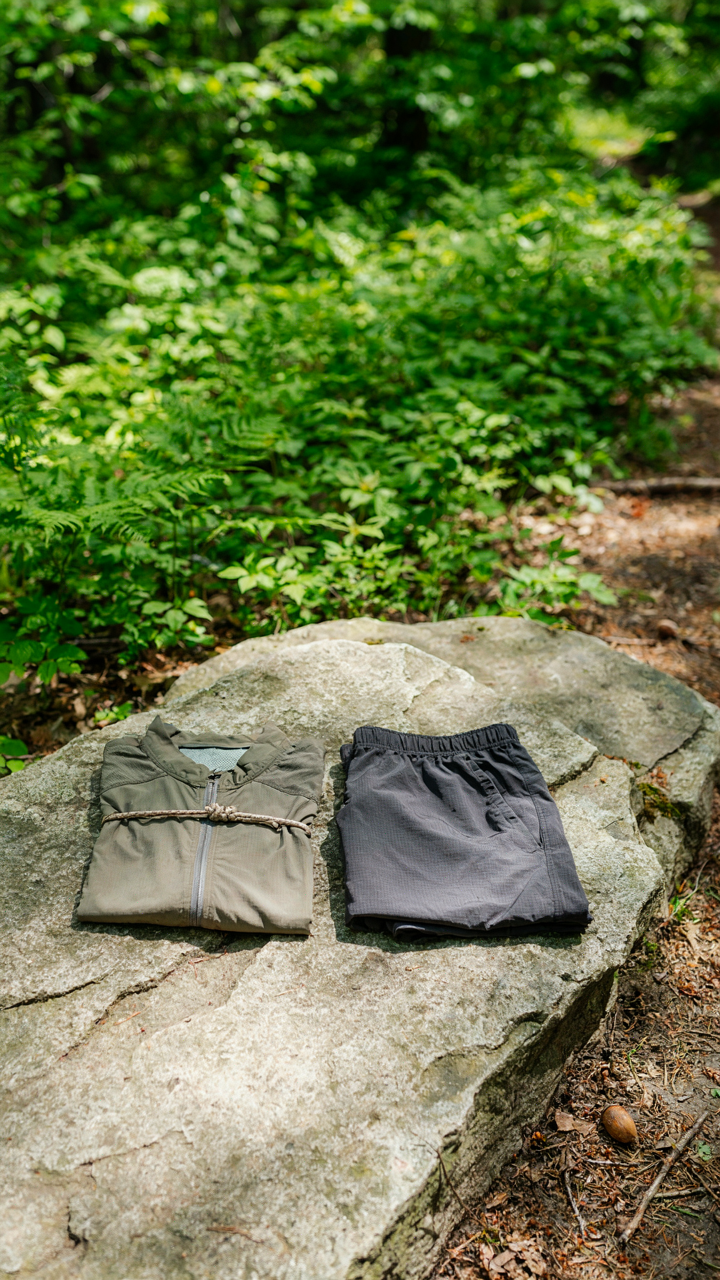
When Looks Kill Performance
You want to look like you belong on a trail because you’re afraid people will judge you for not knowing what you’re doing. Here’s the mechanism: your brain conflates visual confidence with actual competence, so you chase Instagram aesthetics instead of solving the real problem—sweat management in humidity. Cotton looks fine. It destroys performance. Polyester blend or merino wool works. It looks boring. Pick the one that keeps you dry because wet fabric clings to your skin and accelerates heat loss, which tanks your core temperature and kills your endurance before mile two.
Most advice tells you to “just wear breathable fabrics and move on.” That’s incomplete. Humidity doesn’t care about breathability alone because saturated air prevents evaporative cooling, the mechanism your body depends on to regulate temperature. You need fabric that wicks moisture away from your skin faster than the surrounding air can absorb it. Cotton absorbs and holds moisture. Synthetic blends push it outward. The difference isn’t cosmetic—it’s physiological. Beginners in humid climates wearing cotton often overheat not because they’re unfit, but because their outfit sabotages their body’s cooling system before exertion even starts.
Confidence Built On Competence, Not Coordinates
Real confidence comes from knowing your outfit solves a specific problem, not from matching a filtered aesthetic. This is where most beginners fail: they optimize for appearance instead of for the conditions they’ll actually face. A dark-colored polyester shirt with visible pit stains performs better in humidity than a pristine, color-coordinated outfit made of materials that trap moisture. The stains mean sweat is wicking correctly. The “imperfect” look means your body isn’t suffocating in its own humidity.
Fashion trends in outdoor gear cycle through gatekeeping cycles—technical aesthetics become aspirational, then commercialized, then meaningless. What matters is that your gear solves the equation: body heat plus humidity plus exertion equals overheating. Solve that equation with ugly nylon shorts and a synthetic shirt, and you’ll outlast someone in coordinated merino wool that fits wrong. Choose performance first, then find the option that fits your budget. That’s where actual confidence lives: in the decision, not the Instagram caption.
The Hydration Garment Feedback Loop: Your Skin’s Silent Partner
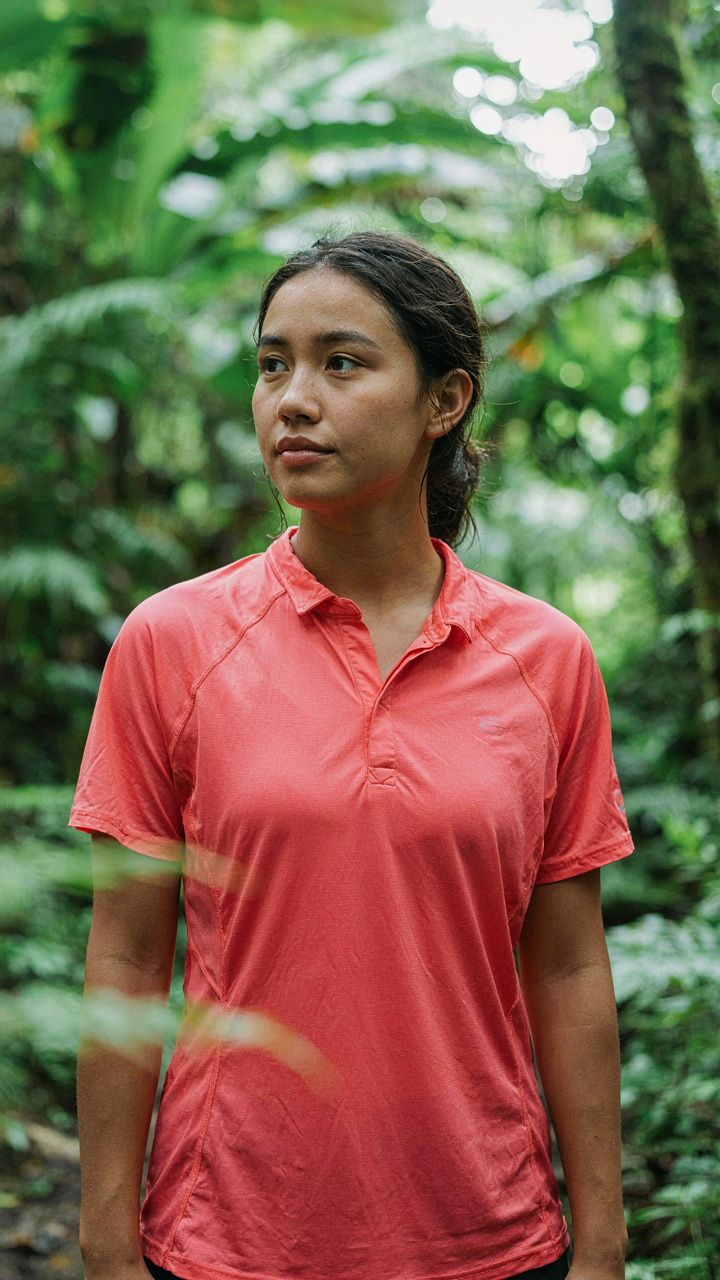
Why Your Sweat Rate Actually Matters
You want to know this because you’re terrified of overheating on the trail and looking incompetent. Here’s what actually happens: biology treats sweat production as a hydraulic system. Your core temperature rises, your hypothalamus triggers eccrine glands to release moisture, and that moisture must escape or your body keeps heating. In humid conditions, air already holds maximum moisture, so evaporation stops. Sweat pools instead of cooling. This is the mechanism most beginners miss: it’s not about sweating more in humidity. It’s about sweat losing its cooling function entirely.
The common advice says “wear moisture-wicking fabrics.” That’s incomplete. Moisture-wicking only works if evaporation can happen downstream. In 85-degree heat with 80 percent humidity, no fabric can overcome ambient saturation. What matters is fabric speed: how quickly material moves sweat away from skin and spreads it thin enough that even slow evaporation works. Synthetic materials like polyester and nylon beat cotton because they push moisture outward faster, not because they’re magical. The goal is buying time before your core temperature rises past your thermoregulation threshold.
Garment Architecture As Flow Engineering
Think of your outfit as a fluid system, borrowed directly from hydraulic engineering. A shirt isn’t just fabric; it’s a channel managing pressure and flow rate. Loose-fitting garments create dead zones where sweat pools. Tight garments create backpressure that slows moisture movement. The sweet spot is athletic fit: snug enough to move sweat away from skin, loose enough that air circulates through the weave.
Seam placement changes everything. A garment with seams running horizontally across the chest creates barriers that interrupt sweat flow downward. Running seams vertically allows moisture to travel the path of least resistance toward your hem and armpits. Most beginner-grade hiking shirts ignore this. You’re not paying extra for seam engineering; you’re paying for the designer to have actually thought about fluid dynamics instead of making something that looks good on a hanger. Choose vertical seam orientation and you reduce the work your body does trying to shed heat.
The Footwear Fallacy: Where Blisters Begin (and End)
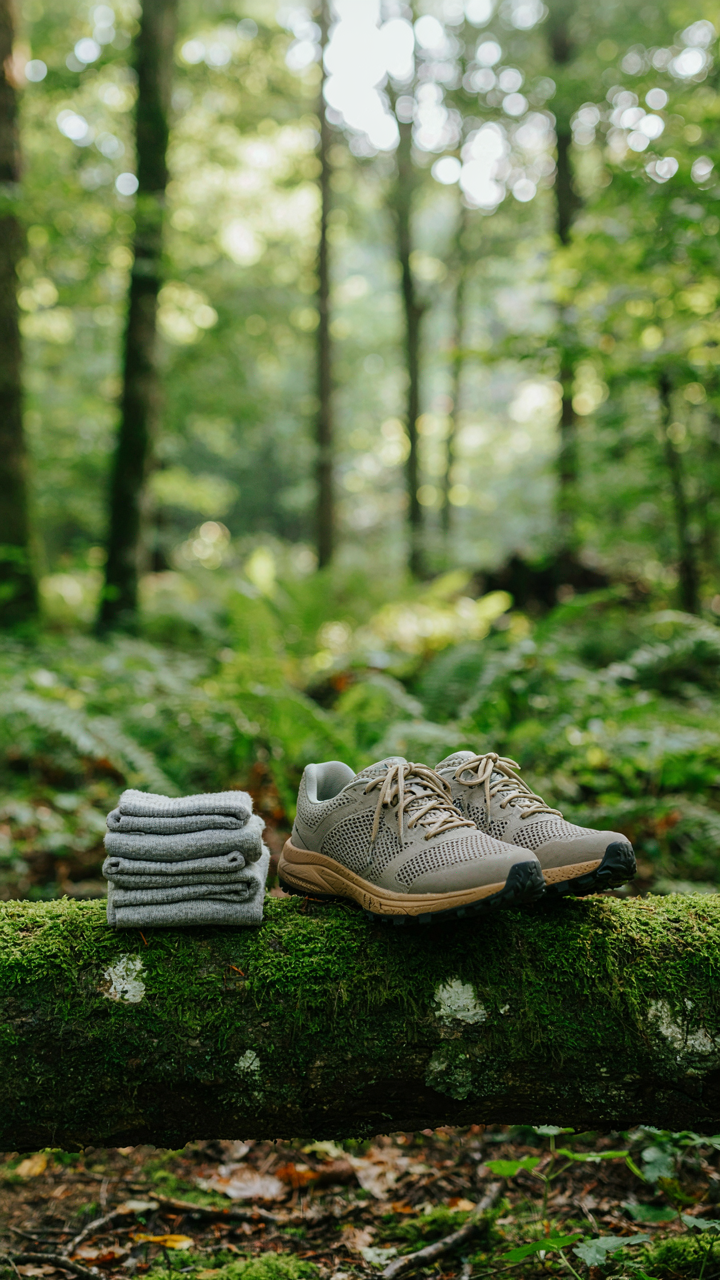
Socks Are Your First Defense Layer
You’re buying expensive hiking boots and ignoring the thing your skin touches first. That’s where blisters happen. The sock material determines whether moisture stays on your skin or moves away from it. This is a physics problem: capillary action. Water molecules travel through fibers toward the surface. Cotton holds moisture against your skin. Merino wool and synthetic blends push it outward. A beginner in humid conditions needs socks that actively shed sweat, not absorb it.
Merino wool socks work because they’re hydrophobic at the fiber level. They wick moisture away faster than cotton in hot, wet environments. Synthetic blends like polyester and nylon do the same job at lower cost. The thickness matters too. Thin merino or synthetic socks in humid heat outperform thick cushioned socks that trap sweat in the padding. Buy hiking-specific socks, not crew socks. The arch compression and heel reinforcement matter less than the material’s ability to move moisture off your foot.
Shoe Design That Actually Drains
Most beginner hikers choose closed hiking boots in humidity. This is the mistake. You’re creating a moisture chamber. The real mechanism here comes from hydrology: water seeks the path of least resistance downhill. Your shoe needs drainage channels, not sealed construction. Ventilated hiking shoes or low-cut trail runners outperform boots in wet conditions because they allow water in and out deliberately, rather than trapping it.
Drainage design means the sole has gaps or a porous midsole. The upper has mesh panels, not solid leather. Water enters, but it exits faster than it accumulates. Your foot stays wet either way in a humid environment, but wet skin with air circulation prevents blisters. Wet skin in a sealed boot creates friction and heat. Break in ventilated shoes before hitting the trail. Replace insoles with ones that have moisture channels or drainage holes. The goal is controlled water movement, not water prevention.
The “Minimalist Carry” Protocol: Less Is Truly More
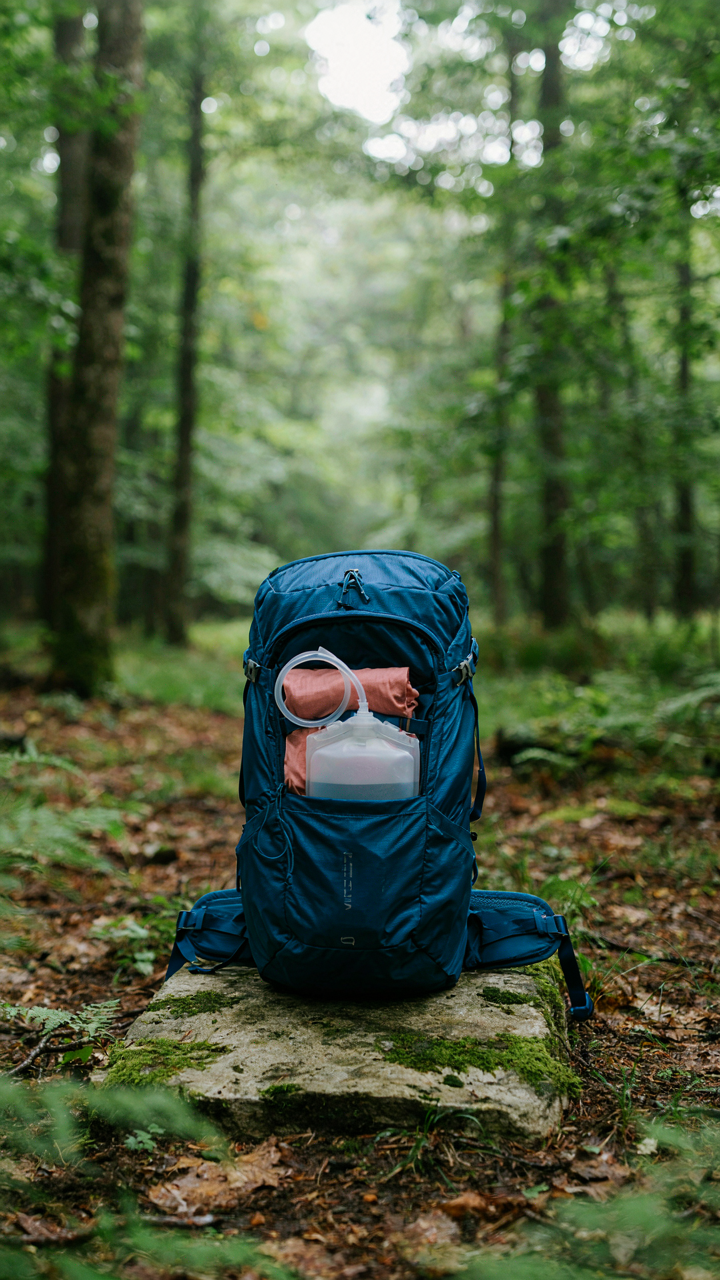
What Actually Goes In Your Pack
You want to look like you know what you’re doing without admitting the real reason: you’re terrified of being the person who brought too much and suffered visibly for it. Here’s the mechanism nobody states plainly. In physics, work equals force times distance. On a humid trail, your pack weight becomes force, and the distance becomes exponentially harder. Every pound you carry multiplies effort in heat and moisture.
- Water container (2-3 liters minimum): Humidity traps sweat on your skin. Your body cannot cool itself efficiently without constant hydration. Bring more than you think you need. Running dry in heat is not a learning experience, it’s a medical event.
- Moisture-wicking base layer: Cotton holds sweat against your skin and creates chafing zones. Synthetic materials or merino wool pull moisture away from your body. This is the single non-negotiable piece of clothing for humid hiking.
- Lightweight, breathable shorts or pants: Look for nylon blends with high thread count airflow. Avoid anything that clings when wet. Dark colors absorb heat you do not need.
- Sun protection (hat, sunscreen, sunglasses): Humidity creates a false sense of coolness. The sun still burns through cloud cover and reflects off sweat. Your skin cannot recover from damage while overheating.
- Basic first aid and blister treatment: Moisture softens skin and creates friction points faster than dry conditions. Tape and blister pads prevent a minor problem from ending your hike early.
The items you leave behind matter as much as what you carry. Most beginners pack a fleece, a rain jacket they’ll never wear, and extra food they won’t eat. None of those items help you move farther or safer in humid conditions. Strip your pack down to items that directly address heat, sweat, and hydration.
Energy Conservation Through Load Management
Most hiking advice tells you to “start with a light pack and build up.” That’s incomplete. Load management isn’t about feeling stronger. It’s about thermodynamics. In thermodynamics, a system’s efficiency drops as external stress increases. Your body is a heat engine. Add unnecessary weight, and your core temperature rises faster than it would at baseline.
Every pound you carry requires your muscles to work harder, which generates more heat, which increases sweat production, which depletes water stores faster. The math is not metaphorical. A ten-pound pack versus a twenty-pound pack on a two-mile humid trail is the difference between arriving capable of continuing and arriving depleted. You conserve energy by removing weight, not by becoming tougher or more conditioned. Your goal on the trail is not to prove something. It’s to move sustainably and arrive with capacity left. Strip your pack to essentials, test it before you commit to a real hike, and adjust only when you discover a genuine gap, not when you imagine one.
The Sun’s Silent Sabotage: Beyond SPF
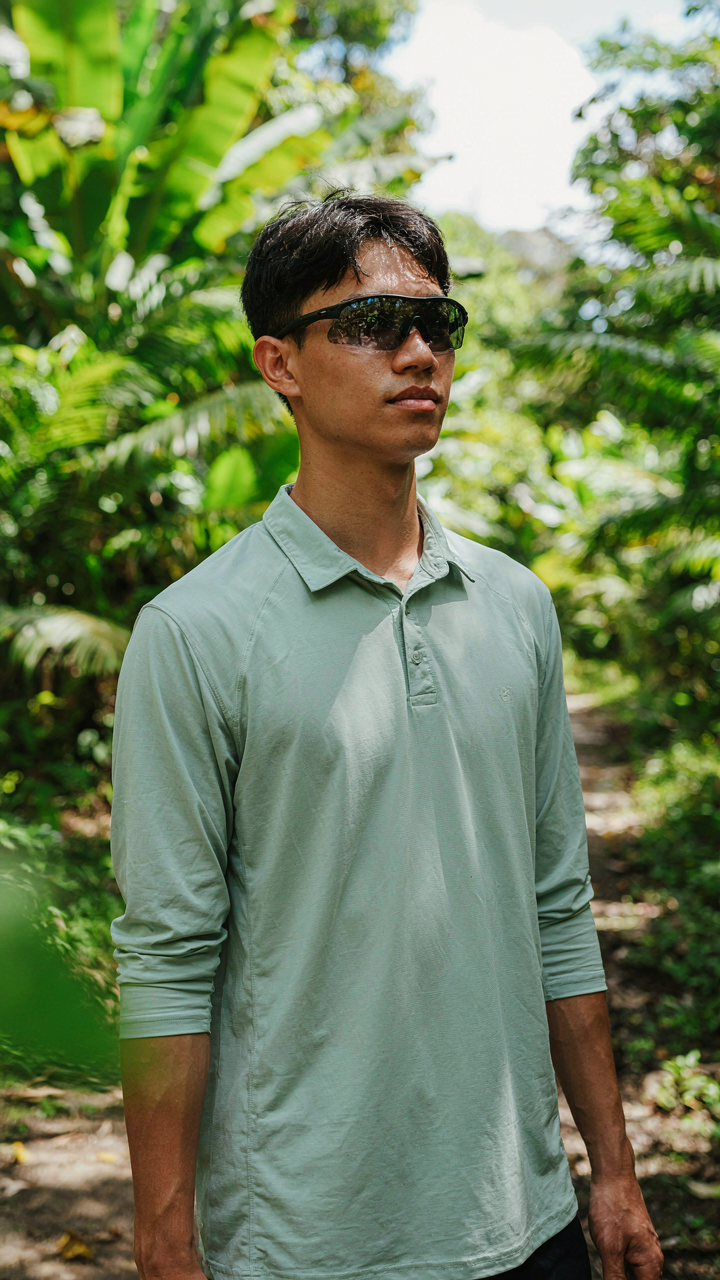
Fabric As A Barrier, Not A Band Aid
You want UV protection without looking like you’re afraid of the sun. Here’s the mechanism: UPF fabric works through physical obstruction, not chemical absorption. Tight weaves and synthetic fibers deflect or scatter UV radiation before it reaches your skin. Cotton fails here because its loose weave lets UV pass straight through, even when wet. Polyester, nylon, and specialized synthetic blends with UPF ratings offer genuine protection by design.
Humid conditions amplify UV exposure because water reflects and scatters sunlight, intensifying rays at ground level. A UPF 50+ shirt stops 98 percent of UV radiation regardless of sweat saturation. Weight matters in humidity though. Lightweight, breathable synthetics dry faster than dense fabrics, reducing the clammy feeling that makes people ditch protective layers. Look for garments labeled UPF 50+ or higher, not sunscreen-treated cotton marketed as “sun protective.”
Shadows You Can Wear
Most hikers grab a baseball cap and call it done. That leaves your ears, neck, and half your face exposed. Strategic shading works like a military doctrine of coverage zones: identify exposed areas and eliminate them one layer at a time. A wide-brimmed hat (three inches minimum) creates a shadow perimeter. Add a neck gaiter or buff and you’ve blocked the two zones that burn fastest on humid hikes.
Sunglasses do more than reduce glare. They prevent UV from reflecting into your eyes and aging the thin eyelid skin faster. Wraparound frames work best because they block side exposure. In humid conditions, anti-fog coating matters more than lens tint. Fogging forces you to remove protection, defeating the entire system. Keep your shading accessories on the entire hike, not just midday. UV exposure compounds across the full duration, not just peak hours.
The Post Hike Prerogative: Reclaiming Your Core

Strip Wet Layers The Moment You Stop
You’re hoping this section makes you look disciplined and prepared. The real mechanism is thermoregulation debt: your body kept you cool through evaporative sweat during exertion, and stopping triggers immediate heat retention. Wet fabric against skin becomes an insulator trapping warmth instead of releasing it. This is why hikers who ignore this step feel clammy and exhausted for hours after.
Change out of sweat-soaked clothing within five minutes of finishing your hike. Bring a dry synthetic or merino wool shirt and shorts in your pack, not cotton. Your core temperature will spike if moisture stays against your skin. The transition matters more than the hike itself for recovery speed and preventing post-exercise chills that wreck your next twelve hours.
Air Movement Beats Everything Else
The physics of evaporative cooling still applies after exertion ends, but the game flips: you want to stop evaporation, not maximize it. Most advice says sit in shade. That’s incomplete. Passive shade does nothing if you’re still drenched. Active air movement across your body accelerates moisture removal and drops core temperature faster than anything else available.
Sit in direct breeze or near a fan if you have one. Position yourself perpendicular to wind direction so air hits your whole torso. If you’re inland with no natural breeze, find the highest point near the trailhead where convection moves air. Remove excess layers but keep one light, dry layer on to prevent sudden temperature shock. Your core stabilizes in fifteen to twenty minutes with this protocol instead of forty-five without it.
Your Gear Is A Reflection Of Your Resolve
Durable Pieces Over Trend Cycles
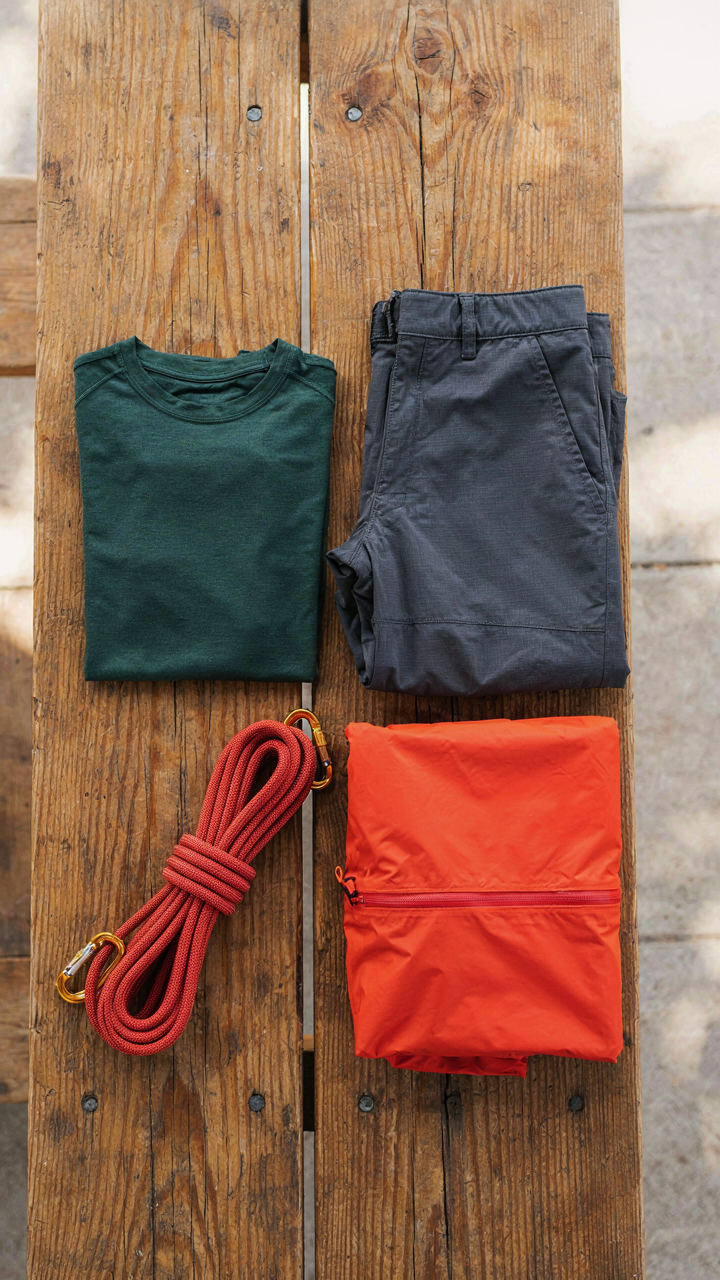
You want gear that signals you’re serious without needing to say it. Here’s the mechanism: durable materials cost more upfront, but they stop the cycle of replacement, which means you actually use them instead of storing them. Humidity destroys cheap synthetics fast. Nylon breaks down. Elastic fails. Cotton holds water and mildews. Invest in merino wool base layers, ripstop nylon for pants, and sealed zippers. These aren’t luxury items. They’re the difference between a hike that happens and one you cancel because your gear failed on the last trip.
The real cost calculation isn’t price per item. It’s cost per use. A forty-dollar merino layer worn fifty times costs eighty cents per wear. A fifteen-dollar polyester shirt that degrades after three humid hikes costs five dollars per wear. You’re not buying premium gear for status. You’re eliminating the friction that stops you from going. Brands like Arc’teryx and Patagonia exist because they solved this problem decades ago. You don’t need their entire catalog. You need one pair of pants that lasts, one base layer that doesn’t stink, and one shell jacket that actually sheds water instead of absorbing it.
Preparation Builds Competence, Not Confidence
Military strategy calls this “logistics wins wars,” not courage. Apply the same principle to humid hiking: your outfit readiness determines whether you execute or make excuses. A beginner who knows exactly what to wear, where each piece goes, and why it matters will hike. A beginner with five mismatched options in their closet will procrastinate. Lay out your outfit the night before. Test it indoors first. Know the weight and pocket placement of every item. This removes decision fatigue on hike morning.
Mastery feels like confidence, but it’s built through repetition and systems, not motivation. You need a protocol: specific gear for specific conditions, worn in the same order, checked against a mental checklist. Humid conditions demand this more than cool dry weather because sweat, saturation, and heat compound failure faster. When you remove choice from the equation, you remove the opportunity to talk yourself out of going. Preparation isn’t overthinking. It’s the difference between someone who hikes three times a year and someone who actually builds a habit. Commit to one outfit combination for the next ten hikes, then adjust.
Your Gear Is A Reflection Of Your Resolve; Inadequate Choices Expose A Deeper Weakness Than Just Poor Planning
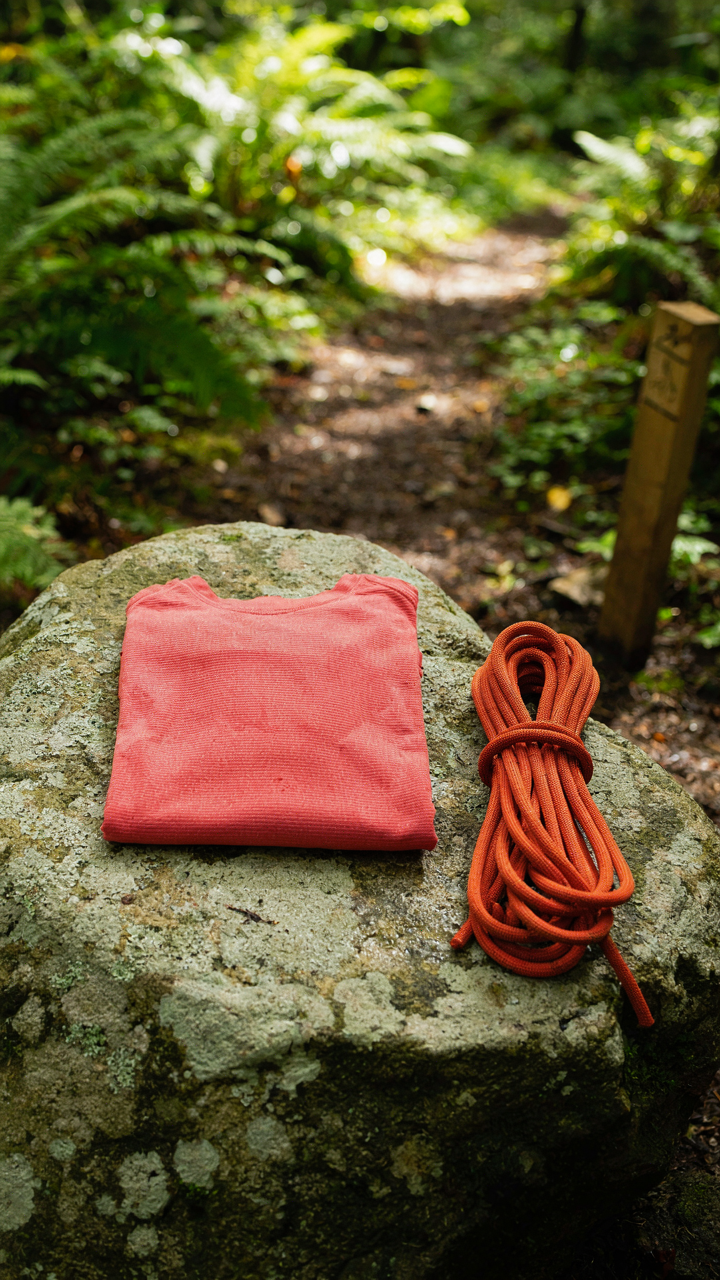
Most beginners fail on humid trails not because they lack information but because they refuse to commit to discomfort before it arrives. You already know what to wear. The gap between knowing and doing separates those who quit at mile two from those who finish. Buy one moisture-wicking base layer today, not next month. The hike doesn’t care about your intentions. Your gear either works or it doesn’t, and so do you.