
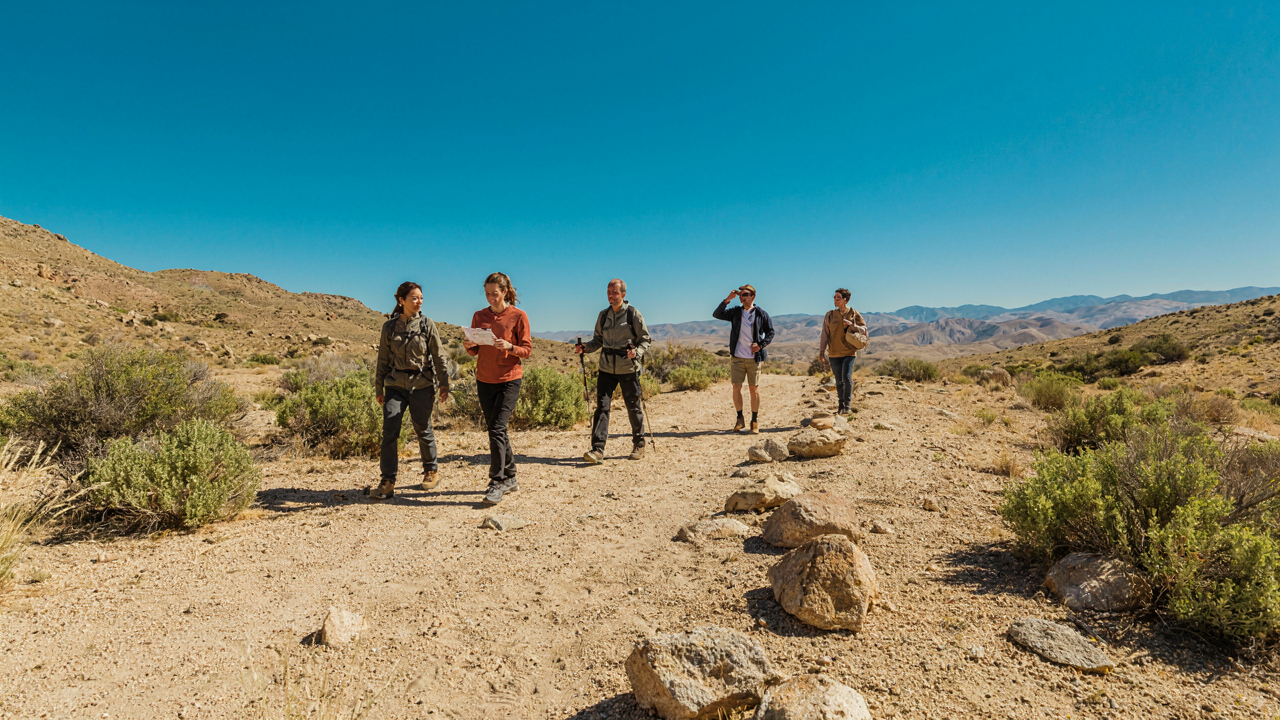
The Myth Of “Lightweight” Fabric: Why Most Options Fail

Sweat Wicking Isn’t The Same Thing As Breathing
You want to buy the right fabric so you don’t look like you made a mistake on the trail. Here’s the mechanism most gear guides skip: sweat-wicking and breathability are two separate jobs, and most fabrics tank at one or both. Wicking moves moisture away from skin. Breathability lets air pass through the material itself. A fabric can wick sweat but trap heat because it doesn’t breathe. You end up wet and overheated anyway.
Cotton fails at wicking entirely. It absorbs moisture and holds it against your skin, which is why it dominates bad hiking advice for beginners. Synthetic fibers like polyester and nylon wick sweat effectively, but their breathability depends on weave density and thickness. A tight polyester weave moves sweat away from skin but acts like plastic wrap around your torso in 85-degree heat. The teen hikers you see dripping through their entire outing usually chose dense synthetics based on “sweat-wicking” marketing alone, ignoring the breathability half of the equation.
Material Science Maps To Heat Management

Think of fabric selection like thermodynamics—the study of heat transfer. Three mechanisms move heat away from your body: conduction, convection, and evaporation. Polyester and nylon excel at conduction and evaporation but fail at convection because they don’t let air move through them easily. Merino wool handles all three. It wicks moisture, breathes through loose fiber structure, and regulates temperature naturally even when damp. Most teen hikers never encounter merino because cost and laundry myths scare them away.
Polyester remains the default for budget hiking wear because it’s cheap and dries fast. Nylon offers slightly better durability but identical breathability problems. Merino wool costs three to five times more but solves the core problem: managing heat while moving moisture. The mechanism that matters isn’t brand hype—it’s fiber structure and weave density. Dense fabrics trap heat. Open-weave merino or thin mesh-backed synthetics actually work on hot trails. Check the garment spec sheet for grams per square meter, not just the fiber name.

The Evaporation Principle: Your Skin As A Cooling System
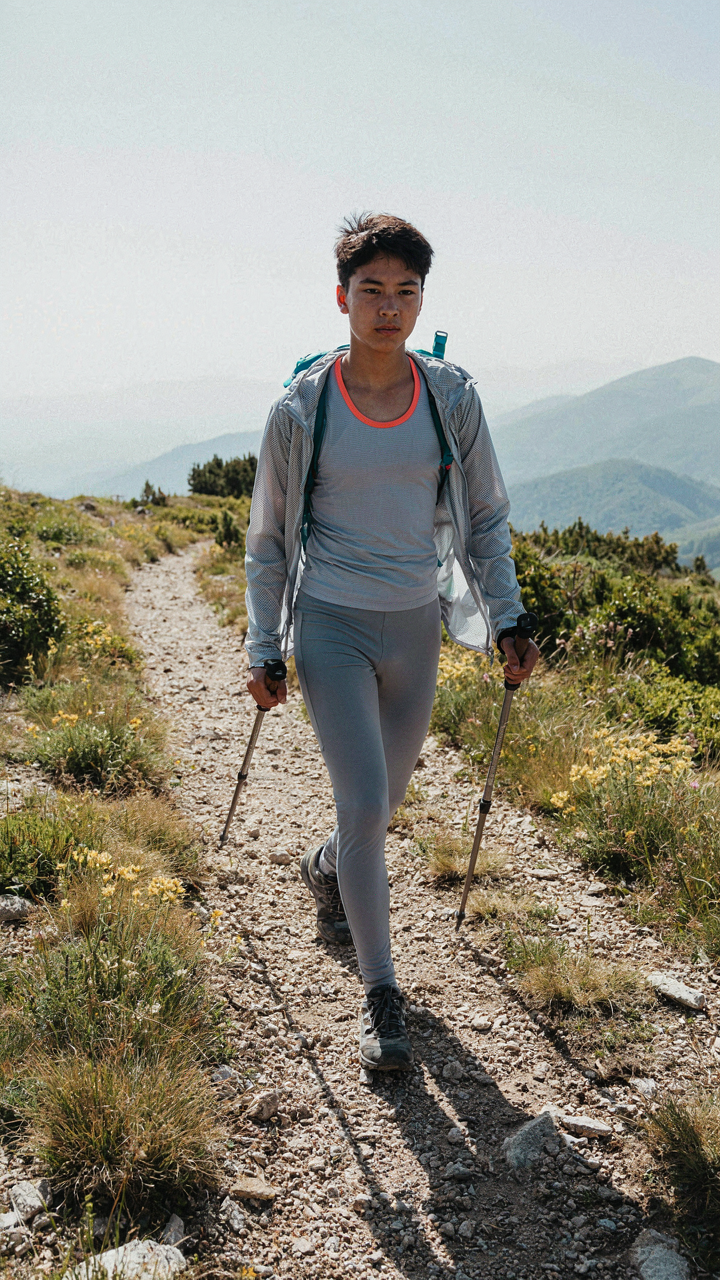
Sweat Works Only When It Leaves Your Skin
You want to stay cool without looking like you’re sweating through your clothes, but that’s backwards thinking. Your body doesn’t care about your image—it cares about survival. From a biology standpoint, sweat is the evaporative cooling system your body deploys under heat stress. It’s not the sweat itself that cools you. It’s the phase change when moisture leaves your skin and enters the air. No evaporation means no cooling, just a wet shirt that traps heat.
Most teens hike in cotton or heavy synthetic blends, which absorb sweat but don’t release it fast enough into the air. The sweat sits on your skin, making you feel colder momentarily while actually keeping internal temperature high. Your body keeps producing more sweat to compensate, dehydrating you faster. The mechanism is simple: moisture must convert to vapor and escape, or your cooling system fails regardless of how much you sweat.
Fabric That Actually Moves Moisture Away
Everyone says “wear moisture-wicking fabric,” then recommends whatever’s on sale. That’s lazy. Moisture-wicking works through capillary action—the fabric pulls sweat away from skin and spreads it across a larger surface area to evaporate faster. Polyester, nylon, and polypropylene accomplish this because they’re hydrophobic. They don’t absorb water the way cotton does. Instead, they transport it outward and upward where air can reach it.
Weight matters here too. Lightweight, tight-weave synthetic fabrics accelerate evaporation because they create less barrier between moisture and moving air. A loose, heavy synthetic shirt moves air poorly and keeps humidity trapped against your body. Choose fitted base layers in polyester or nylon blends, then pair them with an open, breathable outer layer—not for style, but for the air gap that lets evaporative cooling work.
Beyond SPF: Physical Barriers That Actually Protect
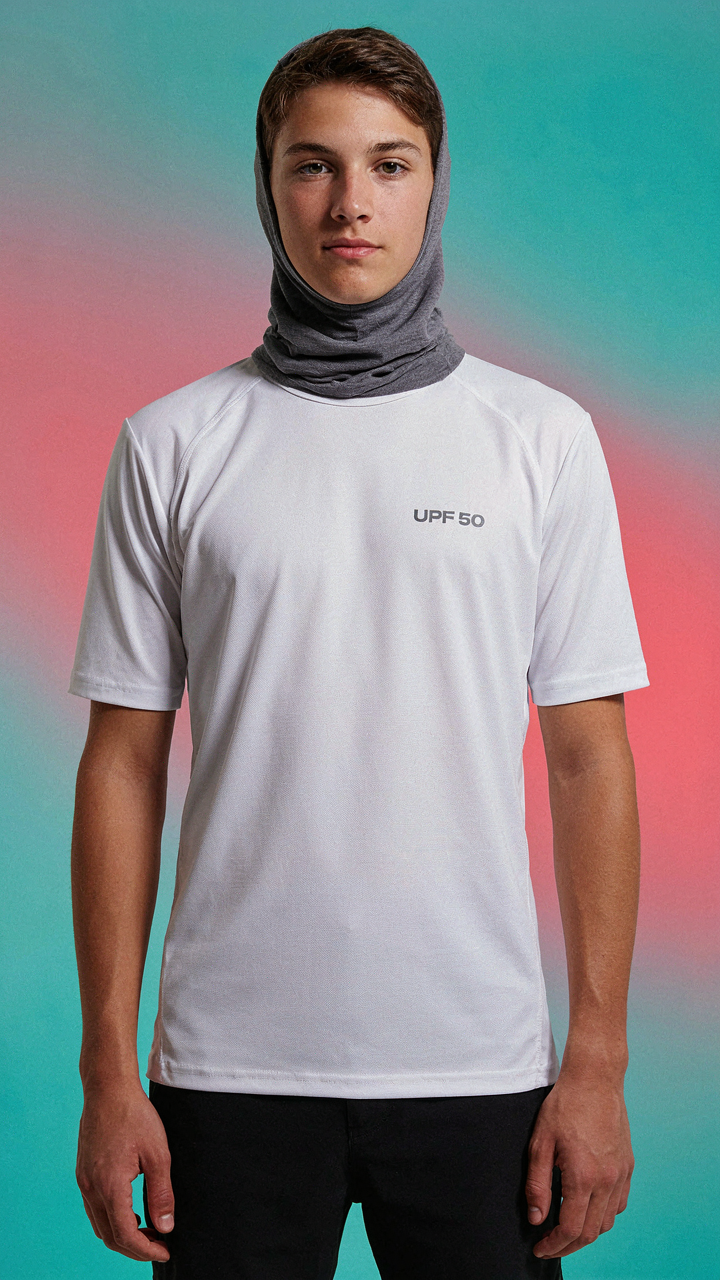
What UPF Actually Measures
You want the sunscreen number to do the work so you can ignore the real problem. It won’t. UPF ratings borrow from textile engineering’s transmittance principle: the measurement of how much ultraviolet radiation passes through a material versus how much it blocks. UPF 50 doesn’t mean fifty times stronger protection. It means the fabric allows one-fiftieth of UV rays through compared to unprotected skin. A UPF 50 shirt stops roughly 98 percent of UV radiation. UPF 100 stops about 99 percent. The difference between them is marginal.
Fabric density, weave pattern, and fiber type determine UPF more than any marketing claim. Tightly woven synthetics like polyester outperform loose cotton every time. Wet fabric loses UPF protection significantly—critical for teens who sweat through hikes. Dark colors absorb more UV than light ones, but both work if the weave is tight enough. Buy a labeled UPF garment, check the weave with your eyes, and verify it’s not soaking through sweat before relying on it.
Hat Brims And Neck Coverage Matter More Than You Think
The standard advice is wear a hat. That’s incomplete. A hat only protects what it shades directly. A two-inch brim leaves the ears and upper neck exposed. A four-inch brim creates actual coverage. Neck gaiters address the gap most teens ignore: the back of the neck and the side of the face where sun reflection off terrain bounces up. This reflective angle causes burns that feel random but follow physics.
Wide-brim hats with neck gaiters together reduce exposed skin by roughly 60 percent compared to baseball caps alone. Position the gaiter to cover from jawline to collarbone, then pull it up over the ears when sun angle changes. The mechanism is simple: eliminate the gaps where scattered UV finds skin. Reflective surfaces like rock and water intensify this exposure, which is why gaiters work better on exposed ridges than in forested terrain. Test the setup during a short afternoon hike before committing to a full day.
The Hydration Paradox: Why Water Alone Is Not Enough
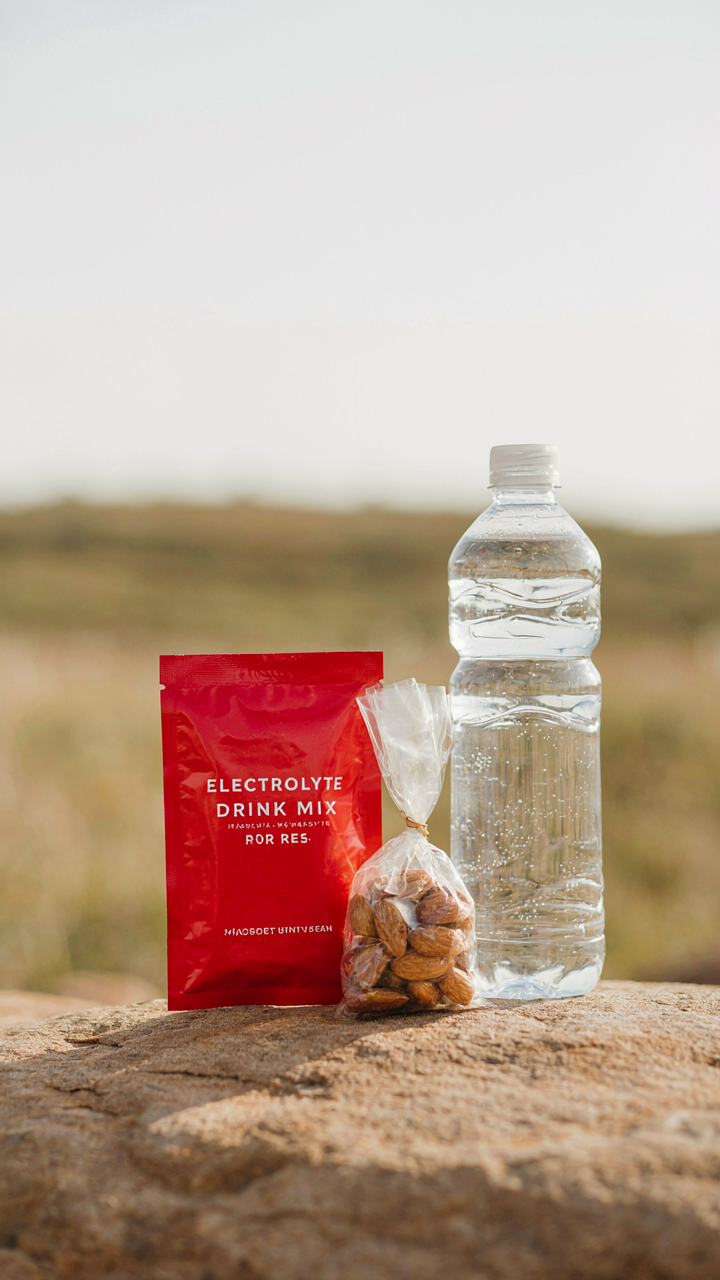
Electrolyte Balance For Sustained Output
You think drinking water is enough because it’s simple and you want to believe effort scales linearly with results. It doesn’t. Borrow from exercise physiology: your body is an osmotic system, not a tank. Sweat depletes sodium, potassium, and magnesium faster than water replaces them. A teen hiking for three hours in heat loses electrolytes that water alone cannot restore, triggering cramping, dizziness, and premature fatigue regardless of how much they drink.
Most teens hit the trail with a water bottle and nothing else, then wonder why their legs cramp at mile four. Your body needs electrolytes to retain water and maintain muscle function under sustained exertion. Salt tablets, sports drinks with sodium content, or even salted snacks during the hike replace what sweat removes. The mechanism is direct: electrolyte concentration in your blood determines how efficiently your muscles contract and how well your body regulates temperature.
Pre Hydration And On Trail Intake Strategy
Start hydrating the night before, not two hours before departure. Drinking water right before the hike floods your system without time for absorption, creating a false sense of preparedness. Teens should consume 400 to 600 milliliters of water with electrolytes the evening prior, then another 300 to 500 milliliters two to three hours before starting. This timing allows absorption and gives the kidneys a window to regulate fluid balance before exertion begins.
On the trail, intake matters more than total volume consumed. Drink 150 to 250 milliliters every 15 to 20 minutes during active hiking rather than chugging a liter at rest stops. Small, frequent doses allow your stomach to absorb fluid without triggering nausea or sloshing discomfort. Pair water intake with sodium consumption to create the osmotic conditions your muscles need to function, then establish a consistent drinking rhythm independent of thirst signals.
The “Hot Weather Hiking Outfit Teens” Deception: Footwear That Fails
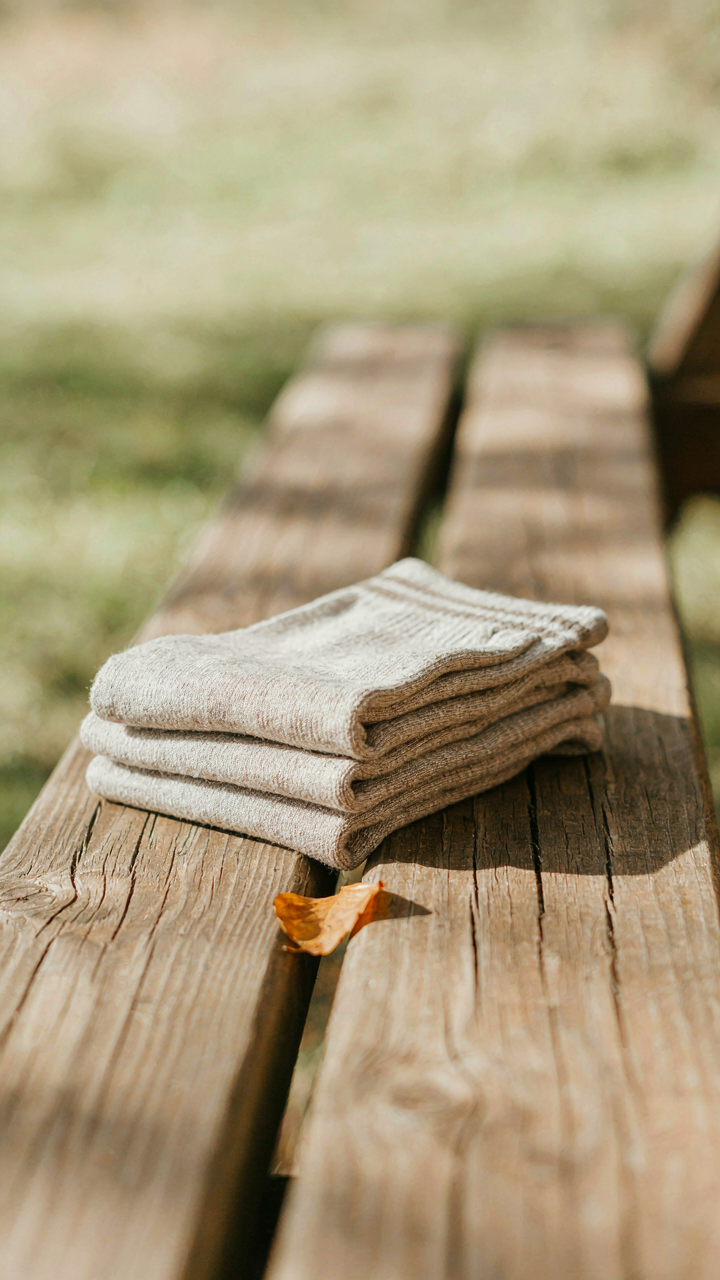
Why Your Socks Matter More Than Your Shoes
You care about this because blisters kill hikes faster than heat, and you don’t want to be the reason the group turns back. Here’s the mechanism: friction creates heat, heat creates moisture, moisture softens skin, softened skin shears and blisters form. Cotton absorbs and holds that moisture against your foot. Synthetic materials wick it away. The difference isn’t opinion.
Most hiking advice treats socks as an afterthought. They’re not. Your sock choice determines whether friction becomes a blister or stays neutral. Cotton feels soft in stores. On trail for six hours in heat, it becomes a moisture trap that actively works against you. Synthetic blends and merino wool move sweat away from skin, keeping the friction zone dry.
- Merino Wool: Naturally regulates temperature, resists odor, and wicks moisture even when wet. Works in heat without overheating feet. Costs more upfront but lasts longer than cotton or cheap synthetics.
- Polyester Blends: Affordable synthetic option that wicks well and dries fast. Less temperature regulation than merino but performs better than cotton in sustained heat and humidity.
- Nylon Mix: Found in many hiking socks. Balances durability with moisture management. Check the percentage—higher nylon content means more durability but slightly slower wicking than pure polyester.
- Acrylic Synthetics: Budget synthetic that wicks adequately but breaks down faster than polyester or nylon. Fine for short hikes, risky for full-day heat exposure in teens who are heavier or sweat more.
- Wool Blends Under 50 Percent: Marketing trick. Not enough wool to get the benefits. Acts like synthetic with higher cost. Skip these and buy either pure merino or pure poly blends instead.
Sock thickness matters too. Thin or ultralight synthetics dry fastest and reduce volume in tight shoes, but they offer less cushioning on rocky terrain. Medium-weight synthetic or merino gives you both moisture management and protection. Test this before the hike—wear your chosen socks on a two-mile walk to feel how they perform before committing to eight miles in heat.
Shoes That Actually Drain
The real problem with most teen hiking shoes is that they’re designed for mild conditions, not heat plus sustained exertion. Physics calls it evaporative cooling—your body needs moisture to evaporate to drop temperature. Shoes with poor ventilation trap heat and humidity inside, raising foot temperature even as the ambient air cools. This accelerates sweat production and blister formation.
Mesh uppers matter, but mesh alone doesn’t guarantee drainage. You need drainage channels, not just air gaps. Look for shoes with cutouts around the collar, perforations on the vamp, and a gusseted tongue that prevents debris from entering while letting air move through. The insole should be removable—a trapped insole blocks airflow underneath where moisture collects fastest. Many brands skip this feature to save cents on manufacturing.
Trail shoes designed for wet conditions often drain better than “breathable” shoes from mainstream brands. The difference is that wet-condition shoes assume water will enter, so they’re engineered to let it exit quickly. Hot weather hiking doesn’t mean your feet stay dry, it means you manage moisture. Drainage happens through design intent, not accident. Before buying, remove the insole and look at the bottom of the shoe—you should see ventilation holes or channels, not a solid surface.
The 3 Layer Adaptation Method For Dynamic Conditions
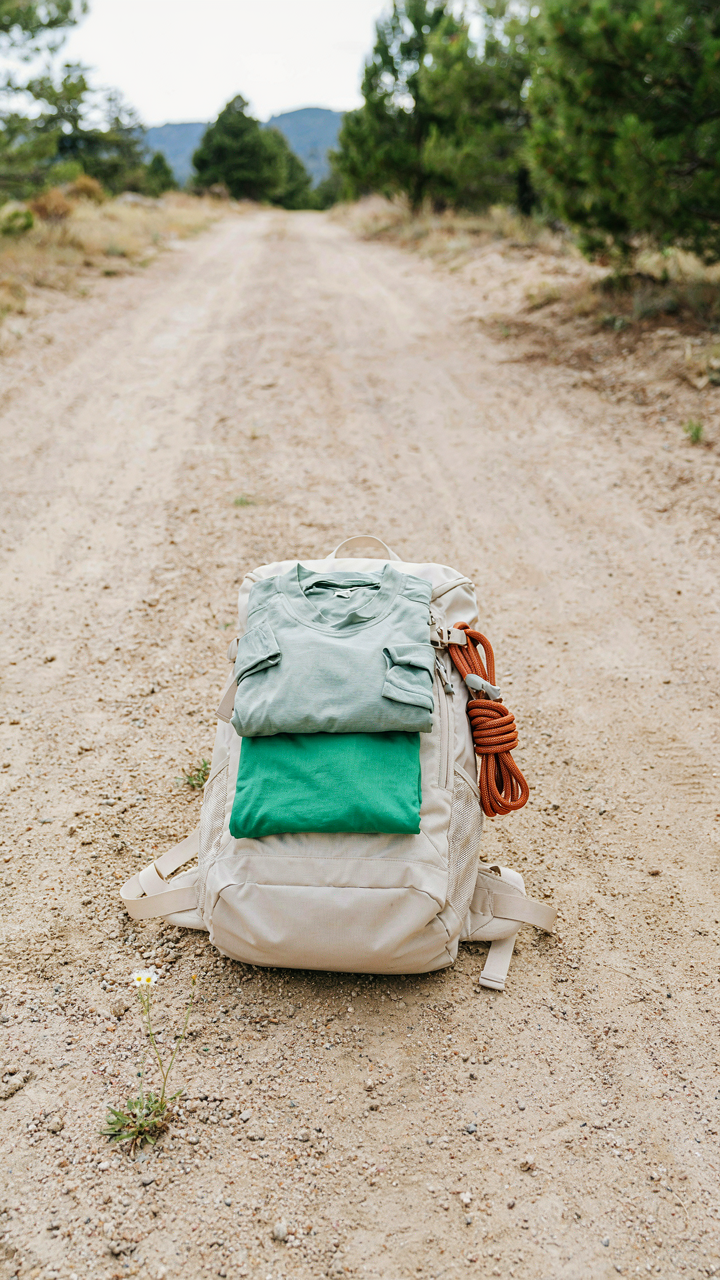
Start With Sweat, Not Style
You want to look competent on the trail without overheating into a medical incident. Here’s the real mechanism: your body dumps heat through sweat evaporation, but cotton traps moisture against skin instead of moving it away. This is a physics problem, not a fashion choice. Synthetic fabrics and merino wool work because they pull sweat outward, letting air hit skin directly. The base layer’s job isn’t to keep you warm—it’s to break the connection between sweat and your body temperature.
Most teens wear cotton shirts because that’s what’s in their closet. Stop. Cotton holds moisture like a sponge and stays cold against skin. Polyester or merino wool base layers cost the same and work twelve times harder. A proper base layer moves sweat faster than skin can reabsorb it, which means your body’s cooling system actually functions. On a hot day hike, this single choice determines whether you regulate temperature or spiral into heat stress.
Protect Skin, Block Radiation
Sun exposure on a hot trail doesn’t just burn—it adds radiant heat load to your core temperature, making your body work harder to cool down. Military doctrine calls this “radiant load management,” and it applies directly to how you dress for heat. Your outer layer must block ultraviolet rays and deflect solar radiation while letting sweat escape. Lightweight, loose-fitting shirts in light colors with UPF ratings do this. Tight clothes trap heat between fabric and skin. Loose clothes let air move through.
A lightweight long-sleeve shirt in light gray or white sounds counterintuitive for hot weather, but it blocks sun while breathable fabrics prevent heat buildup. Pair this with lightweight hiking pants—not shorts—because exposed legs take direct radiation hits all day. Your outer layer creates a barrier between skin and the sun without creating a greenhouse effect. The fabric choice matters more than coverage percentage: tightly woven synthetics or wool shed sweat and dry faster than anything cotton-based, which means you stay cooler longer on the trail.
Gear That Matters: Accessories That Aren’t Optional
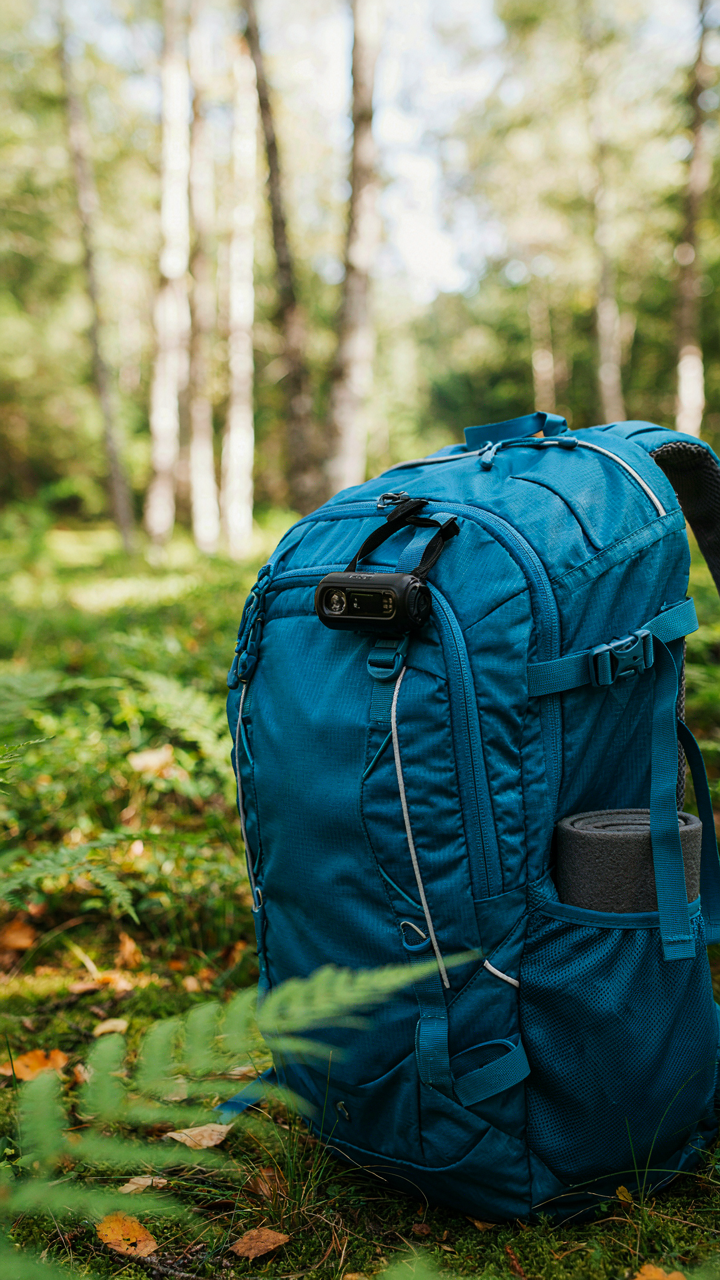
When Light Fails You On The Trail
You want a headlamp because you’re afraid of looking unprepared in front of your friends, but the real reason you need one is simple: daylight ends before you expect it. Navigation in darkness isn’t optional on longer hot-weather hikes. A headlamp isn’t backup. It’s insurance against the gap between your estimated return time and reality. Most teens underestimate distance and overestimate pace, which means you’ll hike in failing light whether you planned for it or not.
The mechanism here borrows from risk management: you prepare for the outcome you can’t control, not the one you think will happen. A quality headlamp like the Black Diamond Storm 375 or Petzl Actik Core weighs under four ounces and runs on rechargeable batteries you can top off at home. Mount it on your forehead, not your backpack, so your hands stay free when scrambling over uneven terrain. Pack it even on afternoon hikes. The moment the sun dips below the horizon, you’ve crossed from prepared to vulnerable.
Stopping Bleeding Before It Stops You
Generic first aid kits from sporting goods stores waste space on items you’ll never use. What matters is stopping arterial bleeding, treating heat-related injuries specific to the trail, and preventing infection in open wounds. Carry a compression bandage, gauze pads, antibiotic ointment, tweezers for cactus spines or splinters, and a small roll of athletic tape. Two elastic bandages handle twisted ankles better than anything else in a kit, and they’re light. Heat exhaustion requires immediate hydration and shade, so your first aid strategy includes carrying water you don’t think you need and stopping when symptoms appear, not after.
The protocol is simple: treat minor cuts and blisters immediately so they don’t compound into problems that end your hike or require rescue. Wrap blisters before they rupture. Remove embedded debris before infection sets in. Carry your kit in a waterproof pouch clipped to your backpack strap, not buried at the bottom. Accessibility determines whether you actually use it when you need it.
The Strategic Pack: Weight Distribution For Endurance
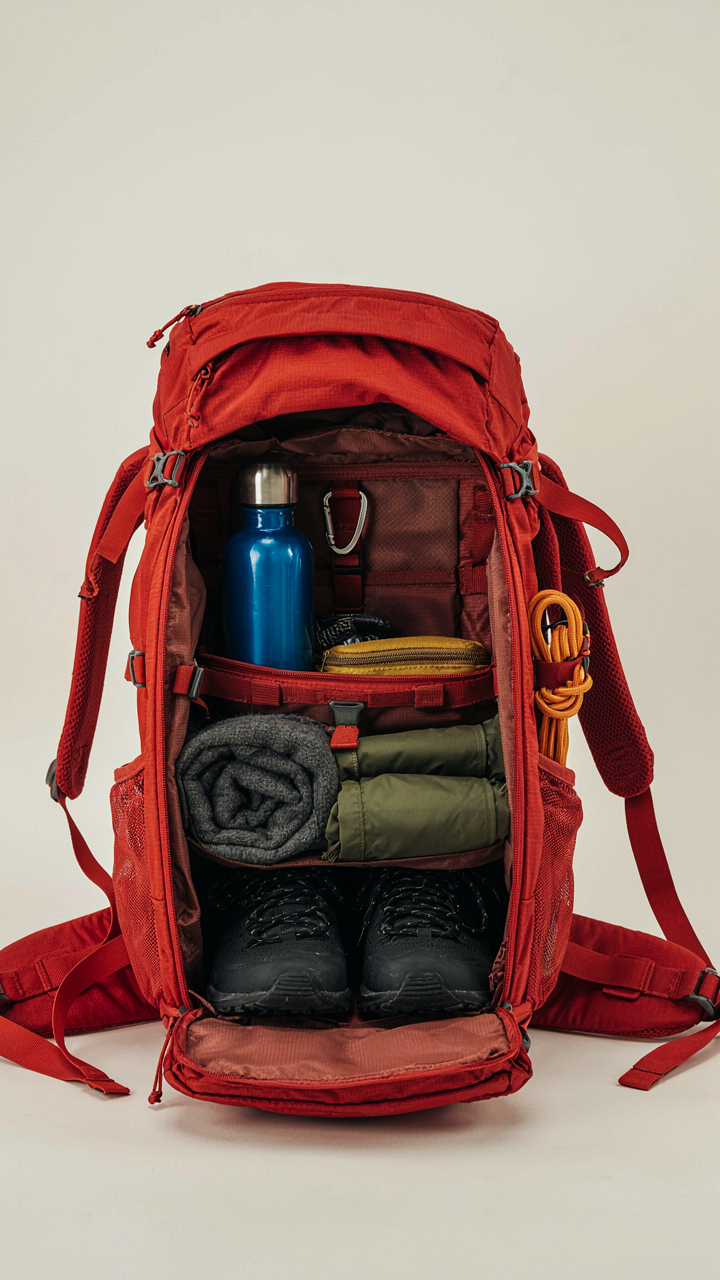
Load Bearing Across The Shoulders
You want to believe a lightweight pack solves everything. It doesn’t. Military load-bearing strategy teaches us that weight distribution, not total weight, determines endurance. In tactical terminology, the “center of gravity” must sit high and close to the spine. For teen hikers in heat, this means positioning heavier items like water bottles against your back at mid-pack height, not the bottom where they pull downward and increase spinal compression.
Most teens pack wrong because they fill from bottom to top like a trash can. This forces their core to work harder fighting the load’s pull away from their body, burning energy during heat when reserves are already depleted. A properly distributed pack keeps your posture upright without compensation, which directly preserves cognitive function when heat starts affecting decision-making. Adjust shoulder straps snug enough that the pack doesn’t shift during movement. The waist belt carries sixty percent of the load’s weight, not your shoulders.
Cutting Dead Weight From Your Inventory
Generic packing lists kill teen hikers in hot weather. They include redundant items that sound responsible but create drag. A second pair of socks adds ounces that multiply over miles. Sunscreen, a basic first aid kit, a light layer, water capacity, and navigation tools are the actual non-negotiable items. Everything else competes for space that could hold more water or remain empty for airflow against your back.
The mechanism here is simple: more pack weight increases core temperature regardless of fabric technology. Every unnecessary ounce forces your body to generate additional heat to move it. In hot conditions, this becomes a direct equation between pack weight and how fast heat stress accumulates. Start with a base weight under eight pounds for day hikes, including the pack itself. Strip your inventory ruthlessly. If an item serves a single purpose that nothing else covers, keep it. Otherwise, it goes.
The Real Obstacle Isn’t The Heat; It’s Your Outdated Assumptions About What Truly Works
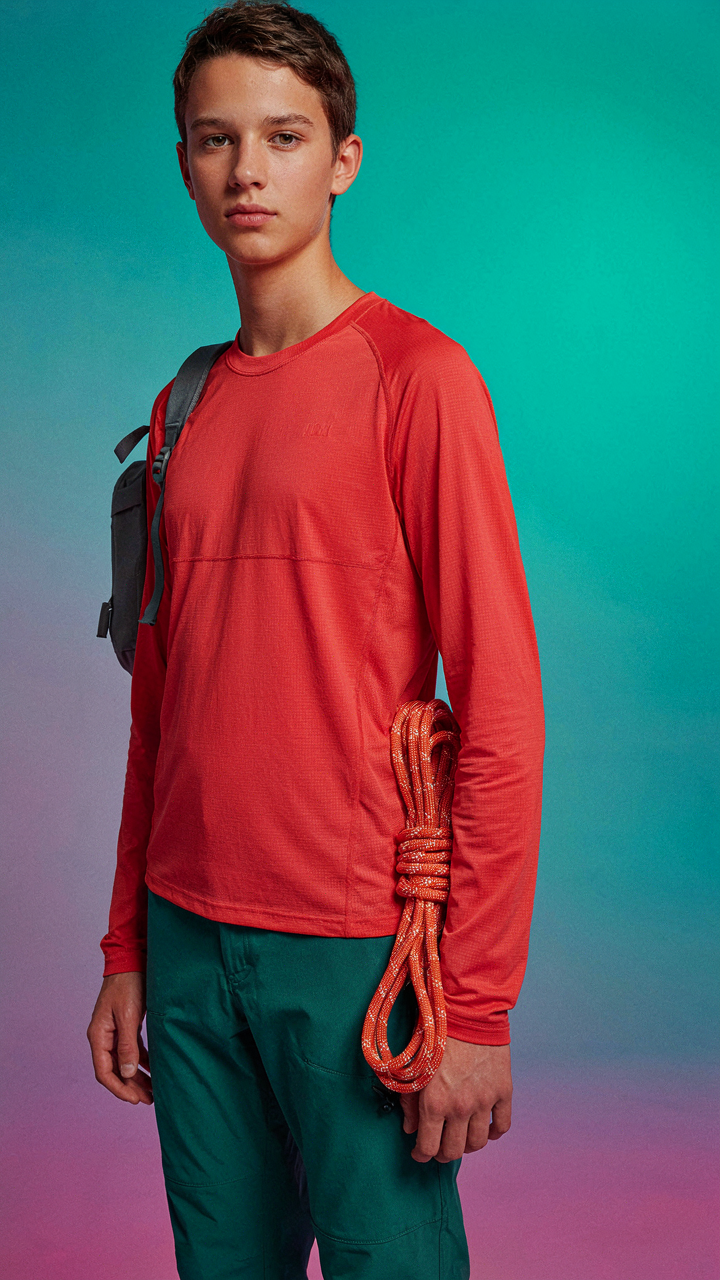
Most teens wear hiking outfits designed by people who’ve never actually hiked in heat. They layer wrong. They choose fabric that holds sweat instead of moving it. They prioritize looking like a hiker over actually being one. Stop copying what you see online and test one outfit this week in real conditions. Your body will tell you what works faster than any article ever could. Comfort beats aesthetics when the sun is trying to kill you.