

The Sweat Wicking Fallacy: Why Cotton Kills (Your Hike)
Synthetic Versus Natural Fibers: What Actually Works
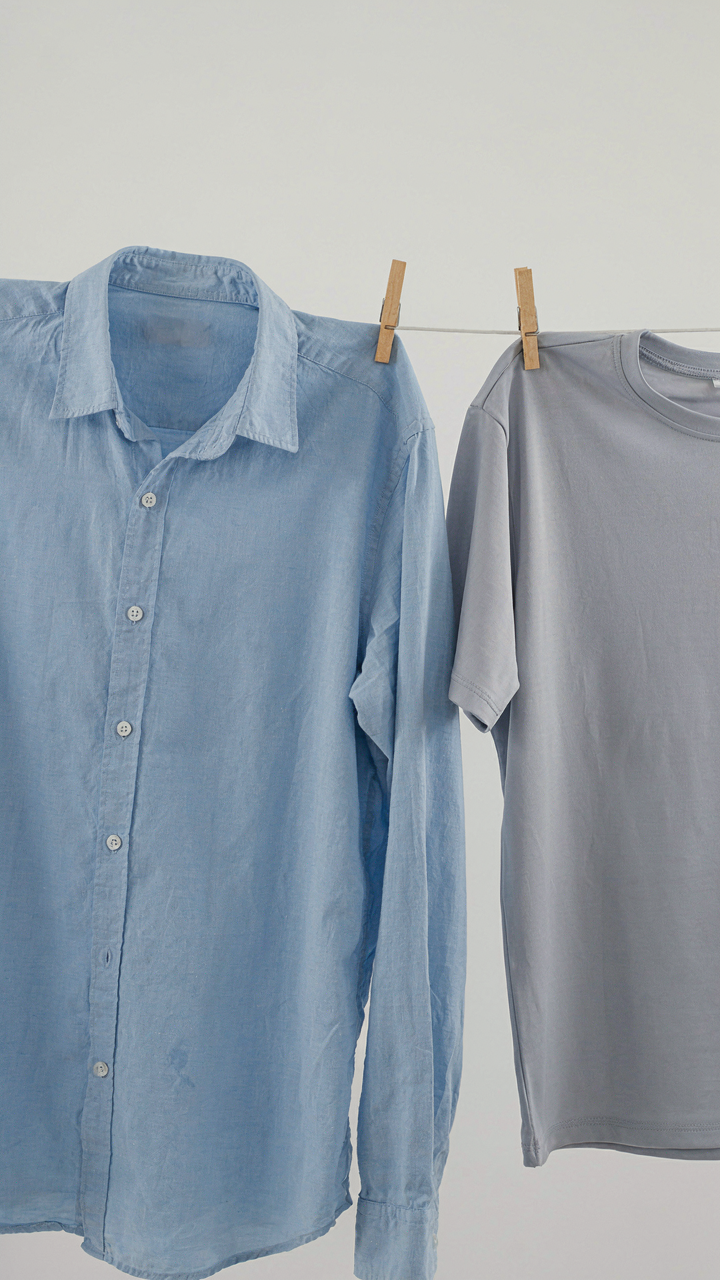
You want to believe cotton is breathable because it feels sophisticated and natural. It isn’t. Thermodynamics governs fabric performance in heat, and cotton violates the basic rule: it absorbs moisture instead of releasing it. When cotton absorbs sweat, it holds that water against your skin, trapping heat and slowing evaporative cooling. Synthetics like polyester and nylon repel water, forcing sweat to the fabric surface where it evaporates and pulls heat away from your body.
Cotton’s cultural reputation comes from decades of marketing, not physics. For older adults on a trail in direct sun, cotton becomes a liability. Your body generates heat during exertion. Cotton absorbs sweat faster than it dries, creating a wet layer that insulates rather than cools. Synthetic blends move moisture away from skin in minutes. Test this yourself: wet a cotton shirt and a polyester shirt, then hang them. The synthetic dries first, every time. Choose polyester, nylon, or wool blends for hiking. Cotton belongs on your couch.
Evaporative Cooling: The Mechanism Your Body Runs On

Evaporation is the only cooling system your body has in extreme heat. When sweat transitions from liquid to vapor on your skin, it absorbs thermal energy and dissipates it into the air. The faster this happens, the cooler you stay. Fabric that resists water absorption allows sweat to reach the surface and evaporate efficiently. Fabric that absorbs water delays evaporation, letting core temperature climb. Your outfit either accelerates this process or sabotages it.
Older adults lose some efficiency in thermoregulation, meaning your margin for error shrinks. Every second a sweat molecule stays trapped in fabric costs you cooling capacity. Choose fitted or semi-fitted synthetic garments in light colors. Loose fabric lets air circulate between layers and skin. Tight fabric in dark colors amplifies heat retention. Wear moisture-wicking base layers, not absorbent ones. The protocol is simple: polyester or nylon against skin, loose fit over it, light color on the outside, full sun exposure minimized by timing your hike for early morning or late afternoon when UV intensity drops.

Beyond SPF: The Sun Protection Hierarchy For Older Adults
UPF Ratings: What The Labels Actually Mean
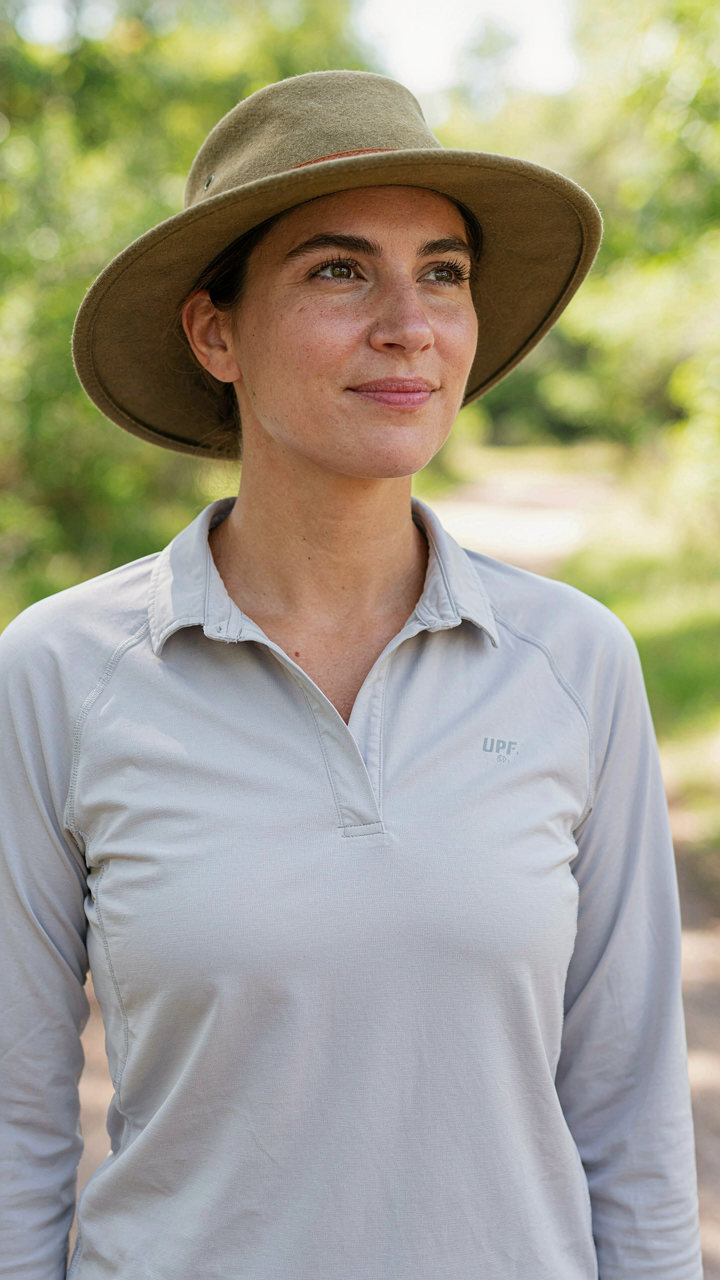
You want the label to do the thinking for you. That’s the real reason you’re reading this. The mechanism is simple: UPF (Ultraviolet Protection Factor) measures how much UV radiation penetrates fabric, but the number itself is a ratio, not a dose. UPF 50 blocks roughly 98% of UV rays. UPF 100 blocks roughly 99.5%. The difference between them is marginal. The gap between UPF 15 and UPF 50 is massive.
Manufacturers test UPF on new, dry fabric under ideal conditions. Once you sweat, wet the material, or wash it fifty times, protection drops. Darker colors and tighter weaves perform better than light loose fabrics, but fabric construction matters more than color. A white UPF 50 shirt outperforms a black cotton t-shirt every time. Check the tag for “UPF” not “SPF”—SPF applies only to sunscreen, not clothing.
Strategic Layering: The Physics Of Blocking Heat And UV
Thermodynamics teaches us that insulation works by trapping air, not blocking heat itself. The problem for older adults on a hot trail is straightforward: you need that UV barrier, but you cannot afford the trapped heat cost. The solution isn’t wearing more. It’s wearing the right sequence.
Start with a moisture-wicking base layer in UPF-rated synthetic material. This pulls sweat away from skin and dries fast. Add a loose, long-sleeved shirt in light color with UPF 50 over top. The air gap between layers creates convection—moving air pulls heat away from your body. Avoid cotton entirely. Cotton absorbs sweat, holds moisture, and defeats the layering strategy. A wide-brimmed hat with neck protection completes the system. This approach blocks UV while maintaining airflow.
The “Less Is More” Deception: When Coverage Beats Exposure

Long Sleeves And Pants Work Better Than You Think
You want permission to wear shorts because you believe exposed skin feels cooler. It doesn’t. Here’s the physics: a fabric layer creates an air gap that traps convection and reflects radiant heat before it reaches your skin. Direct sun exposure on bare skin accelerates core temperature rise in older adults, whose thermoregulation system already operates slower than it did at thirty. The mechanism is simple: UV radiation converts to heat energy on contact with skin. A tight weave in lightweight fabric blocks that conversion entirely.
Lightweight long sleeves and pants aren’t about comfort in the traditional sense. They’re about heat management efficiency. Merino wool and synthetic blends designed for hot weather wick sweat while maintaining the air gap that prevents solar radiation from reaching your body. Your skin stays cooler under coverage than it does exposed, assuming the fabric breathes properly. The trade off isn’t comfort versus protection; it’s managed heat versus uncontrolled heat absorption.
Insects Are Just Another Heat Problem To Solve
Insect defense solves two problems nobody connects: bites create inflammation that elevates local skin temperature, and the behavioral response to biting insects forces you to move faster or retreat early. Both waste metabolic energy in heat. Long sleeves and pants with a tight weave physically block mosquitoes and ticks before they land. This isn’t supplementary to sun protection; it’s integrated thermoregulation.
Lightweight long coverage eliminates the need to reapply insect repellent every ninety minutes and removes the cognitive load of tracking exposed areas. The fabric itself becomes the barrier. Tuck pants into socks at the ankle, use a collar that closes, and you remove the entry points insects exploit. This protocol matters for older adults because skin integrity declines with age, making bites prone to secondary infection. One infected bite can end a hiking season. Prevention through coverage removes that risk entirely.
Footwear: The Overlooked Foundation Of Hot Weather Hiking
Breathability Vs. Support: Finding The Critical Balance
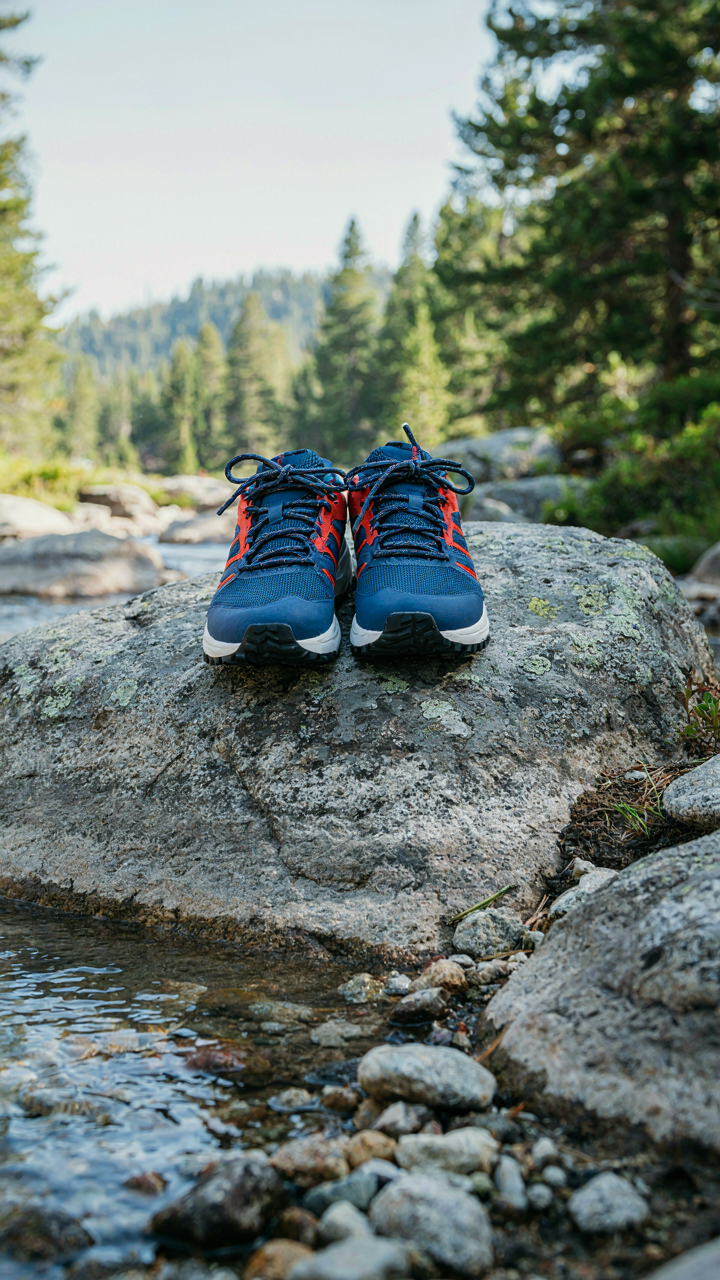
You want to believe lightweight shoes alone solve the problem. They don’t. The real mechanism comes from biomechanics: load distribution. Your feet absorb three to four times your body weight with each step. In hot weather, older adults lose proprioceptive feedback faster due to reduced sweat regulation and skin sensitivity. A shoe that breathes but collapses under load transfers impact straight to your joints instead of dispersing it. You need a shoe that ventilates while maintaining a rigid midsole and structured heel counter.
The common advice says pick either breathability or support. That’s a false choice born from lazy design. Modern hiking shoes use mesh uppers combined with reinforced midsoles that don’t add weight. Test a shoe by pressing your thumb into the heel from behind. It should resist, not compress. If it feels mushy, your ankle absorbs shock that your body can’t recover from quickly in heat. The shoe must hold its shape while allowing airflow through the upper and sole drainage.
Sock Material Matters: Preventing Blisters And Discomfort
Friction generates heat. Heat amplifies swelling. Swelling creates blisters. Cotton absorbs moisture and holds it against your skin, accelerating this cascade. Merino wool and synthetic blends wick moisture away from skin while maintaining grip against the shoe interior. The material difference isn’t comfort theater. It’s friction management.
- Merino Wool: Regulates temperature naturally, resists odor buildup, maintains grip when wet. Best for all-day hikes in variable conditions.
- Synthetic Blends (Polyester/Nylon): Fast-drying, durable through repeated washing, affordable. Works well for shorter hikes in consistent heat.
- Nylon Percentage: Higher nylon content increases durability but reduces breathability. Aim for 60-70% synthetic, 30-40% merino for balance.
- Thickness and Cushioning: Midweight socks provide blister protection without overheating. Avoid ultrathin dress socks or thick wool designed for cold weather.
- Seamless Construction: Flat toe seams prevent pressure points during six-plus hour hikes. Check the toe box before purchasing.
Blister prevention in hot weather isn’t about comfort. It’s about completion. A blister at mile four forces a painful descent or a forced stop. Merino wool socks cost more upfront but outlast cotton by years and prevent the medical issues that derail older hikers. Buy two pairs and rotate them so they fully dry between hikes. This extends lifespan and prevents bacterial growth that causes friction.
The Kinetic Energy Transfer Protocol: Mastering Lightweight Packs

How Load Distribution Cuts Through Heat
You want permission to carry less because you’re afraid of being unprepared. Here’s the mechanism: physics doesn’t care about your anxiety. In biomechanics, we call this the metabolic cost of transport. Every pound on your back forces your cardiovascular system to work harder in heat. Older adults have lower heat dissipation capacity than younger hikers, meaning excess weight compounds directly into core temperature rise. The math is simple. A five-pound reduction in pack weight decreases oxygen demand by roughly three to five percent on incline.
Load distribution matters more than total weight in hot conditions. Hips carry the load better than shoulders because your skeletal structure distributes force through your strongest joints. A poorly fitted pack rides high on your shoulders and forces your neck into compensation patterns. This kills efficiency fast. The tighter you cinch hip straps, the lower your metabolic demand. Test your pack fit before the hike. If the weight sits above your hip bones, redistribute or reduce what you carry.
Strip Down To Function Only
Most hot weather hiking advice tells you to pack layers and backup gear. That’s wrong for older adults in sustained heat. Layers slow cooling. Backup gear you never use adds dead weight that accelerates fatigue and dehydration. The real rule is ruthless elimination. Ask one question for every item: will this keep me alive or functional on this hike? If the answer is no, leave it behind. A headlamp has no place on a daytime hike. A second pair of socks adds ounces you cannot afford.
Your base pack should contain water, electrolytes, sunscreen, a basic first aid kit, your phone, and a lightweight emergency layer only if terrain demands it. Everything else is negotiable. Cut the camera if you came for the hike, not the photo. Drop the full-size water bottle if you can refill at established points. Skip the detailed map if you’re on marked trails with clear signage. A ten-pound pack feels foreign because you’re used to overcomplicating. Weigh every item. Keep the pack under twelve pounds for day hikes in high heat.
Headwear: Not Just A Fashion Statement, A Temperature Regulator
Wide Brimmed Hats Maximize Shade And Solar Load
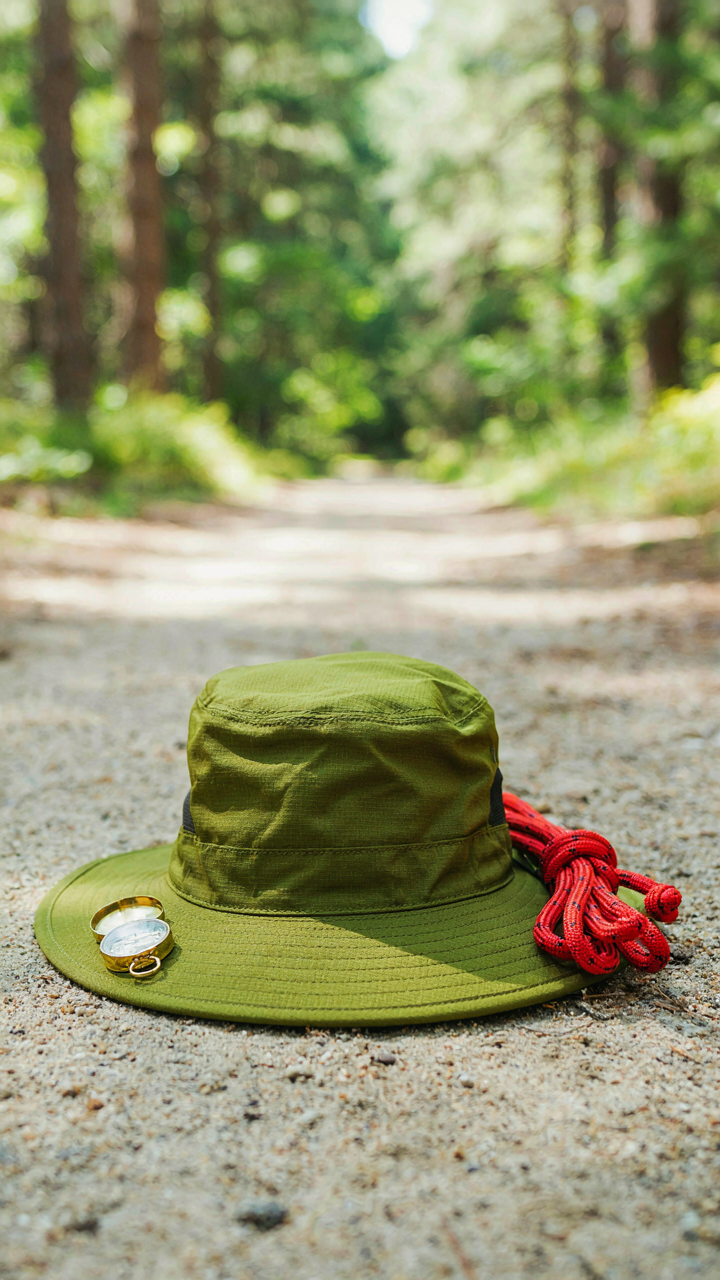
You want the hat to work so you don’t have to think about it. That’s the real driver here. A wide-brimmed hat is applied physics: it extends shadow coverage over the face, neck, and shoulders before direct UV radiation hits exposed skin. The mechanism is simple. Heat transfer happens through three pathways: radiation, conduction, and convection. A wide brim blocks incoming radiation before your skin absorbs it, reducing the total thermal load your body must dissipate through sweat. Older adults have compromised thermoregulation, so preventing heat load beats managing it after the fact.
The brim width matters in concrete terms. A minimum three-inch brim provides meaningful coverage for the face and ears. Anything less leaves vulnerable zones. Material density also matters more than material type. A tightly woven hat blocks more radiation than a loose weave in the same fabric. Cotton, nylon, or wool all work if the weave is tight. Avoid mesh panels on the crown where the sun is most direct. The hat’s job is to refuse heat before it enters your body.
Ventilation And Moisture Management Keep The Brain Cool
Most advice about hot weather hats focuses on looking good. Wrong priority. Your brain generates heat. Sweat cools the brain, but trapped moisture blocks evaporative cooling, which is the only mechanism that works reliably in extreme heat. Ventilation holes or mesh panels on the sides and back allow air movement across the scalp without compromising the brim’s shade function. Position matters. Side vents near the temples promote airflow across the skull where blood vessels are close to the surface. Top vents create stack effect: hot air rises and exits through the crown.
The moisture pathway is critical. Sweat pooling under a hat accelerates heat illness in older adults because the evaporative cooling process stalls. Use a hat with a moisture-wicking interior band or wear a moisture-wicking cap liner underneath a brimmed hat. The liner pulls sweat away from skin and lets it evaporate into the hat’s interior cavity rather than sitting on the scalp. Check the fit every 20 minutes on trail. A hat that shifts blocks vents and traps heat exactly when you need cooling most.
The Hydration Outfit: Beyond Just Carrying Water
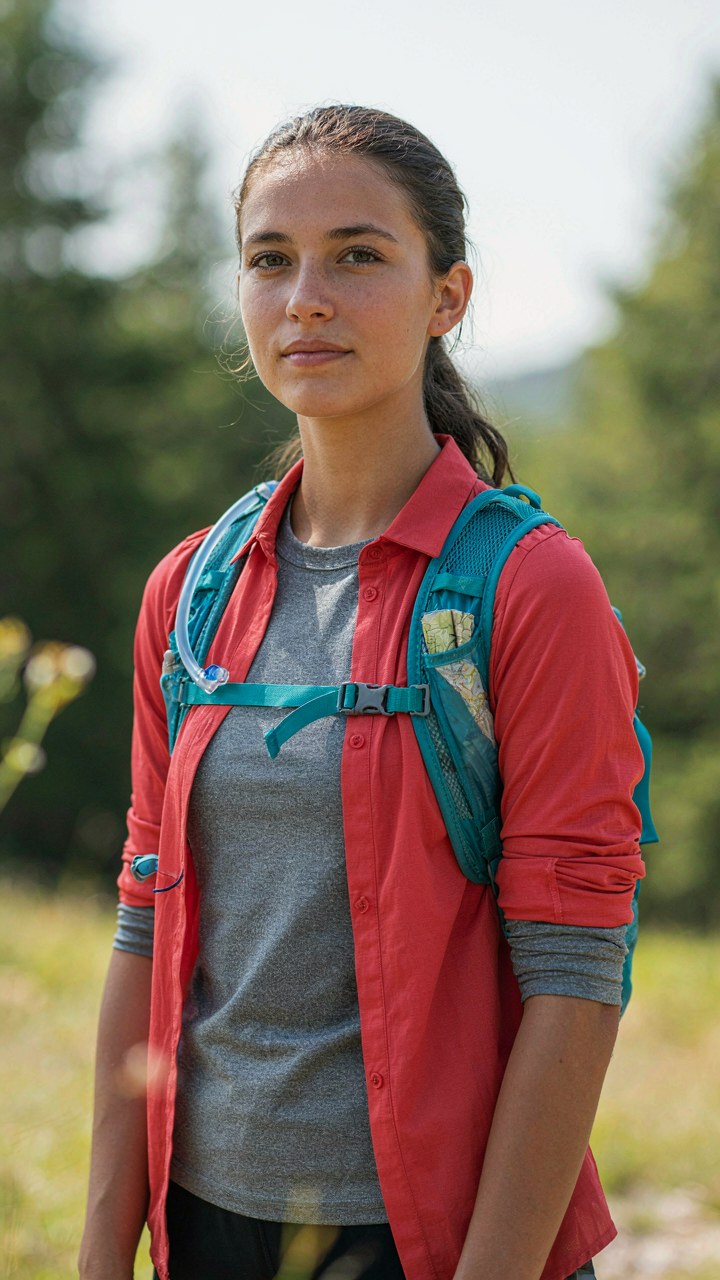
Hydration Packs Versus Bottles: Strategic Fluid Access
You want to look like you have your act together on the trail, but the real reason you care is that you’re afraid of being the older hiker who bonks halfway up. The mechanism is simple: access speed determines consumption rate. Most people carry water they don’t drink because reaching it is friction. A hydration pack with a tube eliminates that friction. You sip without stopping, without removing anything from your body. Bottles require extraction, uncapping, and stopping momentum. Older adults lose thermoregulation efficiency as core temperature rises, so frequent small sips matter more than one large drink at mile two.
The choice isn’t about gear preference. It’s about behavioral physics. A backpack-mounted hydration bladder (typically two to three liters) keeps water at your back, accessible via a tube over your shoulder. Bottles in side pockets become an afterthought. For trails longer than ninety minutes in heat above eighty-five degrees, a pack-based system outperforms bottles because you’ll actually drink from it. The outfit works only if the hydration tool disappears into your movement pattern instead of competing with it.
Electrolyte Integration: Preventing Mineral Depletion
Sweat isn’t just water loss, it’s mineral loss, and the common advice to “drink more water” creates the opposite problem you’re trying to solve. Older adults have reduced sweat gland function and slower fluid absorption rates, so plain water alone doesn’t restore what heat strips from your system. Sodium, potassium, and magnesium deplete faster than water does. Without replacement, you develop hyponatremia, where blood sodium concentration drops, causing confusion, weakness, and muscle cramps. Your outfit must carry electrolyte sources, not just fluid.
- Electrolyte powder sachets: Single-serving packets mixed into your hydration bladder before departure. Brands like Liquid IV or LMNT contain sodium and potassium in ratios matched to sweat composition.
- Salty snacks integrated into pockets: Jerky, salted nuts, or pretzels serve dual purpose as fuel and mineral replacement. Salt crystals on food enhance absorption.
- Coconut water tablets or chewables: Compact potassium source that dissolves in water or chews directly. Lighter than liquid alternatives.
- Commercial sports drinks pre-mixed in backup bottles: Carbohydrate and electrolyte combination that slows dehydration and stabilizes blood glucose simultaneously.
- Capsule electrolytes for side pockets: SaltStick or Nuun tablets fit in a small container, consumed with water at regular intervals regardless of thirst cues.
The outfit’s hydration system only works if electrolytes travel with every liter of water you carry. Set a timer on your watch for every twenty minutes of hiking: drink from your pack and chew or consume one electrolyte source. This prevents the mineral crash that makes the last mile feel harder than it should.
Hiking Pants: Ditching The Shorts For Superior Comfort
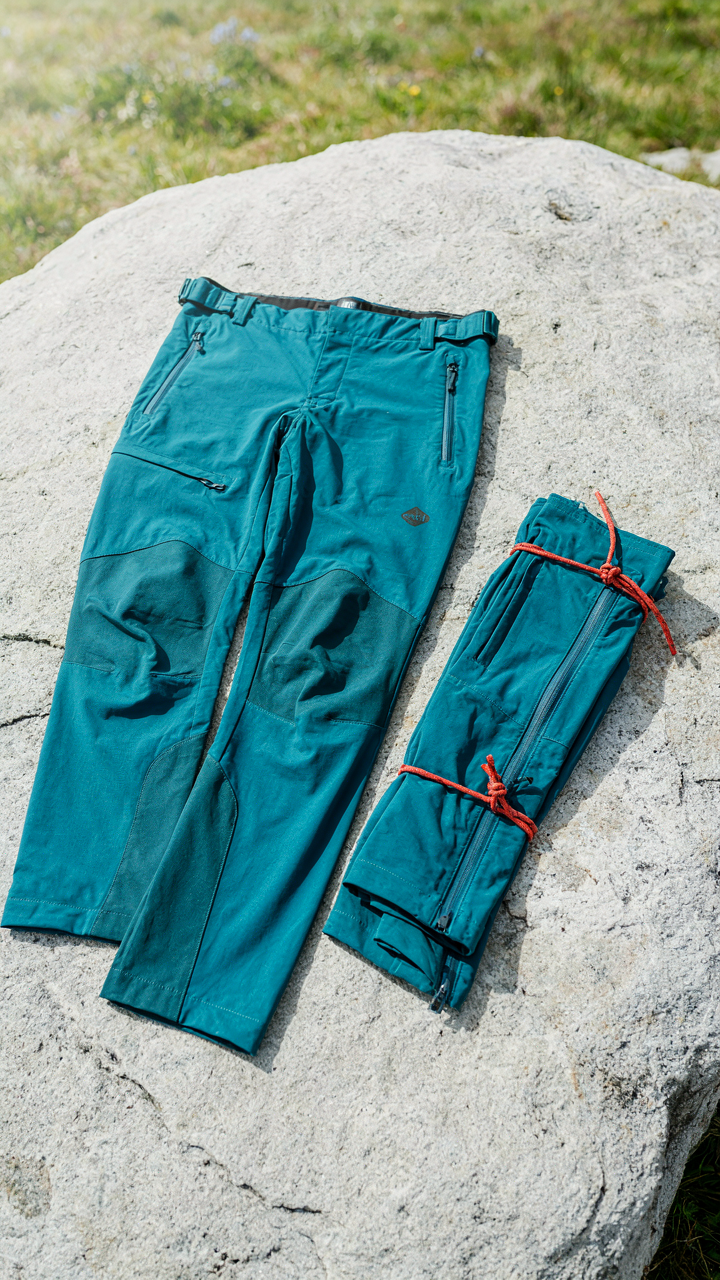
Convertible Pants: Adaptability For Varying Conditions
You want the option to look like you made a smart choice, even if conditions shift halfway through. That’s the real driver. Convertible pants solve a mechanical problem: your body temperature regulation changes as elevation and time of day change, and you can’t predict it perfectly at the trailhead. Unlike shorts, which commit you to one state, convertibles let you zip off the legs and reconfigure without stopping to change.
The design works because it separates decisions. You start with coverage and sun protection on your legs. As heat rises, you convert them to shorts without backtracking or carrying extra gear. The zippers sit above the knee, letting you roll back the fabric if you need partial coverage or full leg exposure. Most quality convertibles weigh under eight ounces total, which matters when every ounce compounds over miles on aging joints.
Abrasion Resistance: Protecting Skin From Trail Hazards
Common advice says older skin needs “softer” fabrics. That’s backward. Older skin bruises easier and heals slower, which means abrasion isn’t a comfort issue, it’s a recovery issue. You need materials that prevent cuts and scrapes in the first place, not materials that feel nice while you get injured. Look at military base-layer logic: the fabric resists external damage through density and weave structure, not through softness.
Nylon blends with a tight weave outperform cotton or loose knits on this metric. Nylon fibers don’t separate or fray when they contact rough bark, rock, or brush. Ripstop patterns, which add reinforced threads in a grid, work even better because they stop tears from propagating. Wear convertible pants with nylon-blend construction, not because they’re trendy, but because they physically stop your skin from contacting the things that damage it.
The Unspoken Advantage: Why Fit Trumps Brand For Hiking Outfit Women
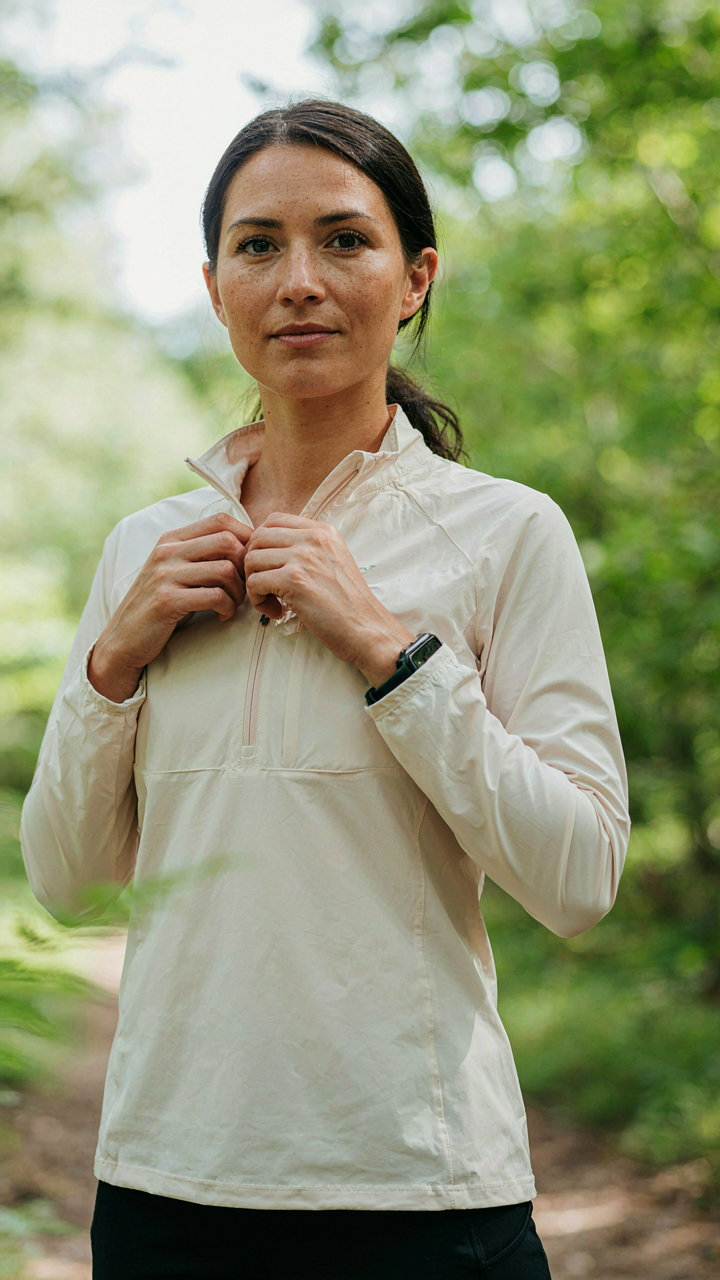
When Tight Clothes Kill Your Hike
You want the gear to look correct because you think it validates your decision to start hiking. Here’s the mechanism: tight or loose garments force your stabilizer muscles to work overtime compensating for poor positioning. In biomechanics terms, this is called “inefficient load distribution.” A shirt that pulls across the shoulders or pants that bind at the hips doesn’t just feel bad—it recruits extra muscle fibers to maintain posture and balance on uneven terrain. Older adults with reduced muscle reserve can’t afford this tax. Your body will signal fatigue earlier and demand recovery faster than it would in properly fitted gear.
Ill-fitting clothes also shift your center of gravity during descent. Baggy fabric catches on brush or your own limbs, forcing micro-corrections. Tight compression across the thighs restricts hip flexion on climbs, forcing you to take shorter steps and place more load on your knees. Neither outcome is cosmetic. The hike ends earlier because your muscles and joints deplete their tolerance, not because the trail got harder. Fit is a structural problem, not a vanity problem.
Friction Points That End The Day
Chafing isn’t a complaint—it’s data about contact pressure and moisture management failure. The standard advice says “use anti-chafe balm,” which is incomplete. Balm treats the symptom after the garment already failed. Real prevention starts with seam placement and fabric architecture. A seam running directly across the inner thigh or under the armpit creates a pressure line that collects sweat and friction. On a four-hour hike in heat, this becomes an open irritation that forces you to stop or modify your gait to avoid the painful spot.
Poor fit accelerates chafing because movement isn’t smooth—skin slides against fabric with each step instead of moving as one unit. Older adults have thinner epidermis, so the irritation threshold drops. Test fit by walking in your clothes for 20 minutes before the hike. If you notice rubbing, pulling, or tugging in any spot during that short test, that spot will compromise the actual hike. Don’t buy the product—buy the size or style that eliminates the pressure point entirely.
The Illusion Of “Comfy Shoes”: Prioritizing Support Over Softness
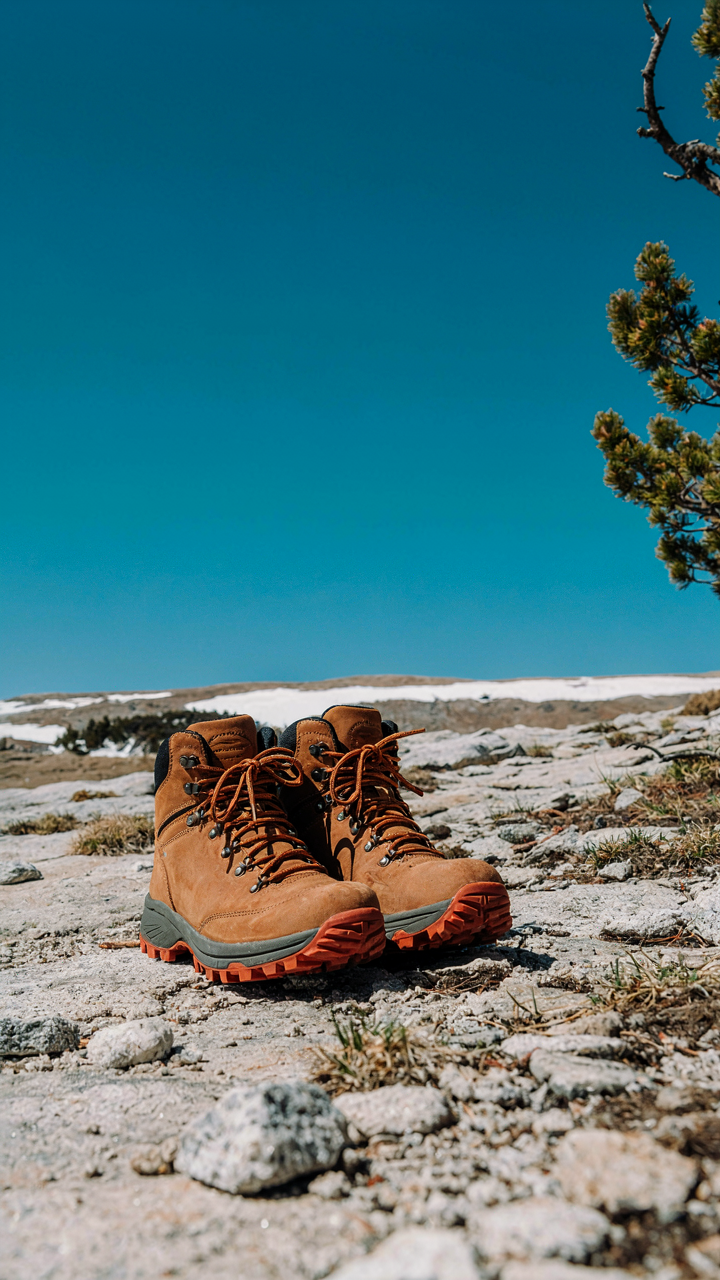
Ankle Stability: Preventing Common Trail Injuries
You want soft shoes because you’ve convinced yourself that comfort equals safety. It doesn’t. Biomechanics tells us that ankle stability depends on rigid structures that resist inversion—the mechanism by which your foot rolls inward on uneven ground. Soft padding collapses under load, letting your ankle move laterally into injury positions. Older adults lose proprioceptive feedback naturally, so external constraint becomes the compensating factor.
Hiking boots with reinforced heel counters and midsole stiffness do the stabilizing work your neuromuscular system can no longer handle alone. Look for boots with gusseted tongues that prevent debris entry while maintaining ankle cup integrity. The shoe doesn’t need to feel pillowy to work effectively. Rigidity at the ankle prevents the lateral foot roll that causes sprains and fractures on technical terrain.
Traction And Grip: Navigating Uneven Terrain Safely
The real mistake isn’t choosing the wrong tread pattern—it’s choosing shoes without aggressive outsole edges that bite into loose material. On scree, dirt, and wet rock, edge definition matters more than rubber thickness. Vibram and similar mountain-specific outsoles use angular, raised patterns that catch on unstable surfaces instead of skidding across them like smooth hiking shoe soles do.
Your shoe’s grip fails not from the tread depth but from the material’s hardness. Softer rubber compounds grip better in cold and wet conditions but wear faster. Harder compounds last longer but slip more easily on smooth rock or muddy descents. Test your outsole on a wet bathroom tile before hitting trail. If your foot slides easily in the tub, it will slide on the trail.
Your Real Obstacle Isn’t The Heat; It’s Clinging To The Illusion That Comfort Is The Same As Capability
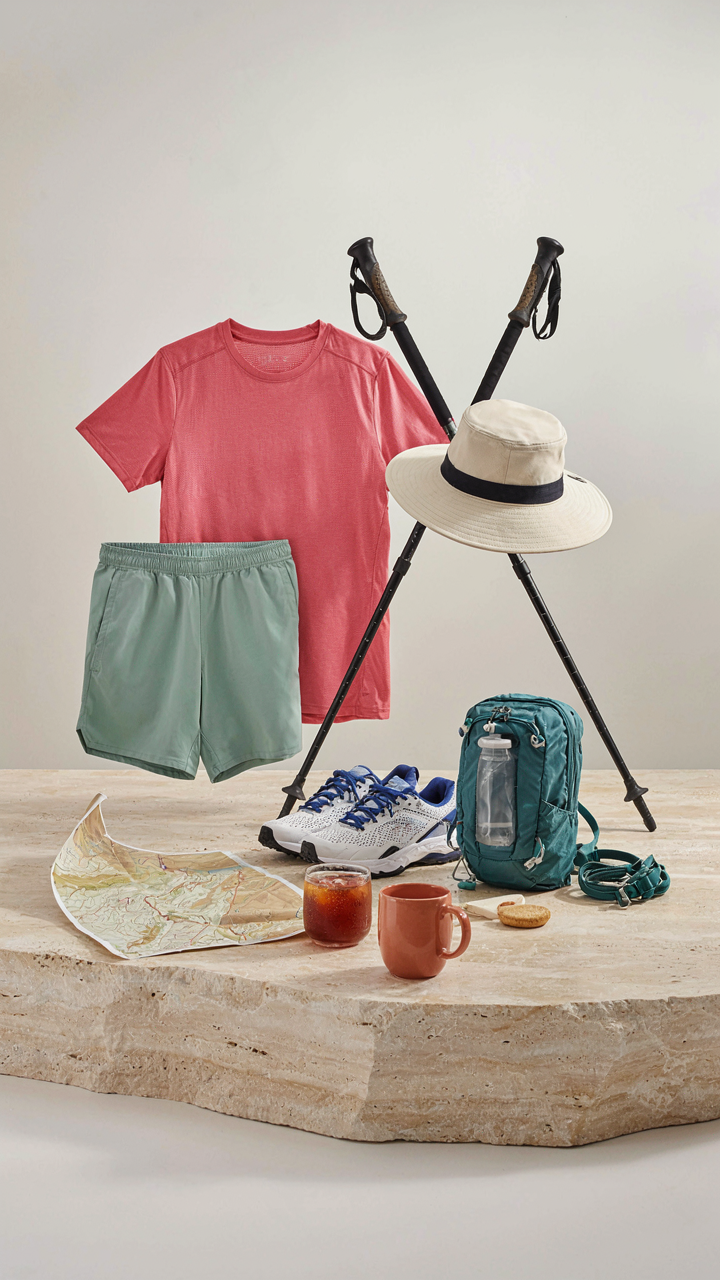
Most older adults skip hot weather hikes because they confuse comfort with capacity. You don’t need to feel cool to move well. Pick one trail this week. Wear the outfit. Go anyway. Your body adapts faster than your mind does, and the only way to prove that to yourself is to stop waiting for perfect conditions. The trail doesn’t care how you feel. Your legs do.