

The Thermal Load Fallacy: Why “Light And Breezy” Fails
What Lightweight Fabrics Actually Do Wrong
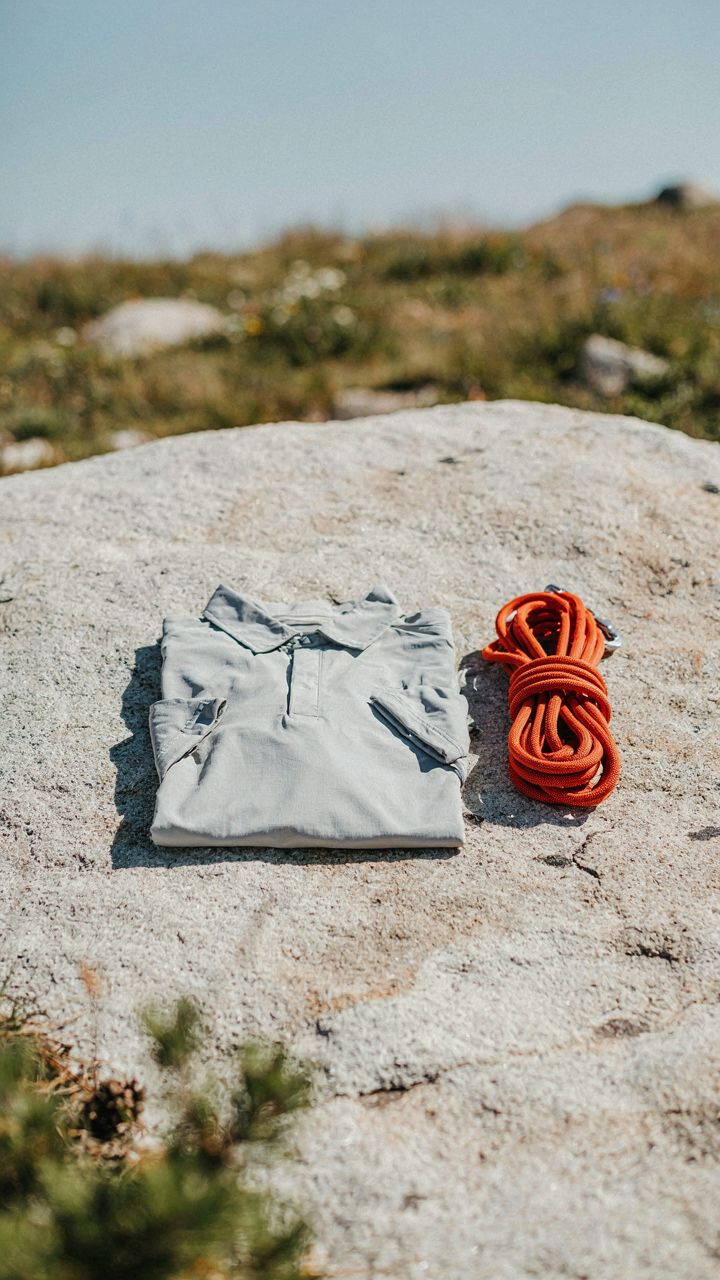
You think buying the thinnest shirt saves you because you want to feel less hot. That’s not how your body works. Lightweight cotton and thin synthetics absorb solar radiation like a sponge. They trap heat against your skin instead of managing it. The fabric sits there, wet with sweat, conducting warmth directly into your core. You’ve created an insulation layer by accident.
Most hikers grab whatever feels airy at the store and call it solved. They’re wrong. Fabric weight is irrelevant. Fiber type and weave structure determine how heat moves through the material. A loose weave in the right synthetic lets air pass through while blocking UV. A thin cotton shirt blocks nothing and absorbs everything. You need fabric that rejects heat before it enters the material.
Light Colored Versus Light Weight

This is physics applied directly to your outfit. Albedo—the measure of how much solar radiation a surface reflects instead of absorbing—determines whether you stay cool or cook. Dark fabrics have low albedo. They absorb 80 to 90 percent of incoming radiation. Light colors reflect 60 to 80 percent back into the atmosphere. The difference is not subtle. It’s measurable and immediate.
White or pale gray hiking shirts work because they repel the sun’s energy before it converts to heat on your skin. Weight of the fabric matters far less than its reflectivity. A heavier pale synthetic that reflects light keeps you cooler than a tissue-thin dark shirt. Pick fabric first by color and weave, then by weight. Your body temperature responds to radiation rejection, not thread count.

The “Convection Current” Protocol: Engineering Airflow
Strategic Layering For Enhanced Ventilation
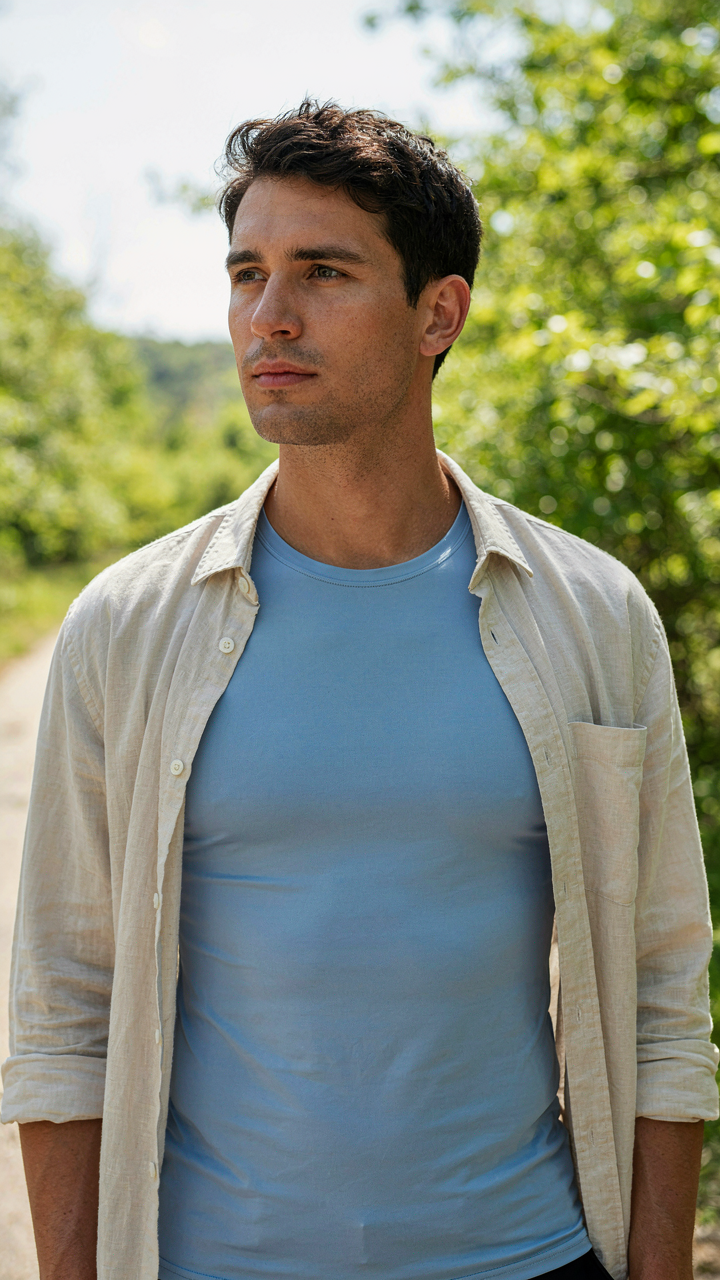
You want to believe one thin shirt solves heat. It doesn’t. The real motive here is avoiding the discomfort of admitting your outfit needs intention, not just lightness. Convection in physics describes fluid movement driven by temperature differences. In hot weather hiking, your body becomes that heat source, and your clothing becomes the medium controlling whether air moves away from your skin or traps against it. One layer means dead air. Multiple thin, loosely fitted layers with gaps between them create channels where convection moves hot air upward and away from your body.
Most advice says “wear less.” That’s incomplete. Wear strategically separated pieces. A moisture-wicking base layer against skin moves sweat away from the surface. A loose overshirt above it with ventilation panels creates the convection path. The air gap between layers matters more than material thickness. This separation allows rising warm air to escape continuously instead of pooling at your skin. Cotton dies in heat because it holds moisture and blocks air movement. Synthetic or merino base layers plus a breathable outer shirt separated by intentional space delivers measurable heat loss through convection rather than hoping a single garment handles everything.
Looser Fits And The Chimney Effect
Tight clothing around your torso, shoulders, and underarms compresses the air pocket you need. Looser cuts aren’t about comfort theater. They’re about physics. A looser fit around your midsection acts as a chimney. Hot air rises naturally from your core and exits through neck and armholes. Tight sleeves and tapered waists block this vertical air movement, forcing heat to radiate outward or stay trapped in fabric folds.
Oversized shirts work, but oversized without structure wastes fabric weight. The protocol is specific: loose enough at the torso to create at least two finger widths of space from your body, fitted enough at cuffs and collar to control where air enters and exits. This creates intentional airflow paths instead of random turbulence. Drop armholes on a hiking shirt aren’t aesthetic choices, they’re ventilation engineering. Your outfit’s effectiveness depends on air moving in through loose gaps and out through intentional channels, not on how little fabric you wear overall.
Evaporative Cooling: Your Body’s Built In AC, Amplified
Sweat Transport Beats Sweat Absorption
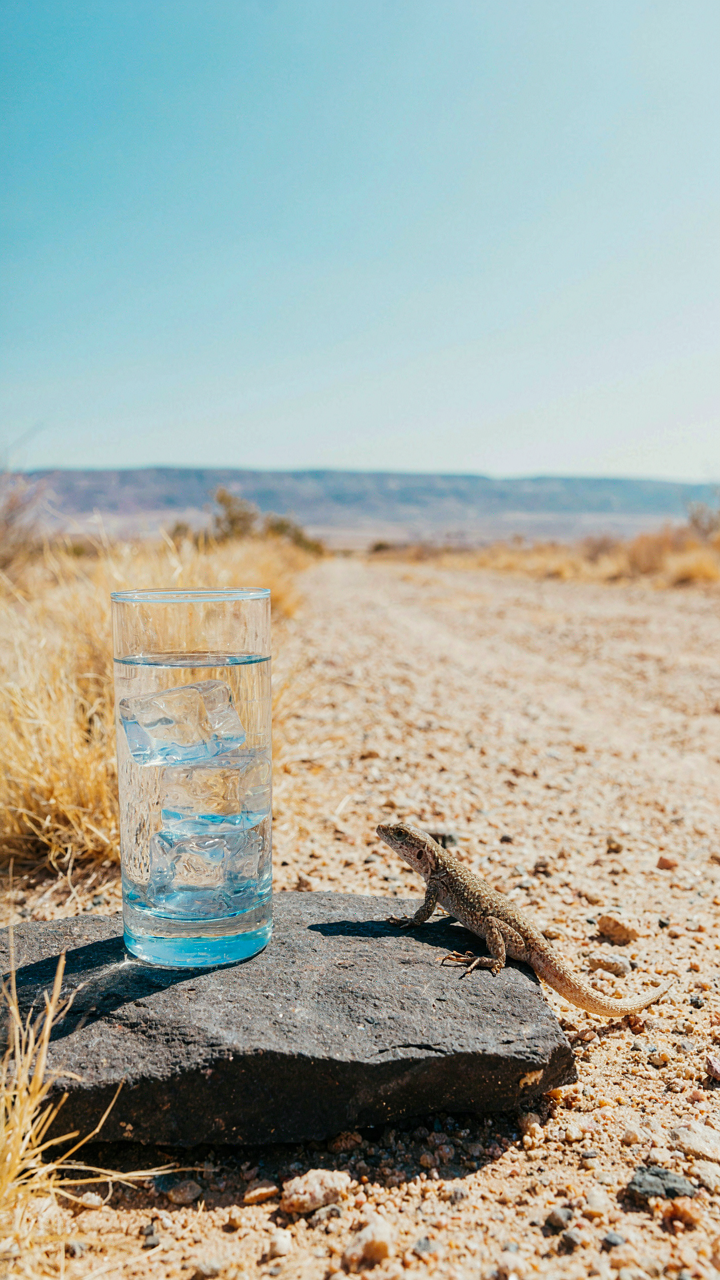
You want to believe moisture-wicking fabric is magic. It’s not. The real mechanism is capillary action—the same physics that moves water up a paper towel. Your skin dumps sweat faster than your body can regulate temperature, so the outfit’s job is moving that moisture away from skin to the air where it can evaporate. That’s where cooling happens. Not on your skin. In the air.
Synthetic fibers like polyester and nylon excel here because they’re hydrophobic, meaning water doesn’t stick to them. Cotton absorbs moisture and holds it against your skin, creating a thermal blanket that traps heat. The fiber structure matters more than the fiber name. Tight weaves with pathways designed to pull liquid away from your body work. Loose weaves don’t. When you hike in heat, moisture transport speed directly determines whether you overheat or stay functional.
Fabric Technology That Actually Dries
Most advice tells you to buy “breathable” gear. That’s marketing language. What you need is a fabric that dries fast and stays dry under continuous sweat output. Polyester microfiber has a higher surface-area-to-weight ratio than standard polyester, meaning more pathways to move moisture. Some manufacturers use a two-layer structure where the inner side stays hydrophobic and the outer side is hydrophilic, reversing the moisture gradient so water keeps moving outward.
The finish applied to the fabric matters as much as the fiber itself. Durable water-repellent coatings prevent sweat from pooling on the surface, which destroys evaporative cooling. A shirt that dries in 90 minutes beats a shirt that dries in four hours, regardless of how “premium” the marketing claims sound. Test this in the field: pour water on the fabric, squeeze it, and time the dry. The faster it dries, the faster it cools you when you’re moving uphill in direct sun.
Solar Radiation Management: Your Second Skin Strategy (Men Hiking Outfits)
What UPF Actually Blocks
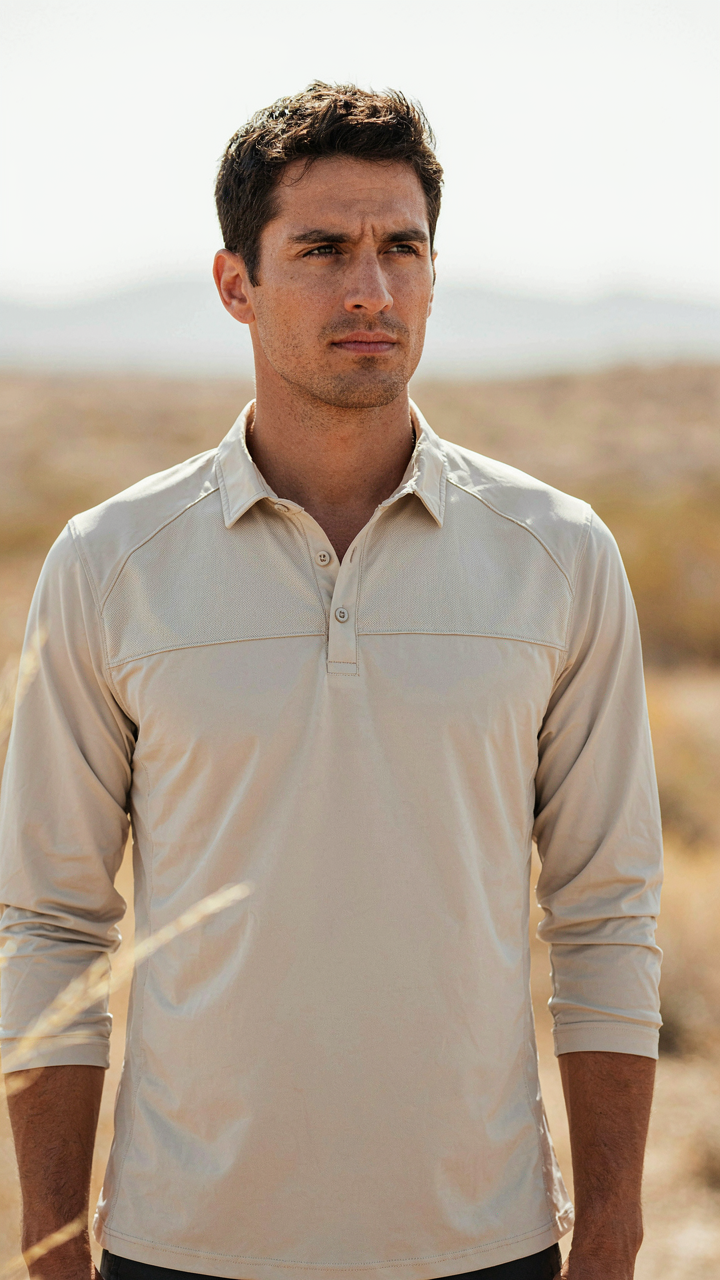
You want the number on the tag to mean you’re protected. It doesn’t work that way. UPF ratings measure how much ultraviolet radiation passes through fabric to your skin, not how much the fabric stops. UPF 50 means one-fiftieth of UV rays penetrate the material. UPF 100 means one one-hundredth. The math matters because most outdoor clothing tops out at UPF 50 or 50+, which blocks roughly 98 percent of UVB rays. Beyond that threshold, the gains flatten hard.
The common mistake: treating UPF like sunscreen SPF. They measure different things. Sunscreen SPF measures protection time before burning. UPF measures transmission through a static fabric. A UPF 50 shirt worn over your body beats a UPF 30 shirt every time, but neither becomes bulletproof at higher numbers. Buy UPF 50 minimum for hiking. Anything less wastes the slot on your pack.
High Performance Fabrics That Don’t Fail
Physics borrowed a term from material science: transmittance. In fabric, transmittance is how much light passes through the weave. Tight weaves with synthetic fibers force UV wavelengths to scatter instead of pierce. Polyester and nylon work. Merino wool works because the fiber structure naturally scatters UV. Cotton fails because its loose weave lets radiation through unchanged. The fabric itself does the work, not a chemical coating applied after.
Tight weaves matter more than thread count. A densely woven polyester blend outperforms loose cotton every time, regardless of fiber quality. Manufacturers treat some synthetics with UV-absorbing agents, but the weave density carries most of the load. Your second skin strategy means choosing fabric architecture first, then checking the UPF tag. Wear polyester or nylon blends with stated UPF 50 ratings, full stop. Test it by holding the dry fabric to light and looking for pin holes.
The Albedo Effect: How Color Choices Save Energy (Trek Outfits Men)
What Dark Colors Actually Do To Your Body
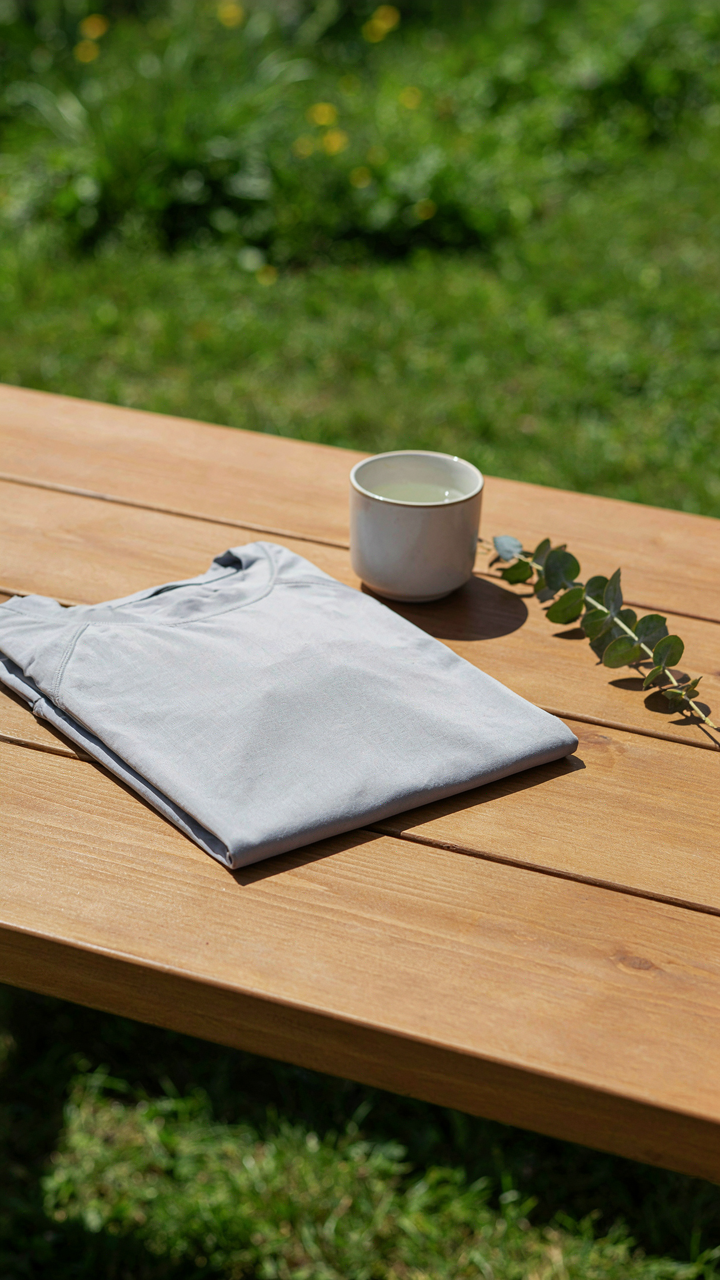
You want to look tough on the trail, and dark colors feel like the safe choice. The physics here is elementary: albedo measures how much light a surface reflects back into space instead of absorbing it as heat. Dark fabrics have low albedo. Light fabrics have high albedo. In hot weather hiking, your outfit’s color directly determines how much solar radiation your body converts to thermal energy you must then cool.
Black absorbs 95 percent of incoming solar radiation. White reflects 80 to 90 percent of it back. That difference compounds over hours of exposure. Your body doesn’t distinguish between heat from the sun and heat from exertion. Every joule your outfit absorbs is energy your cardiovascular system must dump through sweat. Wear black on a 95-degree trail and you’re forcing your thermoregulation system to work harder than it needs to. The common advice to “wear dark colors because they look better” ignores the mechanical cost.
Reflection Beats Absorption Every Time
Light-colored base layers and outer shells don’t just feel cooler. They functionally reduce the heat load reaching your skin by preventing absorption in the first place. This is the distinction most hiking guides miss: reflecting sunlight away is superior to absorbing it and hoping evaporative cooling handles the excess.
Tight weaves in light fabrics amplify this effect because they maintain consistent surface reflectivity across the garment. Loose weaves scatter light less uniformly. Pale gray, cream, and off-white outperform pure white in real conditions because they reduce glare while maintaining high reflectivity. The mechanism is simple: less heat absorbed means lower core temperature, lower sweat production, lower dehydration risk. Start with a light-colored long-sleeve shirt as your base layer and keep your shorts or pants in neutral or light tones. This single decision reduces the thermal load your body must manage on the trail.
Footwear As Foundation: Preventing Heat Sink (Hiking Outfit For Men)

Where Air Actually Moves Through Your Shoe
You want a shoe that won’t trap sweat and turn your foot into a slow cooker. The real mechanism here is thermodynamics: your foot generates heat, and if that heat can’t escape, it concentrates. High-top boots in summer hiking are traps. They lock in moisture and radiant heat from the ground.
Look for shoes with mesh uppers that expose at least 60 percent of the foot’s surface area. Trail runners designed for hot weather typically hit this target. The sole matters too. A thinner midsole transfers less heat from sun-warmed ground into your foot. Salomon and La Sportiva make models where the mesh extends across the collar, creating actual airflow channels rather than dead zones.
Materials That Stop Blisters Before They Start
Your sock choice determines whether hiking becomes tolerable or turns into foot damage. The science here pulls from materials engineering: friction causes blisters, and moisture amplifies friction. Cotton absorbs sweat and holds it against skin, which is why that old generic advice about cotton socks is dead wrong.
- Merino wool blends: Naturally regulates temperature and wicks moisture without feeling heavy. Works in both hot and cool conditions without bacterial breakdown.
- Nylon synthetic blends: Dries fast and reduces friction against the shoe interior. Choose blends with less than 10 percent cotton for best moisture performance.
- Coolmax polyester: Engineered specifically to move sweat away from skin and toward the outer layer where it can evaporate.
- Acrylic combinations: Provides cushioning in high-impact zones while maintaining quick-dry properties better than natural fibers alone.
- Seamless construction: Eliminates the ridge that causes pressure points during long miles. Check the toe box and heel for reinforced stitching that won’t unravel.
Sock thickness matters more than material alone. A 50-75 gram sock (measured dry weight) cushions impact without trapping excess heat. Anything heavier than 100 grams defeats the purpose in hot weather. Buy socks that fit snug but don’t compress your foot. Compression creates heat, and heat creates sweat, and sweat creates friction. Start each hike with dry socks, and replace them at the midpoint on trails over six hours.
Head To Toe Defense: Unconventional Accessories

Wide Brim Hats Versus Caps: Strategic Shade
You want the hat that makes you look purposeful, not like you’re hiding. That vanity is the real reason most men default to caps. But the mechanism is optical: a cap shields maybe 25 percent of your face and neck. A wide brim (3 inches minimum) casts shadow across your forehead, ears, and upper shoulders. In thermal physics terms, you’re reducing radiant heat absorption on high-surface-area zones. The cap loses this exchange.
The trade-off isn’t comfort, it’s ego. Wide brims catch wind, demand adjustment, look less “athletic.” On a six-hour hike in direct sun, that trade-off kills you slowly. Your neck burns, your ears cook, your face ages. A structured wide-brim hat made from lightweight synthetic material stays put, weighs under five ounces, and dries instantly. Wear it without apology. The performance gap is not subtle.
Cooling Towels And Their Effectiveness
Conventional advice says cooling towels are gimmicks. That’s incomplete. Most cooling towels work through evaporative principle: moisture on fabric accelerates heat transfer away from skin. But the material matters entirely. Microfiber constructs absorb water quickly and hold it longer than cotton. When you drape one around your neck or wipe your forehead at mile three, you’re activating localized thermoregulation.
The constraint is timing. A cooling towel functions only while wet. The moment it dries, the effect stops. On a hot hike, you’ll need to rewet it every 45 to 90 minutes depending on humidity and exertion. Pack one with a waterproof pouch, soak it at every water source, and use it on your neck and the back of your head where major blood vessels sit close to skin. This isn’t luxury. It’s a protocol step that measurably extends your endurance window.
The Lightweight Imperative: Less Mass, Less Metabolism (Men’s Hiking Outfit)

Weight Creates Heat You Can’t Shed
You want to believe a heavier pack won’t matter if you’re fit enough. It will. Physics doesn’t negotiate. Every pound of gear forces your body to generate additional metabolic heat just to move it forward. In thermodynamics terms, your body becomes a heat engine, and mass is the load it must process. More load equals more fuel burned equals more core temperature rise. The mechanism is pure: weight drives metabolic rate up in hot conditions, and your cooling system (sweat) can only work so fast before dehydration and heat stress take over.
This is why ultralight backpacking emerged from desert hiking, not mountain tourism. Men carrying 40-pound packs in 85-degree heat aren’t just uncomfortable. They’re fighting physics. Cut your gear weight by 10 pounds and you drop your metabolic demand noticeably. Your sweat output stays lower. Your core stays cooler longer. You extend the window before heat stress becomes a real problem. The difference between 25 pounds and 35 pounds on a hot day is the difference between hiking smart and hiking desperate.
Subtract, Don’t Optimize
Most hikers pack a backup of their backup and call it preparation. They pack “just in case” items that never leave the pack. That’s not minimalism. That’s anxiety in fabric form. Real minimalist packing means you eliminate redundancy first, then optimize what remains. Don’t bring two water bottles when a single larger one works. Don’t bring a heavy rain jacket if the forecast says no rain. Don’t bring a full first aid kit when a small pouch covers 90 percent of real scenarios.
The protocol is simple. Before every hike, lay out your gear and ask one question per item: does this solve a real problem on this specific hike, or am I carrying it because I’m afraid? Remove everything that answers “afraid.” Your pack shrinks. Your metabolism drops. Your sweat rate decreases. Your heat tolerance extends. The heat you don’t generate beats any cooling strategy you invent after the fact.
Post Hike Recovery: Extending The Micro Climate Benefits
Change Clothes Before You Cool Down
You want proof that the hike didn’t wreck you, so you sit around in sweat-soaked fabric feeling victorious. That’s the trap. Your skin remains in a heat-retention state because wet synthetic or cotton fabric traps body warmth against your body. Physics calls this thermal resistance. In hot weather hiking, your outfit’s job doesn’t end when the trail does—it continues managing the microclimate between your skin and the air. Stop this immediately by changing into dry, breathable clothing within minutes of finishing.
Pack a lightweight, loose-fitting shirt and shorts made from moisture-wicking synthetic material or linen. Store them in a separate dry bag so they stay untouched by sweat during the hike. Change in a shaded area or your vehicle, not in the open sun where radiant heat keeps working against your recovery. Damp skin cooling happens through evaporation, but that process stalls when fabric prevents air circulation. A dry, loose outfit lets air move across your skin and accelerates the temperature drop your body actually needs.
Drinking Pattern, Not Just Volume
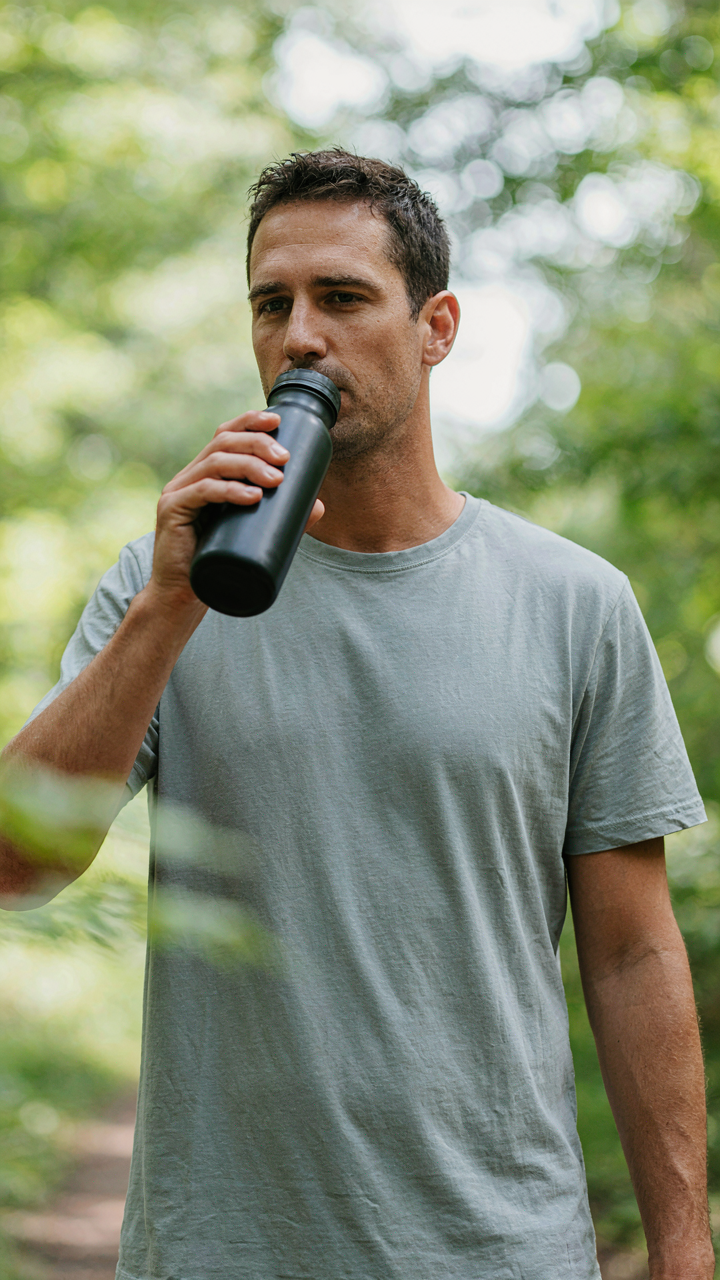
The common advice is drink water. But nobody says how. Hydration strategy matters because your core temperature stays elevated after a hike ends, and your body keeps sweating to cool itself. Small, frequent sips over 30 to 60 minutes work better than one large intake because steady fluid intake supports your body’s continued thermoregulation without shocking your digestive system. Space your water consumption to match your sweat rate, not your thirst cue, which always lags behind actual need.
Add electrolytes to your post-hike drinks to replace sodium lost during the hike. This matters because water alone dilutes your blood sodium levels if you drink too much without salt replacement. A drink with sodium, potassium, and carbohydrates accelerates fluid absorption and sustains hydration longer than plain water. Consume this fluid in the shade, sitting still, with your wet gear removed so ambient air can work with evaporation instead of fighting it. Pair hydration with shade and dry clothes for the fastest core temperature recovery.
The Real Obstacle Isn’t The Sun; It’s Your Refusal To Treat Your Gear As An Extension Of Your Body’s Thermoregulation System
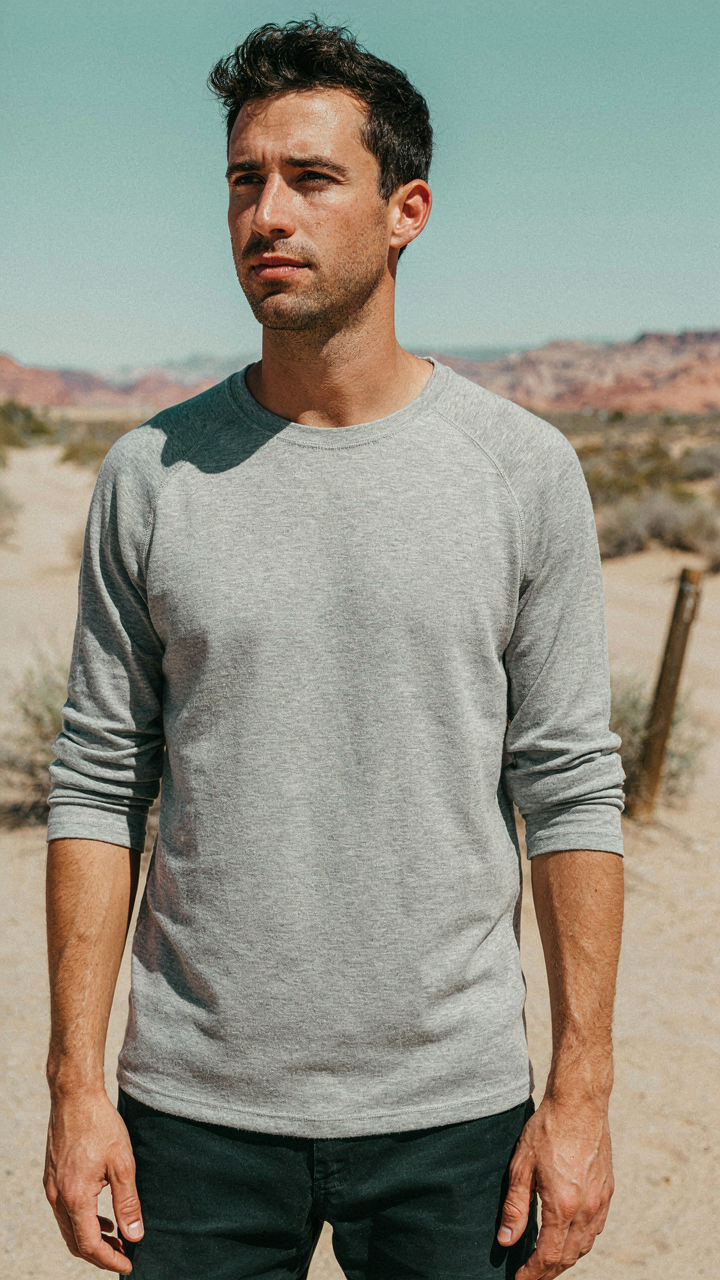
Most men fail at hot weather hiking because they treat clothes like decoration instead of tools. Your outfit either regulates temperature or it doesn’t. Moisture-wicking fabric, strategic ventilation, and UPF protection aren’t nice-to-haves. They’re the difference between performance and suffering. Stop buying random gear and start buying intention. Go buy one piece of merino wool base layer today. Wear it on your next hike. Notice how different your body feels. That’s the shift. Your clothes don’t protect you from heat; they work with your body to manage it.