
The Evaporative Cooling Fallacy: Why Less Isn’t Always More

Sweat Management, Not Just Exposure
You want to strip your kid down because you think bare skin equals cooler skin. That’s the trap. The real mechanism is sweat retention versus sweat evaporation. On the body, sweat doesn’t cool you down by sitting on skin. It cools you down by evaporating into air. Less clothing doesn’t guarantee faster evaporation if humidity is high or if sweat pools instead of dispersing.
Cotton holds moisture against skin. Synthetic blends dry faster but only if air moves across the fabric surface. A lightweight long sleeve in the right material actually cools better than exposed skin in direct sun because the fabric prevents solar radiation from hitting skin directly while allowing sweat to escape. Your kid’s core temperature matters more than how much flesh shows.
Fabric Science Beyond Wicking

The word “wicking” is lazy shorthand that hides what’s actually happening. Physics calls it capillary action and vapor transmission. A fabric’s fiber structure moves liquid sweat away from skin surface through tiny channels, then releases that moisture as vapor into air. But not all synthetic fabrics do this equally. Polyester, nylon, and specialized blends have different molecular structures that change how fast moisture moves and how completely it evaporates.
Dense weaves block airflow and trap heat. Loose weaves allow convection but don’t manage sweat efficiently. The sweet spot for hot hiking is a fabric that balances moisture transport speed with UV protection and breathability. Merino wool does this differently than polyester, and neither works if the garment fits too tight or too loose. Pick fabric construction, not brand names, as your filtering mechanism.

The “Sun Shield” Protocol: Advanced Skin Protection (Kids Hiking Outfit)

Understanding UPF And Real Protection
You’re reading this because you don’t want your kid burned on a hike—that’s the fear underneath. UPF ratings work like a filter: UPF 50 blocks 98 percent of ultraviolet radiation, UPF 30 blocks 97 percent. The difference is marginal in real conditions. Most hiking gear claims UPF 50 or higher, but the rating only holds if fabric stays dry and unwrinkled. Wet clothing loses protection fast because water refracts light directly onto skin.
The mechanism matters more than the number. Tightly woven synthetic fabrics block UV better than cotton. Polyester, nylon, and blended materials maintain UPF ratings longer under sweat and moisture. Fading reduces protection over time—a shirt worn 50 times loses measurable UPF compared to new. Check the label, but don’t obsess over incremental rating jumps. Buy tight-weave synthetic garments and replace them when they show visible wear or fading.
Physical Barriers Stop Light Before It Reaches Skin
A hat with a brim reduces face and neck exposure by 50 to 75 percent depending on brim width. This is physics, not opinion. Neck gaiters—tubular fabric that slides over the neck and lower face—create a second barrier that catches reflected light bouncing off terrain and water. Together they block what clothing misses.
Brim depth matters. A three-inch brim protects more than a one-inch brim. Neck gaiters should cover from jaw to collarbone. Wear both during midday hikes (10 AM to 4 PM). Remove or loosen them during early morning or late afternoon when sun angle drops and UV intensity falls. This simple toggle prevents overheating while maintaining protection when it counts most.
The Microclimate Manipulation Method (Kids Hiking Gear)

Personal Shade And Airflow Control
You want your kid comfortable so you don’t hear complaints for three miles. But the real mechanism is thermodynamic: a child’s smaller body surface area means faster heat absorption and slower heat dissipation than adults. You can’t fight this. You engineer around it through localized shade and forced convection.
A wide-brimmed hat or cap with a neck drape creates a microclimate that blocks direct solar radiation before it hits skin. This isn’t cosmetic. Pair it with a sleeveless or short-sleeved base that allows air circulation around the torso while a lightweight overshirt (worn open, not zipped) provides UPF protection and wind channeling. The gap between layers matters: trapped air becomes a heat sink instead of insulation.
Ventilation Design In Clothing
Most advice about “breathable fabrics” is marketing noise without mechanism. What actually happens is fabric weave density determines air permeability. Loosely woven synthetics like polyester mesh allow convective cooling to work. Mesh panels sewn into seams of shorts or shirts create intentional airflow pathways where sweating concentrates: armpits, lower back, inner thighs.
The protocol: choose shirts and shorts with strategic mesh gussets or open weaves in high-sweat zones, avoid cotton entirely because it absorbs and holds moisture, and fit matters more than fabric brand. Clothes should sit one quarter-inch from skin when standing still. This micro-gap lets perspiration evaporate rather than pool. Size up one size when buying kids’ hiking gear to guarantee this clearance as they move.
Footwear: The Overlooked Thermal Regulator
Where Your Shoe Choice Actually Matters
You want to believe a good shoe solves the problem. It doesn’t. Thermoregulation borrows from engineering: every system needs inlet, processing, and outlet. Your kid’s foot is the processor. The shoe controls both heat dissipation and debris entry, and you can’t maximize both simultaneously. Most parents chase “breathability” and ignore that open mesh lets dirt, rocks, and sun-heated ground radiate directly onto skin.
Here’s the trade: closed-toe hiking boots protect against terrain hazards and UV exposure but trap heat. Trail running shoes breathe well but expose the foot to abrasion and stones. The real mechanism is contact area and airflow velocity. A shoe with strategic mesh panels and a tight heel cup gives you 70% of breathability with 90% of the protection. Your kid sweats less from better ventilation than from reduced friction between sock and shoe wall.
What Your Socks Are Actually Doing
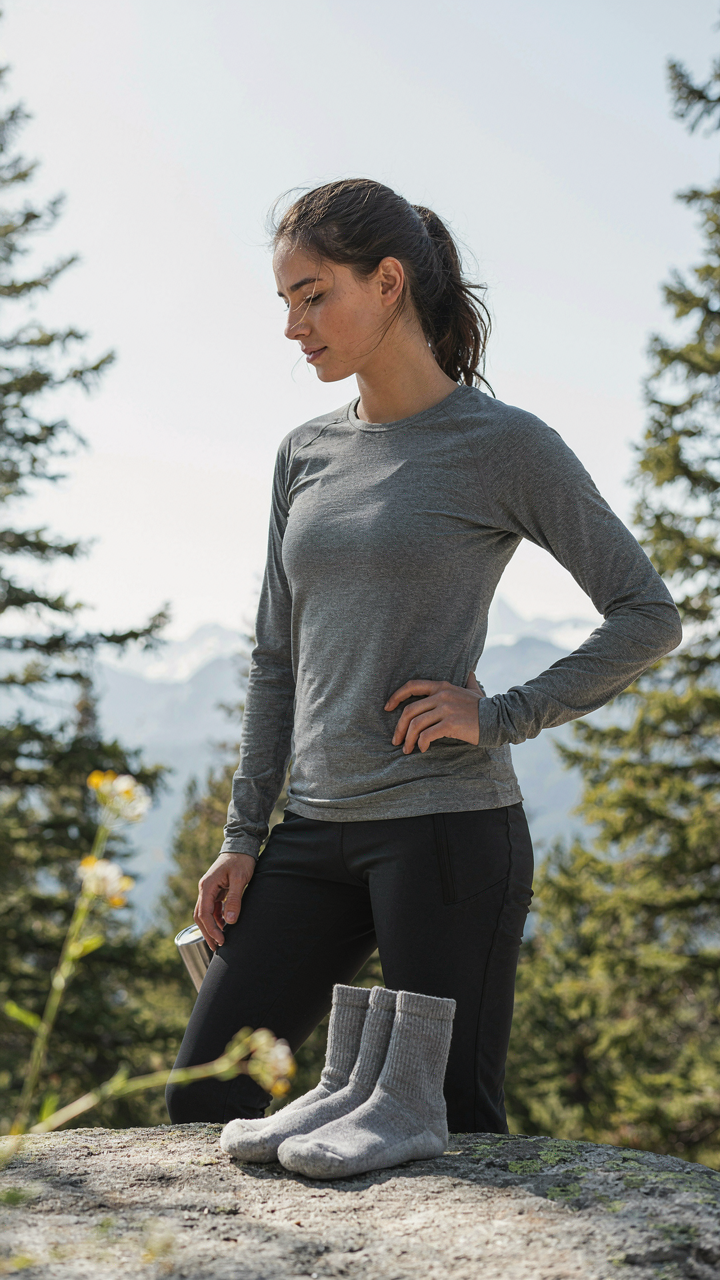
Most people treat socks as an afterthought. They’re the primary thermal interface between foot and shoe. Cotton absorbs moisture and holds it against skin, creating a heat trap and a blister vector. Merino wool or synthetic blends (polypropylene, nylon) wick sweat away from skin while maintaining structure under load.
- Merino Wool: Regulates temperature across a wide range, naturally antimicrobial, maintains cushioning when wet. Works best for moderate distances in variable conditions.
- Synthetic Blends: Fast-drying, durable through repeated washing, lower cost. Choose these for high-volume sweat situations or multiple-day trips where laundry happens nightly.
- Wool-Synthetic Hybrid: Combines merino’s temperature regulation with synthetic durability and cost efficiency. The practical choice for most hot-weather kids’ hikes.
- Cushioning Level: Thin socks reduce heat buildup but offer less blister protection. Medium-weight socks balance protection with breathability for trails under three hours.
- Height: Crew-length socks prevent dirt entry above the shoe collar. Ankle-height works only if your shoe collar is high enough to overlap.
Sock seams matter. A flat-seam construction prevents pressure points that become hot spots and then blisters. Your kid won’t complain about a blister forming—you’ll notice a limp on mile four. Buy socks one size up from regular shoe size to prevent compression at the toe box, which restricts circulation and increases heat retention.
The Hydration & Electrolyte Imperative (Outdoor Kids)
Water Alone Won’t Cut It
You want your kid to last the hike without becoming a liability. Here’s what nobody tells you: plain water triggers a physiological response called the “satiety mechanism” in kids’ bodies, and they’ll stop drinking even when depleted. Thirst doesn’t signal dehydration in children the same way it does in adults. Their core temperature regulation is less efficient, their sweat response kicks in later, and they dissipate heat poorly in direct sun. This is why hiking guides and pediatricians distinguish between hydration and electrolyte balance on extended hot-weather outings.
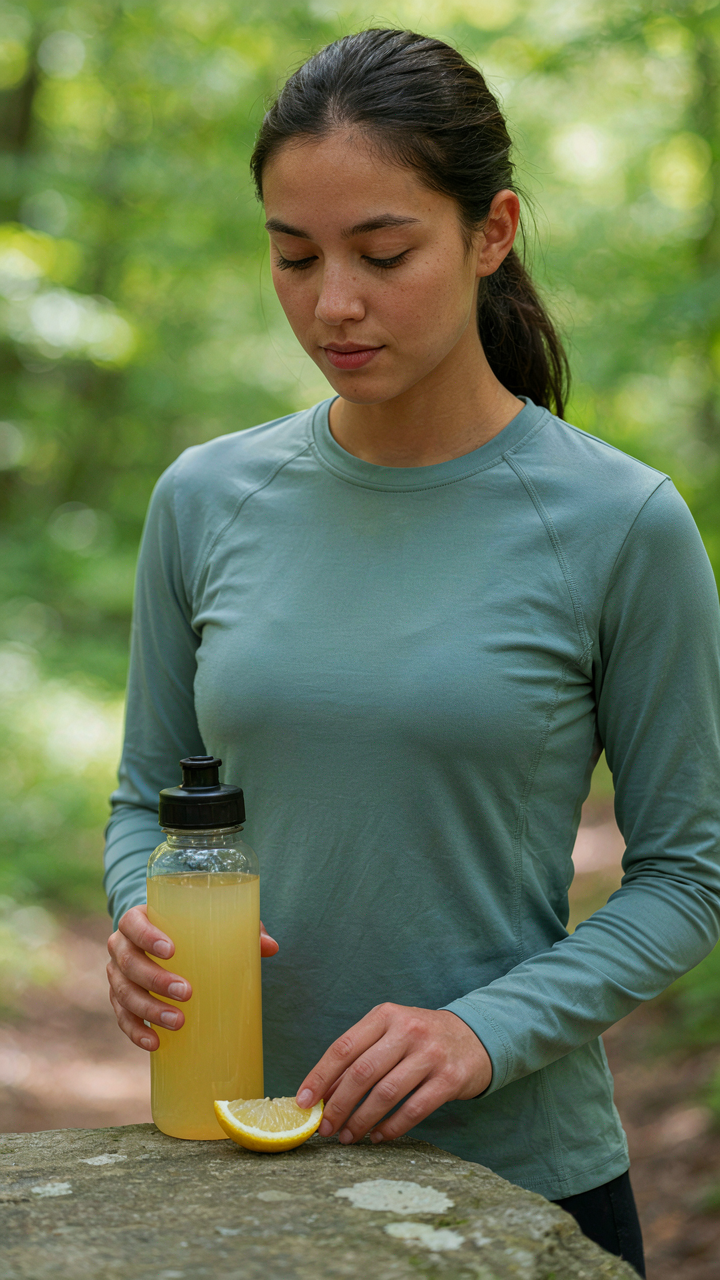
Electrolytes sodium, potassium, and magnesium get lost through sweat faster than water replacement can restore them. A kid drinking plain water on a three-hour desert trail absorbs it without retaining it. Add sodium to that water, and you change the osmotic gradient so their cells actually hold onto fluid. Sports drinks with 300-600mg of sodium per liter work. Coconut water falls short at 250mg. Homemade solutions beat commercial options: one quarter teaspoon salt plus two tablespoons of sugar per liter of water matches the body’s absorption rate better than most bottled alternatives.
Recognizing Dehydration Before It Becomes A Problem
Dehydration in kids progresses differently than in adults because their body-to-surface-area ratio means they overheat faster and their compensation mechanisms fail harder when they finally give out. Most parents wait for obvious signs like excessive thirst or dizziness. By then, cognitive function has already dropped. Watch for these earlier signals: irritability that seems out of place, sudden loss of interest in the hike, coordination clumsiness, or flushed skin that doesn’t cool in shade. A kid won’t complain clearly about dehydration until it’s advanced.
Dark urine is the only reliable field indicator. Light yellow or clear urine in a hiking kid means they’re holding fluid. If urine darkens noticeably, stop, rest in shade, and force electrolyte fluid for 15 to 20 minutes before continuing. Kids often don’t report thirst until they’re already moderately depleted. This means you enforce drinking on a schedule regardless of what they say they want. Every 15 to 20 minutes in temperatures above 80 degrees, they drink 4 to 8 ounces whether they ask for it or not.
The “Adaptive Camouflage” Principle From Military Strategy (Cute Summer Outfits)

Gear Selection For Changing Conditions
You want your kid to look put-together without constantly adjusting clothes, which wastes time and breaks the hike’s rhythm. Military strategy calls this “adaptive camouflage”—the ability to shift appearance based on terrain and threat without stopping operations. In hiking, this means selecting pieces that work across temperature swings, sun intensity, and terrain changes without requiring removal and reapplication every thirty minutes.
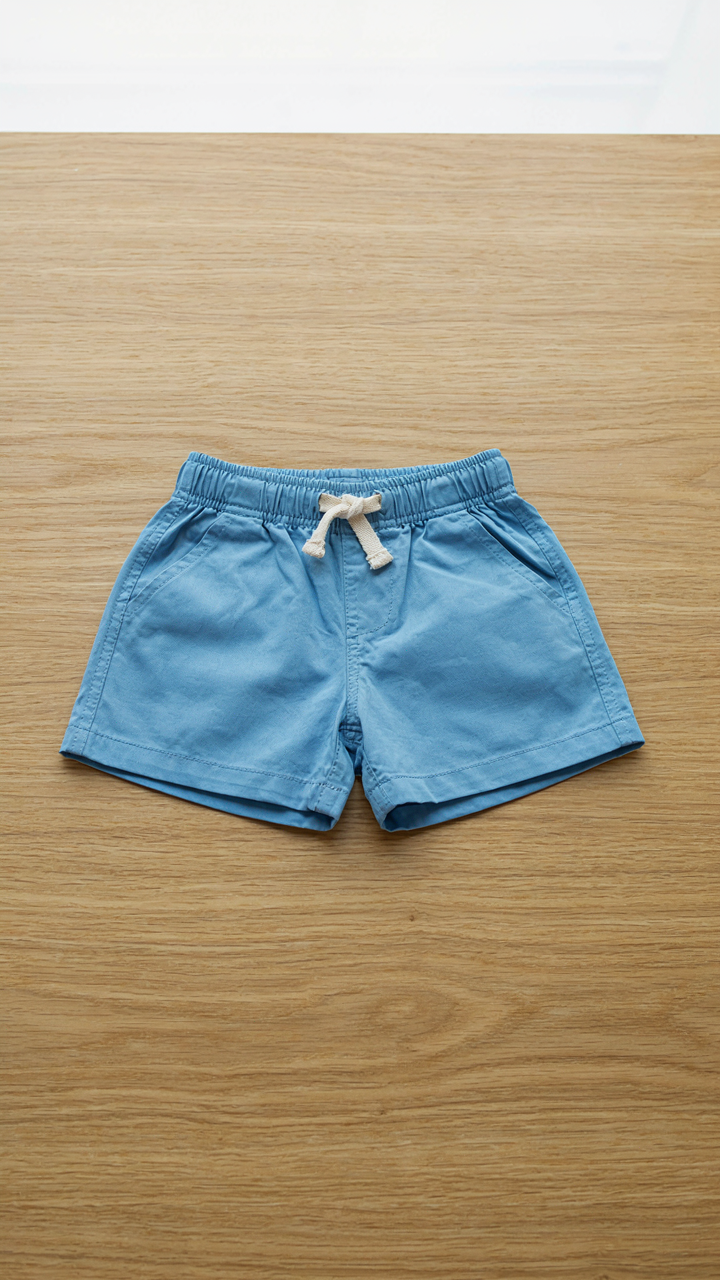
Start with a base that handles both full sun and brief shade: a lightweight long-sleeve shirt in a pale, tight weave. Synthetic blends or merino wool shed heat faster than cotton. Add a packable windbreaker that doubles as a sun barrier when unzipped and worn loose. Shorts should be long enough to cover thighs during midday peak UV hours. This setup lets you adjust coverage without stopping—roll sleeves, unzip, tie the jacket around the waist. No fumbling with backpack straps mid-trail.
Layering For Rapid Thermal Adjustment
Most advice says “layer for warmth,” which misses the real function in hot weather: layering controls radiant heat absorption and allows micro-adjustments without stopping. The mechanism is surface area and air gaps. A fitted base layer traps a thin air pocket against skin; a looser overshirt creates space that lets heat escape. You’re not building insulation. You’re managing heat transfer speed.
Pack one lightweight long-sleeve shirt your kid can throw on if exposed skin reddens, then remove in five minutes once you enter tree cover. A vest worn unbuttoned over the base layer adds coverage without trapping core heat. The vest hangs loose, letting air move underneath while blocking direct UV. Bring a thin beanie or neck gaiter stuffed in a side pocket—your kid won’t wear it initially, but at high elevation or windy ridges, it prevents heat loss and windburn without the bulk of a full jacket.
Headwear: Sun Hats Are Not All Equal

Brim Width, Ventilation, And Retention
You want the hat to look good on your kid. That’s the real reason you’re reading this. Forget it. The mechanism here is physics: brim width determines the shadow cast on exposed skin. A three-inch brim covers the ears and neck. A one-inch brim leaves both burning. Wider brims also shield the face at different sun angles throughout the day. This isn’t aesthetic preference. This is UVA penetration prevention.
Ventilation determines whether your child ditches the hat after twenty minutes. Mesh panels on the crown let hot air escape instead of cooking their scalp. Retention matters equally because a hat on the ground protects nothing. Chin straps or toggle systems keep the hat from flying off during scrambling or wind. Kids hate chin straps, so pick one with soft fabric that won’t dig into their jaw. Test the fit before the hike. A hat that slides around will irritate them faster than sun will.
Material Choices For Maximum Effect
Cotton and synthetic blends dominate kids’ hiking hats for one reason: they dry fast and tolerate sweat without degrading. Cotton alone holds moisture against the scalp, creating a heat trap. Synthetic materials wick faster, but pure synthetics sometimes feel plasticky and encourage sweating. A fifty-fifty blend balances moisture management with comfort. Nylon is your standard here because it’s durable against branches, sun damage, and repeated washing.
The underside of the brim matters more than most parents notice. Light colors reflect heat away from the face. Dark undersides absorb and radiate that heat directly onto cheeks and nose. White or cream-colored brim linings reduce the radiant effect measurably. Check the tag for UPF rating. Any hat labeled UPF 50+ blocks ninety-eight percent of UV rays. Buy one with a UPF guarantee and actually verify it holds after multiple washes. The hat works only if you choose material that survives the entire hiking season without degrading.
Age Specific Gear: Toddlers Vs. Tweens
Where Their Bodies Actually Differ
You want gear that fits your kid so they blend in and don’t slow the group down, but that’s not the real reason you’re reading this section. You’re afraid of choosing wrong and your child suffering or refusing to hike again. The mechanism is biomechanics: toddlers have proportionally larger heads and shorter limbs, which changes their center of gravity and sweat distribution. This isn’t cosmetic. A toddler overheats faster because their body can’t regulate temperature the way a tween’s does.
Toddlers need shorter sleeves and more breathable fabric at the torso because they generate heat inefficiently. Their legs tire faster, so lightweight materials matter more than durability. Tweens tolerate longer sleeves better and benefit from sun protection that a toddler would fight against. Skip the one-size-fits-all approach. Buy for their actual proportions, not their age label.
What Breaks Before They Outgrow It
Most parents buy gear expecting durability to be the limiting factor. It’s not. A toddler outgrows hiking pants in eight to twelve months. A tween might wear them for two seasons. This inverts your buying logic entirely. With toddlers, prioritize comfort and fit over premium durability because replacement comes fast anyway. With tweens, durability becomes rational because the gear has time to pay for itself.
For toddlers, choose reinforced knees and seat in cheaper fabrics because those spots wear first. For tweens, invest in higher-quality materials because they’ll actually use the gear long enough for quality to matter. Elastic waistbands with adjustable tabs extend the window between sizes on both age groups. Check inseam adjustability before purchase, not after.
Post Hike Recovery: The Unsung Hero
Cool Down And Protect Skin
You want to skip this section because you think recovery happens on its own. It doesn’t. The mechanism is simple: heat damage compounds. Your kid’s skin absorbed UV radiation and thermal stress for hours. What you do in the first thirty minutes after the hike determines whether that damage stays surface-level or penetrates deeper into the dermis where it causes premature aging and increases melanoma risk.
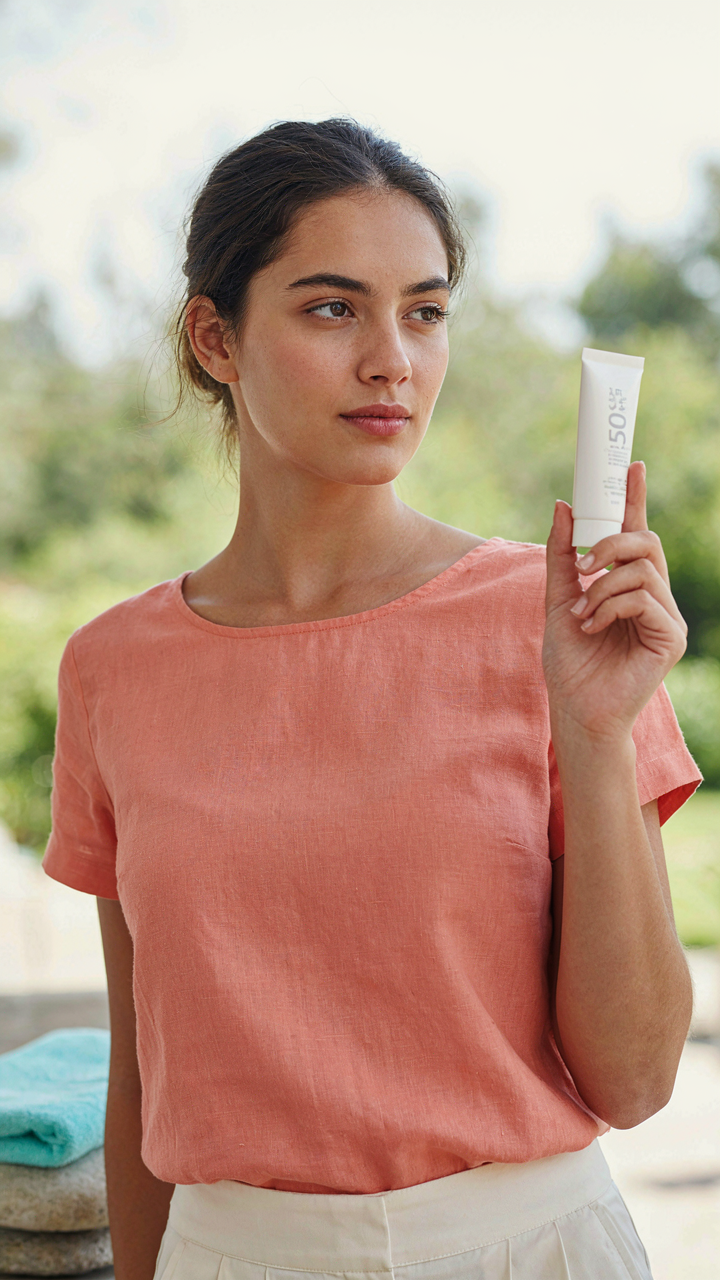
Get your kid into shade immediately and remove the hiking outfit. Sweat-soaked fabric traps heat against skin and continues the damage process. Apply cool water to exposed areas, not cold enough to shock the system but cold enough to drop core temperature. This takes five to ten minutes. Skip ice baths and shock cooling with kids. After cooling, apply a broad-spectrum sunscreen with at least SPF 30 to any area that stayed exposed, even if your kid wore UPF clothing. Reapplication matters because sweat and friction remove the first layer.
Gear Inspection And Storage Protocol
Most parents wash hiking gear and throw it in a drawer. That’s how you destroy synthetic fabrics and reduce their lifespan by half. The real mechanism comes from moisture and heat interaction: trapped moisture accelerates fabric breakdown and creates mold growth in seams where it’s invisible until the material fails mid-hike next summer.
Hang everything to air dry completely before storage, never machine dry. Direct sun fades synthetic dyes but promotes faster moisture evaporation, so hang in shade or indirect light for six to twelve hours depending on humidity. Check for salt stains and rinse those areas with fresh water before drying. Store in a cool, dry space away from direct sunlight. If your kid’s UPF shirt shows pilling or color fading, the UV protection is degrading. Replace it.
The Real Obstacle Isn’t The Heat; It’s Your Reliance On Generic Solutions In A Specific Environment

Most parents grab whatever hiking gear worked for someone else’s kid and wonder why their child melts. The shift happens when you stop copying and start observing. Your kid has a specific body, a specific sweat rate, specific tolerance for fabric against skin. Today, take one hike and actually watch what happens. Notice where they overheat. Notice what they touch constantly. That observation beats every article ever written. The gear doesn’t matter until you know your kid.