
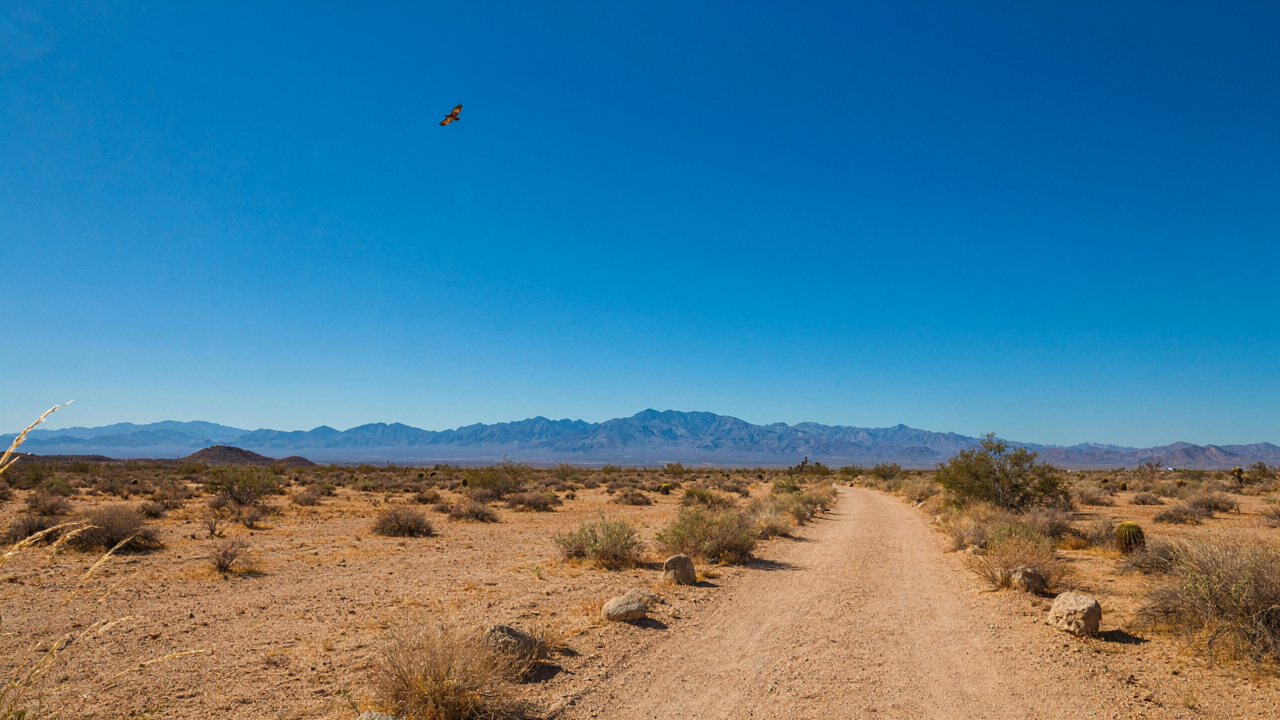
The Sweat Wicking Deception: What Fabrics REALLY Do
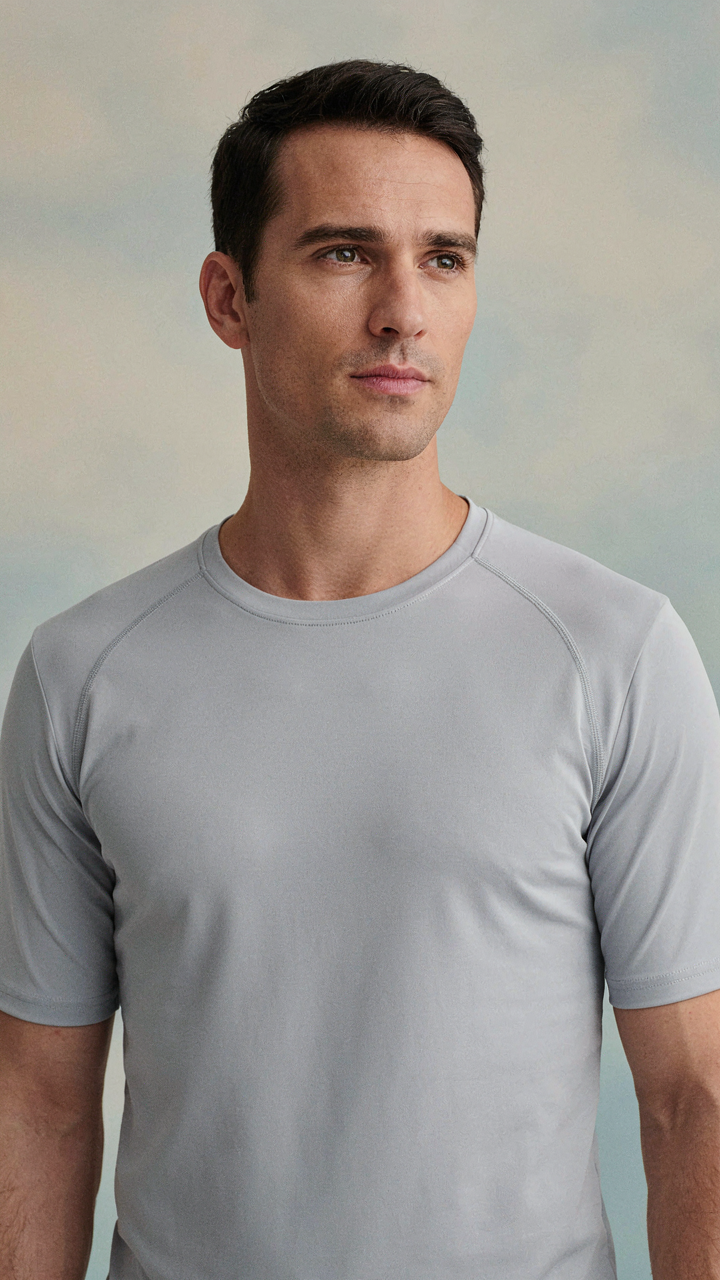
Natural Fibers Versus Synthetics, Actual Performance
You’re hoping the right fabric choice will solve the problem of looking put-together while sweating through a six-mile ridge hike. It won’t. But here’s the mechanism: cotton absorbs moisture and holds it against your skin, trapping heat. Synthetics like polyester and nylon wick moisture away from skin to the fabric’s outer surface where it evaporates faster. The physics term is “capillary action”—think of it as a chain relay where moisture passes hand-to-hand from your skin outward. Cotton breaks that chain and pools the water.
Merino wool performs differently than either. It absorbs up to 30 percent of its weight in moisture without feeling wet, regulates temperature across a wider range than synthetics, and resists odor naturally. For couples hiking together in heat, merino wool blends or pure synthetic bases outperform cotton every time. Your partner wearing cotton will overheat and fatigue faster. Swap cotton for a synthetic or merino blend before you hit the trail.
Chafing And Heat Rash, Crucial Points

The common advice is to wear loose clothing and use body glide. That’s incomplete. Chafing happens where repeated friction meets moisture and salt accumulation. Heat rash happens where sweat gets trapped under fabric in high-friction zones, preventing evaporation. These are two different problems requiring two different solutions. Loose fabric reduces friction but doesn’t accelerate evaporation. Tight synthetic fabric wicks moisture away faster but increases friction in seams and waistbands if poorly designed.
The protocol: use flat-seam or seamless synthetic base layers, not baggy cotton tees. Apply anti-chafe products only to high-friction zones like inner thighs, underarms, and waistband areas, not everywhere. Choose fabrics with four-way stretch that move with your body rather than bunch. Pair these tactics with frequent moisture checks every two miles—if either of you feels damp spots lingering on skin rather than drying quickly, your fabric choice is wrong for that terrain’s intensity.

Sun Protection Protocol: Beyond Basic SPF
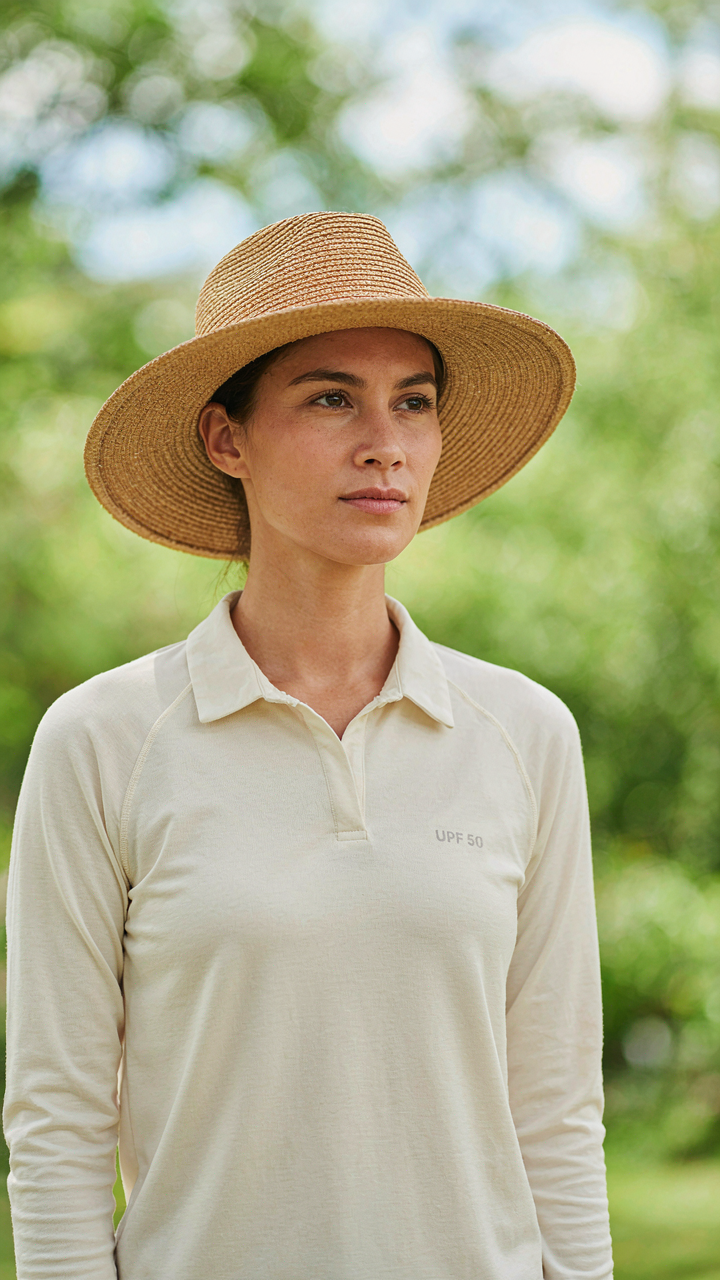
UPF Fabric Technology And Real Protection
You want to believe sunscreen alone works because it’s simple and you’ve heard it forever. It doesn’t. UPF rated fabrics block ultraviolet radiation through physical density and fiber structure, not chemical absorption like sunscreen. A UPF 50 shirt stops 98% of UV rays. Regular cotton stops maybe 5% when wet. The rating measures how much UV exposure reaches skin compared to unprotected skin, tested under controlled lab conditions.
Most hiking couples wear cotton or thin synthetics that fail under sweat and moisture. UPF fabric works because the weave is tight enough that UV photons can’t pass through. Look for garments rated UPF 40 to UPF 50 plus, made from nylon, polyester blends, or merino wool. Check the tag for explicit UPF numbers, not marketing language like “sun protective.” When fabric gets wet, UPF rating drops but doesn’t vanish entirely if the weave stays intact. Pick long sleeves and full-length pants for couples hiking in direct sun for hours.
Strategic Coverage Without Overheating
Neck gaiters and wide-brimmed hats aren’t accessories for hot weather hiking, they’re mandatory infrastructure. Your neck and ears burn faster than anywhere else because skin there is thinner and you forget to reapply sunscreen constantly while moving. A gaiter worn pulled up covers the neck and lower face simultaneously, reducing one reapplication point entirely. Wide-brimmed hats create shadow coverage over the face, ears, and upper shoulders when angled correctly.
The mechanism is simple: block rays before they hit skin rather than trying to neutralize them after. For couples hiking together, matching gaiter colors doesn’t matter, but choosing ones that dry quickly does. Merino wool gaiters manage sweat without smell buildup over multi-hour hikes. Position your hat brim to cover ears fully, not just the forehead. This prevents the common mistake of protecting your face while your ears redden dramatically by mile three.
Footwear Fallacies: Why Your Boots Are Holding You Back
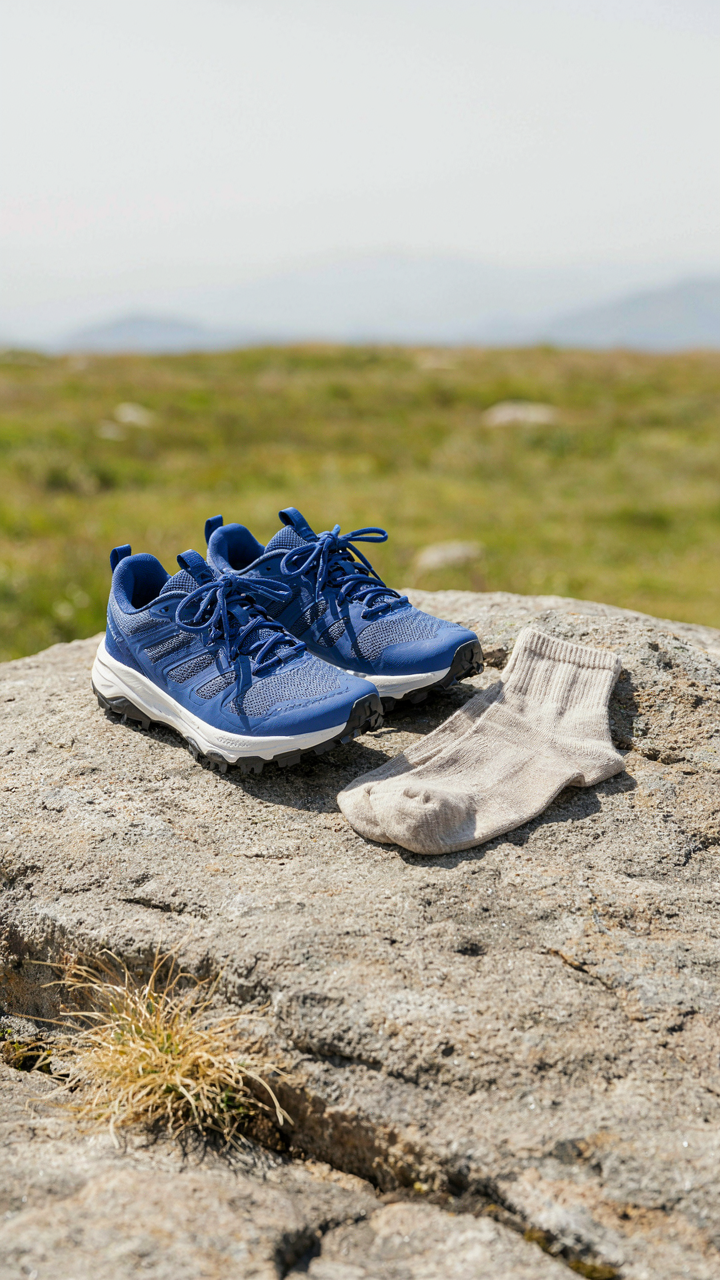
Trail Runners Beat Heavy Boots In Heat
You want boots because they feel like the “right” choice for hiking, but that feeling is exactly the problem. Thermodynamics governs heat dissipation: your foot generates metabolic heat, and the surface area of contact with your shoe determines how fast that heat escapes. Heavy boots trap heat against skin through mass and insulation. Trail runners expose more foot surface to moving air, accelerating evaporative cooling. In hot weather, reduced thermal load equals reduced sweat production and blister formation.
Most hiking advice treats boots as universal gear. That’s incomplete. Heavy boots make sense in cold alpine terrain where ankle support prevents falls on ice. In hot weather on maintained trails with a partner, the injury risk they prevent is lower than the physiological cost they impose. Your feet swell in heat. A snug boot becomes a pressure vessel. Trail runners with responsive midsoles handle terrain just as well while keeping core temperature lower, which keeps both of you moving faster and longer without fatigue.
Sock Strategy Prevents The Blister Loop
The real culprit behind blisters isn’t friction alone—it’s moisture management combined with pressure points. Merino wool and synthetic blends (nylon or polyester) outperform cotton because they wick and dry faster. Cotton absorbs sweat, stays wet against skin, and creates the exact friction conditions that spawn blisters. Moisture-saturated skin also softens and tears more easily. The mechanism is simple: wet skin plus sustained pressure equals damage.
Pair lightweight synthetic or merino socks with trail runners that fit snugly but not tight. The sock should cover the heel fully and end mid-calf to prevent rubbing at the boot collar. Change socks if they get soaked during a water crossing. Most blister problems vanish when you eliminate the wet-skin variable and match sock thickness to shoe fit. Your partner should follow the same protocol—blistered hikers slow both of you down and kill the experience.
The Active Couple Aesthetic Myth: Function Over Form
Coordination Kills Comfort
You want to look like a couple out there. That’s the real reason you’re reading this. But matching outfits on a trail in ninety-degree heat is a tax you pay for Instagram optics while your core temperature climbs and your partner overheats because you both chose the same dark fabric. The mechanism is simple: coordination sounds unified until it forces both people into the same compromises. One person’s ideal shirt weight differs from the other’s. One person runs hot, one runs cold. Identical setups erase these differences.
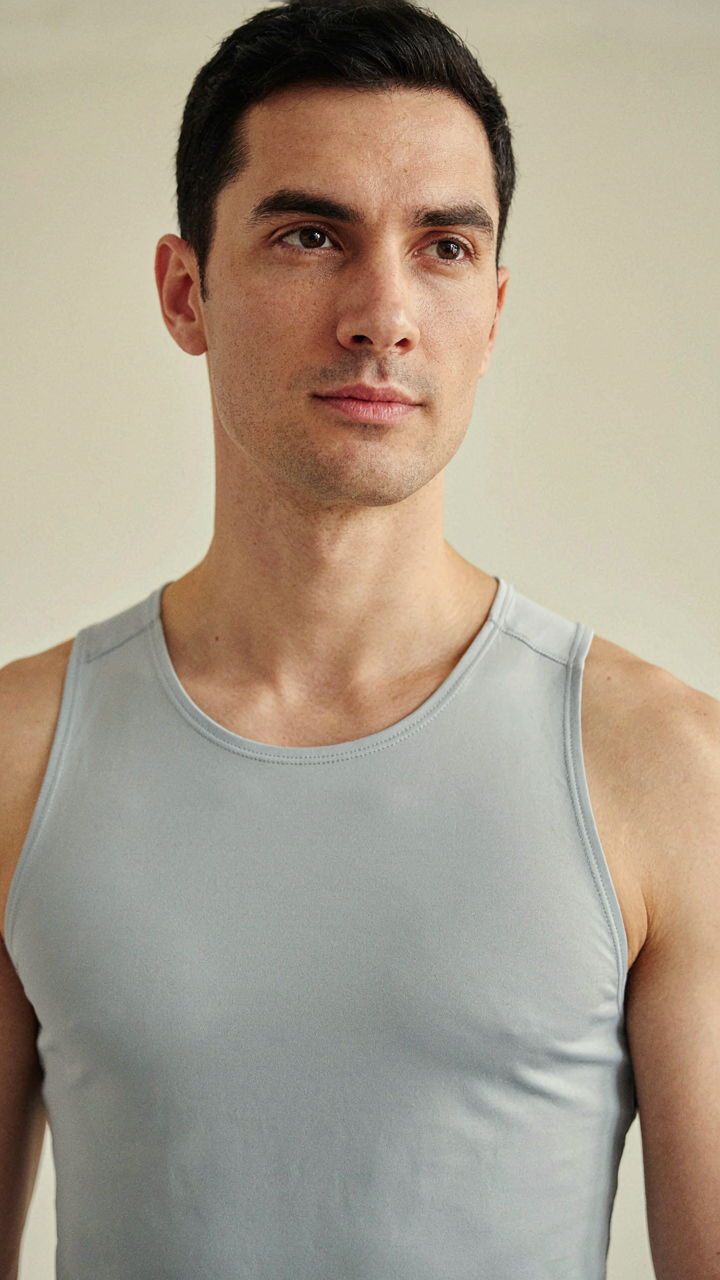
The counterintuitive play is to let each person dress for their own body. Wear complementary colors, not matching pieces. One person picks a light gray tank with quick-dry properties. The other chooses a cream-colored long-sleeve shirt for sun protection. You still look intentional together because you discussed the palette. But your body temperatures stay regulated independently. This is the actual mechanism that prevents one partner from suffering because the outfit looked good as a unit. Mismatched outfits that work beat matched outfits that don’t.
Packs Exist For Cargo, Not Credentials
The backpack industry sells identity. It sells adventure credibility through branded straps and technical specs that matter less than what actually goes inside. Stop thinking about the pack as a signal and start thinking about it as a system for keeping both people functioning on the trail. Your pack carries water, sunscreen, a first aid kit, electrolyte replacement, and a map. Your partner’s pack carries the same baseline items plus a lighter load of shared gear like the emergency shelter or extra calories. The size difference reflects actual need, not status.
What breaks couples on hot hikes is dehydration and heat exhaustion hitting one person while the other stays fine. The pack’s job is preventing that gap. Choose volume by calculating what you both need to survive six to eight hours on the trail, then divide it logically. One 20-liter pack and one 15-liter pack will always beat two 25-liter packs because you’re carrying only what solves problems, not what looks committed. The protocol is simple: list essentials, weigh them, pick pack sizes that fit the load exactly.
Hydration System: The Ultimate Performance Multiplier
Water Capacity And Electrolyte Needs
You want to believe hydration is simple because it lets you pack light and look effortless on the trail. It isn’t. Water capacity determines how far you can push before your body starts shutting down. Most couples carry too little and dehydrate before they notice it.
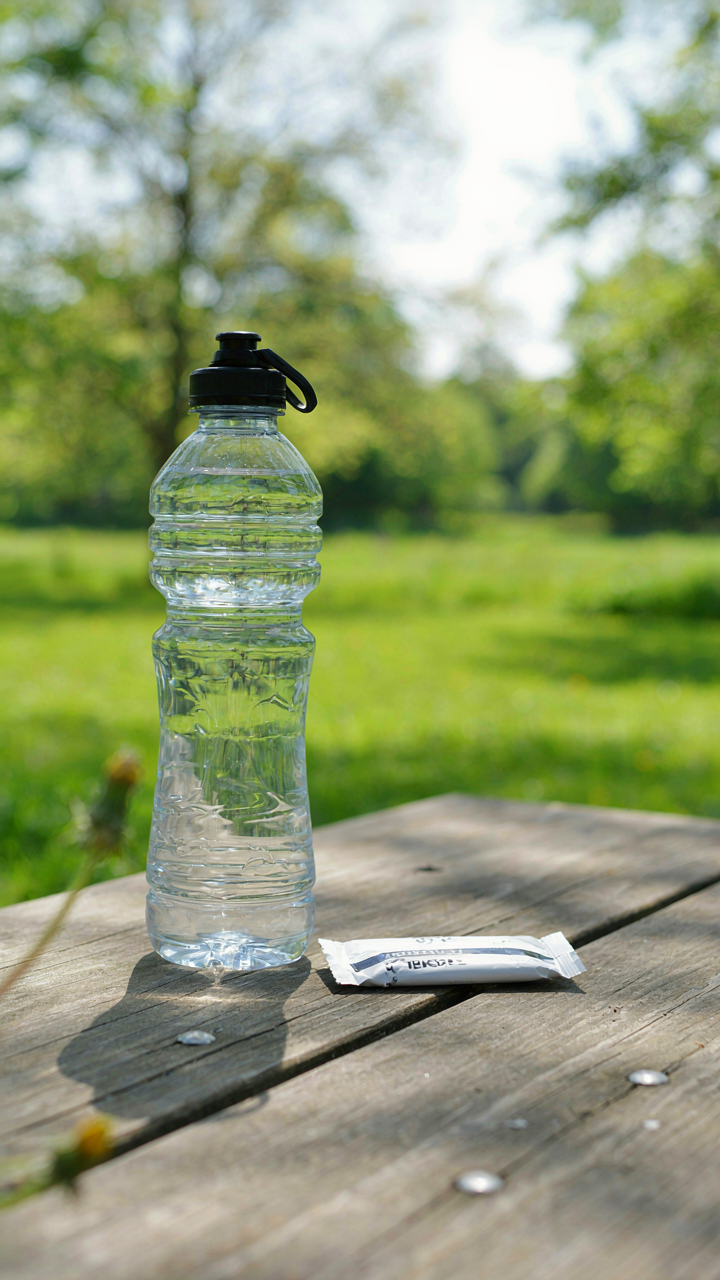
For hot weather hiking, you need a minimum of two liters per person for a half-day hike in temperatures above 80°F. Full-day hikes demand three to four liters depending on elevation, sun exposure, and individual sweat rate. Electrolytes matter because water alone doesn’t replace the sodium and potassium your body loses through sweat, which means you absorb less fluid and your performance tanks faster.
- 2-Liter minimum baseline: Per person for 4-5 hour hikes in direct sun above 80°F. Adjust upward for exposed terrain with no shade.
- Electrolyte addition: Sodium chloride and potassium in drink mix or tablets. Prevents water retention issues and maintains cellular fluid balance.
- Container choice: Hydration packs distribute weight evenly on both shoulders. Bottles in hand create arm fatigue and uneven posture strain for couples moving together.
- Refill strategy: Identify water sources on your route before departure. Carrying excess weight uphill wastes energy; refill at midpoint instead.
- Couple-specific consideration: One partner typically sweats more in heat. Ensure the higher-loss partner carries slightly larger capacity to avoid dependency on the other’s rationing.
When couples hike together, one person’s dehydration becomes both people’s problem. The slower partner needs to maintain the same hydration timeline as the faster one. Establish a water-drinking schedule every 15 to 20 minutes, not when thirst signals arrive. Thirst is delayed feedback. By the time you feel it, your core temperature has already risen and your cognitive function has already declined.
How Your Body Regulates Temperature Under Load
Thermoregulation is a physics problem: your body generates heat through muscular work and must dissipate it faster than it builds. In hot weather hiking, evaporative cooling is your primary heat sink. Sweat itself doesn’t cool you; evaporation does. Clothes that trap moisture prevent that evaporation and accelerate heat buildup, which is why most hiking guides get this backwards.
The mechanism works like this: as you hike uphill in heat, your muscles burn calories and produce core body heat. Your cardiovascular system pumps blood to your skin surface to radiate heat into the air. When air temperature approaches your skin temperature, radiation fails. Evaporation becomes your only tool. Light-colored, loose-fitting synthetic fabrics allow sweat to evaporate quickly. Cotton absorbs moisture and holds it against your skin, defeating the entire cooling system. Couples wearing mismatched fabrics—one in cotton, one in synthetic—will separate in pace because one person’s body is fighting thermodynamic disadvantage.
Dehydration compounds this. Without adequate water, your body cannot produce enough sweat to evaporate heat away. Your core temperature rises unchecked. Your heart works harder to pump blood to muscles and skin simultaneously, depleting oxygen-carrying capacity. Your legs feel heavy. Your decision-making deteriorates. Drink water consistently before this cascade starts, not after. The partner who runs hot must drink more than the partner who runs cool, regardless of pace. Match hydration to individual physiology, not to shared time or distance metrics.
Emergency Prep Kit: What Actually Matters
First Aid For Heat, Not Wounds
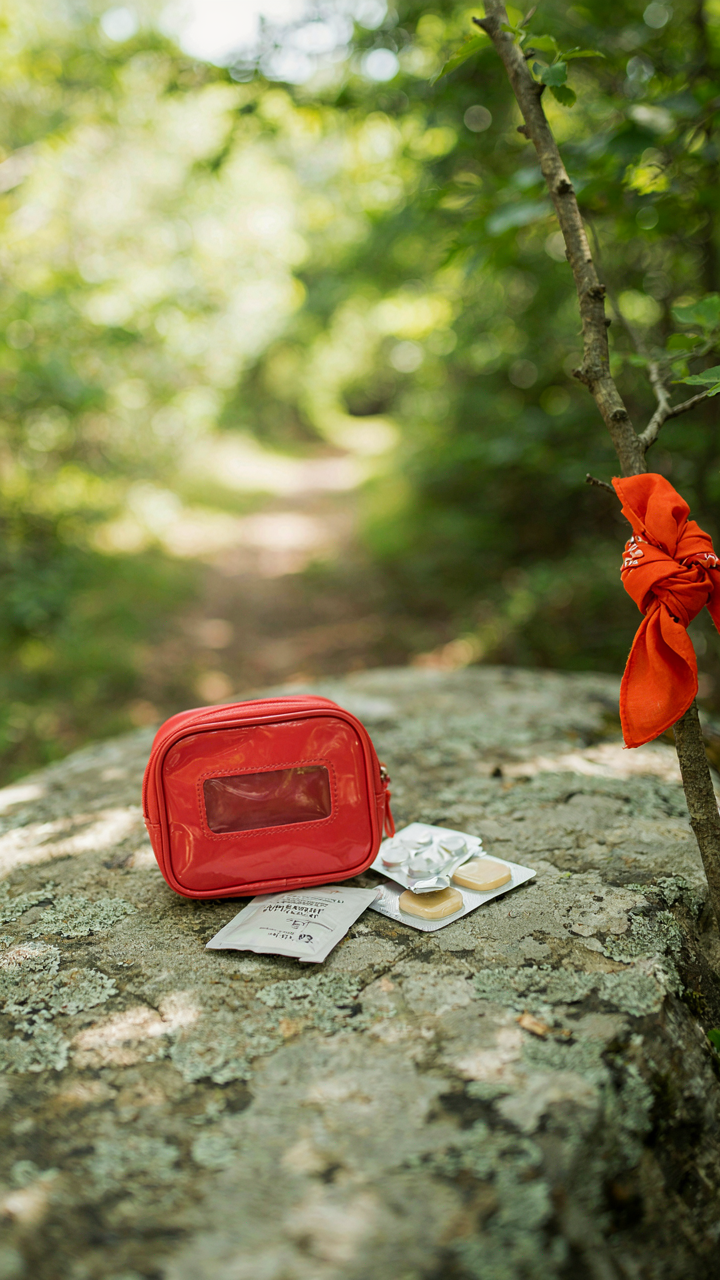
You want the kit that makes you look prepared, but you’re actually afraid of dehydration spiraling into something you can’t fix. Here’s the mechanism: heat illness compounds fast. Your body can’t cool efficiently once core temperature rises past a threshold, and standard first aid assumes you’re treating cuts or sprains, not core dysfunction. Bring electrolyte packets, not just water. Blister treatment matters more than bandages. A small thermometer costs nothing and tells you if someone’s genuinely overheating or just uncomfortable.
The rest of generic first aid kits waste pack space. Skip the full gauze roll and antiseptic cream. Bring one sterile alcohol wipe, two adhesive bandages, and athletic tape for foot issues. A single-use pain reliever packet handles headaches before they escalate. Heat cramps respond to salt and potassium, not ibuprofen. Store everything in a waterproof pouch no larger than your palm. This approach keeps total weight under four ounces per couple while actually addressing what kills people on hot trails.
Signaling Devices That Function In Daylight
Most couples carry phones and call it done, then learn the hard way that signal dies exactly when you need it. A whistle works when your phone doesn’t because it requires no battery, no network, and no line of sight. Carry one whistle per person. Three short blasts is the universal distress signal, and a plastic whistle travels sound farther than your voice ever will across canyon or ridge. Mirrors work in direct sunlight for signaling distant help. A small signal mirror fits in your cargo pocket and reflects sun hundreds of yards away, visible to search teams or other hikers.
Both devices work independent of each other and of electronics, which means redundancy with zero complexity. A small headlamp or backup light source matters less in summer since daylight lingers, but a high-visibility bandana or flag tied to your pack gives ground crews and helicopters a target. Store the whistle on your belt loop, not buried in your pack. Test your communication plan before the hike: know where you’ll receive signal, establish a check-in time with someone off-trail, and agree on what decision triggers a call for help. This separates actual rescue preparation from the feeling of being prepared.
Trekking Outfit Layering: The Counter Intuitive Truth
Thin Layers For Evaporation, Not Warmth Or Style
You want to look competent on the trail without overheating, but layering in hot weather has nothing to do with aesthetics or keeping warm. The real mechanism is evaporative cooling, borrowed from thermodynamics: your body sheds heat through moisture leaving your skin, and layers either accelerate or trap that process. Most people layer wrong because they think about cold-weather hiking and apply it backwards. Thin, loose layers don’t insulate in heat. They create air gaps that let sweat evaporate faster from your skin, which is the only cooling system you have in direct sun. Tight compression gear traps moisture against your body and works against you.
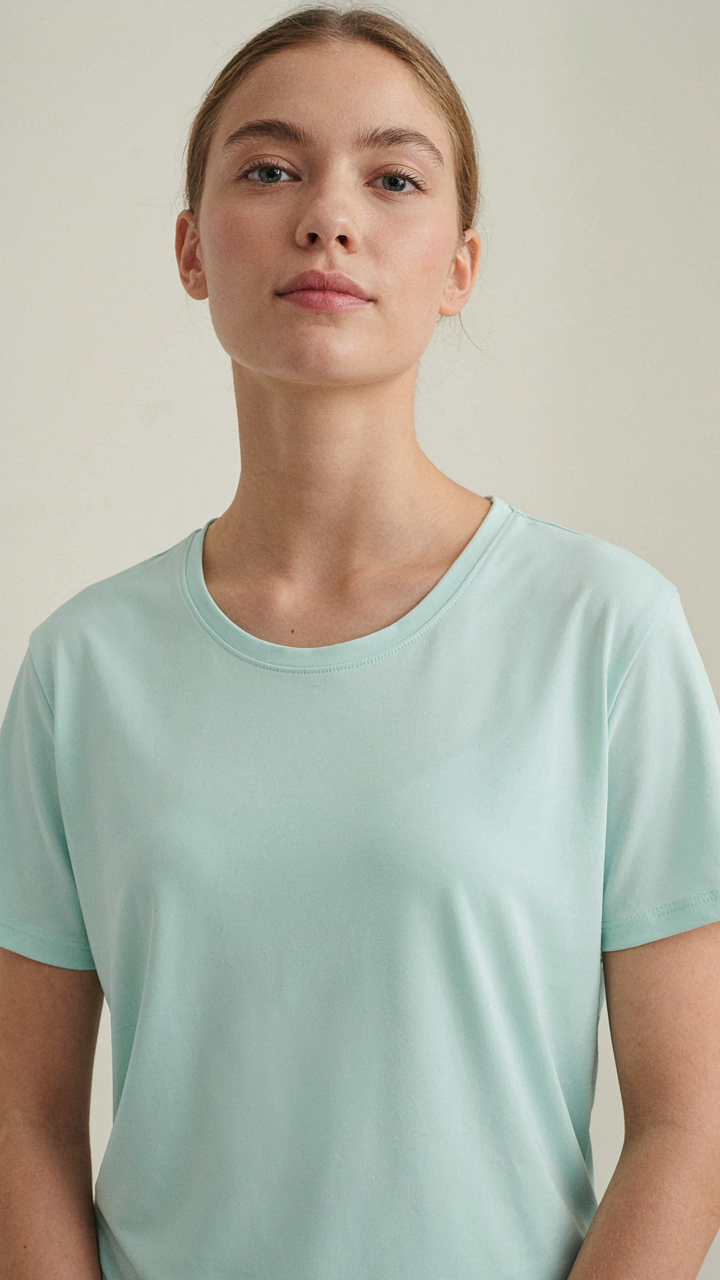
Wear synthetic or merino wool base layers that are genuinely thin and loose fitting. Cotton absorbs sweat and holds it, defeating the entire point. A lightweight button up shirt over your base layer lets you control sun exposure without blocking airflow. The layers should feel almost weightless and move independently from your skin. When your partner starts sweating visibly, that’s the sign your outfit is working correctly. Evaporation only happens when moisture reaches air, not when it sits trapped under fabric.
Nightfall Temperature Drops, Unexpected Chill
Desert and mountain temperatures swing twenty to thirty degrees between noon and sunset. Most couples ignore this because they focus on the daytime hike and forget they’re standing still after exertion stops. When you stop moving, sweat evaporates faster and your metabolic heat production drops immediately. You cool down hard. The wind that felt refreshing at three thousand feet moving feels aggressive when you’re stationary and damp at dusk. Every couple needs a compact insulating layer that packs smaller than a water bottle for this exact reason.
Pack a lightweight synthetic or down jacket that compresses into its own pocket. Merino wool mid layers work too but take longer to dry if damp. This layer stays in your pack until the sun drops below the horizon. Put it on before you feel cold, not after. Your damp base layer becomes a liability the moment you stop hiking, so the insulation layer prevents that transition from comfortable to shivering. Both of you carry your own insulation layer. Don’t share or rely on your partner’s body heat to stay warm.
Hiking Date Outfit Summer: Beyond The Instagram Pose
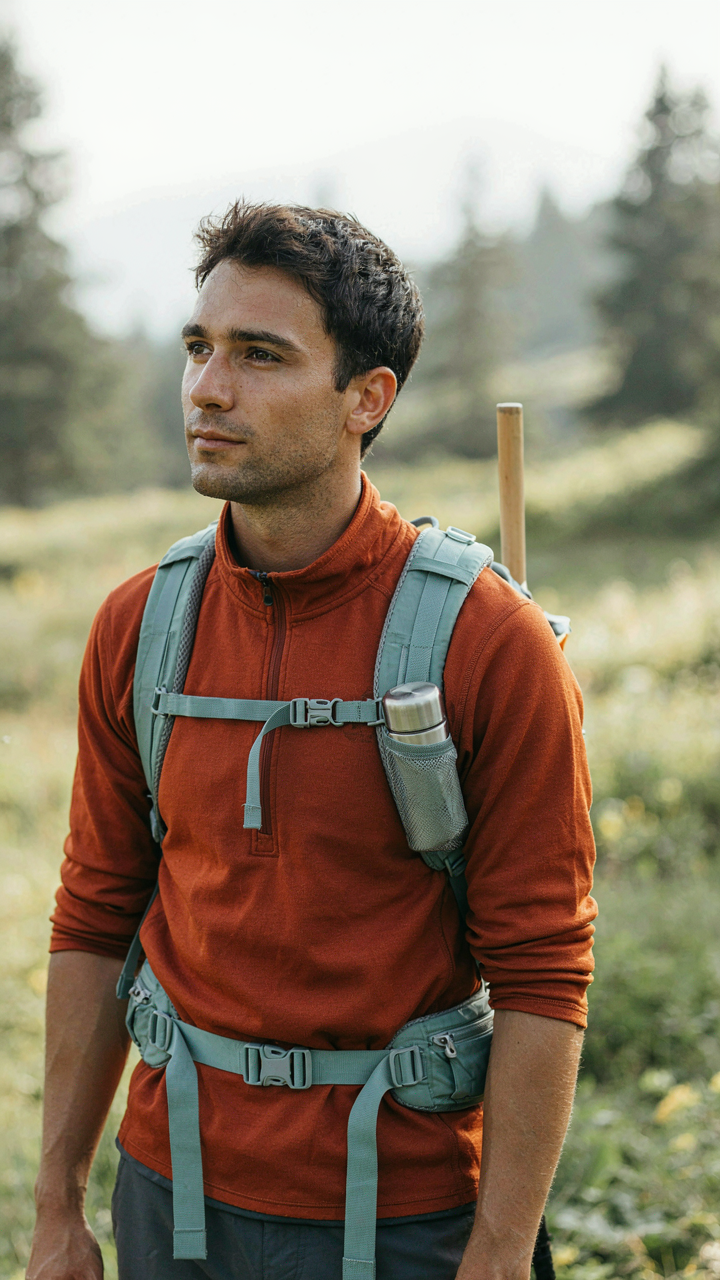
The Real Reason You’re Worried About How You Look
You want proof that your relationship is worth showing off. That’s the actual motive hiding under outfit research. The mechanism is simple: couples mistake visual documentation for emotional validation. A curated hiking photo feels like evidence of connection when the connection itself is what matters. The outfit becomes a proxy for intimacy you haven’t built yet.
Hot weather hiking reveals this gap fast. You can’t hide behind layers or controlled lighting. Your actual comfort, your real sweat, your genuine ability to move together on uneven ground—that’s what gets exposed. The couples who bond on trails aren’t the ones who matched their compression shirts. They’re the ones who stopped thinking about the camera and started thinking about the next mile.
Shared Strain Builds Actual Aesthetics
In biomechanics, “load bearing” refers to how systems distribute stress across multiple points. Apply that to couples hiking in heat: the visual bond you’re chasing emerges when two people genuinely share the physical load together, not when they’re performing it. This is the opposite of what Instagram suggests. Real aesthetic happens when you’re both tired, both committed, both moving forward with zero concern for angles.
The couple that actually looks good together on a trail is the one that dressed for function, not the photograph. They wear matching UV-blocking shirts not for symmetry but because they both researched what works in 90-degree heat. They chose the same lightweight pack because they solved the same problem independently. That coordination is authentic. That’s what reads as connection. Pick gear for heat management and shared challenges. Forget the styling. The bond shows anyway.
The Real Obstacle Isn’t The Heat; It’s Your Resistance To Discomfort And Aversion To Strategic Preparation
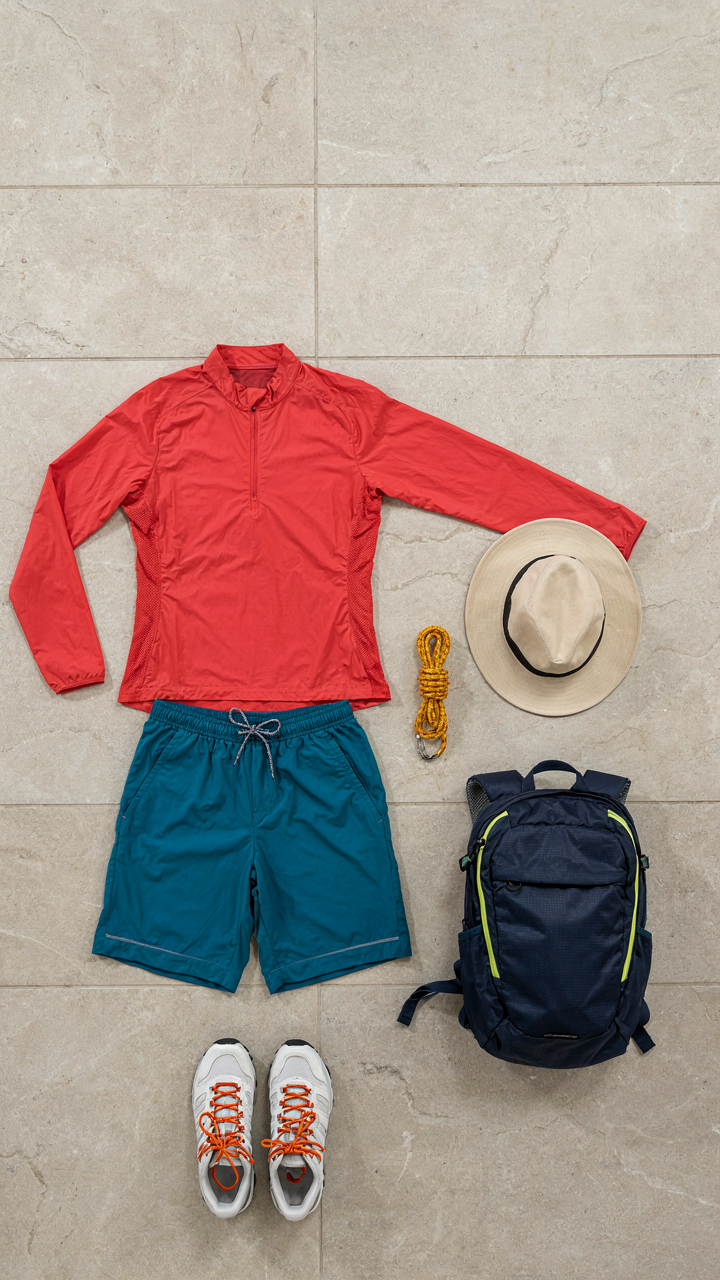
Most couples fail on hot weather hikes because they expect comfort. They don’t. You bring the right gear, you sync your pace, you move early before the sun wins. That’s it. Stop waiting for the perfect conditions. Open your closet right now and lay out one complete outfit using what you learned here. Your next hike depends on the decision you make in the next five minutes, not the one you make next month. Preparation beats motivation every single time.