

The Dehydration Delusion: Why Cotton Kills (Your Vibe And Your Body)
How Sweat Moves Through Fabric
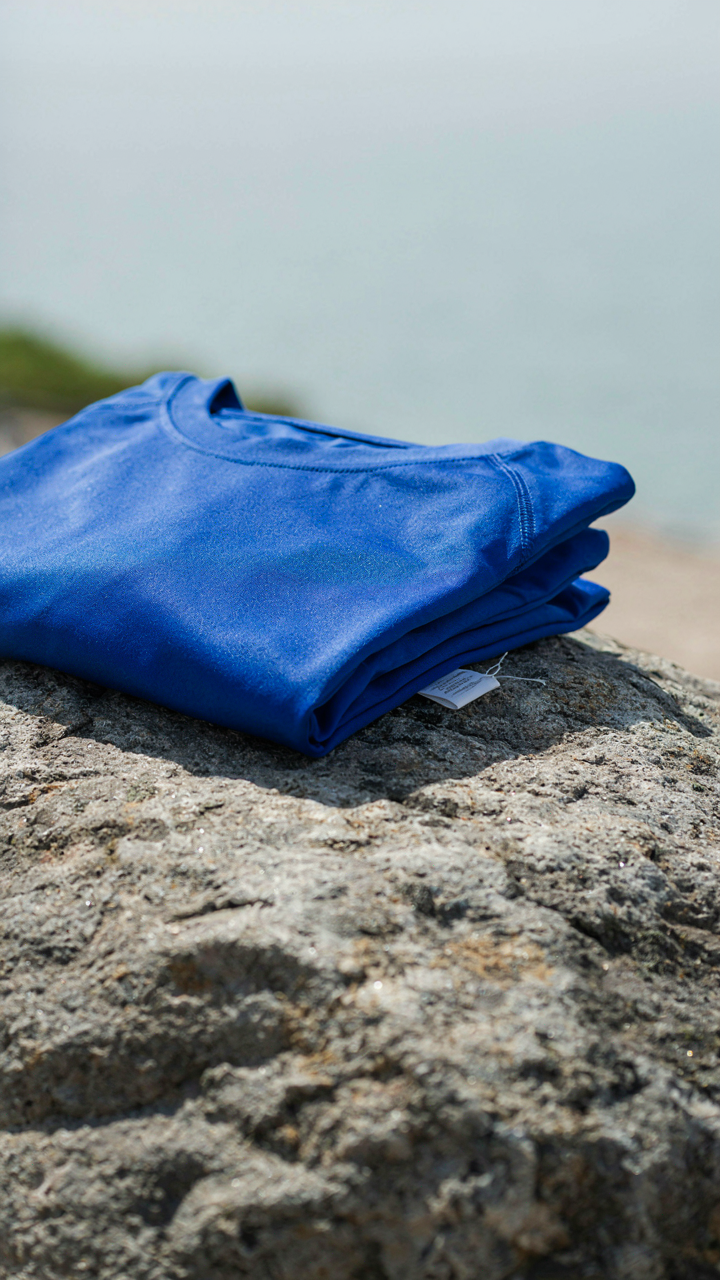
You want to believe cotton is fine because it’s cheap and you already own it. Here’s the mechanism: sweat management is a physics problem, not a preference problem. Cotton absorbs moisture and holds it against your skin. Synthetic fibers like polyester and nylon use capillary action to move sweat away from your body toward the fabric’s outer surface, where it evaporates. That evaporation is what cools you. Cotton’s absorption stops the process cold.
On a hot hike, cotton-covered skin stays wet and warm. Your core temperature climbs. Dehydration accelerates because your body wastes water trying to cool itself through sweat that never evaporates. Synthetics break this cycle by keeping skin dry and letting your sweat work as intended. The difference isn’t comfort. It’s whether your thermoregulation system functions or fails.
Synthetics Win When Heat Peaks

People say natural fibers breathe better. That’s incomplete. Breathability matters less than sweat transport when temperatures spike. Polyester and nylon fibers are hydrophobic—water-repellent by nature. They shed moisture instead of trapping it. Cotton is hydrophilic—it pulls water in. Under heat stress, this design flaw compounds. Cotton stays saturated. Synthetics dry faster and keep moving moisture away from skin.
Performance testing shows polyester-blend fabrics shed moisture 3 to 4 times faster than 100 percent cotton under identical sweat output and airflow. Your college wardrobe probably contains synthetic athletic wear already. Use it. A polyester t-shirt or a nylon-blend button-up outperforms any cotton option on a hot trail. Check the tag. If it says 100 percent cotton, leave it in the dorm.

The Sun’s Silent Attack: Beyond SPF And Into UPF Gear
UPF Ratings Explained Simply
You care about this because sunburn feels like a personal failure, not physics. Here’s what actually happens: UPF stands for Ultraviolet Protection Factor. It measures how much UV radiation penetrates fabric before hitting your skin. The rating tells you the fraction of UV rays that get through. UPF 50 blocks 98% of rays. UPF 30 blocks 97%. The difference is real but small. What matters more is fabric density and fiber type.
Most hiking shirts marketed to college students skip this detail entirely. They’re selling the brand, not the mechanism. Cotton t-shirts offer nearly zero UPF protection because fibers are loose and allow light to pass through. Synthetic fabrics like polyester and nylon weave tighter, naturally blocking more radiation. Wet fabric loses protection. Stretched fabric loses protection. A standard cotton shirt becomes a liability once you start sweating on the trail.
Thin Layers Win The Reflection War
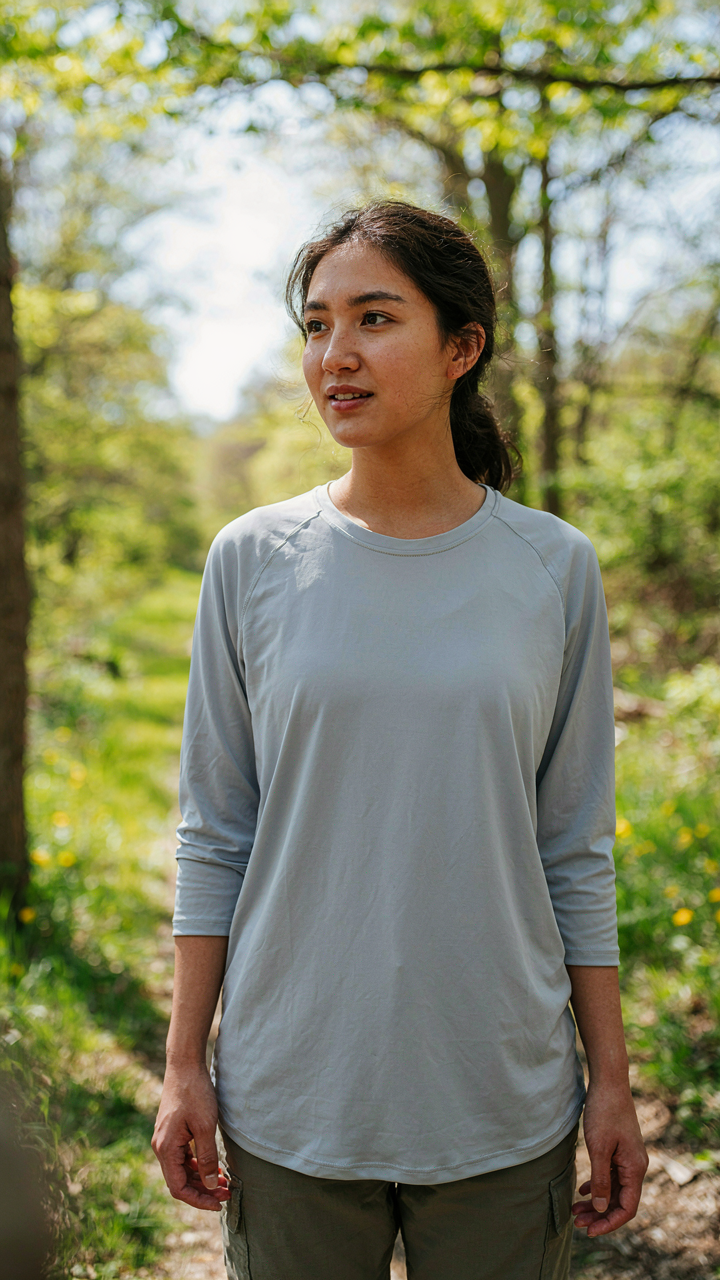
Thermal physics governs this: light reflects off light surfaces and absorbs into dark ones. Apply this directly to hiking outfits. White and light gray clothing reflects solar radiation away from your body instead of trapping it. Dark colors absorb that energy and convert it to heat against your skin. College students often wear dark compression shirts thinking they’ll stay cool. They won’t. Light-colored, loose-fitting synthetic layers do two jobs at once: they reflect sun and allow sweat to evaporate through the fabric.
Layering thin beats wearing one thick piece. A lightweight, loose UPF shirt over a moisture-wicking base layer creates airflow between fabrics. This gap lets heat escape. The outer layer catches sun rays before they reach your body. Wear your shirt loose enough to slip fingers underneath at the chest. When fabric clings to wet skin, it blocks evaporation and traps heat underneath. Your layering strategy fails if you ignore this one detail.
The “Hike Outfit” Footwear Fallacy: Where Trail Runners Beat Heavy Boots
Weight And Ventilation Matter More Than Ankle Support
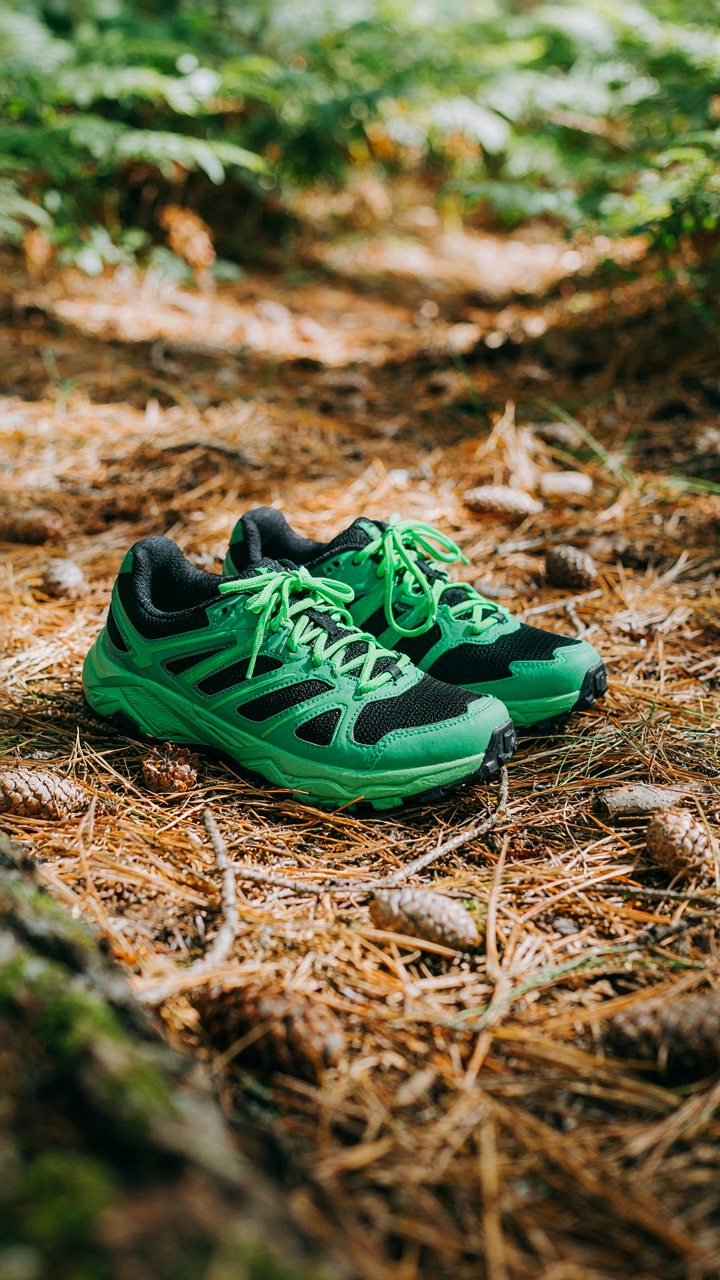
You want boots because you think they make you safer. They don’t. Thermodynamics governs this: heat dissipation depends on surface area exposed to moving air and the insulating layer trapping warmth against your skin. Heavy hiking boots create an oven. They lock heat in and reduce the airflow that cools your feet during sustained effort.
Trail runners weigh half what boots do. This cuts fatigue by the end of hour four. The mesh upper breathes constantly. Your feet stay cooler, your pace stays steadier, and you recover faster the next day. On college budgets and college knees, this matters more than ankle reinforcement you’ll rarely use on maintained trails.
Sock Construction Prevents Blisters Better Than Shoe Fit Alone
Most advice stops at “wear moisture-wicking socks.” That’s incomplete. Blister formation requires friction plus moisture plus heat. Merino wool or synthetic blend socks with a tight, seamless heel cup eliminate the friction variable while wicking sweat away. Fit matters, but the sock material does the actual work your shoe cannot do alone.
Buy socks that grip your heel without bunching at your toes. Test them on a short hike before committing to a long one. Replace them every 12 to 18 months because the fibers compress and lose their friction-reducing properties. Your blister prevention protocol starts with the sock, not the shoe.
The Minimalist “Backpacking Outfits” Protocol: Reducing Weight, Maximizing Efficiency
Gear Selection: Military Logistics Applied
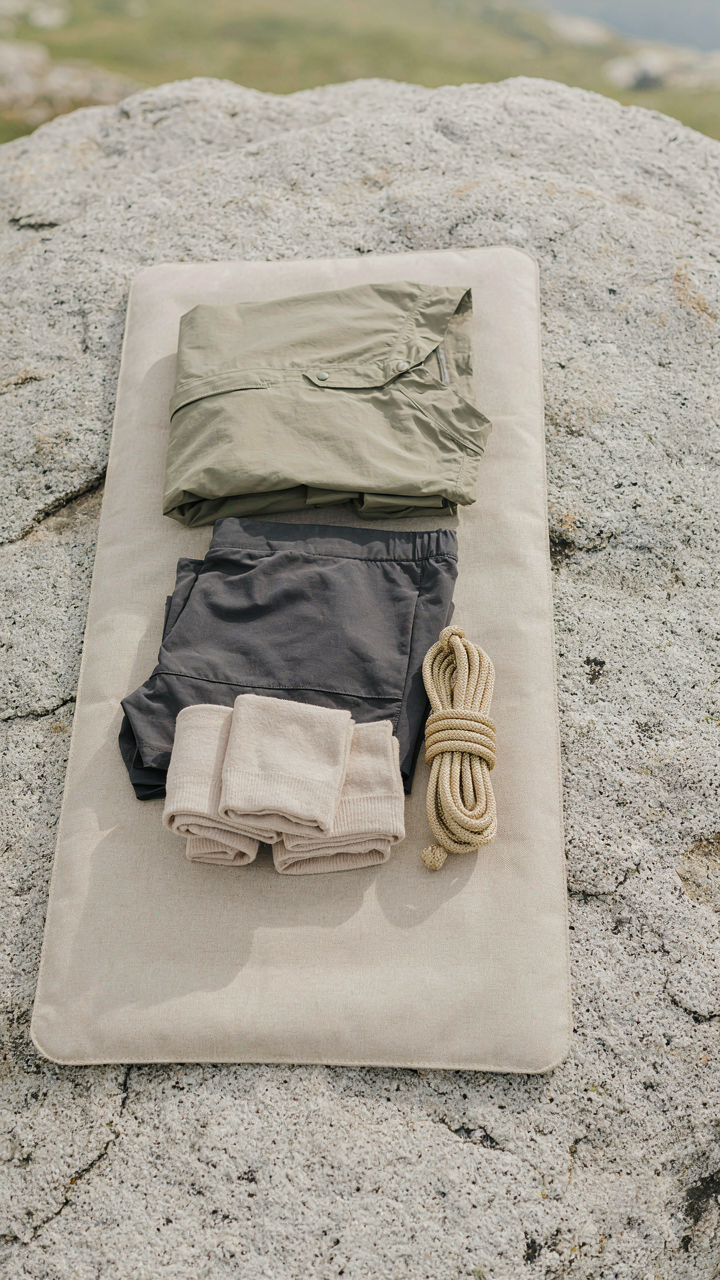
You want to feel like you’re doing this right without actually carrying dead weight up a mountain. Here’s the mechanism: military logistics borrowed the concept of “combat load” to describe only gear that directly contributes to mission success. Every piece of clothing on your body must earn its place through function, not aesthetics or security blankets. A college student on a hot weather hike operates under identical pressure: carrying excess gear burns calories you need, raises core temperature, and forces you to quit early.
The practical filter is ruthless. Ask one question per item: does this keep me cool, protect skin, or serve a secondary function? If it only addresses one problem and duplicates something else’s job, it stays home. Lightweight synthetic shirts that wick moisture are mandatory. Shorts should have minimal seams and pocket placement that won’t trap heat. Cotton socks stay packed. This isn’t minimalism for the aesthetic. It’s load optimization that directly extends your hiking window in high temperatures.
Layering Through Dual Purpose Items
Everyone talks about layering in hot weather like it’s some revelation. It’s not. The real move is building an outfit where every piece solves two problems at once without adding bulk. Lightweight long sleeves protect skin from UV and regulate temperature better than bare skin or cotton. A thin buff or headwrap becomes sunburn prevention, sweat management, and emergency first aid material. Convertible pants with zip-off legs aren’t a gimmick—they’re one item that adapts to temperature swings during elevation changes.
The math is simple: fewer total items means less to carry, less to manage, and less thermal mass touching your body. A quality synthetic base layer moves sweat away while providing modest sun protection, eliminating the need for both a separate sun shirt and an undershirt. Lightweight shorts with a built-in brief replace two separate items. One pair of quality hiking sandals or trail runners handles both camp and day use, cutting shoe weight in half. This approach works because it removes choices that drain mental energy and physical resources on the trail.
Outdoorsy Outfits Summer: The Illusion Of Cute Exploring Outfits Vs. Function

Durability Over Image
You want to look like someone who hikes, not someone who actually hikes. That gap costs you money, time, and sometimes your skin. The mechanism is simple: Instagram-worthy outfits prioritize color coordination and visual cohesion over the materials that keep you functional on a trail. Cotton looks fine. It fails at temperature regulation and absorbs sweat like a sponge, then takes hours to dry. Synthetic blends and merino wool do the actual work.
The difference is material science, not brand loyalty. Your college budget doesn’t require expensive gear, but it does require fabrics engineered for heat and moisture. A ten-dollar synthetic shirt from any athletic brand outperforms a forty-dollar cotton tee from a “hiking” aesthetic brand. The rule: if you can’t see the fiber content and performance rating on the tag, the outfit was designed for photos, not use.
What Actually Works On The Trail
Seasoned hikers repeat the same boring combinations because they work. You won’t see variation because variation introduces failure points. This isn’t ideology. It’s pattern recognition built on thousands of miles. Lightweight, quick-dry pants in neutral colors. Moisture-wicking base layers in synthetic or wool. A minimal upper piece that moves with you without excess fabric catching on branches or bunching under a pack. Hat or visor with ventilation. That’s the template.
The secondary layer system matters more than the primary outfit. A thin, packable rain shell and a lightweight fleece handle 90 percent of unexpected weather. Skip the oversized vintage band tee and the distressed shorts. Those choices signal you prioritize the story you tell about hiking over the actual hiking itself. Test your outfit on a two-mile trail in direct sun before committing to a full hike. If you’re adjusting straps, pulling fabric, or overheating after thirty minutes, the outfit is wrong.
The “Sunrise Hike Outfit” Strategy: Thermal Regulation For Dynamic Temps
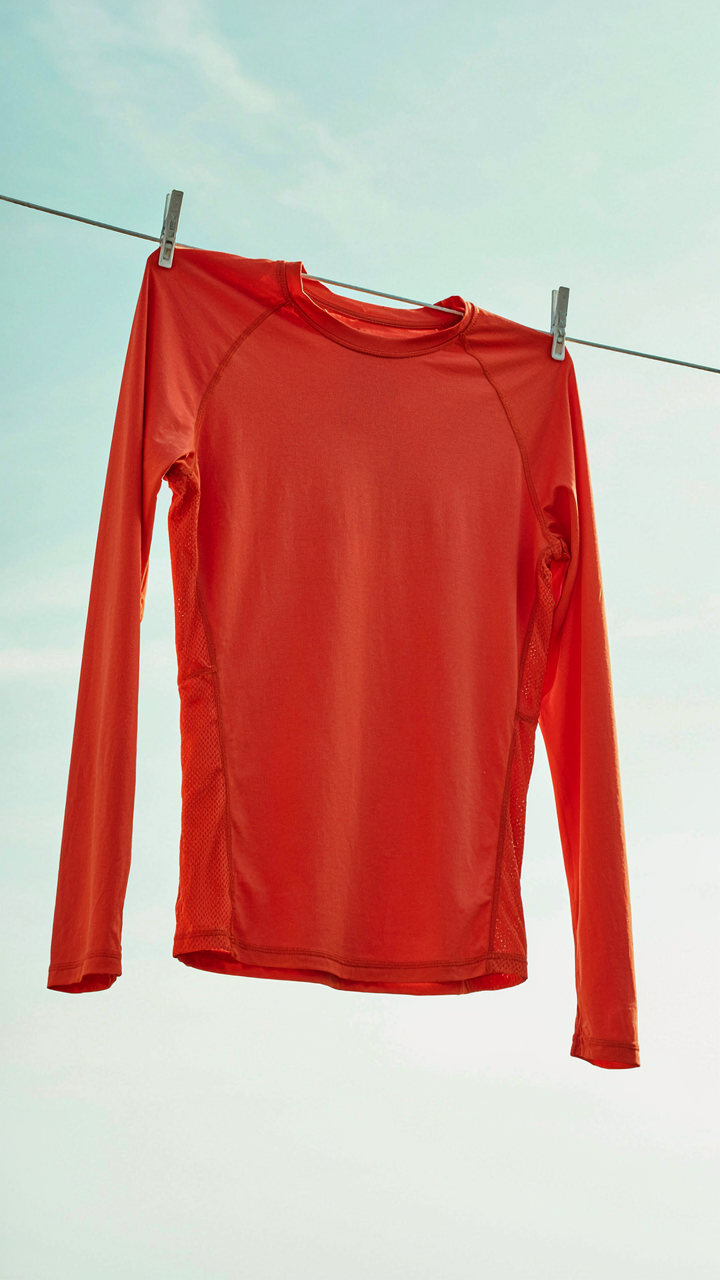
Early Morning Chill Demands Quick Drying Layers
You want to look competent on the trail without overthinking it. The real problem is that your body temperature swings 15 to 20 degrees between dawn and midday, and cotton holds moisture instead of shedding it. Thermodynamics doesn’t care about your outfit’s aesthetic. Wear a synthetic or merino base layer under a lightweight long-sleeve shirt. Both dry fast when sweat hits them. Start cold. You’ll warm up in the first mile.
Skip the advice about “layering for warmth.” You’re not summiting a peak at altitude. You’re hiking in heat. The actual mechanism is evaporative cooling. Damp fabric that can’t evaporate becomes a liability. Synthetic materials like polyester or nylon shed moisture in under an hour. Merino does it slightly slower but regulates odor. Wear one. Strip it or tie it around your waist when temps climb past 70 degrees. No exceptions.
Zippers And Mesh Create Airflow Without Stripping
Most hiking shirts marketed to students have one token mesh panel and call it ventilation. That’s lazy design. You need deliberate airflow channels. Look for full-length front zippers on your outer layer, not half-zips. This lets you modulate heat without removing the shirt entirely. Mesh panels work only if they’re positioned on your sides and back, where body heat naturally escapes.
The zipper placement matters more than total fabric weight. A lightweight shirt with mesh only at the shoulders traps heat in your core. A heavier shirt with side and back mesh vents actually cools better. Test the garment by closing the zipper and checking if air moves across your ribs and lower back when you open it partially. That’s your signal it’s functional. Buy based on vent placement, not brand name or price.
The “Mud Outfit” Contingency: When Trails Turn To Swamps
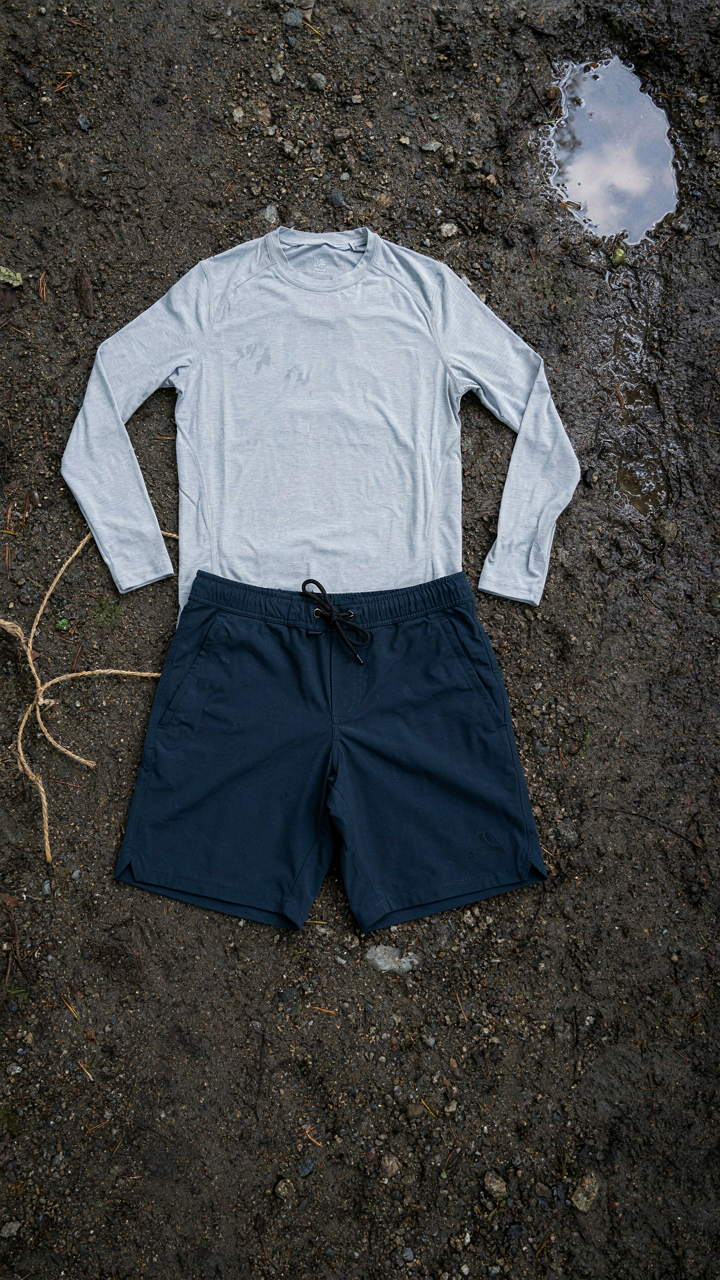
Water Resistant Materials Navigate Wet Conditions Without Saturation
You’re worried you’ll look unprepared if your outfit falls apart in unexpected weather. The real mechanism is saturation: when fabric absorbs water, it triples in weight, loses insulation value, and dries slowly in heat. Nylon and polyester repel water through their molecular structure, not through chemical coating. Cotton does the opposite—it wicks water in and holds it.
Most college hikers grab cotton blend gear because it’s cheap and feels familiar. Wrong choice for mud conditions. Synthetic base layers and shorts shed water before it penetrates the fiber. Nylon hiking pants dry in under two hours; cotton takes six to eight. The speed matters because wet fabric clings to skin, kills airflow, and accelerates heat loss through evaporation. Buy nylon or polyester outright and stop hedging with blends.
Easy Clean Fabrics Mitigate Post Hike Maintenance
The fabrics that repel water during the hike also reject mud when it dries. Mud slides off synthetic materials like nylon and polyester because dried mud lacks the adhesive grip it has on porous cotton. You rinse, it falls away. This is material science, not marketing: low surface energy fabrics naturally shed particulates. The post-hike cleanup time you save compounds through the semester.
- Nylon ripstop: Lightweight, dries fast, mud cakes and peels off when dry. Standard for hiking gear across all price points.
- Polyester blends: Synthetic core with minimal cotton content. Resists staining better than pure cotton while maintaining breathability in heat.
- Microfiber quick-dry shorts: Ultra-fine synthetic fibers shed water aggressively. Hand wash once, air dry in under ninety minutes.
- Treated hiking socks: Merino wool or synthetic blends treated for water resistance. Prevents blisters from mud-soaked cotton socks that stay wet all day.
- Synthetic tank tops and tees: Moisture-wicking base layers that don’t absorb mud particles into fiber structure like cotton undershirts do.
Buy synthetic outfits, hike in mud conditions, rinse gear at a faucet, hang it overnight. That’s the protocol—no laundry detergent debate, no stain-removal rituals, no fabric deterioration from repeated scrubbing.
The “Geographer Outfit”: Mapping Your Body’s Microclimates For Optimal Comfort

Where Sweat Actually Happens
You want to look like you know what you’re doing on the trail without overheating like an amateur. Here’s the mechanism: your body doesn’t sweat evenly. Sweat zones exist because your torso generates metabolic heat from climbing, but your extremities shed temperature through air exposure. Your back, armpits, and inner thighs pool moisture fastest because they trap heat and lack airflow. Standard advice tells you to “wear moisture-wicking fabric everywhere,” which is lazy and wrong. You need targeted ventilation where sweat actually accumulates, not a blanket solution.
Identify your personal sweat zones on a short warm hike before committing to a full outfit. Pay attention to where dampness first appears on your shirt, where your waistband sits uncomfortably, where friction builds between your pack and back. Your upper back likely sweats more than your forearms. Your groin area sweats more than your calves. Once you know your zones, you design around them: looser fabric in high-sweat areas, tighter compression in low-sweat areas to prevent chafing. This isn’t customization theater. It’s hydraulics.
Pressure Points And Temperature Zones
Thermoregulation uses the principle of differential pressure from fluid dynamics. Your core maintains one temperature, but your skin surface varies by zone exposure. A college student hiking in 85-degree heat with a tight base layer everywhere wastes energy fighting compression in cool zones while sweating through the hot zones anyway. The real play is zoning your layers by thermal load, not by fashion logic.
Split your outfit into three zones: high-heat zones get loose, breathable single layers with maximum airflow. Moderate-heat zones get fitted layers that wick without restricting movement. Low-heat zones get compression to prevent excess fabric flutter and friction. Your chest and shoulders might need a loose tank. Your legs might need fitted shorts. Your core stays warm enough that you skip the heavy base layer entirely. Test this on an easy hike first, then adjust density on harder climbs when metabolic heat spikes. The adjustment happens in real time, not before you leave the parking lot.
The Real Obstacle Isn’t The Heat; It’s Your Internal Algorithm For Evaluating Utility Over Perceived Trendiness

You already know what works. Lightweight fabrics breathe. Neutral colors reflect heat. Minimal gear moves faster. The problem is you’re waiting for permission to look “correct” while hiking in clothes designed for Instagram. Stop consulting what college hikers wear and start asking what your body needs at mile three when the sun hits different. Buy one cheap moisture-wicking shirt today and wear it on your next hike. Your comfort doesn’t require an aesthetic committee to approve it.