
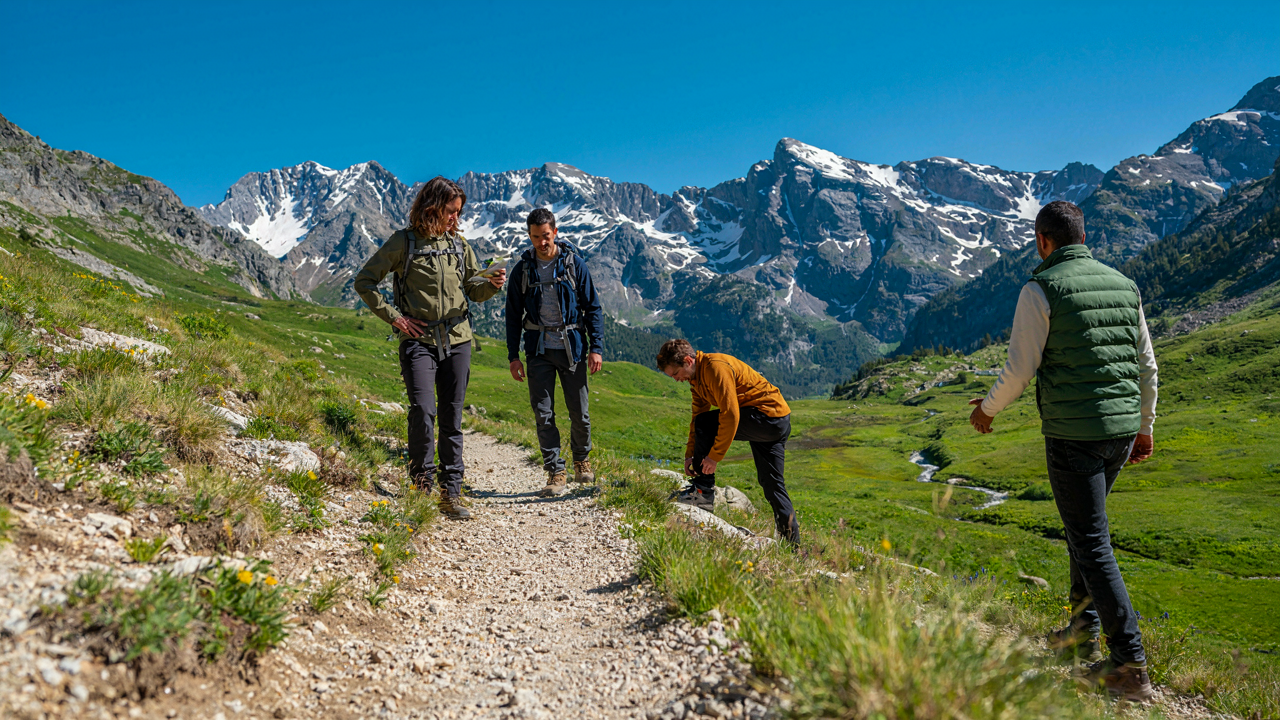
The Adventure Industrial Complex: Why Most Lists Miss The Point
What “Epic” Actually Means To You
You’re reading this because you want proof that your honeymoon will matter, that it’ll be different from everyone else’s. The mechanism is simple: travel content has monetized aspiration, so every destination gets flattened into the same five adjectives. What you’re really hunting for isn’t a hiking trail. You’re hunting for permission to spend the money and come back changed.
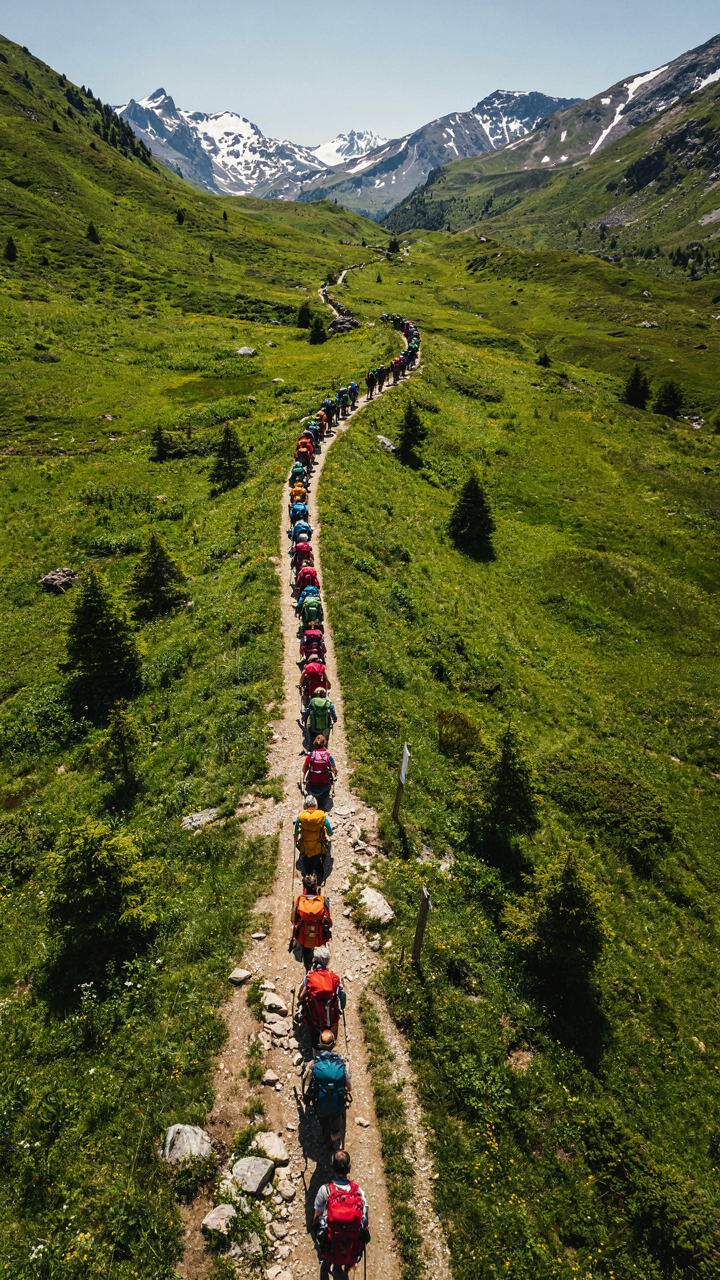
The problem is consensus. When ten thousand couples hike the same trail because a listicle ranked it number three, that trail stops being what made it valuable in the first place. The Inca Trail now processes more visitors annually than many small towns. Moraine Lake in Banff became so crowded that Parks Canada had to implement a shuttle reservation system. The mechanism here is supply and demand colliding with a fixed resource. The trail doesn’t change. Your experience does.
The Real Cost Of Looking Good Later

Instagram didn’t invent the desire to document your life, but it weaponized it. Now the destination matters less than the backdrop. You hike Patagonia not because the terrain teaches you something about yourselves, but because the granite spires photograph well at sunset. Most couples pick trails based on how many times they’ve seen them on someone else’s feed.
Here’s what gets missed: the best honeymoon hikes are often in places that produce zero viral content. Torres del Paine gets 100,000 visitors yearly partly because the images are stunning and shareable. Less crowded alternatives in Patagonia, like the Huemul Trail or the Dickson Lake circuit, offer comparable terrain and isolation but show up nowhere online. Your actual decision point isn’t which trail is best. It’s which one you can tolerate sharing with a thousand other people while pretending you discovered it first. Choose based on what challenges you as a couple, not what performs for an audience.
Beyond The Brochure: Unearthing Underrated Mountain Honeymoon Havens
Where The Crowds Aren’t
You want proof you made the right choice. That’s the real driver here. Nobody books a honeymoon destination to feel average, which is exactly why guidebooks push the same five mountains to everyone. The mechanism is simple: tourism boards market aggressively to the masses because scale works for their business model. But scale destroys what you actually want, which is solitude and novelty. The gap between “famous” and “good for honeymooners” is enormous. Most couples never test it.
The underrated mountains share a pattern. They’re accessible enough to not require expedition gear, dramatic enough to matter, and far enough from major cities that foot traffic stays low. Lesotho’s Drakensberg range, the Picos de Europa in northern Spain, and the Dolomites’ eastern valleys fit this profile. They’re not secret, but they’re systematically ignored by the honeymoon industrial complex. You need elevation gain, water access, and weather stability between April and October. Those three factors eliminate most noise and leave the actual candidates.
The Architecture Of Authenticity
Authenticity in mountain settings isn’t aesthetic preference, it’s information density. Borrow a term from ecology: niche specialization. A destination works for a honeymoon couple when every element serves the specific goal of two people moving through terrain together, not when it serves Instagram or resort operators. That means trailhead access without parking lots, lodging that doesn’t broadcast its existence, and local food systems that still function primarily for locals, not tourists.
Most advice here is incomplete. People say “go where fewer tourists go,” which is useless without measurable criteria. The real test: Can you walk into the town’s main restaurant without a reservation and eat what residents eat? Can you hire a local guide through word of mouth instead of booking platforms? Is there cell service, or do you need to plan routes offline? These aren’t romantic questions, they’re structural ones. They determine whether you experience the place or experience other tourists experiencing the place. Verify all three before booking.
The “Forge Your Bond” Protocol: Hiking Beyond Romance
Stress Is The Actual Glue
You want to believe romance builds relationships. It doesn’t. You’re hoping shared hardship will deepen your connection without forcing you to confront actual conflict. Here’s the mechanism: stress hormones synchronize two nervous systems. When you’re both tired, exposed to cold, facing a real navigation problem together, your bodies release cortisol and adrenaline in tandem. This creates a shared state that bonds faster than candlelit dinners ever could. Honeymoon hiking destinations work because they manufacture controlled stress.
The Appalachian Trail, Kilimanjaro, the Milford Track in New Zealand—couples report post-hike relationship shifts not because the scenery was pretty, but because they navigated real problems together. Altitude sickness, blister management, route decisions under fatigue, carrying weight when exhausted. These aren’t romantic moments. They’re stress-tested moments. Your partner sees how you behave under pressure. You see how they handle their own frustration. That visibility builds trust or exposes incompatibility. Either way, you know more than you did before.
Small Failures Stack Into Competence
Everyone says couples should “work through challenges together.” That’s too vague to execute. What actually works is treating a hiking trip like a stress-inoculation protocol borrowed from military training. In that framework, you expose soldiers to controlled failure repeatedly at low stakes to build psychological tolerance. Each small failure on a trail—miscalculating distance, reading a map wrong, taking a wrong turn, failing to pace properly—becomes a data point your relationship learns from.
The couple that summits Huayna Potosí in Bolivia or Mount Kilimanjaro in Tanzania doesn’t do so because they never struggled. They summit because they failed small and adapted. Day one, you learn how to pack. Day two, you learn your actual fitness level versus your assumed level. Day three, you adjust strategy based on that gap. By day five, you’ve collectively solved problems without blaming. By the end, you have a shared protocol for handling setback. That protocol transfers to finances, parenting, career decisions. The hike trained your relationship’s operating system.
Gear For Grit, Not Glamour: Essential Hiking Couple Prep
Pack Light, Move Fast
You want to look like you know what you’re doing without actually having to learn. The real mechanism is this: every ounce you carry taxes your nervous system, not just your legs. Your body burns extra energy managing weight, which means less patience, more conflict, faster fatigue. Couples hiking fail when one person’s pack weight exceeds 20 percent of their body weight. The math is brutal. Lighter pack equals longer mood, simpler decisions, real enjoyment instead of survival mode.
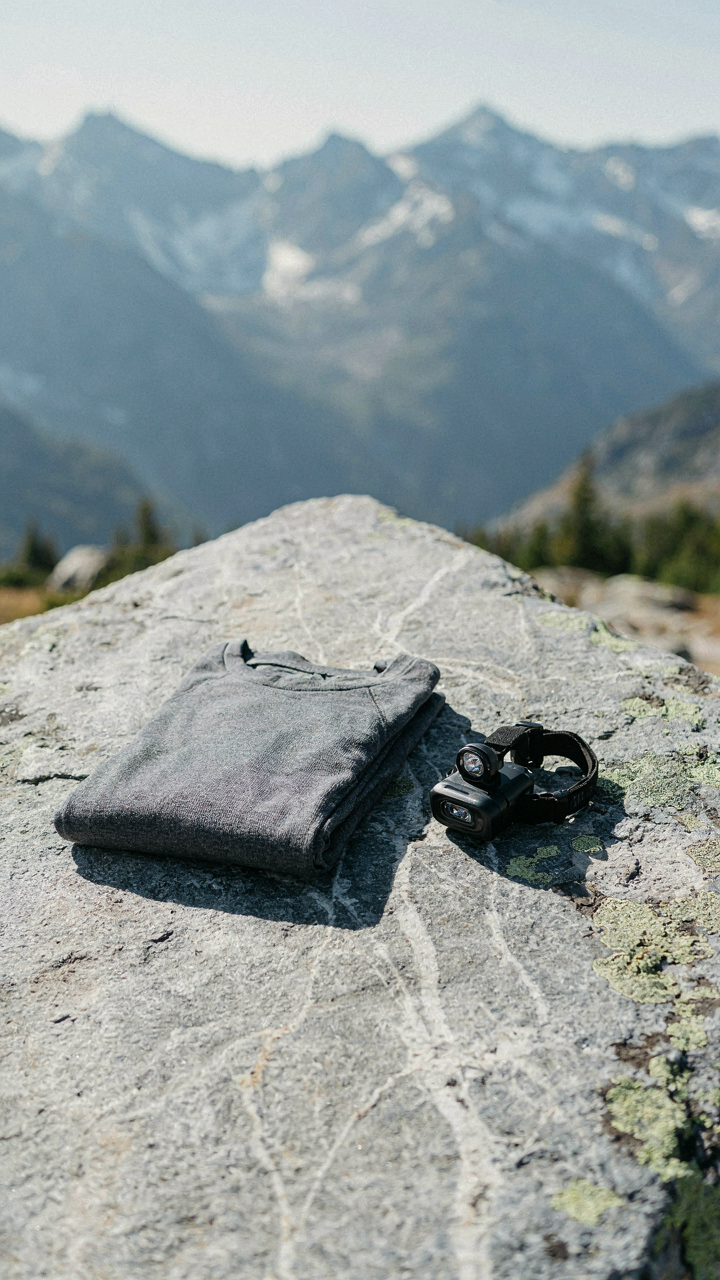
Strip your gear down to what solves a specific problem on the trail. Most honeymoon hikers pack redundant clothing, excessive toiletries, and items they’ll never touch. A merino wool base layer handles temperature swings better than cotton without adding bulk. One headlamp shared between two people. One water filter instead of carrying gallons. One lightweight tent instead of a heavy shelter. The couples who finish their hikes and want to do it again are the ones who didn’t hate the weight halfway through.
Built For Survival, Not Instagram
The common advice here is wrong. People tell you to “be prepared for anything,” which translates into anxiety-driven overpacking and decision paralysis before you even start. Real safety on a honeymoon hike follows a triage system borrowed from emergency medicine: identify the most likely threat first, then prepare for it with precision.
The most frequent honeymoon hiking incidents come from dehydration, navigation errors, and minor injuries like blisters or sprains, not avalanches or bear attacks. Weather changes and twisted ankles end trips. Prepare for these.
- Water filtration system: Portable filters like the LifeStraw or Sawyer Squeeze weigh under 3 ounces and let you drink from any source. Carry 2-3 liters of capacity total between you.
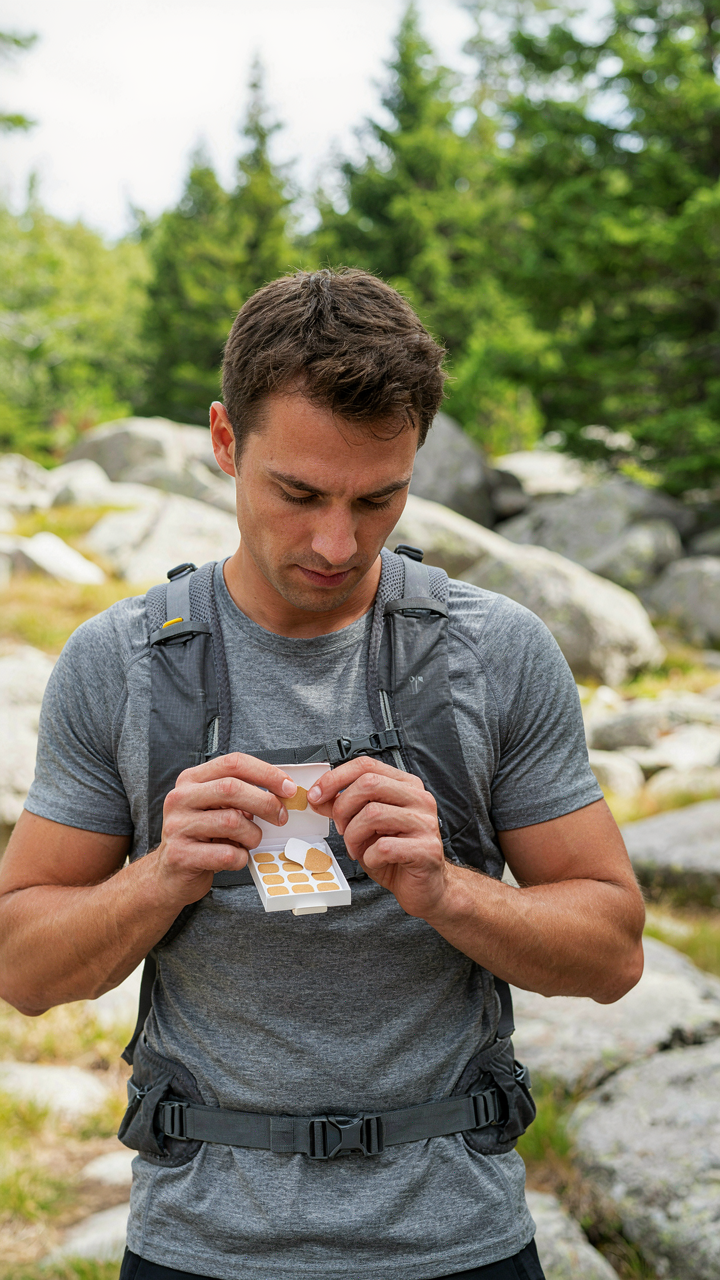
- First aid essentials: Blister treatment, athletic tape, pain relief, and a compression bandage handle 90 percent of trail injuries. Skip the massive kit.
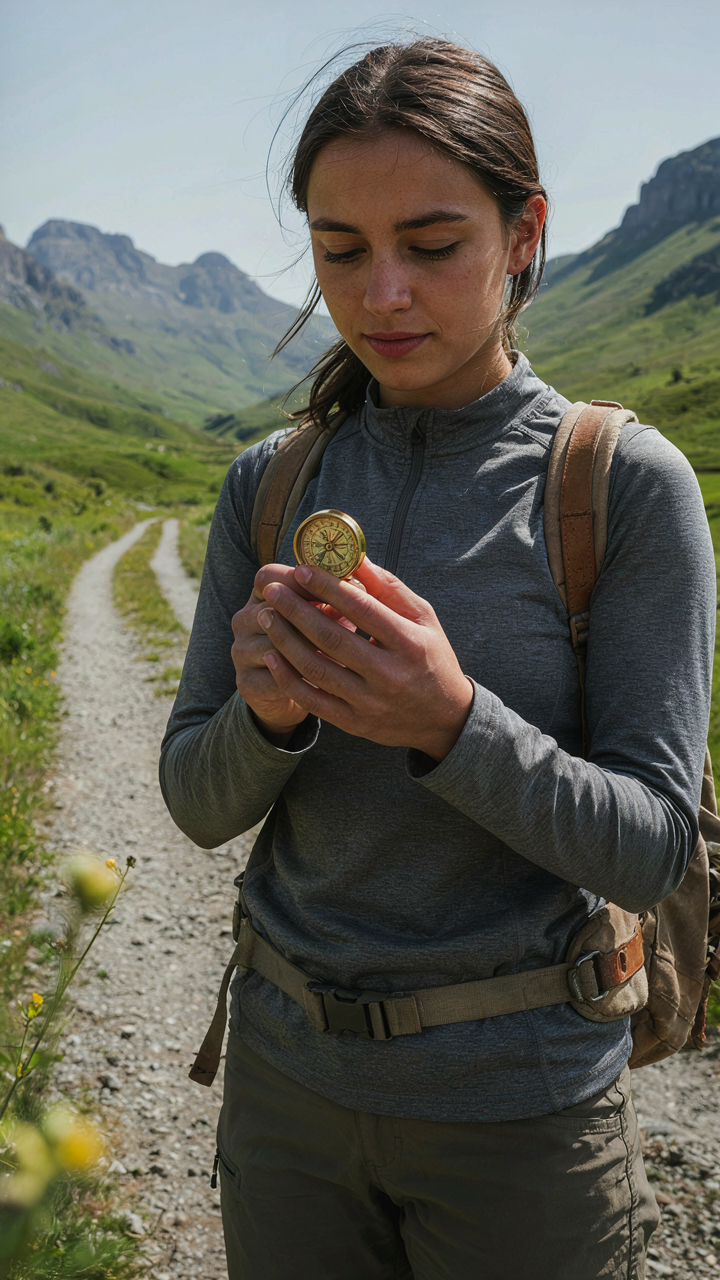
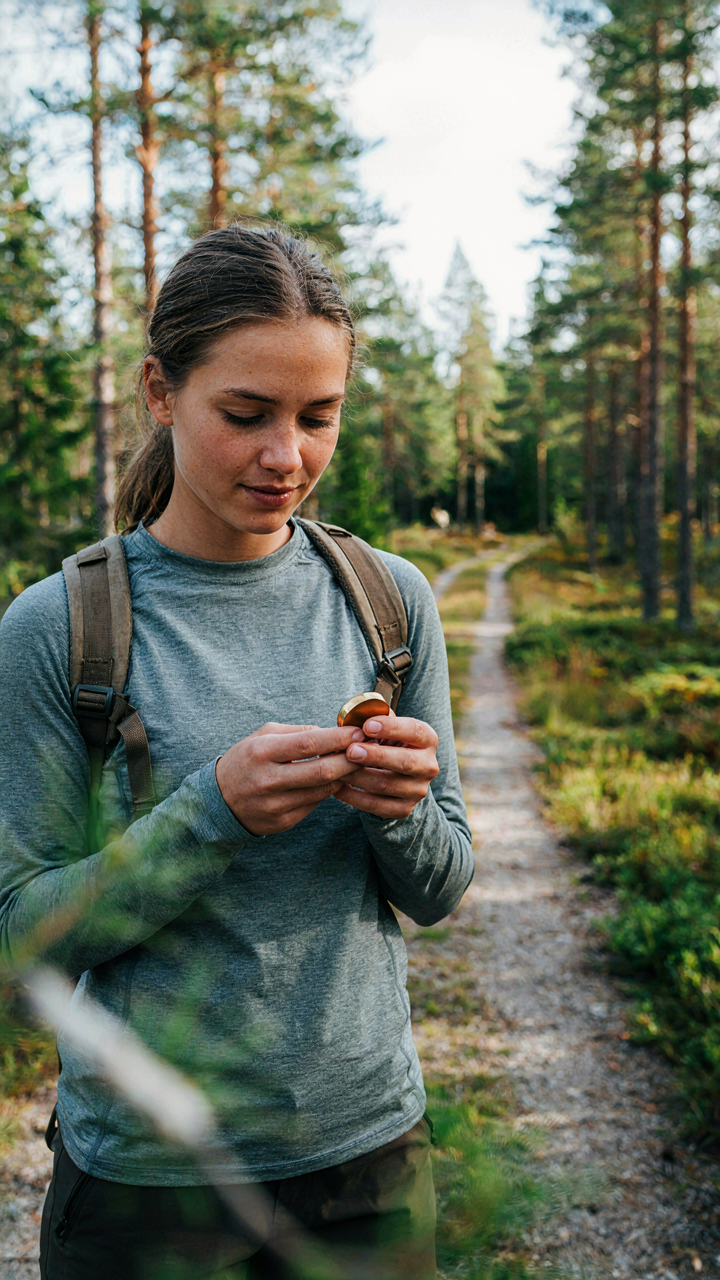
- Navigation backup: Carry a physical map and compass even if you use GPS. Battery dies. Paper doesn’t.
- Weather layer: One insulating midlayer and a rain shell per person. Mountains change weather in hours, not days.
- Communication plan: Know where cell service cuts out. Leave an itinerary with someone off the trail showing start time, expected return, and bailout points.
Your safety protocol isn’t the gear you own, it’s the decisions you make before you leave. Check weather 24 hours before departure. Know your exit route. Turn back at a set time, not when you feel tired. The couples who return unbroken follow the protocol, not the Instagram gear list.
The Stoic Summit: Embracing Discomfort For True Connection
When The Trail Breaks You Both
You want a honeymoon that proves something about your relationship. You need proof. Here’s what actually matters: stoicism isn’t about suffering in silence—it’s about separating what you control from what you don’t, then acting decisively on the controllable variables. On a trail, this means you stop negotiating with altitude, weather, or muscle fatigue. You control effort, pacing, and how you interpret the difficulty. That shift changes everything.
Most couples hike as tourists. They expect comfort with better views. Real connection happens when both people stop expecting the trail to be manageable and start expecting themselves to be capable. The Inca Trail to Machu Picchu, the Overland Track in Tasmania, or the Tour du Mont-Blanc force this realization fast. By day two, you’re not thinking about Instagram captions. You’re thinking about water, calories, and whether your knees will cooperate tomorrow. That’s where actual partnership begins.
Obstacles Are The Relationship
What psychology calls “shared adversity bonding,” honeymoon hikers experience as synchronization. When one person hits a wall at 11,000 feet, the other doesn’t fix it—they sit next to it. They drink water together. They keep moving. The couple that summits Kilimanjaro together doesn’t succeed because they’re fit. They succeed because they’ve negotiated a protocol: when fatigue hits, who leads, who paces, who goes silent, who talks. You build this protocol in real time on the trail, not in therapy before it.
The mistake couples make is treating obstacles as interruptions to romance. They’re the opposite. Obstacles are where you learn if someone stays present when things get hard. On the Haute Route between Switzerland and Italy, altitude sickness isn’t a problem to avoid—it’s information about how you two solve problems together. One person might need to descend slightly while the other scouts water. One person might need to sleep while the other handles camp setup. You discover roles. You discover patience. You discover if you actually like each other when comfort is gone.
Capturing The Unfiltered: Real Hiking Couple Pictures, Not Posed Fakes

Why Your Phone Camera Beats The Professional Shot
You want proof that this honeymoon hiking thing actually works for real people, not just Instagram models in matching outfits. The mechanism is simple: authenticity signals competence. When you see a couple muddy, sweating, genuinely tired at 11,000 feet, your brain registers that as real data. A staged sunset photo registers as marketing. The difference matters because you’re making a decision, not consuming entertainment.
Most couples photograph hiking wrong. They wait for the perfect light, arrange themselves, then waste energy on composition. This kills the actual experience. Shoot during the hike, not for it. Phone cameras now capture dynamic range that rivals older DSLR gear, and the friction of just pulling out your phone means you catch moments as they happen, not as you’ve planned them. The best hiking couple photos come from the moments you almost miss.
The Walk Itself Deserves The Frame
Stop thinking about destinations and start documenting transitions. The real story of a honeymoon hike isn’t the summit or the view—it’s the three-mile section where one of you hits a wall and the other adapts, or where you both laugh at a miscalculated pace. These moments define whether a trip was a success or a source of resentment. Film the switchbacks, the water breaks, the navigation confusion, the recovery. These tell the truth about compatibility under stress.
The protocol is straightforward: one designated phone photographer per day, 15-minute rotation. This removes the awkward “are we taking pictures again” tension. Shoot continuous video instead of stills in high-altitude sections—you’ll capture real breathing, real communication, real pacing. Video clips edited into a simple timeline afterward become far more useful than a gallery of posed summits. You end up with a reference guide for future trips and honest proof of how you two function when fatigue is high and oxygen is low.
The “Evolutionary Fitness” Framework: Why Adversity Drives Attraction
Hardship Reveals Who Actually Shows Up
You want to believe your partner loves you unconditionally, but you’re really asking whether they’ll stay when things get uncomfortable. Biology doesn’t care about promises. It cares about behavior under load. In evolutionary terms, a multi-day mountain trek is a stress test that separates signal from noise. Your body releases cortisol. Your legs burn. You’re tired, hungry, exposed. That’s when you find out if your partner manages their own discomfort or dumps it on you.
The mechanism is simple: adversity strips away the performance layer. On a flat trail through a manicured park, anyone can smile and seem present. At 11,000 feet on day three, running on fumes, you can’t fake resilience. A partner who adapts, problem-solves, and stays steady in that state is demonstrating actual partnership material, not just compatibility in comfortable conditions. That distinction matters because comfort fades. Difficulty returns.
Shared Struggle Rewires The Bond
Evolutionary psychology maps this through pair bonding, and the principle works like load-bearing in architecture. A shared load changes the structure of a relationship. Two people carry separate weights fine. Put them on the same rope crossing a difficult pass, and they either synchronize or fail. The synchronization requires trust, communication, and mutual vulnerability happening simultaneously, not sequentially.
When couples summit together or navigate a difficult descent as a unit, their brains release oxytocin in response to the shared challenge and its resolution. Shared triumph strengthens pair bonds because your nervous system learns that this person is safe when stakes are high. That neurological shift doesn’t happen in restaurants or on couches. It happens when both of you are slightly scared, fully present, and making it work anyway. Book a 4-day alpine trek where the terrain demands constant coordination.
Beyond The Hike: Integrated Experiences For The Adventurous Couple Aesthetic

Trails Woven Into Local Culture
You want proof that your trip matters. That’s the real reason you’re reading this. Most couples treat hiking and local culture as separate activities: hike in the morning, eat at a tourist restaurant at night. The mechanism is simple: culture isn’t a side quest. It’s the substrate the trail sits on.
In Peru’s Sacred Valley, the Inca Trail works because the trail itself is the culture. You’re not visiting Incan history and then separately hiking a mountain. The two are fused. Compare this to generic alpine trails in developed regions where the hike exists independent of any cultural context. The difference matters because it transforms how you experience effort. When you understand why a path exists, why locals built it that way, the physical act becomes meaningful rather than just cardio with a view.
Research regions where the trail has functional history, not just aesthetic value. The Kumano Kodo pilgrimage routes in Japan exist because monks and pilgrims walked them for centuries to reach temples. The Drakensberg Mountains in South Africa hold San rock art sites accessible only by foot. The effort to reach these places compounds their significance. Your honeymoon becomes documentation of something real, not just consumption of scenery.
Recovery Protocols That Compound Value
Most advice here is generic: soak in hot springs, get a massage. That’s incomplete. Anthropology offers the real framework: ritual creates meaning through repetition and structure, not randomness. You’re not just recovering. You’re building a shared protocol that becomes part of your couple identity.
Design a specific post-hike ritual that mirrors the intensity of the hike itself. If you hiked for six hours at altitude, your recovery can’t be passive lounging. It needs deliberate structure. Some couples establish a rule: one hour of movement recovery (slow walking, stretching, or swimming) before any stationary recovery. Others use local bathing traditions as the centerpiece, not as add-ons. In Iceland, hiking Laugavegur Trail followed by geothermal pool time isn’t a bonus. It’s the intended cycle. In New Zealand, Milford Track hikes end with actual thermal pools nearby, not by accident.
Build a three-part protocol: active recovery phase (light movement), passive recovery phase (thermal water or massage), and reflection phase (journaling or conversation about the hike without distractions). Apply this same structure after every major hike on your trip. By the third hike, you’ll notice the ritual shapes how you experience the effort. Your body learns to anticipate recovery. Your mind associates hiking with a predictable sequence of care. Document what works. You’ll return to this protocol on future trips.
The Anti Fairytale: Crafting Your Own My Kind Of Love Narrative
Romance Isn’t Your Real Problem
You’re reading this because you’re terrified of looking like everyone else on Instagram, and that fear is actually smart. The mechanism is simple: most couples outsource their honeymoon narrative to Pinterest templates and resort brochures, then wonder why the experience feels like they’re performing someone else’s marriage. Hiking destinations expose this immediately. You either choose terrain that matches how you actually move through the world together, or you spend two weeks faking enthusiasm for a postcard.
The difference between a memorable honeymoon and a forgettable one isn’t the location. It’s whether you built the experience around your actual preferences or borrowed someone else’s. A couple that hikes 14 miles daily in the Tetons because that’s their language will have a better story than a couple that sips wine at base camp because that’s what they thought honeymoons require. One is real. One is performed.
Define Success Before You Book
Most honeymoon guidance tells you to “make memories” or “celebrate your love.” That’s useless. Use an economic framework: you’re allocating finite resources (time, money, physical capacity) toward outcomes you should name before departure. Success looks different for everyone. For some couples, success means summiting peaks together. For others, it’s covering distance without pressure. For others still, it’s hiking half days and sitting by water the rest. The mistake isn’t picking “wrong” terrain. It’s not deciding what winning looks like first.
- Physical capacity matching: Ensure both partners can sustain the daily mileage without one person sacrificing comfort for the other’s ambition.
- Skill requirement alignment: Choose trails that match your actual climbing or scrambling experience, not what you think you should be able to do.
- Scenery versus effort trade offs: Decide if you want iconic summits (higher exertion) or valley loops (lower commitment, better conversation space).
- Crowd tolerance: Define whether you want solitude or the energy of populated areas; this changes destination choice entirely.
- Weather flexibility: Establish whether you’ll adjust itineraries for conditions or commit regardless; this determines destination timing.
Once you’ve named these metrics, filter destinations against them. The Inca Trail works for couples who value structured challenge and cultural context. The Kungsleden in Swedish Lapland works for couples who want distance without technical risk. The Routeburn in New Zealand works for couples who want dramatic scenery with moderate daily distances. None of these is objectively “best.” Each is correct for a specific type of couple who answered these questions honestly before booking.
The Unspoken Cost Of Comfort: Why Easy Honeymoons Fail
Comfort Erodes Shared Identity
You’re worried an uncomfortable honeymoon will damage the relationship before it starts. The mechanism is the opposite. Couples who hike demanding terrain together build what psychologists call “mutual competence”—the belief that your partner can handle what life throws at you. Resort honeymoons create a false baseline. You’re both relaxed. You’re both fed. You’re both on vacation mode. None of that translates to real life.
When you return home and stress hits, you have no shared reference point for how your partner performs under pressure. A couple that summits Kilimanjaro together knows exactly how the other responds to fatigue, fear, and failure. They’ve seen it. They’ve relied on it. This is the actual foundation of long-term partnership—not comfort, but proven capability under strain.
Adversity Becomes Your Proof
The common advice says “take it easy on your honeymoon” or “save the hardcore hiking for later.” This misses the window. Honeymoons are the moment when difficulty still feels romantic because you’re in the story together. Six months later, when you’re tired from work, proposing a challenging hike feels like punishment, not adventure.
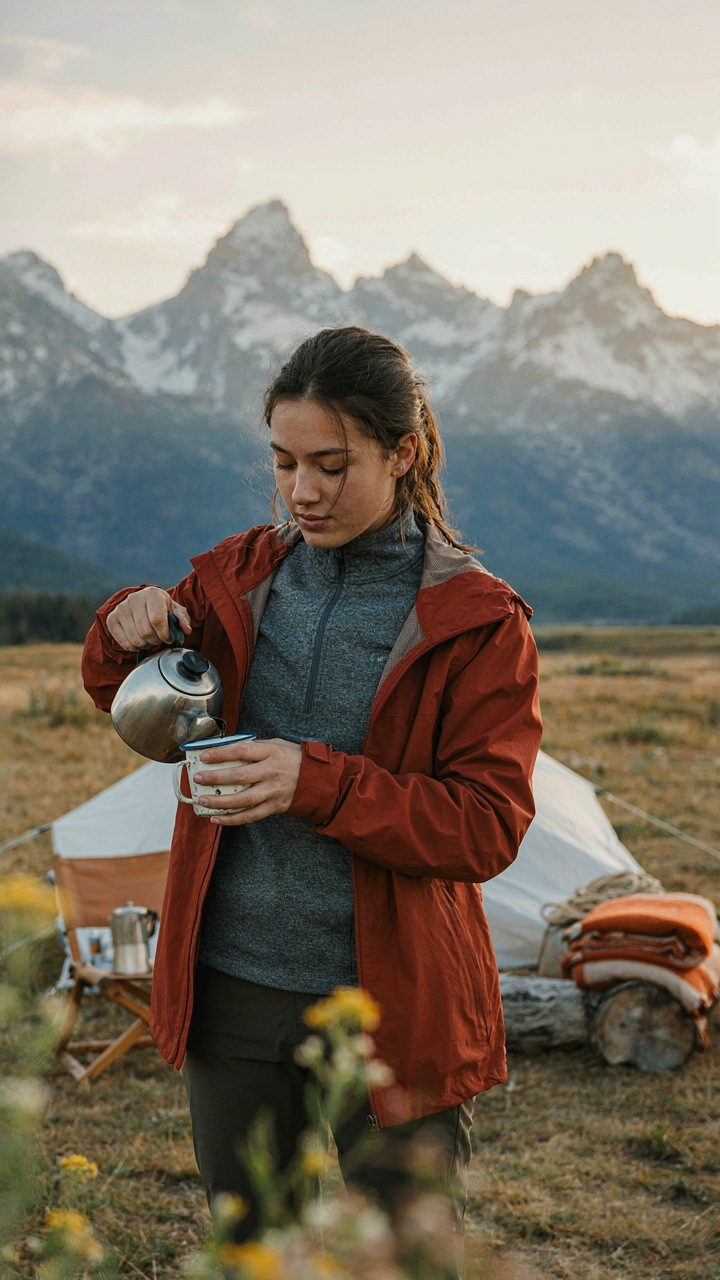
Shared adversity during a honeymoon hike creates what couples therapists call “adventure bonding”—a specific memory of choosing difficulty together and surviving it. When you stand at a high camp in the Tetons at sunset after a brutal day of elevation gain, you’re not thinking about comfort. You’re thinking about the fact that you both showed up. This proves something. Encode that proof into your relationship now, not later.
Your Greatest Obstacle Isn’t The Trail; It’s Your Expectation Of Comfort

Most couples sabotage their honeymoon hiking before they arrive. They chase Instagram perfection instead of embracing the actual experience. Blisters, sweat, and altitude headaches aren’t problems to avoid—they’re the price of entry to something real. Stop scrolling curated trail photos and pick one destination this week. Book it. The couple that thrives on a honeymoon hike isn’t better prepared. They just decided discomfort was worth the view.