
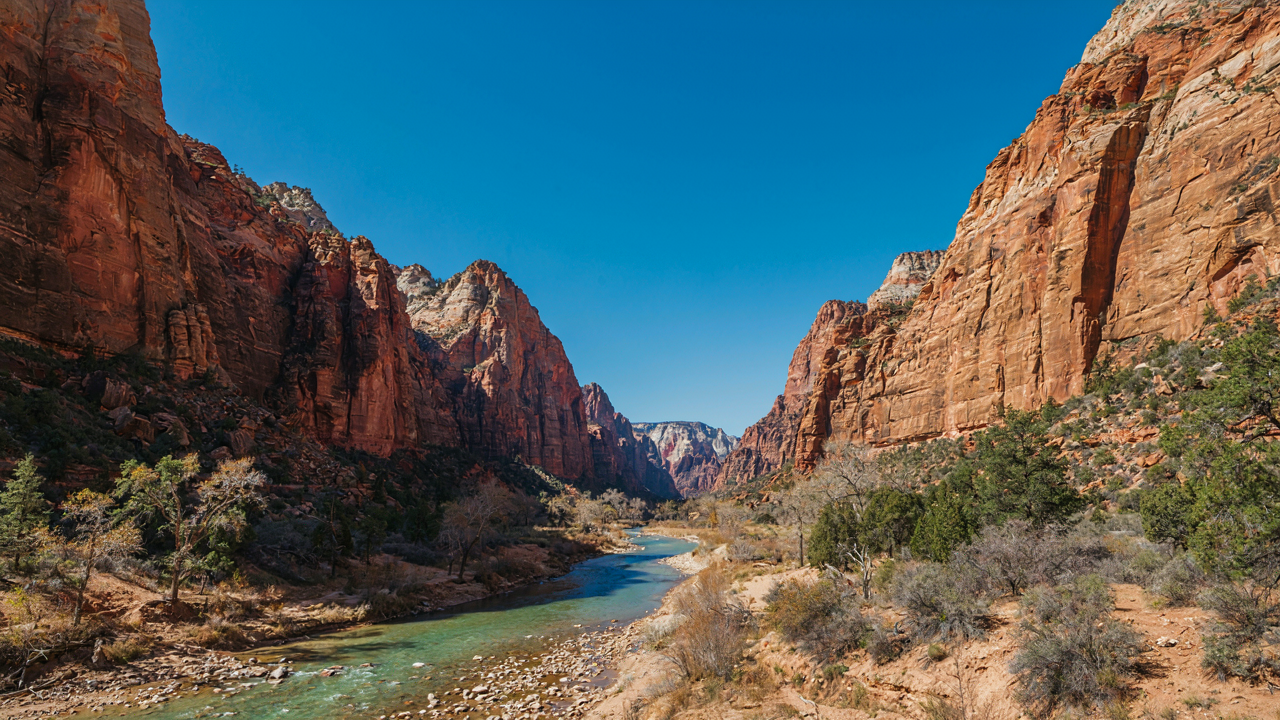
Beyond The Brochure: What Zion National Park Truly Demands
The Body Keeps Score, Whether You Plan For It Or Not
You want to believe Zion is manageable because you want to believe you are. The real mechanism at work is cumulative strain—not the kind you feel at mile two, but the kind that compounds across elevation gain, heat exposure, and sustained muscular endurance. Zion doesn’t punish you in one dramatic moment. It extracts a debt payable in dehydration, joint stress, and glycogen depletion that most hikers only recognize after they’ve already spent it.
The trails demand sustained exertion at 5,000 to 8,000 feet elevation with minimal shade and minimal mercy. Your cardiovascular system works harder to process oxygen. Your muscles burn through glycogen faster than on flat terrain. Psychological fatigue sets in when the trail refuses to summit—the Narrows, Angels Landing, and The Subway all demand hours of unbroken focus. Most hikers train their legs and ignore their mental capacity to maintain concentration on exposed terrain for four to six hours straight. That’s the gap between finishing and suffering.
Access Isn’t Proximity, It’s Preparation

The myth persists: Zion has easy trails. Most people mistake short distance for easy terrain. The Narrows is 4.7 miles but involves water immersion, slick rocks, and constant footing adjustment. Angels Landing is under three miles but includes chains bolted to a ridge with 1,000-foot exposure and loose sand. Valley Loop is flat but runs six miles through sun with no water stations. Easy access means a paved parking lot and a trail head thirty minutes from your car—not a trail that won’t break you.
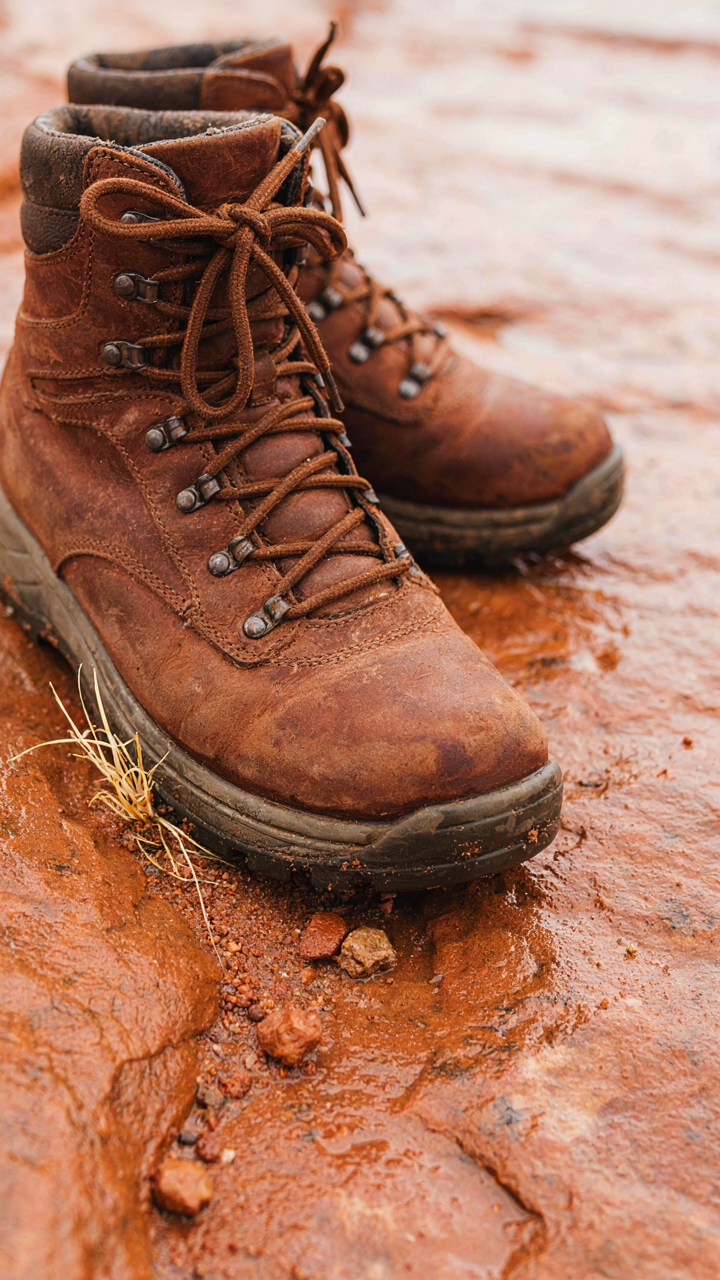
What separates prepared hikers from unprepared ones is pre-hike protocol, not trail difficulty ratings. You need to know your exact water consumption rate at elevation and heat, calculate your caloric needs for the specific trail length, and verify your footwear won’t fail on wet stone. Start with one moderate trail to establish your actual performance baseline. Record your pace, water intake, and energy levels. Use that data to select your next trail. The park doesn’t care about your intentions. It responds only to preparation.

The Zion Calibration Protocol: Assessing Your True Readiness
What You Can Actually Handle
You want to know if you’re ready because admitting you’re not ready feels worse than getting injured. Here’s the mechanism: elevation gain and distance are red herrings. Your limiting factor is time at intensity—how long your legs and cardiovascular system operate under sustained load on unforgiving terrain. Zion’s trails compress difficulty. The Angels Landing hike covers 5.4 miles but gains 1,500 feet with exposed chains and technical scrambling. That’s not a casual day hike masquerading as hard. It demands continuous engagement.
Most hikers benchmark themselves wrong. They run on flat ground or climb stairs and assume that translates. It doesn’t. Zion’s trails feature sustained inclines at altitude with minimal shade, technical footing, and psychological pressure from drop-offs. Test yourself on a local hill with real elevation gain, carrying the exact pack weight you’ll use in Zion, and time how your body responds after 90 minutes. Pain in knees and quads signals structural weakness. Burning lungs with recovered breathing signals fitness deficiency. These are different problems requiring different fixes.
What Your Pack Actually Needs
The standard advice—bring water, sun protection, a map—is incomplete and will get you hurt. Here’s what matters: weight distribution changes everything in Zion because you’re often on rock, not dirt. A 20-pound pack on a flat trail is manageable. That same 20 pounds on a 40-degree slope with loose sandstone and minimal friction becomes a balance problem. Your body compensates by tensing muscles it normally doesn’t activate, which burns energy reserves you don’t have.
Build your Zion pack around duration and terrain, not generic hiking checklists. Bring a minimum of three liters of water capacity for mid-range trails, not the two liters that works elsewhere. Sun exposure compounds dehydration. Wear synthetic or wool layers, never cotton—cotton retains sweat and accelerates heat loss at higher elevations where temperature drops 3.5 degrees for every 1,000 feet gained. Trekking poles reduce knee stress on descents by distributing load through your shoulders and arms instead of compressing joints. Test your specific setup on a local equivalent before committing to Zion’s trails. If your knees or lower back complain during a practice run, they will fail during the real one.
The Seasonal Deception: Timing Your Zion National Park Offensive

Fall Strategies Weather And Crowds
You want to believe there’s a secret season where Zion empties out and the weather turns perfect. The mechanism is simpler: fall doesn’t solve your problem, it just trades one constraint for another. September through October sees 200,000 to 300,000 visitors monthly, with September still hot enough to exhaust most hikers by noon. October cools to 70s-80s daytime, but the park reaches near-capacity on weekends. The real play is understanding that “fewer crowds” is relative, not absolute.
October delivers the best consistency of any season: cooler temperatures reduce heat exhaustion risk on major trails, water sources stay reliable, and afternoon thunderstorms drop to near-zero compared to summer monsoons. Midweek visits in October still beat any weekend. The trade-off is simple arithmetic. You gain temperature stability and lose the myth of solitude. Accept it and book accordingly.
Unconventional Seasonal Advantages
Most hikers ignore spring because they fixate on winter snow and summer heat. Spring hiking in Zion from March to April operates on a biological principle: emergence. Just as ecosystems respond to resource availability, trail conditions respond to seasonal water flow and temperature gradients. Runoff peaks March through May, meaning water crossings become obstacles while simultaneously refilling natural tanks that stay dry by August. Spring temperatures run 60s-70s, ideal for exertion, with minimal crowds before Easter break hits.
The real advantage nobody states: April hiking eliminates the two worst variables simultaneously. Water levels support crossings on Narrows and creek trails without the flash flood risk that peaks in July-August. Crowds stay light through mid-April before spring break tourism accelerates. If your goal is hiking Zion with functional logistics and low interference, April 1-15 outperforms October by one measure that matters most: fewer humans on trail between 8 AM and 4 PM.
The Inverse Logic Of Zion National Park Hiking Trails

Why The Permit System Actually Works Against You
You want the hike everyone recommends because it validates your trip. That’s the real reason. But here’s the mechanism: Zion’s backcountry permit lottery and day-use caps don’t distribute hikers fairly—they concentrate them on specific routes. The park caps Angels Landing and The Narrows at unsustainable numbers, which means you’re competing for crowded slots instead of accessing better terrain. Economics calls this artificial scarcity. In hiking terms, it’s voluntarily choosing the bottleneck.
The common advice is to book early and get lucky with permits. That misses the point entirely. The hikes with permit systems are overloaded precisely because people assume they’re the only options worth taking. Park managers cap these trails to protect them from erosion and overuse. But your goal isn’t to suffer through a managed experience—it’s to hike. The moment you stop seeing a permit as a badge of honor, you unlock access to terrain most visitors never reach.
The Routes Everyone Overlooks
Underrated doesn’t mean hidden or obscure—it means the route has real difficulty that filters out the casual crowd. Take Observation Point Trail. It’s steep and exposed, with 2,148 feet of elevation gain over 8.6 miles roundtrip. Most people dismiss it because it lacks the iconic status of Angels Landing. But it delivers singular views and solitude because the grade demands commitment. That’s the filter doing your work.
The Subway Loop and Left Fork of North Creek share the same dynamic. Both require scrambling, rappelling equipment, and water navigation. Both exist inside park boundaries without the permit bottleneck that Angels Landing faces. Visitors see technical requirements as barriers. You see them as automation that removes crowds. Check current conditions with the Zion Canyon Backcountry Desk before attempting any technical route—water flow and rockfall change seasonally and can make trails impassable or dangerous. Difficulty is the selection mechanism that gives you what you actually want: space.
Strategic Movement: Applying Military Maneuver Principles To Hikes In Zion National Park
Outflank The Bottleneck
You want to feel like you discovered something nobody else found. The real mechanism at work here is that Zion’s most popular trails create predictable choke points where thousands move through the same corridor. Military strategy calls this a “decisive point”—a location where terrain forces all movement through one space. The Narrows, Angels Landing, and The Subway all funnel hikers into single passages where crowding becomes inevitable rather than accidental.
The antidote is route selection based on terrain topology, not popularity ranking. Start early on main trails or avoid them entirely by committing to lesser-known alternatives that demand actual navigation skill instead of just following boot prints. Emerald Pools offers multiple access routes that split traffic. The West Rim Trail disperses hikers across wider ground. Court of the Patriarchs Viewpoint requires less vertical but still delivers the canyon views. You don’t beat crowds by moving faster through the same gate. You bypass the gate entirely.
Supply Discipline Before The Line
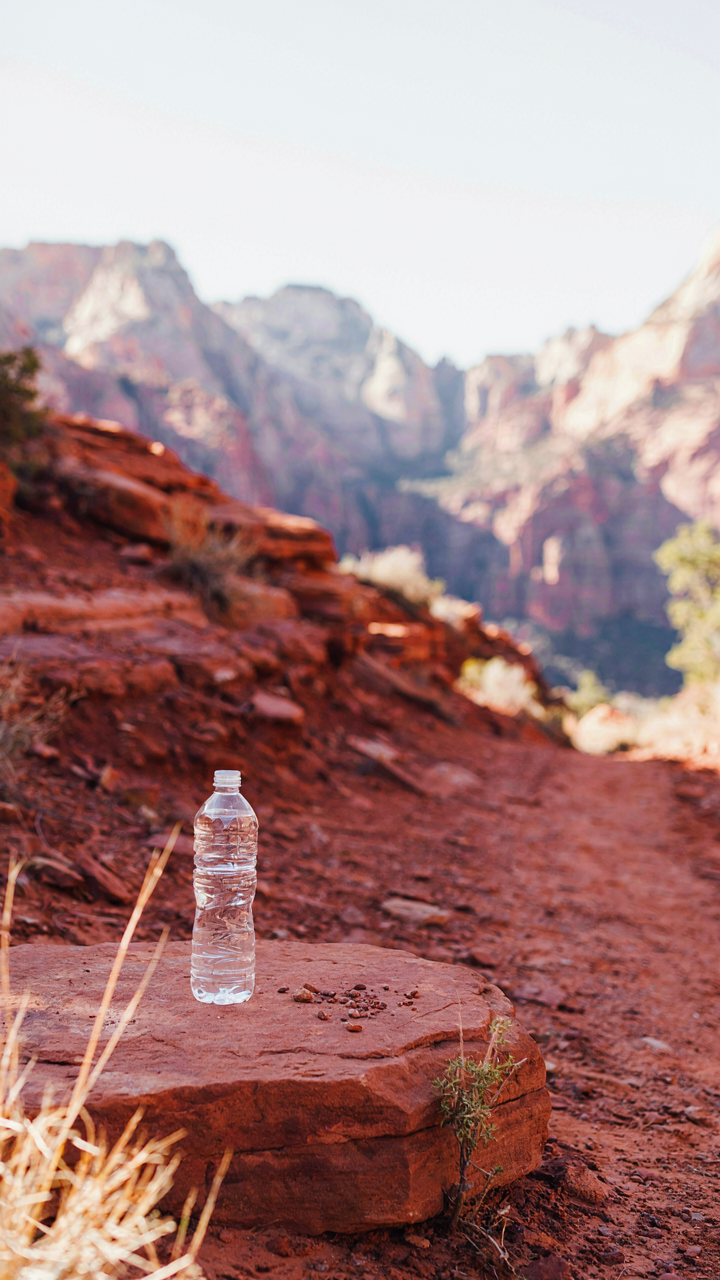
Logistics wins wars, and it wins hikes. Most hikers pack by emotion—grabbing extra food, water, and gear because they fear running short. Military supply chains operate on calculated distance and consumption rates, not anxiety. In Zion’s desert heat, water needs roughly one liter per two miles of hiking, adjusted for elevation gain and season. Knowing this number prevents both dehydration and the dead weight of carrying a backpack stuffed with surplus.
Plan your resupply based on known water sources and trailhead facilities. The Zion Canyon Visitor Center has water. Backcountry springs like Keyhole Spring exist but require route knowledge to locate. Most hikers either overpack by three pounds or underestimate their need by one liter. The margin between success and failure on The Narrows isn’t heroic endurance. It’s getting the water calculation exact before you start walking.
Mastering The Permits: Your Access To Zion National Park Best Hikes

How The Lottery Actually Works
You want the permit because you think it proves you earned access to something real. Here’s the mechanism: Zion’s backcountry permit system runs on a weighted lottery rather than first-come-first-served. The National Park Service draws names randomly for popular trails like The Narrows and Angels Landing’s chain section. You submit requests up to thirteen weeks in advance through recreation.gov. Each person enters once per drawing period. Rejection teaches nothing because randomness contains no feedback loop.
The lottery removes conventional advantages like speed or connections. This frustrates people accustomed to winning through optimization. You cannot game the system by refreshing faster or camping permit offices. The draw happens on specific dates: mid-month for the following month’s permits. Accept this constraint as fixed. Your energy spent on strategy belongs elsewhere in the process, not before the draw completes.
Trading Demand Fluctuation For Guaranteed Access
The common advice says apply for popular trails and accept whatever you get. Wrong. You’re actually managing scarcity economics, not just hiking preferences. Some trails see crushing demand during peak season while mid-week shoulder-season permits go unclaimed. Most hikers anchor to famous names and ignore timing. The Angels Landing permit draws thousands of requests. The same route in October draws five times fewer applications.
Your real leverage exists in tempo and flexibility, not in the lottery draw itself. Request less popular trails during off-peak windows and you shift from lottery odds to near-certain approval. Narrows permits in late November sell out less than Narrows permits in April. Request Observation Point or Weeping Rock when everyone requests the famous summits. You gain permitted access while others lose the draw. The mechanism is simple: demand moves in herds, and herds follow seasons nobody else bothers tracking.
The Scenic Route Illusion: Maximizing Zion National Park Scenic Drives
Where The Overlooks Actually Matter
You want the Instagram stops without the crowds because you’re afraid the experience won’t count if you didn’t see it alone. The mechanism is this: most overlooks in Zion compress the park’s scale into a single viewpoint, but they’re positioned where 90 percent of visitors cluster at peak hours. The Zion Canyon Scenic Drive reveals the same geology whether you stop at 9 AM or 4 PM, but the cognitive load of crowds erodes what you actually retain.
The Court of the Patriarchs and Weeping Rock overlooks see foot traffic that defeats observation. Instead, stop at the pullouts between named viewpoints—the unnamed shoulders along the canyon floor where the rock faces the same direction but fewer people stand. These positions offer direct sight lines to the Navajo Sandstone formations without the social friction. You see more geology by removing the audience.
Drives As Reconnaissance For Real Climbs
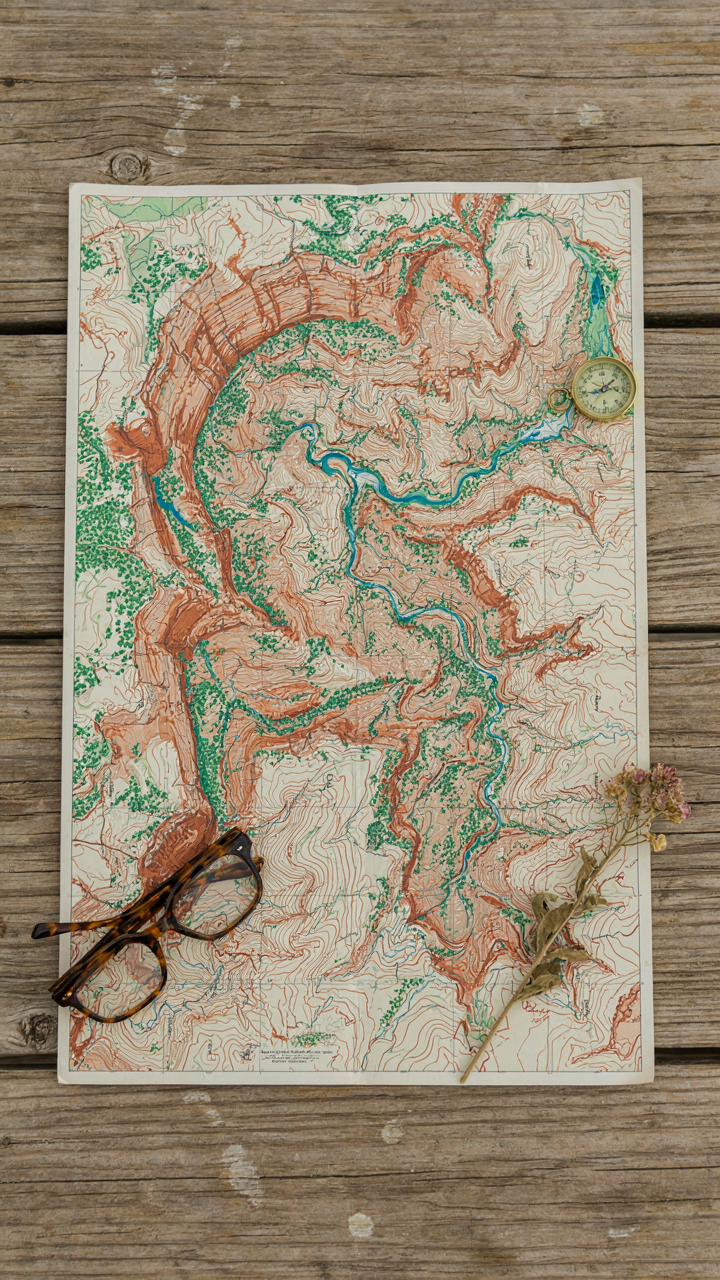
The scenic drive isn’t a substitute for hiking—it’s forward intelligence on terrain you’ll cover on foot later. Think of it like reconnaissance in military strategy, where observation precedes engagement: the drive shows you approach angles, rock color changes, and water flow patterns that inform how you execute longer routes.
Drive the Zion Canyon loop first, note where water seeps from canyon walls, spot the talus fields at trail bases, and identify which ridgelines connect to backcountry access points. Then use those visual anchors when you return for Angels Landing or The Narrows. The drive becomes your terrain study session, not your destination. You move through the park twice—once passively, once with purpose built on what you already saw.
Risk, Reward, And Resilience: The Zion Scenic Hiking Trail Mindset

What Actually Threatens You
You want this section because you’re afraid you’ll die on the trail and nobody will find you. That’s not the real problem. The actual mechanism killing hikers in Zion is decision-making under incomplete information, and it compounds fast. You spot a narrow ridge. The exposure looks manageable. You’re already committed mentally. You keep moving. The rock is slicker than the photos suggested. Now you’re recalculating mid-step. That’s where people slip.
Risk in Zion operates like information asymmetry in markets: the gap between what you know and what the terrain actually demands determines your survival margin. Most hikers underestimate this gap because the park looks tame from the trailhead. The Narrows doesn’t advertise flash flood channels. Angels Landing doesn’t disclose that loose sandstone crumbles under specific weight distributions. You can’t eliminate unknown variables, but you can stop pretending they don’t exist. Measure twice, move once, and abort without ego.
Building The Skill To Quit
Adaptability isn’t about improvisation or being tough. It’s about recognizing the exact moment to abandon your plan without hesitation. Most trail advice ignores this because it sounds weak, but it’s the only decision-making protocol that keeps you alive.
Zion forces you to commit to routes with limited exit ramps. The Subway requires descending into a technical canyon with one way out. The Narrows channels water through a corridor where you can’t climb out mid-hike. Angels Landing forces you onto chains with no bailout zones once you’re committed. Self-reliance means accepting these constraints before you start, then executing a simple rule: if conditions change beyond your pre-established threshold, you turn back. Not when you’re tired. Not when you’re close. When your predetermined conditions flip. Document your threshold before you hike. Stick to it without negotiation.
Beyond The Instagram Shot: True Zion Mastery

The Attention Economy Trap
You want proof you went. That’s the real currency now, and Zion’s red walls are the ATM. But here’s the mechanism: the moment you optimize for the shot, you’ve already lost the hike. Your brain splits between experiencing and documenting. You can’t do both at full capacity. The people who actually remember Zion aren’t the ones with the best photos. They’re the ones who noticed the water temperature in the Narrows, or felt the sandstone temperature shift at sunset, or recognized the exact moment fatigue shifted to flow state.
Depth comes from repetition and constraint, not collection. Hike the same trail twice in different seasons. Notice how the light changes. Pay attention to which muscles fail first on the climb out of Weeping Rock. Learn why certain switchbacks exist at specific grades. The mastery is in the details you’d skip while framing a shot. You build real memory through friction, not through likes.
The Mechanism Behind Restoration
Leaving no trace gets taught as a list of rules, but that’s incomplete. Ecology operates on carrying capacity, which is the maximum population size an environment can sustain indefinitely. Zion’s trails have a carrying capacity too, and it’s lower than the number of people visiting. The real issue isn’t your footprint on one hike. It’s the compounded footprint of forty thousand people per month, all unconsciously eroding the same switchbacks, packing the same viewpoints, wearing the same rock surfaces to smooth polish.
You can’t fix this alone, but you can stop accelerating it. Don’t take shortcuts on switchbacks, ever. That creates alternative paths that spread erosion. Stay on designated trails even when they’re crowded. Use established campsites if you backpack. Pack out everything you packed in, plus any trash you find. The protocol is simple: assume the next person arrives five minutes after you leave, and your job is to make the trail look untouched by your presence.
The Real Obstacle Isn’t Zion’s Terrain; It’s Your Reliance On External Validation
You don’t need another trail review or Instagram photo. You need to hike Zion because you decided to, not because it’s trending. Most people never go because they’re waiting for permission that never comes. Pick a trail today. Call the ranger station. Book your trip. Stop asking if you’re ready. You’ll never feel ready, and Zion doesn’t care about your feelings anyway.