
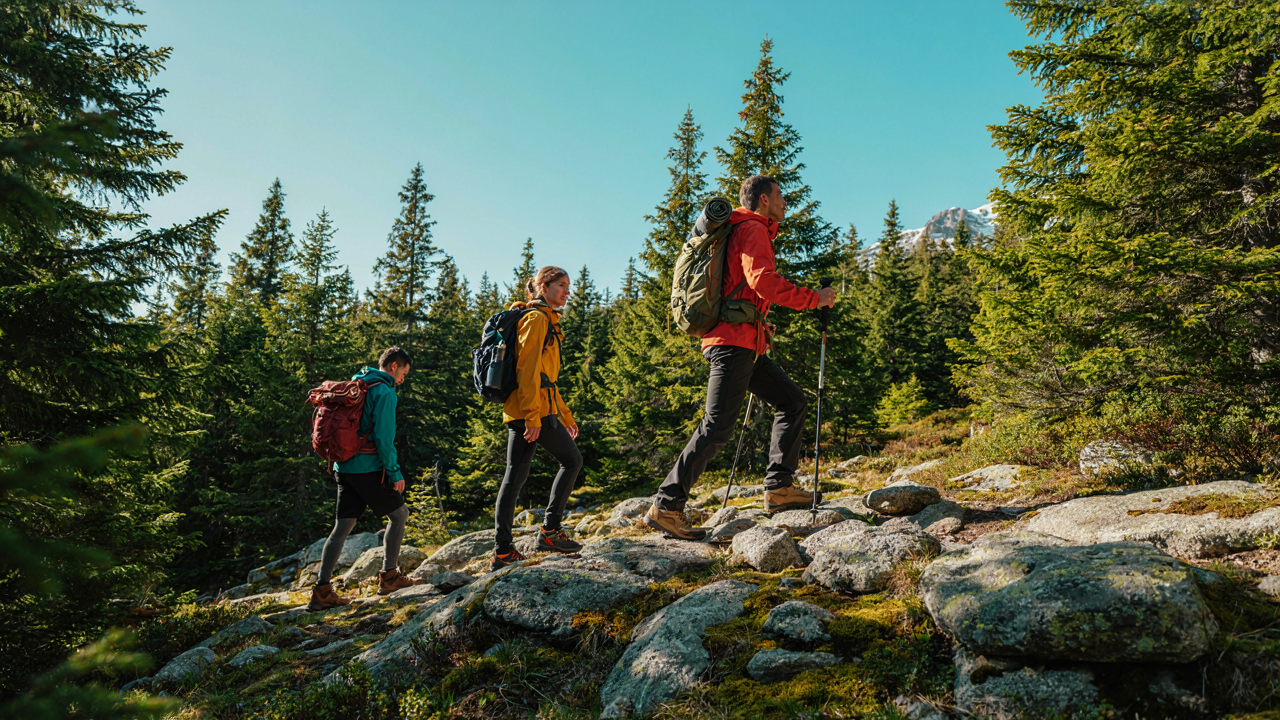
The Pre Hike Vetting Protocol
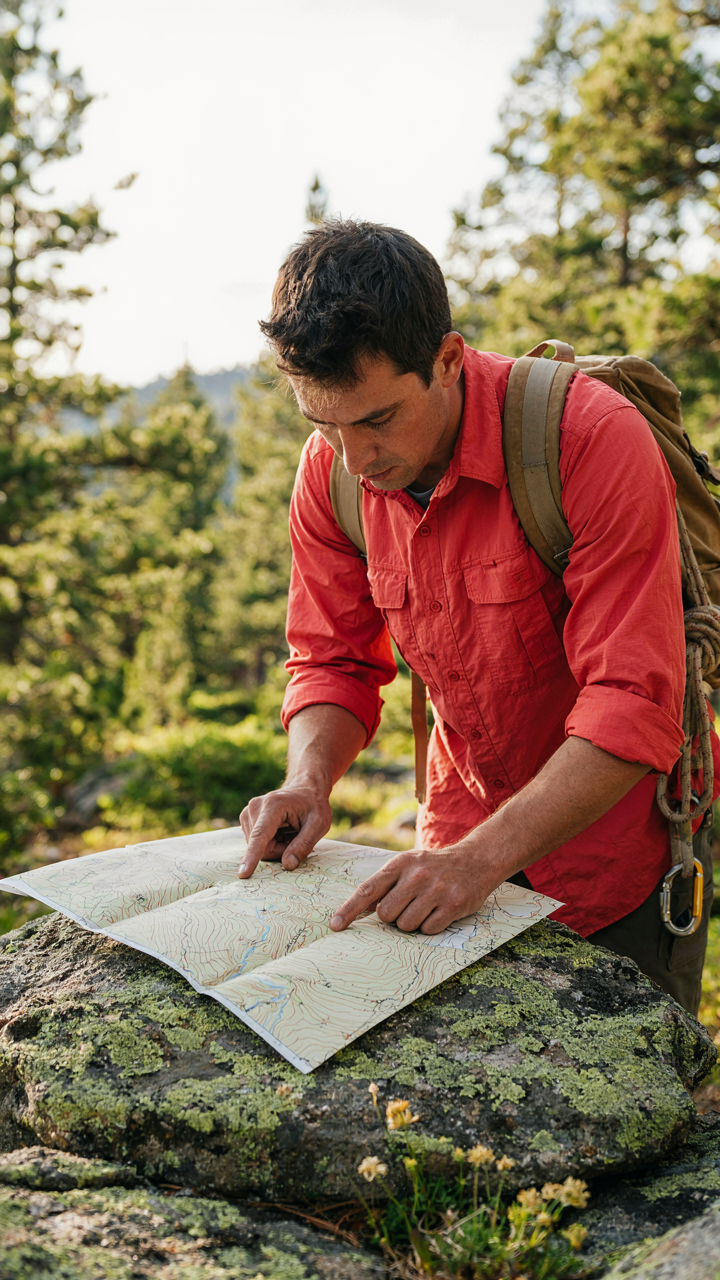
Know Who Will Actually Show Up
You’re worried about looking bad if someone bails. That’s not the real problem. The real problem is wasted planning, a reshuffled group dynamic mid-trip, and resentment that festers. Commitment filtering works like natural selection in biology: remove the variables early, keep the reliable ones. Ask directly. Not “are you coming,” but “can you commit to this date, this distance, this weather window.” Watch how they answer. Hesitation is data.
People who flake once will flake again. The mechanism is simple: they value optionality over reliability. Your job isn’t to convince them. Your job is to identify them before you’re counting on them. Send a confirmation message one week before, another three days before. Their response pattern tells you everything. Slow replies or vague language means you need a backup.
Build Agreement On The Fundamentals

Most group hikes fail because people show up with different assumptions about what the hike actually is. One person thinks it’s a casual stroll. Another treats it like a fitness test. A third brought no water because they assumed it was two miles. This isn’t miscommunication. It’s incomplete specification. State the essentials: exact distance, elevation gain, trailhead parking details, start time, expected duration, terrain difficulty, weather forecast, and what happens if conditions change. Write it down. Share it. Confirm receipt.
The detail that prevents arguments isn’t trivial. It’s essential. People need to know if this is a scramble or a walk, if there’s rock or just dirt, if they’ll be back by dark or sleeping under stars. Be specific about fitness level too. Not “moderate,” but “consistent uphill for 90 minutes without breaks.” Specify water availability and whether you’re turning back at a set time or summit-or-bust. The group that agrees on what they’re actually doing doesn’t splinter halfway through.

Gear: Ditch The Instagram Props, Pack For Reality
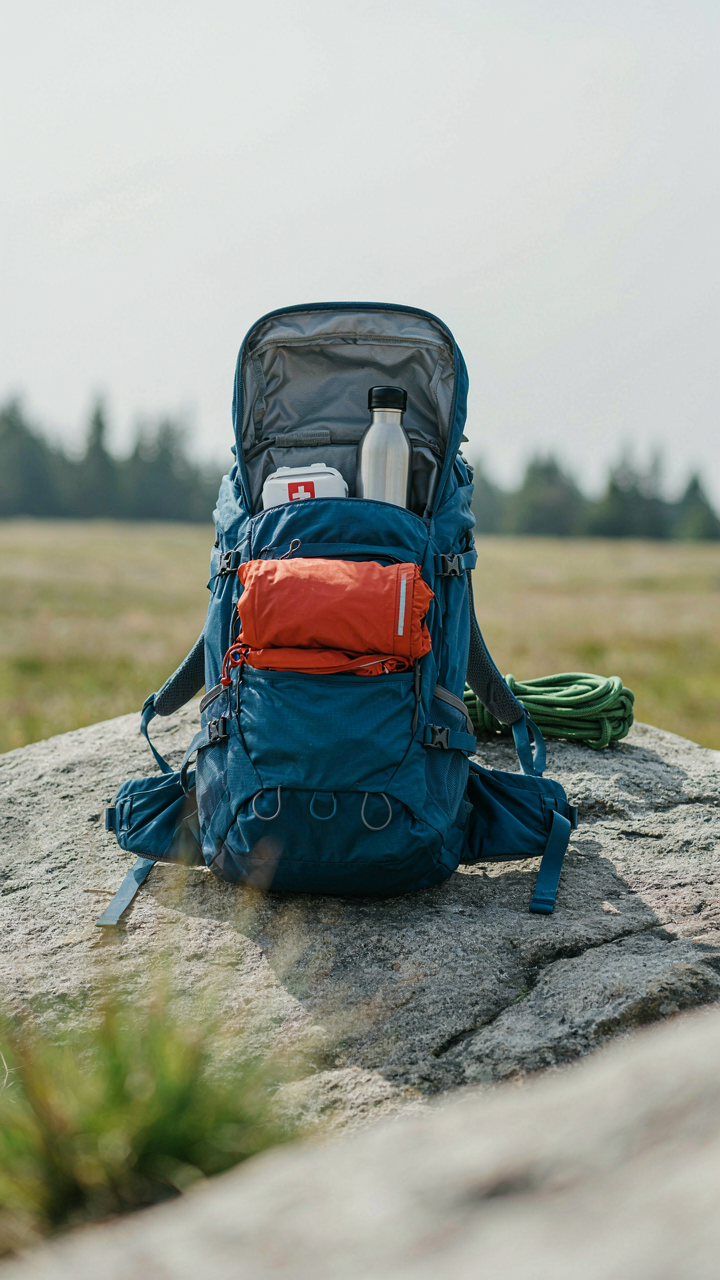
What Actually Goes In Your Pack
You want the right gear because it signals competence to the group. Here’s what matters: the mechanism is load management under stress. Physics calls it force distribution. On a hike, it’s about carrying weight efficiently so fatigue doesn’t compound decisions later. Bad gear doesn’t fail catastrophically. It fails by making every mile feel like two, which kills morale and creates real risk.
- Water container: One liter minimum per person. Dehydration clouds judgment faster than altitude. Test your container doesn’t leak before the hike.
- Navigation: Phone with offline maps downloaded, or a paper map and compass. Dead phones happen. Know how to use both.
- First aid basics: Blister treatment, pain reliever, bandages, antibiotic ointment. Most group injuries are preventable with early intervention.
- Sun and weather protection: Sunscreen, hat, layer that handles wind or rain. Weather changes fast. One person unprepared slows everyone.
- Food and energy source: Trail mix, energy bars, or nuts. Bonking on mile five is self-inflicted. Eat before you’re hungry.
- Emergency communication: Fully charged phone or satellite device depending on terrain. Reception dies. Have backup.
This list isn’t gear for Instagram. It’s gear to handle the gap between plan and reality. You’re not summiting Everest. You’re hiking with friends who will get tired, hungry, or uncomfortable. Pack for that specific problem.
The Weight To Utility Calculation
Economics teaches marginal utility: each additional unit delivers less value. Apply it to hiking gear. Every ounce in your pack trades off speed and endurance. Five extra ounces feels like nothing until mile seven. By then, it compounds. The question isn’t whether something is useful. It’s whether the problem it solves actually happens on your hike.
Bring a full first aid kit if someone has a known condition. Bring blister treatment if the route is remote or long. Bring a rain jacket if weather data shows real risk. Don’t bring both a full med kit and backup supplies because you’re scared of looking unprepared. That’s anxiety camouflaged as planning. The discipline is asking: what specifically goes wrong on this hike with these people, and what one tool prevents it? Then you stop.
Route Selection: Not A Democracy, A Strategy

Assess The Actual Bottleneck
You want everyone to have fun, which is why you’re pretending the slowest person’s opinion matters equally. It doesn’t. Military strategists call this “the principle of the decisive point”—identify the one variable that determines success or failure, then build everything around it. On a group hike, that variable is the fitness level of your least fit participant. Their pace becomes the group’s pace. Their endurance becomes your ceiling.
Stop asking what route people want. Ask what route they can sustain for six hours without injury or resentment. Request specific data: How many miles have they hiked before? How did they feel after? Did they recover quickly? A person who crushed five miles on flat terrain two years ago is not the same as a person who regularly does eight-mile loops with elevation gain. Fitness decays. Assess current capacity, not past performance or stated confidence.
Plan For What Will Break
Everyone talks about picking an alternate route. What they mean is picking a shorter version of the same trail. That’s not contingency planning—that’s hope. Real contingency means identifying failure points before the group leaves the parking lot and having a specific protocol for each.
Failure points are concrete: someone twists an ankle, someone bonks on calories, weather turns fast, a car breaks down on the drive home. For ankle injuries, know the nearest trailhead exit and whether you can call an ambulance or need to hike out. For bonking, carry double the snacks you think you’ll need and identify the turnaround point where you pivot back regardless of distance. For weather, set a time threshold—if you hit the summit by 2 PM, you descend. If not, you turn around. Protocol kills improvisation. Document it in a text thread before the hike so everyone knows the decision is automatic, not negotiable.
The Logistics Command Center
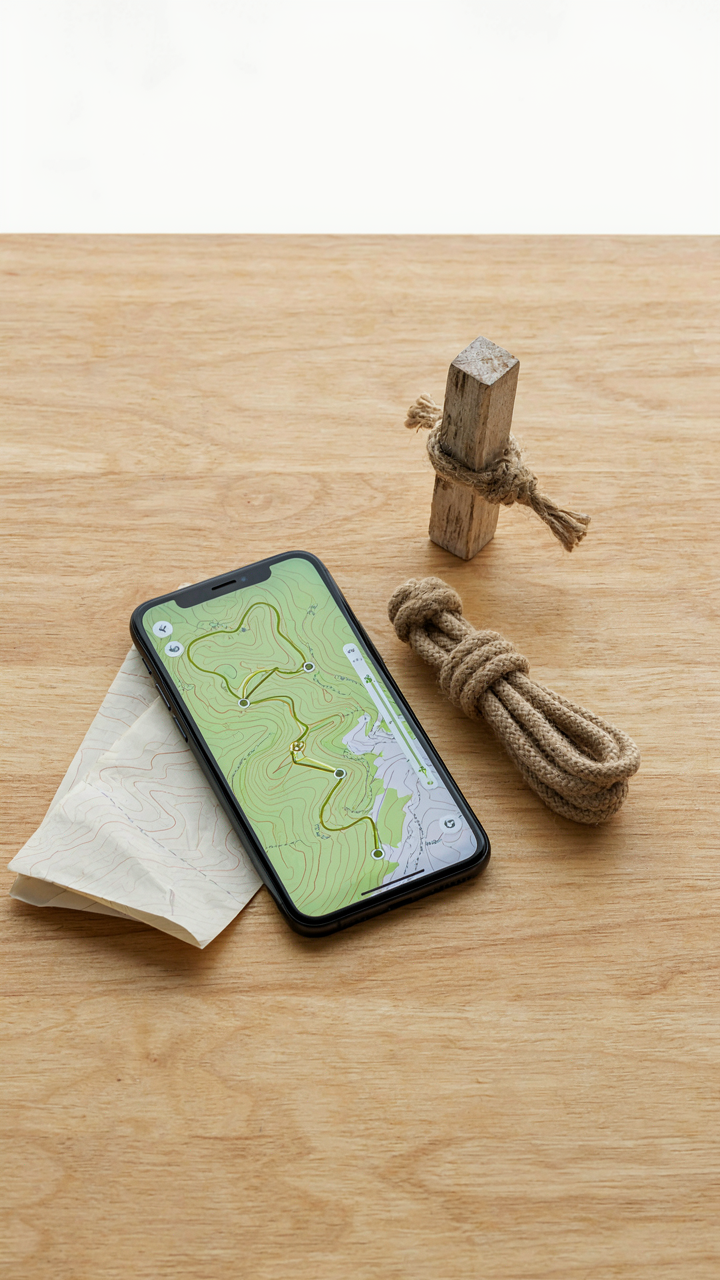
One Shared Channel, Not Five
You want to avoid looking incompetent, so you think more communication channels mean more coverage. They don’t. They mean information fragments across texts, emails, group chats, and apps until nobody knows what’s actually decided. Pick one tool. One. Use it for every detail: route, time, what to bring, meeting point, contingencies. Slack, a group text thread, a shared Google Doc—the tool doesn’t matter. Consistency does.
The mechanism is cognitive load. Every extra channel forces people to check multiple places for truth. Someone misses the update in the app they don’t check often. Someone else replies to a text thinking it’s final when the group already changed plans on Slack. One centralized location eliminates this friction. Make the rule explicit at planning stage: “Everything about this hike lives here. Check here before asking.”
Clear Roles, Clear Outcomes
The “everybody helps with everything” approach produces the classic diffusion of responsibility where nothing gets owned. Someone should own the route. Someone should own weather updates and contingencies. Someone should own the food and water calculations. Someone should coordinate the start time and transportation. Not four committees. Four people with one job each.
This mirrors command structure in military operations: clarity of who decides what prevents paralysis when problems emerge. On trail, if a conflict arises about whether to turn back, everyone looks to the person who owns that decision. Assign these roles before the hike, name them out loud, and confirm each person accepts. The owner updates the shared channel with their domain’s status. Execute weekly check-ins with role owners only. When the hike starts, decisions happen fast because everyone knows their lane.
Nutrition & Hydration: Fueling The Machine

Pack Food By Weight Per Calorie, Not Sentiment
You want to believe you’ll eat that trail mix because it feels like the “right” thing to carry. You won’t. The real mechanism here borrows from physics: caloric density is your energy-to-mass ratio. High-density foods—nuts, nut butter, dried fruit, energy bars—deliver maximum fuel with minimum pack weight. Low-density foods like granola or jerky force you to carry dead weight uphill. Calculate roughly 200 calories per pound of body weight per day on trail. A 180-pound person burns 36,000 calories on a full day hike. Pack foods delivering at least 100 calories per ounce to stay efficient.
The mistake most groups make: they bring variety instead of density. A handful of almonds outperforms a similar volume of pretzels. Dates and figs compress better than granola. Peanut butter packets weigh almost nothing and sustain longer than chocolate. Don’t optimize for taste at mile one. Optimize for fuel at mile eight when your friend’s legs are failing and you still have reserve.
Electrolytes Do More Than Water Alone
Water hydrates cells, but electrolytes—sodium, potassium, magnesium—regulate how your body retains and uses that water. Standard advice says “drink when thirsty.” That’s incomplete. Thirst lags behind actual dehydration by 20 to 30 minutes. On a multi-hour hike with friends, you’re all operating in a deficit before anyone feels dry. Sodium specifically triggers thirst response and prevents hyponatremia, the dangerous condition where pure water dilutes blood electrolytes too far.
Carry electrolyte tablets or powder packets, not just water. One packet per liter maintains cellular function better than plain water alone. Salt food or choose salty snacks on trail—beef jerky, salted nuts, pretzels. Your muscles cramp when electrolytes deplete, not just from dehydration. A friend hitting the wall at mile six often has adequate water but insufficient sodium. Check urine color on breaks: pale yellow means hydration is working. Dark yellow means you’re behind. Adjust salt intake and drinking rate accordingly, then move forward.
Emergency Preparedness: Assume The Worst
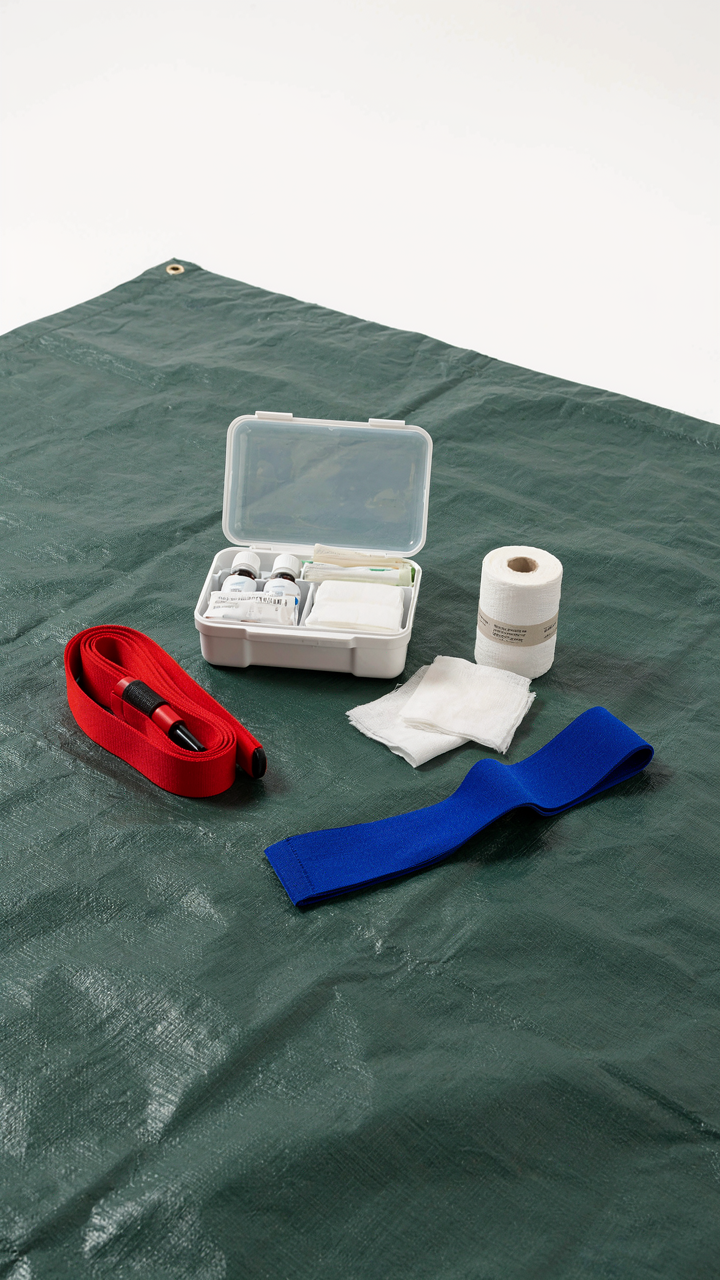
First Aid Beyond Band Aids
You want to think you’ll never need this, so you pack a basic kit and call it done. That’s denial dressed up as preparation. Real first aid on a trail means treating the injuries that actually happen at distance from help, not the ones you see in commercials.
A quality first aid kit for group hikes needs a tourniquet, gauze that won’t stick to wounds, elastic wrap for sprains, pain relief that works systemically, and tweezers for splinter removal. Tourniquets stop bleeding fast when someone takes a bad fall on rocks. Gauze pads and wrap let you immobilize a twisted ankle immediately instead of hoping it holds. One person in your group should know how to apply these correctly before the trip, not during the crisis.
Communication Failure Contingency
Military strategists call this concept “signal degradation”—the assumption that your primary communication method will fail. Borrow this framework: on a hike with friends, your cell signal is your primary comms channel, and it will drop exactly when you need it most.
Create a hard protocol before you leave. Designate a rally point if the group splits. Agree on specific times to regroup. Write down the non-emergency ranger station number and trailhead parking coordinates. One person carries a physical map and compass, tested beforehand. Tell someone not on the hike your exact route and expected return time. The mechanism here is redundancy: no single point of failure kills your ability to get help if something goes wrong.
Pacing: The Rhythm Of The Trek

Find The Group’s Baseline Speed
You want everyone to feel capable, not babied. That’s the hidden fear here—you’ll either move too slow and resent the group, or move too fast and watch someone suffer. The mechanism borrowed from physics is cadence: the recurring cycle of effort that sustains motion. Your group’s cadence is the pace where most people can breathe normally and talk in full sentences without strain. This isn’t the fastest anyone can go. It’s the speed the slowest comfortable member can sustain for hours.
Find this speed before the trail. Do a short warm-up walk on flat ground with your group. Watch who’s breathing hard. Ask direct questions: “Can you talk right now?” Anyone who can’t means you’ve gone too fast. Most groups settle around 2.5 to 3 miles per hour on moderate terrain. Establish this baseline now, before mile three on the actual hike when people are already fatigued and frustrated.
The Real Cost Of Speed Variance
Everyone says “go at your own pace.” It’s bad advice. Speed variance kills group hikes. When people split into different cadences, the fast walkers get bored, the slow walkers feel rushed and embarrassed, and nobody experiences the hike together. The group fragments emotionally before it fragments physically. Pacing consistency creates the opposite: a shared experience where tension drops because everyone knows the rhythm won’t change.
This means the fast hikers intentionally brake. This means the slower hikers push slightly harder than comfort dictates. Both groups meet in the middle and stay there. Set a specific pace rule at the start: “We’re hiking at a 3 mph pace. That’s our contract.” Then enforce it by having the fastest person set the speed, not follow it. Rotate who leads every 30 to 45 minutes so the responsibility isn’t punishing. The moment someone breaks cadence, the group loses coherence.
Hiking Poses & Photography: Capture, Don’t Choreograph

Stop Performing For The Camera
You want proof that the trip happened. That’s the real driver here. The mechanism is simple: the moment someone pulls out a phone, the group shifts from experience mode into performance mode. Everyone tenses. Smiles become deliberate. The hike stops being a hike and becomes a production. You’ve seen this. It kills momentum and makes the memory feel constructed instead of lived. The fix isn’t to ban photos. It’s to separate the two activities entirely.
Authentic moments emerge when people forget they’re being watched. This doesn’t mean sneaking candids like a creep. It means designating specific photo breaks instead of constant interruption. Take fifteen minutes at a viewpoint. Get your shots. Move on. The group relaxes faster when they know the camera window has closed. Everyone returns to the actual hike instead of glancing over their shoulder every thirty seconds wondering if they’re being filmed.
Quick Stops, Defined Boundaries
Stop treating photos like a constant side quest. Pick one or two locations before the hike starts, ideally at natural gathering points like ridgelines or water features. You eliminate decision paralysis and endless repositioning. Set a time limit. Most good photos take three to five minutes if you’re moving efficiently. Anything longer is vanity or indecision. The group maintains energy and forward momentum because everyone knows when the photo window opens and closes.
Build the photo break into your pace planning. If you’re hiking six miles and taking two ten-minute photo stops, that’s built-in rest time. Communicate this upfront so nobody feels ambushed. When people know what’s coming, they don’t resist it. They use the break to hydrate, eat, and recover. The photos become a byproduct of a logical schedule, not an interruption that breaks the flow.
Post Hike Debrief: The After Action Review

What Actually Happened Out There
You want to feel like you crushed it, so you’ll rewrite the hike in your head before you’ve even cooled down. The real mechanism is this: memory decays fast, and group consensus creates fiction. Military after action reviews separate fact from narrative because facts are the only thing that compounds into better performance. Write down what happened while it’s still true. Who moved fastest on technical terrain. Where someone bonked. What navigation calls worked. What caused friction. No spin. No nostalgia yet.
The debrief happens within 24 hours or it doesn’t happen at all. By then, the details dissolve and people remember their feelings instead of events. Establish a simple protocol: one person leads a walk through the timeline. Start and end time. Water intake. Pacing decisions. GPS data from your phone matters here, not interpretation. The goal isn’t to make anyone look bad. It’s to build a dataset about what your group can actually handle versus what you thought you could handle.
Kill What Doesn’t Scale
Most post hike advice tells you to be grateful and supportive. That’s not useful. You need to identify the bottlenecks that will break future trips if you don’t address them now. Use a systems thinking frame: what constraint limited your performance? If someone ran out of water, that’s not a character flaw. It’s data that your water strategy doesn’t work for that person’s metabolism or exertion level. If the group fragmented on descent, the gap between fitness levels is now your limiting factor on the next harder hike.
Document one specific failure per trip and test one solution before the next trip. Not a list of ten things to maybe fix someday. One thing. Change it deliberately. See what happens. This is iterative design, not intention stacking. A group that rotates who leads the pack, adjusts snack timing based on energy crashes, or changes start times because the previous ones created unnecessary pressure will outperform a group that just keeps doing the same hike different seasons and hoping for different results.
Leadership On The Trail: The Unspoken Hierarchy

When To Assert Authority
You want to know this because you’re afraid of looking bossy or losing friends. The mechanism is simple: someone has to make calls when conditions change, and the person who waits for consensus gets everyone killed. Think of it like command structure in military operations. In a group hike, one person needs the authority to override preference when safety or logistics demand it. That person doesn’t emerge through vote. They claim it through preparation and clarity before the hike starts.
Assign the authority role before you hit the trailhead. Tell the group plainly: “I’m making the final call on pace, turnaround time, and route changes because I studied the conditions and I’m responsible for getting us back.” This isn’t arrogance. This is clarity. The group relaxes when they know who decides. State your authority in the parking lot, not halfway through when someone questions a route change and the group fractures into competing opinions.
Delegate Without Abdicating Responsibility
The common advice here is trash: “Make everyone feel like they matter by giving them tasks.” That’s how you end up with someone navigating who can’t read a map, someone managing water who forgets to refill, and nobody accountable when things break. Borrow from operations management: you can distribute tasks, but the chain of accountability flows back to one person. Delegate the task. Own the outcome.
Give specific roles with explicit failure modes. “You’re managing our turnaround time. Stop us if we’re not on pace for a three-hour return.” Or “You’re checking water consumption every thirty minutes and telling me if we need to ration.” The person with the task has decision-making power within that domain. You stay informed through check-ins. You intervene only if the delegate can’t course-correct. This keeps you from micromanaging while keeping you accountable for the result.
The Obstacle Isn’t The Trail; It’s Your Inability To Lead Without Micromanaging
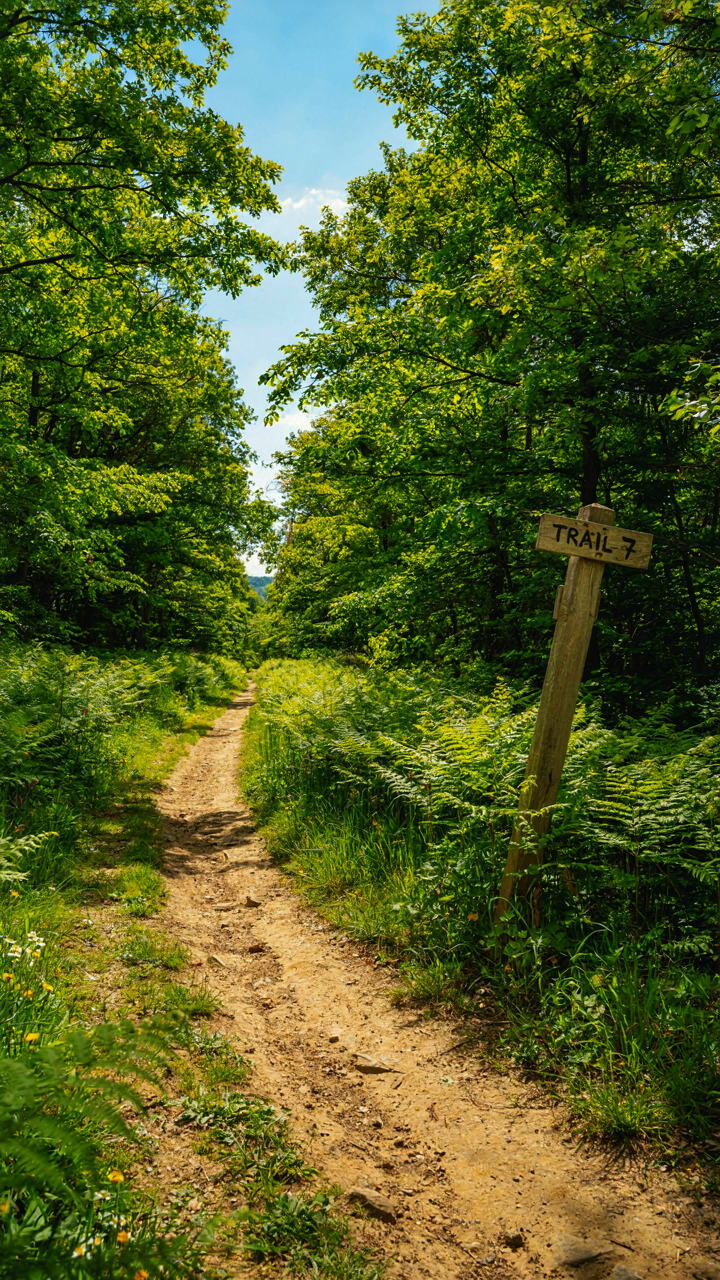
Most hiking trips fail because one person tries to control everything. You plan the route, the pace, the stops, the snacks. Your friends resent it. Stop. Trust your group to self-organize within loose boundaries. Set the destination and meeting time, then let people hike their own hike. Text one friend today and ask what they actually want from the next trip instead of deciding for them. The best hikes happen when you lead by stepping back.