
The Dawn Raid Protocol: Seizing The Day’s Untapped Potential
Pre Dawn Preparation Tactical Advantage
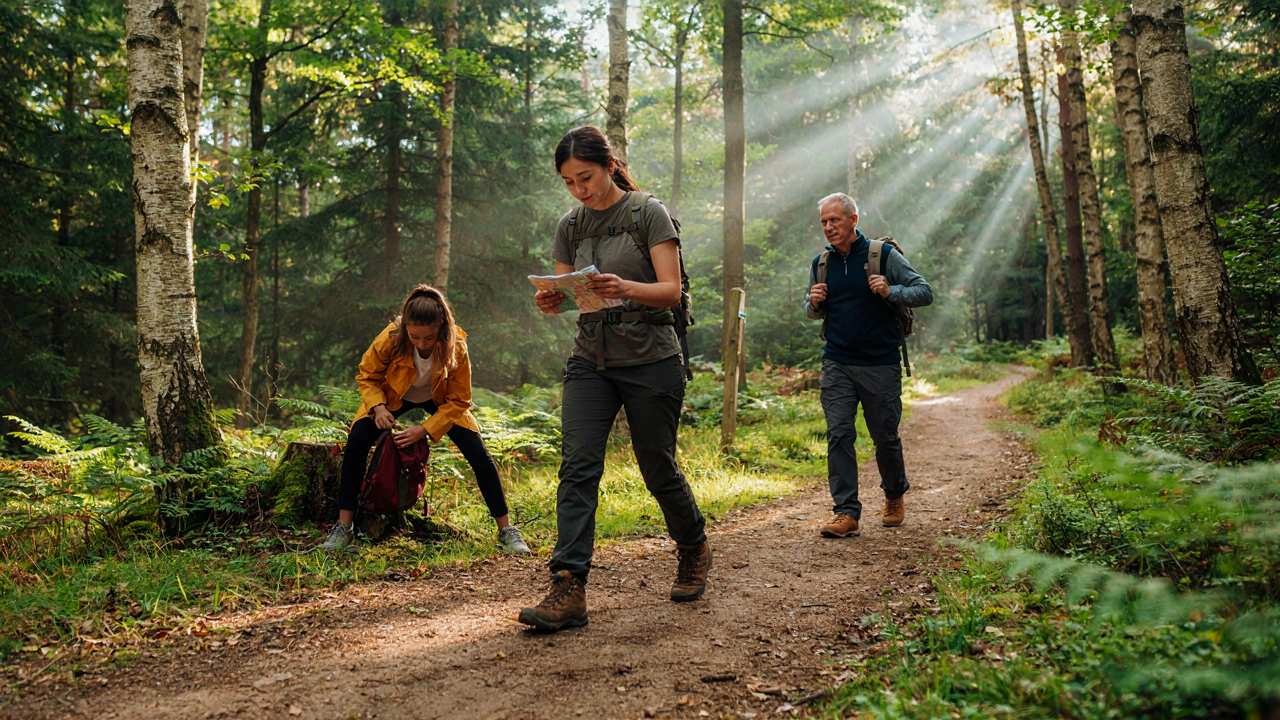
You want to start early because you’re afraid of wasting daylight, and that fear is correct. The mechanism borrowed from military strategy is called “preparation of the battlefield.” You secure advantages before competition arrives. Starting before dawn means you’re moving through the trailhead when others sleep, which translates to parking spots, solitude, and cooler conditions for the first miles when your body is freshest and most efficient.
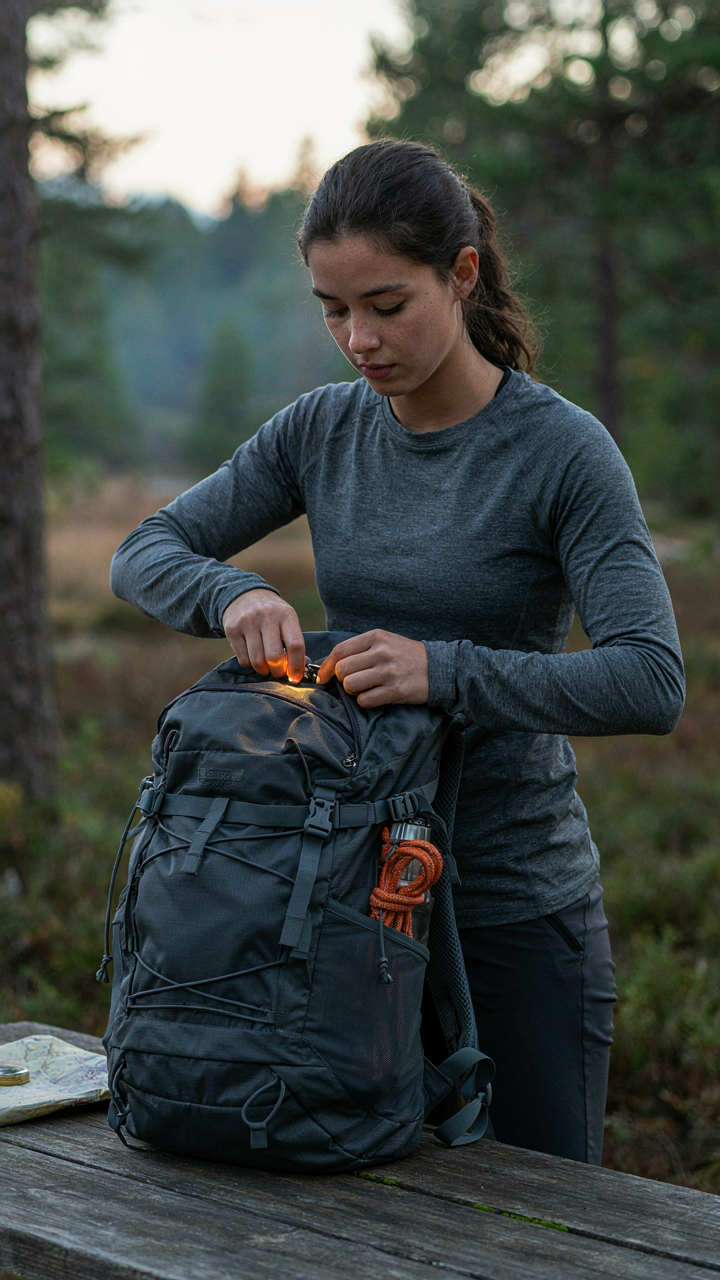
The real work happens the night before. Pack your bag completely. Lay out clothes. Charge devices. Fill water bottles. Set an alarm you’ll actually wake to, not optimistic guessing. Pre-dawn hikers don’t figure logistics in the dark. They execute a plan built while thinking clearly. This removes friction and decision fatigue at the moment you’re least equipped to handle either.
Sunrise Sprint Maximizing Cool Temps
Temperature acts like your body’s primary constraint on the trail. You summit the same mountain faster and with less water consumption if you climb while cool. The physics principle here is metabolic efficiency: your core body temperature stays lower during exertion in cool air, which means your cardiovascular system works less hard to regulate heat and keeps you moving efficiently. Start before sunrise, move hard for the first two to three hours, and you accumulate elevation gain while your body’s thermostat hasn’t spiked.
Early starts also compress the window where you’re exposed to direct sun exposure on exposed terrain. Morning shadows cover most terrain you’ll traverse in the first half of your hike. You reach water sources earlier. You summit before midday heat peaks. This isn’t motivation or positive thinking. Start moving at first light and you physically perform better by the numbers.
The Psychological Edge: Why Others’ Comfort Is Your Opportunity

Empty Trails: Undisturbed Flow
You want to feel like you discovered something nobody else found. That’s not spiritual. It’s status. Most hikers start between 8 and 10 a.m. because that’s when their circadian rhythm finally stops fighting them. You start at 5:30 a.m., and you own the trail for two hours. The mechanism is simple: fewer people means fewer interruptions to your sensory input, fewer photo stops, fewer negotiations about pace. Your nervous system stays in the parasympathetic state longer.
Early starts don’t just mean fewer people on the trail. They mean you move at your own rhythm without the ambient pressure of group dynamics. The trail itself becomes clearer when you’re the first footfall on damp ground. You notice the light angle, the animal tracks, the seasonal markers that matter. This isn’t meditation. This is information gathering without noise.
Solitude’s Clarity: Focused Output
Neuroscience calls it attentional resources. Your working memory has a fixed bandwidth, and every person on the trail consumes some of it whether you acknowledge them or not. Early morning hiking tips everyone gives you miss this completely. They talk about cooler temperatures and fewer crowds like those are separate benefits. They’re not. The real outcome is that you process the terrain, your body’s feedback, and your navigation decisions with zero cognitive taxation from social presence.
When you hike alone at dawn, your brain allocates processing power to the actual task. You notice your breathing patterns shift. You catch micro-adjustments in your gait before they become problems. You make decisions about route variations based on observation, not habit. This clarity compounds. The second hour feels even sharper than the first because your nervous system has already calibrated to the absence of threat signals that crowds generate. Start before 6 a.m., and you’ve taken the most efficient tool you own off the table.
Environmental Calculus: Mastering Light And Temperature Gradients
Cool Air Works Harder Than You Think
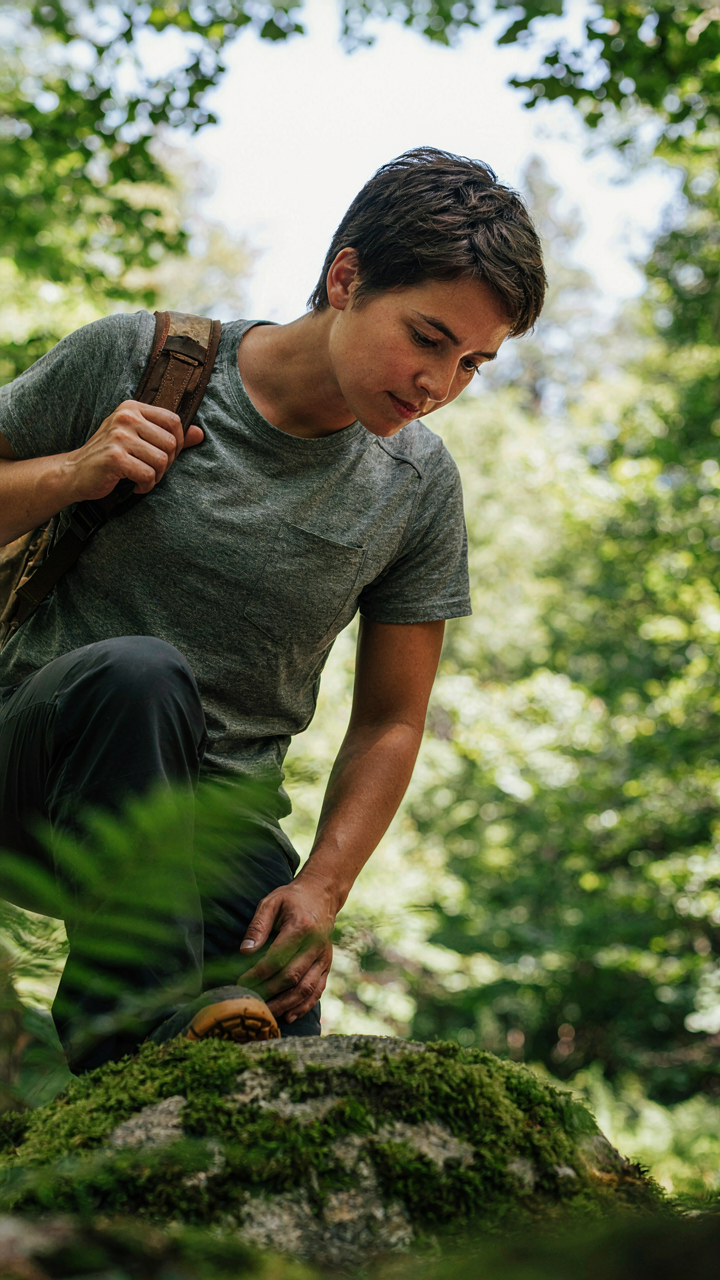
You want to start early so you don’t overheat, but that’s surface-level thinking. The real mechanism is thermodynamics: air density. Cool morning air is denser. Your body works more efficiently in it because sweat evaporates faster and your cardiovascular system doesn’t fight ambient temperature to dump heat. You cover distance with less caloric burn and less dehydration. Start before 7 AM in summer and you’re not being virtuous, you’re being efficient.
Temperature gradients also matter vertically. Elevation gain feels harder as the day heats. A 3000-foot climb in 85-degree afternoon heat multiplies effort. The same climb at 65 degrees in early morning reduces muscular fatigue and preserves decision-making capacity for technical sections. Your body hasn’t already spent two hours fighting heat stress. The protocol is simple: calculate your elevation gain, add 10 percent to effort if starting after 9 AM, adjust your route difficulty down accordingly or start earlier.
Golden Hour Isn’t About Instagram
Light quality at dawn and dusk changes contrast ratios and shadow depth, which matters for foot placement on technical terrain, not just photos. Early morning low-angle light exposes obstacles that midday overhead sun flattens into invisibility. Rock scrambles become readable. Root systems cast shadows that show where your boot should land. The mechanism is visual processing: low-angle light gives your brain better spatial data. If you’re hiking rock-heavy or root-heavy terrain, start when the sun is within 30 degrees of the horizon. This isn’t optional for safe footing on steep or uneven ground.
Late afternoon light creates the opposite problem: long shadows obscure hazards. By 4 PM in winter or 6 PM in summer, shadows stretch across trails and hide ankle-turn risks. You lose optical clarity exactly when fatigue impairs your reaction time. If you must end your hike in fading light, start early enough to be off technical sections by 3 PM. The concrete move is to time your descent through difficult terrain to occur during peak overhead light, between 10 AM and 2 PM, when contrast is highest.
Strategic Resource Allocation: The OODA Loop For Hikers
Observe Terrain: Pre Hike Intelligence
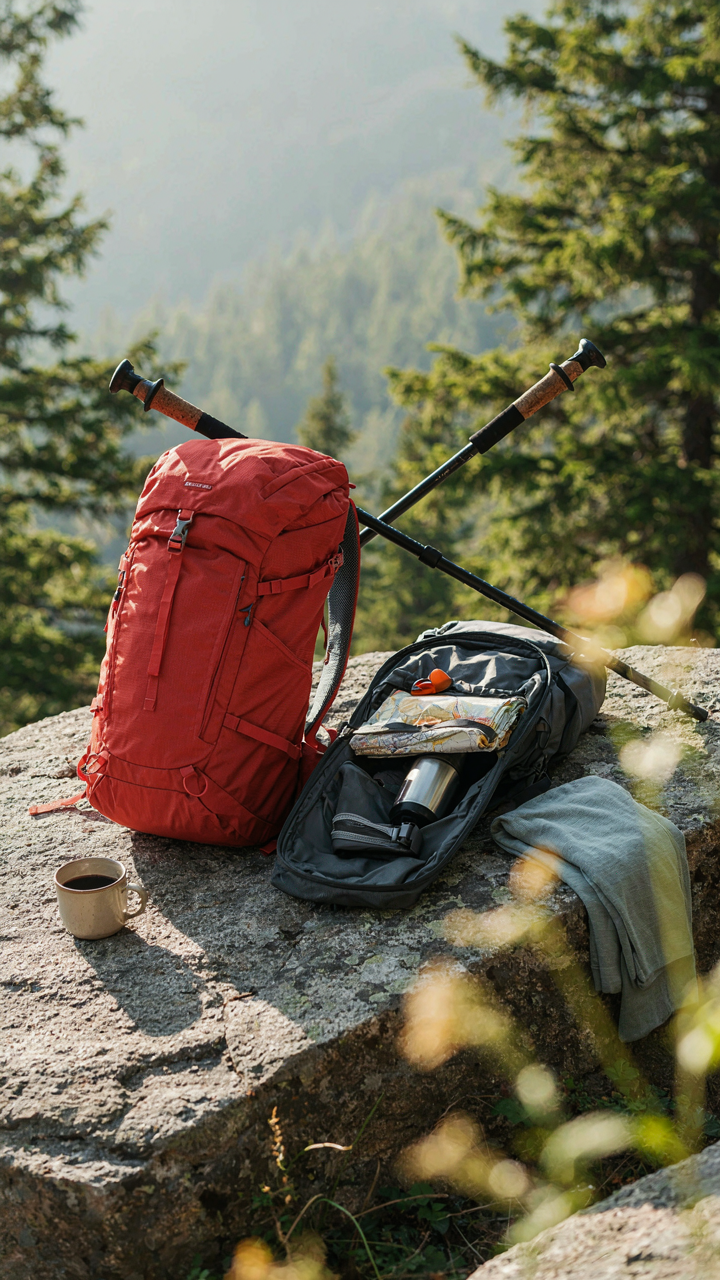
You want to feel like you made the right call, so you’re looking for permission to start whenever feels convenient. The real mechanism is simpler: observation beats guessing. Military strategist John Boyd’s OODA loop—Observe, Orient, Decide, Act—applies directly to timing. You observe trail conditions and weather patterns before you commit to a start time, not after. This eliminates the sunk cost of being two miles in when conditions deteriorate.
Pre-hike observation means checking sunrise and sunset times for your latitude, not just your gut. It means knowing if afternoon thunderstorms are likely in your region on that specific day. It means scanning trip reports from the last week to see what hikers actually encountered, not what guidebooks promise. You’re collecting data that changes your decision, not data that confirms what you already wanted to do. Start time follows from this intelligence, not the other way around.
Orient Your Pace: Real Time Adjustment
Most hiking advice treats pace as fixed. It isn’t. Once you’re on trail, you orient your speed based on what you’re actually seeing, not what you planned. A rockier descent than expected, slower group members, or a wrong turn changes your remaining daylight budget immediately. Your decision to push forward or turn back depends on this real-time recalibration, not stubbornness.
The mechanism is feedback loops. You check your position against remaining daylight every 45 minutes to an hour, not just at the trailhead. You adjust your pace downward if you’re behind schedule, which beats arriving at your destination in darkness. This is why starting early creates optionality: you have time to slow down, make mistakes, and still finish with daylight. Start late and you’ve already removed your margin for error before you even began.
Risk Mitigation Timing: Outsmarting Weather And Wildlife
When Afternoon Storms Hit Hardest
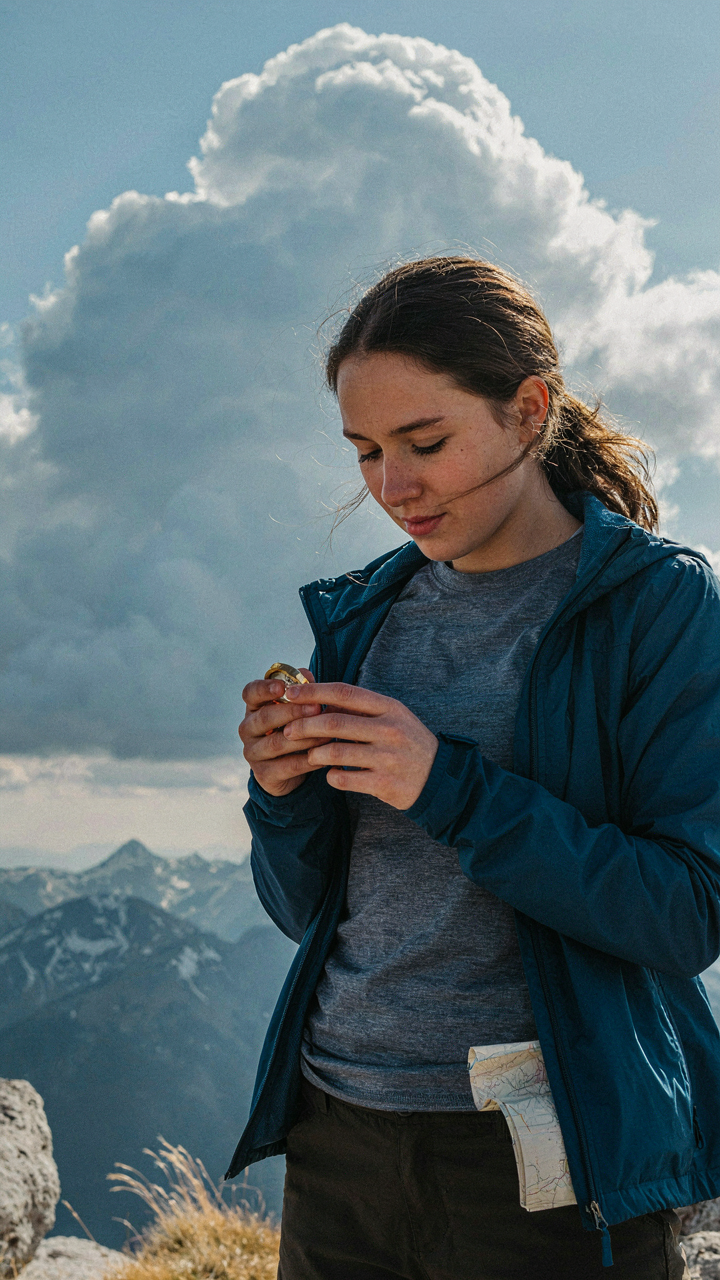
You’re worried you’ll get trapped in a thunderstorm and look unprepared. The real mechanism is thermodynamics: afternoon heating creates instability in the atmosphere, and mountains accelerate this process by forcing air upward into cooler layers where moisture condenses violently. Starting early gets you off exposed terrain before this energy peaks.
Most hikers know storms happen in afternoons. What they miss is the timing window. Peak heating occurs between 2 PM and 5 PM in most regions. An 8 AM start puts you descending by noon, clearing ridgelines before the atmosphere destabilizes. A 10 AM start leaves you scrambling. Elevation gain matters too: every 1,000 feet climbed takes roughly an hour, so calculate backwards from your summit time and that 2 PM danger zone.
When Animals Move And Why
Wildlife biology shows predator and prey operate on predictable circadian rhythms, not random encounters. Bears, mountain lions, and elk move during low-light hours for hunting or feeding efficiency, leaving midday dormancy as your safest exposure window. Start hiking when animals rest, not when they hunt.
Early morning hikes (before 7 AM) and midday sessions (10 AM to 3 PM) minimize contact because large mammals seek shade and avoid thermal stress. Dawn and dusk are feeding times. Late afternoon starts are highest risk because you’re hiking into the prime activity window and descending in low light when visibility fails. Control the overlap: time your hike to cross predator territory during their inactive hours, not during transition periods when they move between bedding and feeding zones.
The Return Trajectory: When Finishing Determines When You Start

Sunset Safety Margin: Avoiding Nightfall
You’re worried about looking unprepared, so you’re hoping someone gives you permission to start late. Here’s the mechanism: daylight duration is fixed, but your hiking speed isn’t constant. The common advice to “finish before dark” ignores that fatigue slows you down on the return. Descent takes longer when legs are tired, and mistakes compound in fading light. You need a buffer, not a target.
Work backward from actual sunset, not guessed daylight. On a summer hike with sunset at 8:45 PM, plan to be off the trail by 7:30 PM minimum. That gives you forty-five minutes of usable light cushion. Calculate your total time including descent slowdown, then subtract a safety margin. Start only if that math works. A 6-hour round trip hike needs to start by 12:30 PM to hit a 7:30 PM exit. Missing this window means starting that hike another day.
Post Hike Recovery: Optimizing End Time
Recovery science uses the concept of circadian load, which measures how a stressor aligns with your body’s natural rhythm. Finishing a hike late in the evening creates a cascading cortisol spike right when melatonin should rise. Your body interprets the physical stress plus late timing as threat, not exertion. You sleep worse, recover slower, and feel worse the next day even if the hike was short.
Finishing a hike by 4 PM allows your nervous system to downshift naturally into evening mode. Completing the hike, eating, hydrating, and resting happens on a normal timeline. Start early enough that you’re off the trail before the sun drops below the horizon by thirty degrees. This isn’t about comfort. This is about whether your body treats the hike as recovery or crisis. Structure your start time so your finish time serves your recovery, not your ego.
Gear And Go: Optimizing Your Hiking Checklist For Early Starts

Essential Overnight Pack Readiness List
You want this section because you’re afraid you’ll forget something critical and look unprepared. The real mechanism is simple: early starts require you to pack in darkness or low light, which means your gear needs a system, not just a pile. You won’t remember what you grabbed. A checklist eliminates decision fatigue before dawn.
- Water container: Minimum two liters. Early routes often lack water sources for the first three hours. Dehydration compounds decision-making errors on the trail.
- High-calorie breakfast item: Consume before leaving. Your body needs fuel to regulate temperature and maintain cognitive function in cool morning air.
- Headlamp with fresh batteries: Test it the night before. Dead batteries destroy an early start faster than any weather condition.
- Layers: Base layer, insulating mid-layer, rain shell. Morning temperature drops ten to fifteen degrees below afternoon peaks. You’ll shed layers as you climb.
- Navigation tool: Map or GPS device with a charged battery. Early light obscures landmarks. Know your route before you move.
- First aid basics: Blister treatment, pain reliever, bandages. An early start means more time on trail, which increases injury probability.
Pack your bag the night before. Lay items in the order you’ll need them. This removes the scramble at four in the morning and forces you to think through your route logistics when your brain still works.
Lighting Solutions Navigating Twilight
Most hikers assume their eyes adjust to darkness. They don’t, not well enough. The human eye needs forty minutes minimum to achieve meaningful night vision, and that only works in near-total darkness. An early start means traveling through twilight, which creates a specific problem: your pupils won’t dilate fully because ambient light keeps triggering your iris to close.
A headlamp isn’t about seeing far. It’s about seeing the next ten feet of trail clearly enough that your feet place correctly. Without it, your body tenses up, you step poorly, and ankle injuries spike. Bring a second light source. Your primary headlamp will fail or run out of battery. A handheld backup light or phone flashlight costs nothing and saves your hike. Turn off your headlamp for the first fifteen minutes after dawn breaks to let your eyes adjust naturally, then use it again briefly if you re-enter tree cover.
The Midnight Shift: Mastering Nocturnal Navigation And Day Hike Extensions
What You Actually Need For Night Hiking
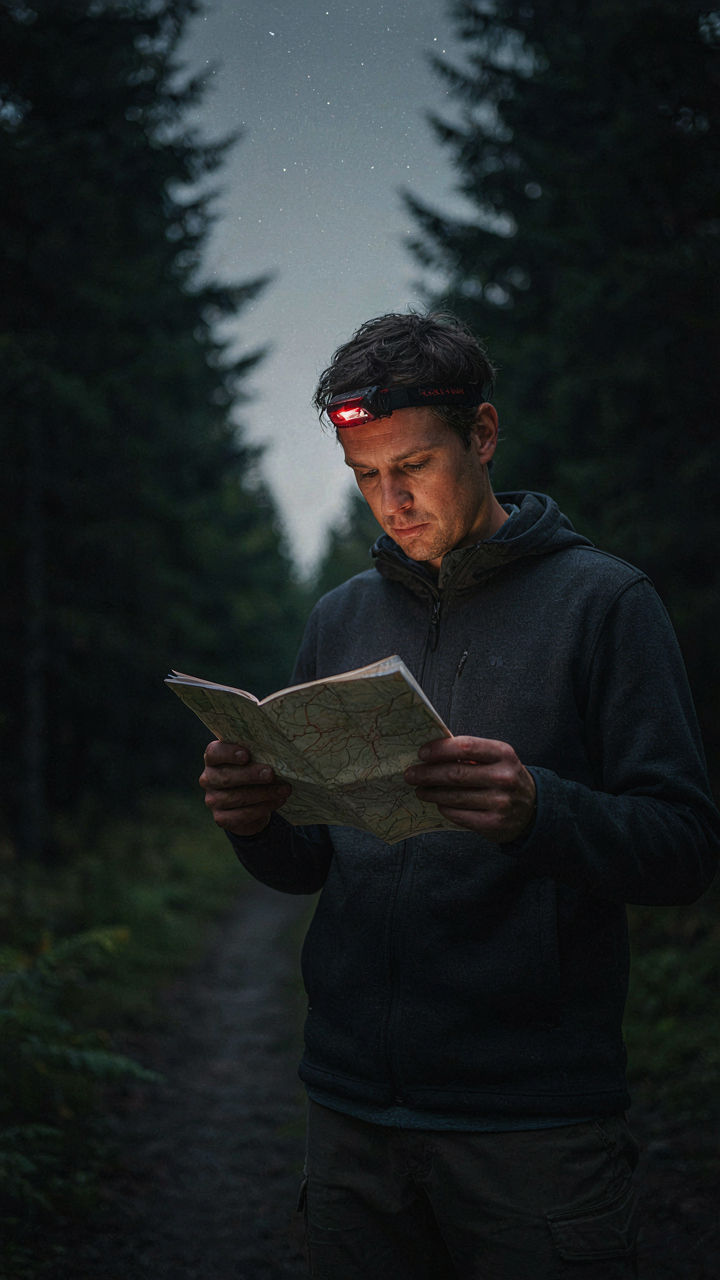
You want the social currency of being the person who hikes at night, but you’re terrified of the actual darkness. The real mechanism is simple: night hiking demands redundancy. You can’t rely on one light source because failure means you stop moving. A headlamp fails, you’re stuck. Carry a primary headlamp with fresh batteries, a backup headlamp, and a handheld flashlight. Your eyes adjust to red light faster than white light, so consider a red-filtered option for secondary lighting to preserve night vision during map checks.
Clothing becomes your second system. Temperature drops significantly after sunset, often 10 to 20 degrees Fahrenheit depending on elevation and season. Bring layers you wouldn’t wear during a day hike: a insulating midlayer, a windproof shell, and a beanie. Moisture management matters more at night because you generate sweat but lose heat faster. Wet gear and cold air compound hypothermia risk faster than most hikers realize. Pack an emergency bivy or emergency blanket as a third layer of protection.
Reading The Dark: Navigation Without The Sun
Navigation by starlight isn’t romance, it’s applied astronomy. Borrow from celestial mechanics: just as satellites require multiple reference points to calculate position, night navigation requires multiple confirmation methods. Never depend on stars alone. Carry a detailed topographic map and compass as your primary system. Learn to identify constellations relevant to your region: Polaris in the Northern Hemisphere gives true north, Crux in the Southern Hemisphere does the same. A GPS device serves as your secondary confirmation, but batteries drain faster in cold temperatures, so treat it as backup only.
- Topographic map and compass: Your foundation. Waterproof the map in a clear case and learn orienting beforehand, not during the hike. Compass bearing confirmation takes seconds and prevents drift.
- GPS device with fresh batteries: Carry spares. Cold depletes batteries 30 to 50 percent faster than daytime use. Test the device before departure on known terrain.
- Luminescent markers or cairns: Many established trails mark sections with reflective tape or painted stones. These confirm you’re on route without constant map consultation.
- Pre-planned waypoints: Mark critical junctions on your device before the hike starts. Nighttime route-finding wastes energy and introduces error. Waypoints eliminate guesswork at vulnerable moments.
- Star identification practice: Know 3 to 5 anchor stars for your region and season. This takes 30 minutes of study beforehand. One method beats zero methods when devices fail.
The night hike timing tip nobody states is this: start your night hike when you have at least 6 hours of darkness ahead, not when sunset happens. This gives you a planning buffer. You identify terrain mistakes early, make course corrections before midnight exhaustion sets in, and reach your endpoint before dawn navigation confusion starts. End your hike 30 minutes before sunrise so you can verify your final location in early light.
The Best Time Is When You Conquer Your Own Indecision

Stop waiting for the perfect conditions. Your hiking trip timing tips mean nothing if you never leave your house. Pick a start time today, commit to it, and move. The early morning crowd, the afternoon heat, the evening light—they all disappear the moment you step on the trail. Your biggest enemy isn’t the clock; it’s the paralysis of choosing. The best time to hike is the time you actually go.