
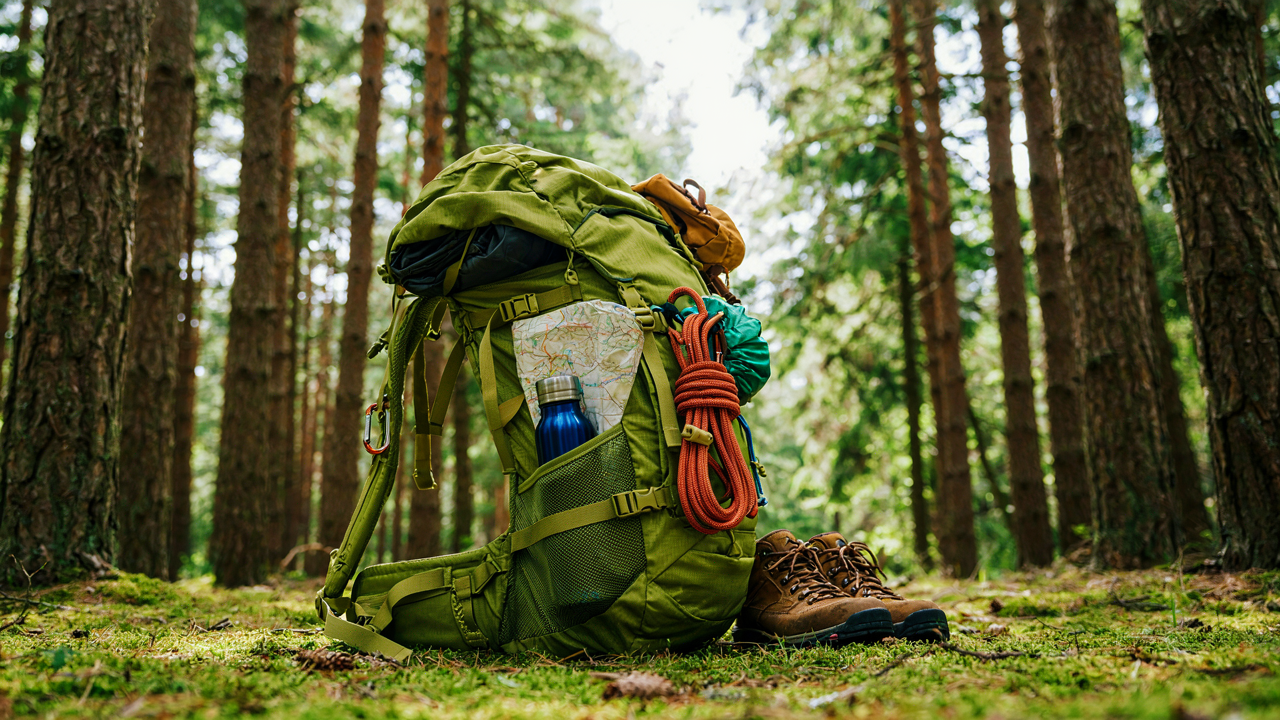
The Pre Hike Protocol: Beyond The Generic Hiking Checklist
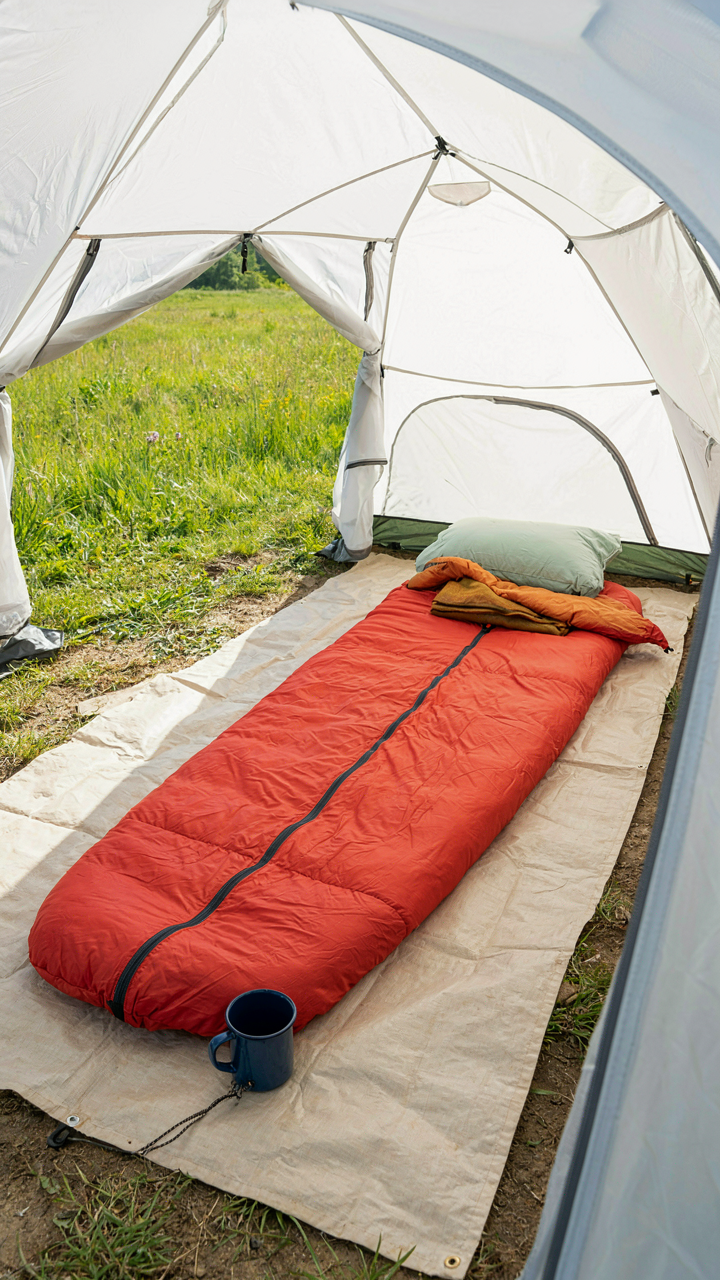
Stop Waiting Until The Night Before
You’re asking when to start packing because you’re afraid of forgetting something critical and looking unprepared. The real mechanism is simple: your brain can’t evaluate gear quality or fit under time pressure. You need days, not hours, to catch problems that only reveal themselves through handling and testing.
Most people treat packing like a checklist problem. It’s not. It’s a discovery problem. You pack early to expose what doesn’t work, what doesn’t fit, what you actually need versus what you think you need. A sleeping bag compressed wrong won’t show you the issue five minutes before you leave. Three days gives you time to swap it out or adjust your system.
The Decision Must Come Before The Gear

Economics uses the term “opportunity cost” to describe what you give up by choosing one thing over another. Your hiking timeline has the same structure: every decision you make early eliminates decisions you’ll face under pressure. Mindset precedes gear selection because gear selection IS a series of decisions about trade-offs.
Start with your actual conditions and constraints, not with what other people packed. Trip length, elevation, season, and your personal cold tolerance dictate everything. Write these down first. Your choices about weight, redundancy, and backup systems follow from this foundation, not from a generic list. The packing timeline collapses when you skip this step and start grabbing items instead.

Weeks Out: Intelligence Gathering For Your Hiking Guide
Route Reconnaissance And Elevation Data
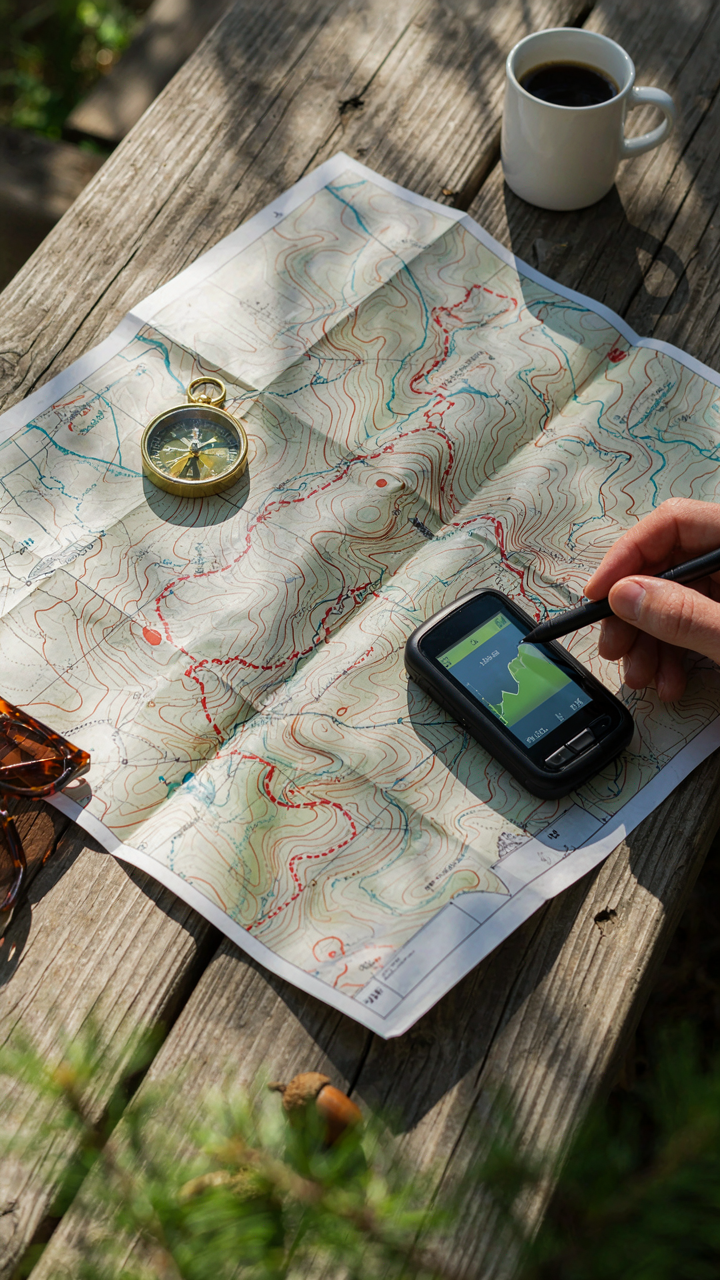
You want to feel prepared without actually doing the work, so you skip the hard data and pack based on vibes. Here’s the mechanism: topography determines what your body will actually demand, and elevation gain matters more than distance. Military strategists call this “terrain analysis”—the ground shapes the mission. A ten-mile flat trail and a five-mile climb with 3,000 feet of elevation change require completely different gear loads and clothing layers.
Pull the actual route file. Use tools like AllTrails, Gaia GPS, or CalTopo to download the elevation profile and cross-reference it against the trailhead coordinates. Note water sources, exposed sections, and tree coverage from satellite view. This data tells you whether you’re dealing with alpine exposure, dense forest, or open meadow. Each demands different gear. You can’t pack intelligently without knowing what terrain you’re entering.
Weather Patterns And Seasonal Shifts
The common advice says “check the forecast.” That’s incomplete. A forecast tells you what happens in three days, not what actually occurs at elevation during that specific season and time of day. You need climate data, not a prediction. Pull historical weather records for that exact trailhead across the past five to ten years for the week you’re hiking. Look for patterns: temperature swings, storm probability, wind direction, and precipitation type.
Elevation changes temperature six to ten degrees Fahrenheit per 3,000 feet gained. If the trailhead forecast shows 65 degrees and you’re climbing 4,000 feet through variable terrain, your summit could hit forty degrees with wind chill dropping it further. Cross-reference historical data with current seasonal patterns, then pack for the worst credible scenario that matches your route profile. This is why you start weeks out: the data exists, and it eliminates guessing.
The Minimum Viable Kit Principle: Hiking Essentials List
What Actually Keeps You Alive
You want permission to pack less because overpacking feels like failure, and underpacking feels like negligence. The mechanism is simple: survival needs follow a hierarchy, and most people conflate comfort with necessity. Military logistics borrowed the concept of “load bearing capacity” from physics—the idea that every system has a limit. Your body has one too. Cross it, and your decision-making degrades before your legs do.
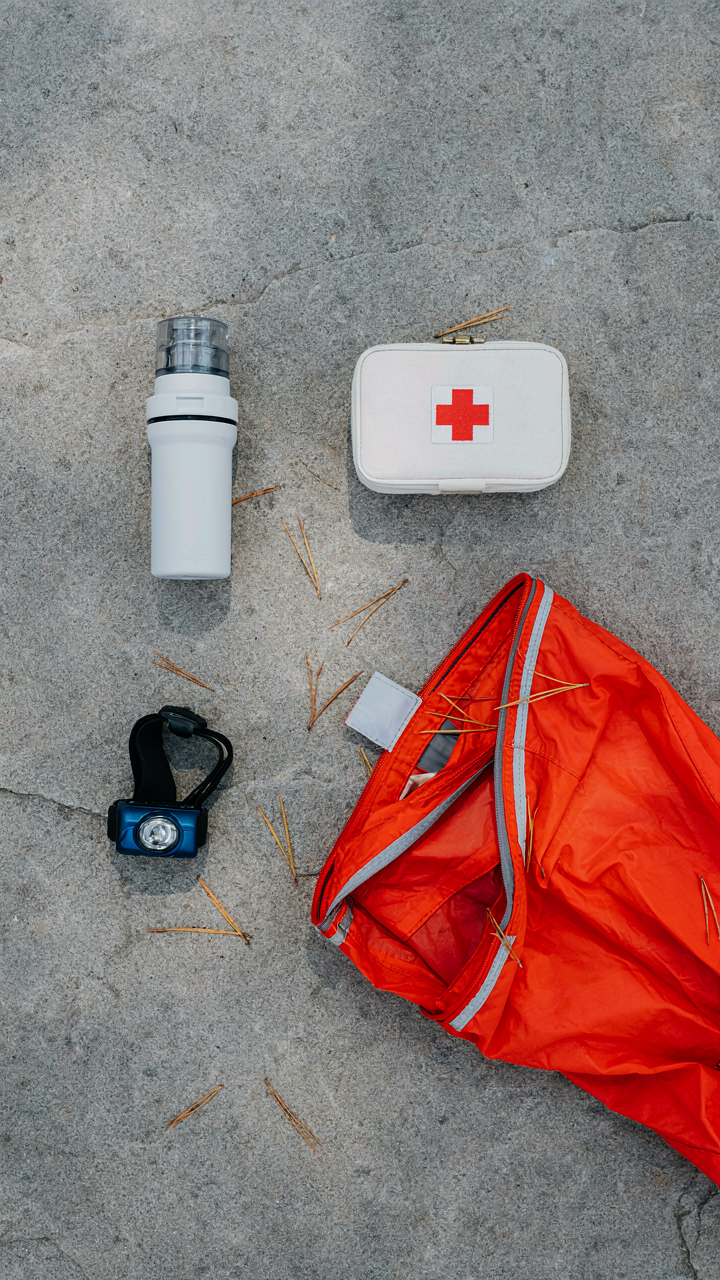
Start by naming what prevents death on the trail: water, shelter from elements, navigation, basic first aid, and a way to signal for help. Everything else is negotiable. A water filter or purification tablets matter more than snacks. A lightweight emergency bivy matters more than a full tent on day hikes. Navigation means map plus compass or GPS, not your phone battery. The gap between these two lists is where most people waste weight and packing time.
Strip Away The Comfort Narrative
Generic advice tells you to “pack what you need,” which is useless because it doesn’t identify what “need” actually means versus what feels safer. Comfort items—extra socks, redundant layers, full-size toiletries—don’t prevent emergencies. They prevent discomfort. You pack them because doubt whispers that you might regret leaving them behind. That’s not planning. That’s anxiety dressed as caution.
Test this ruthlessly before your packing timeline even starts. Do a short day hike with minimal gear. Identify what you actually used versus what you carried just in case. Most people discover they never touched half their inventory. Repeat this three times on different terrain and seasons. This empirical data replaces the generic checklist. Your packing timeline stops bloating when you know, not assume, what the trail demands.
Load Bearing Dynamics: An Engineering Approach To Your Packing Checklist

Where Your Pack Weight Actually Lives
You care about this because a heavy pack makes you look weak on the trail. That’s not the real problem. Physics determines whether your body breaks down or functions. In load bearing, engineers use the concept of center of gravity—the point where all weight concentrates. Your pack’s center of gravity should sit directly above your hips, not floating on your shoulders. Pack wrong and gravity pulls you forward, forcing your lower back to compensate constantly. This isn’t discomfort. This is structural failure happening in real time.
Most packing advice says “put heavy items low in your pack.” That’s incomplete. Heavy items belong low AND close to your spine. A 30-pound pack with weight distributed at the perimeter creates more rotational stress than a 35-pound pack with weight stacked vertically along your centerline. The timeline matters here: you should identify your heaviest items at least three days before departure and test their position in your actual pack. Don’t discover balance issues on mile two of an eight-mile hike.
Pack Architecture Determines Comfort Before Mile One
Ergonomics isn’t about padding. It’s about force distribution and movement efficiency. Your hip belt transfers 60 to 80 percent of pack weight to your pelvis when fitted correctly. Most hikers never tighten their hip belt properly, so the weight stays on their shoulders instead. This choice, made during packing, determines whether you finish strong or finish in pain.
Check your pack fit one week before the hike, not one day before. Wear the pack loaded for 20 minutes around your home. The hip belt should sit on the top of your hip bones, not your waist. Shoulder straps should angle slightly backward from your shoulders, not hang vertical. If you notice rubbing or pressure points during this test, you address them now by adjusting strap placement or adding padding. Waiting until trail time means you’ve already failed the engineering test.
The Iterative Packing Method: Optimizing Your Hiking List Packing
Simulate Pack Outs, Test And Refine
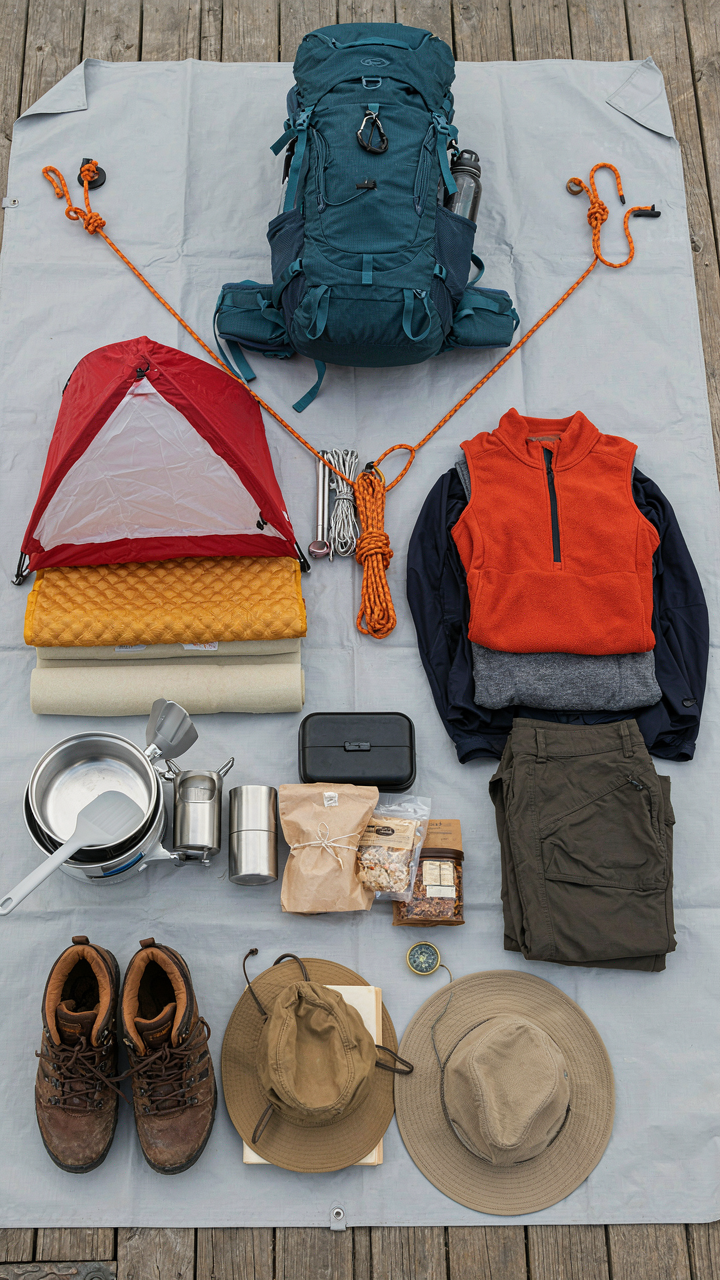
You want to avoid the shame of forgetting something critical or overpacking like an amateur. Here’s what actually works: treat packing like an engineering problem, not a checklist problem. The mechanism is iteration. You assemble your gear, simulate the trip mentally or physically, identify friction points, then adjust. This isn’t one pass. It’s three to five passes minimum, each one revealing what the previous one missed.
Start this process five to seven days before departure, not the night before. Lay out every single item you plan to bring. Walk through your route mentally: the car drive, the trailhead setup, the first mile, camp setup, cooking, sleep, breaking camp. At each stage, touch the gear you’d use. Notice what’s missing. Notice what you don’t need. Reorganize. Do this again two days before departure. The gaps become obvious only when you run through the sequence twice.
Document Revisions For Future Trips
Most people pack the same way every trip and wonder why they keep forgetting the same things. The fix is mechanical: after every hike, write down what you used, what you didn’t, and what you wished you had. This creates a feedback loop. Your second trip of the season becomes 30 percent more efficient than your first. Your fifth trip is dramatically different from your first because you have data, not guesses.
Use a simple format: trip date, trail name, duration, season, what you added versus last time, what you removed, what surprised you. Store this somewhere you’ll actually find it. Spreadsheet, note app, whatever. When you pack for a similar trip six months later, you pull that data and start from a proven baseline instead of zero. This compounds. Each documented trip makes the next one faster and smarter, which means you stop overpacking out of anxiety and start packing based on evidence.
The “Day Hike” Fallacy: Underestimating Short Trip Demands
When Minutes Turn Into Hours
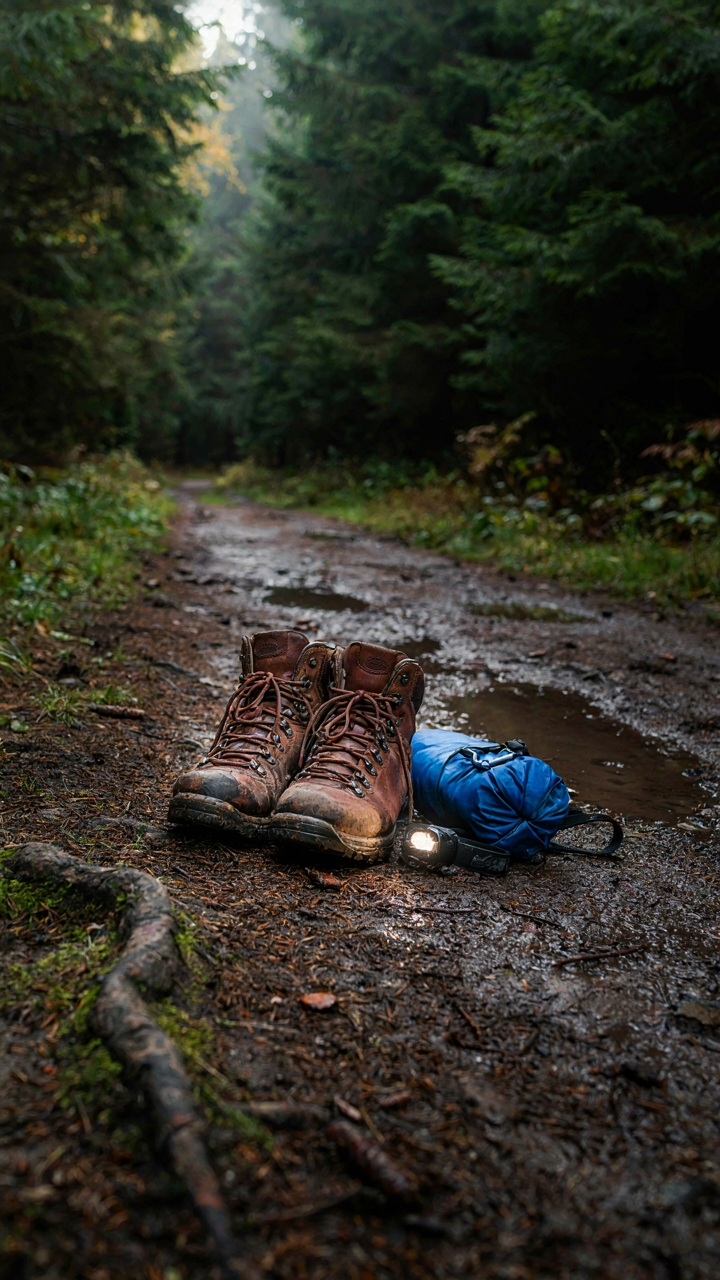
You think a day hike doesn’t need real prep because you’ll be back before dark. That’s denial masquerading as logic. The mechanism is simple: perception shrinks with perceived duration. A four-hour round trip becomes eight when terrain delays you, weather shifts, or someone moves slower than expected. Most hikers pack for the hike they imagined, not the hike that actually happens. Start your packing timeline the night before, not the morning of. Your brain needs sleep to catch what you’ll actually need.
Micro-emergencies don’t announce themselves with a three-day warning. A twisted ankle on mile two means you’re stationary and exposed. Dehydration hits faster on short trips because you skip water planning. A lost trail section costs an hour you don’t have. These aren’t rare scenarios. They’re the baseline conditions that separate people who return intact from people who call search and rescue at sunset. Pack as if time is your scarcest resource, because on a day hike it literally is.
The Core Gear Non Negotiable
Common advice says “just bring water and a snack” for short hikes. That’s incomplete and dangerous. Systems thinking from emergency preparedness maps directly to hiking: redundancy. You need backup for every critical system your body depends on. Start your packing list four days before departure, not four hours. This gives you time to verify gear actually works and fits your pack.
A blister kit, emergency whistle, basic first aid, and a headlamp aren’t optional extras for day hikes. They’re insurance. A phone with no signal dies into dead weight fast. Carry a map, compass, or GPS device. Wear layers even if the forecast says perfect weather. Weather changes, you stop moving and cool down, or you summit and wind picks up. One truly forgotten item converts a manageable situation into a real problem. Your packing protocol starts with a fixed core list that never changes, then adds trip specific gear on top.
Gear Staging And Readiness: Your Personal Hiking Trip Packing List Hub

Create A Dedicated Gear Zone
You want a packing system that makes you look organized. What you actually need is friction reduction. The real mechanism comes from spatial design: clustering identical items in one location drops your decision fatigue and packing time by half. You stop hunting through closets three days before departure. Instead, you walk to one spot, verify what’s there, and move forward.
Designate a shelf, closet corner, or storage bin as your permanent hiking station. This isn’t decoration. Keep your boots, socks, layers, and pack in one place year-round so you skip the archaeological dig through your house when a trip materializes. The cost is minimal shelf space. The return is the ability to pack in minutes instead of hours because you already know where everything lives.
Pre Assembled Emergency Kits Ready To Go
First aid kits aren’t just medical supplies. Think of them like redundancy in engineering: you build fail-safes before you need them. A pre-packed emergency module means you grab it intact instead of assembling components under time pressure or stress. You eliminate the choice to skip items because they’re already committed to a container.
- First Aid Module: Bandages, antibiotic ointment, pain relievers, blister treatment, and tweezers in a waterproof pouch. Ready to clip into your pack without thinking.
- Navigation Backup: Paper map, compass, and backup battery for GPS device stored together. Not scattered across desk drawers.
- Fire Starting Kit: Waterproof matches, lighter, and fire starter in a sealed container. Check once per season, not five minutes before the hike.
- Emergency Shelter Module: Space blanket and emergency whistle banded together. Takes thirty seconds to verify, zero seconds to grab.
- Hydration And Electrolytes: Filtered water bottle or tablets plus electrolyte packets pre-portioned for your typical trip length.
Build these kits once, then verify them quarterly. This removes the decision loop entirely. You don’t negotiate with yourself about whether to include items. They’re already committed. When you pack your main gear, you simply drop the modules into your pack and move to the next task.
The Contingency Matrix: Adapting Your Hiking Packing List

When Plans Fail, Systems Win
You want to pack for contingencies so you feel in control. The real mechanism is that most hikers pack for the trip they planned, not the trip that actually happens. Military logistics calls this “branch planning”—preparing decision trees for specific failure points instead of generic “what-ifs.” Your packing timeline needs a dedicated phase for identifying where your trip breaks.
Start this phase two weeks before departure. Map your route’s critical failure points: water sources that dry up, weather systems that shift, navigation junctions where mistakes compound. For each point, name one scenario that disrupts your original plan. Document it. This isn’t paranoia. It’s the difference between improvising under stress and executing a protocol you already vetted.
The Backup Item Protocol
Redundancy for critical items isn’t about carrying duplicates of everything. It’s about identifying which single item failure terminates your trip, then deciding how to mitigate that failure. Bring your main water filter. Bring purification tablets. Bring a backup headlamp and extra batteries. These aren’t luxuries. They’re the structural supports that keep the trip from collapsing.
Your packing list should flag critical items in a separate category one week before departure. Next to each, write the failure mode and the backup solution. Fire starter fails: you carry backup. Navigation tool breaks: you carry backup. Sleep system tears: you carry backup or accept the trip ends. Every item in this category gets packed first, inspected second, and verified three days before you leave. No exceptions.
Mastering The 72 Hour Window: The Critical Hiking Tips

The Inventory Audit That Actually Matters
You’re doing this 72-hour check because you’re afraid you’ll forget something critical and look unprepared. That fear is useful. Here’s the mechanism: most people pack once, then rationalize. The 72-hour window forces a second pass where your brain catches what the first pass missed. You check food expiration dates now because perishables degrade unpredictably in your pack. Temperature fluctuations, compression, and humidity create conditions you can’t predict until gear sits loaded.
The real work happens when you physically lay out every food item and verify dates. Water systems need testing because failures happen days before the trip when you notice the filter cartridge cracked. Batteries drain. Gas canisters leak. None of these failures matter if you catch them now instead of at trailhead. Do the inventory on day 3 before departure, not the morning of. This gives you time to source replacements.
The Mental Rehearsal Before You Move
Strategy borrowed from military planning calls this “commander’s intent” applied to hiking trip packing timeline. You’re not just checking boxes. You’re running through the actual trip in your mind and asking where each item solves a specific problem. Mental preparation means walking through day one logistics: which pocket holds your map, where sits your first aid kit, how do you access water on the first water source. Last-minute intel changes everything. Check weather forecasts 48 hours out because storm systems shift. Trail conditions reported on community forums or park websites matter. Snow, washouts, or closures force different gear choices entirely.
This rehearsal surfaces questions your packing list can’t answer alone. You discover you need a second layer because temperature swing is wider than expected. You realize your camp shoes don’t fit because you packed them full of other gear. The mechanism is simple: anticipation prevents failure better than reaction ever does. Do this walkthrough on day 2 before the final 24 hours hit.
The Post Hike Debrief: Optimizing For Your Next Adventure

Know What You Actually Carried
You want to believe your packing was efficient so you don’t have to think harder next time. Here’s the mechanism: without documenting what worked and what didn’t, you repeat the same mistakes because memory is unreliable. Pull everything out immediately after returning home. Note what stayed in your pack unused, what you ran out of, and what failed. This inventory becomes your actual packing template, not some generic list from the internet.
Most hikers skip this step because it feels tedious. Gear maintenance happens whether you assess it or not. Wet items deteriorate in your pack. Batteries corrode. Straps degrade. The difference between a hiker with reliable gear and one constantly buying replacements is a thirty minute post-trip protocol: dry everything, wipe down zippers, inspect seams, replace batteries, coil cords properly. You’re not maintaining gear out of discipline. You’re protecting the only system that knows your actual needs.
Calibrate Your System For Redundancy
The common advice says pack lighter every time. That’s incomplete. What you should do is eliminate redundancy that didn’t serve you, then build redundancy that did. Borrowed from systems engineering, critical path analysis identifies which items, if missing, stop the entire hike. Your water filter is critical path. Your backup lighter is not. A second pair of socks is critical path on a three day trek but not on a day hike. Your packing timeline for the next trip changes based on which items need pre positioning, testing, or replacement.
Document one change per trip. Don’t overhaul your entire system after a single hike. Small iterations compound. If your shelter failed, you add a tarp test to your next timeline. If your food rationing was wrong, you recalculate portions before packing next time. The goal is a packing system that adapts to the specific conditions you actually encounter, not the conditions a guidebook predicted. That requires one deliberate modification after each trip, tested on the next one.
Your Biggest Obstacle Isn’t What To Pack, But Your Undisciplined Approach To Preparing For It

Most hikers fail not because they pack wrong, but because they never commit to a timeline. You procrastinate, throw things together last minute, and arrive exhausted before the trail even starts. Start your packing list today. Not tomorrow. Write down three hikes you actually want to do this year and pick dates. Discipline beats preparation every single time.