
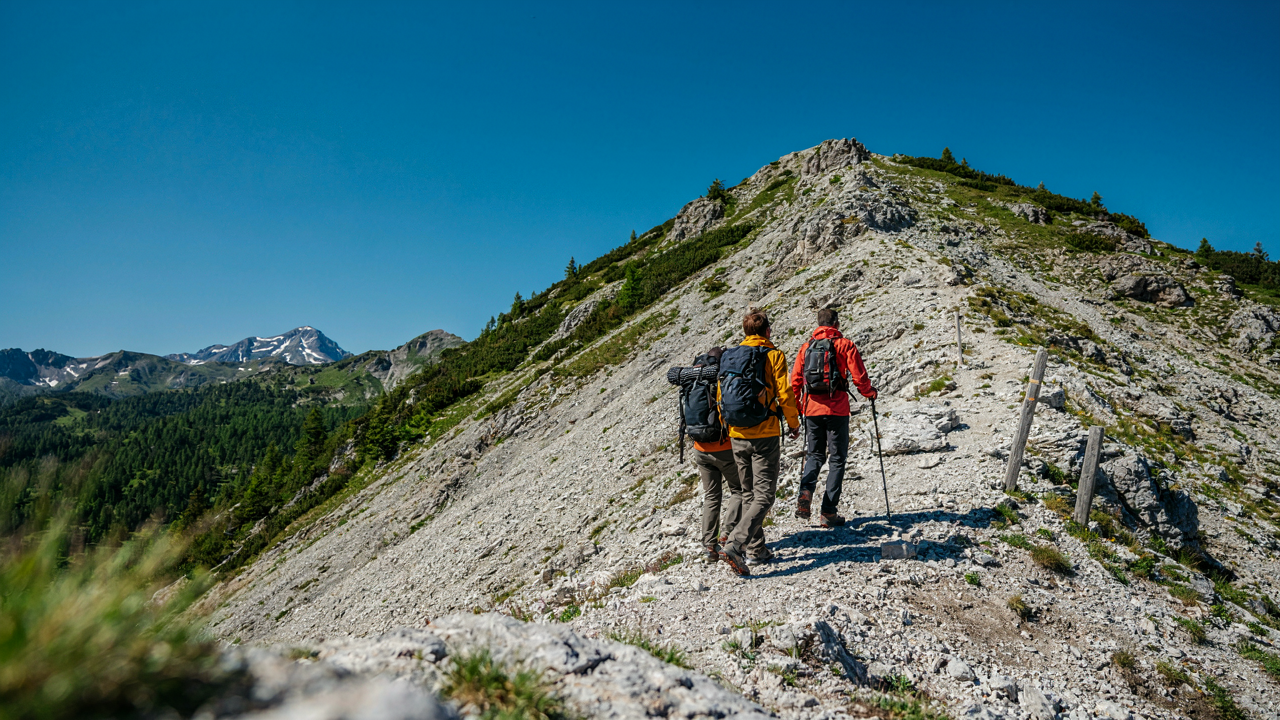
Beyond Postcards: Curating Deliberate Discomfort, Not Just Pretty Views
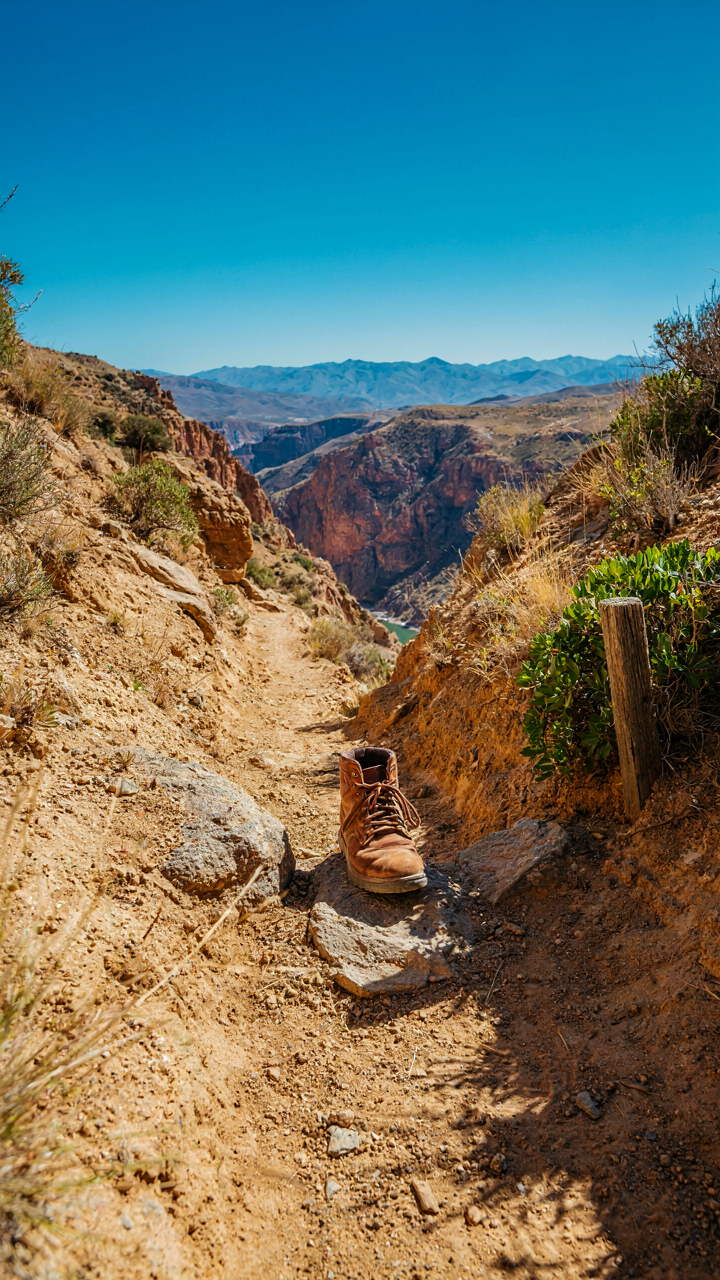
Trails That Test, Not Just Entertain
You want the Instagram moment without admitting you’re bored by easy wins. Here’s the mechanism: comfort erodes couples faster than conflict does. You need trails that demand something from both of you simultaneously, not just elevation gain that looks good in photos. Borrowed from stress physiology, the concept of “allostatic load” applies here—your nervous system adapts to constant ease, so mild stimuli stop registering as real. A couple needs shared adversity to stay sharp together.
Most couples pick trails by looking at ratings and distance. Wrong filter. You’re looking for trails where decision-making matters: route-finding sections, scrambling that requires trust, or weather exposure that forces you to communicate under pressure. A 12-mile trail with 3,000 feet of elevation on a marked path teaches you nothing new about each other. A 6-mile trail with navigation ambiguity, loose rock sections, and wind exposure teaches you everything. The discomfort has to be active, not passive.
Identifying Your Shared Psychological Edge

Your psychological edge is not where you both fail—it’s where one of you gets defensive and the other has to lead. Find it first. This prevents the blame spiral that kills couples on the trail. Ask directly: Does one person panic in exposure? Does one freeze during route decisions? Does one person collapse when tired and the other resents the pace? You’re not trying to fix these things before the hike. You’re naming them so they don’t ambush you mid-scramble.
Design the trail to hit that edge deliberately, in controlled doses. If one person fears exposure, pick a trail with one exposed section, not ten. If decision-making stalls the group, choose a trail where the route splits matter but aren’t life-or-death. This isn’t coddling—it’s precision. You’re building capacity in the exact spot it breaks. Schedule this hike for a time when you’re both stable, rested, and not already stressed. After the hike, debrief the edge moment specifically: what worked, what didn’t, how you handled it together.

The Cognitive Load Principle: Why Simpler Gear Means Stronger Bonds
Minimalist Packing Cuts Decision Fatigue
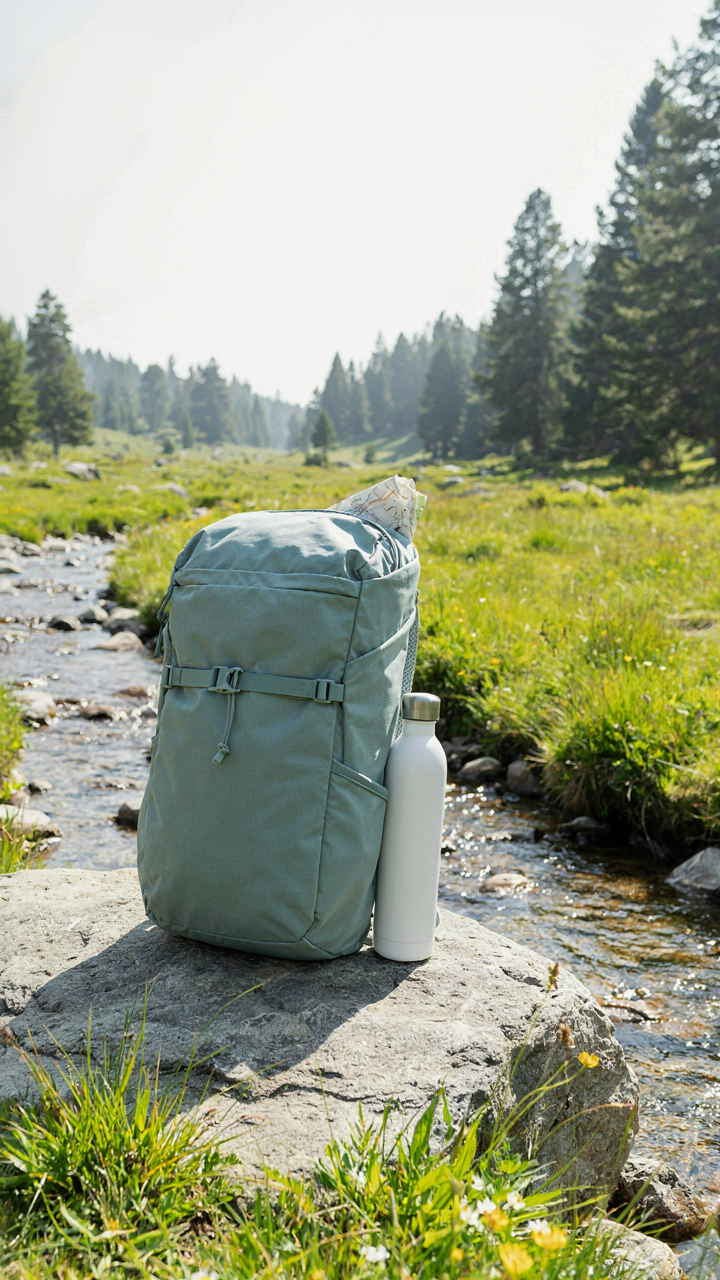
You want to feel like you’re doing something hard without actually suffering. That’s the real draw here. The mechanism is cognitive load: psychology research shows decision fatigue degrades judgment and patience the moment you exceed your mental bandwidth. Pack thirty items and you’ll spend the hike managing logistics instead of connecting. Pack ten and the trail becomes the only variable that matters.
Every extra item is a decision point disguised as preparedness. Two water bottles instead of one means debating which one to refill. Multiple layers mean outfit choices at every temperature shift. Couples fight not because they disagree on direction, but because one person is exhausted from managing too many micro-decisions before lunch. Strip the gear list to essentials: one pack style per person, shared shelter, shared cooking setup, one water system between you. The constraint forces collaboration instead of negotiation.
Shared Responsibility Eliminates Hidden Resentment
Load distribution in logistics works like load distribution in physics: uneven weight creates friction at the contact point. One person carries the tent, one carries food, but both own the decision about when to stop. This isn’t noble or fair-sounding. It’s mechanical. Hidden resentment builds when one person manages unseen variables while the other reacts to decisions already made.
Assign responsibility by outcome, not by task. One person owns “we have water,” another owns “we have shelter,” a third owns “we have food.” How they achieve it stays their call. This separates the actual problem from the ego of solving it. On the trail, the person carrying the tent doesn’t resent the other for “not helping” because both people agreed the shared outcome matters more than who carried what. Decision-making power, not gear weight, is what actually matters.
The Mutual Dependency Matrix: Engineering Situations That Demand Teamwork

Navigation Without GPS
You want proof your relationship works before you commit harder to it. Navigation challenges deliver that proof because they force real-time communication under mild stress. Game theory calls this a “coordination problem” – two agents must align decisions with incomplete information. On a hike, this means one person reads the map while the other tracks terrain features, then they cross-reference and decide direction together.
The mistake most couples make is treating navigation like a solo task one person handles while the other follows. That’s not a team. Real navigation on unfamiliar terrain requires constant call-and-response: “Do you see that ridge?” “Yes, and the creek bends left there.” This builds trust faster than any relationship exercise because mistakes have immediate, visible consequences. You either find the trail or you don’t. No interpretation required.
Camp Setup: The Friction Audit
Every couple discovers who they actually are when setting up camp in fading light. There’s no audience, no script, and gear that refuses to cooperate regardless of intentions. This is where you learn if your partner communicates or shuts down, if they problem-solve or panic, if they manage frustration or weaponize it. Set up camp together on every hike. Make it mandatory, not optional.
The structure matters: one person organizes gear while the other scouts the site, then you swap roles. This forces both of you to understand the full operation, not just your lane. When the tent pole breaks or the stove won’t light, you’re not operating from a hidden resentment about “your job versus mine” – you both know the whole picture. This shared ownership removes the excuse-making that kills couples on multi-day trips.
The Thermodynamics Of Trust: How Shared Struggle Heats Up Intimacy

Resistance Creates The Bond
You want to believe that a couple hikes together and falls deeper in love through scenery. That’s not the mechanism. Physics tells us that resistance generates force, and hiking provides external resistance that couples can’t negotiate away. A steep incline, altitude, weather, distance, fatigue, exposure on a narrow ridge. These variables don’t care about your relationship status. They force real-time problem-solving between two people under actual stress, which is where trust either builds or fractures.
Most couples hike for the view. They should hike for the climb. The view is what happens after you’ve both faced something harder than your daily life and still moved forward together. When your partner says they need to stop, and you stop without resentment. When you’re tired and they encourage you to keep going. When visibility drops and you navigate together using a map instead of assuming. These aren’t moments of romantic connection. They’re moments of mutual verification that the other person operates under pressure the way you need them to.
Energy Spent Reveals Actual Character
Emotional honesty under fatigue is not something you can fake. The trail strips away social performance because your body won’t cooperate with the mask. Couples often mistake their hiking compatibility for their actual compatibility because the best version of themselves shows up on day hikes. The problem is, life isn’t a curated four-mile loop. Real compatibility requires knowing how someone behaves when their glycogen is depleted, their legs hurt, and they’re genuinely questioning why they agreed to this.
On a longer or more difficult hike, you see decisions made without bandwidth for pretense. How does your partner react when they’re slower than expected? Do they blame the trail or themselves? When you’re exhausted and frustrated, do they push you harshly or match your pace? When supplies run low or weather turns, who adapts and who complains? Energy expenditure reveals whether someone is genuinely collaborative or just cooperative when conditions are easy. Plan hikes that last long enough to move past the first wind, where the real conversation starts when difficulty peaks.
Pre Trip Protocol: The Uncomfortable Conversations No One Wants

Expectations And The Reality Gap
You want this trip to fix things or prove something about your relationship. That’s the real reason you’re reading this section. The mechanism is simple: unspoken expectations create friction the moment conditions deviate from the fantasy you both built separately in your heads.
Most couples skip this step because it feels unromantic. It isn’t. The couples who suffer on trails are the ones who assumed their partner wanted the same experience. One person trained for elevation gain. The other wanted solitude and slow movement. Neither is wrong. Misalignment is the problem. State what you actually want from this trip before you leave.
Who Moves And Who Holds Space
Borrowed from military logistics: every operation needs a lead unit and a support structure. On a hike, one person typically sets the pace and route decisions. The other manages morale, timing, and readiness adjustments. This isn’t about dominance. It’s about clarity.
Here’s what gets missed in generic advice: designating roles beforehand prevents the resentment that builds when one person defaults into leading while the other defaults into following without agreement. Discuss these openly.
- Pace setter: Decides speed and route choices. Communicates changes before executing them. Takes responsibility for the group’s physical progress.
- Contingency manager: Monitors water, food, energy levels, and conditions. Has authority to call rest stops or route adjustments without debate.
- Navigation owner: Handles map, GPS, or trail markers. Makes final call on direction when unsure. Prevents circular arguments mid hike.
- Morale anchor: Notices when energy dips. Initiates breaks or conversation shifts. Prevents silence from turning into resentment.
- Role rotation checkpoint: Agree to swap roles halfway through longer hikes or on the next trip. Prevents permanent hierarchies.
The trap is thinking these roles sound formal or stiff. They’re not. They’re the difference between one person silently frustrated and both people knowing what the other is managing. Agree on roles the week before departure. Document it if necessary. On the trail, you execute without renegotiating every decision.
The Detachment Doctrine: Disconnecting To Reconnect (No Hiking Pics Required)

Leave Your Phone In Airplane Mode
You want proof that unplugging matters so you can feel virtuous about it. Here’s the real mechanism: constant connectivity fractures attention. Neuroscience calls this “continuous partial attention,” and it kills the one resource couples actually need on a trail—undivided focus on each other. You can’t build intimacy in fragments.
Airplane mode isn’t a trend. It’s a boundary. The moment you hit the trailhead, switch it on and commit for the full duration. No “just checking messages.” No photo ops for validation. The hike doesn’t become real because you posted it. It becomes real because you were actually there.
Naming What You See Together
Observation requires naming. When you both stop to identify a bird species, a rock formation, or a weather pattern, you’re not just seeing the same thing—you’re building a shared vocabulary. Biology uses the term “phenotype” to describe observable traits. On a hike, the couple’s phenotype is what they choose to notice and discuss together, not what they ignore in silence.
Start with simple questions: “What’s that call?” “How did that canyon form?” “Why is the lichen only on that side?” The answers don’t matter as much as the act of wondering aloud together. This transforms the hike from parallel experience into collaborative investigation. You leave the trail with inside references, shared knowledge, and proof that you pay attention to the same things.
Post Hike Debrief: Extracting Lessons From The Lived Experience

What Actually Went Wrong
You want to believe the hike was perfect because admitting friction means the relationship has cracks. Here’s the mechanism: a hike is a closed system with constraints (elevation, weather, pace, fatigue) that forces decisions into the open. You can’t hide poor communication when you’re three miles from the car and someone’s legs are failing.
Treat the hike like a feedback loop from systems engineering. Input your plan and assumptions. Output is what actually happened. The gap between them is your data. Most couples skip this entirely, which means they repeat the same conflict on the next trail. Write down one specific moment where the plan broke: who got tired first, who navigated wrong, where did you disagree on pace. That’s not criticism. That’s information.
Where Trail Problems Live In Real Life
Your couple dynamic doesn’t change at 8,000 feet. It just gets louder. If one partner makes unilateral decisions on the trail, they do it in the kitchen. If communication breaks down when tired, it breaks down under other stressors too. The hike is a clean mirror because the variables are simple: distance, elevation, heat, hunger, fatigue. Nothing else to blame.
Extract one pattern from the hike and name where it shows up in your normal weeks. Did impatience emerge? You’ll see it during planning or decisions. Did one person withdraw when overwhelmed? That’s your signal for how they handle work stress or family conflict. The specificity matters. Don’t say “we need better communication.” Say “when I pushed pace, you stopped talking and we didn’t recover until we stopped.” Then run that same correction protocol before the next high-pressure moment, not just the next hike.
The “Adventure Couple Aesthetic” Fallacy: It’s Not About The Shot, It’s About The Story

Connection Before Documentation
You want the photo to prove the experience was real. That’s the actual problem here. The mechanism is simple: when you optimize for the image, you optimize away from the moment. Your attention splits between what’s happening and how it looks happening. That friction costs you the one thing a couple hike actually builds—synchronized presence with another person.
The difference between couples who report deeper connection on trails versus those who don’t has nothing to do with scenery quality. It’s about phone placement during the hike. When the camera stays in a pack except for deliberate stops, couples actually talk. They notice each other’s pace, breathing, struggle. They problem-solve a muddy section together. They joke at the summit without an audience. This is what etches into memory.
Memory That Outlasts The Feed
Psychologically, episodic memory—the recall of lived experience—gets stronger through sensory detail and emotional stakes, not through repetition of images. A photo you post and scroll past three times fades faster than a moment you actually inhabited. Couples who hike without documenting obsessively report clearer memories of the trip a year later because they encoded it deeper.
The concrete protocol: designate one 15-minute window per hike for intentional photos. Everything else happens undocumented. During those other hours, you’re building the story you’ll actually tell repeatedly. That story—the one with specifics about what your partner said at mile three, how the light changed, what you discovered about each other—becomes the real proof the experience mattered. Photos supplement memory. Undocumented moments construct it.
Re Wilding Your Relationship: Beyond The Instagram Feed
Stress Inoculation Through Exposure
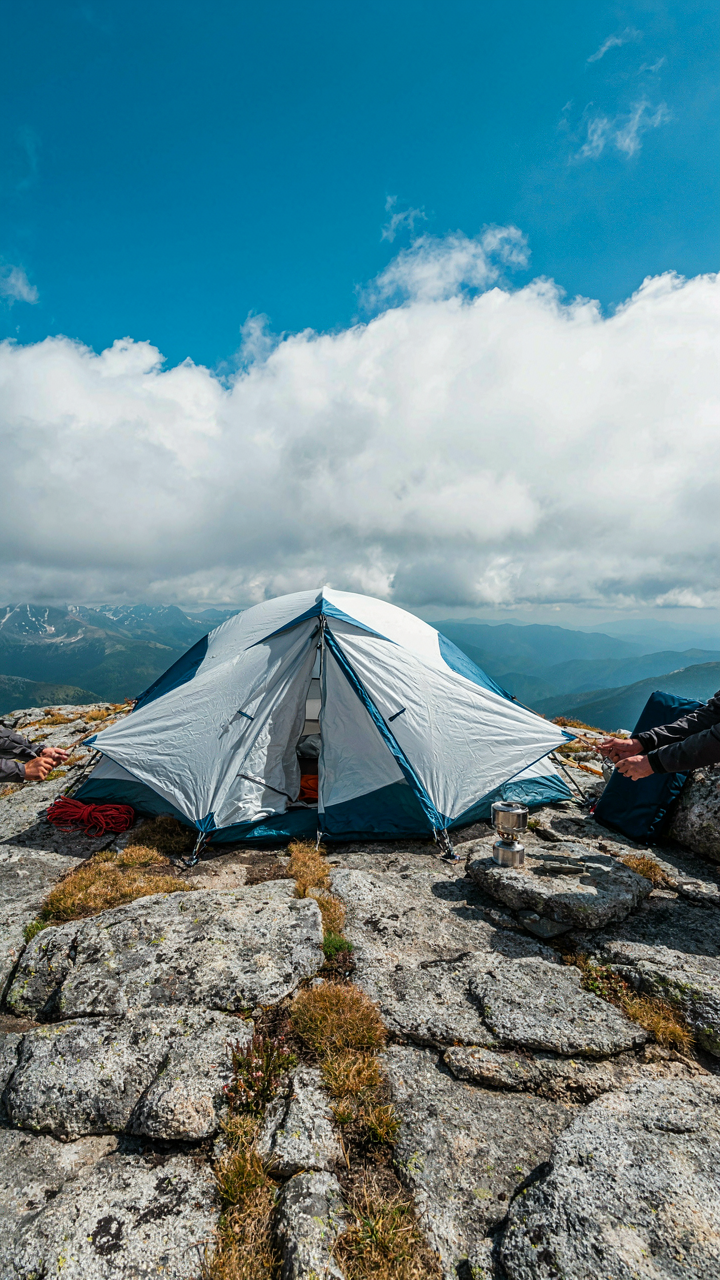
You want to believe a hiking trip fixes your relationship because admitting the real problem requires work. Here’s what actually happens: stress inoculation is a military psychology term. It means controlled exposure to manageable hardship builds capacity to handle future pressure. On a multi day hike, couples face real problems together. Weather shifts. Supplies run low. Navigation fails. Neither person can scroll away or delegate. Shared friction under load rewires how you operate as a unit.
The common advice is that nature heals and bonding happens automatically. Wrong. Bonding happens when two people solve an actual problem without an exit. A day hike in good weather teaches nothing. Multi day trips in variable conditions, where you must cooperate to meet basic needs, force the real conversation. You learn how your partner handles discomfort. You see whether they blame or problem solve. You discover if they quit when things get uncomfortable. Stress inoculation doesn’t fix broken relationships. It reveals which ones can function under actual pressure, not just Instagram conditions.
Wilderness Lessons Applied To Daily Friction
Most couples treat hiking trips as escapes rather than training grounds. That defeats the purpose. The mechanism here is transfer learning from environmental design. In wilderness, systems either work or they fail visibly. There’s no middle ground. Your camp either has water nearby or it doesn’t. Your route either has shelter before dark or it doesn’t. You either packed enough food or you ration. These binary outcomes train pattern recognition for home life friction.
Back in your normal environment, apply the same ruthlessness to decisions. If a problem exists, name it clearly rather than hint at it. If a solution is needed, test it immediately rather than delay. If something fails, adjust the system instead of working harder within a broken structure. The hiking trip teaches you that vague communication and half measures don’t survive real constraints. You either change the system or you suffer. Bring that standard home.
Your Relationship Isn’t Built On Smooth Trails; It’s Forged In The Friction Of Shared Ascent

Most couples treat hiking as a checkbox activity. They miss the point entirely. The real work happens when one of you wants to quit at mile three and the other pushes forward. That’s where you learn who you’re actually with. Pick a trail that scares you both slightly, not one you’ve already conquered. Text your partner the trailhead coordinates right now. The couples who build something real aren’t the ones taking Instagram photos on easy paths, they’re the ones breathing hard together on the climb.