
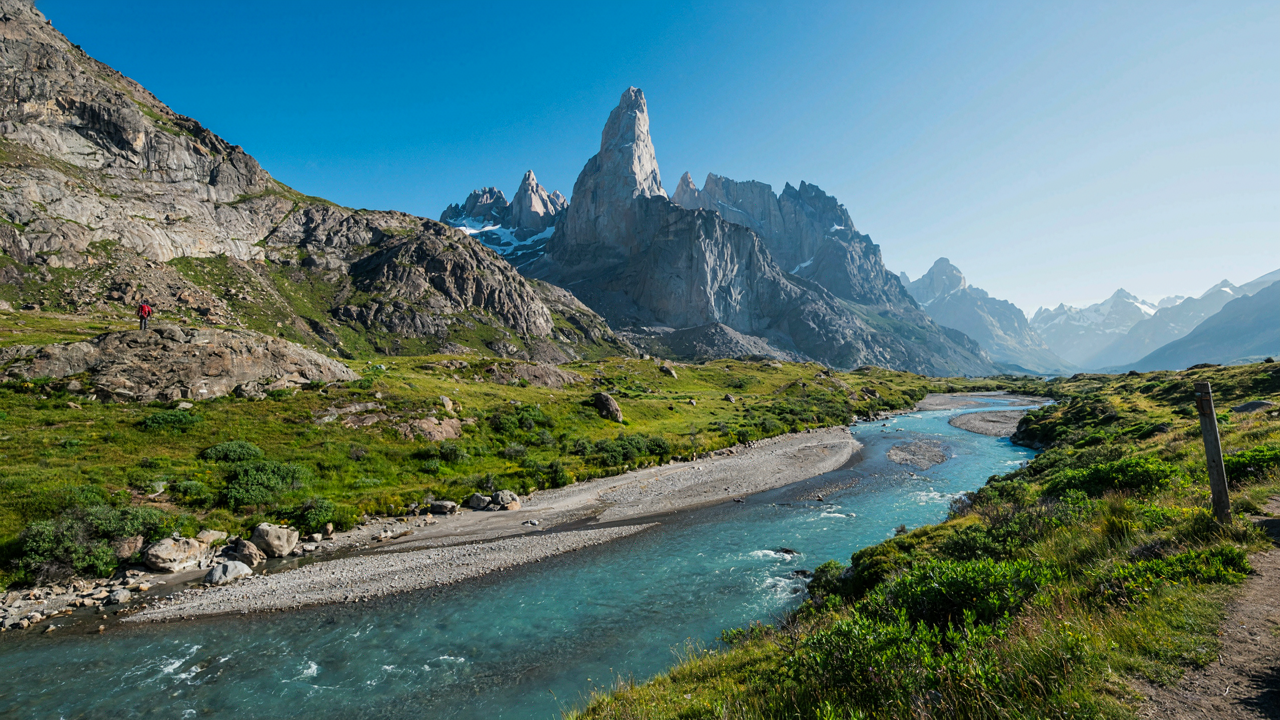
Beyond The Instagram Filter: Real Patagonia Chile Weather & Terrain

The Winds That End Hikes Before They Start
You want to believe your fitness and determination matter more than conditions. They don’t. Torres del Paine operates on wind mechanics—meteorology’s term for sustained directional force. The prevailing westerlies here average 30 to 40 knots, with gusts exceeding 60 knots routine during spring and early summer. Wind doesn’t slow you down incrementally. It creates a threshold moment where forward progress becomes impossible, not hard. Your legs stop working when you’re leaning into air.
The temperature swings here aren’t dramatic day-to-day shifts you can pack around. You’ll experience 20 to 30 degree Fahrenheit swings between morning and afternoon, separate from wind chill. Microfiber and wool layers work because you can shed or add them in minutes. Cotton fails because it holds moisture and loses all insulation value when damp. The real mechanism: conditions change faster than your body can physiologically adapt, so your gear must bridge the gap instantly. Check the Patagonia weather pattern the morning of your hike, then expect it to flip completely by noon.
River Crossings And The Elevation Trap

Most guides underplay river crossings because they happen on only certain routes. That’s incomplete. The Rio Paine and Río Grey aren’t technical challenges—they’re logistics problems that dictate when you can move at all. Snowmelt controls flow volume. Higher elevation means colder temperatures and delayed melt cycles, which changes crossing difficulty day by day. You can’t summit-chase here the way you do in domesticated ranges. Elevation gain on the W Trek hits 2,600 meters total, but it’s compressed into short, steep pitches where the altitude compounds exertion. Your cardiovascular system operates at sea level efficiency until it doesn’t.
The trail design forces you to make real decisions about pacing. Sections like the ascent to Mirador Base Torres climb 400 meters in roughly 1.5 kilometers. That angle isn’t forgiving for tired legs. The mechanism here is simple: compression of gain into short distance means your heart rate spikes before your body acclimates. Start early or start not at all. Water crossings during morning hours mean lower volume from overnight freezing. Plan your route backward from these constraints, not forward from your desired finish time.

The Minimalist’s Torres Del Paine Hiking Gear Protocol
Build Around One Core Layer System
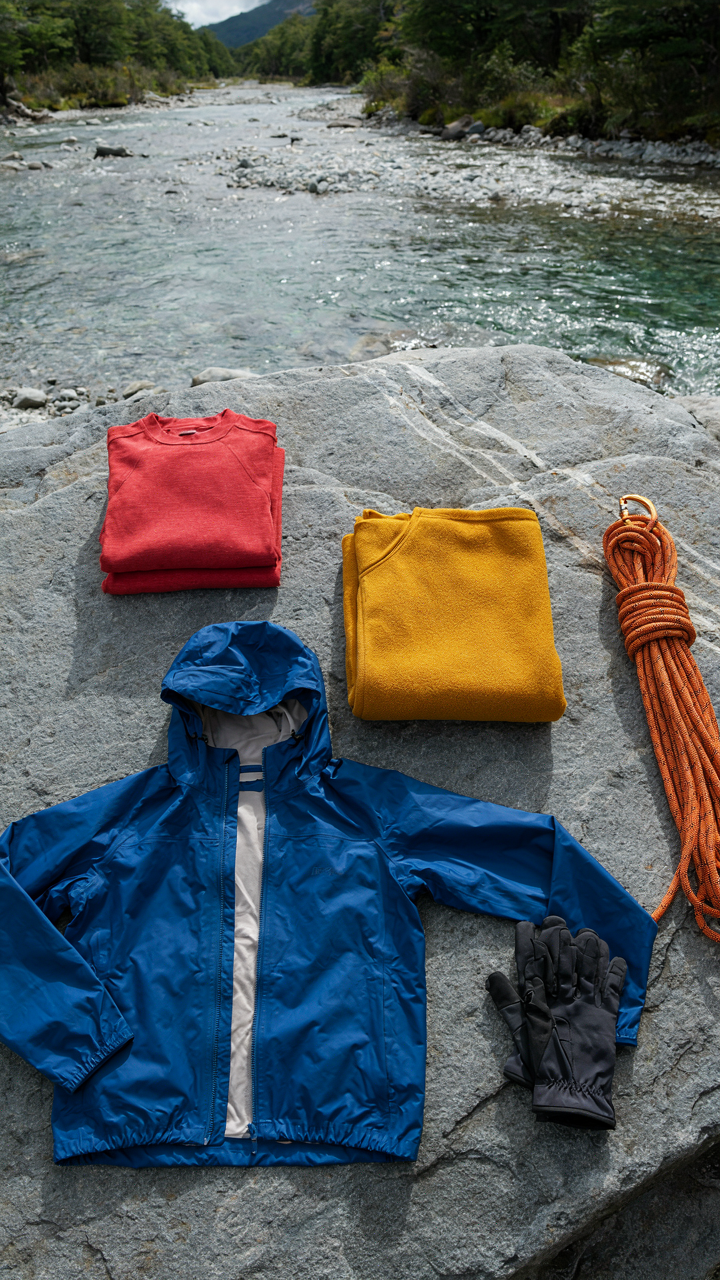
You want to feel like you’re prepared without admitting you’re terrified of being underdressed. Here’s the mechanism: Torres del Paine’s weather operates like a closed system in thermodynamics—energy transfers between your body and the environment with no escape. Control that transfer, not the volume of your pack. Start with merino wool base layers. They regulate temperature whether wet or dry, kill odor across five days of hiking, and compress to nothing. Add a synthetic insulating mid-layer. Avoid down entirely in Patagonia. When humidity hits—and it will—down collapses into useless weight. One windproof shell jacket completes the stack. You layer these three pieces for every condition between the W Trek and the full Paine Circuit.
Everything else hangs from this core decision. Your pants should be one lightweight technical pair, not rotation options. One pair of socks per day, nothing more. Stop buying “systems.” You don’t need separate jackets for different conditions. The shell handles rain. The mid-layer handles cold. The base handles everything else. This isn’t minimalism for aesthetic reasons. It’s the only math that works when you’re walking eight hours daily in terrain that punishes dead weight.
The Mathematics Of Carrying Less
Everyone talks about ultralight gear like it’s a hobby. It’s not. It’s logistics. Cutting five pounds cuts your injury risk by a measurable margin on a fourteen-day trek. Your knees absorb impact. Your ankles roll. Your lower back tightens. The difference between a twenty-pound pack and a thirty-pound pack compounds across forty miles. Most hikers bring redundant clothing “just in case.” The case doesn’t exist on this trail. You wear what works. You wash it when you reach a lodge. You move forward.
Your pack itself should weigh under four pounds empty. Stay between fifty and fifty-five liters. Anything bigger tempts you to fill it. Bring one pair of hiking boots, broken in before arrival. Bring one pair of camp shoes, lightweight and minimal. Two pairs of wool socks. One thermal base layer, one synthetic mid-layer, one shell. Toiletries in a single small pouch. No backup phone chargers. No extra rope. No “what if” items. At each lodge resupply, buy only what you’ll consume before the next lodge, then discard packaging immediately. This is the protocol: assess, pack, execute, shed.
Navigating Torres Del Paine Hiking Routes: The O Circuit Vs. W Trek Myth

What The Marketing Hides About Route Selection
You want to pick the “right” route so you don’t look unprepared. Here’s what matters: the O-Circuit and W-Trek aren’t interchangeable difficulty levels. They’re different logistics problems. The W-Trek covers roughly 50 kilometers over five days with established refugios and fixed camps. The O-Circuit extends to approximately 60 kilometers over eight days, adds backcountry segments, and demands self-sufficiency. Neither is objectively better because neither solves the same problem.
Weather and daylight dictate which route survives contact with reality. The W-Trek’s northern valleys funnel wind directly into your face, but sheltered refugios break the suffering into managed chunks. The O-Circuit’s eastern sector exposes you to open steppe for hours with minimal cover. Route choice isn’t about aspiration or Instagram appeal. It’s about whether you can handle eight consecutive days of variable conditions versus the faster cognitive reset the W-Trek provides.
Skill Matches Route, Not The Reverse
The standard advice pitches route difficulty as a ladder. This misses the actual constraint. Consider load-bearing capacity from physics: the O-Circuit demands you carry more weight over more days without resupply, which compounds fatigue exponentially. A fit person who’s never hiked above 3,000 meters breaks down differently than an acclimatized moderate hiker. The W-Trek lets you find your actual ceiling in five days. The O-Circuit punishes discovery on day seven.
Most hikers pick routes based on what they think they should do, not what their body tolerates under sustained stress. The O-Circuit separates those who’ve hiked at altitude and managed multi-day load management from those who haven’t. Pick the W-Trek if you’ve done fewer than three multi-day treks at elevation. Pick the O-Circuit if you’ve completed that and want to test upper-range endurance in a controlled environment. The route doesn’t make you capable. It just reveals whether you already are.
The “Adaptive Strategy” For Torres Del Paine National Park
Scout Before You Commit
You want to believe Torres del Paine rewards pure grit and determination. It doesn’t. Military strategy calls this reconnaissance, and it’s the mechanism that separates hikers who finish from hikers who quit at kilometer four. The park’s weather shifts in hours, not days. Trails flood. Wind speeds exceed what your body can physically move through. You need current conditions from people on the ground right now, not assumptions built on guidebook photos.
Hit the visitor center in Puerto Natales before entering the park. Talk to rangers about trail status, water crossings, and wind forecasts. Check with outfitters who run daily trips. Text or message hiking groups on WhatsApp or Reddit who were on the trail yesterday. This takes three hours and eliminates ninety percent of decision paralysis on day one. Most hikers skip this step because it feels like extra work. It’s the opposite. It’s the work that replaces all the other suffering.
Adjust Pace, Not Destination
The common advice is to “stay flexible” and “go with the flow.” That’s useless. Real flexibility means changing your daily mileage and rest days, not abandoning your goal. Torres del Paine forces this decision because wind and weather can make a twelve-kilometer day feel like thirty. You either build this into your planning or you break on day three.
Start with a baseline itinerary based on the O Trek or W Trek route you’ve chosen. Then allocate flexibility within that structure. If you planned to reach Campamento Italiano in six hours but headwind forces a three-hour pace, you stop at Campamento Chileno and move Italiano to tomorrow. You keep water supplies, food reserves, and rest days as your contingency resources, not as luxuries. The mechanism is simple: rigid destinations, flexible routes.
Fueling The Patagonia Hike: Nutrition Beyond Dehydrated Meals
Burning Carbs When It Counts
You want to believe your willpower and mental toughness will carry you through eight hours on the trail. It won’t. Your body runs on fuel, and Torres del Paine demands steady energy output in thin air and relentless wind. Biochemistry doesn’t care about your mindset. The mechanism is simple: carbohydrates convert to glucose faster than fat or protein, and your muscles need glucose now, not in two hours.
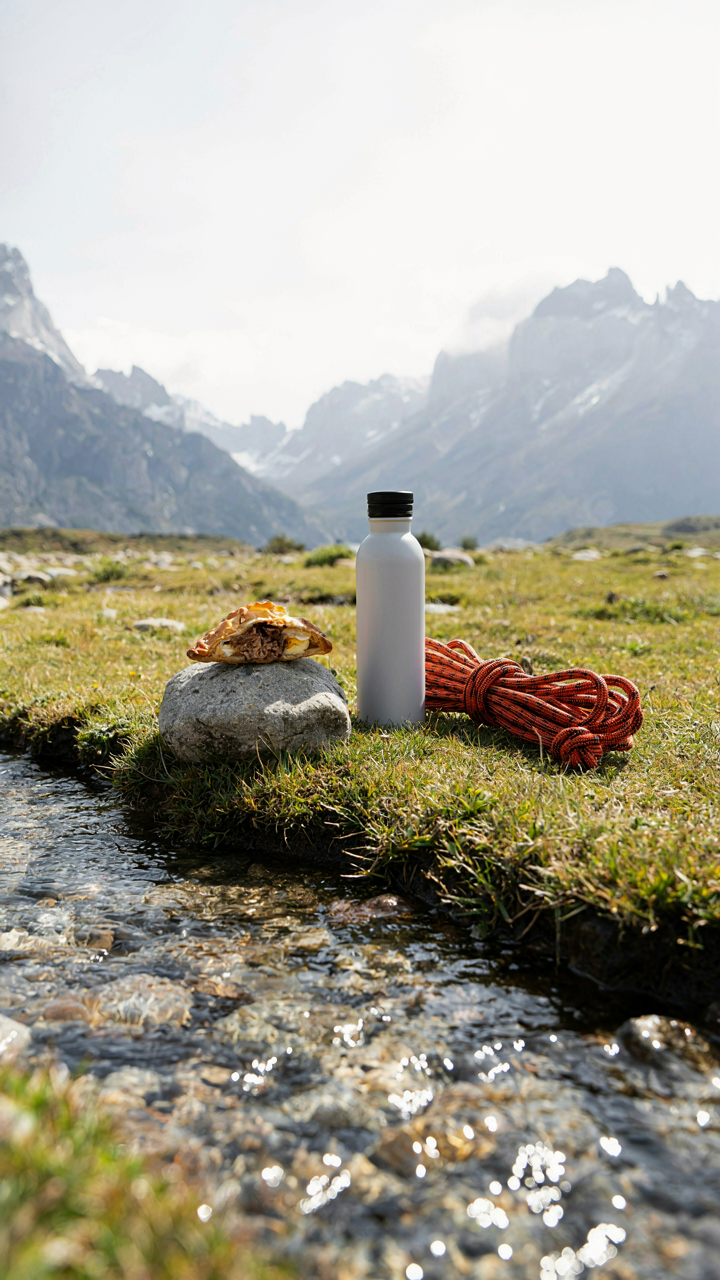
Most hikers pack energy bars and call it strategy. That’s incomplete. Your gut absorbs carbs during movement only at certain rates. Consume 30 to 60 grams per hour on the trail to maintain steady blood sugar and avoid the bonk where your legs stop responding. Dried fruit, energy gels, and real food like empanadas from Puerto Natales work better than bars because your body processes them without the metabolic shock. Time your intake to match terrain difficulty, not hunger. Hunger arrives after fuel depletion, not before.
Water Without The Myth
The “drink when thirsty” advice is wrong and will cost you performance on the exposed sections of Torres del Paine. Thirst is a late indicator of dehydration. In Patagonia’s dry climate and high altitude, you lose water through respiration faster than in lower elevations, and the wind accelerates the loss invisibly. By the time you feel dry, you’ve already lost cognitive function and muscular efficiency.
Carry water capacity of at least two liters and refill at every established water source: Campamento Las Torres, Campamento Italiano, and the streams marked on official park maps. Don’t trust unmarked water in exposed areas. Drink 250 to 500 milliliters every 30 minutes regardless of thirst cues. The streams run cold and clean from glacier melt, so refilling is fast. Stop at water sources before you need them and drink on schedule, not on feeling.
Torres Del Paine Day Hikes: Maximizing Impact, Minimizing Waste
Which Trails Actually Deliver
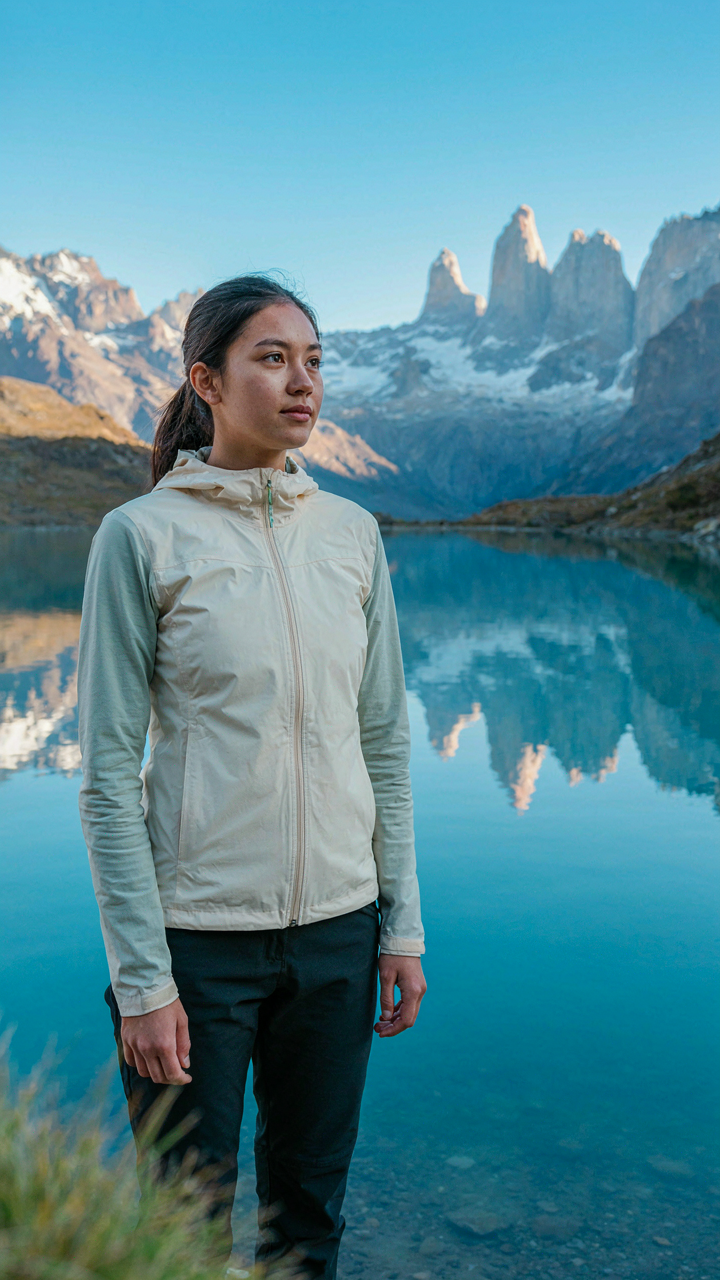
You want the photo nobody else has. That’s the real reason you’re reading this. The mechanism is simple: Torres del Paine’s day hikes funnel crowds into predictable zones, which means the payoff trails are the ones most people skip because they don’t fit the postcard narrative. Laguna Azul offers granite peaks mirrored in water with a fraction of the bodies at Laguna de los Tres Glaciares. The Valley of the Winds near Hostería Lago Grey gives you windswept ridgeline views in three hours instead of the standard ten-hour loops.
The crowds follow distance, not reward. Most hikers measure success by elapsed time or elevation gain rather than actual novelty. Laguna Pingo, accessible via the Hostería Grey side, stays empty because it requires backtracking slightly and passing through terrain that looks unremarkable from the road. You get unobstructed views of Cerro Castillo and the eastern steppe without competing for angles. The trade-off is minimal: you walk less overall but see more distinct landscape.
Movement That Builds Momentum
Photographic opportunities aren’t scattered randomly across these trails, and the common advice to “wake up early and move slowly” misses the mechanism entirely. Think of it as resource allocation from economics: you have a fixed window of daylight and variable lighting conditions. Your actual task is matching peak light to peak terrain, not filling time with walking.
Start by identifying where the light hits the rock towers first and which valleys catch golden hour longest. The granite on the eastern faces of Las Torres lights earlier than western-facing slopes. By 9 AM on clear days, you’re photographing shadows instead of texture. This means moving deliberately through shaded sections in early morning and slowing down once you reach sun-exposed terrain around midday. The goal is positioning yourself at high-interest viewpoints during optimal light windows, not covering distance for its own sake.
The Unspoken Rules Of The Torres Del Paine Trail: Etiquette And Survival
Pack Out What You Pack In
You want to feel like you’re respecting the wilderness without actually changing your behavior. The mechanism is simple: Torres del Paine sits in a fragile ecosystem where decomposition moves slowly due to cold temperatures and thin soil. What takes months to break down in temperate zones takes years here. Every wrapper, every food scrap, every piece of tape becomes a permanent fixture.
The trail sees thousands of hikers annually. Concentrated foot traffic already damages vegetation and erodes switchbacks. Add trash and you’re not just visiting—you’re colonizing. Carry everything out, including organic waste like orange peels and apple cores. Use established campsites only. Walk on rock when possible to minimize soil disturbance.
Prepare For Real Emergencies
The common advice says “bring a first aid kit” and stops there. That’s incomplete. Torres del Paine operates at the intersection of three hazard zones: extreme weather that changes in minutes, extreme remoteness where evacuation takes hours, and terrain that punishes mistakes with altitude exposure and river crossings.
- Blisters and foot injuries: Carry blister treatment and athletic tape. Torres del Paine’s rocky terrain accelerates foot breakdown. Prevention beats treatment on day five of a six-day trek.
- Hypothermia protocols: Know the signs before they appear. Shivering stops before body temperature becomes critical. Watch for slurred speech, poor coordination, and apathy in yourself and others.
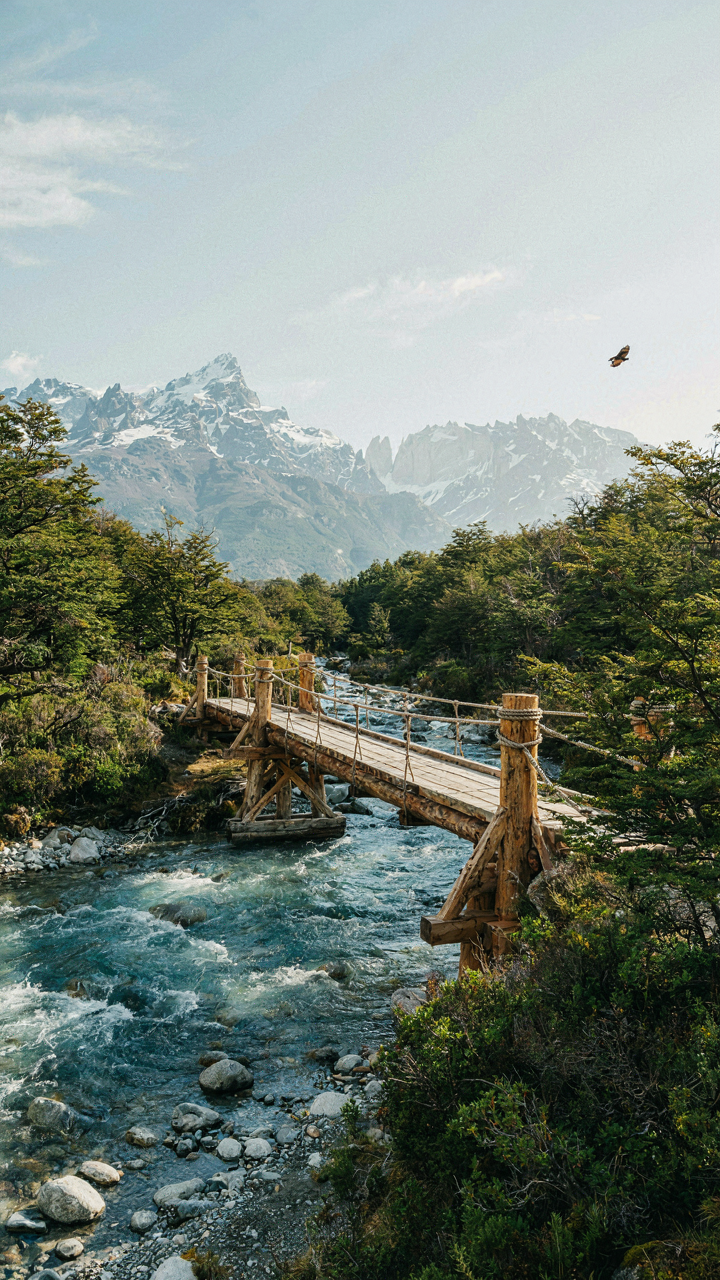
- River crossing safety: The Rio Paine and its tributaries rage with glacial melt. Wear shoes rated for water, test depth before committing weight, and cross at established points marked on maps.
- Weather deterioration: Carry emergency shelter rated for sustained wind above 40 mph. Torres del Paine records gusts exceeding 60 mph. Your regular tent becomes useless in genuine storms.
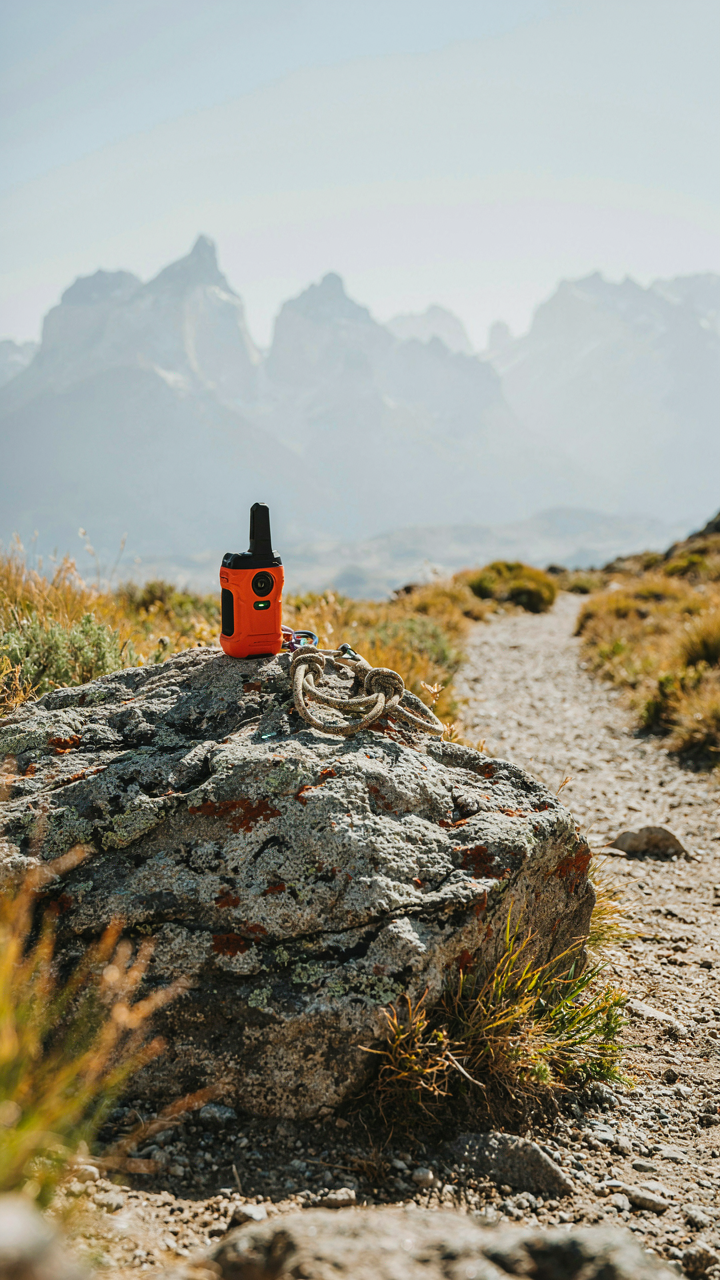
- Communication gaps: Satellite messengers work here. Cell coverage doesn’t. Download offline maps and file a detailed itinerary with someone outside the park before entry.
Torres del Paine has no cellular network and rescue helicopter response depends on weather windows. Every hiker must operate under the assumption that help won’t arrive for 24 hours minimum. Your decisions on the trail determine your survival, not the ranger station.
Mastering The Torres Del Paine Pin: Navigation Beyond GPS
Map Reading And Compass Fundamentals
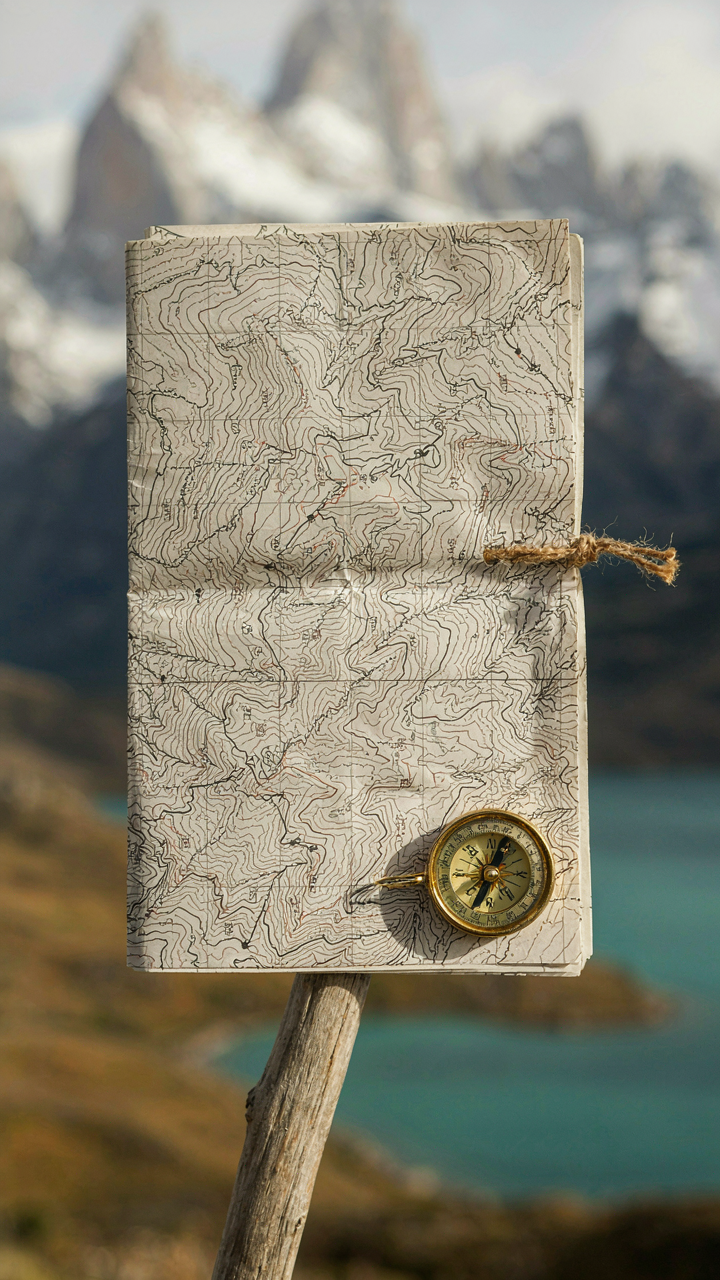
You want GPS to fail so you have an excuse to turn back. The real mechanism here is that topographic maps work like a visual language of the land itself. Contour lines don’t just show elevation, they reveal the actual shape of terrain you’ll walk through. On Torres del Paine, the park’s contour density changes dramatically between the eastern steppe and the granite massif, and that density tells you where scrambling gets technical or where water channels will cut your route.
Carry a physical map and compass regardless of battery life. The 1:50,000 Chilean IGM maps cover the entire park with enough detail to identify ridgelines, scree fields, and water sources. Orient your map to magnetic north using your compass declination adjustment, not assumed north. This single step prevents the cognitive error that kills navigation. Practice taking a bearing from your map, then walking it by compass needle before you arrive. When your GPS dies on the approach to the towers, your hands already know the motion.
Terrain Reading And Weather Prediction
Weather doesn’t surprise you on Torres del Paine, the terrain announces it first. Think like a meteorologist reading atmospheric pressure systems: rock and vegetation respond to wind patterns the same way air masses do. When clouds accelerate upslope into the granite peaks instead of drifting horizontally, the system is destabilizing. Southwesterly winds dominate here, meaning the windward face of the massif gets hit first.
Observe vegetation density and direction of tree lean as you climb. Dwarf southern beech curves away from prevailing winds, and this physical lean becomes your directional marker when visibility drops. Rock color shifts matter too, darker rock absorbs heat and creates thermal updrafts that force cloud formation hours before precipitation hits. When you see the gray dolomitic rock on the upper ridges turn dark from moisture, you have roughly thirty minutes before the system moves over your position. Descend immediately when this happens, don’t negotiate with weather.
The “Soloist’s Edge” In Torres Del Paine Hiking

Self Reliance Without The Group Crutch
You want solo hiking to feel like freedom when it’s really about proving you can handle what a group absorbs for you. Here’s the mechanism: a group distributes risk across bodies and minds. One person gets altitude sickness, someone else navigates, a third manages pace. Solo, you own all of it. Torres del Paine demands this ownership because weather systems move fast enough to trap you, terrain requires constant navigation decisions, and physical failure on the W Trek or full circuit becomes your singular problem with no redundancy.
The real gap most hikers miss is not preparation but decision velocity. On the W Trek’s hardest days, unpredictable wind and visibility changes force constant micro-choices about route timing, shelter use, and turnaround points. Solo, you make these calls without consensus delay or group pressure. You move faster or slower than anyone else’s tolerance. At Paso de los Vientos or Mirador Las Torres, you decide alone whether conditions are deteriorating enough to stop. This clarity has a cost: if your judgment is wrong, the consequence lands entirely on you.
Solitude As The Real Test
Mental resilience frameworks from military strategy call this “cognitive load under isolation.” Solo hiking Torres del Paine removes social stimulation but adds decision weight, creating a state where your mind operates on raw input without external validation. The trail provides constant small tests: route-finding in patchy terrain, weather reading, pace calibration, camp setup efficiency. No one affirms your choices. No one shares the physical load. You discover fast whether you navigate by instinct or panic.
The experience teaches you something group hikes hide: your actual tolerance for discomfort versus your imagined tolerance. On the Paine Circuit solo, you spend twelve to fifteen days alone with your body’s signals, your food management, your schedule. You cannot pretend your blisters don’t matter because someone else is struggling worse. You cannot blame slow pace on the group. This strips away the narratives people use to feel better about suffering. What remains is direct feedback about who you are under sustained low-level stress with no external reassurance.
Post Patagonia: Applying Lessons From Torres Del Paine Hiking Guide
The Discomfort Muscle You Actually Use
You want this section to justify the trip as more than vacation—to prove it changed you. Here’s the mechanism: Torres del Paine forces decision-making under uncertainty and fatigue. That skill transfers directly. You faced bad weather, navigation doubt, and physical limits. You chose to push or retreat anyway. That’s the transferable pattern.
Daily life rarely creates those forcing functions. Most people defer decisions, seek consensus, or wait for perfect conditions. Torres del Paine stripped those options. The W Trek demands 5 to 7 days of consecutive choices with incomplete information. Back home, replicate that structure deliberately. Pick one area—work output, fitness, finances—and set hard deadlines with real consequences. Don’t negotiate halfway through.
The Real Cost Of Returning
Common advice says travel teaches humility and expands perspective. That’s incomplete. Travel also creates a gap between your capability in wild terrain and your capability in controlled environments. You handled unpredictable conditions for a week. Then you return to climate-controlled offices and predictable routines. The gap breeds resentment and drift.
Close it through intentional friction. Apply the Torres del Paine model—commit to ventures with genuine stakes and uncertain outcomes, then follow through. Support local economies in Patagonia through responsible outfitters and guides, not charity tourism. Pay fair rates. Use established operators who employ local staff year-round, not seasonal contractors. This preserves the region’s access for future hikers and sustains the communities that maintain trails and infrastructure. Your return visit costs less in guilt and more in genuine contribution.
The Only Real Obstacle In Torres Del Paine Is Your Own Rigid Expectation

Most hikers arrive with a fixed image of what Torres Del Paine “should” be. Perfect weather. Pristine trails. Instagram moments. Nature doesn’t negotiate. The moment you accept that rain, wind, and uncertainty are features not bugs, the hike transforms. You stop fighting the mountain and start moving through it. Stop planning the trip around conditions you can’t control. Book your dates this week regardless of the forecast. The mountain rewards the committed, not the comfortable.