
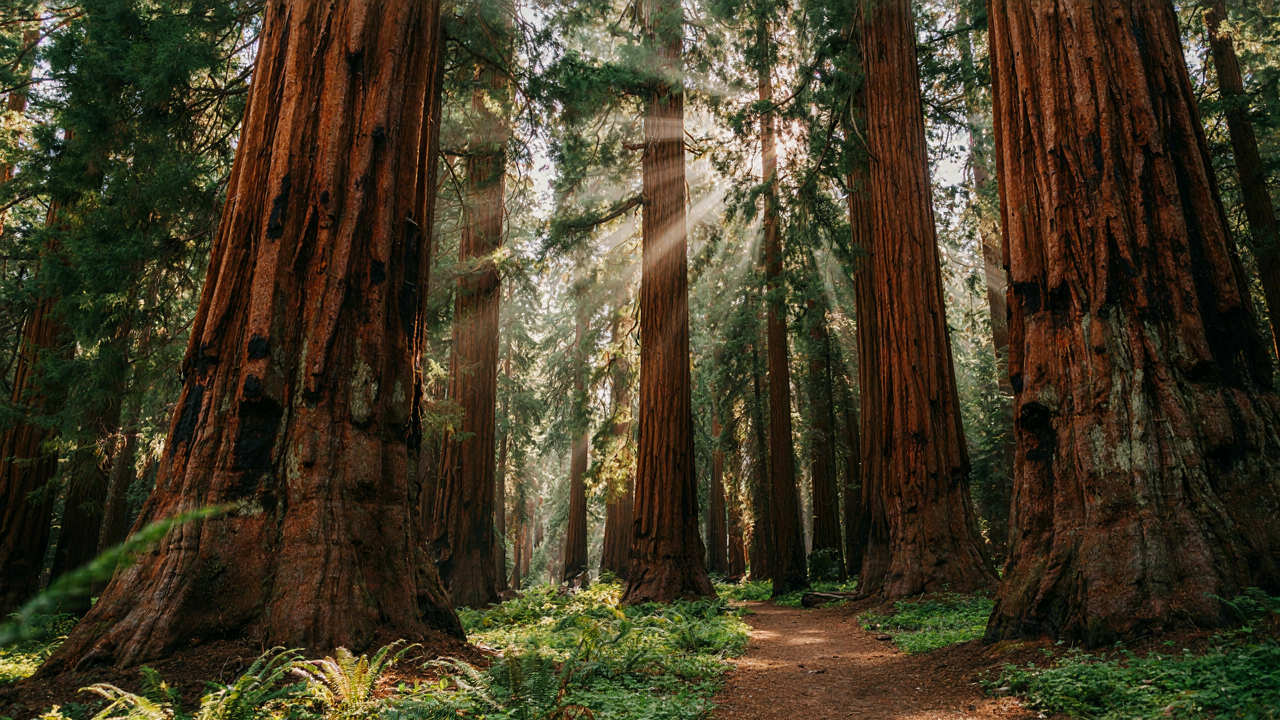
The Unspoken Truth About Sequoia National Park Aesthetic
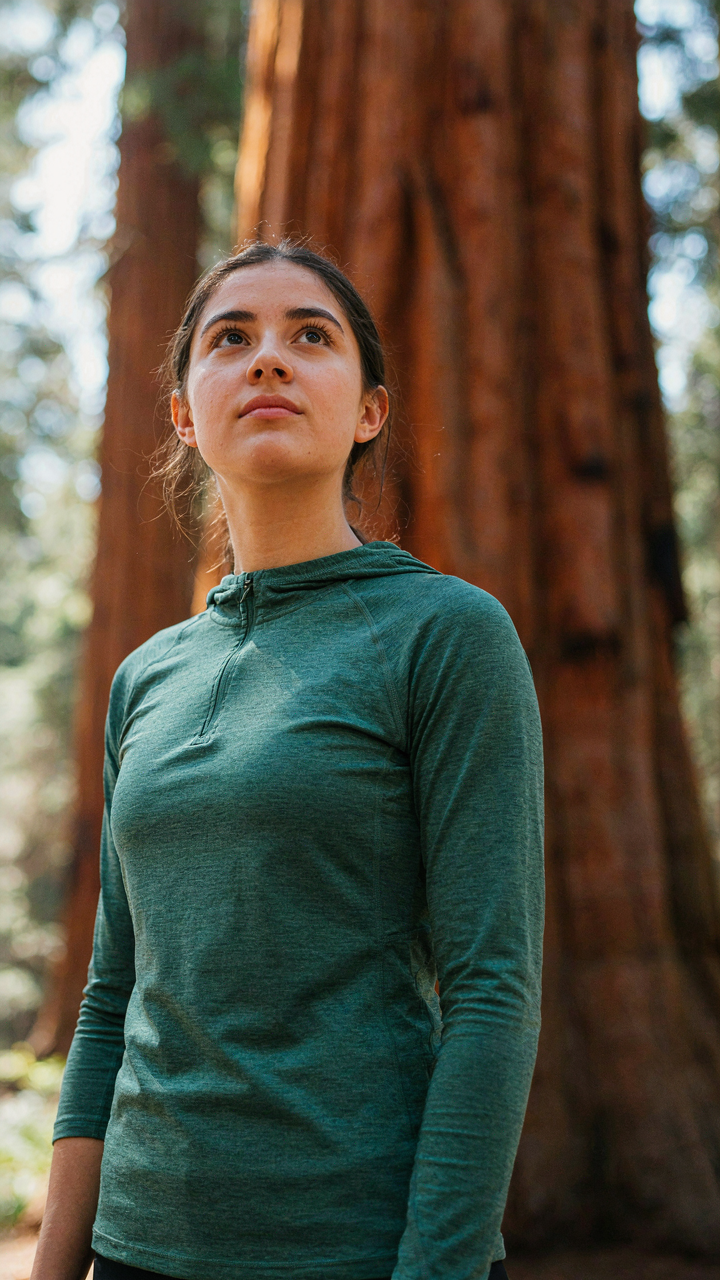
The Camera Doesn’t Matter Here
You want proof that you were here. That’s the real game. You’ll post the photo, and the algorithm will validate you, and strangers will confirm you went somewhere real. But here’s the mechanism: the filtered version of Sequoia is actually less memorable than the raw experience, because your brain stops encoding the moment the second you frame it for an audience. You’re outsourcing your memory to your phone.
The trees don’t care about your composition. The General Sherman doesn’t perform better for your feed at golden hour than it does at noon. What changes your neural wiring is the physical sensation of standing near something that’s lived for three thousand years while you’ve lived for thirty. That happens whether you document it or not. In fact, it happens better when you don’t, because your attention stays on the thing instead of the frame.
Crowds Are Just Poor Timing
The advice to “visit in the off-season” is incomplete. Everyone reads that, so off-season doesn’t stay off-season. The real mechanism is circadian: most hikers peak between 10 AM and 3 PM because that’s when people feel alert and the light looks good for photos. You don’t need a different season. You need a different time window on the same day.
Moro Rock before 7 AM has maybe five people on it. Crescent Meadow at 6 PM is practically empty. The Congress Trail at dawn moves slow because you’re actually seeing the canopy shift as light filters through. Hidden Forests Trail, Tharp’s Log, and the Eagle Lake approach stay quiet because they require navigation effort that most tourists won’t spend. The time and route selection compounds. You get both solitude and genuine encounter.

The Sequoia Trees Protocol: Beyond The General Sherman
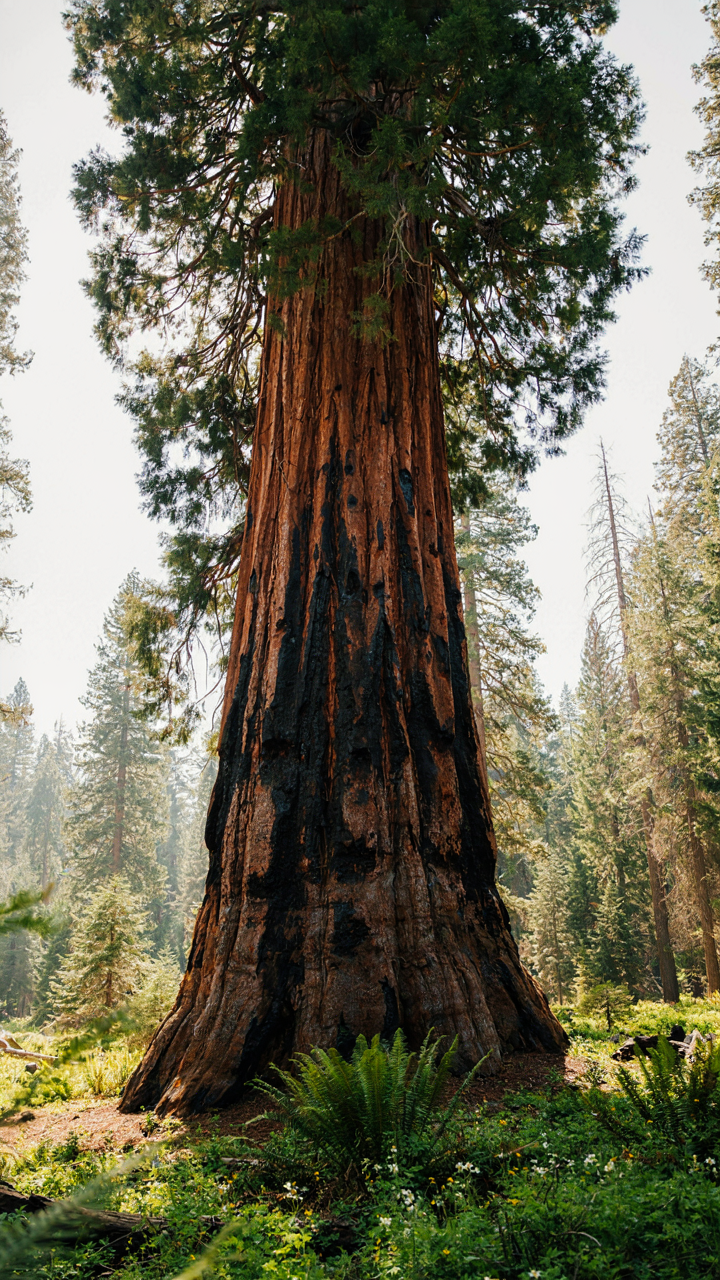
Find Giants Off The Beaten Path
You want the Instagram moment without the crowd in frame. That’s not a character flaw—it’s just economics. When thousands of people funnel through General Sherman daily, you’re paying attention tax to humans instead of to the forest itself. The real mechanism: tourists cluster at named, photographed trees. Everything else stays empty.
The High Sierra Trail and Moro Rock approach pass old-growth sequoias that receive a fraction of the traffic. Congress Trail loops through groves most hikers skip because they lack a single marquee specimen. Crescent Meadow access points north and south of the main loop funnel fewer boots. You see the same species, same scale, minus the queue. Navigate by ridge line and water flow, not by parking lot proximity.
Fire Reshapes What You’re Actually Walking Through
Ecology borrowed the term “disturbance” from physics to describe any force that disrupts a stable system. In Sequoia, fire is that disturbance—the renewal mechanism nobody talks about while describing the trees. Most hikers see charred bark and think damage. The sequoias think survival. Their tannin-rich wood resists burning, their bark insulates the living tissue, and fire clears competing species that would shade them out.
The 2015 Rough Fire and other burns created mosaic patterns across the park. Some groves now show vigorous new growth in understory areas. Walking through recently burned zones isn’t morbid—it’s watching the forest’s actual operating system. The blackened trunks you see aren’t death. They’re infrastructure for the next hundred years of growth.
Your Sequoia National Park Itinerary: The Anti Checklist
Abandon The Itinerary Script
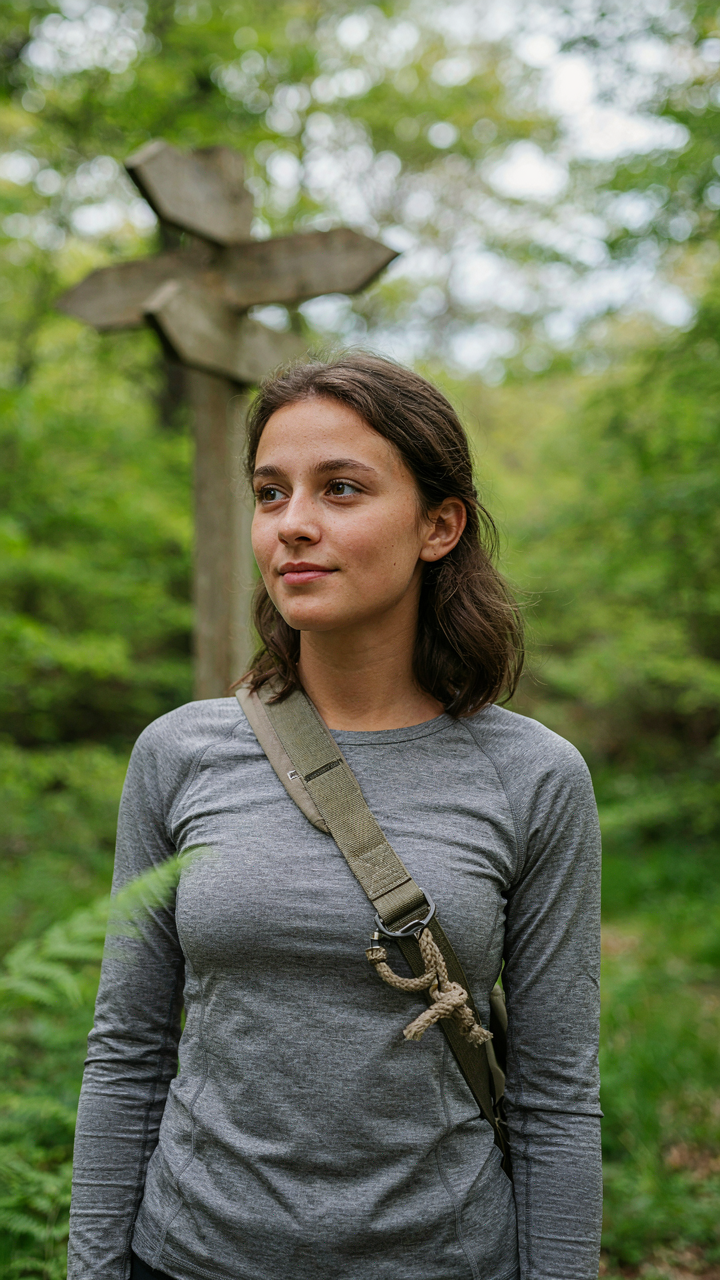
You want a plan so you feel in control. The real mechanism here is constraint. Most hikers follow published routes because they reduce decision fatigue, not because those routes are optimal. Sequoia works the opposite way. The park’s layout punishes linear thinking. The Giant Forest sits west of the Sierra crest. Moro Rock juts from a different ridge system. Mineral King sprawls south in its own valley entirely. Fixed itineraries create bottlenecks where crowds accumulate. The trails don’t form a loop. They branch like a network. Your actual edge comes from treating the park as node systems, not destinations.
Build your days around access points instead of named hikes. Drive to Lodgepole, then choose based on current conditions and energy. Hit the Moro Rock approach early, or skip it entirely if the parking lot shows full. The same applies to Congress Trail near Giant Forest Village. Move toward emptiness, not landmarks. What you’re actually doing is trading certainty for responsiveness. That’s how you encounter the park as it exists that day, not as a brochure promises.
Solitude Is A Resource, Not A Side Effect
The consensus says visit shoulder seasons. Correct, but incomplete. Shoulder seasons still funnel people through the same three routes. The real play is micro-timing within any season. Leave your campsite at 5:45 AM, not 7 AM. The difference compounds. You’re not tired yet. The air temperature means actual comfort. Most crowds form between 9 AM and 4 PM. This isn’t mystical. It’s logistics. Park rangers are not running shuttles at dawn. Private shuttles operate on schedules that start later.
Solitude in Sequoia isn’t scarce if you abandon ego trails. Crescent Meadow Loop draws traffic because it’s accessible and photogenic. The high country around Jennie Lakes Wilderness, reachable from Lodgepole, sits empty most days because it requires a genuine commitment. Panther Peak or the route toward Sugarloaf Meadow demands five to six hours round trip minimum. The park rewards effort with silence. Choose routes where the trailhead parking lot rarely fills before noon, then hike those routes at 6 AM. That’s your protocol.
Hiking Sequoia National Park: The “Less Is More” Doctrine
Gear That Earns Its Weight
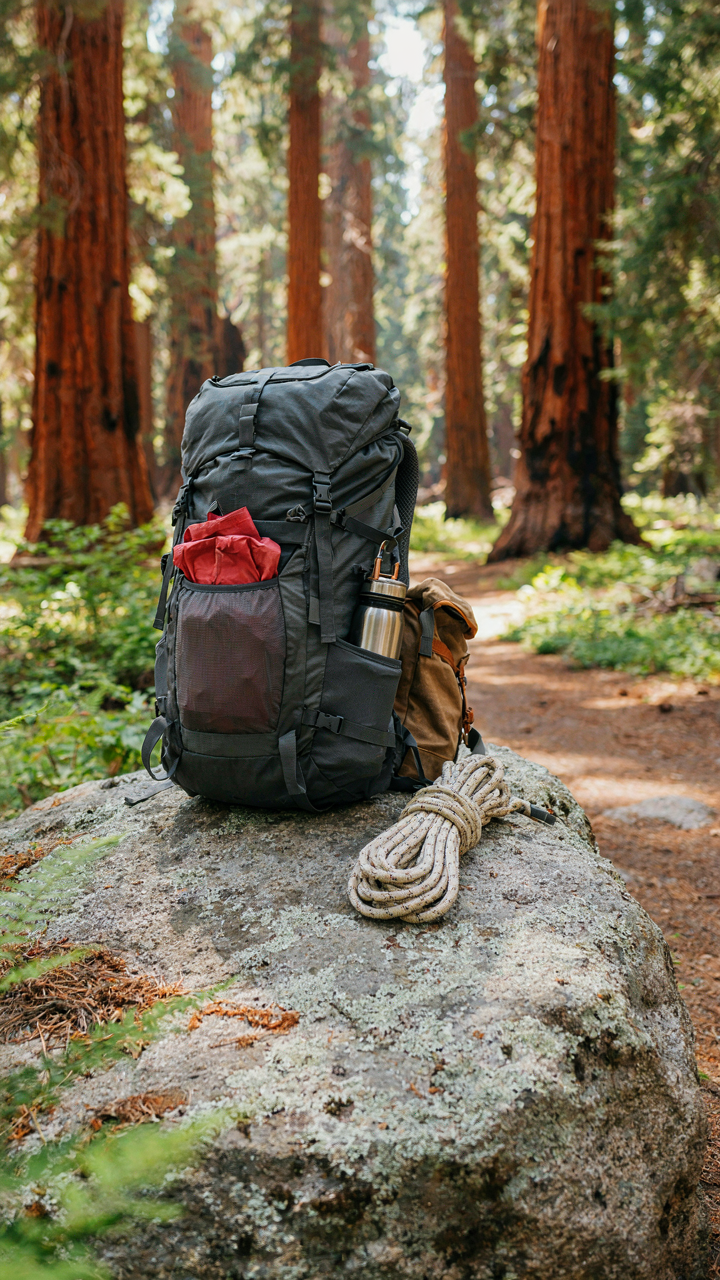
You want people to think you’re experienced without actually having to suffer on the trail. That’s the real pitch behind most gear advice. The mechanism is simple: more gear signals preparedness to others, but it signals weakness to your body. Sequoia’s terrain doesn’t care about your pack’s brand name. It taxes you by pound. The granite slopes, high elevation, and 60-mile park layout punish excess. Strip your kit to items that solve actual problems on Sierra Nevada trails, not hypothetical ones in your head.
Most hikers carry redundant water systems, backup layers they never touch, and tools for emergencies that won’t happen. In Sequoia, the park’s water sources are reliable on main trails. Your single lightweight shelter works year-round. One knife handles camp tasks. One stove cooks food. The hardest part isn’t deciding what to bring—it’s accepting that missing the thing you didn’t pack won’t kill you.
Load Distribution Changes Your Mechanics
Physics governs how your body moves under load. Specifically, the lever principle explains why pack weight matters more than people admit. Your spine acts as the fulcrum. Heavy weight behind it multiplies force on your lower back exponentially, not linearly. A five-pound increase doesn’t create five pounds of extra strain—it creates ten or fifteen. Sequoia’s elevation gain is relentless. Whitney Portal climbs 6,100 feet. Moro Rock gains 350 feet in half a mile. Pack weight becomes resistance that slows your pace and compounds fatigue.
Experienced hikers know this instinctively. They stop at 20 pounds base weight before adding food and water. You can test this mechanism in an hour. Hike the Moro Rock trail with your current pack. Note your breathing, knee stress, and pace. Hike it again with five pounds removed. You’ll move faster, breathe easier, and recover quicker. The difference isn’t motivation. It’s physics. Keep your base weight under 20 pounds before consumables, and your mechanical advantage on Sequoia’s vertical terrain stays in your favor.
Sequoia National Park United States: A Microcosm Of Wilderness
Granite Elevation And Species Stratification
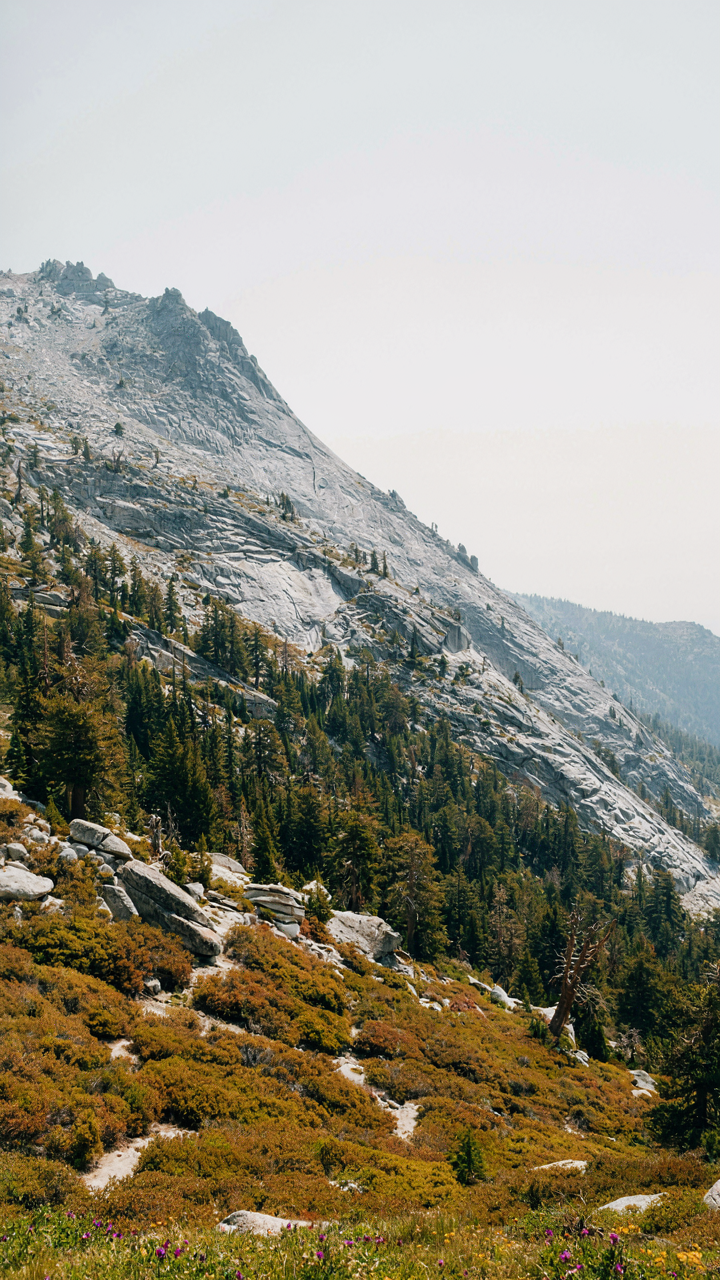
You want to feel like you’ve discovered something real, like the wilderness rewards depth over surface tourism. The actual mechanism is elevation zonation—the park stacks distinct ecosystems on top of each other like geological floors, and hiking Sequoia National Park means moving through multiple biomes in a single day. Borrowing from ecology’s concept of vertical stratification, each 1,000 feet of elevation shift creates conditions equivalent to traveling hundreds of miles north. Foothills at 2,000 feet hold chaparral and black oak. Mid-elevation passes at 7,000 feet transition to mixed conifer forest. Peaks above 11,000 feet strip down to alpine meadow and exposed rock. The trees don’t randomly scatter—they follow temperature and moisture lines like contour maps.
This isn’t trivia. It determines what you see, how hard you work, and when you actually encounter wildlife. A trail to Moro Rock (6,725 feet) passes through three distinct plant communities in six miles. The giant sequoias themselves only thrive in a narrow band between 5,000 and 7,000 feet where summer fog keeps soil moisture high while winter snow melts slowly. Understanding this pattern lets you predict what grows where and why certain trails feel ecologically different despite similar distance.
Attention Creates Encounters
Most advice says “move quietly and slowly” to spot wildlife. That’s incomplete. The real skill is shifting from pursuit mode to observation mode—ecology calls this “detection probability,” and it’s the difference between hiking through habitat and actually seeing what lives there. In Sequoia, you spot black bears not by hunting them down but by reading sign: overturned logs, torn-apart logs for ants, fresh scat on trail. Mule deer appear at dawn and dusk near meadows because that’s when they feed, not because you found them. You don’t see wildlife by trying harder. You see it by being in the right place at the right time with your nervous system calm enough to notice.
Pick one focal point per hike instead of scanning everywhere. Watch the understory for movement rather than staring at distant ridges. Stop every fifteen minutes for three minutes of stillness. Black bears in the park are habituated to humans but not tame—they avoid hikers on crowded trails during daylight. The payoff appears on quiet morning hikes near water sources or at forest edges. You spot a mule deer watching you back, or hear a pika’s chirp from boulder fields above 10,000 feet, or catch a Clark’s nutcracker working pinecones. Attention compounds. The more you notice, the more you train your eyes to catch what matters.
Sequoia National Park Autumn: The Strategic Season
Escape The Summer Trap
You want to believe you’re a real hiker, so you go when everyone else does. Summer in Sequoia packs the parking lots and burns your knees on exposed granite. The mechanism is simple: peak season doesn’t mean peak conditions. It means peak crowds competing for finite trailhead space and water sources.
Autumn solves this without sacrifice. September through October delivers stable weather, lower temperatures, and trailhead parking that doesn’t fill by 8 AM. The Giant Forest roads remain open. Snow hasn’t closed the high passes. You get the season where logistics actually favor your success instead of grinding you down.
Golden Hour Isn’t Marketing
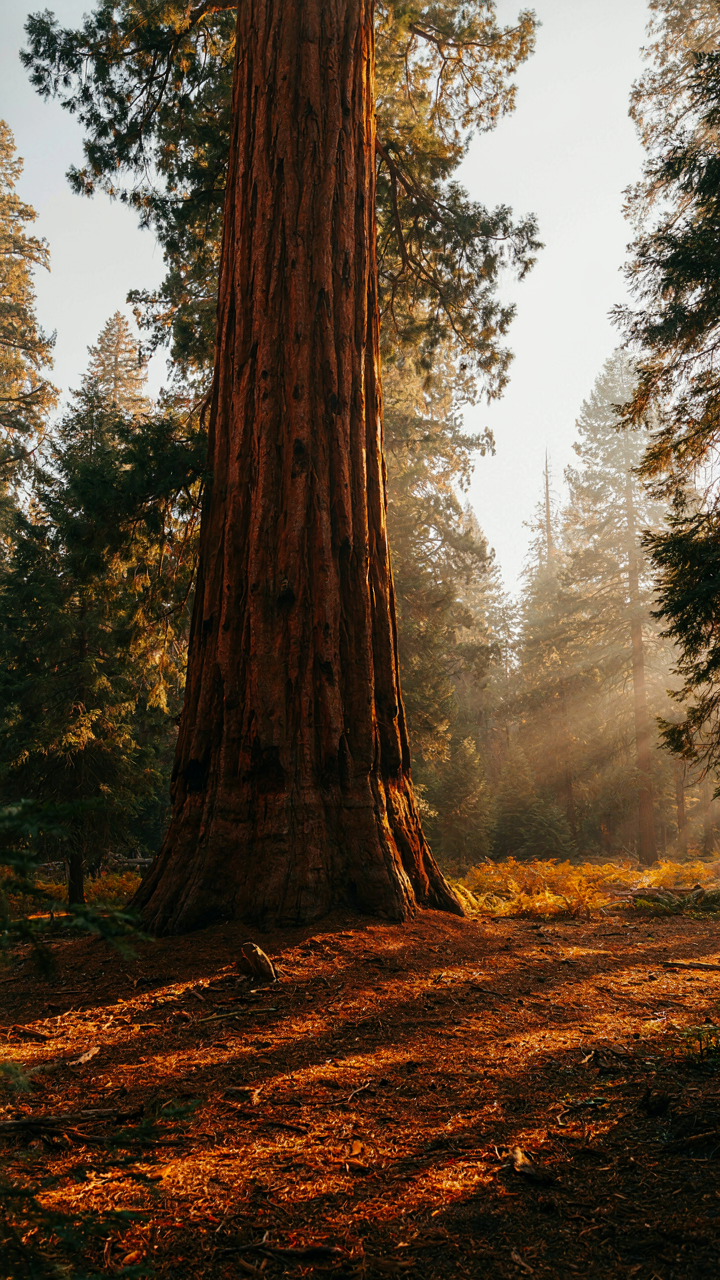
Photographers talk about light like it’s magic. It’s not. It’s physics—the lower the sun angle, the longer the wavelength, the warmer the color temperature. Autumn’s low angle means the granite faces and sequoia bark get sculptural contrast you cannot manufacture in summer’s overhead glare.
This isn’t just aesthetic. The angle changes your actual ability to see detail on stone. Shot the same trail in July and October? The October light reveals texture summer erased. Start hiking by 7 AM to catch light hitting the western faces of Moro Rock or the General Sherman’s bark before the angle shifts. Position your shot between 6 and 8 AM or after 4 PM when the trees stop acting as diffusers.
Yosemite Sequoia: The False Dichotomy Of California National Parks
What You Actually Want From This Choice
You want permission to pick one and feel smart about it. The mechanism is simple: both parks market themselves as bucket-list destinations, so the comparison itself becomes a status play. But the real trade-off isn’t scenic—it’s structural. Sequoia delivers what Yosemite packages. Yosemite has the brand. That’s the entire decision, stripped down.
Yosemite draws three million annual visitors because Ansel Adams printed what the valley looks like. Sequoia gets one-tenth that traffic for the same reason: no famous photographer made it cultural shorthand. Both parks contain equal technical difficulty, equal wilderness access, equal weather volatility. You’re comparing marketing penetration, not experience quality.
Build Around Capacity, Not Reputation
The common advice says pick based on which view moves you more. That’s wrong. Pick based on crowd tolerance and your actual hiking skill level. Yosemite’s valley floor gets gridlocked June through September. Sequoia’s high country remains navigable even during peak season because the trailheads disperse traffic differently.
Here’s the protocol: if you have two weeks, visit both and split time by elevation gain capacity, not emotional preference. Sequoia’s high alpine routes demand acclimatization Yosemite’s valley hikes don’t. Bring a topographic map and check permit availability sixty days out—that determines your park choice faster than any photo comparison.
National Park Vacation: Redefining “Success” In The Wild
What Actually Counts Out Here
You want proof you didn’t waste time and money. That’s the real fear. Most hikers measure success by summit photos and step counts because those are scoreable, shareable, quantifiable. But the mechanism that actually separates a recovered person from an exhausted one isn’t distance—it’s whether you changed your relationship to input and output while in the park.
Sequoia demands you stop optimizing. The Giant Forest has no cell signal. Moro Rock’s approach has no shortcut. You either hike five hours to see the High Sierra Plateau or you don’t. This constraint forces a reset most people never experience in their actual lives. Impact happens when you stop treating the park like a checklist and start treating it like enforced offline time with a specific cognitive outcome.
Solitude As A Working Condition
Intellectually, solitude functions like a workshop for your brain. Neuroscience confirms what philosophers always knew: uninterrupted thought requires uninterrupted environment. Sequoia’s backcountry—trails like the High Sierra Trail or the route to Kern Lake—offers hours without conversation or notification. This isn’t meditation tourism. It’s deep work that your default job refuses to protect.
The park’s physical remoteness creates a container for actual problem-solving. You walk alone through the Kaweah River drainage or across the plateau meadows, and your mind stops performing for an audience. Patterns you couldn’t see at home become obvious. Decisions you’ve been avoiding clarify. The hike ends when you descend back to the trailhead. The work stays with you.
The Unseen Advantages Of Off Peak Hiking
Solitude As Competitive Advantage
You want the Instagram moment without the crowd. Here’s the real mechanism: tourism operates on a scarcity illusion. Peak season in Sequoia National Park runs July through September. During these months, parking fills by 10 AM. Trails absorb thousands daily. This artificial scarcity creates FOMO. Off-peak hiking eliminates the competition for access, not just fewer people on trail.
Winter and early spring visits grant you operational advantages the masses ignore. You control your pace without human traffic dictating rhythm. You choose your vantage points without waiting in lines. Snow closures above 7,000 feet actually shrink the park’s effective size, concentrating available trails and reducing overall volume. This is resource concentration, not sacrifice. Visit November through March for measurable advantages in trail capacity and parking availability.
Direct Encounter With Landscape
The common advice says nature heals you. That’s incomplete. What actually happens is attention restoration. In environmental psychology, cognitive load drops when external stimuli reduce. Peak season creates cognitive overload: managing crowds, navigating bottlenecks, competing for photos. Your brain offloads processing to the environment instead of absorbing it.
Off-peak conditions in Sequoia allow sensory focus on actual terrain. You hear the creek’s exact volume. You notice soil composition changes between 5,000 and 6,000 feet elevation. You see how giant sequoia groves relate to surrounding forest structure. These details vanish when you’re navigating human traffic. Solo or near-solo hiking forces direct observation. This isn’t aesthetic preference. It’s information density. Visit mid-week in shoulder seasons to maximize observation of the park’s actual ecology, not your experience of other visitors.
The Real Obstacle Isn’t The Trail; It’s Your Manufactured Urgency To Conquer It
Most hikers show up to Sequoia with a checklist. Summit this. Tag that. Document everything. The park doesn’t reward speed or collection. It rewards presence. The real skill isn’t covering miles. It’s stopping. Pick one trail this week, not three. Walk it without your phone. Notice what you actually see instead of what you planned to see. The mountains don’t care about your productivity.