
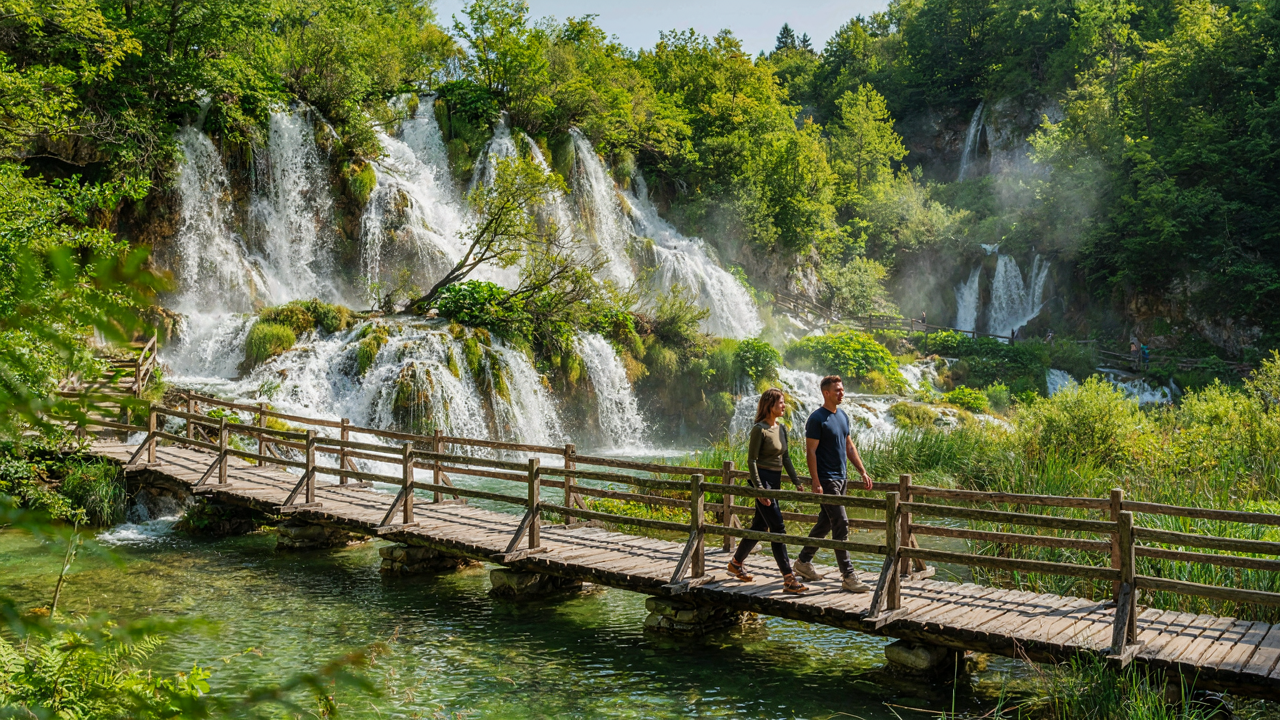
The Illusion Of The Best Trail: Why Plitvice Lakes Croatia Has No Single Path

Everyone Searches For The Same Answer
You want someone to tell you which route wins so you can stop thinking and start walking. The mechanism is simple: Plitvice Lakes has eight main trail systems, not one optimal path. The park design forces a false choice because the marketing materials and most hiking blogs treat Trail A or Trail H as objectively superior when they’re optimized for different variables entirely.
The real constraint isn’t which trail is objectively best. It’s that each route was engineered to handle specific traffic flows and elevation changes at different times of year. Trail preferences are variables, not constants. A route that works in June fails in October. A path that minimizes crowds maximizes time on your feet. The park layout doesn’t hide this—most hikers just never think in systems.
Route Selection Based On Your Actual Constraints

Most hiking guides skip this step: defining what “best” means for your body and schedule, not the internet’s. If you hike Plitvice Lakes Croatia without naming your constraint first, you’ll end up on someone else’s route and resent it halfway through.
The standard constraint framework has four variables. Fitness level determines elevation gain tolerance and total distance. Time available sets your route ceiling—a 3-hour visit demands Trail C, Trail K wastes your money. Crowd timing matters: early morning and late October reverse which trails feel manageable. Weather season alters trail conditions from mud to loose stone. Pick two constraints that matter most to you, then check the park map against those, not against a blogger’s subjective experience. The park publishes accurate distance and elevation data for each trail. Start there, not with Reddit threads.

The 3 Phase Plitvice Protocol: Optimizing Your Movement Through Plitvice Lakes National Park

Early Arrival And Rapid Transit
You want to believe crowds won’t ruin your experience, but they will. The mechanism is simple: Plitvice operates on a finite-capacity boardwalk system, and everyone entering after 9 AM competes for the same sightlines. Think of it like fluid dynamics—the park’s throughput has a maximum flow rate, and arriving early positions you as the fluid moving through empty channels instead of fighting against backflow.
The park opens at 7 AM in most seasons. You gain two things: empty boardwalks for photography and movement, and the ability to complete primary loop sections before crowds trigger the bottleneck effect around 10 AM. Enter through the Lower Lakes entrance if hiking the K loop or through the Upper Lakes entrance for the C loop. The first hour of daylight determines whether you experience the park or a photo line. Start moving immediately upon entry, not after breakfast at the visitor center.
Mid Day Flow Management
Most hiking advice says “avoid midday”—lazy guidance that ignores the real problem. You can’t avoid midday if you have a standard schedule. The actual mechanism is congestion clustering at specific boardwalk intersections, particularly where trails merge near Lake Galovac and the Sastavci waterfall viewing platform. Crowds concentrate at decision points, not everywhere.
Between 11 AM and 2 PM, shift your route to lesser-used upper boardwalks and the eastern C-loop sections that parallel the chain of smaller lakes. These areas remain navigable because most visitors follow the C loop’s western side or attempt the K loop’s famous viewing points simultaneously. Move deliberately through known congestion zones between 1 and 1:30 PM when crowds break for lunch. This single tactical adjustment transforms your midday experience from gridlock to workable flow.
The Hidden Variables: Leveraging Off Peak Hours For A Superior Plitvice Experience

Morning Solitude: Capturing Iconic Views Without The Crowds
You want the Instagram shot without the fifty people in the frame. That’s not shallow, it’s economics. The park operates on a scarcity principle: fixed trail capacity with demand that spikes between 10 AM and 3 PM. Early arrival exploits this. Gates open at 7 AM. First hikers reach Lower Lakes’ main boardwalks by 7:45 AM with zero congestion. Light hits the water differently then, lower and softer, before the midday glare flattens the limestone cliffs into one flat plane.
The mechanism is simple supply and demand compression. You arrive when supply is highest and demand is lowest. The boardwalks become navigation routes instead of human obstacle courses. Photography becomes functional instead of strategic. You move at your own pace instead of the crowd’s pace. By 9 AM, parking fills and the experience degrades. Starting early isn’t motivational advice, it’s operational advantage.
Evening Clarity: Unique Perspectives As The Masses Depart
Most hikers treat afternoon as a downhill race to the exit, which makes it tactically empty. The park empties between 4 and 6 PM as tour groups leave and day visitors chase daylight to their hotels. Upper Lakes trails become walkable again. The water takes on a different character when shadows lengthen across the forest. You see detail in the travertine formations that midday sun erased. The air clears without thousands of people cycling through it.
This window closes faster than morning does because darkness arrives at 5 PM in winter and 8 PM in summer. Your entry point matters. Starting Upper Lakes at 2 PM gives you until closing without the 2 to 4 PM crowd apex. You’re not hiking against time, you’re hiking with it. Exit before dusk. This prevents the common mistake of being on exposed trails when light dies and navigation becomes deliberate instead of automatic.
Plitvice Lakes National Park Hiking: Beyond The Boardwalks – The Overlooked Paths

Where The Crowds Aren’t
You want the story without the audience. The boardwalk routes get ten thousand feet per day in summer, and you’re hoping to outmaneuver that fact through a secret trail nobody knows about. Here’s the mechanism: Plitvice’s design concentrates foot traffic on three maintained loops. The park’s infrastructure—the wooden boardwalks, the shuttle boat routes, the entrance fees—naturally funnels bodies into predictable corridors. Routes away from this infrastructure exist because they’re harder to monetize and maintain, not because they’re hidden.
The real move is understanding trail hierarchy. Upper Lake trails beyond the main boardwalk network exist but demand navigation skill and map literacy most tourists won’t invest in. Route H and Route K, less trafficked than the lower lake loops, require you to read the park map at the entrance and commit to a specific direction before starting. Most hikers follow signs like sheep. You read the topography, pick a less-signed route, and walk it intentionally.
Upper Lake Strategy Without The Tourist Timing
Forget the advice about arriving early. Arriving early just means you’re first in a crowded sequence. The real tactic is structural: the Upper Lakes receive fewer visitors not because they’re a secret, but because they’re accessed from the less-promoted northeast entrance and require a longer, less convenient route from the main parking area. Most visitors never commit the thirty to forty minutes of walking to reach them.
Access the Upper Lakes from the Plitvice Selo entrance rather than the main entrance. This shifts your entry point entirely, putting you on routes with fundamentally lower capacity and foot traffic density. You walk the same trails the park built, but you’re reversing the conventional tourist flow. The route still features the characteristic tufa limestone formations and cascading water features, but you encounter perhaps a tenth of the people on the lower circuit trails.
The Upper Lake Gambit: Strategic Entry Points To Plitvice Lakes National Park Croatia
North Vs South Entry
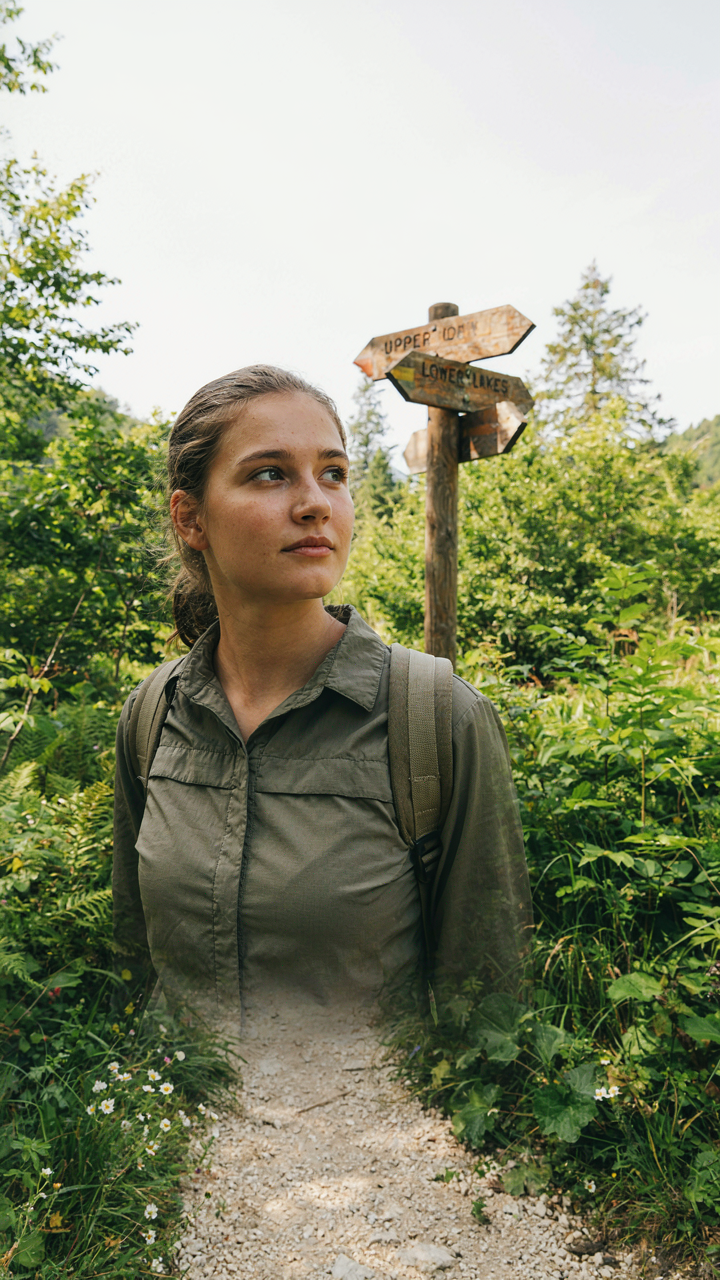
You want to feel like you made the right choice before you even start walking. The real mechanism is route sequencing: one entry point puts waterfalls at the end of your hike when your legs are shot. The other puts them early when you have energy to absorb the visual impact. North entrance (Entrance 1) feeds you into the Upper Lakes first, then forces a descent toward the Lower Lakes. South entrance (Entrance 2) reverses this. Neither is objectively superior. North works if you prioritize the Upper Lakes and don’t mind crowds at peak hours. South works if you want to tackle the Lower Lakes first, which contain the most dramatic vertical drops but require more stamina midway through your day.
Most guides hide the real trade-off: north entrance has easier initial terrain but funnels everyone through the same narrow boardwalks early. South entrance spreads the crowd thinner initially but demands you climb back up if you want Upper Lake views. The choice depends on your energy curve and tolerance for queuing on wooden bridges. If you start north, you’ll see the Upper Lakes when you’re fresh and the Lower Lakes when you’re tired but motivated by their technical beauty. If you start south, reverse the entire equation. Pick based on when your body performs best, not what the internet says is prettier.
Parking And Shuttle Mechanics
Parking here operates on scarcity economics, not convenience. Both entrances have finite spots that fill between 10 AM and 2 PM during summer. Entrance 1 (north) holds roughly 500 spaces. Entrance 2 (south) holds roughly 300 spaces. The park runs shuttle buses between entrances and the internal P3 lot, but you don’t need to use them as a tourist. Most hikers miss the actual advantage: arrive before 8:30 AM and parking becomes irrelevant because availability still exists.
- Entrance 1 Parking: Larger lot, fills fastest during peak season, better for large tour groups, farthest walk to Upper Lakes boardwalks.
- Entrance 2 Parking: Smaller lot, secondary destination for crowds, direct access to Lower Lakes, limited overflow options nearby.
- P3 Internal Lot: Shuttle-accessible lot for those willing to pay extra, eliminates parking stress entirely, adds 15 minutes of travel time.
- Off-Peak Arrival Strategy: Show up before 8:30 AM any day except major holidays, guarantees parking at either entrance, cuts shuttle wait time to zero.
- Shuttle Bus Use: Only necessary if arriving midday, runs frequently between entrances, included with park admission, adds 20-30 minutes total.
Forget the shuttle gamble if you start early. Arrive before the park hits capacity and you walk directly from your car to the trails without waiting. The park’s internal shuttle is insurance for late arrivals, not a strategy. Shuttle frequency is reliable but queuing eats time you could spend actually hiking. Park strategically by managing your arrival time, not by hoping buses will save a bad decision.
The Ecology Of Congestion: Applying Biological Principles To Plitvice Croatia
When Trail Capacity Becomes The Choke Point
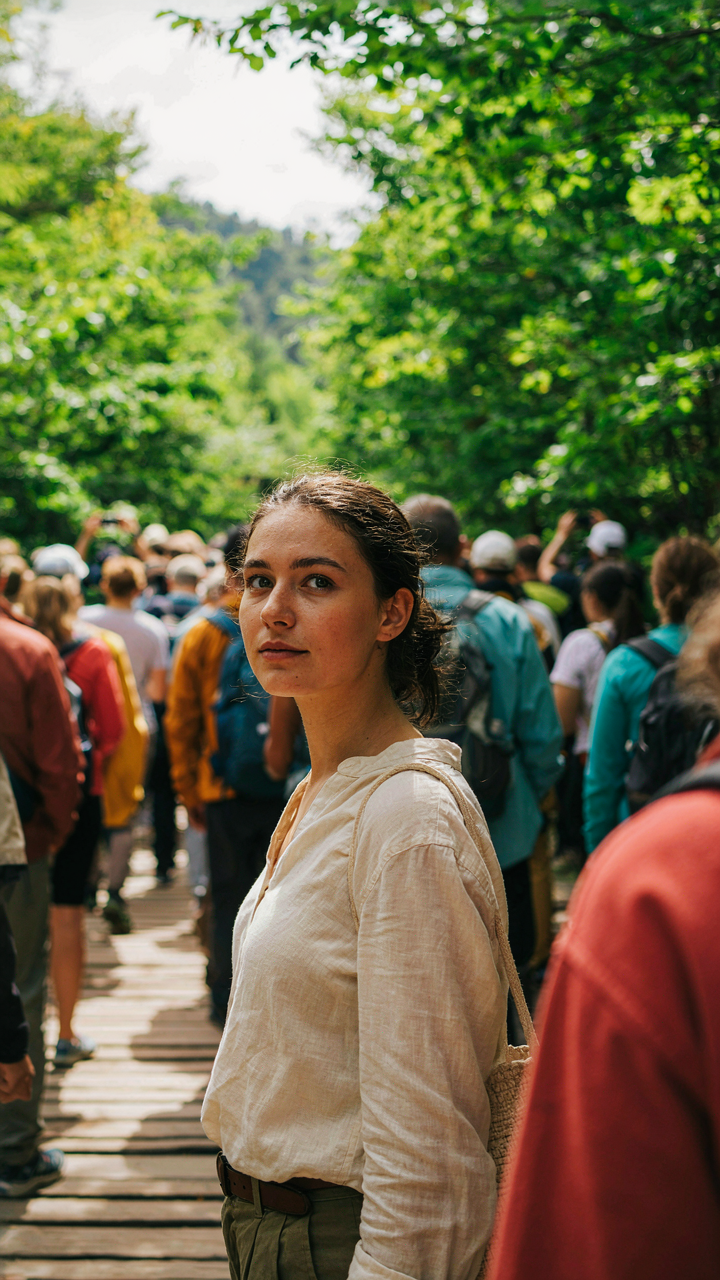
You want to know how to avoid crowds so you don’t waste a vacation day shuffling behind 200 people. Here’s the mechanism: Plitvice operates like any closed ecosystem with fixed carrying capacity. In biology, a population grows until it hits a resource limit, then stops. The lakes have sixteen boardwalks connecting fixed viewpoints. Those boardwalks don’t expand. Neither does the number of people per hour the park can absorb without creating a bottleneck.
Peak season (July and August) pushes the park to handle 8,000 to 10,000 daily visitors on trails designed for a fraction of that load. The boardwalks become one-way traffic jams where your pace depends on the slowest person ahead. Most hikers don’t know the trail routes aren’t equal. The upper lakes loop handles half the crowd of the lower lakes circuit. Time your entry to 7 AM, not 9 AM, and you experience a completely different hike on the same path.
Where Rest Stops Fail As A System
The common advice says spread throughout the day and it won’t feel crowded. That’s incomplete thinking. Rest stops and viewpoints act as limiting factors in population dynamics. When you have eight major viewing platforms along 8 kilometers of trails, each stop becomes a congregation point. Everyone stops at the same overlook. Everyone photographs the same waterfall. The system isn’t designed around distribution. It’s designed around compression.
Plitvice has minimal shade structures and only three staffed rest areas with seating and water. During midday heat, hikers cluster at these points instead of moving through the trail. This creates artificial density. The boardwalk slows to a crawl not because the trail is narrow, but because people pause, back up, and regroup. Start early before heat forces everyone to seek shade simultaneously. End by early afternoon when the trail empties. The system functions optimally at its edges, not in its middle hours.
Gear As A Force Multiplier: Essential Kit For Plitvice Lakes Hiking Trails

Footwear Selection Optimizing For Terrain And Moisture
You want to believe the right shoes will make you feel confident. They won’t. What matters is grip on wet limestone and water drainage speed. Plitvice’s boardwalks and stone trails stay damp year-round due to constant spray from waterfalls and the porous limestone geology that feeds the lakes. The mechanism is friction and capillary action: a shoe that sheds water fast prevents the slick film that builds up on your sole throughout the day.
Trail runners designed for rocky terrain outperform hiking boots here. You need low profile, sticky rubber compounds like Vibram, and quick-dry mesh uppers. Avoid leather or traditional hiking boots which trap moisture and become heavy. The boardwalks demand lateral support without bulk. Test any shoe on wet surfaces before the hike. Soles with aggressive tread patterns grip better, but the real difference is how fast water runs off after each stream crossing or waterfall zone encounter.
Energy Systems That Actually Sustain Effort
Most hikers treat snacks as filler. They’re fuel windows. The hikes at Plitvice Lakes span four to eight hours depending on trail selection. You need a system that maintains blood glucose without crashes, not just calories. Your body demands consistent carbohydrate intake every sixty to ninety minutes on moderate-to-steep terrain, especially across the wooden bridge sections with elevation gain.
- Electrolyte tablets or powder: Replace sodium lost through sweat and humidity absorption. Mix into water every two hours. Prevents cramping on the longer Lower Lakes circuits.
- Nut butter packets: Sustained fat and protein that slow digestion. Carry individual servings. More effective than trail mix for preventing energy drops between lunch and trail end.
- Dried fruit with seeds: Carbs that spike gradually. Two handfuls every ninety minutes. Works better than energy bars in humid conditions where bars melt or stick to packaging.
- Water capacity of at least 2 liters: Plitvice has water fountains near parking areas and some trail hubs, but spacing is inconsistent. Carry a lightweight collapsible bottle to refill at marked points.
- Banana or apple at kilometer four: Quick carbs and potassium that absorb fast. Eat it before hunger signals arrive, not after. Timing beats quantity.
Dehydration hits fast in Plitvice’s microclimate. The forests block direct sun but trap humidity. You’ll sweat without feeling it. Drink before thirst arrives, eat before fatigue sets in. Carry your supplies in a pack with a hip belt to distribute weight off your shoulders. Pack snacks in the top compartment where you can reach them without stopping every time. This is not motivation. This is mechanics.
Capturing The Croatia Landscape: Photography Beyond The Postcard Shot

Unique Angles And Compositions That Break The Pattern
You want the shot that proves you were there. That’s the real motive here, and it’s why most hiking photographers at Plitvice produce identical images. The mechanism is borrowed from composition theory in visual design: the rule of thirds feels safe because it distributes visual weight evenly, but Plitvice’s geography demands asymmetry instead. The lakes and waterfalls sit in vertical stacks, which means centering the frame actually works against the landscape’s structure.
The standard move is shooting the Lower Lakes viewpoint straight-on. Stop. Walk past the crowds to the wooden boardwalks on the eastern side, where the lake wraps around the boardwalk itself. Shoot from low angles where the platform becomes foreground. Position yourself so a waterfall sits in the upper third while the boardwalk bisects the lower half. This creates spatial depth that dead-center compositions kill entirely. The walk takes five extra minutes but eliminates sameness from your output.
Lighting Strategies That Match The Terrain
Light behaves differently over water than it does over rock, and that’s the physics principle you need to apply at Plitvice: refraction bends light rays at the water surface, which means golden hour works here, but not when you think it does. Most hikers shoot sunrise and sunset from the same overlooks. The water flattens into a mirror and steals your detail. Instead, shoot overcast mornings when the light diffuses evenly across the lakes. The turquoise water holds its color without glare. Clouds become your reflector.
When you do shoot in direct sun, position yourself so the water reflects the canopy, not the sky. This happens naturally around midday on the upper lakes where tree coverage is dense. The reflected greens and browns enhance the water’s blue saturation. Late afternoon works only for specific angles where the sun filters through trees behind you, creating rim lighting on the mist above waterfalls. Scout these positions during your first pass when light matters less. Mark the exact spots on your phone map, then return when conditions align.
The Exit Strategy: Concluding Your Plitvice Lakes Conquest

What Recovery Actually Means
You want proof that you did something hard. That’s the real reason you’re reading this. The mechanism is simple: your body doesn’t distinguish between earned fatigue and wasted effort. Both feel the same. The difference lives in how you frame it afterward. Post-hike soreness isn’t damage to fix. It’s the physical evidence of load you successfully carried through 8 to 18 kilometers of uneven terrain, depending on your route. That sensation in your legs is adaptation signaling, not failure.
The recovery protocol starts before you leave the park. Drink water at the exit station, not later. Eat protein within two hours, ideally at one of the restaurants near the parking area. Rest matters less than most people think. Light movement the next day beats complete immobility. Your muscles repaired themselves while you slept after the hike. Sitting still afterward just prolongs the stiffness. Walk slowly. Stretch nothing aggressively. In three days, the soreness retreats entirely, and what remains is the fact that you moved through Plitvice’s terrain and survived it intact.
Strategic Choices, Not Postcards
Most hikers review their Plitvice trip by counting photos. That’s not reflection. Reflection means examining the trade-offs you made. Military strategists call this “after-action review.” You made decisions about route length, start time, pace, and rest stops. Some worked. Some didn’t. Write down which ones within 24 hours, while the data is fresh. Did you start too late and rush the middle section? Did you skip the Upper Lakes entirely to save energy, then realize you had reserves left? Did water levels affect trail difficulty more than you predicted?
These patterns compound across multiple hikes and destinations. You’re building a personal algorithm for hiking decisions, not collecting memories. The Lower Lakes loop offers better photo opportunities but more crowded sections. The Upper Lakes provide solitude and fewer tourists but demand more climbing. Neither is objectively superior. Your choice reveals your actual priorities versus your imagined ones. Document the gap. Your next expedition, whether back to Plitvice or elsewhere, depends on knowing exactly what worked and why.
The Real Obstacle Isn’t The Terrain; It’s Your Unexamined Assumptions About How To Experience Plitvice Lakes

Most hikers show up to Plitvice expecting a checklist experience: hit the famous viewpoints, snap the photos, leave satisfied. You won’t. The lakes reward people who abandon the script and walk the empty trails at dawn or stay until the crowds dissolve. Stop planning your trip around what Instagram told you to see. Open your calendar right now and pick a date in shoulder season—May or September—when the park breathes again. You’ll find something most tourists never do: Plitvice actually exists.