
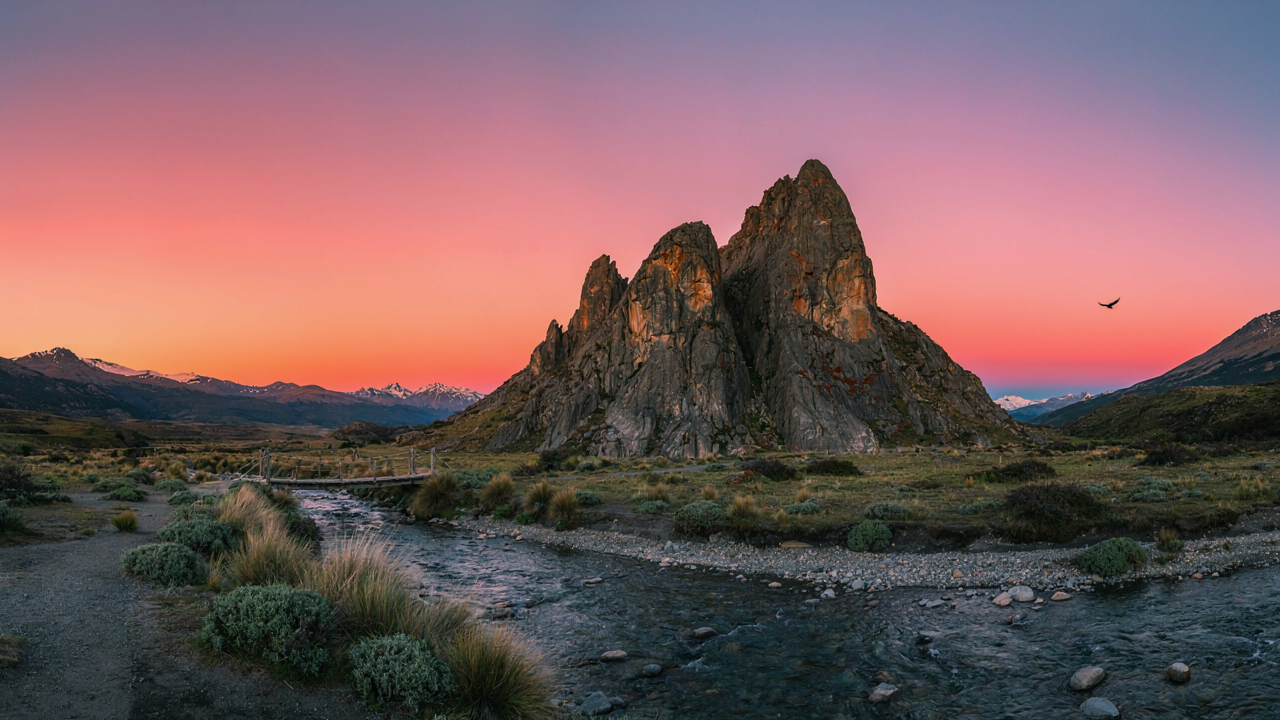
The Instagram Lie Of Patagonia Hiking Aesthetic
What The Algorithm Actually Sold You
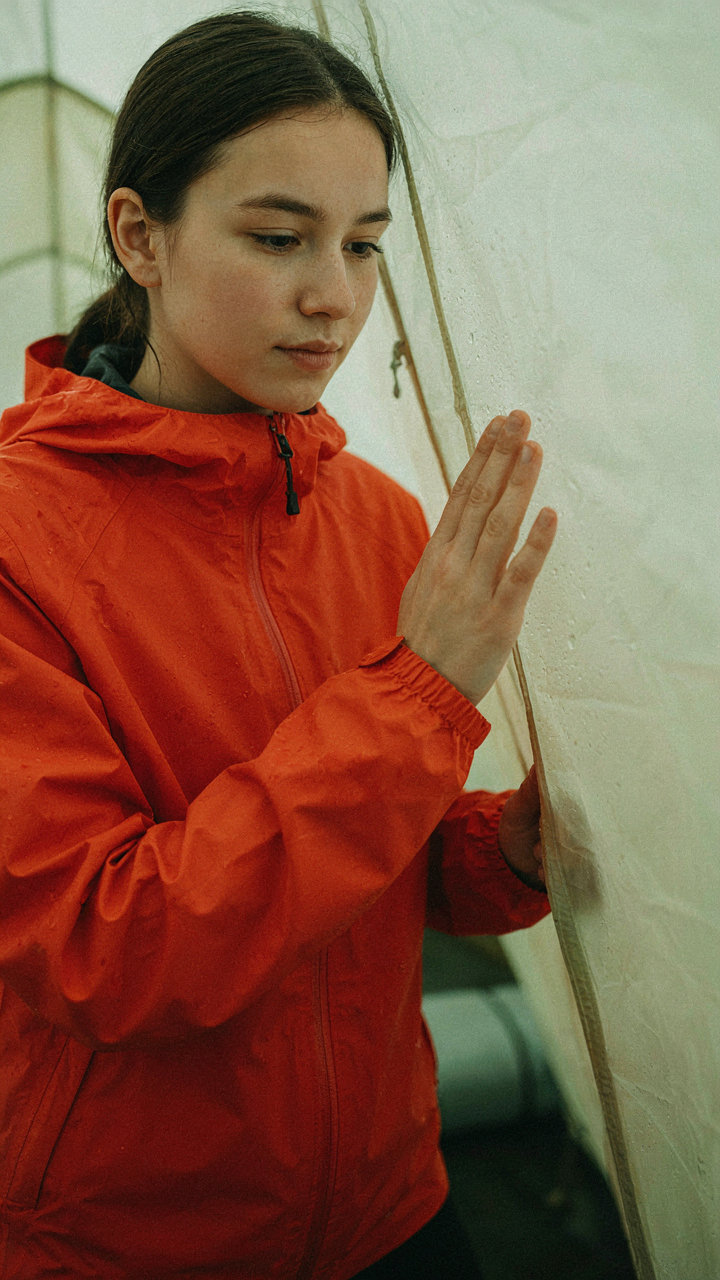
You want proof that you did something hard. That’s the real reason you’re here. The mechanism at work is borrowed from consumer psychology: scarcity theater. Instagram created a supply of Patagonia images that looks infinite but feels exclusive. Each photo signals difficulty without showing the actual work. You see the granite spire at sunrise. You don’t see the 4am wake-up in a tent flooded with condensation or the blister that made you recalibrate your entire day.
The filtered reality strips context until only the artifact remains. Every successful hike on social media appears identical: golden hour light, impossible composition, weathered gear arranged like a still life. This creates a false equivalence where the experience becomes secondary to the documentation. The hike you’re planning isn’t actually about traversing terrain or testing yourself against distance and elevation. It’s about acquiring a photo that matches the template everyone else already posted. This inversion of purpose changes everything about how you prepare and what you’ll tolerate once you’re on the trail.
Where The Real Difficulty Lives
Patagonia demands something no filter captures: sustained decision-making under uncertainty. Military strategists call this “operating in the OODA loop,” the process of observing, orienting, deciding, and acting faster than conditions change. On the trail, conditions change constantly and you can’t pause for a better angle. Weather systems move in unpredictably. Trail conditions shift between seasons and even within a single season depending on snowmelt timing and recent rockfall.
The true test isn’t aesthetic. It’s endurance across variable terrain, navigation when visibility drops to fifty meters, and pacing that accounts for altitude and the specific demands of each mountain. A summit photo means nothing if it cost you a twisted ankle on descent because you rushed. The challenge that matters involves reading weather patterns, understanding your actual fitness capacity versus what you imagined, and making the unglamorous call to turn back when conditions deteriorate. Start your preparation by studying weather windows for your specific target, not by collecting inspiration from social media feeds.

Patagonia Trip Logistics: The Cold, Hard Truth

Booking Before Reality Sets In
You want to lock in dates and feel like you have control. Here’s the mechanism: you don’t. Patagonia operates on weather windows, not your calendar. Booking flights months ahead creates false certainty. Airlines know this. They price accordingly. The real play is booking flexible tickets or accepting that you’ll pay premium rates closer to departure when you have actual weather intelligence. Early bookings lock you into dates that may coincide with season closures, avalanche risk, or wind so severe that trails shut down entirely.
The common advice says book early for better prices. That’s true for predictable destinations. Patagonia punishes predictability. Your deposit doesn’t change wind patterns in December or snow accumulation in April. Work backward from actual hiking windows. November through March is the austral summer, but that’s a range, not a guarantee. Mid-December to mid-February offers the highest probability of passable conditions. Book your core dates within that window, then treat everything else as flexible.
Permits, Seasons, And The Weather That Ignores Your Plans
Patagonia’s permit system is simpler than you think, which means people overthink it. The major treks in Argentina’s Los Glaciares National Park and Chile’s Torres del Paine require no advance permits. You pay entrance fees on arrival. Walk up, pay, hike. No bureaucracy. That simplicity makes people complacent. They arrive during the wrong season anyway. Weather doesn’t care about your flexibility. Wind gusts exceed sixty miles per hour regularly. Snow closes trails. Visibility drops to thirty feet. These aren’t edge cases. They’re statistical certainties during shoulder seasons.
The real decision tree is simple: go January through mid-February if you want the highest success rate. Accept higher costs. Shoulder seasons (November, March) offer cheaper accommodations and fewer crowds, but you’re gambling on weather windows that close without warning. Southern Patagonia’s climate shifts violently. Rain turns to sleet. Clear mornings become white-out afternoons. Experienced hikers in Patagonia don’t plan around ideal conditions. They plan around acceptable conditions, then execute fast when weather allows.
The 3 Tiered Patagonia Hiking Protocol
What You Actually Need To Carry
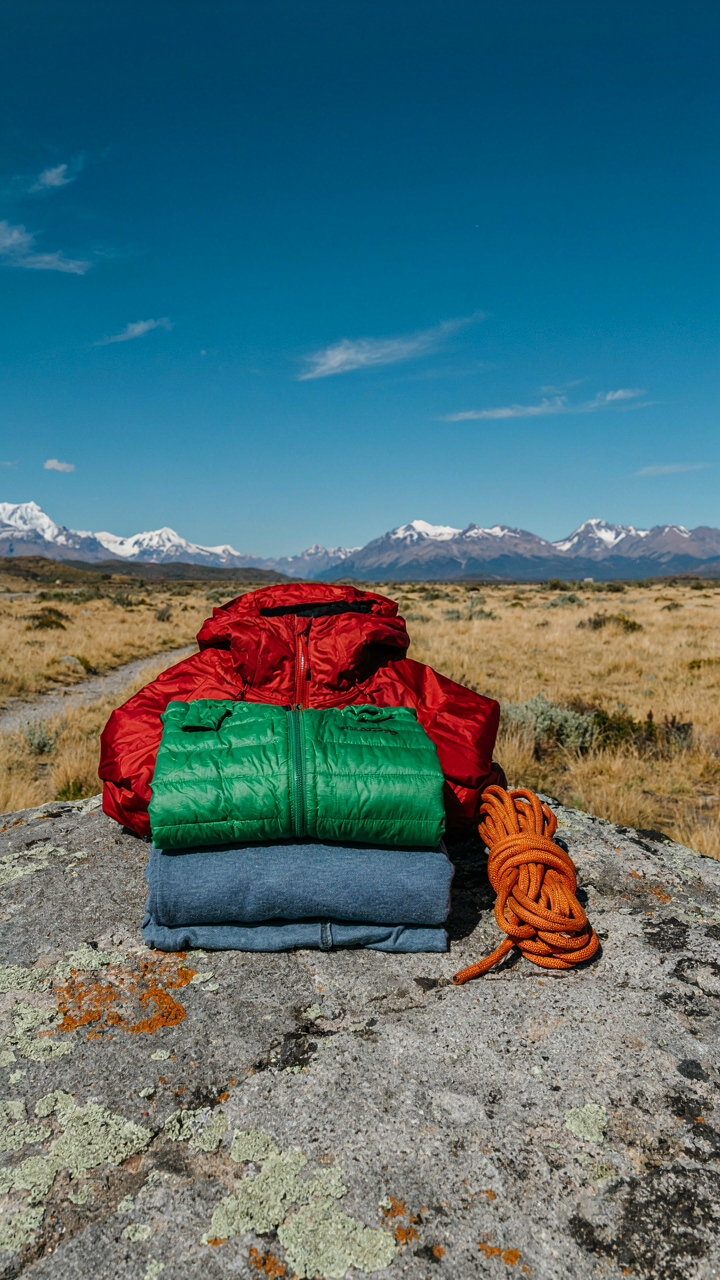
You want the gear list that proves you’re serious about this. Here’s the mechanism: Patagonia’s weather operates on wind physics. Think of it like load bearing in engineering—each layer must handle compression forces from wind gusts exceeding 50 mph. Your base layer isn’t insulation. It’s moisture transport. Without this distinction, you pack wrong and fail on the trail.
- Merino wool base layer: Wicks moisture fast and regulates temperature across Patagonia’s extreme swings. Synthetic alternatives work but wool handles multi-day wear without smell buildup when you can’t wash.
- Hardshell jacket: Not a rain jacket. Wind is your primary threat in Patagonia, not rain volume. Gore-Tex or equivalent membrane stops lateral wind penetration at your core.
- Insulating mid-layer: Synthetic or down works. Down compresses smaller in your pack. Synthetic dries faster. Choose based on your route’s water crossing frequency and weather forecast.
- Reinforced hiking boots: Volcanic rock and moraine demand ankle support and puncture resistant soles. Patagonia isn’t about ultralight footwear. Boot failure means rescue.
- Water filtration system: Streams exist everywhere. Carry a squeeze filter or tablets. Giardia and cryptosporidium exist in runoff. Boiling takes fuel you don’t have.
The mistake everyone makes: overcomplicating the list. Patagonia doesn’t reward elegant packing. It rewards redundancy. Carry two pairs of socks when one seems enough. Bring backup batteries when one seems adequate. The margin of error in Patagonia is smaller than you think.
Equipment For Specific Trail Conditions
Patagonia’s terrain changes fast between regions. Torres del Paine demands different tactical gear than Fitz Roy approaches. Ice axe, crampons, and glacier travel equipment only belong on specific routes. Carrying them everywhere adds weight that kills your pace and increases fatigue injury risk.
The Rio Blanco approach to Fitz Roy crosses scree fields where microspikes prevent ankle rolls. The W Trek in Torres del Paine includes river crossings where trekking poles reduce knee compression by 25 percent on descent. Granite technical sections around Laguna de los Tres Glaciares require rock-specific footwork, not specialized equipment. Research your specific route before assuming you need ultralight glacier gear or rock protection.
Chile Patagonia Vs. Argentina: A Strategic Choice
Where The Trails Actually Are
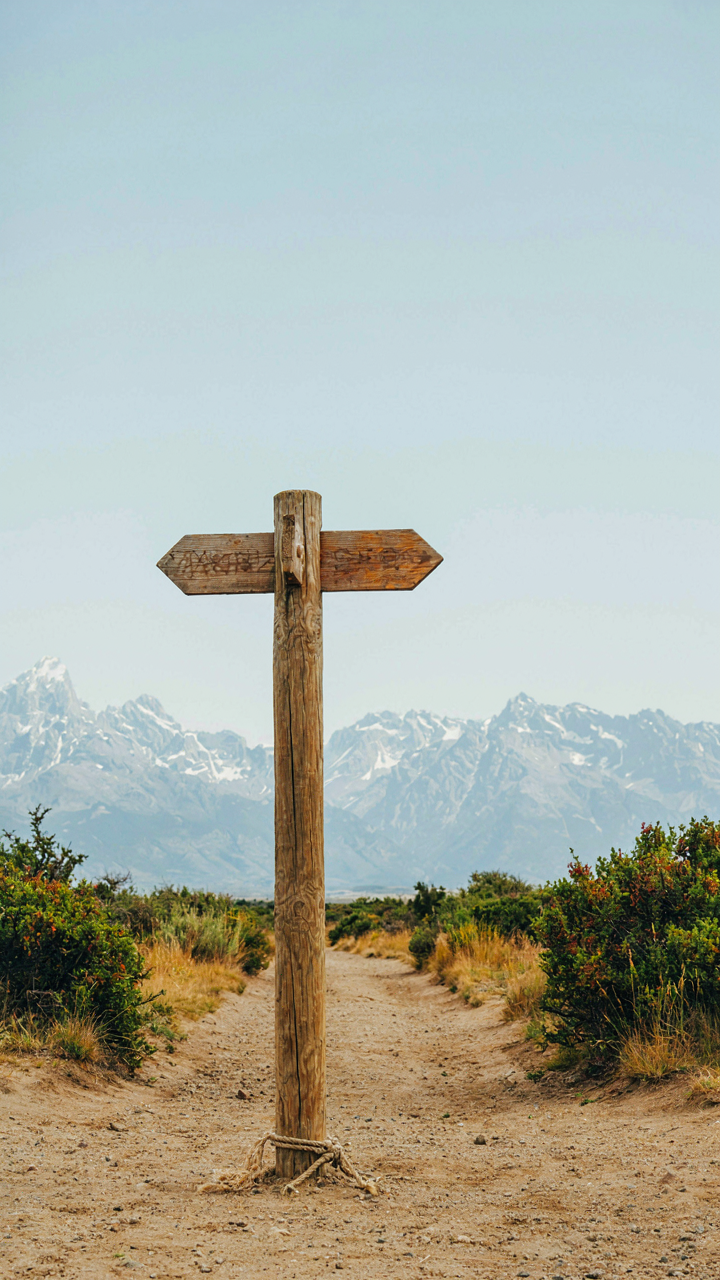
You want to know which side to pick because you’re afraid of wasting vacation days on the wrong choice. The mechanism is simple: geography determines trail density, weather patterns, and access speed. Chile’s Patagonia sits west of the Andes and catches Pacific moisture first, creating unpredictable weather but forcing trail infrastructure into concentrated zones. Argentina’s Patagonia spreads east across drier steppe with longer sight lines and fewer bottlenecks, but distances between major hikes stretch farther.
Chile gives you Torres del Paine and Carretera Austral in tight proximity. Argentina offers Mount Fitz Roy and the Perito Moreno Glacier on opposite ends of a massive region. Choose Chile for density of experience. Choose Argentina for scale and fewer crowds on individual trails. Neither choice is wrong. The wrong choice is treating them as equivalent when they demand different trip structures.
Border Friction And Real Logistics
The common advice ignores that Argentina’s currency crisis makes prices fluctuate weekly while Chile maintains stability. Crossing the border at Paso Roballos or Paso San Martín creates a 4 to 6 hour time tax that compounds if you’re changing money or dealing with vehicle paperwork. Most hikers underestimate this friction and book a 14 day trip expecting to hit both regions equally. You cannot. You pick one region per trip or accept that 2 to 3 days vanish to logistics.
Fuel costs, accommodation booking systems, and permit requirements differ between countries. Argentina requires you to enter certain parks with a guide or pay higher fees for independent access. Chile’s permit system moves faster online but fills during peak season. If you’re crossing borders, do it once, not twice. Plan your route in one country first, then decide if a border crossing serves your actual itinerary or just sounds adventurous on paper.
Beyond The Famous Peaks: Unseen Patagonia Landscape
Trails Nobody Photographs
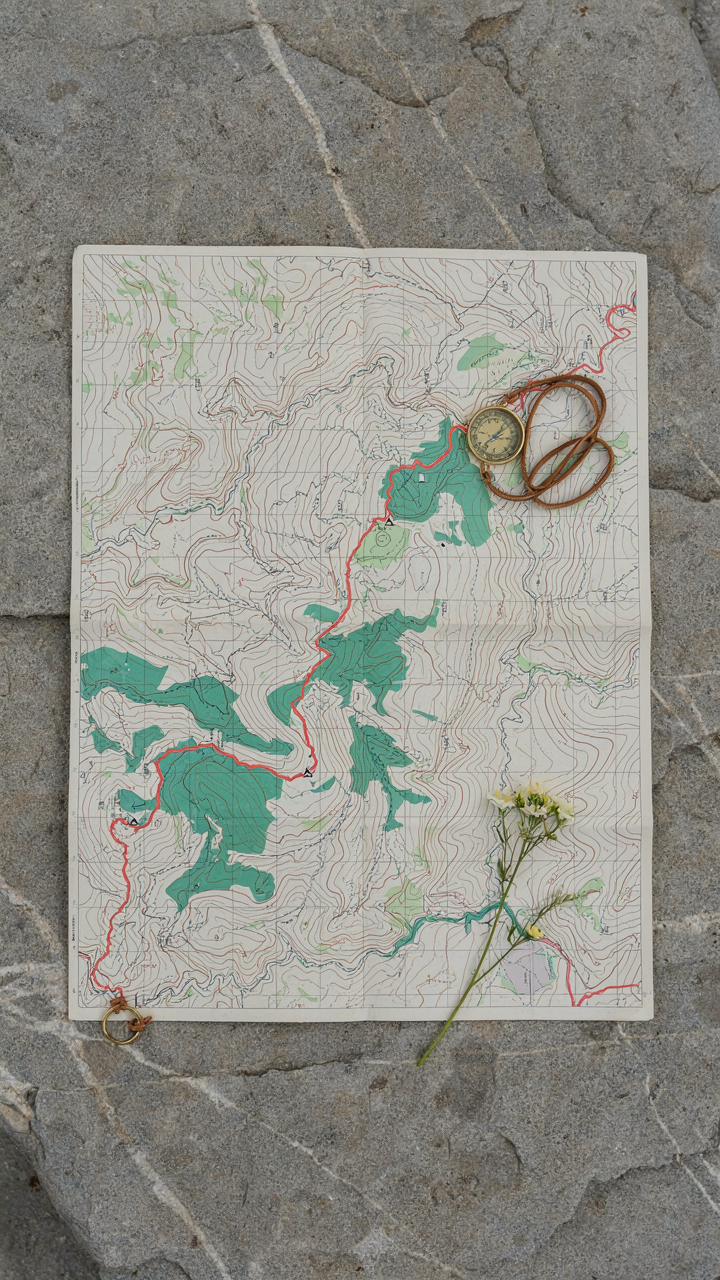
You want the story you can tell first, the credential without the crowds. Here’s the mechanism: famous peaks are famous because they’re accessible and photogenic, not because they’re objectively better. Tour operators funnel thousands toward Torres del Paine and Mount Fitz Roy because the logistics scale. Everywhere else in Patagonia remains underdeveloped by design—no infrastructure means no tour buses, which means you actually experience the region instead of performing it.
Laguna de los Tres Picos near El Chaltén delivers alpine scenery matching anything on the postcard circuit, but takes less than two percent of Fitz Roy traffic. The Laguna Torre approach forks toward Laguna Sucia, a route that dissolves most day hikers before kilometer four. Río de las Vueltas valley opens into unmarked terrain where you navigate by topo and landmark rather than cairns. These options exist in plain sight because they require a specific skill: reading terrain before committing.
The Crowd Exit Strategy
The timing tells the story better than the trail name. Patagonia’s season compresses into December through March, which means ninety percent of visitors stack into January and February. You move your dates—this is the single hardest tactical decision most hikers refuse to make. December brings unpredictable weather and shorter day length, but also fifty percent fewer people and clearer water in the lakes because glacial melt peaks later in the season.
Early morning departure matters more than trail selection. Start at first light, before 6 AM. You’ll clear the main valley by 9 AM when tour groups roll out. The reverse works too: start at 2 PM, hike into evening alpenglow when others are eating dinner. Camp overnight on lesser trails instead of doing day loops—one night in the backcountry erases ninety percent of casual foot traffic and forces you into actual immersion with the landscape rather than scenery consumption.
The Patagonia Mindset: Evolutionary Psychology Of Resilience
When Your Body Hijacks Your Brain
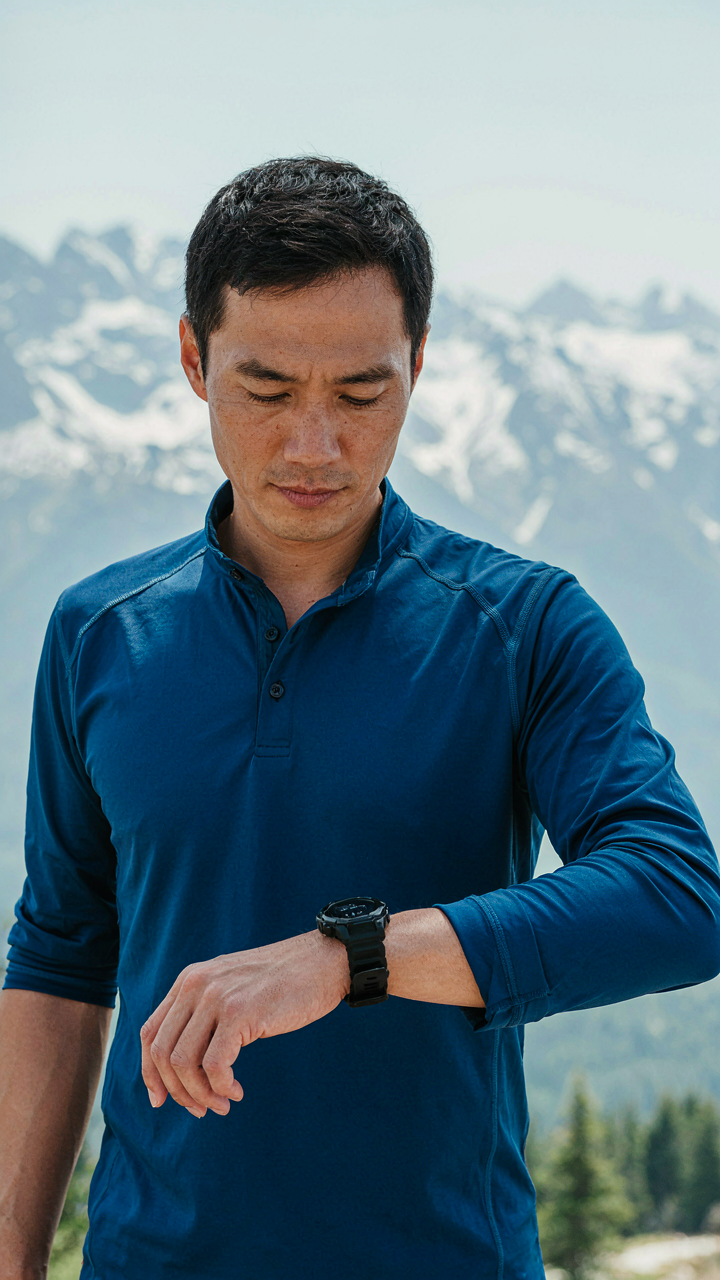
You want to believe willpower gets you through Patagonia. It doesn’t. Evolutionary biology does. Your nervous system didn’t evolve for comfort—it evolved for threat detection and resource scarcity. Patagonia triggers the same ancient survival circuits your ancestors used on the savanna. Wind gusts at 50 mph, temperature swings of 40 degrees in hours, and isolation activate your sympathetic nervous system. Your heart rate spikes. Breathing becomes shallow. Blood diverts from digestion to muscles. This is fight-or-flight, and it fires whether you’re mentally prepared or not.
The hikers who survive Patagonia’s worst days don’t override this response. They recognize it as data, not failure. When your body signals threat, you’re getting accurate information—the environment is genuinely hostile. The mechanism isn’t mental toughness. It’s recalibration. You learn to interpret the signal as “stay sharp, not panic.” Your amygdala is doing its job. The question becomes: will you let it paralyze you or fuel precise decision-making? On exposed ridges above the Fitz Roy massif, where sudden storms roll in from the southwest, this distinction saves lives.
The Endurance Equation
Endurance isn’t motivation. It’s physiology working against entropy. Your body prefers equilibrium—steady calories, stable temperature, consistent heart rate. Patagonia forces constant disruption. You’re burning 5,000 to 7,000 calories daily while carrying 30 to 45 pounds across uneven terrain at altitude. Your muscles deplete glycogen stores. Your core temperature fluctuates. Dehydration becomes chronic because cold air suppresses thirst signals even as you’re losing fluids. This isn’t a mental challenge waiting for grit to solve it.
Survival in extreme environments depends on metabolic efficiency and pacing discipline. Hikers who bonk on day four pushed too hard on day two. Hikers who summit Cerro Torre’s approach at 3,400 meters do so by moving at speeds that keep their lactate threshold stable, not by gritting their teeth. The mechanism is straightforward: manage your caloric deficit, space your effort across multiple days, and adjust intensity to altitude. Your body adapts to sustained stress only if you don’t exceed the recovery window. Stop thinking about willpower and start thinking about fuel, pacing, and sleep as non-negotiable infrastructure for survival.
Mastering The Microclimates Of Patagonia
The Weather Forecast Is Not Your Friend
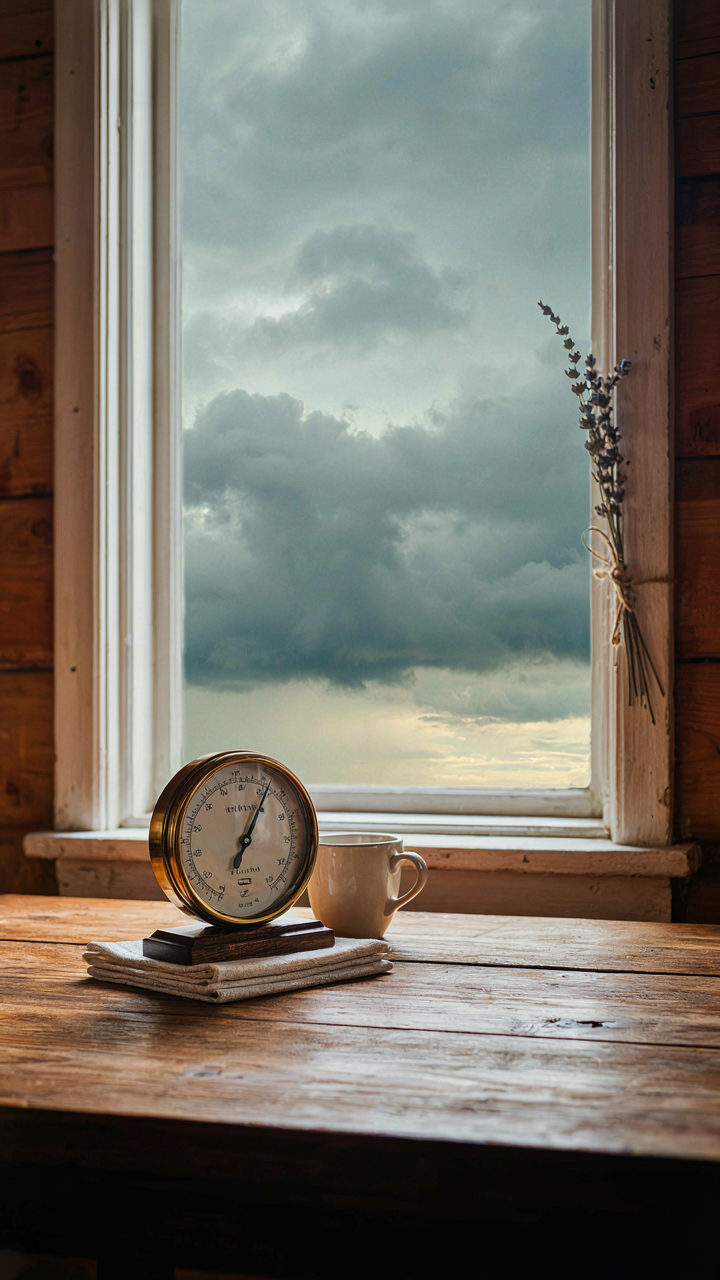
You want the forecast to work because it feels like control. It doesn’t. Patagonia operates on a convection system where cold air masses collide with warm systems across the Southern Ocean, creating localized weather patterns that shift faster than any model predicts. The real mechanism is this: you read the pressure gradient, not the temperature prediction.
High pressure systems move predictably. Low pressure systems intensify or dissipate based on ocean temperature and wind shear. Watch the barometric pressure trend over six hours, not the five-day outlook. If pressure drops 5 millibars in two hours, weather deteriorates within the hour. If it rises steadily, you have a stable window. This is meteorology’s core principle applied directly: systems change when energy inputs change, not when forecasters update their models.
Stacking Fabrics For Fast Transitions
People layer wrong because they think insulation traps heat. It doesn’t. Insulation slows heat loss. In Patagonia, you’re not managing warmth—you’re managing moisture and wind exposure, which change every 30 minutes. Your base layer wicks sweat to the next layer. Your mid layer traps air and manages dampness. Your shell stops wind penetration. Remove one layer the moment you warm up, not after you’re drenched.
Merino wool base layers outperform synthetics because they regulate moisture without cooling you when damp. Fleece mid layers compress small and add insulation without bulk. A hard shell stops the wind that Patagonia uses to steal body heat. Carry an extra mid layer, not an extra base layer. You’ll swap mid layers constantly. The protocol: start cold, add your shell immediately if wind picks up, remove mid layer if you’re generating sweat. Never wait for discomfort to signal the change.
Fueling The Patagonia Hiker: Performance, Not Pleasure

Calorie Dense Nutrition For Sustained Output
You want to know how to eat on the trail without thinking about it, because thinking about food means you’re already depleted. The mechanism is simple: Patagonia’s wind, altitude, and distance create a caloric deficit that no amount of “intuitive eating” closes. Your body burns 4,000 to 6,000 calories daily depending on terrain and pack weight. Standard backpacking food math doesn’t work here because the environment accelerates depletion.
Pack calorie density, not volume. Nuts, nut butters, chocolate, and energy bars deliver 150 to 200 calories per ounce. Dried fruit works but requires more chewing and digestion effort when you’re already fatigued. Pre-mix trail snacks in portions before the hike to eliminate decision-making on day five when your judgment collapses. Eat 200 to 300 calories every two hours, not three massive meals. Frequent small inputs maintain steady energy and prevent the crash that forces unplanned stops on exposed ridges.
Hydration Tactics In Remote Terrain
Most hikers underestimate Patagonia’s dehydration rate because wind masks sweat evaporation. You don’t feel thirsty until you’re already compromised. The physiology here is identical to high-altitude mountaineering: thin air accelerates fluid loss while cold temperatures suppress thirst signals. Drink before you sense need, not after.
Carry 3 to 4 liters of capacity across your pack system, not to fill it all at once but to access water sources quickly. Patagonia’s water runs cold and clean at most streams and lakes, but verify flow before committing to a camp location. Electrolyte powder dissolves in cold water and accelerates absorption better than plain water alone. Drink 500 to 750 milliliters every hour during hiking. At camp, continue drinking steadily through evening—a full liter with dinner, then more before sleep. Urine color is your measurement: pale yellow means you’re hydrated, dark yellow means you’re behind and need to play catch-up before the next push.
Leaving No Trace: Respecting Patagonia Nature
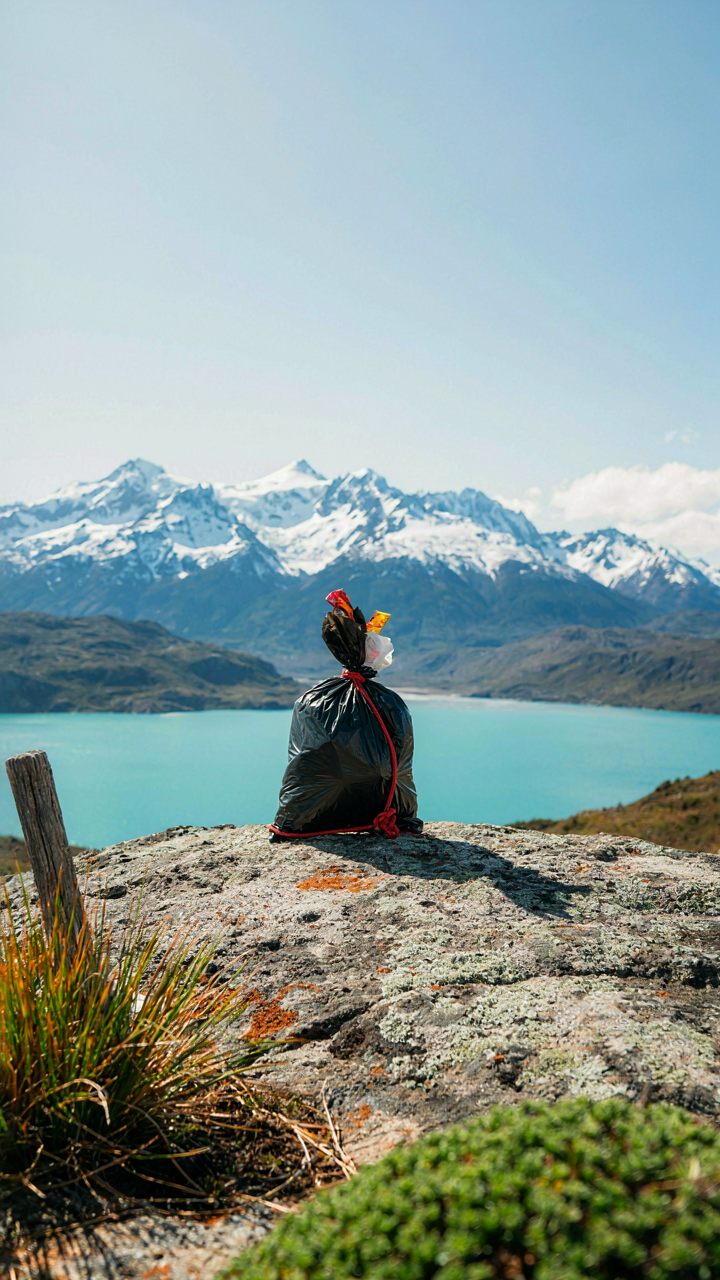
Camp Smart, Leave Nothing Behind
You care about this section because you want to feel like you’re doing the right thing without actually changing your behavior. The real mechanism is simple: Patagonia’s ecosystem has finite recovery capacity. Once you understand carrying capacity—borrowed from systems biology—you stop thinking about individual impact and start thinking about cumulative load. Your single campfire doesn’t matter. Ten thousand hikers’ campfires compound into bare soil that doesn’t recover for decades.
Minimal impact camping in Patagonia means camping on durable surfaces: rock, gravel, or established sites. Never dig trenches or level ground. Pack out everything you pack in, including toilet paper and food scraps. The mistake most guides make is treating waste management as a moral choice. It’s not. It’s the difference between a trail that stays open and a trail the park service closes because it’s degraded beyond function.
Wildlife Distance Breeds Wildlife Survival
Most advice on wildlife encounters is incomplete. It tells you not to feed animals but never explains why guanacos and foxes approach hikers in the first place. They’ve learned humans mean food or at minimum don’t pose immediate threat. The moment you reward that learned behavior with a photo op or a snack, you’ve changed their survival strategy. They stop foraging naturally. They become dependent. Then they starve or conflict with other hikers or get culled.
Observe wildlife at minimum fifty meters. Use binoculars. Don’t move closer for a better photo. Don’t alter your route to intercept animals. If an animal approaches you, don’t run but increase distance by walking calmly away. The protocol is not about your comfort or your footage. It’s about preserving the animal’s ability to survive independently in Patagonia’s harsh environment.
The Only Thing Holding You Back From Patagonia Is Your Own Expectation Of Ease
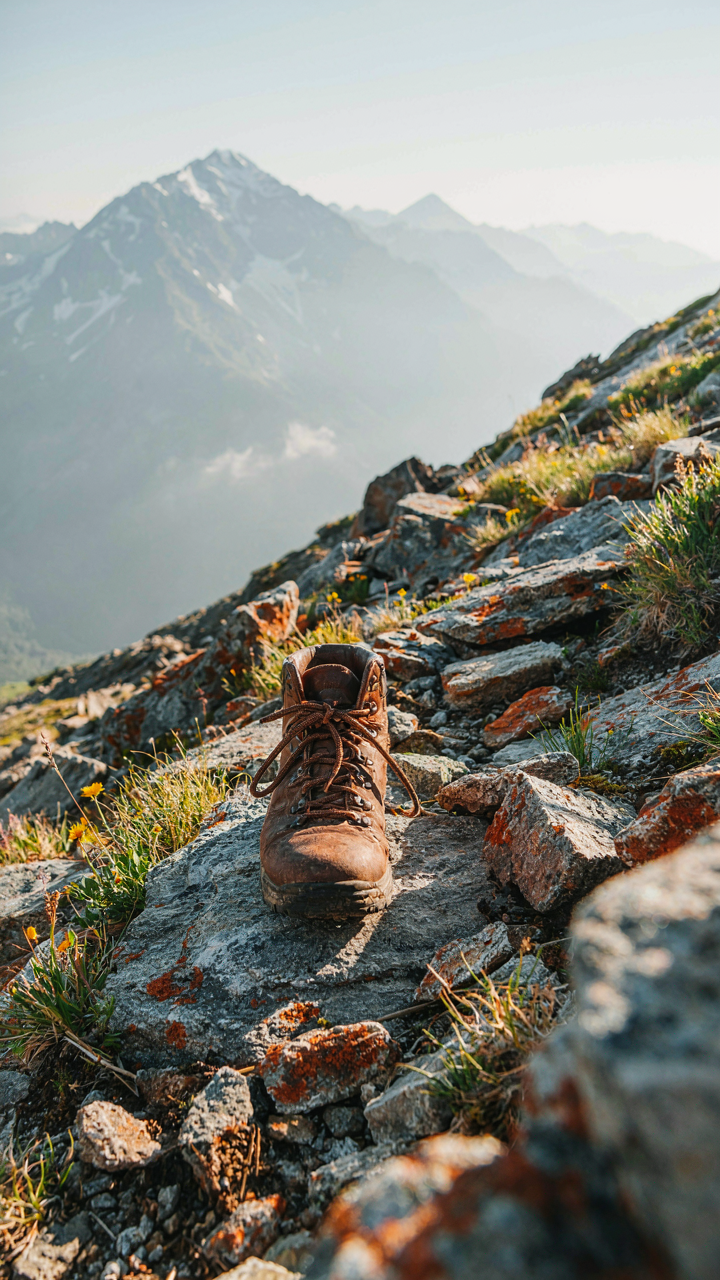
You’ve built hiking Patagonia into something mythical. A trophy. A test you might fail. That mythmaking is the real obstacle. The mountains don’t care about your comfort or your Instagram followers. They care about nothing. You show up, you move your body, you adapt or you quit. Stop waiting for the perfect weather window or the perfect fitness level. Book the trip for three months from now, tell someone you’re going, then start walking up hills tomorrow. The only difference between the people who hike Patagonia and the people who talk about it is that one group stopped negotiating with themselves.