
Introduction
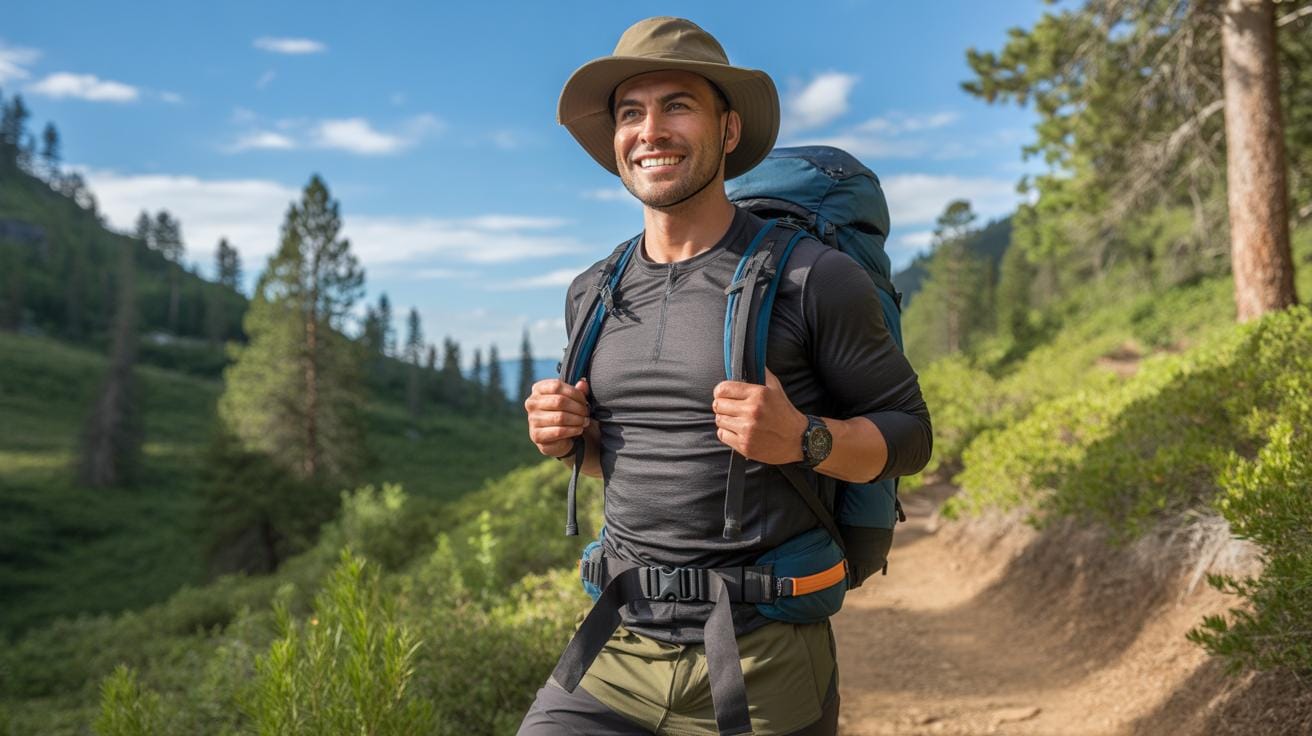
Hiking Outfit Men Essentials For Comfortable And Stylish Outdoor Adventures is a key topic for those who love to explore nature. Wearing the right gear makes a huge difference in your hiking experience. It keeps you comfortable, safe, and ready for any weather conditions. This article covers what men need in their hiking outfits.
You will learn about the best clothing pieces, how to layer effectively, and the types of shoes that support your feet on tough trails. We also discuss accessories that help with the hiking challenge. Following these tips will make your outdoor adventures more enjoyable and stylish.
Choosing Practical Hiking Clothing
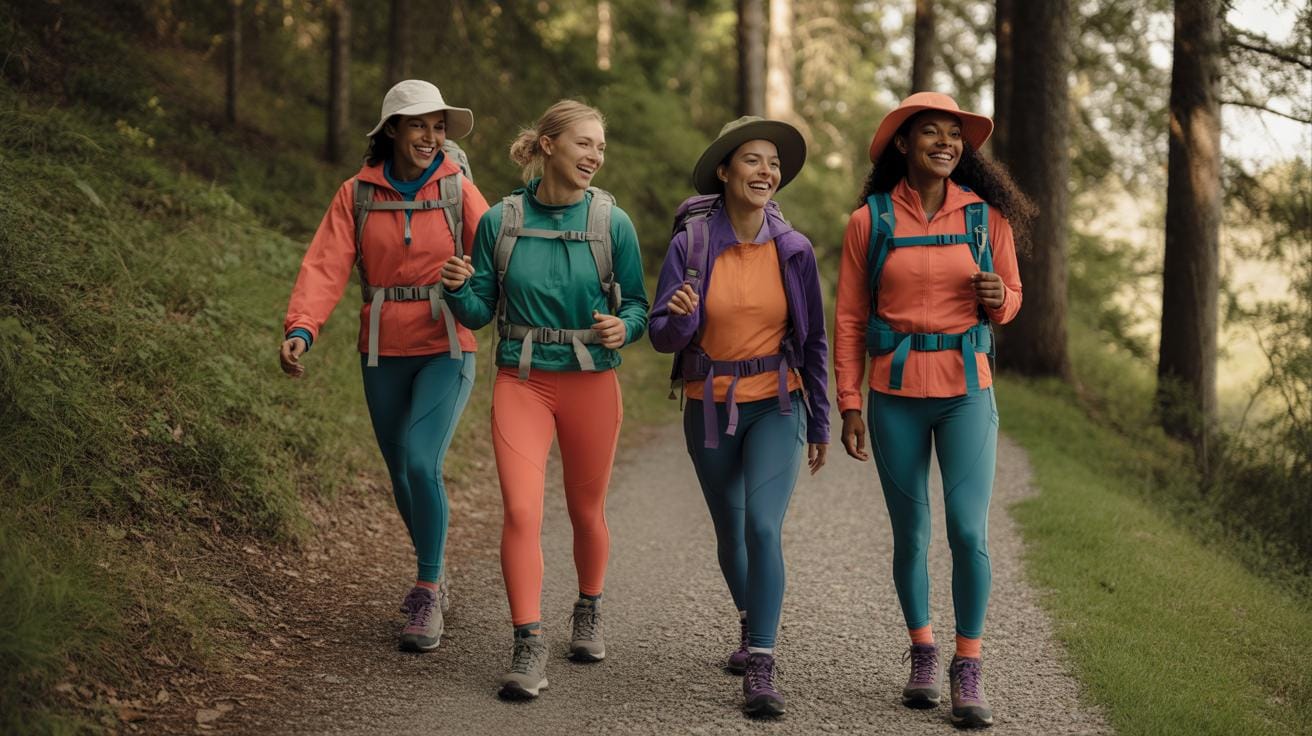
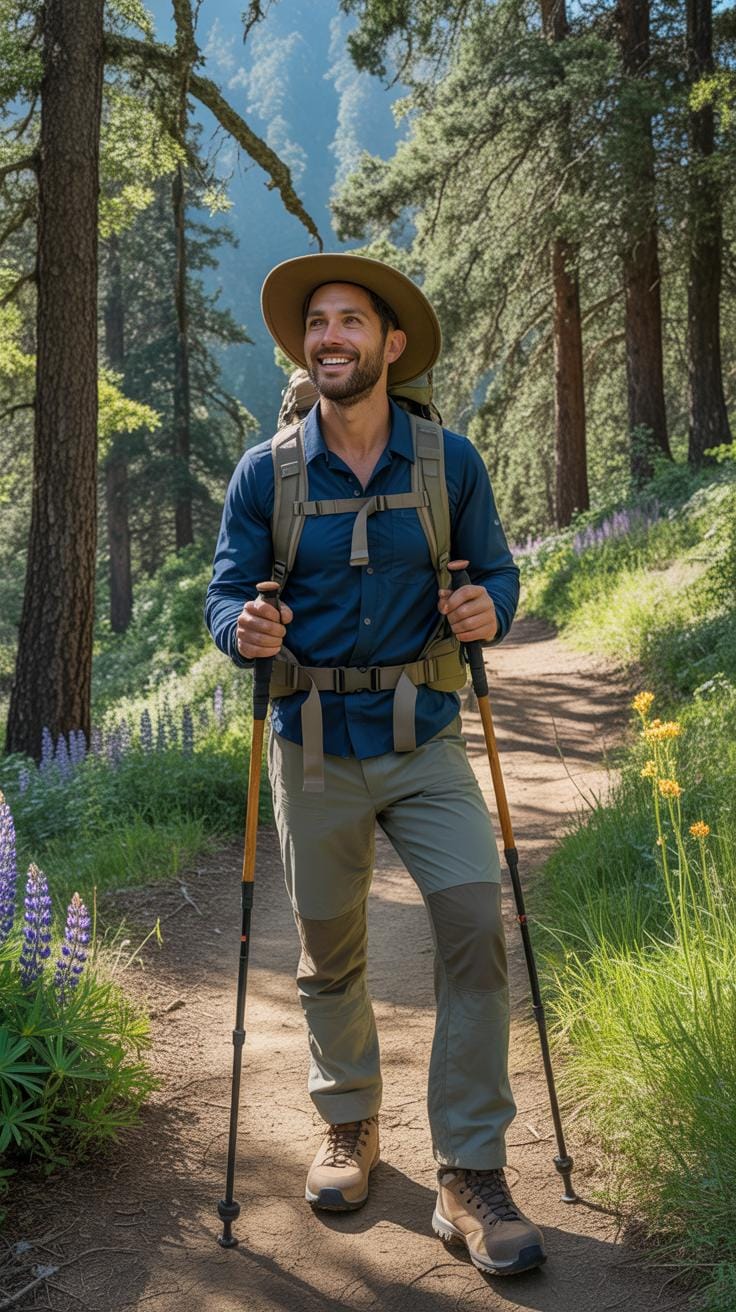
When it comes to picking hiking clothes for men, the material really matters. You want fabrics that pull sweat away from your skin — moisture-wicking is the term you’ll often hear. This helps keep you dry, which, in turn, helps regulate your body temperature. Breathability is just as important; if your clothes trap heat and humidity, you end up uncomfortable and possibly chilled when you stop moving.

Materials like merino wool and certain synthetic fibers, such as polyester blends, tend to perform well. They balance moisture control with durability, which is key if you’re tackling rough terrains or longer hikes. Cotton, while comfortable, isn’t ideal since it holds moisture, which can quickly make you cold and irritated.
Comfort and durability go hand in hand. You want your clothes to resist tears and abrasions but also feel good enough to wear for hours. Sometimes, the most rugged gear can feel stiff and chafe, so finding a balance is a bit of a personal quest. Have you noticed how certain fabrics feel when damp? That can be a dealbreaker out on the trail.
Essential Layers For Comfort And Safety
Layering is the core strategy for adapting to changing weather during a hike. It’s not just about piling on clothes but about understanding the role of each layer:
- Base Layer: This touches your skin, so it needs to be moisture-wicking and soft. Think merino wool or synthetic blends that keep moisture moving outward.
- Insulation Layer: This traps heat. Fleece or down works well here, depending on the temperature. Synthetic insulation is a good pick if you expect damp conditions because it maintains warmth better when wet.
- Outer Shell: This is your shield against wind and rain. Waterproof, breathable fabrics like Gore-Tex or other membrane materials are common choices. Soft shells also offer protection with more breathability but they may sacrifice waterproofing.
Each layer has a job, and by adjusting them, you respond to shifts in weather without overheating or freezing. Ever try hiking on a cool morning and then baking under the afternoon sun? Layering lets you handle those swings a bit more gracefully.
Selecting Durable Footwear For Trails
Footwear can make or break your hiking experience. The main types to consider are trail runners, hiking boots, and approach shoes. Each has its place:
- Trail Runners: Light and flexible, great for shorter or less technical trails. They dry quickly but offer less ankle support.
- Hiking Boots: These are sturdier, usually with more ankle support and better protection, suited for rocky or uneven terrain and longer hikes.
- Approach Shoes: Hybrid between hiking shoes and climbing shoes, good for rough approaches or mixed terrain but less cushioned than boots.
When choosing, consider sole grip — lug patterns for traction matter a lot on slippery or rocky trails. Ankle support reduces injury risk but can add weight. Waterproofing is handy in wet environments but may limit breathability. Balancing these factors depends on where and how long you’re hiking. A tough, wet mountain trail calls for different shoes than a dry, flat day hike.
How To Dress For Different Weather
Hiking Clothes For Warm And Hot Weather
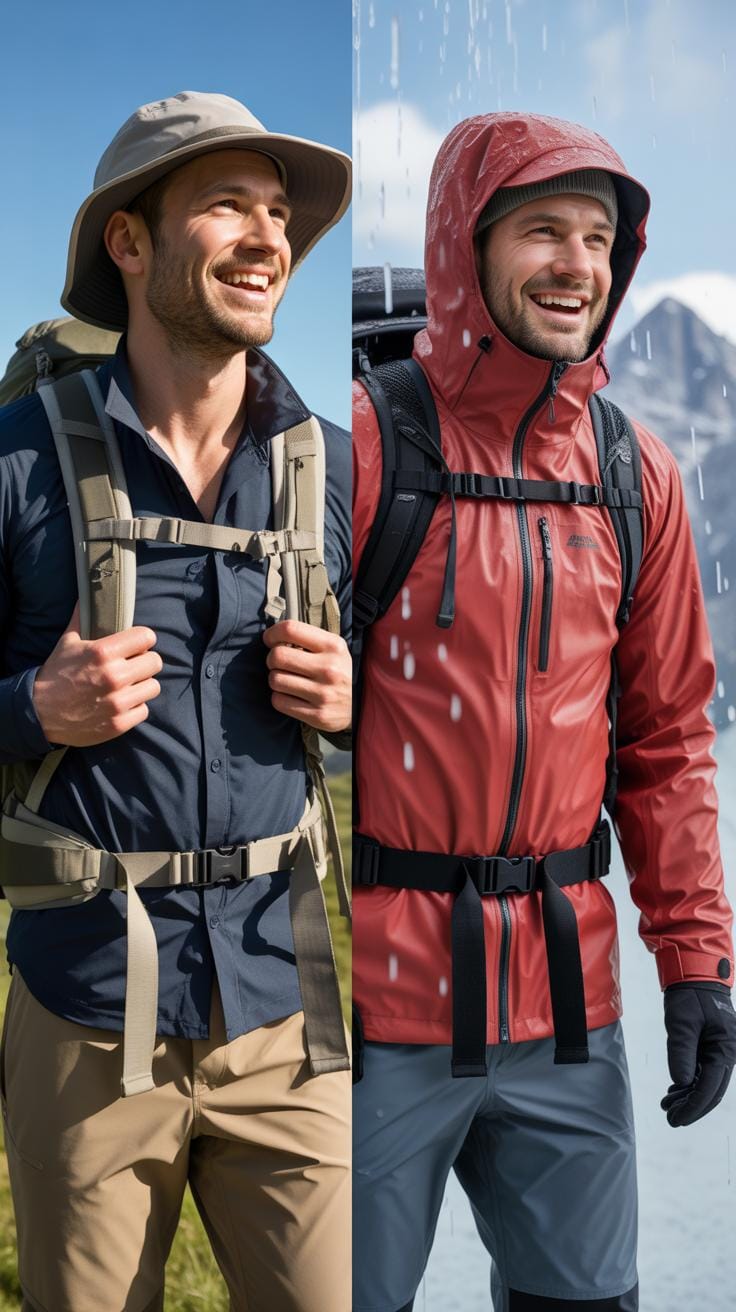
When you’re hiking in warm or hot weather, the goal is to stay cool and avoid overheating. I tend to choose light-colored shirts and pants because they reflect sunlight rather than absorb it. Loose-fitting clothing is a winner here too; it allows air to flow, which helps sweat evaporate and your body to cool down.
Breathable fabrics matter a lot. Materials like cotton, linen, or lightweight synthetics that wick moisture away from the skin can make a big difference. You want to avoid stuff that traps sweat, making you feel clammy. Hats with wide brims are great, not only blocking direct sunlight but also protecting your neck. Also, some clothing comes with UV protection, which adds an extra layer of defense without the need for sunscreen on covered areas.
Dressing For Rain And Wind Protection
Rain and wind can quickly turn a pleasant hike into an uncomfortable ordeal. The key is wearing water-repelling and wind-blocking layers. Waterproof jackets are essential. Look for ones that offer breathability — otherwise, you risk sweating inside your jacket.
Rain pants come in handy too, especially on longer hikes, to keep your legs dry. Windbreakers are lightweight and useful for blocking chilling gusts. Fabrics like Gore-Tex or similar membranes work best because they keep rain out yet allow moisture from sweat to escape. Over the years, I’ve learned that investing in proper waterproof gear saves a lot of discomfort and avoids the dreaded soggy, cold feeling mid-trail.
Footwear Comparison For Trail Challenges
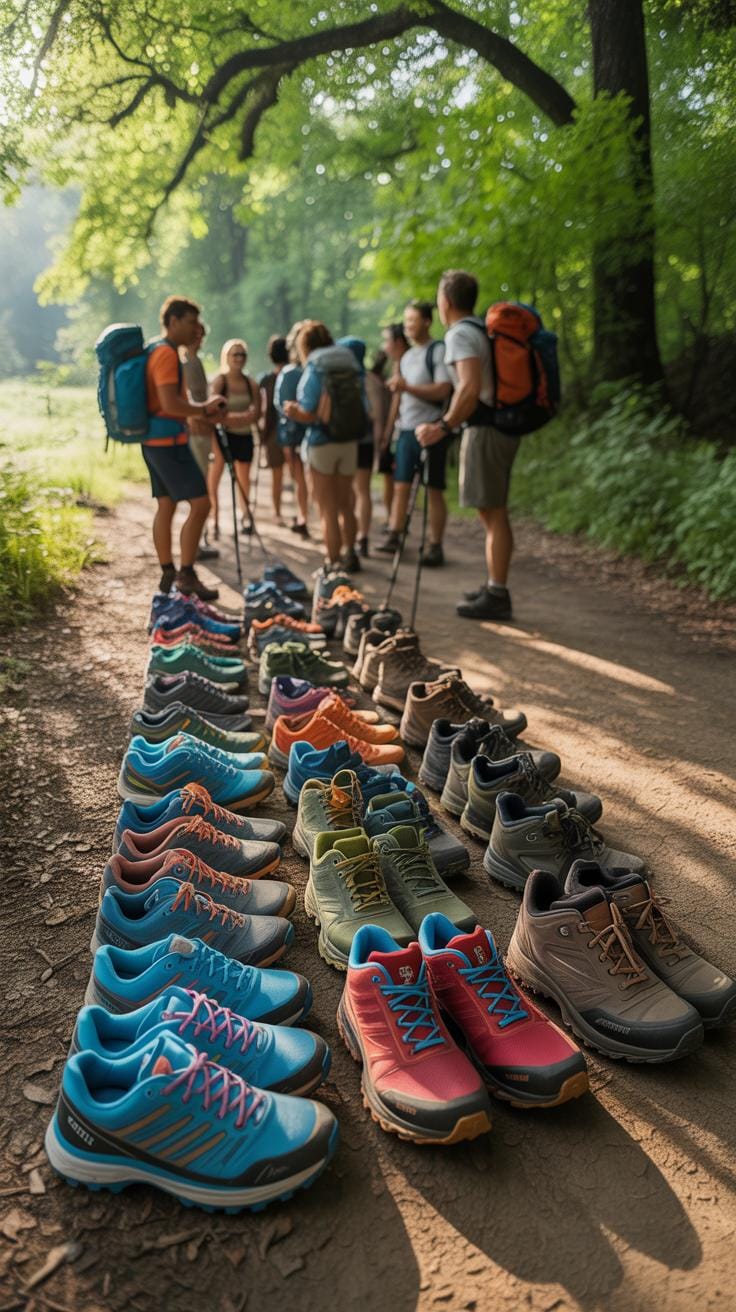
When it comes to hiking footwear, your choice really depends on the type of trail you’re dealing with. For rocky paths, hiking boots with stiff soles tend to shine. They offer solid protection and support against sharp stones and uneven ground. But… on muddy trails, waterproof shoes with deep lugs for extra grip are probably better. You’ll want something that won’t easily slip and that keeps your feet dry. On flat, well-maintained paths, lighter hiking shoes or even trail runners might be enough. They offer flexibility and breathability, which can feel freeing after tougher terrain.
Traction And Support Differences
Soles can vary a lot. Stiff soles on boots provide good ankle support and protect against twists—vital on rough, unstable surfaces. Soft-soled shoes are more flexible but less protective, risking your ankles especially on tricky terrain. Then there’s the matter of tread patterns. Shoes with aggressive lugs dig into mud and loose rock, giving you better grip. Flat or worn soles, obviously, fall short here and can make slippage a real concern. Ankle support is almost always stronger in boots than shoes, but sometimes you don’t want to compromise agility or speed.
Weight And Comfort Trade offs
Lighter shoes feel faster on your feet, almost like you’re floating, but they usually don’t offer as much protection or ankle stability. For long hikes over unpredictable terrain, heavier boots feel like they’re doing work—holding your feet steady and safe. That said, some hikers find heavy boots tiring and might choose a lighter option for speed or convenience. It’s a trade-off, really. Maybe the best choice is swapping shoes out based on the hike at hand, if you can.
Packing A Hiking Outfit Checklist Essential Clothing and Accessories
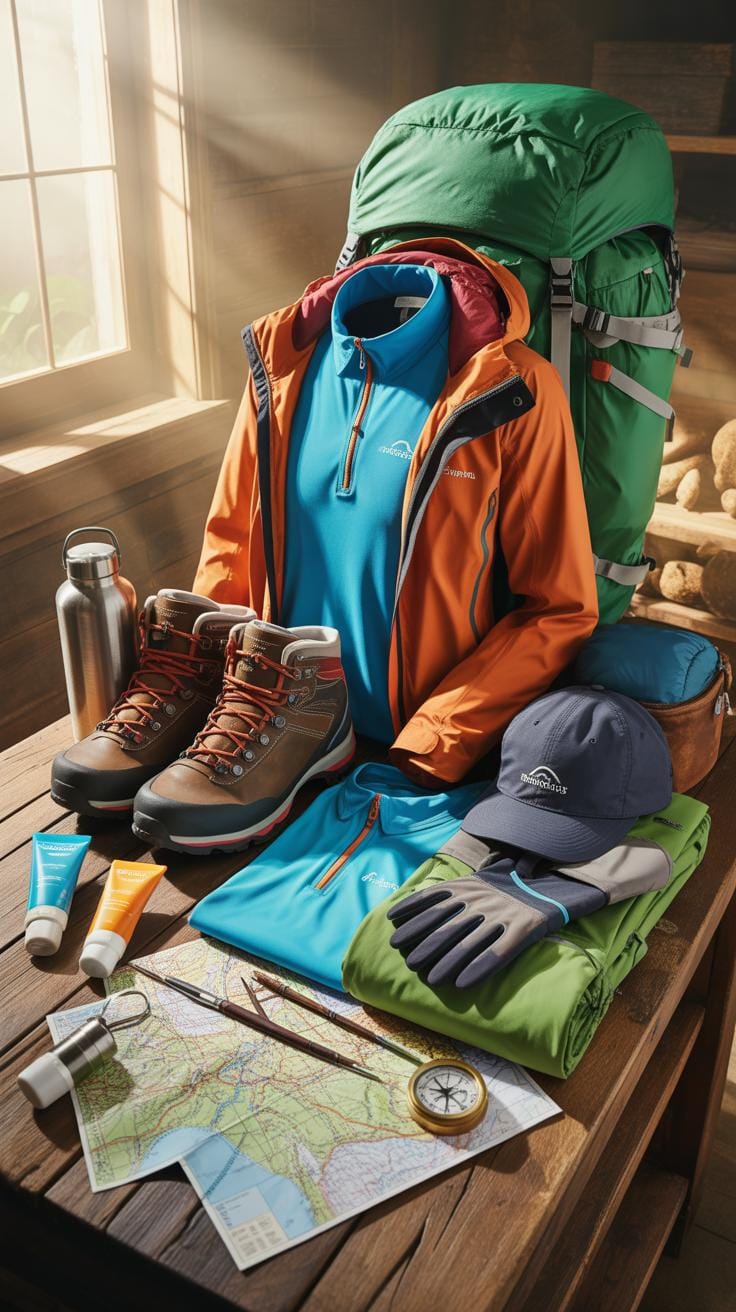
Packing for a hiking trip involves more than just tossing random clothes into your bag. You want to make sure each item serves a clear purpose for comfort and practicality. Here’s a straightforward checklist to keep your outfit balanced and ready for most trail conditions.
Must Have Clothing Pieces
Think layers, but smart ones:
- Base layers: Moisture-wicking shirts that pull sweat away are essential. Materials like merino wool or synthetic fabrics work well here.
- Mid layers: A lightweight fleece or insulated jacket to trap warmth but not bulk you up.
- Outerwear: A packable rain jacket or shell that breathes and resists wind is key. You don’t want to be drenched or stifled if the weather changes suddenly.
- Pants: Quick-dry and durable hiking pants that allow movement. Avoid cotton as it holds moisture and chafes.
Helpful Accessories For Comfort
Accessories often get overlooked but can make or break your day out:
- Hats: A wide-brimmed hat fights sun exposure, while a thermal cap keeps you warm when it’s chilly.
- Gloves: Light gloves for warmth on cool mornings and sturdier ones if you expect rocky terrain.
- Socks: Synthetic or wool socks reduce blisters and wick moisture. Pack an extra pair—you’ll thank yourself later.
- Backpacks: Designed specifically for hiking, these have padded straps and good support to carry your gear without discomfort.
Of course, this list might vary a bit depending on the season and location. Would you add anything else? Sometimes, it’s the little extras—like neck gaiters or gaiters—that keep the day comfortable when conditions turn unusual. Thinking ahead in clothing can save you from overheating, freezing, or just feeling generally miserable on the trail.
How To Maintain Hiking Gear
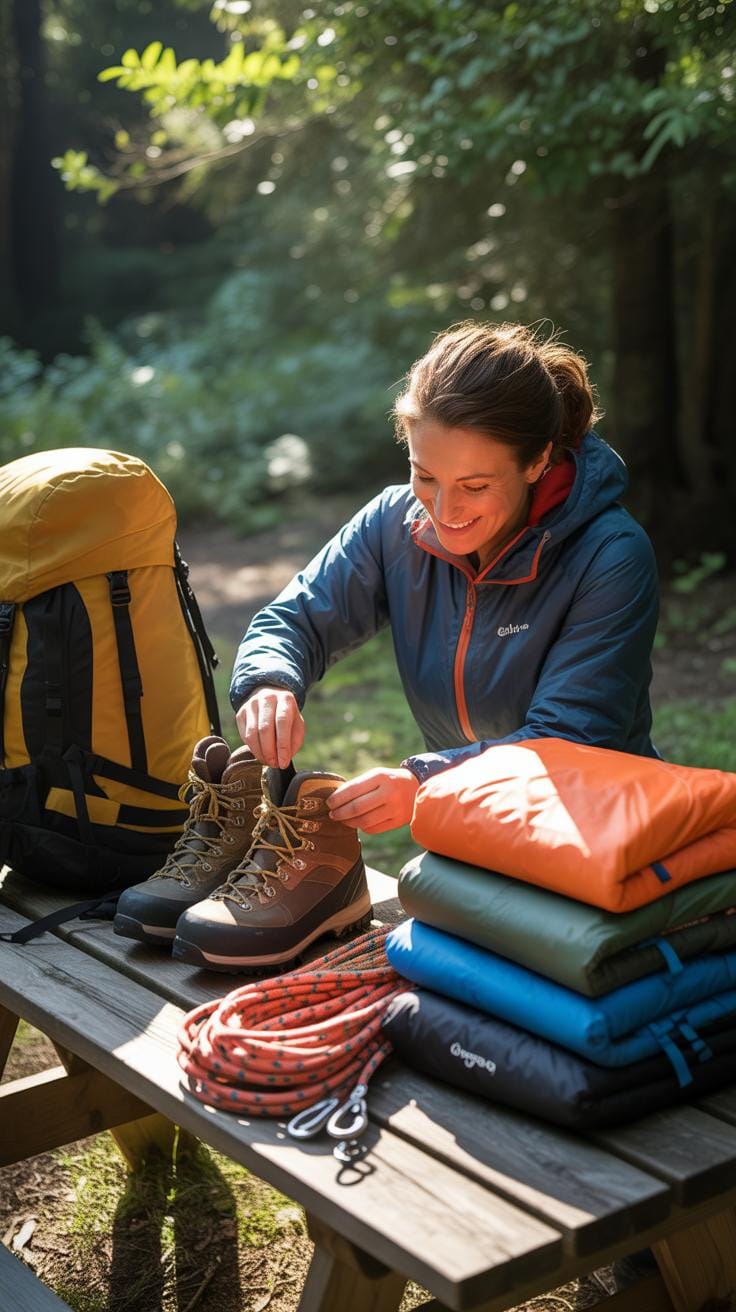
Taking care of your hiking clothes and shoes can surprisingly stretch their lifespan and keep them looking decent even after rough trips. When it comes to drying, avoid direct heat sources like radiators or strong sunlight — these can damage fabric fibers and warp shoe materials over time. Instead, air-dry items in a shaded, ventilated space; it might take longer but is gentler.
When washing technical fabrics such as fleece or synthetics, skip harsh detergents and fabric softeners. They can clog up the fabric’s microscopic pores, reducing breathability and moisture-wicking abilities. Use mildly formulated soap designed for technical clothing; wash clothes on a gentle cycle or by hand to avoid rough agitation which could wear out fibers prematurely.
For hiking shoes, cleaning off dirt and mud promptly helps prevent abrasive buildup. Use a soft brush and warm water to clean them after every trek, then stuff them with newspaper to absorb moisture while drying. If cracks or tears appear, minor repairs like patching or resoling can prolong use — but don’t hesitate to replace footwear if the sole or support has worn down significantly; your feet’s health depends on it.
Storing gear correctly also matters: keep clothes folded loosely in a cool, dry place, and store shoes away from excessive sun and moisture. This helps preserve material integrity and ready your gear for the next adventure.
How To Choose Hiking Socks
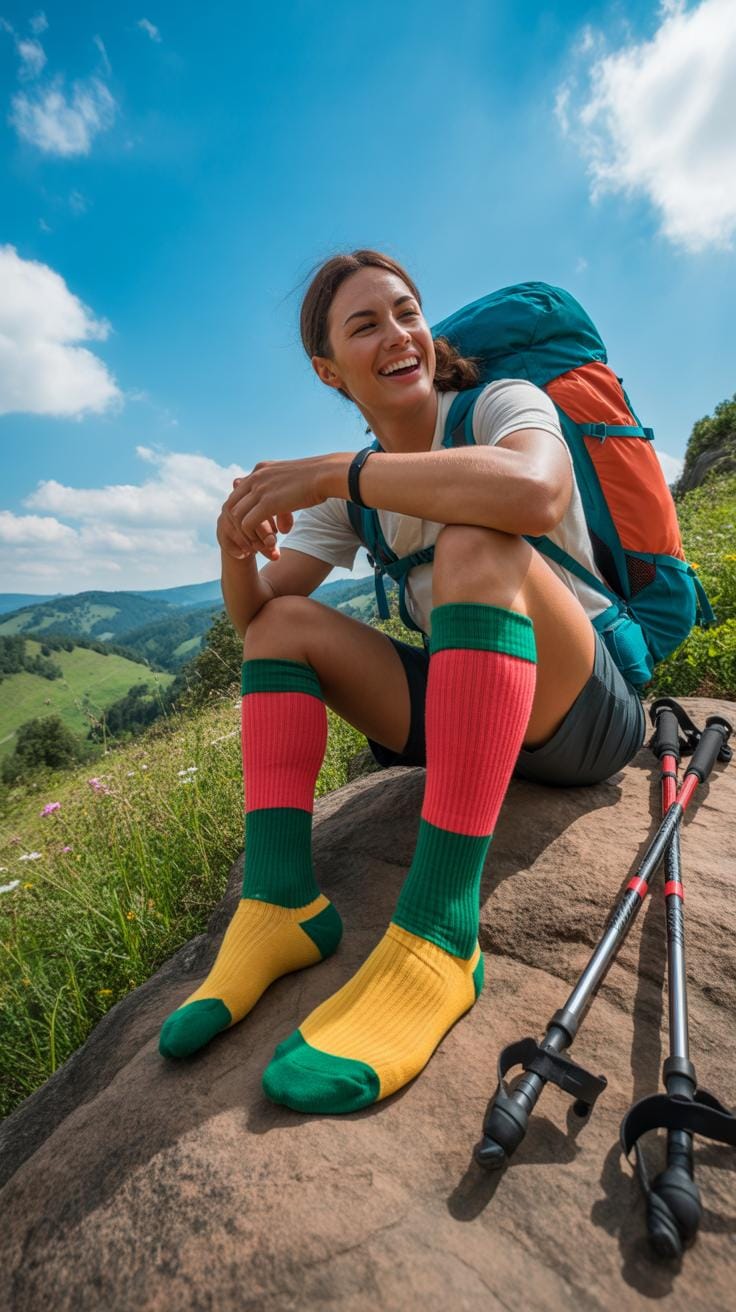
Socks play a surprisingly big role in your hiking comfort. They are often overlooked, but choosing the right pair can make or break your day on the trail. Socks need to do a few things: keep your feet dry, cushion them, and prevent blisters. If your feet get wet or chafed, it’s quite likely the hike will become unpleasant rather quickly. I’ve found that going without the right socks often leads to regrets and sore feet after a few hours of walking.
Look for socks made from materials that wick moisture away, like wool or synthetic fibers. Cotton is generally not a good idea—it traps moisture and can lead to blisters. On top of material, keep an eye on the sock’s thickness and fit. Thinner socks might work for short, warm hikes, but when the trail gets rough or cold, thicker socks offer more cushion and insulation.
Material Options For Hiking Socks
Wool, particularly Merino wool, is popular because it keeps feet warm even when wet and manages moisture well. It naturally resists odors, which is a bonus on longer treks. Synthetic fibers, like nylon and polyester, dry faster and can be more durable. Sometimes a blend works best—offering both comfort and performance. Personally, I find blends tend to hit a sweet spot between softness and durability, though that’s just me. You might prefer pure wool or pure synthetics depending on your needs.
Types Of Socks For Different Hikes
Thickness and height matter quite a bit. On an easy, warm trail, lightweight ankle socks might be enough. But when the terrain gets rocky or the weather cooler, thicker socks with higher cuffs help protect against rubbing and debris. For multi-day hikes carrying heavy loads, extra cushioning reduces foot fatigue. One thing I’ve noticed is that some hikers swear by tall socks even in summer to avoid ticks or scratches, which seems sensible. The trade-off is sometimes these socks can feel too warm.
Choosing the right hiking socks isn’t always straightforward, but thinking about your hike’s conditions, trail difficulty, and your personal comfort will guide you well. What kind of sock works for your feet? Sometimes it takes some trial and error to find out.
Choosing Hiking Pants And Shorts
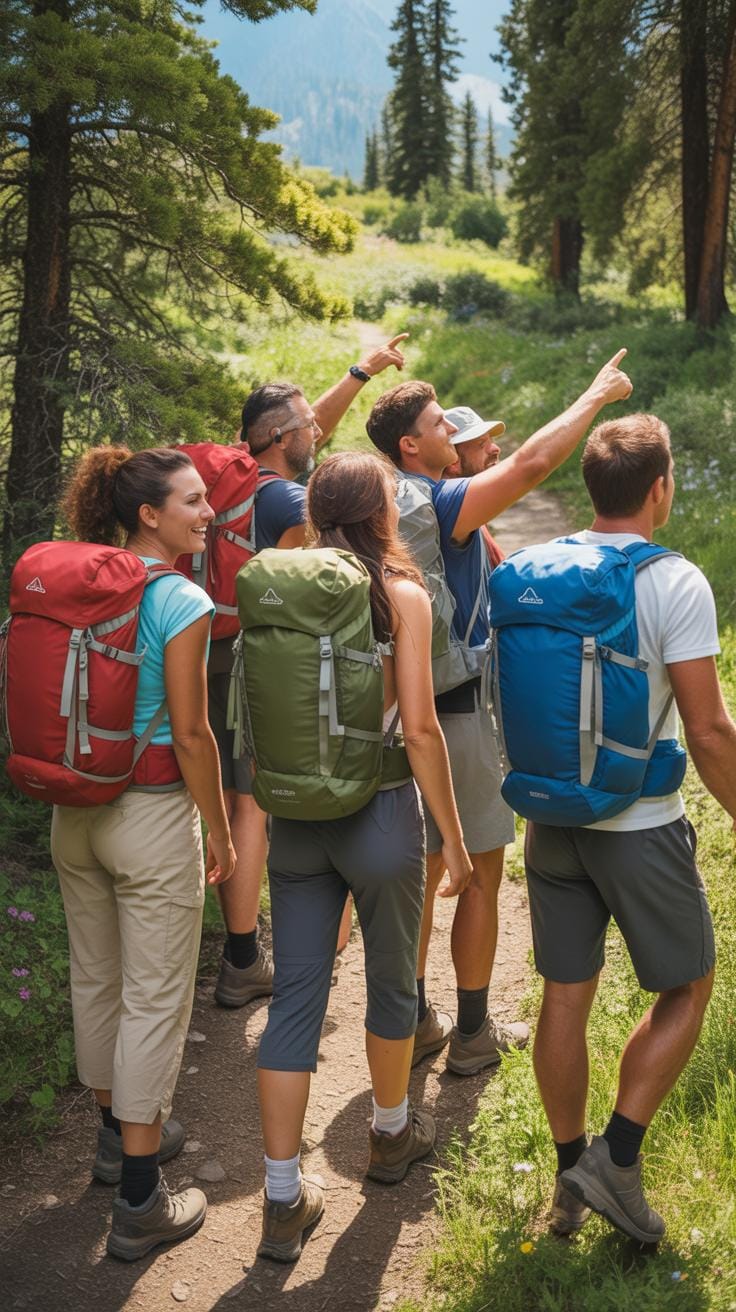
When picking hiking pants or shorts, several factors come into play beyond just looking good. First, the material matters a lot. You want something durable yet lightweight—many opt for nylon or polyester blends because those fabrics dry faster and resist tears. Cotton is usually a no-go since it holds moisture and can cause discomfort during long hikes. Then, consider fit. Too tight, and you restrict movement; too loose, and it might snag on branches or feel cumbersome. Comfort should be your priority, but don’t ignore style entirely if that matters to you.
Features like ventilation and pockets make a surprising difference out on the trail. Ventilation zippers or mesh panels can help when you’re working up a sweat, and multiple pockets, especially zippered ones, offer spots to stash small essentials without carrying extra gear. Think about how you’ll use your shorts or pants in different weather conditions and terrains; that flexibility can be a game changer.
Benefits Of Convertible Pants
Convertible pants might be one of the more practical pieces of outdoor apparel you’ll come across. These pants zip off at the knees, turning into shorts in seconds. Such flexibility is fantastic if you’re hiking in an area with variable weather or transitioning from cool mornings to hot afternoons. They save space in your pack too—you don’t have to carry separate pants and shorts. But, a little caveat: the extra zippers and seams can sometimes irritate or add weight, so it’s not a perfect solution for everyone. Still, for many, these pants strike a nice balance between adaptability and convenience.
Quick-Drying Shorts For Summer
For hot-weather hikes, quick-drying shorts are almost essential. Look for fabrics that breathe well to keep your skin cool and prevent chafing. Many hiking shorts incorporate moisture-wicking technology, which pulls sweat away from your body to evaporate faster. Another factor is sun protection; some shorts offer built-in UPF ratings, blocking harmful UV rays during long treks under the sun. Personally, I’ve noticed that shorts with a bit of stretch tend to be more comfortable when navigating tricky trails or steep climbs. The trick is finding a pair that manages heat, dryness, and mobility without looking or feeling like typical gym shorts.
How To Accessorize Your Hiking Outfit
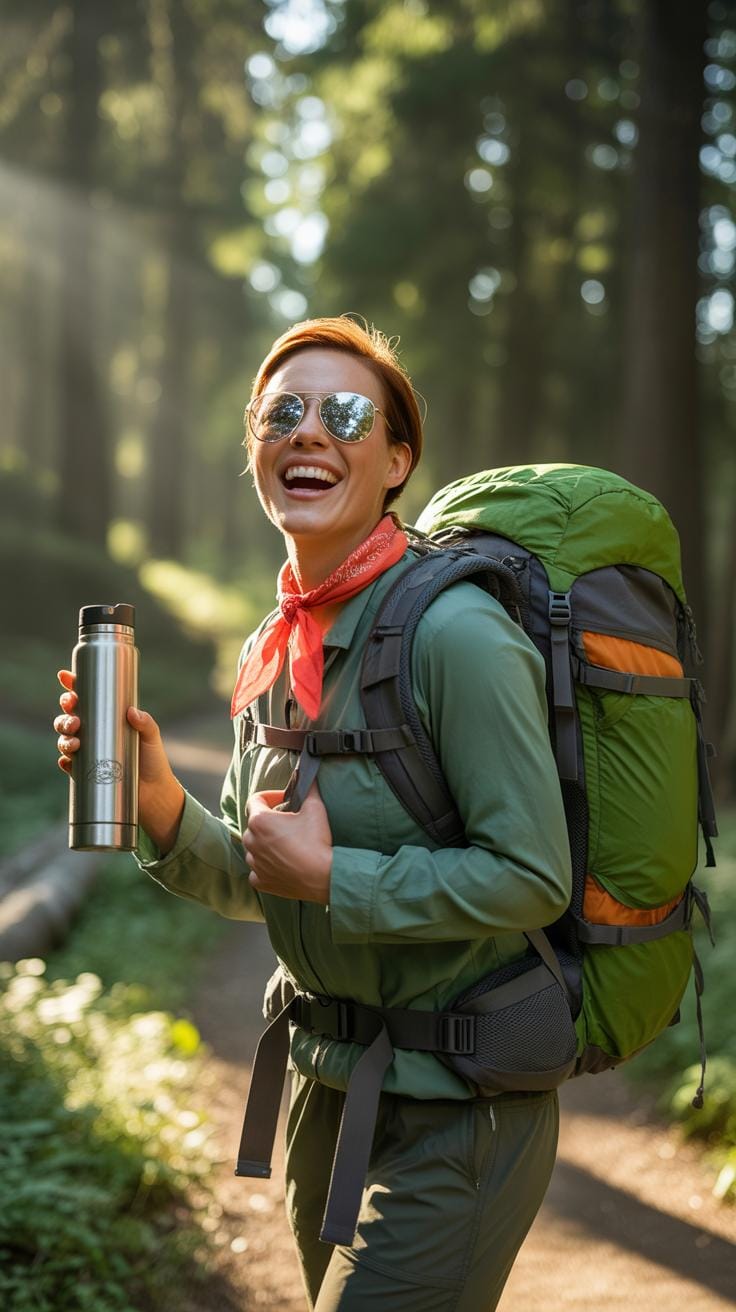
When it comes to adding accessories to your hiking outfit, you can easily improve both comfort and function. Accessories aren’t just extras; they truly support your venture on the trail in ways you might not immediately consider.
Sun Protection Accessories
Think about hats first. Whether wide-brimmed or caps with neck flaps, they shield your face and neck from sunburn, which is essential for spending long hours outdoors. I’ve found that hats with moisture-wicking sweatbands also help keep you cool, which matters. Sunglasses are more than style pieces; polarized lenses reduce glare and ease eye strain, which can be significant when you’re out in bright, open areas. Plus, they protect your eyes from UV damage, which is probably something you don’t think about until it’s too late.
Hands And Gear Support
Gloves are versatile—perhaps for cooler temps or protecting your hands during rock scrambling. You might prefer lightweight breathable gloves or sturdier varieties depending on the hike’s intensity. Trekking poles deserve a mention since they support balance, reduce joint impact, and can help maintain a steady pace. Their adjustable length and ergonomic grips make a tangible difference when navigating diverse terrains. Hydration packs are also game changers; they free your hands and keep fluids easily accessible. Choosing packs with padded straps and breathable mesh can boost comfort over longer distances.
Each of these accessories adds layers of practicality. Do you think you’ve considered how each can contribute before heading out, or is it something that you learn on the trail? Sometimes a small accessory can turn a good hike into a much better one.
Conclusions
A well-planned hiking outfit for men balances comfort, protection, and style. Choosing the right layers and sturdy footwear is crucial for a positive hiking experience. Proper clothes keep you safe from weather changes and rough terrain, while also allowing freedom of movement.
Paying attention to each part of your outfit—from shirts to shoes to accessories—helps avoid problems on the trail. Using these essentials improves your confidence and enjoyment during hikes. Make smart selections for each hiking trip to stay comfortable and look good outdoors.