
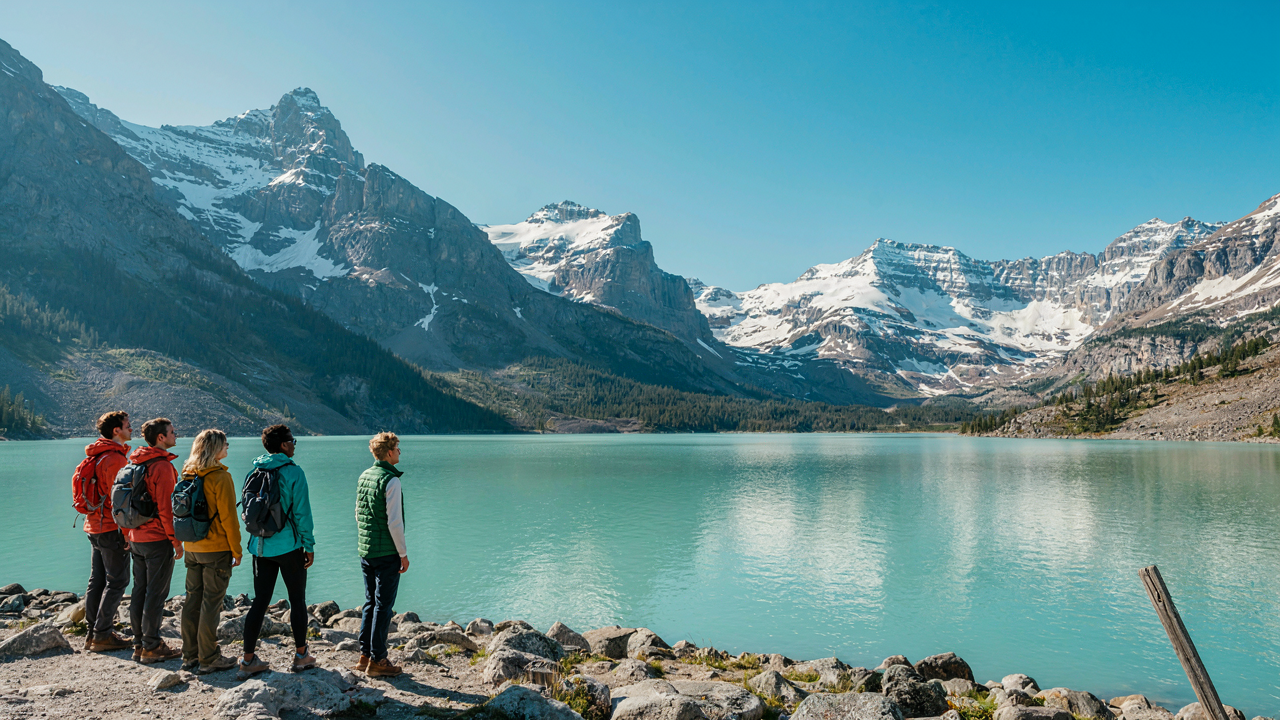
Beyond The Postcard: The Unseen Jasper National Park Hiking Trails
The Accessibility Trap
You want to believe the trailhead signs and Parks Canada websites because it saves you from admitting you might not be ready. Here’s the mechanism: rating systems measure vertical gain and distance, not the actual exposure you’ll face. A trail marked “moderate” in Jasper often means moderate compared to Alpine routes above tree line, not moderate compared to what your local state park calls moderate. The park sits at higher elevation than most populated areas in North America. Thin air changes everything your body can actually do.
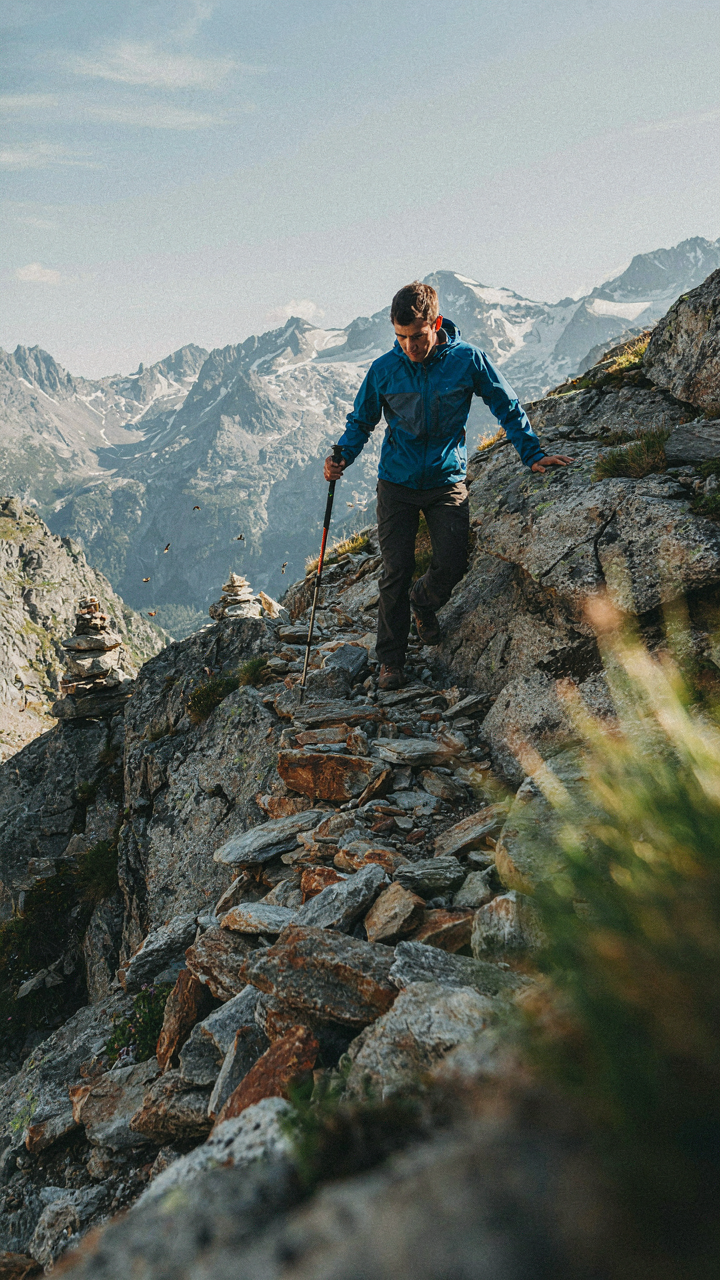
Parks Canada posts accurate distance and elevation data. What they don’t quantify is trail condition variability. A 12-kilometer route can have stretches of loose scree that demand technical footing, water crossings that shift season to season, and exposure that tightens your chest. The rating tells you nothing about what happens in the 200 meters before the summit where the trail narrows to three feet of packed dirt with a thousand-foot drop. You need to know the actual hazards, not the reassuring category.
Real Terrain, Real Consequences

Wilderness exposure in military terms means you’re visible and vulnerable to threats. In Jasper hiking, exposure means you’re committed to the consequences of a mistake with limited bailout options. A slip on a steep section isn’t a tumble down grass. It’s a fall into rock or scree with rescue response times measured in hours, not minutes. This changes how you move, how you decide when to turn back, and whether you’re physically prepared for what you’re attempting.
Most hikers underestimate the difference between trail distance and trail difficulty in alpine terrain. A five-kilometer hike at sea level takes one hour. The same distance in Jasper’s high country, with elevation gain and technical footing, takes three to four hours of constant decision-making. Your body burns through glycogen faster at altitude. Your judgment degrades as fatigue sets in. Before you start any trail, identify exactly where you’d be stranded if weather rolled in or someone twisted an ankle. That knowledge determines whether the hike is viable, not the Parks Canada plaque at the trailhead.

The Minimalist’s Loadout: Not Your Average Jasper National Park Hikes
Gear As Friction, Not Insurance
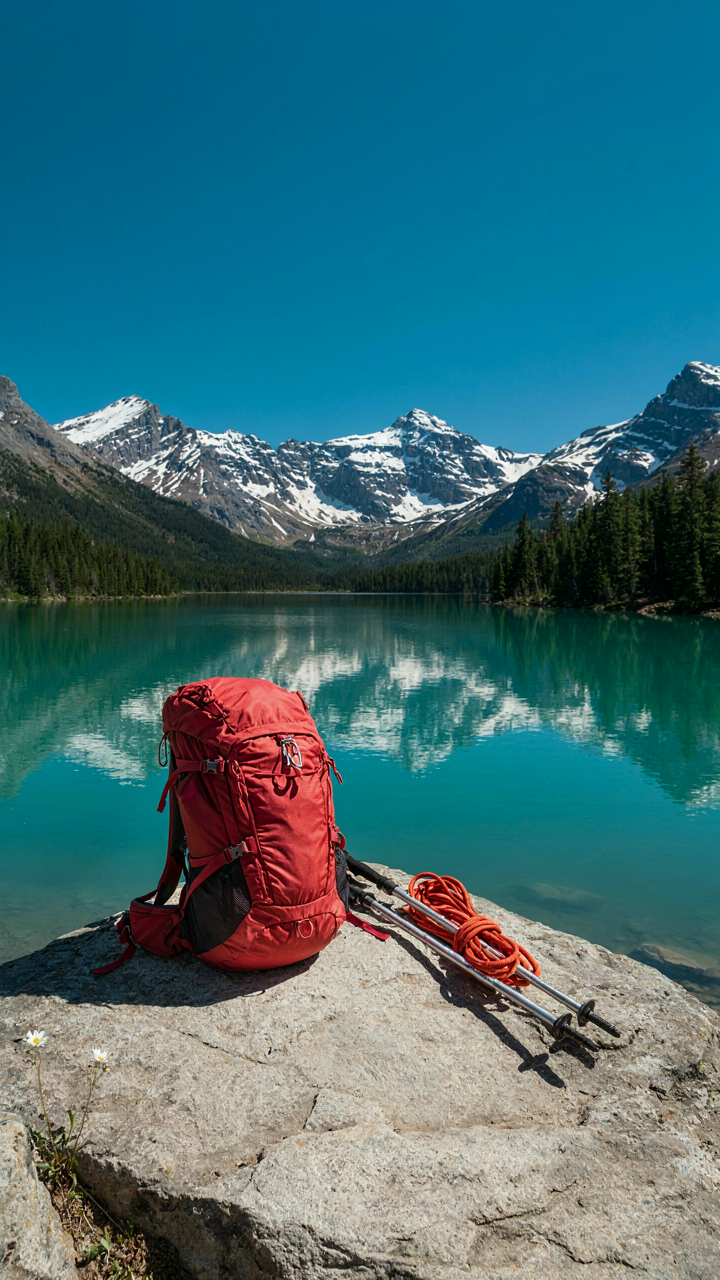
You want the right gear to feel safe. That feeling is the problem. Most hikers in Jasper pack redundancy borrowed from mountaineering—a field obsessed with survival margins in extreme environments. But day hikes on established trails aren’t expeditions. Every item you carry creates friction: weight slows you down, bulk catches on brush, complexity creates decision paralysis on the trail. The real mechanism is this: more gear doesn’t reduce risk, it redistributes it. You trade physical risk for mental burden.
Jasper’s established trails—Cavell Lake, Old Fort Point, Maligne Canyon—don’t demand expedition packing. The infrastructure exists. Cell coverage reaches most trailheads. Weather shifts predictably within day-hike windows. What kills trips isn’t missing gear; it’s carrying so much that you turn back early, skip side routes, or quit because your pack weight compounds fatigue. Strip to what you actually use in the first two hours, then ask what you’d genuinely need if something went wrong. Most answers disappoint you with their simplicity.
Function Wins Every Negotiation
Real gear selection eliminates choice through elimination, not accumulation. Pick one water container. Pick one navigation method. Pick one layer for temperature swings. Jasper’s elevation shifts create real temperature variance—trails at 1,200 meters run cold even in July—but layering logic stays constant: base, insulation, shell. No experimentation mid-hike. No “maybe I should have brought.” No browsing REI online at 11 PM the night before.
- Water System: One liter minimum for short loops under two hours; two liters for anything beyond Maligne Lake area. Skip the hydration pack ego. A simple bottle clips to your pack hip belt and tells you exactly how much you’ve consumed.
- Navigation: Download offline maps of your specific trail on AllTrails or Gaia GPS before leaving cell range. Phone GPS drains battery fast. One backup is a printed topo and compass you actually know how to use, not a decoration.
- First Aid: Blister kit, pain reliever, antihistamine, and elastic wrap handle 95% of real problems on Jasper trails. The full REI medical chest handles fantasy scenarios that won’t happen on maintained terrain.
- Weather Layer: Merino wool or synthetic mid-weight sits under a windproof shell. Cotton fails when wet. Down fails when damp. Test your system on a short trail first; don’t debug it at 1,800 meters in a weather shift.
- Lighting: Headlamp with extra batteries, not a flashlight. Your hands need to be free for balance on rocky sections. Bring batteries even on day hikes; Jasper’s latitude means sunset surprises in shoulder seasons.
The loadout decision point comes before the trailhead. You’re either prepared with intentional gear or you’re gambling with stuff. Most hikers do the latter and call it planning. Show up with the five core systems above, test them once on an easy trail, then stop changing your mind. Repetition builds confidence faster than gear acquisition ever will.
The Energy Conservation Protocol: Navigating Jasper’s Demands
Thermodynamics Of The Trail
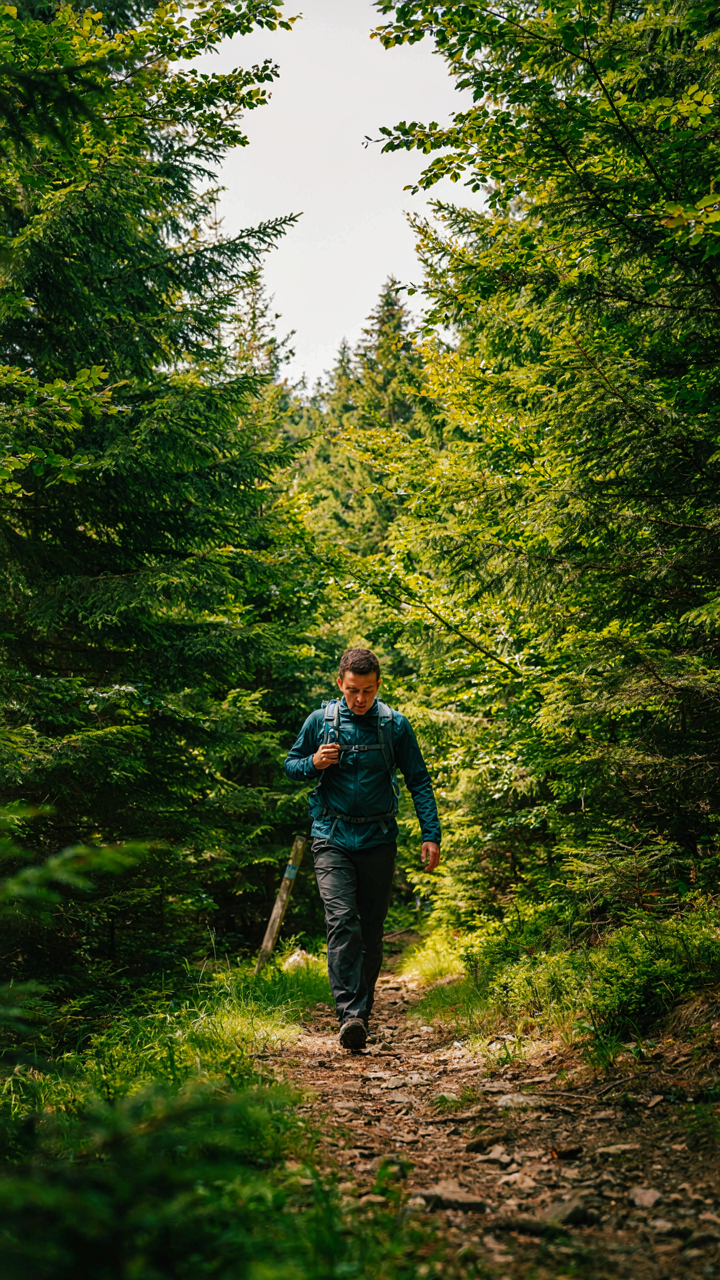
You want to believe you’re stronger than you are. That’s the real reason you’re reading this. Jasper’s trails don’t care about your ego—they run on physics. Think of your body’s energy output like a power grid: you have a total capacity, and every choice either depletes it strategically or wastes it. Most hikers treat elevation gain and distance as separate problems. They’re not. They’re a single thermal equation. Your body converts fuel into work. The higher you climb and the longer you move, the more work you do. The mistake everyone makes is starting hard and assuming you’ll find your rhythm. You don’t. You establish a deficit you can never close.
Jasper’s terrain forces this choice early. Routes like Cavell Lake climb 400 meters over five kilometers. Skyline Trail gains 1,000 meters spread across seventeen kilometers. The difference isn’t just steepness—it’s how your muscles burn fuel. Steep sections demand anaerobic effort, which empties your glycogen stores fast and produces lactate buildup. Shallow grades let you stay aerobic longer, which preserves fuel for the entire route. The protocol: calculate your output in the first thirty minutes and commit to it. Don’t exceed it. That output becomes your ceiling for the day.
Pacing For Longevity, Not Speed
The consensus is that you should pace yourself. That’s incomplete advice that causes real problems. Proper pacing isn’t about going slow—it’s about matching your output to the total work ahead. Jasper’s longest popular routes stretch fourteen to seventeen kilometers with 1,000 to 1,200 meters of elevation. At proper output, these take six to eight hours. Most hikers fail because they either start too fast or refuse to accept the time requirement and push harder when tired. Both strategies drain you at the exact moment you need reserves most.
The mechanism is simple: establish a pace you can sustain for eight hours on a moderate trail, then never accelerate on climbs. Your legs will want to. Your mind will say you’re falling behind. Ignore both. On the approach to Wilcox Pass or the upper sections of Mount Edith Cavell, the people moving fast at kilometer three are walking at kilometer eight. The steady hikers pass them. The protocol: walk ten minutes, check your heart rate and breathing, then hold that exact pace until the turnaround point. On descent, resist speed. Your quads handle gravity poorly when fatigued, and that’s when injuries happen.
Winter’s Gauntlet: Jasper National Park Winter Hiking Redefined
The Unforgiving Beauty
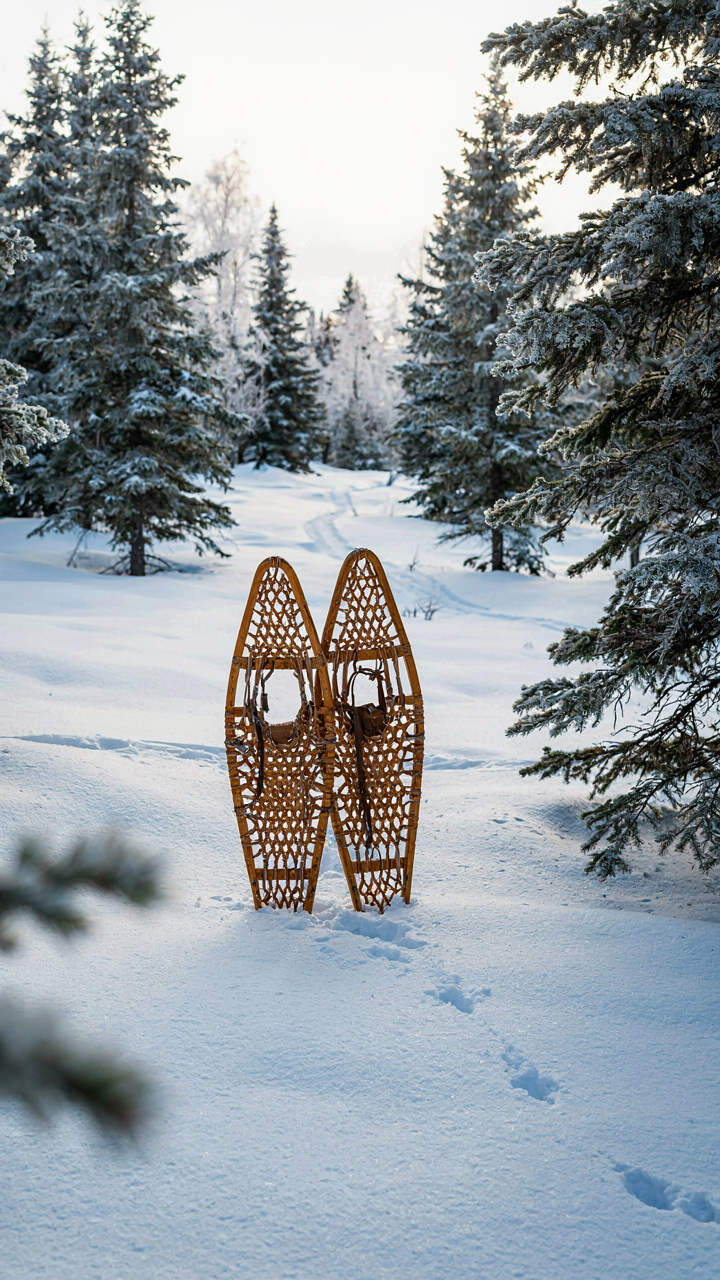
You want to believe winter hiking in Jasper is romantic, but the real draw is proving you’re competent enough to handle what kills unprepared people. The mechanism is simple: Jasper’s winter doesn’t punish mistakes gradually. Temperature swings from minus 20 Celsius to plus 5 in the same day. Precipitation arrives as wet snow that freezes into ice. Daylight vanishes by 4 PM. Trails disappear under white. Hypothermia arrives faster than you think you need help.
Most hikers underestimate the feedback loop between elevation and cold. Higher slopes in Jasper stay below freezing even during mild days. Wind funnels through valleys and accelerates heat loss exponentially. A trail that takes three hours in summer demands six in winter, meaning you exit in darkness regardless of your pace. The mountain doesn’t negotiate. You either prepared for these conditions or you didn’t.
Survival Mechanics That Actually Work
Forget generic cold-weather advice. What matters in Jasper winter is applying energy conservation the way a system engineer would: minimize output, maximize retention. Your body burns calories just maintaining core temperature. Every wasted movement depletes reserves you’ll need for emergencies. Layering works, but most people get it wrong by choosing cotton or single-layer synthetics. Merino wool and quality fleece trap dead air space. Down jackets compress too easily when wet. You need insulation that functions when saturated.
The real protocol: start your hike three hours before sunset, carry two water bottles you’ll keep inside your jacket to prevent freezing, wear a balaclava even if it feels overkill at the trailhead, and establish a hard turnaround time thirty minutes before dark. Winter navigation on Jasper trails requires constant bearing checks and landmark identification before visibility drops. Don’t rely on GPS alone. Batteries drain faster in cold. Your decision to turn back happens before desperation forces it.
The Elevation Equation: Best Hikes In Jasper Above Treeline
What Altitude Actually Does To Your Body
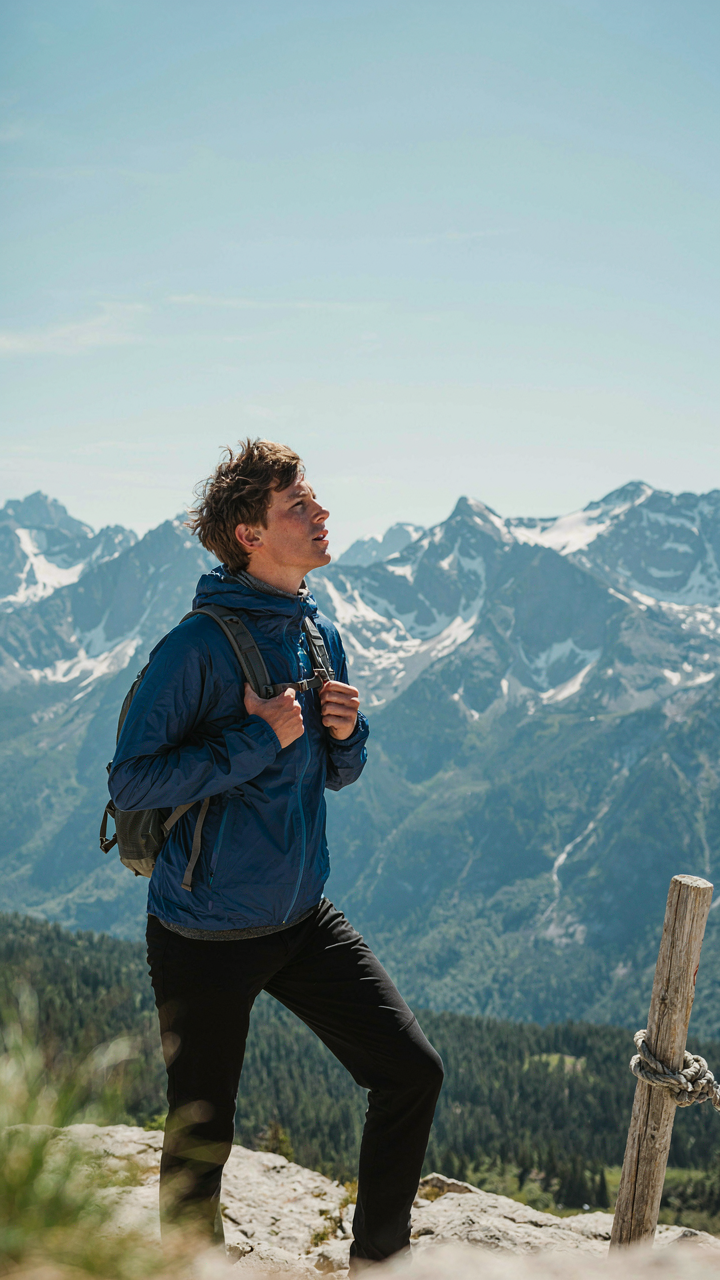
You want above-treeline hikes because they’re Instagram-friendly and prove you can handle “real” mountains. Here’s what matters: elevation doesn’t kill you through some mystical force. It kills you through simple math. Less oxygen molecules exist at altitude. Your body cannot extract oxygen from air that doesn’t contain it. Jasper’s above-treeline peaks sit between 2,400 and 3,582 meters. At those heights, available oxygen drops roughly 25 to 35 percent compared to sea level.
The mechanism is physiological, not psychological. Your red blood cells carry hemoglobin. Hemoglobin binds oxygen. At altitude, fewer oxygen molecules exist to bind to. Your body compensates by breathing faster, your heart pumping harder, your kidneys adjusting blood pH. This is not preparation you can fake. It’s not mental toughness. It’s biology. Signal Ridge, Wilcox Pass, and the Athabasca Glacier approaches are popular above-treeline routes in Jasper. They’re popular because they’re accessible, not because they’re forgiving.
Adaptation Beats Ambition Every Time
Everyone arrives in Jasper with a plan that ignores how adaptation works. They fly in from sea level, acclimate for two days, then summit. This fails predictably. Sports science distinguishes between acute altitude exposure and acclimatization. Acute exposure is what happens on day one, two, or three. Your body hasn’t adjusted yet. Acclimatization is what happens when you spend time at altitude and your body produces more red blood cells, adjusts breathing patterns, and stabilizes blood pH. This takes days, not hours.
The real protocol is three to five days of graduated exposure before attempting your target peak. Spend day one at moderate elevation around 1,500 meters. Day two around 2,000 meters. Day three at 2,400 meters or higher. Only then attempt your above-treeline objective. Jasper’s valley floor sits around 1,000 meters. The Athabasca Falls area hovers near 1,100. Cavell Lake reaches 1,700. Wilcox Pass tops out at 2,368 meters. Build your exposure deliberately, and your body will deliver oxygen where your muscles need it.
Mapping The Unseen: Beyond The Jasper National Park Trail Map
Your Brain Learns Terrain, Not Lines
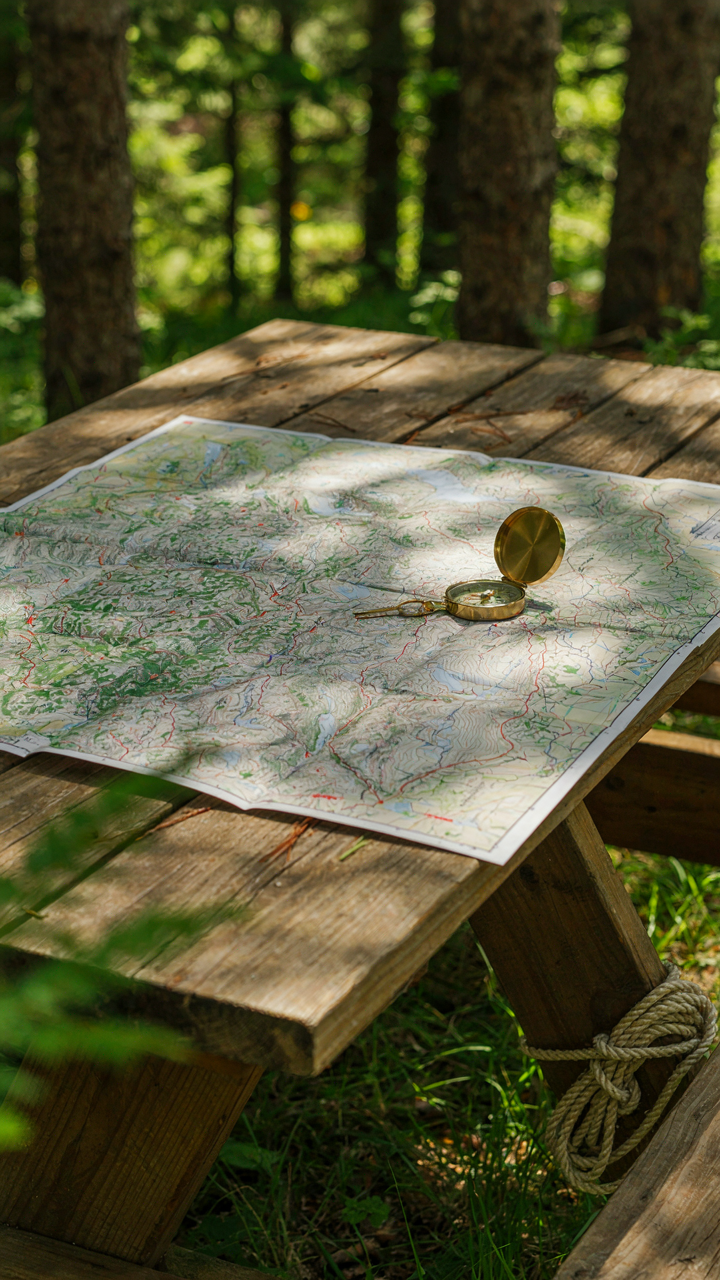
You want the map to make you feel prepared. It won’t. The mechanism is simple: your eyes read a flat representation while your legs navigate three dimensions. Spatial intelligence is built through repetition and correction, not memorization. Your brain constructs a mental model of slope, direction, and distance only when it processes contradictions between what you predicted and what you experienced. The official Jasper trail map shows you where trails exist. It cannot show you how the landscape actually moves.
Start building spatial awareness before you arrive. Study the park’s geology. Jasper sits on the eastern slopes of the Canadian Rockies with the Athabasca River running north-south as the primary drainage. Understand that most trails descend into valleys and climb out. This pattern repeats. When you walk, you’re not following lines on paper. You’re moving within a system where water flows downhill and ridgelines form predictable barriers.
Reading Terrain As A Forecasting Tool
Navigation requires prediction, not reaction. Military doctrine calls this “terrain appreciation,” and hikers need the same discipline. Before you move, you answer one question: what forces will I encounter? In Jasper, forces are elevation gain, water crossings, exposure, and fatigue. Each force is predictable from the landscape’s structure.
Examine the map’s contour lines with precision. Tight lines mean steep terrain. Widely spaced lines mean gradual slopes. But here’s what most hikers miss: contour density tells you where your energy goes fastest. The steepest sections won’t kill your hike. The miles of moderate grade will. Use this to estimate actual time, not distance. A 10-kilometer trail with 600 meters of elevation gain requires different pacing than 10 kilometers flat. Study how previous hikers describe their pace. Match your prediction against their data. Adjust your start time accordingly. Every forecast fails without a protocol to verify it.
The Skyline Trail Jasper National Park: A Test Of Will
What The Brochures Won’t Tell You
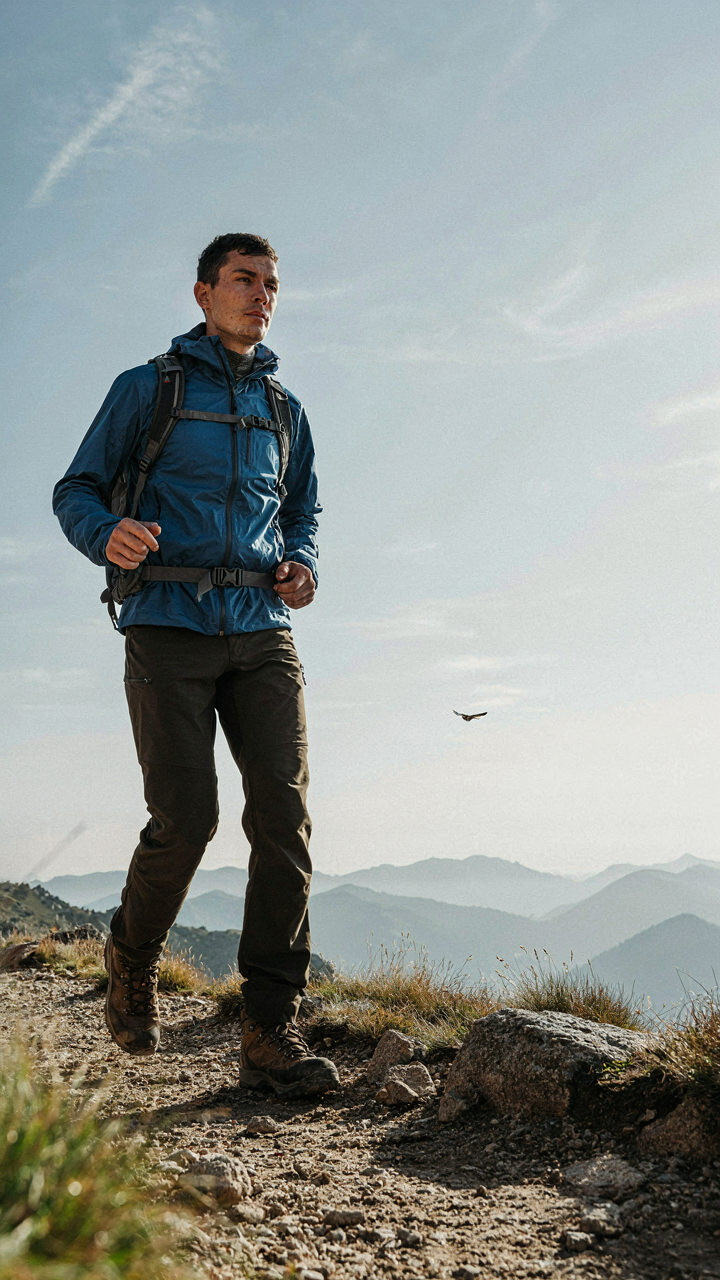
You want to know if you can hack it. That’s the real question underneath the gear talk and elevation charts. The Skyline Trail doesn’t care about your fitness level or your Instagram followers. It cares about your capacity to keep moving when your body stops cooperating and your mind starts negotiating with pain. The mechanism is simple: this 44-kilometer loop systematically strips away your margins. Weather shifts in hours. Terrain changes elevation constantly. Water sources aren’t guaranteed.
Most hikers fail here because they prepare for the trail they imagined, not the trail that exists. You’ve read that the Skyline is “manageable” or “doable in three days.” That’s incomplete. The Skyline punishes overconfidence and poor pacing the same way. Distance alone doesn’t determine difficulty. The cumulative stress of sustained elevation gain across multiple days, combined with variable conditions and isolation, creates a different demand than day hiking. You need to separate what marketing says from what your actual body will experience.
The Architecture Of Mental Collapse
Apply military strategy terms to hiking: the Skyline operates like a war of attrition, not a sprint. You don’t lose on day one. You lose on day three at kilometer 32 when your legs feel like they’re moving through concrete and the next camp is still eight kilometers away. The real cost isn’t the climb. It’s the accumulated fatigue layered on top of continuous climbing, layered on top of carrying a loaded pack, layered on top of sleeping poorly at altitude.
Your mental break doesn’t announce itself. It arrives quietly as a series of small decisions that get worse. You skip breakfast to sleep longer. You walk slower but refuse to stop. You rationalize skipping water breaks. By evening you’re operating on depleted glycogen and dehydration while telling yourself you’re fine. The protocol is non-negotiable: eat before hunger arrives, drink before thirst arrives, stop before exhaustion forces you to stop. These aren’t suggestions. They’re the mechanism that keeps your nervous system stable enough to make rational decisions when your body wants to quit.
Beyond The Itinerary: Crafting Your Own Jasper National Park Experience
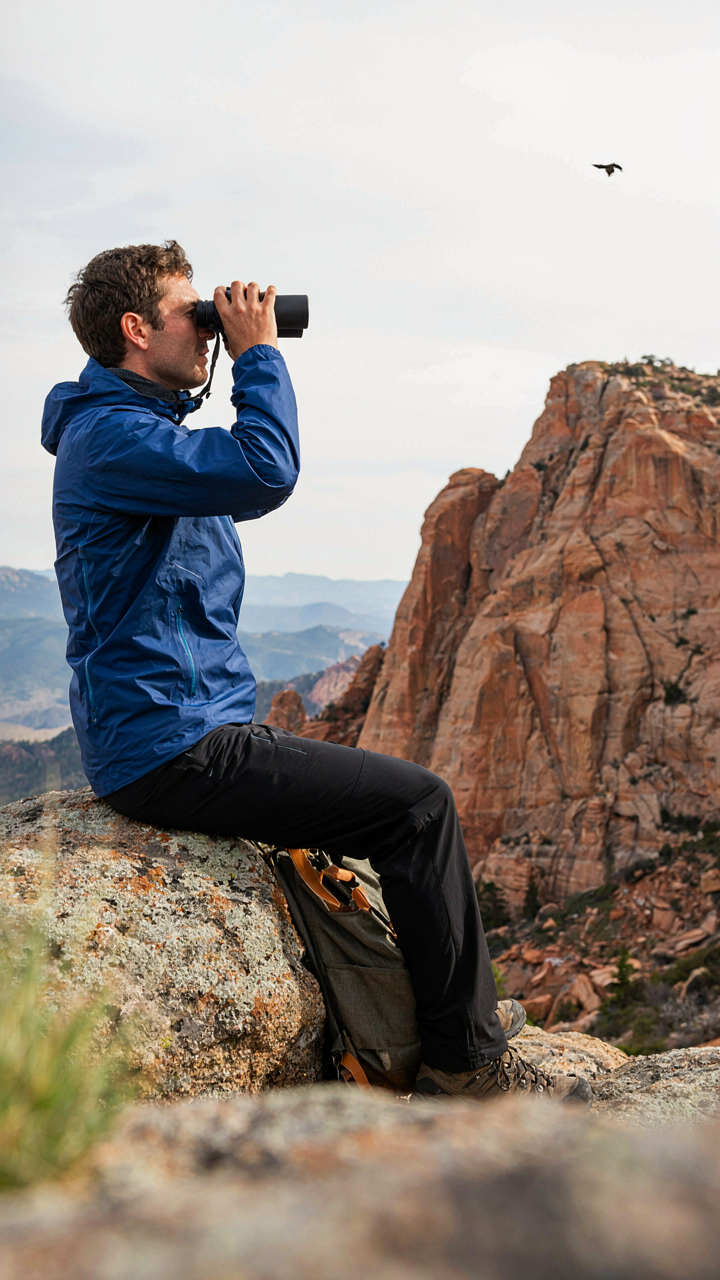
Where The Crowds Actually Aren’t
You want the Instagram version of solitude without the work of finding it. The mechanism is simple: Jasper’s famous trails absorb 80 percent of foot traffic into 20 percent of the park. The Athabasca Falls, Valley of the Five Lakes, and Maligne Lake loop see thousands monthly. These trails have shoulders worn down by consensus. Real solitude exists where navigation demands slightly more effort and where seasonal timing matters more than peak summer weeks.
Mid-September through early October eliminates families with school schedules while weather remains stable. Trails like Maccarib Pass or Wilcox Pass see single-digit daily hikers during this window. The trade is straightforward: you trade convenience for emptiness. Start hikes before 7 AM regardless of season. By 9 AM, the main parking lots fill. By 8:30 AM, you’re already past 90 percent of the daily arrivals on any given trail. The earliest movers get the only genuine quiet Jasper offers.
Presence Over Destination Counting
The hiking advice industry teaches you to maximize summit count, peak bagging, and trail variety. This is wrong. Most hikers move through Jasper like they’re checking boxes on a spreadsheet, and they remember almost nothing about what they actually saw. The real mechanism comes from neuroscience and attention: your brain encodes memory through sustained focus, not through novelty chasing. A single four-hour hike where you stop and observe creates deeper neural pathways than three trails rushed in a day.
Pick one trail per visit, not three. Sit at a viewpoint for thirty minutes without your phone. Watch how light changes on the rock face. Notice where the marmots actually live versus where tourists assume they live. This removes the performance pressure of hiking Jasper and replaces it with actual experience. Your body moves through the landscape, but your mind stays present to what’s in front of you.
The Real Obstacle Isn’t The Trail; It’s Your Expectation Of Effortless Reward
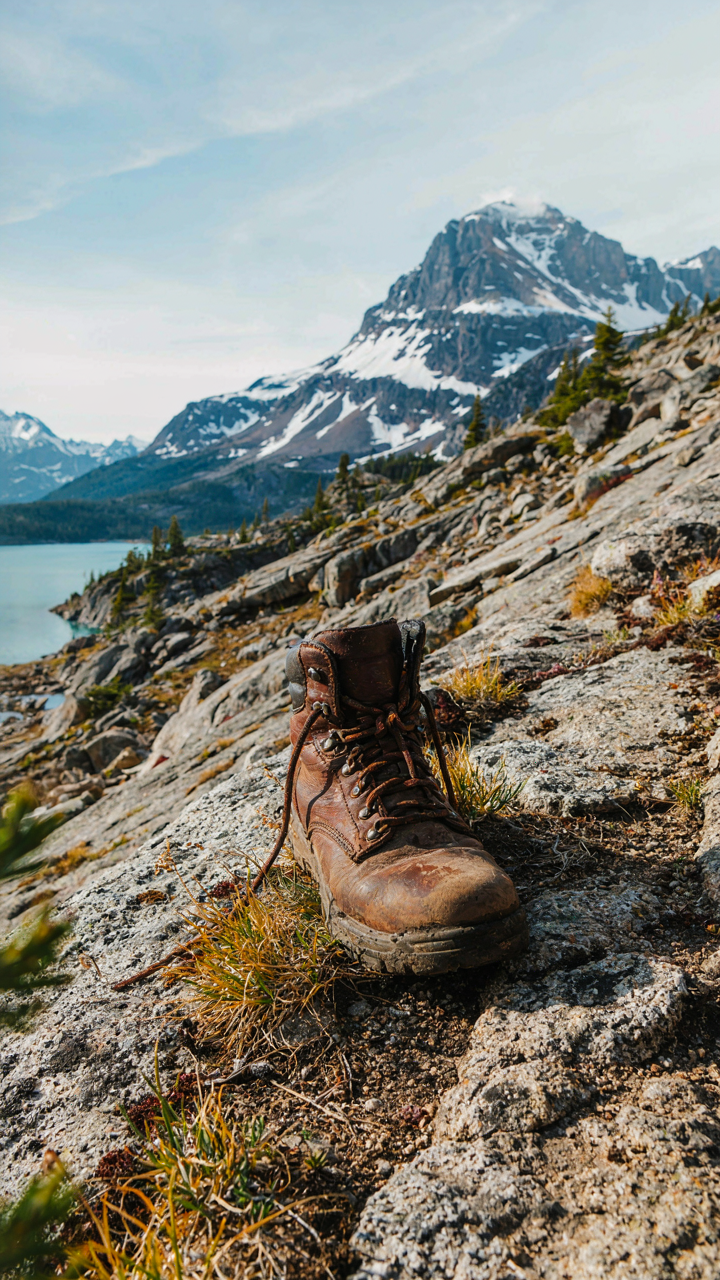
Most hikers show up expecting Instagram moments without the work. Jasper punishes that trade. The mountains don’t care about your fitness level or your timeline. They demand you show up unprepared, uncomfortable, and committed anyway. That’s where the real hike happens. Stop waiting for the perfect conditions. Pick a trail today, walk it wrong, and learn what you’re actually made of. The view rewards effort, not intention.