
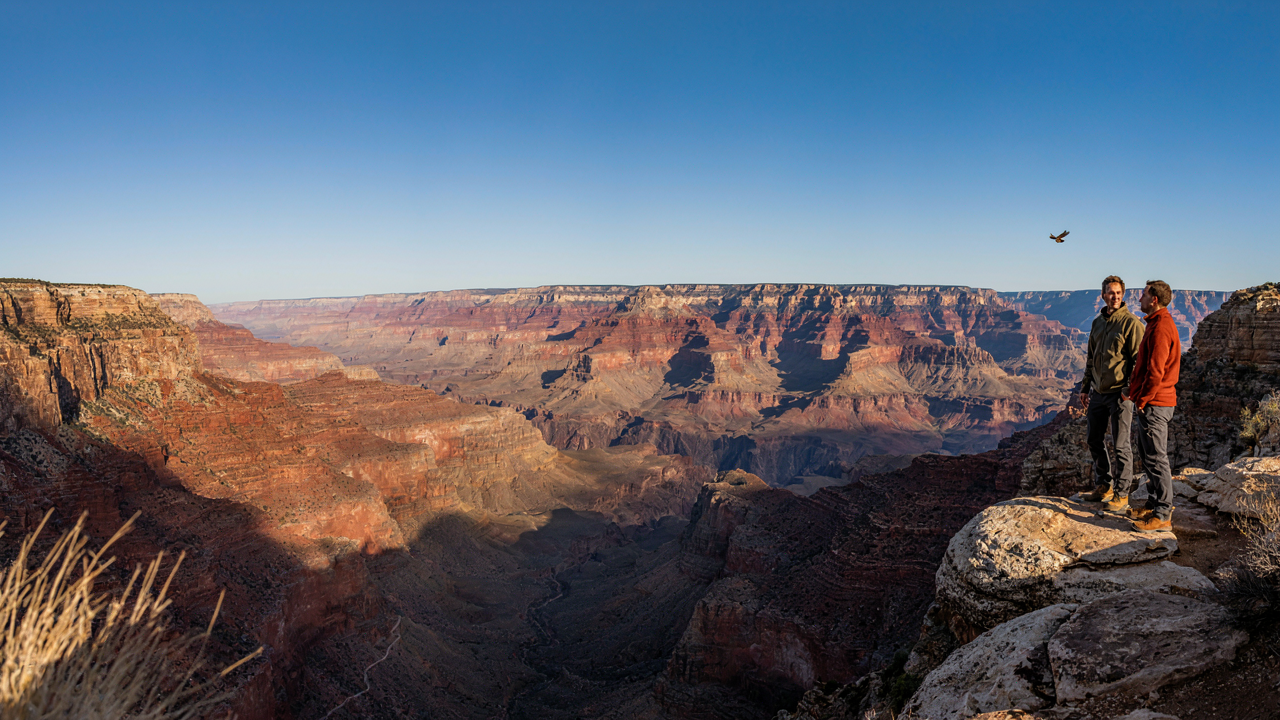
The Grand Canyon’s Hidden Curriculum: Beyond The Instagram Filters
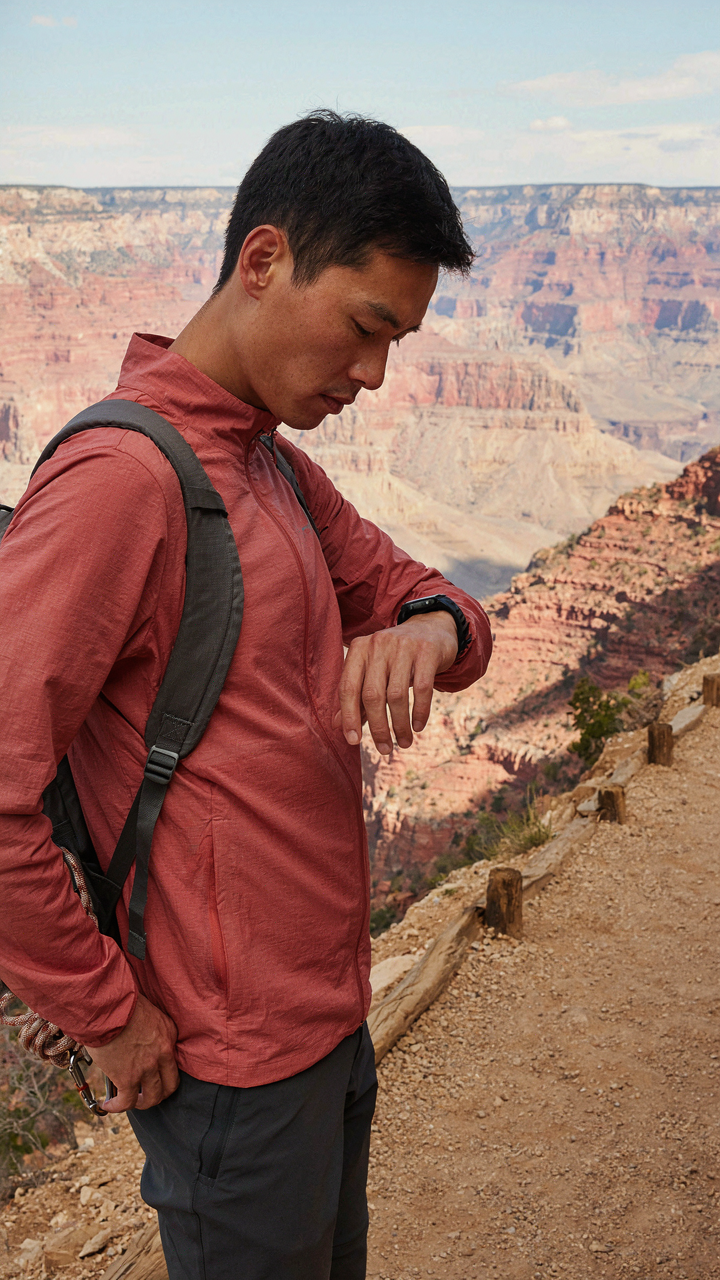
The Canyon Demands More Than Fitness
You want to believe the hike is about legs and lungs because that’s measurable, controllable, and you can train it in your local gym. It’s not. The Grand Canyon operates on a different system than the fitness metrics you’ve optimized for. Elevation change is only one variable. The real demand is managing uncertainty across 12 miles of trail where the environment changes three times faster than anywhere else on Earth. Temperature swings 40 degrees between rim and river. Water sources don’t exist where maps suggest they should. The trail itself degrades unpredictably season to season. Your cardio means nothing when you run out of water at mile 8 with no shade and two hours of direct sun left.
The canyon exposes the gap between training for the event and training for reality. Most hikers prepare for a single, static challenge: covering the distance. The canyon presents cascading variables that demand real-time decision making under fatigue and heat stress. Your fitness gets you down. Your judgment gets you back up alive.
Mental Fortitude Over Physical Strength
Psychology calls it “ego depletion”—the degradation of decision-making quality under repeated stress. Your mental resources are finite, and the canyon empties them faster than your water bottles. Mile 5 downhill feels manageable. Mile 7, after the relentless switchbacks and the realization you’re still not at the river, something shifts. Your legs still work. Your mind starts negotiating with reality. This is where most hikers fail, not at the trailhead, but at the moment between mile 7 and mile 8 when they realize the distance remaining hasn’t changed despite hours of effort.
The mechanism is simple: physical training builds capacity. Mental training builds the ability to function when capacity runs out. You need protocols, not motivation. Establish a water intake schedule before you’re thirsty. Set time-based rest intervals before fatigue clouds your judgment. Know your turnaround time before the heat spike at noon. The hikers who summit and descend safely aren’t the fittest. They’re the ones who accepted that their mind will fail under pressure, and built systems to bypass that failure entirely.

The Folly Of The Day Tripper Mindset: Why Most Hikers Fail
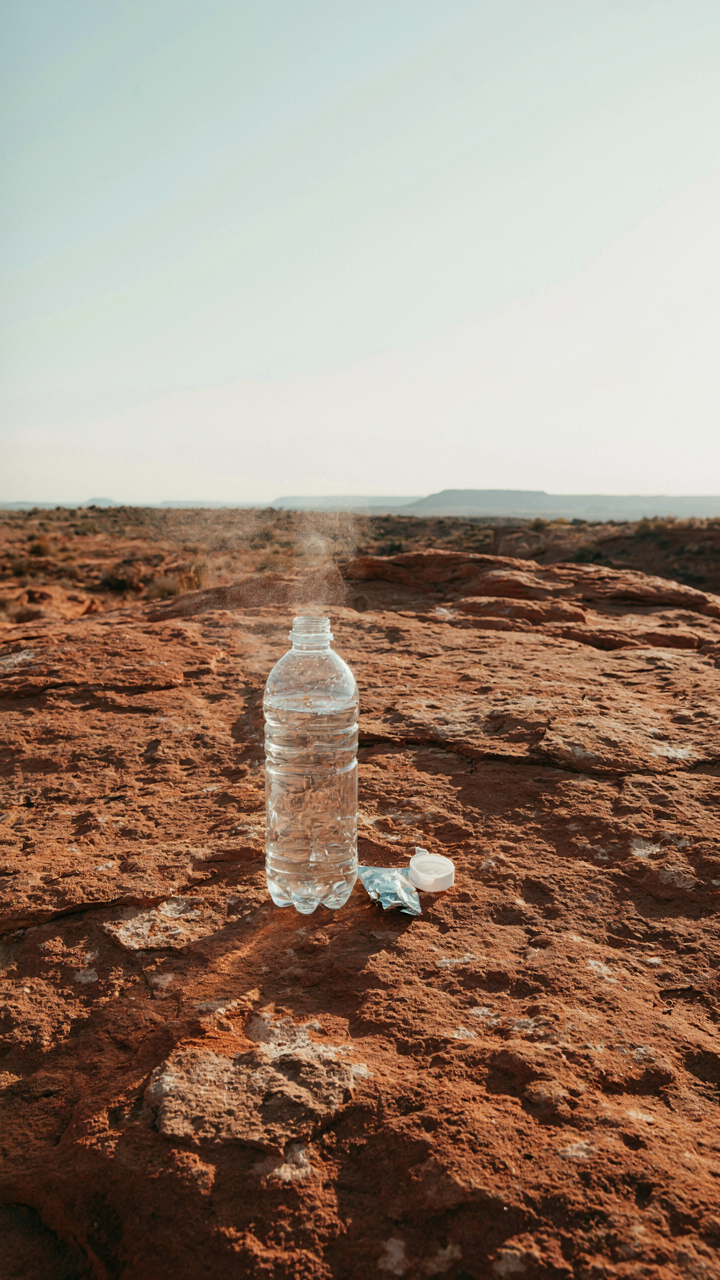
The Casual Day Hike Doesn’t Exist
You want to believe the Canyon is manageable in an afternoon because admitting otherwise means you have to plan differently, spend more, and take time you’ve already committed elsewhere. The mechanism is denial dressed up as optimism. Most hikers who turn back or get rescued attempted the Canyon as a day trip when the terrain, distance, and heat don’t permit it. The Canyon operates on its own schedule, not yours.
The rim sits at 7,000 feet. Popular trails like Bright Angel descend to the river and back, covering 9 to 19 miles depending on your turnaround point. Even the most fit hikers underestimate this distance because the trail looks deceptively short from above. The Canyon compresses perspective. What appears as a manageable slope on the rim becomes a serious commitment 4,000 vertical feet down. People routinely start at dawn thinking they’ll make the river by noon. They don’t.
Elevation And Heat Don’t Follow Your Logic
Physics governs exertion, not confidence. Your body burns calories faster at altitude because less oxygen reaches your muscles, and the Canyon’s interior temperature exceeds rim conditions by 15 to 20 degrees Fahrenheit on the same day. Hikers descend into that heat without grasping the energy cost. A mile downhill feels easier than a mile uphill, so people miscalculate the return journey entirely, arriving at the trailhead exhausted instead of energized.
The real damage happens on the way up. After spending hours descending and moving through extreme heat, your muscles have depleted glycogen stores and your core temperature regulation fails. Your pace slows by 30 to 40 percent on the ascent compared to the descent. Most rescues occur within a mile of the rim because people run out of water, electrolytes, and mental resilience simultaneously. Carry twice the water you think you’ll need, start before 5 AM, and turn back by 2 PM regardless of progress.
The 3 Pillars Of Canyon Conquest: Your Non Negotiable System
Water And Electrolyte Mechanics
You care about this section because you’re afraid of bonking on the trail and looking weak. Here’s the mechanism: the canyon operates on osmotic pressure, the same physics that moves water across cell membranes. Sweat depletes sodium faster than water alone can replace, creating a pressure gradient that kills your performance. Two liters of plain water at Phantom Ranch fixes nothing if your electrolyte balance collapses.
The standard advice is “drink when thirsty.” That’s wrong. Thirst is a lagging indicator in the canyon’s heat. You need 1 liter per 2 miles minimum, plus electrolytes with sodium and potassium in a 3:1 ratio. Start at the trailhead already hydrated, not at the rim. Bring packets you can dissolve fast, not tablets that dissolve too slow. Your protocol: drink 500ml every 30 minutes, consume electrolytes every 60 minutes. Don’t wait for your body to signal failure.
Gear Selection Without The Noise
Most hikers pack like they’re summiting Everest. Strip it to what the canyon actually demands, not what REI makes you feel incomplete without. The rim sits at 7,000 feet but Phantom Ranch hits 2,500 degrees of solar exposure with no shade for miles. Your gear choices determine whether you move fast or get pinned by heat.
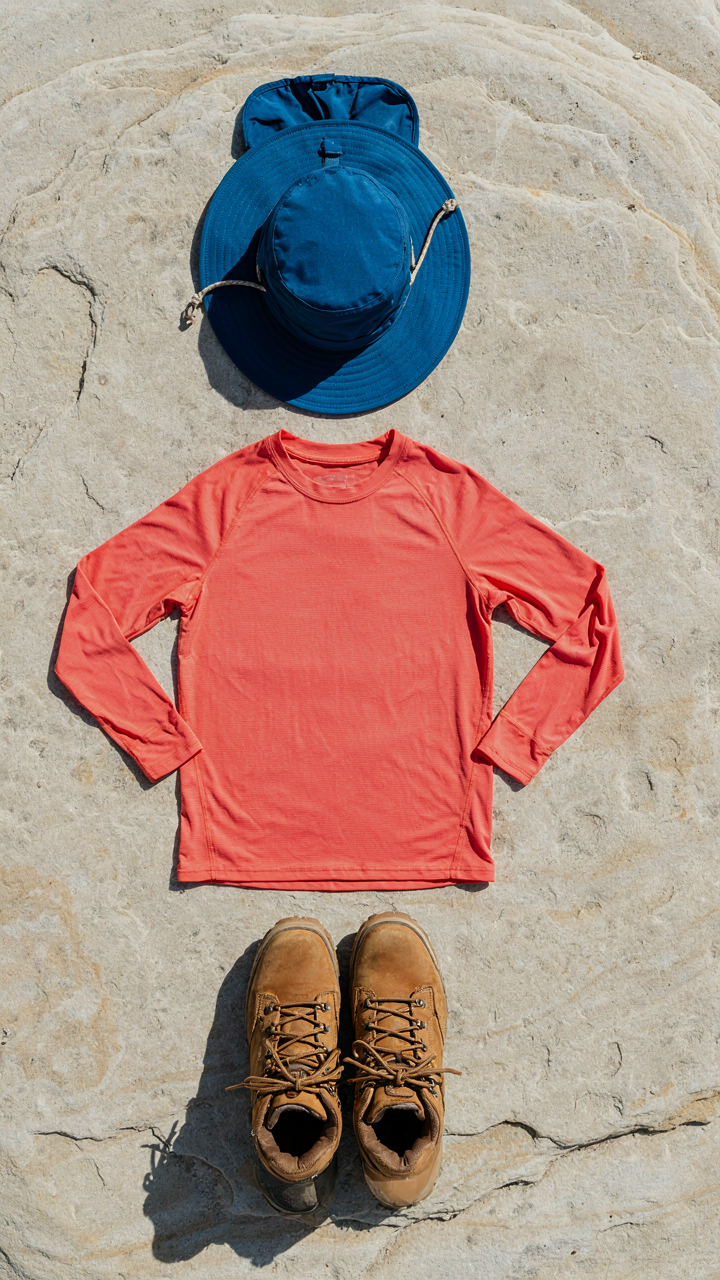
Boots matter more than brand. You need ankle support on uneven terrain and proven tread on dusty switchbacks. A light pack under 15 pounds saves energy you’ll need for water weight. Bring a hat with neck coverage, not a visor. One lightweight layer for sun protection beats sunscreen reapplication every hour. Your protocol: weigh each item against energy cost, not sentiment or “just in case” thinking.
The Bright Angel Trail Deception: It’s Not A Walk In The Park
Where The Real Difficulty Lives
You want to believe Bright Angel is the safe choice because it has water stations and switchbacks. Here’s what nobody says plainly: the trail’s design creates a false confidence that kills your execution. Think of energy management like physics—specifically, the concept of load capacity. Your body has a finite caloric budget for the day, and the trail’s gentle grade fools you into spending it all on the descent, leaving nothing for the climb out.
The Bright Angel doesn’t punish you with steepness. It punishes you with distance and the psychological trap of thinking you can go farther than you actually can. The trail drops 4,460 feet over 9.3 miles to the Colorado River. Most day hikers turn around at Plateau Point (6.1 miles, 3,073 feet down), but the mental contract the trail makes with you—smooth switchbacks, water, shade from vegetation—pushes you past your rational stopping point. You arrive at the turnaround feeling strong, then realize on the way back that strong and depleted are only two hours apart.
The Mistakes Everyone Repeats
Every hiking guidebook will tell you to start early and bring water. That’s true and useless because it doesn’t explain the actual failure mode. Most people on Bright Angel make one of two critical errors: they ignore their heart rate and pace discipline on the way down because the trail feels manageable, or they underestimate how elevation and sustained exertion compound on the ascent.
The second mistake is more insidious. You can recover from burning calories on the descent. You cannot recover from ignoring the mileage math. At 2.5 to 3 miles per hour uphill (realistic for the average hiker at elevation), the return trip takes longer than you mentally budgeted. Hikers who reach Plateau Point at 1 p.m. still have six to eight miles of uphill ahead of them. Start your return by 2 p.m. maximum, regardless of how you feel, or turn around earlier than your ego wants.
The Backpacking Routes Gambit: Mastering Multi Day Expeditions
Permit Strategy Without The Gatekeeping
You want the permit because you think it proves you’re serious. The real mechanism is scarcity. The National Park Service caps daily entries to protect the Canyon from degradation, which means permits are a zero-sum game. You compete against demand, not difficulty. The Colorado River corridor and Bright Angel Trail attract most traffic. Permits open five months in advance through a weighted lottery system. Applications submitted during the opening window have equal odds. Backup dates increase your odds more than strategy does. Submit during the first week, list unpopular months like June or September, and include three date ranges instead of one. The Park Service processes applications in batches, so timing inside that first-week window matters less than being inside it at all.
Second permits require different timing. Returning hikers can apply sixty days before their trip. This is your actual leverage point. If you hiked the Canyon once, you’ve graduated from lottery odds to a predictable window where availability is visible and flexible. Book your second trip in the shoulder seasons when most people don’t plan ahead. May and October fill slowly compared to March and April. Call the Backcountry Office directly after sixty days to confirm site availability before committing to dates.
Gear Selection For Extended Duration
Most backpacking lists treat the Canyon like any other trail. They’re wrong. The Canyon creates specific stress: extreme heat, low water availability, and mile accumulation on unforgiving terrain. This is a load-bearing problem from physics. Your base weight determines how much punishment your body absorbs over five to seven days. Ultralight gear isn’t optional here; it’s structural necessity. Cut 15 pounds from your pack, and you cut injury risk by a measurable margin. Water weighs 2.2 pounds per liter. Carry only what you can filter at established sources. Use a lightweight filtering system, not backup purification tablets. Tablets add ounces that add injury.
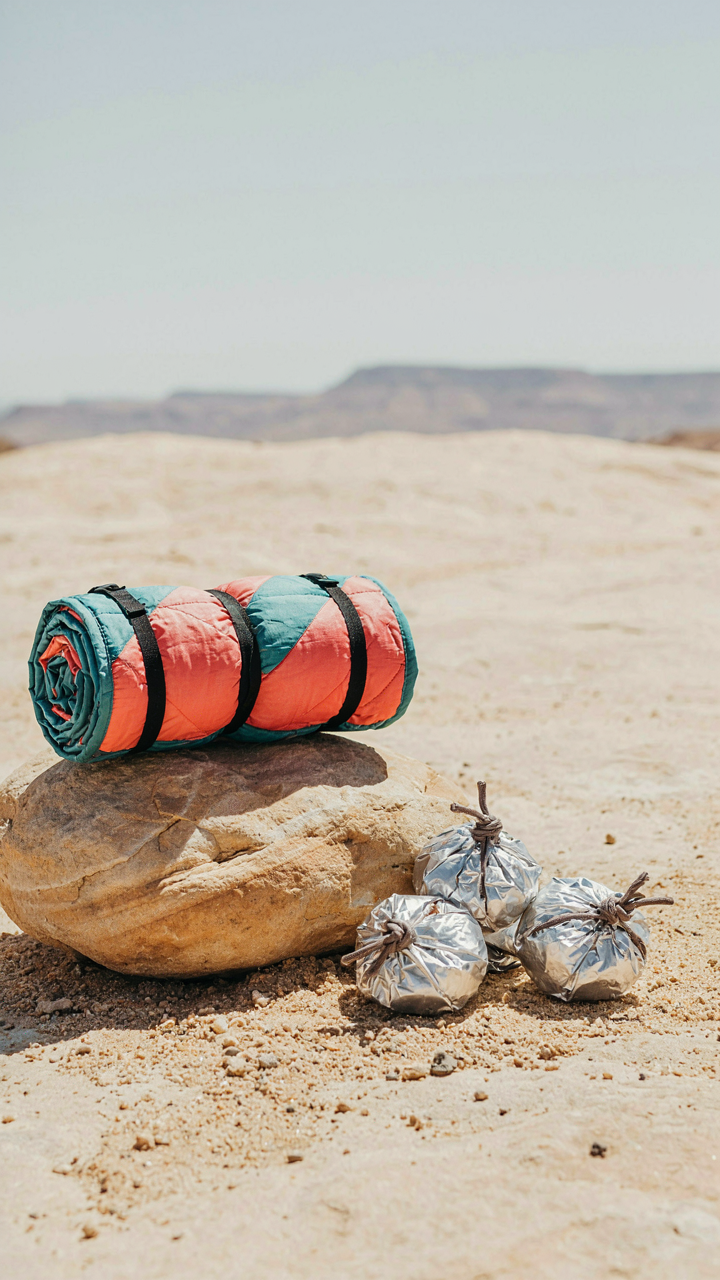
Sleep system and shelter dominate total weight. Use a three-season tent rated for heat management, not insulation. The Canyon cools dramatically at night but rarely freezes below 4,000 feet. A lightweight quilt rated to 20 degrees handles spring through fall. Swap a traditional sleeping bag for a quilt to shed unnecessary bulk. Food weight compounds daily. Calorie-dense, lightweight meals like freeze-dried dinners and energy bars outperform heavier alternatives. Weigh everything before the hike and consolidate packaging. Your goal: pack weight under thirty pounds for most Canyon routes.
The “Desert Economics” Of Water And Gear: A Resource Management Model
Water As Your Limiting Currency
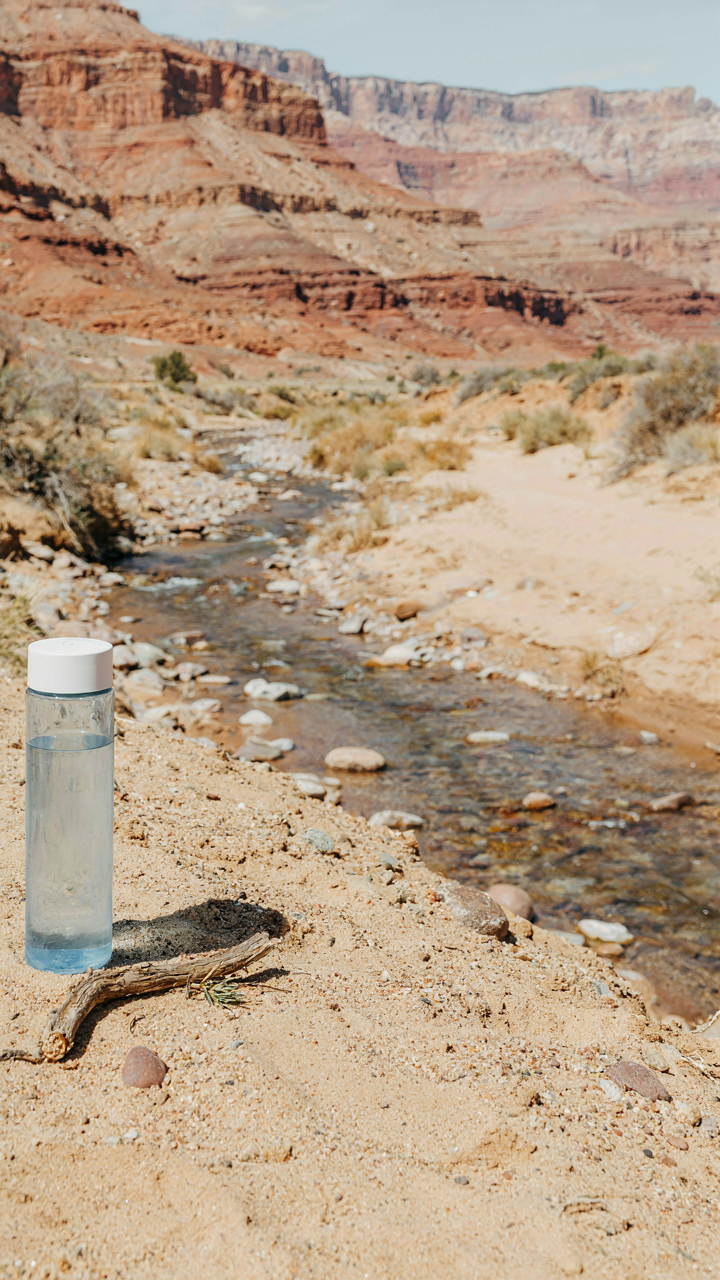
You want to believe carrying more water solves the problem. It doesn’t. That’s the anxiety talking. The real mechanism is this: economics teaches us about scarcity and allocation. In the Canyon, water is your scarce resource—like capital in a business model. You can’t manufacture it. You can only ration it. The rim sits 4,000 to 5,000 feet above the Colorado River. Reliable water sources on the established trails are Phantom Ranch, Indian Garden, and Bright Angel Creek. Most hikers ration poorly because they treat water as abundance and panic-buy excess weight instead of understanding the actual cost of each mile without a resupply.
The real constraint isn’t total water volume. It’s the distance between water sources and how much your body demands in direct sun with zero shade. A day hike to Indian Garden from the South Rim covers about 10 miles round trip with water available at the halfway point. A multi-day descent requires calculating gallons per mile based on season, temperature, and your metabolic rate. Summer temperatures at the inner Canyon hit 110 to 120 degrees Fahrenheit. Winter changes the equation entirely. You don’t carry more water—you change your timeline, your pace, and your source strategy. Measure distance to water first. Carry only what that distance requires, plus a safety margin of one liter.
The Replacement Cost Of Each Item
Every ounce in your pack trades away mobility and endurance. Don’t load your backpack with gear that sounds responsible on paper. A headlamp, first aid kit, emergency shelter, navigation tools, and sun protection are non-negotiable. Their utility isn’t equal across the Canyon environment. A two-pound water bladder system costs you one pound per mile walked. A five-pound tent costs you five pounds per mile walked. That tent keeps you alive in a sudden cold snap or a blown timeline. The water bladder might save you from a mild headache. The replacement cost of each item is measured in the hours of additional effort required to carry it, weighed against the probability of its actual failure scenario occurring.
Strip your gear down to items solving real problems, not theoretical ones. A lightweight day pack under ten pounds lets you move faster and recover faster from mistakes. Extra socks prevent blisters that cascade into a multi-day injury spiral. A hat and sunscreen prevent heat exhaustion that ends your hike. An emergency bivy or lightweight tarp weighs eight ounces and saves your life if you miscalculate and get caught after dark. Carry the gear that addresses the failure modes that actually happen in the Canyon, then stop adding items because they feel safer.
Grand Canyon Camping: Beyond The Postcard Perfection
The Rules That Actually Matter
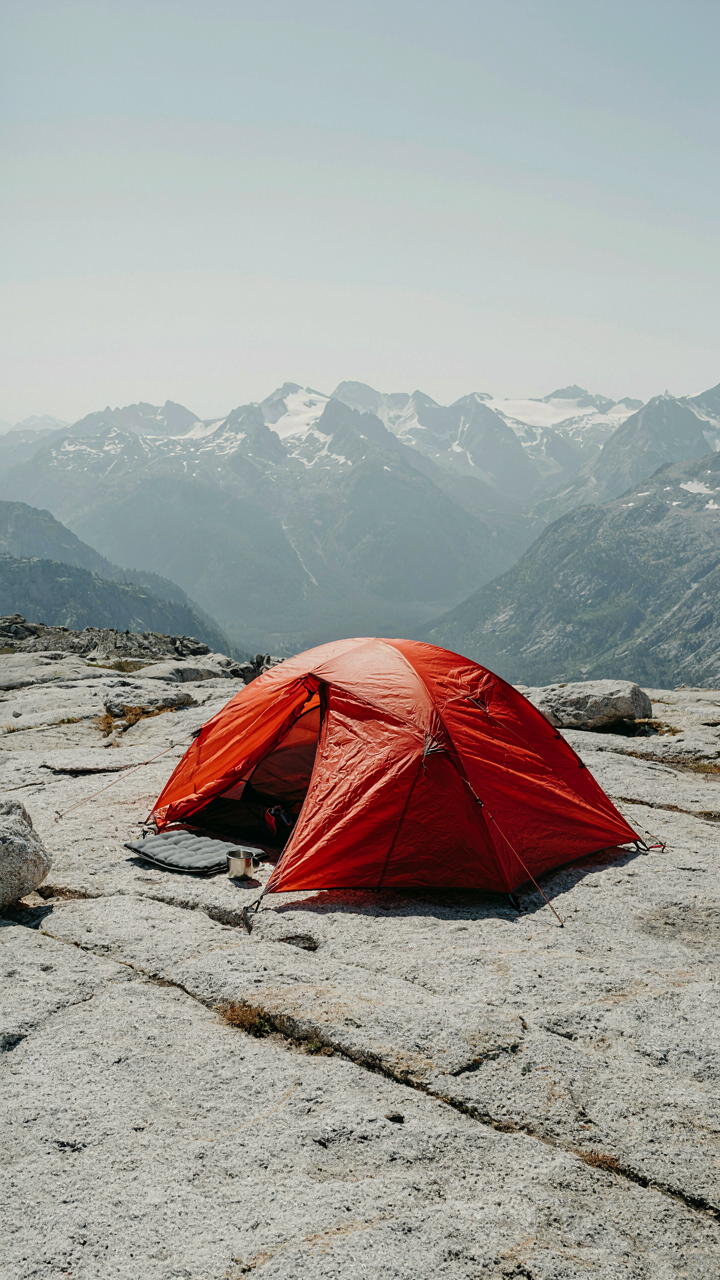
You want to camp in the Grand Canyon because it signals you’re not a casual tourist. Here’s what nobody tells you: the National Park Service doesn’t restrict camping to protect your experience. They restrict it because the Canyon’s ecology collapses under foot traffic like a bridge under uneven load distribution. Think of carrying capacity as engineering: there’s a maximum stress the system absorbs before failure becomes irreversible.
Backcountry camping requires a permit obtained through a lottery system that opens in advance each month. Day hikes need no permit. Corridor trails (Bright Angel, South Kaibab, North Kaibab) allow camping only at designated sites: Indian Garden, Bright Angel Campground, and Cottonwood. Backcountry camping happens anywhere below the rim except within a quarter mile of water sources and trail corridors, but you must camp at established sites if they exist in your area.
- Permit System: Apply months ahead through the official lottery. Walk-up permits exist but fill within hours during peak season. Plan accordingly or accept random availability.
- Corridor Campsites: Indian Garden and Bright Angel Campground have water, toilets, and ranger patrols. Cottonwood offers the same on the North Rim approach. These fill first.
- Backcountry Zones: The Park divides the Canyon into 137 use areas. Each has a per-night quota. Your permit specifies exact zones and dates.
- No Wood Fires: All camping uses camp stoves only. The Canyon has virtually no dead wood, and collecting it accelerates erosion and damages habitat.
- Group Size Limits: Maximum ten people per campsite. Larger groups split into multiple permits or get denied. Plan your team size before applying.
The permit lottery doesn’t guarantee your preferred dates. You enter a random draw for each month you request. Most people lose. If you get denied repeatedly, accept that peak season (March through May, September through October) requires either flexibility or a years-long commitment to applying.
Ecosystems Don’t Forgive Mistakes
The Canyon’s soil holds zero buffer against disturbance. Unlike alpine zones that regenerate slowly, riparian areas along the Colorado River face immediate collapse from trampling. Think of it as biology’s principle of limiting factors: water is the constraint, and every step near it compounds the damage.
Camping away from water sources means identifying terrain that drains naturally and supports no unique plant life. Never camp on cryptobiotic soil (dark crusty surface that looks dead but isn’t). Never dig cat holes closer than 100 feet from any water source or established trail. Pack out all human waste in a WAG bag if you camp near water. The Park’s river corridor is a living system, not a repository.
Established campsites exist because use concentrates damage to one zone instead of spreading it. Using them saves fragile areas from new scarring. If no established site exists in your zone, choose bare rock or sandy flat and leave zero trace of your presence. Dismantle any rock rings you find. The illusion of pristine wilderness depends on your discipline to erase yourself completely.
The Self Rescue Protocol: When Help Is Hours, Not Minutes Away
Your Gear Determines Your Survival Window
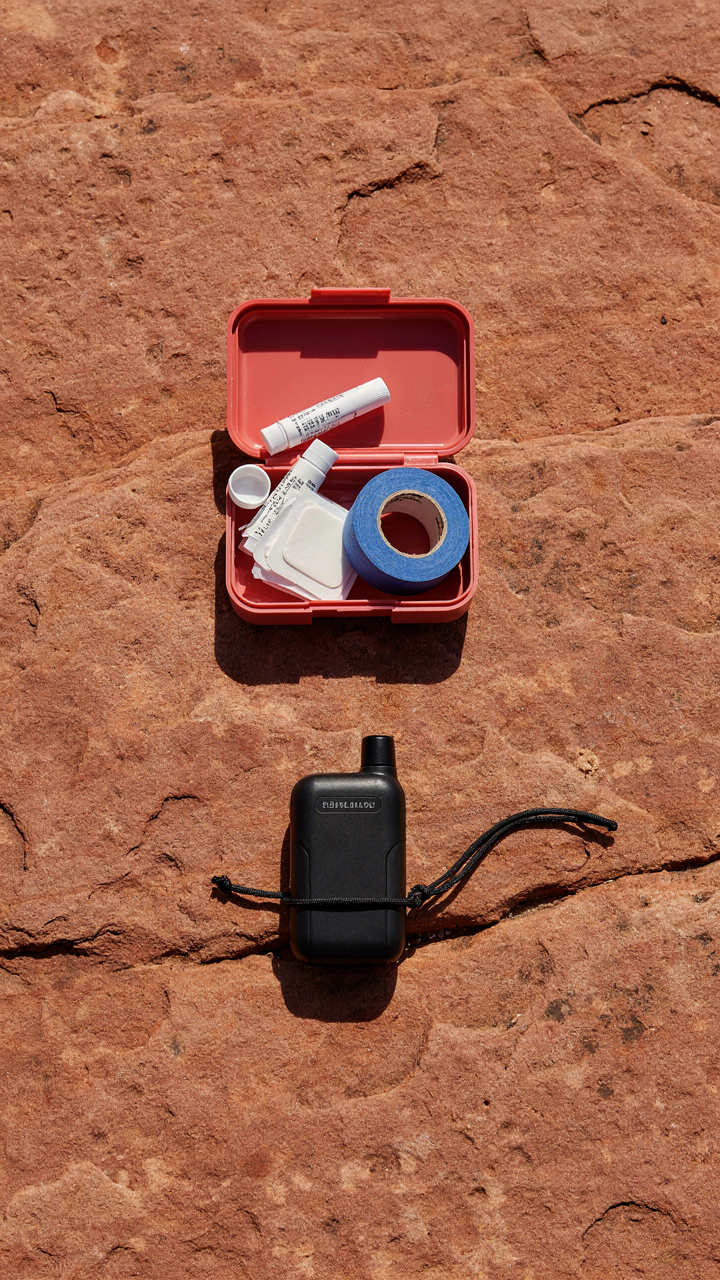
You want to believe the ranger station has your back. They don’t. Not in the way you think. The Grand Canyon operates on ranger response time that starts in hours, not minutes. Your first aid kit and communication device aren’t nice to have—they’re the margin between a bad day and a body recovery. Most hikers pack bandages and hope. That’s not preparedness.
Carry a personal locator beacon or satellite communicator if you’re below the rim. Cell service doesn’t work in most of the canyon. A basic first aid kit addresses blisters, cuts, and minor sprains before they become reasons to call a helicopter. Include blister treatment—moleskin, athletic tape, and antibiotic ointment. Pack pain relievers and anti diarrheal medication. Twisted ankles happen on exposed rock. Know how to immobilize a joint with athletic tape or an elastic wrap before you need it.
Reading The Canyon Before It Breaks You
The Grand Canyon’s hazard catalog isn’t mysterious—it’s just ignored. Heat exhaustion kills more people than falls. The rock itself is brittle and crumbles under weight you think is stable. Water sources fail mid summer. Altitude changes throw off people who trained at sea level. These aren’t surprises. They’re predictable mechanics you either account for or suffer.
Start hikes at dawn to avoid heat stress. Drink water on schedule, not thirst. Carry twice what you think you need. Test your footing before committing full weight to any ledge. The canyon’s geology shifts from stable granite to fractured Vishnu basement rock. Recognize the difference. Recognize when your body temperature rises, when your judgment slows, when the margin for error closes. Stop before the emergency starts.
The Post Canyon Reintegration Program: What You Bring Back

What The Canyon Actually Teaches You
You want to feel transformed. That’s the real reason you’re reading this. The canyon doesn’t transform you. It strips away the noise long enough for you to see what was already broken in your operating system. The mechanism is simple: extreme conditions expose system failures. In the canyon, dehydration doesn’t let you ignore a bad decision about water intake. Your body forces compliance. Back home, you can ignore bad decisions for months.
The canyon teaches you to recognize lag time between action and consequence. Most people live in environments where that lag is stretched so thin they never connect cause to effect. A wrong turn on the Bright Angel Trail teaches you within hours. A wrong career choice teaches you over years, if it teaches you at all. This is the real lesson worth extracting: feedback velocity is everything.
Translating Desert Resilience Into Actual Practice
People talk about “resilience” like it’s a feeling you take home in your backpack. It’s not. Resilience is a protocol you execute when systems fail. The canyon builds this through repetition. Your legs burn on mile eight of a fourteen-mile day. You don’t quit because quitting is worse than continuing. That’s not inspiration. That’s basic math. You execute the protocol: drink water, eat food, place one foot forward, repeat.
The reintegration happens when you recognize that daily life has the same protocol waiting to be activated. When a project fails at work, you apply the same system: assess the situation, identify the immediate next action, execute it, measure the result. Don’t wait for motivation or the right emotional state. The canyon taught you that feelings are last to arrive at the party. You move first. The protocol is simple: when capacity drops, increase input, lower expectations temporarily, and commit to the next defined step without negotiation.
Hiking Grand Canyon: Your True Ascent Begins Before The Descent
Build The Engine That Won’t Quit
You want to know you won’t be the person limping out at mile four, and that fear is rational. Most hikers train the wrong muscles for the Canyon’s actual demand: sustained descent followed by a punishing climb out. Your legs aren’t the limiting factor—your stabilizer muscles and aerobic base are. The Canyon doesn’t reward strength. It punishes inefficiency. Train on steep downhill terrain for six to eight weeks before your trip. Flat running or gym work builds the wrong adaptation.
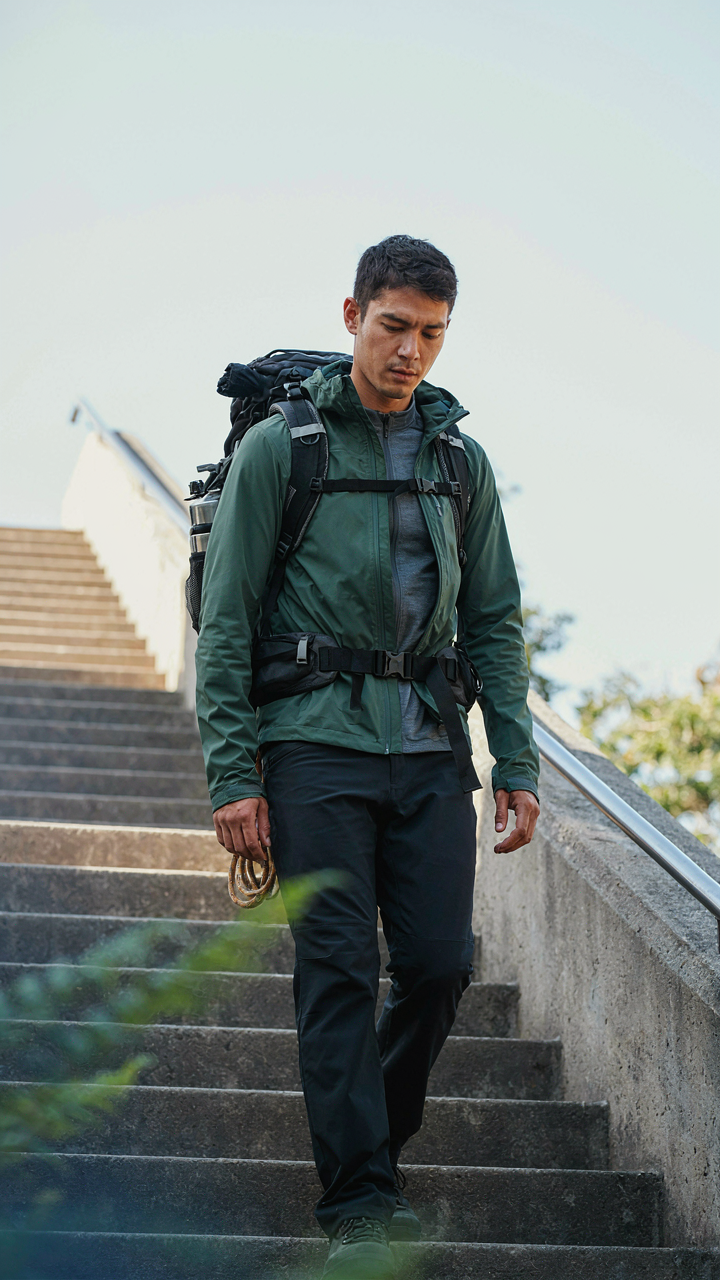
Eccentric loading—when a muscle lengthens under tension—is what destroys unprepared hikers on the way down. Your quads take the braking load mile after mile. Walking downstairs with a loaded pack replicates this exact stimulus. Start with bodyweight, then add ten pounds, then twenty. Do this twice weekly on a staircase or hill. This single protocol prevents the quad failure that stops most people before they reach the river.
Rehearse The Wall You’ll Hit
The mental wall isn’t metaphorical. It’s physiology. Around hour six of a full Canyon day hike, your glycogen depletes and your brain starts calculating escape routes. This isn’t weakness. This is your central nervous system rationing fuel. Most advice tells you to “stay positive.” That’s incomplete and lazy. You need to practice the exact moment when effort feels disproportionate to progress, then keep moving anyway.
During training hikes, deliberately push past discomfort for thirty minutes. Don’t stop. Don’t rest. Document what your body does, what your breathing patterns are, what your legs feel like. Rehearse the moment of doubt in low-stakes conditions. On Canyon day, when the wall hits at mile eight, you’ll recognize it as a familiar signal, not a crisis. Your nervous system won’t treat it as new information. You’ll know the wall passes in twenty minutes. Then you keep moving.
The Canyon Didn’t Break You; Your Lack Of Preparation Did. What Now?
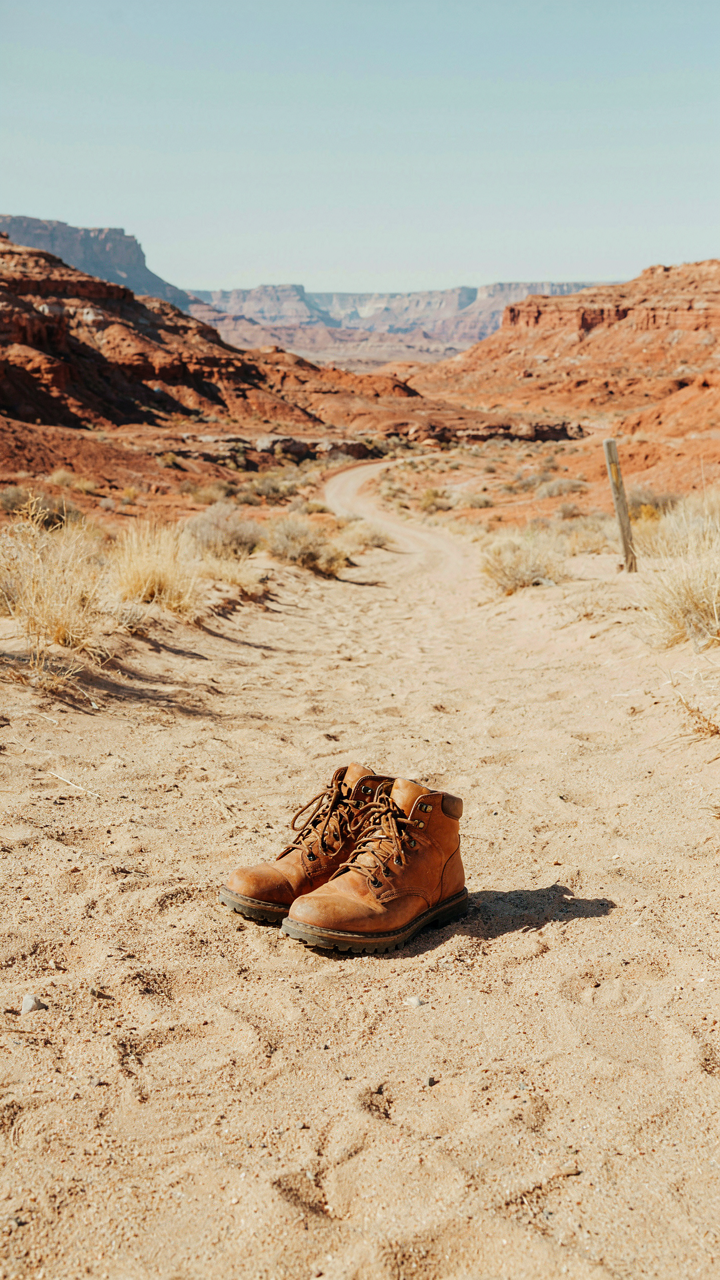
Most hikers blame the canyon. They blame the heat, the distance, the elevation. They blame everything except the person who showed up unprepared. Stop waiting for the perfect moment to train. Pick one trail this week, research it for thirty minutes, then commit to a training schedule. The canyon rewards only those who respect it enough to prepare. Your next hike starts with a decision you make today, not someday.