
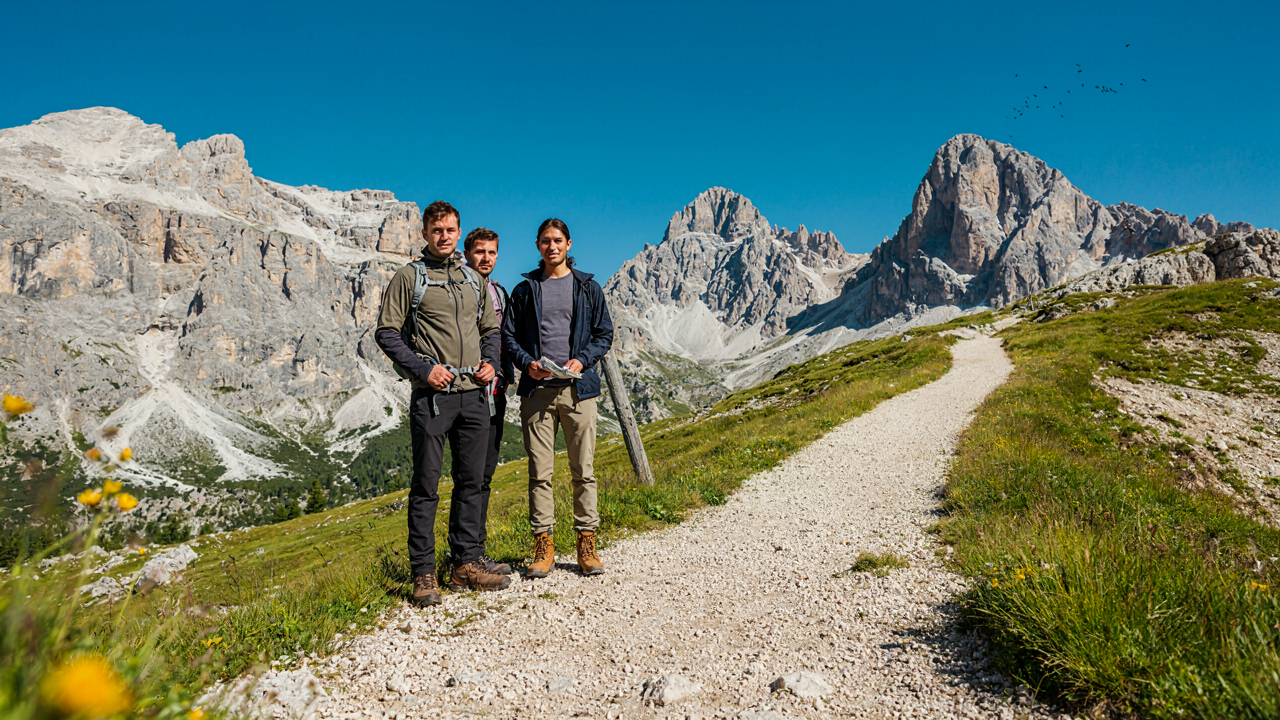
The Unseen Logistics Of “Pretty Landscapes” In The Italian Dolomites

Permits And Access Matter More Than You Think
You want to believe a good map and strong legs are enough. They’re not. The Dolomites operate under a layered permission system that most guides gloss over, and this gap between expectation and reality costs hikers wasted trips. Like supply chain management in logistics, access depends on a sequence of approvals and restrictions that must flow in order, or the whole operation stalls.
Many trailheads require advance booking or face closure without warning. The Alta Via routes, particularly Alta Via 1 and Alta Via 2, funnel thousands of hikers annually through hut systems where bed availability controls your pace, not your fitness. Private land borders major routes. Certain valleys restrict entry during hunting season or maintenance windows. You cannot simply show up and walk.
Timing Determines Whether You See Snow Or Crowds

The calendar is not your friend here, it’s your constraint. Summer crowds peak from July through early September, which means you either hike in shoulder season with weather risk or accept sharing trails with thousands of other people daily. Winter access becomes theoretical on most routes between November and April due to avalanche danger and snow cover, though early summer snow still blocks passes above 2,400 meters into June.
The mechanism that actually matters: boot-on-ground weather windows. Spring snowmelt creates swollen stream crossings and unstable scree. Late September offers fewer hikers but deteriorating weather and reduced hut availability. October brings clear skies but unreliable accommodation closures. Your route choice succeeds or fails based on when you lock in your dates against this narrow margin of conditions and services.

Beyond The Instagram Shot: True Dolomites Hiking Aesthetic
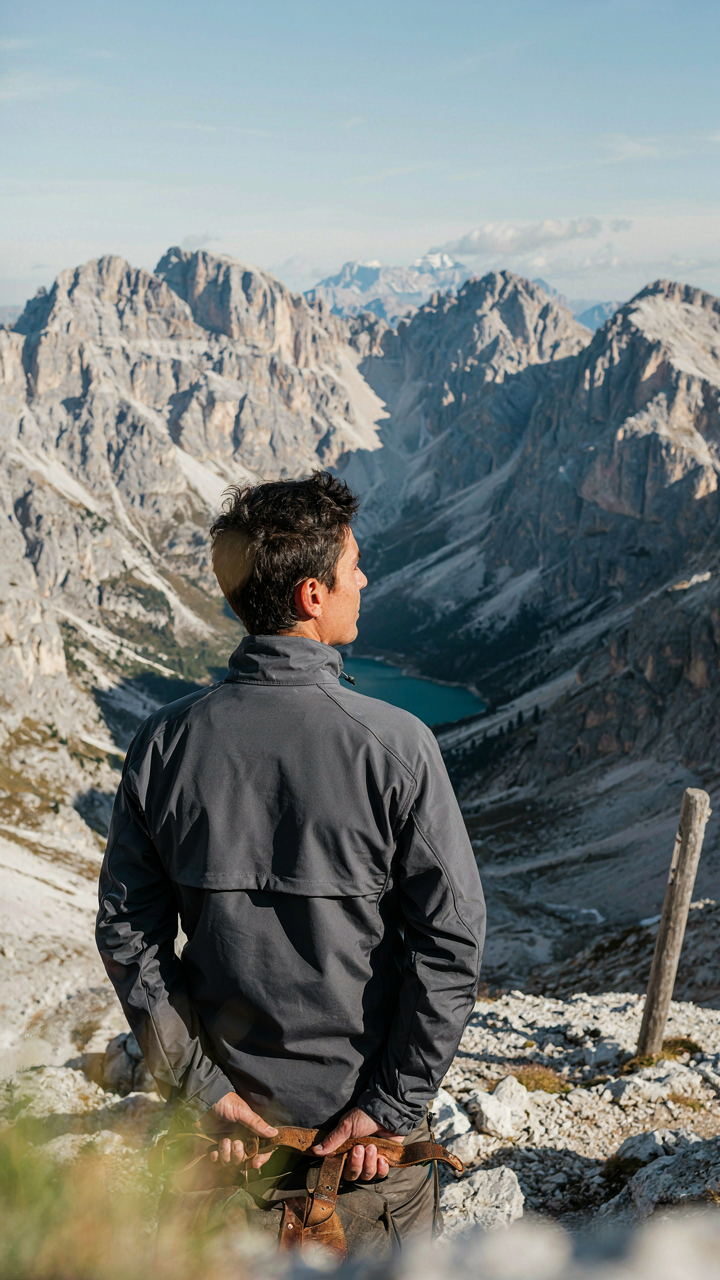
Elevation Readiness Isn’t Walking Practice
You want to believe a few weekend walks prepare you for the Dolomites because admitting otherwise means confronting months of unglamorous training. Here’s the mechanism: altitude compounds the workload on your cardiovascular system exponentially, not linearly. A hike at 2,500 meters demands different oxygen delivery than one at sea level. Your body doesn’t adapt to this demand through casual walking. It demands sustained, repeated stress at elevation or through high-intensity intervals that tax your aerobic capacity directly.
The Dolomites force you above 2,000 meters on most established routes. Tre Cime di Lavaredo, Passo Ghedina, Lago di Sorapis, Cinque Torri. Your lungs operate at 80 percent of sea-level efficiency at that height. Most people arrive unprepared, hit the wall at kilometer four, and spend the rest of the day suffering. Train with loaded backpacks on incline for eight to twelve weeks before your trip. Build VO2 max through hill repeats. That’s not optional advice. It’s the difference between hiking and limping.
Materials Over Marketing
Gear companies sell you lightness and brand names because those generate margin. What keeps you moving through variable Dolomites weather is durability and proper layering strategy. The rock here is limestone and dolomite—sharp, unforgiving, and punishing to fabric. Your pants tear faster than marketing promised. Your boots fail at creases because synthetic materials crack in temperature swings between morning cold and afternoon heat.
Buy boots with reinforced toe caps and proven track records in alpine terrain. Choose merino wool base layers instead of synthetic blends. Merino regulates temperature without the synthetic stink that arrives after day three. Your rain jacket needs taped seams, not just a membrane. Test gear on the Via Ferrata routes before attempting exposed ridge traverses. Durability means the same boots carry you through eight seasons of European hiking.
The Dolomites Mountains: Reading The Terrain Like A Map
True Trails Versus Worn Paths
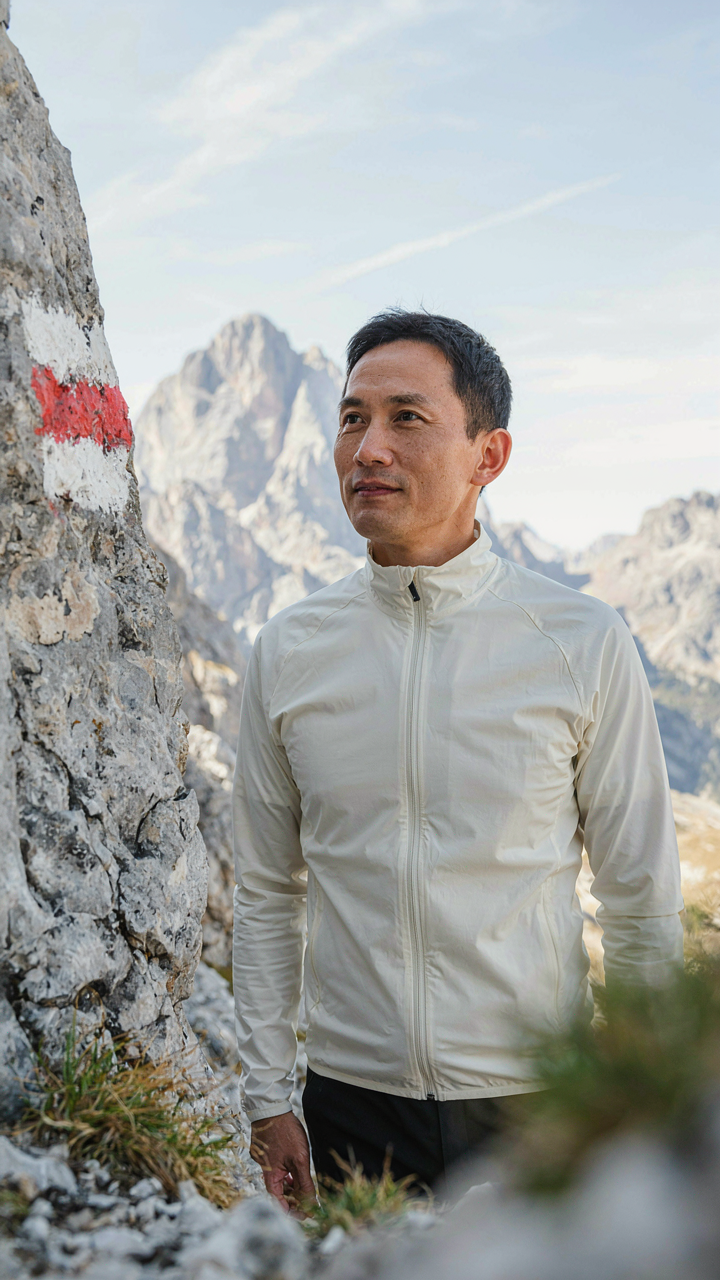
You want to know which route is legit because getting lost costs time and kills your confidence. Here’s what most hikers miss: a real trail shows maintenance evidence, not just foot traffic. The Dolomites use a color-coded system—white-red-white blazes mark official routes—and the Italian Alpine Club maintains marked paths with specific standards. Worn paths appear everywhere, but they’re often unstable, lead nowhere, or cut across private land. Learn to spot the difference before you commit.
Official trails in the Dolomites show specific markers nailed to trees or painted on rocks at regular intervals. Cairns (stacked stones) mark high alpine routes where trees don’t grow, but don’t rely on them alone—vandals move them constantly. A real trail has a defined tread worn by years of boots, not just a faint scuff in grass. If you haven’t seen a blaze in ten minutes, you’ve left the maintained route. Stop and backtrack instead of pushing forward hoping it reappears.
Weather Interpretation Beyond The Forecast
The forecast is a guess that fails in valleys surrounded by 3,000-meter peaks. Weather systems behave like fluid dynamics in confined spaces—pressure gradients accelerate wind through passes and reverse temperature predictions on north-facing slopes. Most hikers check their phone and assume they know what’s coming. The Dolomites create their own weather through orographic lift and thermal effects that no app can predict six hours ahead. You need to read the sky and understand why it’s changing.
Look for lenticular clouds forming over high ridges—they indicate wind shear and instability above, not below. Temperature inversions trap cold air in valleys while peaks stay clear. Watch the direction clouds move; they follow the terrain, not a uniform pattern. If you see clouds building vertically (cumulus towering) before noon, thunderstorms will hit by afternoon. Check surface wind direction at your current elevation every 30 minutes, not just once before you leave camp.
The High Altitude Nutrition Protocol For Hiking Dolomites
Calorie Density Fuel For Sustained Effort
You want to feel like you’re not suffering, which means you’re chasing the wrong metric. The real mechanism is thermodynamic load: your body burns calories faster at altitude because oxygen is scarce, and the Dolomites sit between 2,000 and 3,200 meters depending on your route. Thermodynamics tells you energy output rises when input decreases. You need calorie density, not volume. One gram of fat delivers 9 calories. One gram of carbohydrate delivers 4. Do the math.
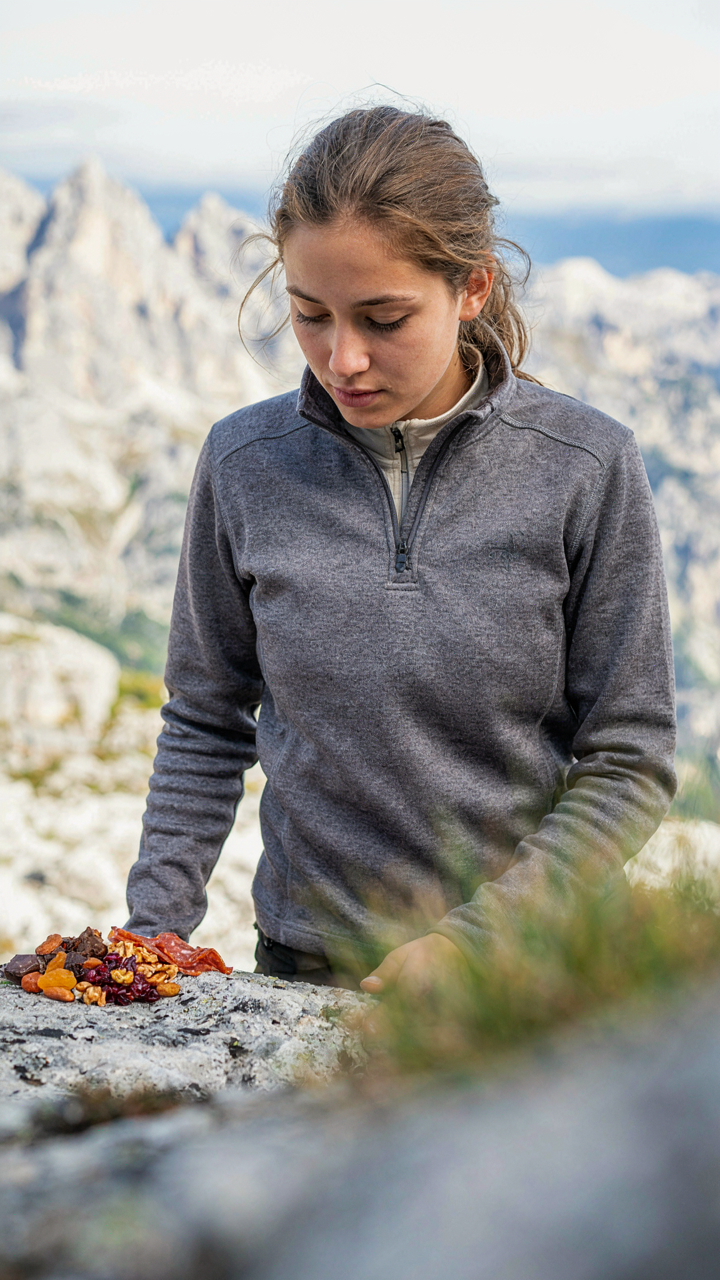
Pack nuts, nut butters, dried fruit, and energy bars with fat ratios above 30 percent. A typical day hike through the Tre Cime di Lavaredo loop burns 2,500 to 3,500 calories depending on pace and elevation gain. You cannot eat enough rice cakes to cover that deficit. Trail mix with dark chocolate, salami, and cheese works because it stacks calorie density with sustained digestion. Start eating before hunger signals arrive, not after. Your performance cliff drops fast once glycogen depletes at altitude.
Hydration Strategies Combating Mountain Dehydration
The conventional wisdom says drink when thirsty. That advice is incomplete and dangerous. Mountain air at 2,500 meters holds roughly 40 percent less moisture than sea level, and the Dolomites wind accelerates evaporation from skin and lungs. You lose water faster than you sense thirst. Your thirst mechanism lags behind actual dehydration by 30 to 60 minutes.
Drink on a fixed schedule: 500 milliliters every hour of hiking, regardless of thirst. This prevents the performance drop that follows dehydration by even 2 percent of body weight. Water alone becomes insufficient above 2,000 meters because electrolyte loss through sweat accelerates while absorption slows. Add sodium and potassium to your water or carry electrolyte tablets. Fill your bottles at mountain streams when available, but treat with purification tablets or boil before drinking. The mechanical act of drinking on schedule matters more than the volume itself.
Risk Assessment Matrix For Hiking Dolomites Italy
Objective Hazards: Stone And Space
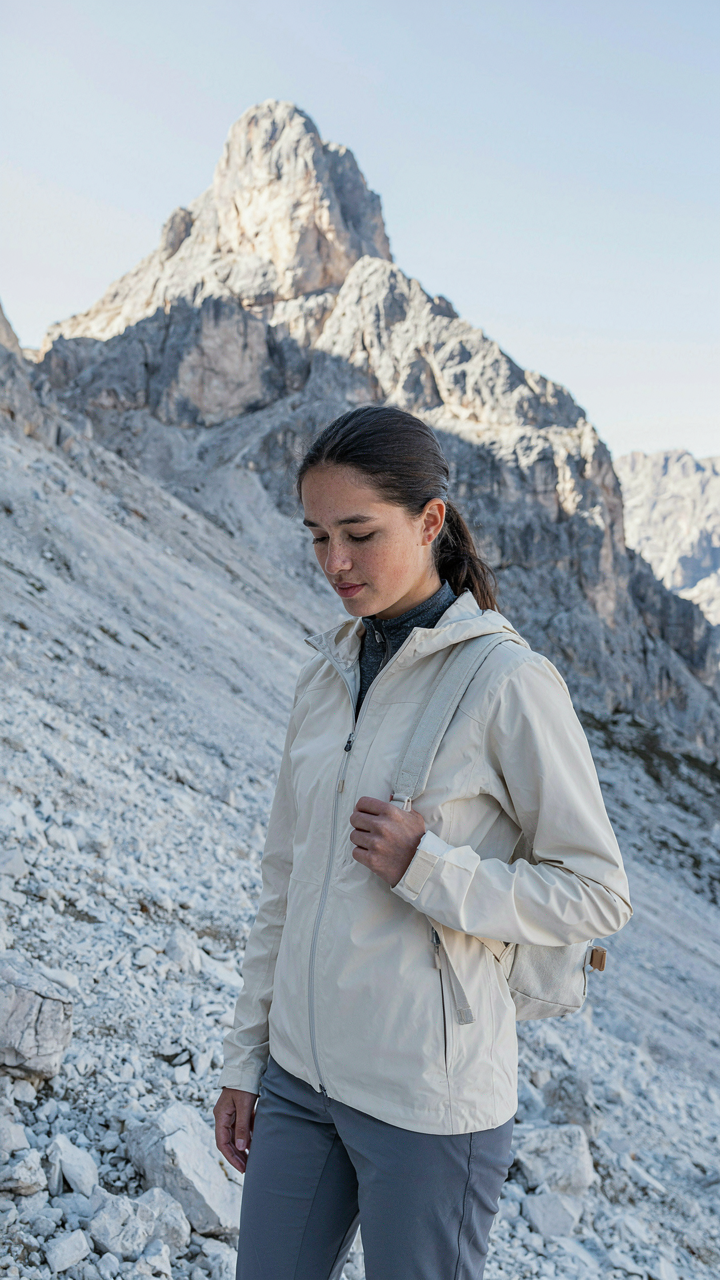
You want this section because you’re hoping someone else has already done the thinking for you. They haven’t. Objective hazard assessment in mountaineering uses the same risk matrix as structural engineering: identify the threat, measure its frequency, then calculate exposure time. Rockfall in the Dolomites isn’t random. It follows patterns. The pale limestone towers shed rock primarily during freeze-thaw cycles in spring and after heavy rain, when water expands in fissures. Exposure—the actual time you spend in a rockfall zone—determines whether you’re unlucky or dead.
The Tre Cime di Lavaredo loop and the Passo Ghedina traverse see regular rockfall. Loose scree slopes aren’t the main culprit. Calcarenite formations fracture along vertical joints, and entire plates the size of cars detach without warning. You can’t outrun this. You can only avoid being there when it happens. Start early. Finish early. If you hear rockfall, don’t look up. Move sideways and down immediately, never up toward the source.
Subjective Limits: Your Actual Ceiling
The standard advice about “knowing your limits” is useless because you don’t know them until you’ve exceeded them. Subjective risk isn’t about fitness. It’s about decision-making under fatigue and exposure. Most accidents in the Dolomites happen on descent after 8 hours of movement, when your nervous system is fried and you’re making speed-based choices instead of safety-based ones. Your real limit isn’t the peak. It’s the turnaround time that lets you descend in daylight with a reserve margin for error.
Calculate backwards from sunset. Subtract two hours. That’s your hard turnaround, regardless of progress. Altitude gain doesn’t matter as much as total vertical time on exposure terrain. A 1,200-meter gain on via ferrata moves slower than a straightforward ridge. Ego dies on the descent. Climbers who summit at 4 PM tell themselves the descent will be quick. They’re wrong. Stop earlier than feels necessary.
Shelter & Emergency: The Un Photogenic Essentials Of Italian Dolomites
What You Actually Need In Your Pack
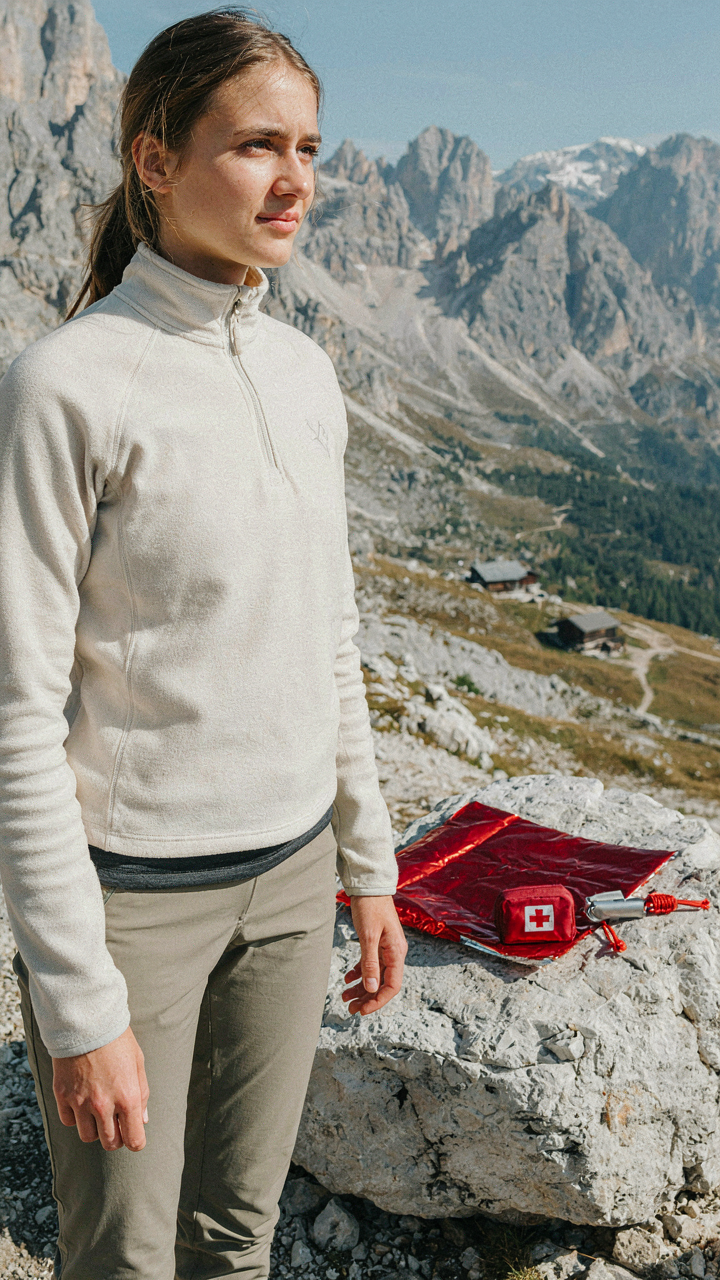
You want the emergency kit because you’re betting on staying safe without looking paranoid. Here’s the real mechanism: the Dolomites don’t care about your fitness level or route choice. Altitude, exposure, and sudden weather shifts create scenarios where the first hour after an injury determines the outcome. Your kit isn’t insurance against disaster. It’s the difference between a managed problem and a cascade.
Standard first-aid kits miss the point. You need compression wraps for ankle sprains on exposed terrain where you can’t call a helicopter. Blister treatment matters because untreated blisters force descent, which creates pressure to move faster on technical ground. Carry a whistle, not for show—three blasts is the international distress signal and travels farther than your voice in a valley. Include a space blanket. Hypothermia kills hikers in summer.
Locating And Using Mountain Huts
The Dolomites have a hut system called rifugios that operate on a specific economy: they exist because they solve a logistics problem. Think of supply-chain management. The huts are positioned to break multi-day routes into sections your legs can handle, which reduces injury risk and lets you sleep on solid ground instead of exposed rock. This isn’t convenience. This is structural design.
- Rifugio Alpine Club (CAI): Official mountain huts managed by the Italian Alpine Club, staffed seasonally from June through September. Provide bunks, meals, and emergency supplies. Book ahead during peak season.
- Private Rifugios: Independent huts offer similar services with more variable quality and pricing. Less crowded than CAI refugios but sometimes less reliable for emergency resources.
- Rifugio Location Strategy: Most rifugios sit between 2,000 and 2,600 meters elevation along major hiking corridors like the Alta Via trails. Position yourself within a day’s walk of shelter.
- Communication & Weather: Rifugios have radio contact with valley towns and receive weather forecasts. Staff can assess conditions and advise on route viability before you commit.
- Emergency Protocol: If injured near a rifugio, reach it first. Staff can radio rescue services and provide shelter. Staying put beats limping downslope on a damaged leg.
Most hikers treat rifugios as optional comfort stops. Wrong. They’re part of your survival infrastructure. A rifugio keeper knows the terrain, has communication equipment, and can provide stable shelter if weather turns or you develop symptoms. When booking, confirm they’re staffed the specific dates you hike. Abandoned huts save you nothing.
The Psychological Warfare Of Extended Hiking Dolomites
Your Body Stops Before Your Mind Does
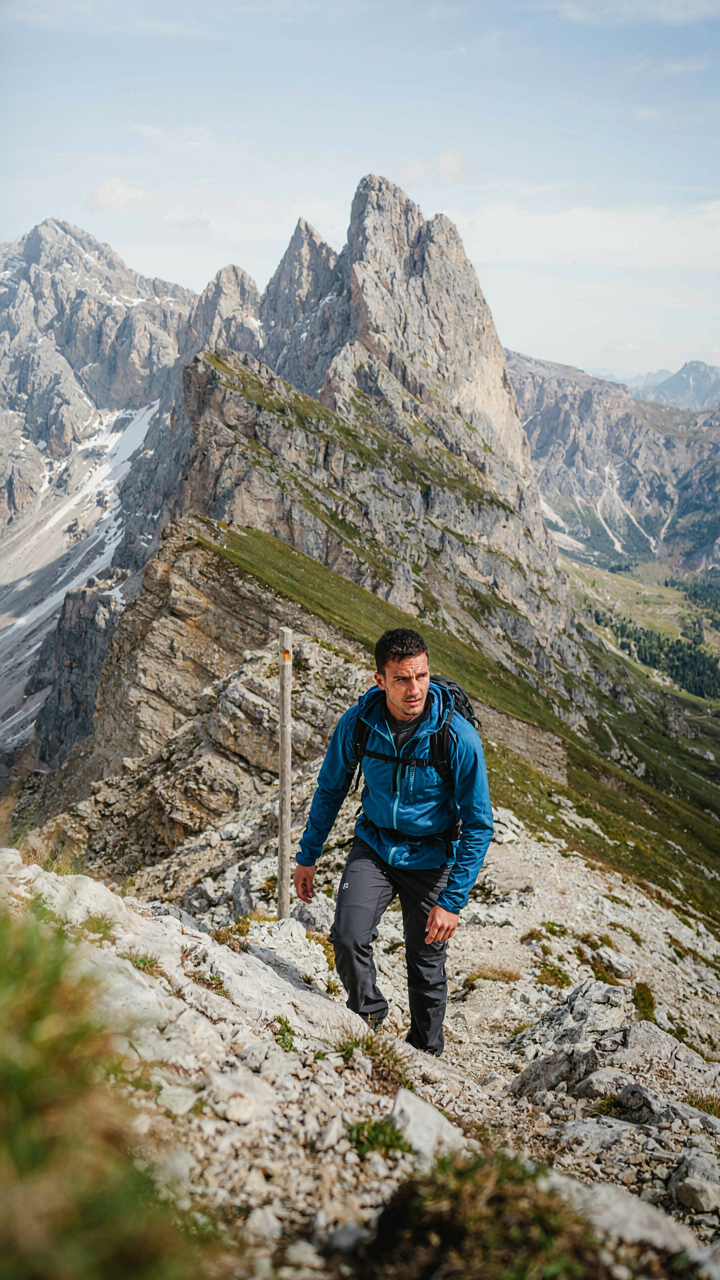
You want to believe willpower is the deciding factor. It isn’t. In military terminology, what matters is your “center of gravity”—the single element that, if disrupted, collapses the entire operation. On extended Dolomites hikes, your center of gravity isn’t your legs. It’s your ability to interpret discomfort correctly. Pain signals and fatigue signals are two different messages. Most hikers conflate them and quit when their body is still capable.
The Dolomites force this distinction. The rock itself—limestone so solid it barely erodes—means trails maintain grade relentlessly. You don’t get gentle tapering. At hour five of an eight-hour day, your quads burn identically whether you’re halfway through or nearly done. The mechanism is simple: your mind reads muscle fatigue as a stop signal when it’s actually just a status update. Separate the two and you walk past the moment most people turn back.
Information Overload On The Mountain
The standard advice is “stay present.” Useless. What you actually need is a hard decision protocol before the hike starts, then radically limited information during it. Decision fatigue isn’t about being tired of choices—it’s about your cognitive load reaching capacity, which tanks your ability to interpret real problems.
On a Dolomites ridge walk, you’ll face route ambiguity, weather shifts, time pressure, and physical feedback simultaneously. Your brain cannot process all of it well. Build a non-negotiable framework beforehand: turnaround time, weather thresholds, pace markers. Then on the mountain, you only answer one question per decision point: Does this fit my protocol? Yes or no. Stop gathering information. Execute the rule.
Post Hike Recovery: Optimizing For The Next Ascent In Dolomites Italy

Repair Muscle Damage With Protein And Electrolytes
You want proof you earned the climb. What you actually need is to stop the breakdown before it becomes a liability for tomorrow’s ascent. Muscle repair is a biology problem, not a motivation problem. The Dolomites demand repeated high-altitude effort, which creates a specific metabolic debt: damaged muscle fibers and depleted sodium stores. Protein synthesis begins within 30 minutes post-hike and peaks around two hours. Electrolytes replenish what sweat stripped from your system during sustained elevation gain.
Consume 20 to 40 grams of protein within two hours of finishing your hike. Pair this with sodium-containing food or a electrolyte drink, not just water. The protein triggers muscle protein synthesis to repair micro-tears. The sodium restores plasma volume so your cardiovascular system doesn’t work overtime the next morning. Ignore the notion that you need exotic supplements. Standard sources work: eggs, cheese, cured meats available at rifugios, salted nuts, and broth. The mechanism is straightforward: damaged tissue plus amino acids plus electrolytes equals readiness for the next day’s vertical.
Sleep Debt Compounds Faster Than Altitude Gains
High-altitude sleep in the Dolomites is already compromised by thin air and cold. You cannot out-recover a sleep deficit through nutrition alone, no matter what recovery culture suggests. The Dolomites sit between 1,500 and 3,200 meters depending on your route and rifugio placement. At 2,000 meters and above, your body spends the night fighting hypoxia while your core temperature drops. Add poor sleep hygiene and you enter a compounding debt that kills your performance by day three.
Prioritize darkness, temperature control, and horizontal time over everything else. Request a rifugio room away from common areas. Close shutters completely. Wear layers you can adjust without leaving your sleeping bag. Aim for eight hours horizontal, even if sleep quality is fragmented. The goal is not restful slumber but cumulative rest. Your body repairs tissue and consolidates aerobic adaptations during sleep stages two and three, not when you are vertical. One poor night cascades into two mediocre days of hiking.
The Local’s Code: Navigating Dolomites Italy Beyond Tourist Traps
Respect The Mountain Community
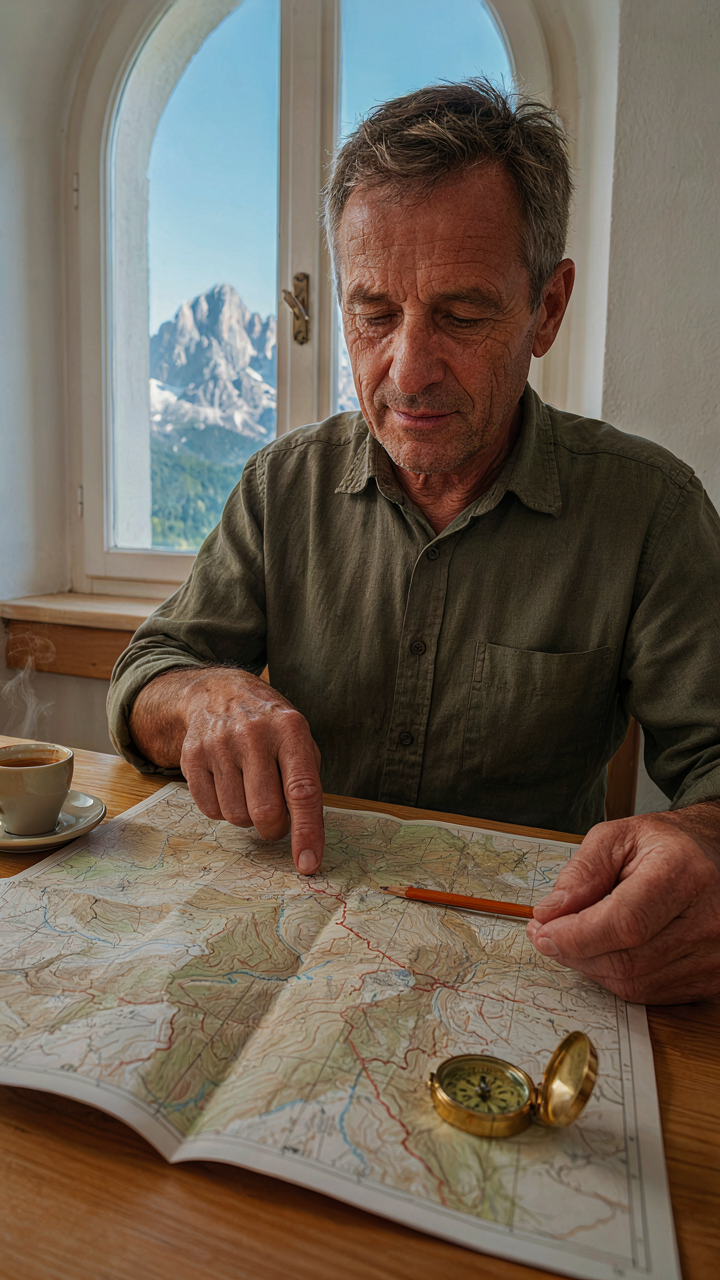
You want to feel like an insider without actually doing the work locals do year-round. That’s the real tension here. The mechanism is simple: locals control access to information and routes because they live with the consequences of tourism. Disrespect them, and you get redirected to crowded valleys. Respect them, and doors open.
The Dolomites aren’t a playground that regenerates between seasons. Rifugios operate on thin margins. Mountain guides depend on reputation built over decades. Businesses in towns like Cortina d’Ampezzo or Val Gardena survive through repeat customers and word-of-mouth. When tourists trash routes, ignore closures, or treat staff as service robots, locals remember. They stop sharing beta. They recommend the crowded official trails instead of alternatives.
Silent Routes The Guides Don’t Advertise
The common advice tells you to download AllTrails or buy a guidebook and pick a less-popular hike. That’s incomplete. Real solitude in the Dolomites comes from understanding seasonal timing and route economics. Like supply chain management, demand concentrates on specific bottlenecks. Most hikers hit the same three trails in June and July because marketing and guidebooks funnel them there.
The actual move is this: hike from October through November or April through May, when weather stabilizes but crowds vanish. Then target elevation bands that require technical skill nobody wants to admit they lack. Trails with via ferrata exposure, scrambling sections, or multi-day traverses see a fraction of the traffic. Routes starting from smaller rifugios instead of parking lots cut crowds by 70 percent. Ask your rifugio host directly what they personally hike when they have one free day. That answer matters more than any map.
The Unfiltered Truth About “Pretty Places” In The Italian Dolomites

The Crowds Aren’t A Problem You’ll Solve
You want to believe you’ll find solitude in those Instagram photos. That’s the real cost of pretty places: the fantasy that crowds are temporary, manageable, something other hikers cause. Here’s the mechanism. Peak season in the Dolomites runs June through September. The three Tre Cime peaks and Lago di Sorapis aren’t getting less popular. They’re operating at full capacity with no friction because the terrain absorbs bodies efficiently. You show up at 6 AM thinking you’re smart. So do 200 other people with the same idea.
The math is simple. Popular trails in the Dolomites hit 500 to 1,000 daily hikers during summer weekends. The infrastructure doesn’t change. Parking fills by 7 AM. Trail sections become single-file bottlenecks. The Tre Cime loop, perhaps the most iconic hike, reaches saturation by mid-morning. The only variable you control is when you go and which route you take. Off-season hiking in May or September cuts crowds by 60 percent. Shoulder-season hiking is the actual strategy, not arriving earlier on a popular day.
What “Leave No Trace” Actually Means Here
The common advice is lazy: pack it in, pack it out, stay on the trail. That’s not wrong, it’s incomplete. Conservation biology calls this “carrying capacity.” The Dolomites have a finite ability to regenerate what human traffic damages. The high alpine meadows above 2,000 meters take decades to recover from trampling. Shortcutting switchbacks erodes soil structure and accelerates runoff. Rock cairns that seem harmless are navigation pollution that breaks the landscape’s visual and ecological integrity.
The real protocol: use established trails even when they feel crowded. Use established campsites if you wild camp (though permits vary by region). Pack out human waste properly using pack-out kits on sensitive terrain. Don’t build new fire rings or dismantle existing ones for “archaeology.” Remove microtrash you didn’t create. The mechanism that protects these mountains is behavioral standardization, not individual virtue signaling. If every hiker assumed the next person would follow their exact footsteps, the Dolomites would stay intact. Act like they will.
The Real Obstacle Isn’t The Mountain, It’s Your Instagram-fueled Delusion Of Effortlessness
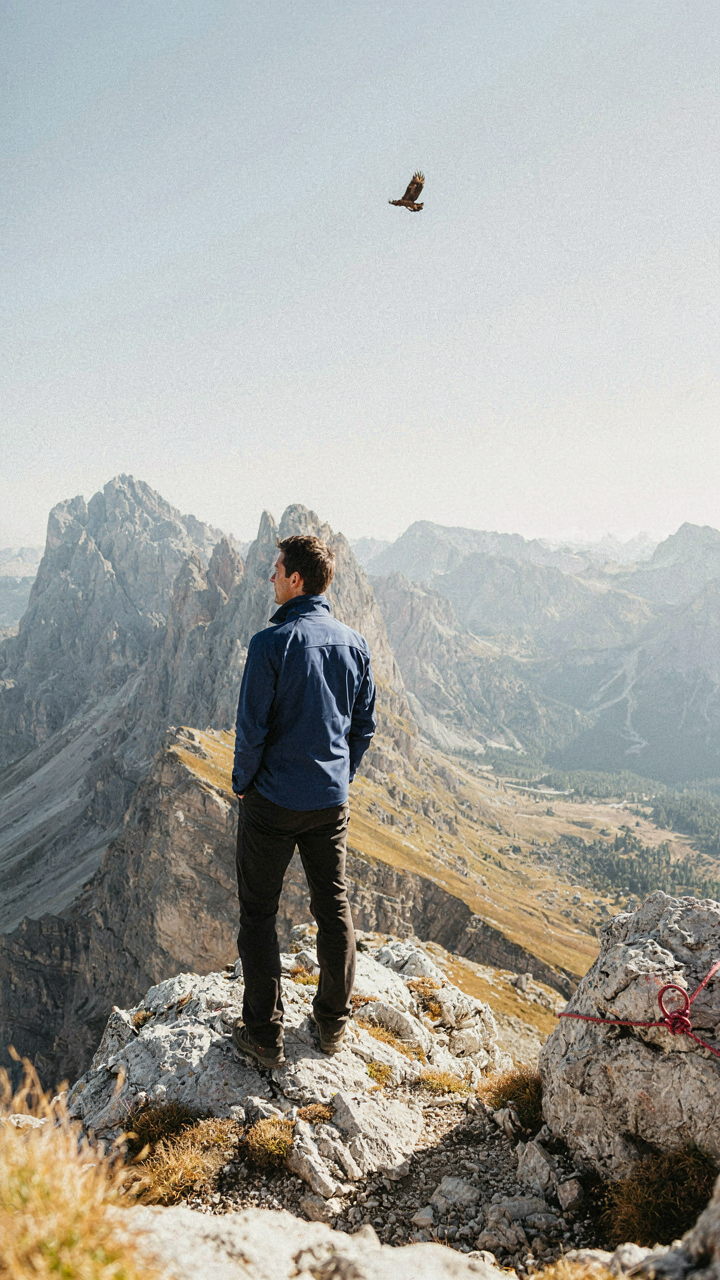
You don’t need better gear or more beta on hiking dolomites italy. You need to stop believing the lie that hard things feel easy for other people. The Dolomites will humble you. It will break your fantasy of conquering nature in four hours between brunch and your evening plans. This is the point. Pick one trail this month. Do it alone. Feel the actual weight of your body on actual stone, and stop performing your adventure for an audience that doesn’t care. The mountains don’t care either.