
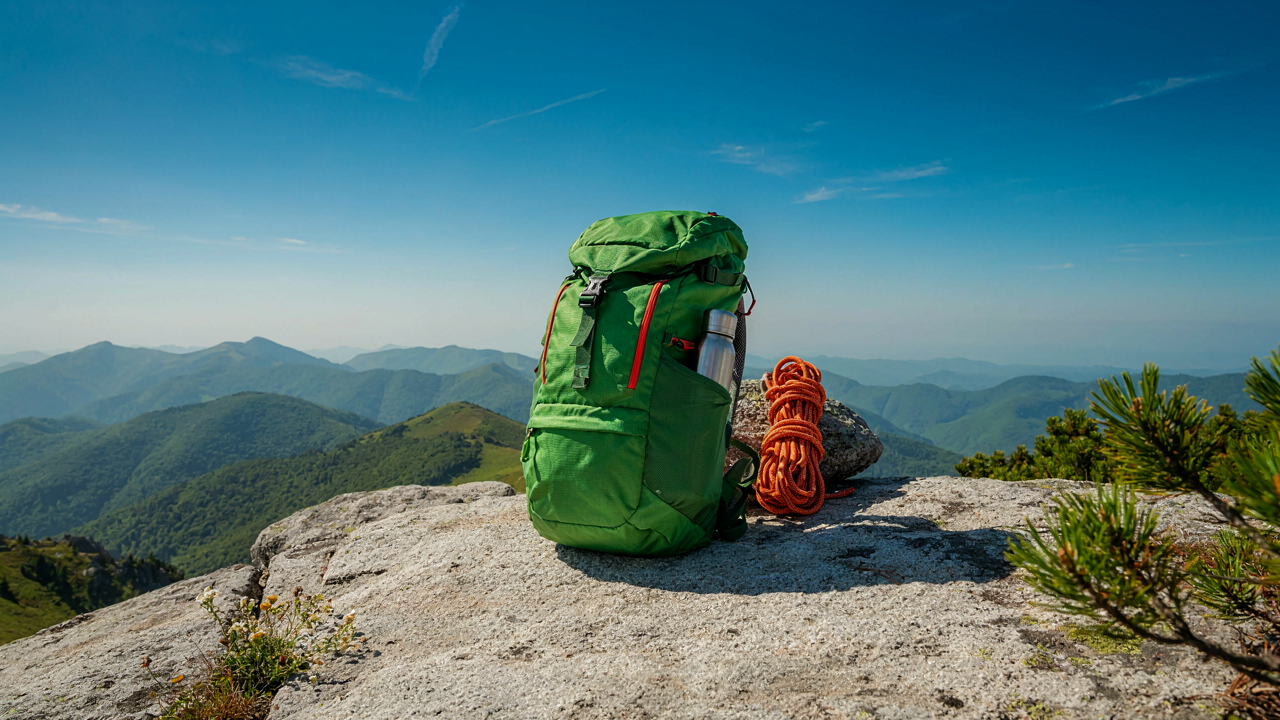
The Minimalism Protocol: Unpacking The Overpack
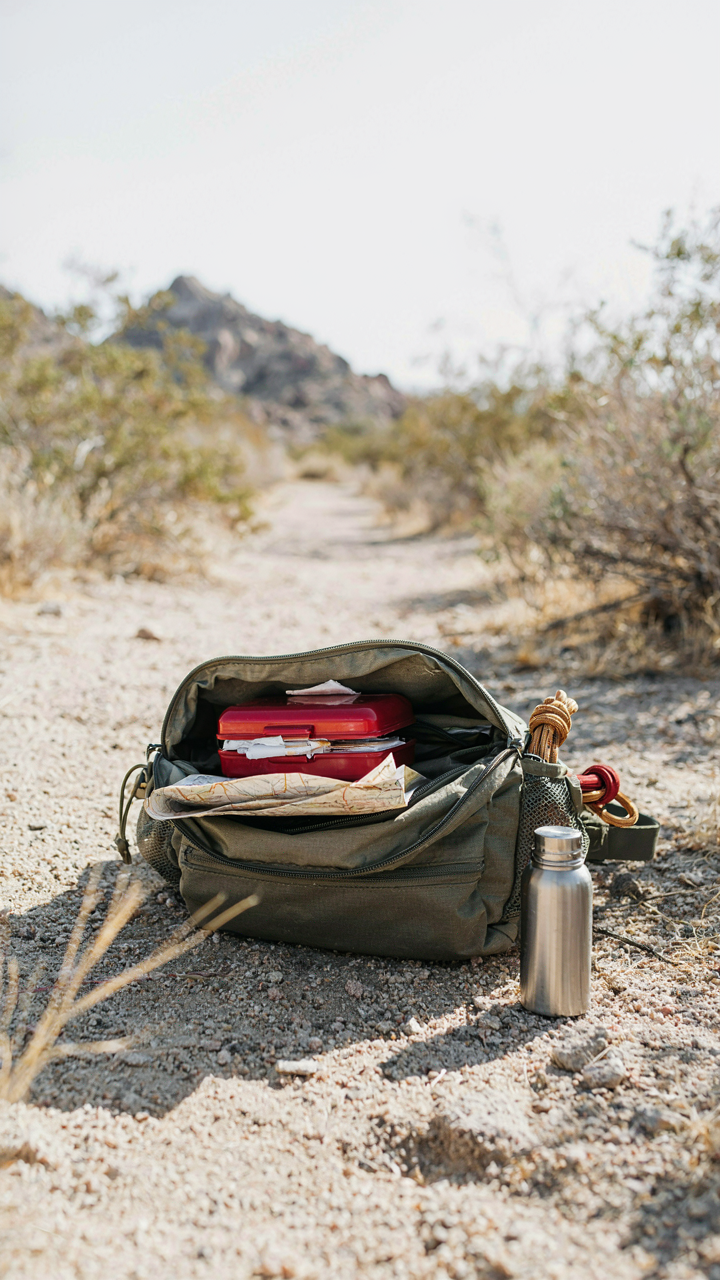
What Actually Goes Wrong On The Trail
You’re afraid of looking unprepared. That’s the real reason you’re reading this. The mechanism is simple: uncertainty breeds overcorrection. Your brain says “I might need this” and that becomes permission to carry it. But every ounce you pack is weight you pay for with fatigue, and fatigue is where decisions collapse on the trail.
Start by separating survival from convenience. A daypack isn’t insurance against every scenario—it’s a tool for the specific trip you planned. The critical items are: water, navigation, first aid, weather protection, food, and fire. Everything else is negotiable. Strip to this baseline first, then add back only what your specific terrain and conditions demand.
The Case For Strategic Subtraction

Most advice tells you to pack less. That’s lazy. The real skill is knowing which items do multiple jobs so you can eliminate single-purpose dead weight. A bandana manages sun, sweat, and minor wounds. A multi-tool replaces five separate items. Paracord handles gear repair and emergency use. This isn’t minimalism for the Instagram aesthetic—it’s economics applied to your pack.
The redundancy trap destroys daypack efficiency. You don’t need two sources of light if your phone has a flashlight and you carry a headlamp. You don’t need both a map and GPS unless your specific route justifies the backup. Ask one question per item: “What does this do that nothing else in my pack does?” If you can’t answer it clearly, it doesn’t go in.

Hydration: Not Just Water, But A System

Know Your Water Before You Leave
You’re worried about running out of water and looking stupid on a trail. The real mechanism is this: you don’t have a hydration problem, you have an information problem. Most hikers carry water like it’s insurance instead of a resource they’ve actually mapped. Before you leave, identify every reliable water source on your route. This isn’t guessing. It’s reconnaissance. Check trail maps, recent trip reports, and topo lines that suggest springs or streams.
The distance between water sources determines your carrying capacity. On a five-mile loop with water at mile two and mile four, you carry less than a point-to-point route with a three-mile dry section. This is basic logistics applied to your pack weight. Most daypackers over-carry water on routes they haven’t actually researched, then complain about heavy packs. Carry what the terrain demands, not what anxiety demands. Measure the gap. Calculate accordingly. Move on.
Filter It On Site, Not Before
The common advice here is lazy: bring a filter, use it at home, done. That’s wrong. Filters degrade. Water sits in bottles and gets stale or contaminated. Portable filtration exists precisely so you don’t haul pre-filtered water. Carrying a filtration system is carrying optionality. You take water from the source when you need it, filter it immediately, and drink it. The mechanism here borrows from supply chain efficiency: reduce inventory, compress the time between production and consumption.
A lightweight squeeze filter or pump-based system adds minimal weight and solves the real problem: you can’t know if water will be where trail reports say it is. Filtration lets you access any flowing water source and trust it. Ultralight hikers don’t carry full bottles on every segment. They carry a filter. This shifts the constraint from pack weight to decision-making at each stop. Check the source, filter, drink, refill only when necessary. Your pack stays light because you’ve outsourced the burden to a two-ounce tool.
The Energy Matrix: Fueling For Performance, Not Panic

Caloric Density Beats Meal Frequency
You want to feel prepared and in control on the trail, which is why you’re probably overthinking this. Here’s what actually matters: your body burns calories at a predictable rate during hiking, and the job of your pack is to deliver energy density, not variety. Borrow from biochemistry’s concept of metabolic efficiency. Just as your body prioritizes fat stores for sustained output, your pack should prioritize calorie-dense foods that deliver energy without bulk or weight penalty.
Most hikers pack too much food or too much low-density food. A handful of nuts, nut butter, or trail mix delivers 150 to 200 calories per ounce. A granola bar or energy bar delivers similar density. Carbs matter during the hike for immediate fuel, but fat and protein stick with you longer. Timing matters less than total intake on a single day trip. Eat when you’re hungry, not on a schedule someone else invented.
Emergency Reserves Versus Steady Fuel
The difference between backup calories and hiking fuel is psychological, and that mistake costs people energy and safety. Emergency reserves are food you eat if something goes wrong: injury, weather, getting lost, delayed exit. These stay in your pack unused on a normal day. Performance fuel is what you eat during the hike to maintain output and avoid bonking.
Pack twice what you think you’ll eat. Half of that is performance fuel you’ll consume during the day. The other half sits untouched in your pack as insurance. This isn’t pessimism. It’s the mechanism of risk management: you’re not betting your hike on a perfect outcome. On a six-hour hike, two to three eating windows is enough. Eat 200 to 300 calories every two hours to prevent the energy cliff that kills momentum.
Navigation: Your Brain Over Your Device

Map Reading And Compass Proficiency
You want navigation skills in your pack because you’re afraid of looking helpless if your phone dies. The real reason to carry a map and compass isn’t backup insurance—it’s that your brain processes terrain differently than a screen does. Map reading builds spatial memory. Compass work teaches you to triangulate position using landmarks you actually see. This is cognitive training disguised as gear.
A paper map and compass weigh almost nothing and require zero battery management. Learn to orient the map to terrain, identify landmarks, and take a bearing. Practice this at home before the trail. Your eyes and hands develop pattern recognition that GPS algorithms can’t replicate in real time. This skill compounds—each hike sharpens your ability to read topography and stay aware of your actual location relative to the landscape around you.
GPS Reliance And Its Failure Points
Most hiking advice treats GPS like a solved problem, which is wrong. GPS fails in canyons, dense forest, and when battery dies. You already know batteries fail. What people miss is that GPS creates a false sense of security that erodes your actual navigation awareness. Military strategy calls this “terrain denial”—if your device controls your navigation, the terrain controls you.
Carry a GPS unit or use your phone for trail confirmation only, never as your primary navigation tool. Cross-reference what the screen shows against what the map and terrain show. This habit catches errors before they compound. When GPS contradicts the map or your compass bearing, trust the map. The mechanism is simple: constant verification prevents the overconfidence that leads to getting turned around. Use GPS as confirmation, not direction.
The “Adaptation Reflex” For Unexpected Weather

Layering Strategy: Dynamic Thermal Regulation
You want to feel prepared so you don’t panic when the temperature drops mid-hike. That’s the real driver here. Biology calls this thermoregulation, and your body does it through vasoconstriction and vasodilation—blood vessel narrowing and widening. Your daypack layering system mirrors this mechanism: it expands and contracts your insulation in response to output and environment.
Most hikers pack one fleece and call it layering. That’s incomplete. You need a base layer that wicks moisture away from skin, a mid-layer that traps dead air for insulation, and an outer shell that blocks wind and rain. The base layer is the constraint that changes everything. Merino wool or synthetic materials move sweat off your skin faster than cotton, which means your body doesn’t cool through evaporation when you stop moving. Start with this discipline, and the rest of your thermal management works.
Rain Protection: Beyond The Basic Poncho
A rain poncho is theater. It looks prepared but fails under load because it flaps in wind, lets water run onto your pack, and traps heat when you’re already hot. The real mechanic is layered defense: a lightweight hardshell jacket in your pack always, paired with a pack rain cover or dry bag for your critical items.
Your hardshell should compress to the size of your fist and weigh under eight ounces. Carry it even on clear forecasts because weather changes faster than you hike out. The pack cover protects your gear from saturation, not just surface wetting. Check your jacket seams before a trip, not after rain ruins your day. When conditions shift, you have the jacket on your body in thirty seconds and your pack protected in under a minute.
Illumination: When Day Turns To Night

The Lumen Tradeoff Nobody Names
You want a headlamp because you’re afraid of being caught in the dark, but that fear makes you buy the wrong one. Here’s the mechanism: headlamps operate on a tradeoff borrowed from electrical engineering called the power budget. You have finite battery capacity. Lumens consume power. Burn bright, run dead in two hours. Run efficient, see thirty feet instead of eighty. Most hikers choose lumens they’ll never use and battery life they don’t need.
A 400-lumen headlamp handles trail navigation on a casual descent. Anything beyond 600 lumens is vanity. You’re not reading fine print at night on a hiking trail. What matters is sustained output at moderate brightness, not peak burn. Buy a headlamp rated for eight-plus hours at 50 percent brightness, not peak. Test it before the trip. A dead headlamp on the trail teaches expensive lessons.
The Backup Light That Saves Your Trip
Most daypack guidance skips this entirely. You pack one headlamp, assume it works, and hope it doesn’t fail. That’s not risk management, that’s gambling. Redundancy is your actual insurance policy. Carry a second light source that operates on a different mechanism than your primary. If your headlamp has a battery issue, a backup with a different battery type keeps you moving.
A compact flashlight or backup headlamp weighs almost nothing. Clip a cheap LED penlight to your pack hip belt. Keep spare batteries separate from your primary headlamp’s battery compartment so you can swap them independently. Test both lights before departure. When you’re on trail at dusk and your headlamp flickers, you’ll know immediately whether it’s a dead battery or a hardware failure because your backup will confirm which one.
First Aid: Curated For Probability, Not Possibility
What Actually Happens On The Trail
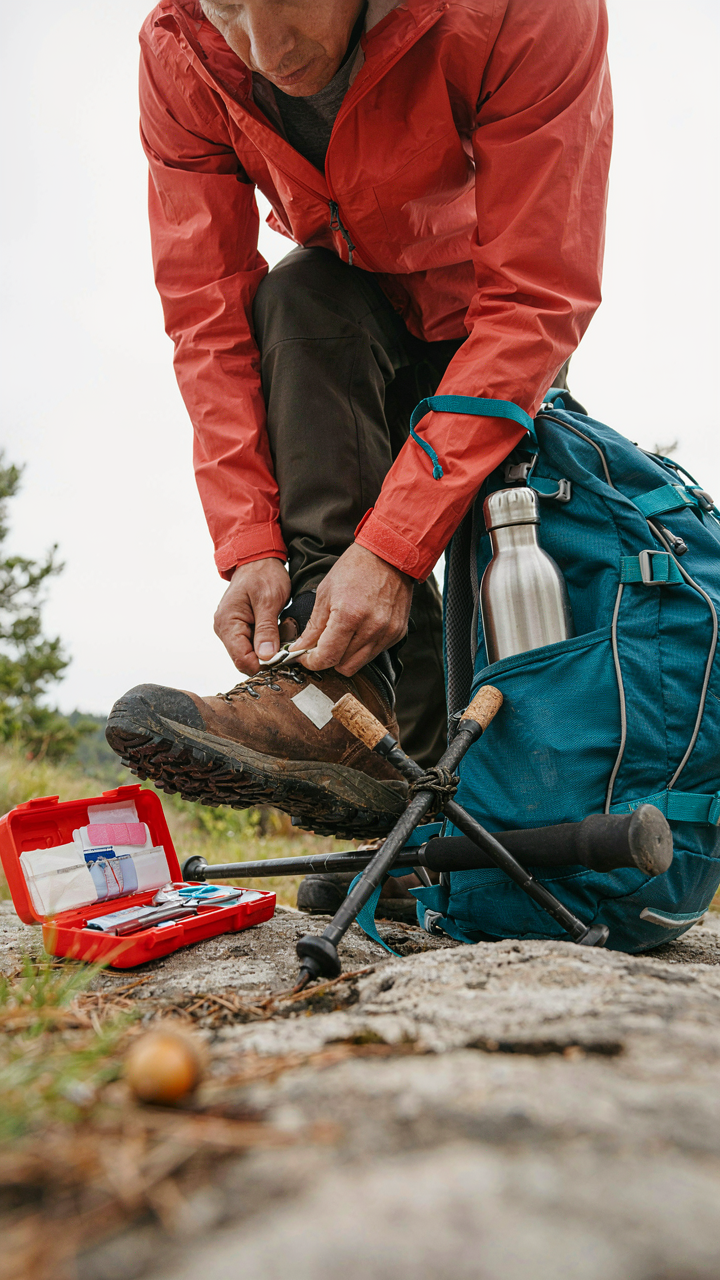
You’re packing a first aid kit because you want to feel prepared. The real mechanism: you’re optimizing for worst-case scenarios that won’t happen instead of managing the injuries that will. Most day hikes produce blisters, minor cuts, and dehydration. Use triage thinking from emergency medicine: treat incidents by frequency and severity, not by fear.
Most hikers carry tourniquets and trauma shears for a day trip. Nobody needs them. A blister will end your hike. A twisted ankle will end your hike. Dehydration will end your hike. Build your kit around what actually stops forward progress on a five-to-eight hour outing.
- Blister treatment: Moleskin and athletic tape prevent and manage the most common daypack injury. Friction creates damage long before you feel pain.
- Antibiotic ointment and gauze: Minor cuts from rocks or branches need cleaning and covering to prevent infection on the trail.
- Pain reliever: Ibuprofen or acetaminophen handles headaches, muscle soreness, and minor joint discomfort without requiring extraction.
- Antihistamine: Allergic reactions to plants, insects, or food happen more than serious trauma on established trails.
- Elastic bandage: Ankle sprains and knee tweaks respond to compression and support while you hike out under your own power.
Every item in your kit solves a problem that keeps you moving. Skip the extras. A day hike on a marked trail doesn’t demand a full medical cabinet. You’re three hours from a trailhead, not three days from civilization.
Respond Fast, Not Perfectly
Most first aid advice treats the symptom instead of stopping the mechanism that creates it. A blister doesn’t appear suddenly at mile five. Friction builds for two hours before you notice pain. Tape the hot spot the moment you feel pressure, not after the skin ruptures.
Administer care immediately when you identify a problem. Don’t wait to see if it gets worse. Stop, address it, move on. Ankle pain at mile two demands five minutes of compression wrapping now, not hobbling three miles and then deciding to tape it. Action beats hope on the trail.
Repair Kit: The Trailside Engineer
The Multi Tool That Actually Works
You want a multi-tool because you think it makes you prepared. The real mechanism is simpler: most trail failures aren’t catastrophic. They’re small mechanical problems that cascade. A multi-tool stops that cascade at step one. The best multi-tools use a lever-and-fulcrum principle from basic mechanics. Your knife blade becomes a pry bar. Your pliers become a wire crimper. One tool handles five failure modes instead of five tools handling one each.
Buy a mid-size multi-tool with a knife, pliers, screwdriver bits, and a file. The Leatherman Signal or similar tier works because it’s built for outdoor use, not fashion. Test the pliers on your pack strap before you hike. A tool that won’t cut or grip on demand is dead weight. Carry it in your hip belt pocket, not buried in your pack. You use it within 30 seconds of a problem or you don’t use it at all.
Tape And Cordage For What Multi Tools Cannot Do
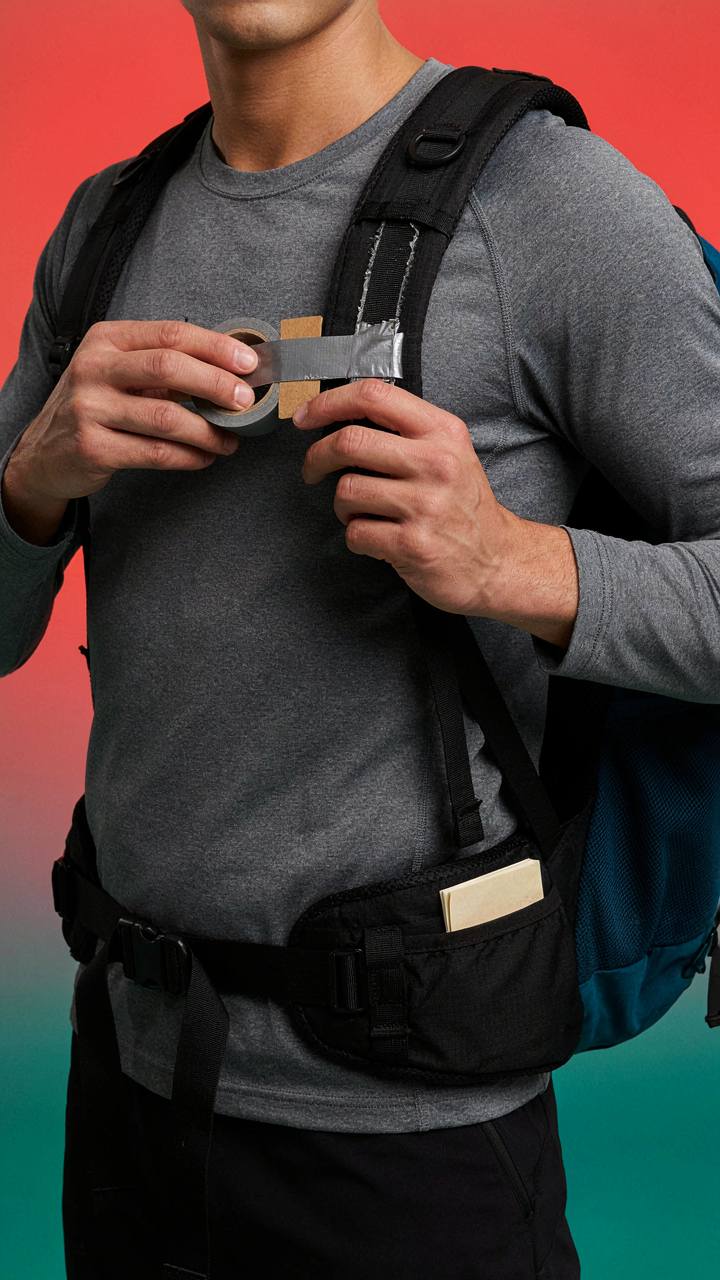
The common advice tells you to wrap duct tape around a pencil to save space. That’s incomplete. You need both duct tape and athletic tape. Athletic tape handles blister prevention and gear chafing. Duct tape handles rips, holes, and loose parts. One wraps fabric and skin safely. One sticks to anything wet or dirty. Bring a tennis ball-sized wrap of athletic tape and a 2-by-2-inch folded square of duct tape wrapped around a business card.
Cordage serves as a backup binding for every gear failure. Paracord is overbuilt and heavy. Bring 6 feet of tarred nylon twine or 1/8-inch diameter climbing cord instead. It ties off broken straps, secures loose sole separation, and lashes torn fabric to prevent further ripping. Wind it around a piece of duct tape or a small card. Inspect your gear before you leave. If a strap is loose before the hike, it fails on the hike.
Emergency Shelter: The Minimalist’s Contingency
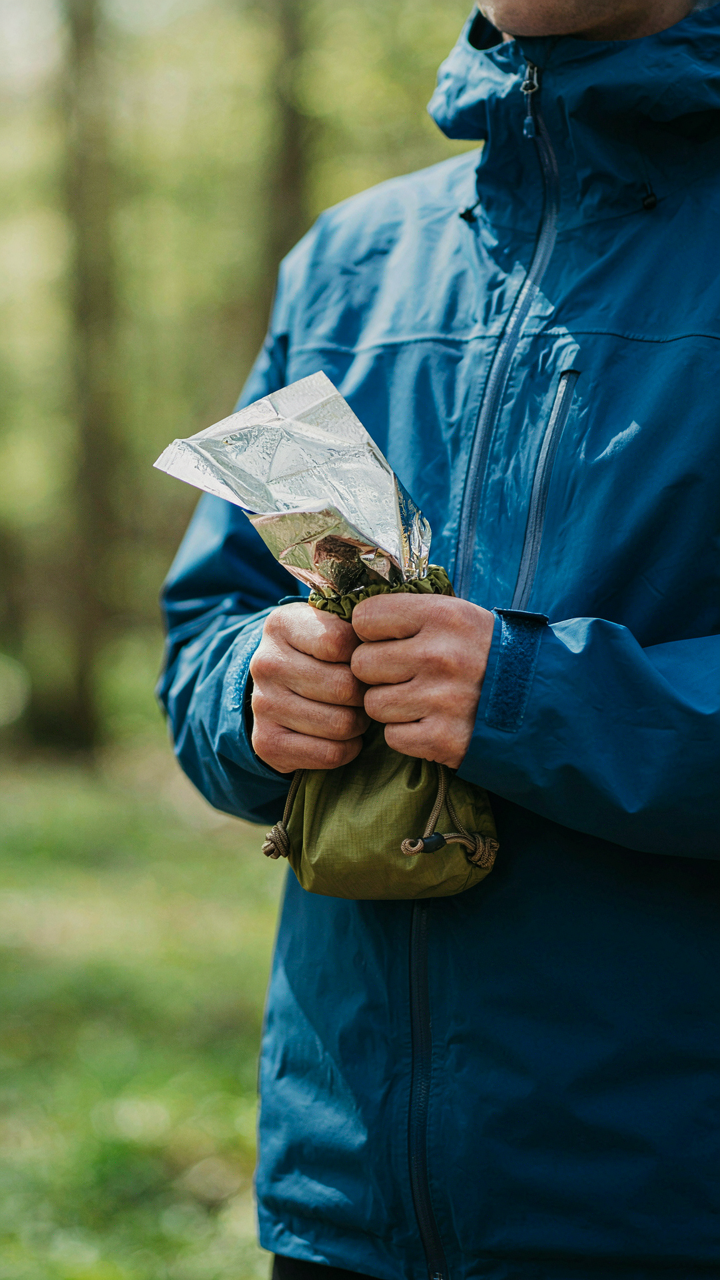
Why A Space Blanket Weighs Less Than Your Fear
You want the insurance policy without admitting you’re scared of being stranded. Here’s the mechanism: a space blanket works through radiant heat reflection, the same principle behind thermal imaging. Your body emits infrared radiation constantly. A space blanket catches that radiation and bounces it back instead of letting it dissipate into air. Five ounces of metallized plastic does what a down jacket cannot in an emergency.
Most hikers skip emergency shelter because they plan to be back by dinner. That planning fails the moment a twisted ankle or navigation error adds three hours to your timeline. A space blanket (or ultralight tarp under 10 ounces) shifts from “nice to have” to essential when temperatures drop and you’re stuck at elevation after dark. Pack it in a stuff sack smaller than a fist. The cost is negligible. The protection against hypothermia is absolute.
Whistle And Reflector: Cut The Signal Noise
Search and rescue operates on signal clarity, not volume. A whistle cuts through wind and distance better than a human voice ever will because it projects a specific frequency. A bright reflective item (or signal mirror if you plan for daytime recovery) works through visibility contrast. SAR teams scan for movement and reflection. Give them both.
Three short blasts is the international distress signal. Memorize it now. Your whistle should be in an easily accessed pocket, not buried in a pack. A small reflective patch sewn onto your pack strap or a metallic signal mirror in a side pocket takes zero space and operates without batteries or sound. In a real emergency, you communicate intent through these tools before anyone hears your voice.
Your Real Obstacle Isn’t The Trail; It’s The Urge To Compensate For Internal Insecurity With External Clutter
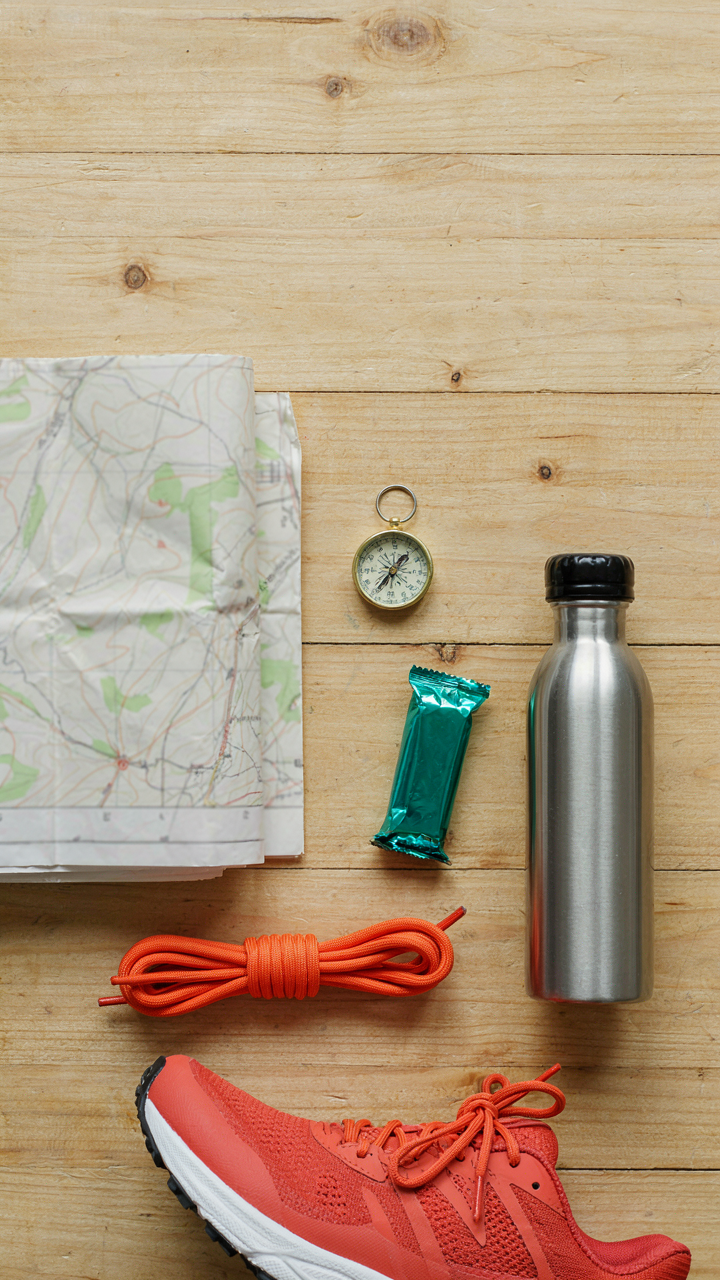
Most hikers pack like they’re preparing for apocalypse. They stuff gear to feel prepared, not because they actually need it. You do the same thing in life. Today, pull everything from your pack. Ask yourself one question for each item: do I use this, or do I carry it to feel safe? Remove three things. Tomorrow, hike with the lightness you’ve been avoiding. The best daypack essentials are the ones you actually use, not the ones that make you look ready.