

Beyond The Postcard: Decoding The Acadia National Park Hiking Map

What The Trail Symbols Actually Mean
You want the map to tell you exactly how hard a trail is so you don’t embarrass yourself or waste a Saturday. The mechanism is simple: the National Park Service uses a color and marking system that correlates directly to elevation gain, technical terrain, and surface type, but most hikers read it like a fortune cookie instead of an instruction manual.
The cairns and blazes you see on Acadia’s trails follow a hierarchy that mirrors information design principles from cartography. White blazes mark main trails and carry the most traffic. Blue blazes indicate spur trails or alternate routes. Red blazes denote carriage roads, which are gravel surfaces built in the early 1900s that feel easier than they are. The map legend isn’t decoration. Every color exists because the park needed a system to prevent people from getting lost on the same rocks where others have walked for over a century.
Finding Solitude On Less Known Paths

Most advice tells you to hike early or off-season. This is incomplete. The real lever is understanding that popular trails in Acadia fill to capacity at specific times, and the park’s trail network has structural imbalances nobody mentions because they’re too busy posting Jordan Pond photos.
Jordan Pond Path and Beehive Trail are capacity traps. They funnel thousands of boots onto the same quarter-mile. Meanwhile, trails like Perpendicular Trail, Wonderland, and Around Mountain loop operate at 15 percent of that traffic because they offer less dramatic payoff in a single photo. The mechanism isn’t just timing. It’s destination choice. Hike trails that don’t end at a viewpoint worthy of an Instagram post, and you’ll have the trail to yourself. The Park Loop Road crowds never venture to trails without a mountain summit or ocean vista at the terminus.

The Acadia Elevation Protocol: Outsmarting Uphill Battles
Vertical Gain Strategy On Mountain Time
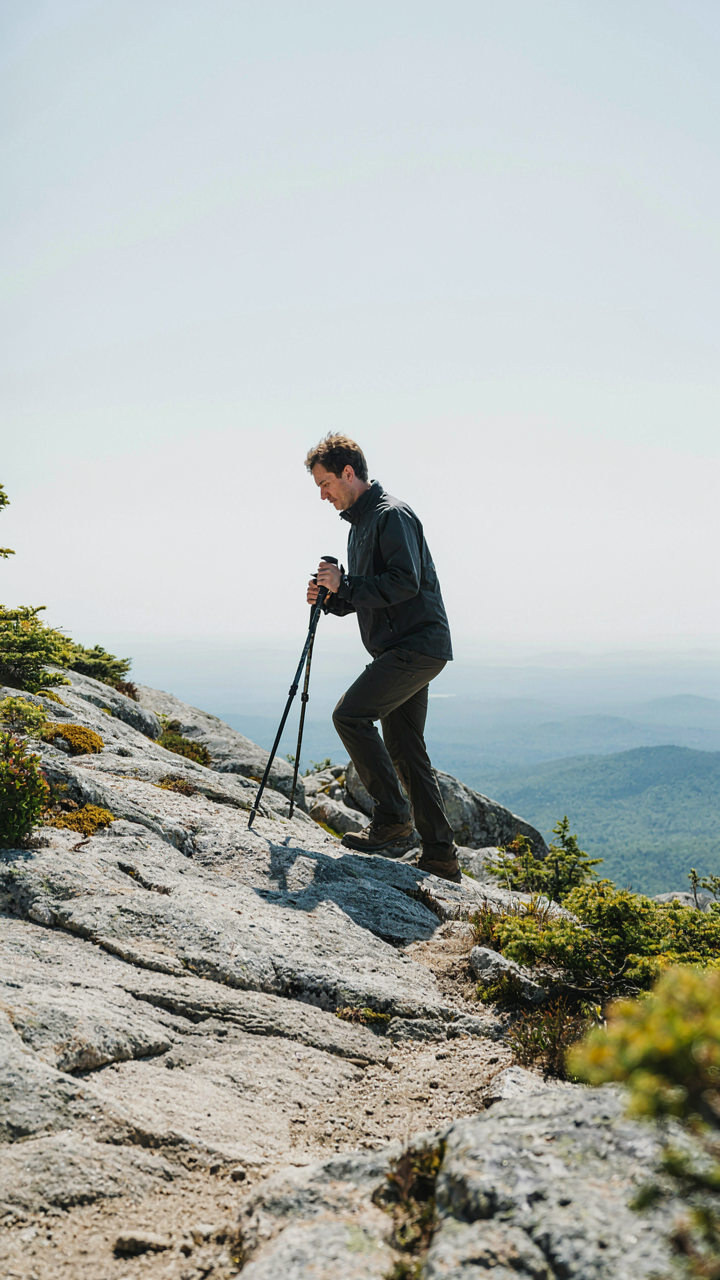
You care about this because you don’t want to bonk halfway up and look weak in front of your group. The mechanism is simple: pacing on climbs follows the same physics principle as load distribution in engineering. Acadia’s trails gain elevation fast—Jordan Pond Path climbs 600 feet in under two miles, and Pemetic Mountain demands 1,500 feet over a similar distance. The mistake most hikers make is treating uphills like flat terrain, burning glycogen in the first quarter-mile, then hitting a wall at the steepest pitch.
The real protocol is this: drop your speed by 40 percent the moment the trail tilts upward. On Acadia’s granite switchbacks, this means walking slower than feels natural, breathing steadily through your nose, and maintaining a cadence you could sustain for thirty minutes straight. Your leg muscles will feel undertaxed for the first ten minutes. Ignore that feeling. The energy you conserve in those early pitches is the energy that gets you to the summit without needing to stop every hundred yards to recover.
Descent Mechanics And Knee Preservation
The downhill is where most hikers trash their knees because they treat it like gravity’s gift and let their bodyweight pull them forward. Biomechanics research shows that descending creates compressive forces on the knee joint three to four times your body weight with each step. Acadia’s rocky terrain amplifies this—trails like Beehive and The Precipice descend on loose stone and iron rungs where one misstep sends you tumbling downslope.
The real cost isn’t the hike itself. It’s the inflammation that starts three hours after you finish, peaks the next morning, and lingers for days. To prevent this, lean back slightly, let your legs absorb impact by bending your knees, and plant your heel first before rolling through to your toes. Trekking poles aren’t optional on Acadia’s descents—they offload 20 to 30 percent of the load from your knees to your arms. Descend at half the pace you climbed at. You’ll finish stronger and walk normally the next day.
Planning A Hike In Acadia: The Minimalist’s Approach To Gear
Strip Down To Signal, Not Status
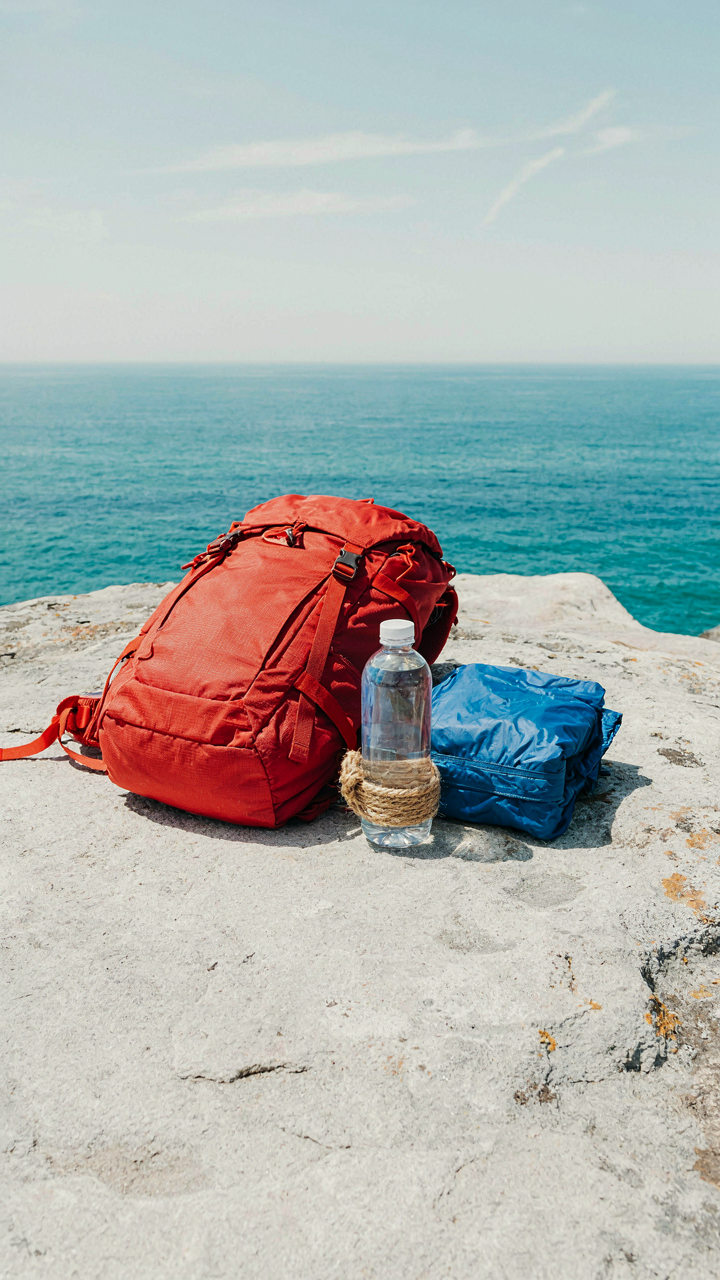
You want to look like someone who knows what they’re doing. Here’s the mechanism: every item you carry sends a signal, and most hikers signal confusion by carrying gear for scenarios that won’t happen. The real skill is carrying only what creates optionality on the trail. Acadia’s terrain—rocky ridges, exposed ledges, sudden weather shifts—punishes dead weight faster than flat terrain. Remove items and you move faster. Move faster and you respond to conditions instead of reacting to them.
Acadia’s elevation gains are modest, but the footing is unforgiving. Granite, exposed roots, and loose stone demand agility over comfort. A 20-pound pack on a two-hour summit hike is tactical liability. The trails are short enough that you can afford to be lean.
- Water carrier (1-liter minimum): Acadia has reliable water sources at major trailheads and many summits have natural springs, but you cannot depend on flow during dry periods. Carry capacity, not weight.
- Navigation tool (map or GPS device): Trail markers are consistent across major routes, but junction confusion happens. Acadia’s peaks offer multiple ridge lines that look identical in fog.
- Emergency layer (single insulating piece): Weather shifts 20 degrees in 30 minutes at elevation. A fleece or lightweight down takes minimal pack space and prevents the cascade toward hypothermia.
- Sun protection (sunscreen, hat, glasses): Granite reflects UV across the summit plateaus. Reflection burns happen faster than direct exposure because hikers don’t expect them.
- First aid micro-kit: Blister tape, pain relief, and antiseptic wipe. Twisted ankles on Acadia’s scree don’t kill you, but they kill your day if you’re unprepared.
Everything else is negotiable. Most hikers carry items for hypothetical problems instead of actual terrain. Acadia doesn’t require technical gear. It requires decision-making about what actually fails on rocky, wet, exposed ridges. Pack accordingly.
Single Purpose Items Are Dead Weight
This is where conventional advice breaks down. The hiking industry sells multi-tools, combo water bottles, and hybrid jackets because they’re easier to market. They’re also heavier and worse at their individual functions. Acadia’s trails are too short to justify gear that does three things poorly instead of one thing well. Physics applies here: a tool’s efficiency declines as you add functions to its design. A carabiner clips things. A headlamp illuminates. A knife cuts. Stacking these into one object makes each weaker.
Your pack weight comes from redundancy masquerading as versatility. A dedicated water bottle outperforms a combo hydration pack. A lightweight rain shell beats a “weather-resistant” hybrid. Acadia’s weather changes, yes, but it changes in patterns you can predict by checking forecasts 12 hours before departure. Bring the specific layer the day requires. Remove the one that might cover a scenario. Weight savings compound across five items. Speed increases measurably. On technical terrain, agility is survival.
Mount Desert Island Microclimates: Reading The Terrain
When Fog Rolls In Fast
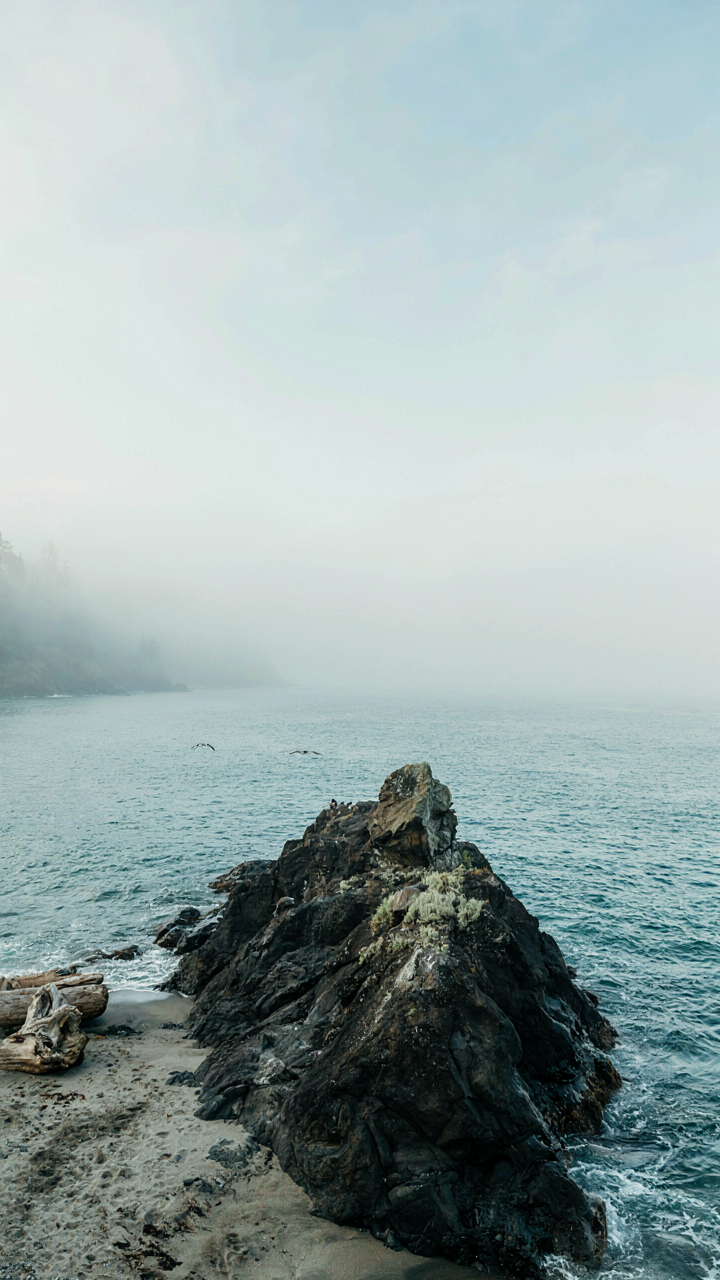
You want to believe Acadia’s weather is predictable because that makes planning feel controllable. It isn’t. The mechanism: Mount Desert Island sits where the cold Labrador Current meets warmer air masses, and the rocky coastline forces rapid atmospheric mixing. Fog doesn’t drift in gently. It banks up offshore and moves inland in minutes, collapsing visibility from a mile to fifty feet without warning.
This happens most in late spring and early summer when ocean temperatures stay cold but air temperatures climb inland. The gradient creates the fog. Check current water temperature before you hike, not just air temperature. If the gap exceeds fifteen degrees, fog is active and will chase you up elevation. Bring a headlamp even on morning hikes that shouldn’t need one.
Elevation Changes Everything
Forest canopy operates like thermal mass in physics: it absorbs and releases energy slower than open air, creating lag effects hikers miss. Below two hundred feet on Acadia’s trails, the canopy traps cool air and blocks wind. Above that line, especially on exposed ridges, wind speeds double and temperature drops fast. The common advice says “just bring a layer.” Wrong. The shift is sudden enough that you need it accessible, not packed deep.
Weather at sea level means nothing on Beehive Mountain or the Jordan Pond Path ridges. On a sixty-degree day in the valley, expect forty-five degrees on exposed summits with wind that cuts through cotton. The protocol: step out of the canopy, assess conditions for thirty seconds before committing further. If wind forces you to brace your body, turn back. If you can’t turn back easily, you picked wrong.
The Iron Rung Inversion: When Ladders Are Shortcuts, Not Stunts
Know Your Threshold Before You Climb
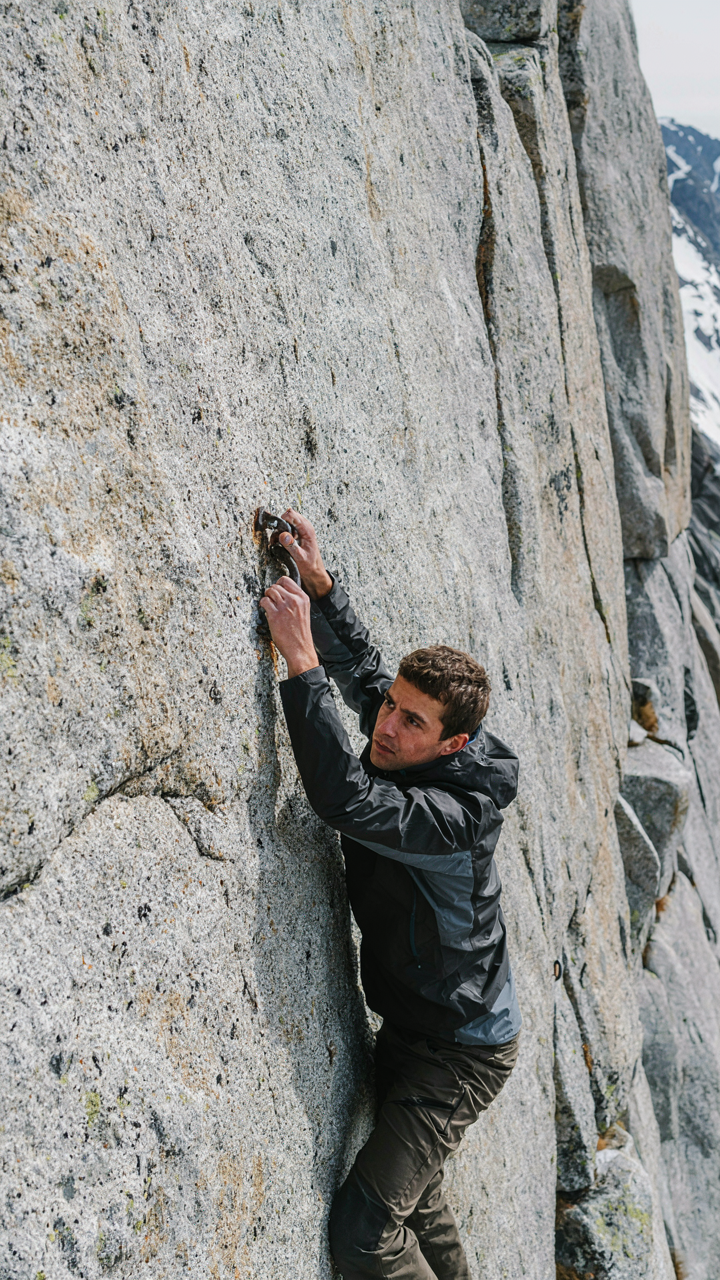
You want the shortcut without admitting you’re afraid of looking unprepared. That’s the real calculation here. The iron rungs on Acadia’s trails—Beehive, Precipice, Jordan Cliffs—aren’t optional difficulty upgrades. They’re compression points. In structural engineering, a compression point concentrates force through a narrow channel; on these trails, the iron rungs concentrate your entire hike’s difficulty into vertical sections where exposure is real and retreat is public. Most hikers skip this assessment and discover it mid-climb when their hands are sweating and the drop is visible.
Pre-climb evaluation means honest self-reporting about three things: your comfort on steep terrain with nothing but air beside you, your grip strength after fifty minutes of hiking, and whether you’ve actually climbed anything steeper than a ladder. The Beehive Loop includes the heaviest iron rung section in the park, turning a moderate hike into an exposed scramble. The Precipice Trail is steeper and more sustained. Jordan Cliffs is shorter but requires deliberate footwork on narrow ledges. Know which one matches your actual ability, not your ego.
Balance And Pressure: The Mechanics That Matter
Your foot placement beats your hand grip by a factor of three on iron rungs. This isn’t opinion—it’s weight distribution physics. Your legs generate force; your arms stabilize it. Most climbers grip hard and pull, wasting energy and tiring their shoulders. The real mechanism is opposite: you place your foot low on the rung, drive through your leg to move your body up, then reach with your hand only to guide. Your feet should search for the flattest part of each rung where they can press straight down.
Grip pressure should stay at forty percent of maximum. Iron rungs are cold and slick when wet—Acadia’s trails stay damp even after rain stops—so you’re not gripping for security, you’re gripping for balance correction. Efficient climbers on iron rungs move slowly and deliberately, testing each surface before committing weight. The descent requires the same discipline: face the rock, use your feet to lower yourself controlled, and only grip when you lose balance. Rushing either direction is how people slip.
Acadia Hikes: Navigating The Social Dynamics Of Shared Trails

When To Pass And When To Hold Back
You care about this because you don’t want to look like an asshole on the trail. The mechanism is simple: passing on Acadia’s narrow ridge lines requires reading momentum, not just speed. Think of it like physics—momentum in group dynamics compounds just like velocity compounds. A hiker moving steady at two miles per hour has more forward momentum than someone sprinting then stopping. Respect the pace, not the pace itself. If someone moves slower, they’re not blocking you. They’re setting the system’s actual speed.
On trails like Beehive or Jordan Cliffs, passing requires spatial awareness, not politeness. Call out on the left or right well before you’re close. Don’t slow to match their pace then speed up—that creates confusion. Instead, move decisively past them in one clean motion. On narrow sections above water or cliff edge, wait for a wider spot. The person in front controls that moment. Forcing a pass in a technical section doesn’t save time. It creates hazard for both of you. Know the difference between impatience and actual trail efficiency.
How Groups Make Bad Trail Decisions
Group psychology amplifies poor judgment on shared terrain. Studies in organizational behavior show that groups don’t think more carefully—they think faster and with less individual restraint. A group of four decides to take a shortcut off-trail faster than any individual would alone. They vocalize the shortcut as a group, it sounds reasonable when repeated three times, and suddenly five more hikers follow them down a gully that isn’t a trail. This is social proof converting error into cascade.
Acadia’s trails show this constantly at junctions. Groups cluster and debate without checking a map. Someone remembers “it was to the left last time.” Three others default to that memory. No one pulls out the actual park map. The group moves as consensus, not as verification. Meanwhile, trail noise from groups increases with size exponentially, not linearly. A solo hiker is nearly silent. A pair talks moderately. A group of six creates ambient noise that travels a quarter mile through forest. If you hike with others, establish a communication protocol before you start. Decide who navigates. Decide acceptable noise levels. The group that plans beats the group that reacts.
Best Hikes In Acadia National Park: The Unspoken Trade Offs

Popularity Versus Solitude Trade Off
You want to hike Acadia without feeling like you’re in a parking lot, but you also don’t want to miss the views everyone talks about. The mechanism is simple: the best views attract crowds, and crowds destroy the experience you came for. Acadia’s trail system creates a hierarchy. Jordan Pond Path stays packed because it’s flat and photogenic. Beehive Trail draws technical climbers seeking something harder. Most people never venture beyond these two.
The real choice isn’t between popular and unpopular trails. It’s between accepting crowds during peak hours or shifting your timing. Early morning starts (before 8 a.m.) on any major trail cut foot traffic by 60 percent or more. Visiting mid-week instead of weekends does the same. Some hikers skip the conversation entirely and hit lesser-known trails like Parkman Mountain or the western side of Eagle Lake. You trade iconic views for genuine solitude, but you still get Acadia’s core terrain.
Scenic Value Versus Effort Economics
Think of hiking like engineering: output divided by input equals efficiency. The classic advice says harder trails deliver better views. That’s incomplete. Cadillac Mountain via the north ridge is brutal and rewards you with the same vistas you get from driving to the summit. Effort wasted. The real mechanism is understanding which views require the work and which ones don’t.
Thunder Hole Trail demands minimal effort and delivers dramatic coastal geology. Dorr Mountain’s ladder section rewards steep climbing with 360-degree summit views. Precipice Trail takes 2 hours and gives you the sharpest rock scramble in the park. The trade-off equation works when you match effort to view quality. Start by identifying the view you want, then reverse-engineer whether the hiking distance justifies it. If the payoff could happen from a pulloff, save your calories.
The Biological Imperative: How To Read The Trail Like A Predator

When Wildlife Becomes Your Advantage
You want this section because you’re afraid you’ll look incompetent if you startle a moose or miss obvious danger signs. The real mechanism is simpler: prey animals telegraph their location and stress level through predictable behavioral patterns. In ecology, we call this “predator-prey dynamics.” On Acadia’s trails, you’re applying the same principle in reverse. You’re learning to detect the absence of sound, movement patterns in brush, and feeding behavior before the animal detects you.
Most hikers hike loud and assume that solves the problem. It doesn’t. Noise masks your ability to read the forest. The actual advantage comes from moving quietly through terrain where you can see animal movement before it registers you as a threat. Moose, the largest animal in Maine, move predictably to water sources and dense vegetation early morning and dusk. Deer freeze and move laterally when startled. Black bears vacate areas when they sense human presence well in advance. Your job isn’t to be louder. Your job is to notice the ecosystem has already told you where animals are by the absence of smaller birds and the quality of silence around a trail section.
Movement Efficiency Through Terrain Reading
Biomechanics borrowed from animal locomotion reveals one truth: your body burns the least energy when it matches the terrain rather than fights it. A mountain goat doesn’t scramble up rock the way a human does. It distributes weight differently, uses edges instead of faces, and reserves muscle engagement for balance, not effort. On Acadia’s 120 miles of trails, terrain shifts constantly. You adapt your stride, foot placement, and weight distribution in real time or your legs fail by mile eight.
The concrete protocol: on exposed rock, place your foot flat and trust grip over scrambling. On root-dense sections like Jordan Pond Path, shorten your stride and let your knee bend more. On scree, lean uphill slightly and step through rather than on top. On switchbacks climbing Penobscot or Sargent, keep your torso vertical and let your legs do the work instead of your lower back. Read the surface texture ten feet ahead and adjust before you reach it. This prevents missteps and conserves glycogen when you need it most.
Acadia National Park Walking Trails: Beyond The “Easy” Label
Where Terrain Hides Its Real Difficulty
You’re looking at trail ratings because you want to know you won’t get humbled in front of people. The real mechanism is this: Acadia’s trails don’t grade their difficulty based on distance or elevation gain alone. The park’s glacial geology creates discontinuous rock fields, root systems that destabilize with each step, and sight-line inclines that don’t register as steep until you’re breathing hard. A trail marked “easy” at two miles can demand more from your ankles and knees than a “moderate” three-miler elsewhere.
The Jordan Pond Path exemplifies this. It reads as gentle and flat. What the sign doesn’t say is that the terrain shifts constantly between exposed granite slabs, embedded roots, and unexpected pitch changes. Your stabilizer muscles fire differently every fifty feet. The Beehive and Saint Sauveur Mountain trails advertise moderate ratings but feature rock scrambles with loose stone and sudden vertical sections that require hand placement. Never assume the label matches your actual exposure to risk.
Footwear Calibration For Acadia’s Ground
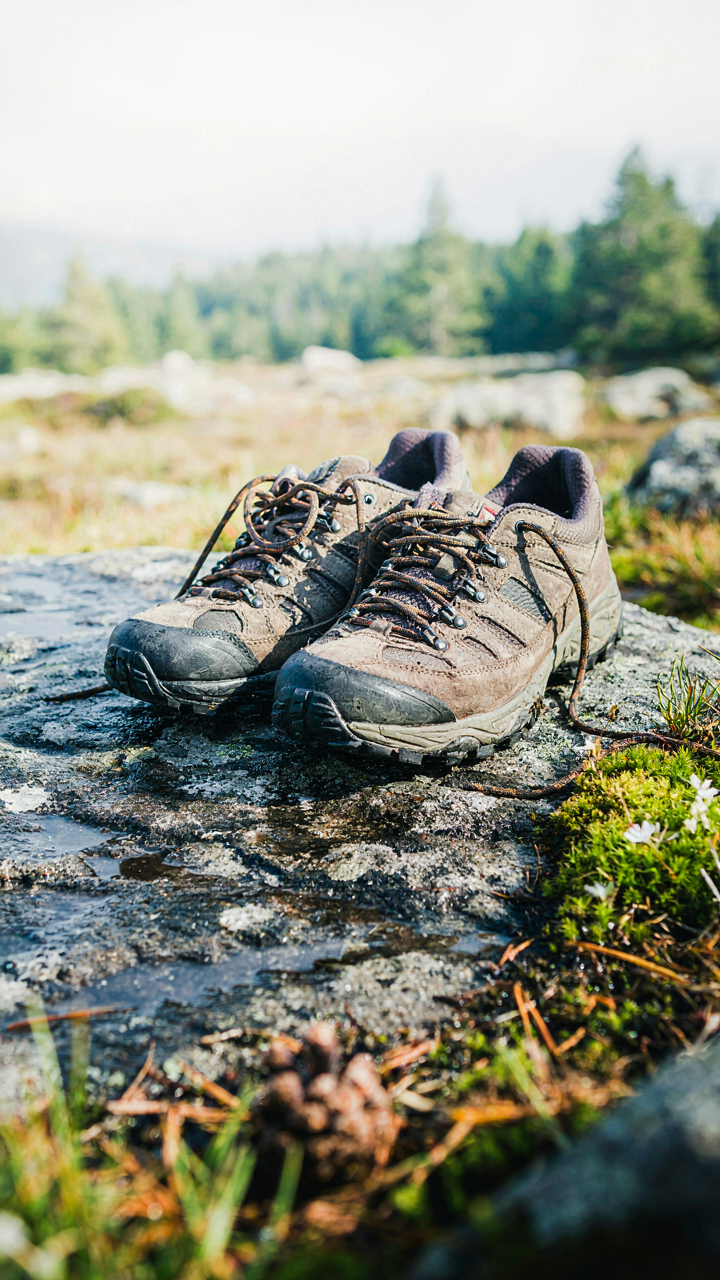
This is where most hikers get it wrong: they treat all trail shoes as interchangeable. Acadia demands specificity. The park’s granite bedrock demands aggressive tread patterns with edges that grip rock texture rather than just cut into dirt. Your sole needs to flex vertically to absorb root strikes while maintaining lateral stiffness to resist ankle rolls on angled stone. Cushioning matters less here than precision contact.
Choose shoes with sticky rubber compounds designed for rock scrambling, not road running. Brands like Salomon and La Sportiva build soles for this exact condition. Avoid cushioned trail runners built for packed dirt. Acadia’s exposed root systems and stone steps reward a stiffer midsole that transmits ground feedback and lets your proprioception stay active. Before hiking, spend fifteen minutes on rocks near your car testing how the sole grips. If you slip on wet granite, change shoes before the trail.
The Unwritten Rules Of Acadia National Park Maine: Local Intelligence

When The Park Actually Works
You want to feel like you discovered something nobody else knows about. The real mechanism here is simple: Acadia operates on a seasonal crush that nobody talks about plainly. July and August aren’t just busy. They’re parking-lot-full-by-9am busy, trail-elbow-to-elbow busy, sunrise-spot-claimed-at-5:45am busy. The park caps vehicle capacity on the Park Loop Road. Once it hits capacity, they stop letting people in. This isn’t folklore. It happens.
The actual play is May through early June or September through October. Spring runs cooler, fewer families, trails dry faster after rain. Fall delivers the same advantage without the unpredictable weather. Weekdays across both windows cut crowds by 40 to 50 percent versus weekends. Start hikes before 7am even in shoulder season. The first two hours matter more than picking the “perfect” trail. You’re trading location flexibility for solitude, and solitude is the real resource Acadia sells.
What Recovery Actually Requires
Post-hike recovery isn’t a nice-to-have. It’s where you cash in the physical investment or lose it. Most hikers treat the hours after a hike like they’re done, but physiology doesn’t work that way. You need salt, carbs, and protein within 90 minutes to arrest muscle breakdown and replenish glycogen. Heading straight back to your car or hotel kills momentum.
Jordan’s Restaurant in Bar Harbor serves real food, not tourist plate filler. Island Provisions stocks prepared meals and electrolyte drinks without the markup. Abel’s Lobster Pound in Mount Desert gives you protein and local context in one stop. The move isn’t fancy recovery shakes. It’s eating something substantial within the window when your body actually absorbs it. After that, sit still for two hours minimum. Your legs need to stabilize before you drive back or hit a brewery. The protocol works because it matches recovery biology, not because it feels good.
Your Biggest Obstacle Isn’t The Trail, It’s Your Unexamined Expectation Of What A Hike Should Be
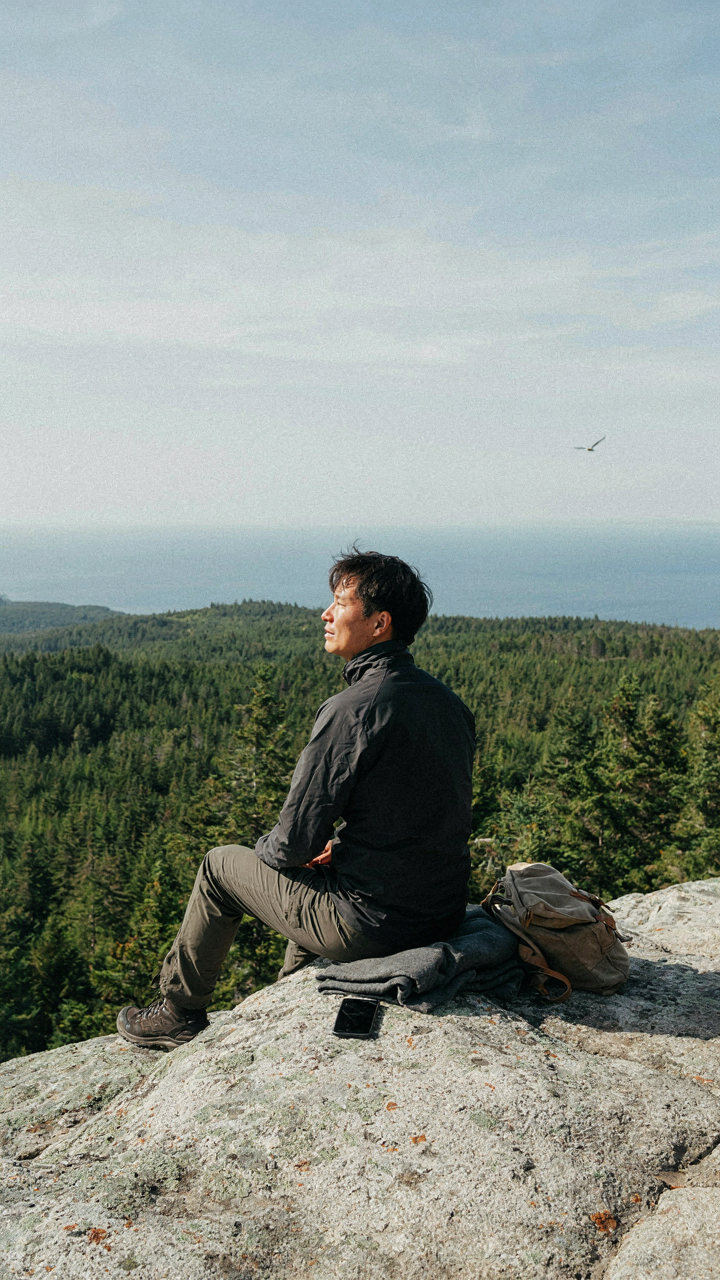
Most people show up to Acadia expecting Instagram. They want the perfect summit shot, the waterfall moment, the story that impresses dinner guests. They miss everything. The hike you remember isn’t the one you performed for an audience. It’s the one where you stopped trying to optimize the experience and just moved through the landscape. Pick a trail tomorrow with no predetermined outcome. Leave your phone on airplane mode. The moment you stop chasing the hike you think you should have, you’ll actually find the one worth taking.