

The Unseen Enemy: Why Most Cold Hiking Outfits Fail

Sweat: The Silent Killer
You think staying dry means staying warm. That’s the delusion that kills the hike. Sweat is the mechanism: your body generates heat during exertion, moisture accumulates in your base layer, then wind or altitude exposure turns that moisture into rapid heat loss. The layer touching your skin becomes a heat drain instead of a heat trap.
Most women’s hiking guides tell you to “avoid cotton” and call it solved. They miss the real problem: even synthetic base layers fail when you’re moving hard uphill in cold air. Your body doesn’t care what fabric you wear if the system allows moisture to pool instead of transfer. You need a base layer that wicks moisture away from skin faster than your body can produce it, or you descend into hypothermia while sweating.
Convection And Conduction Explained

Physics calls this heat transfer, and high altitude hiking outfits experience both simultaneously. Conduction is direct contact: your skin touching a cold rock or wet fabric pulls warmth away. Convection is movement: wind strips heat from exposed skin or from the outer layer of trapped air around your body. Most advice isolates these problems. They don’t.
The real mechanism is that conduction and convection work together to defeat poor layering. A tight mid-layer that doesn’t breathe traps warm air but allows moisture to condense inside, creating a cold, wet environment against your skin. Wind then strips that warm layer away through your outer shell if your jacket doesn’t block it properly. Your outfit fails not because individual pieces are wrong, but because they don’t create a system that manages both mechanisms at once. Each layer must either move moisture out, trap still air, or block wind. Pick the wrong combination and altitude becomes irrelevant.

The Base Layer Mandate: No Cotton, Ever
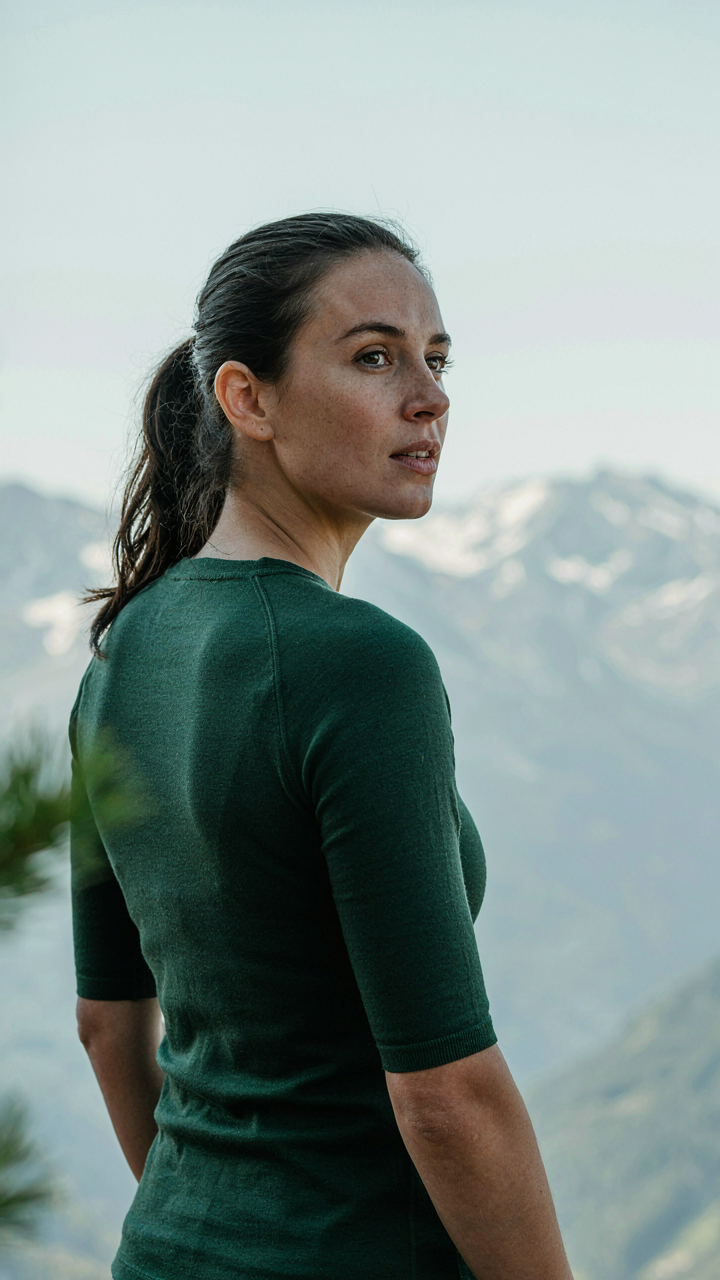
Merino Versus Synthetics: Performance Metrics
You want the “right” choice because picking wrong means either freezing or overheating at 12,000 feet where you can’t just duck into a store. Here’s what actually matters: merino wool and synthetic fibers work through different mechanisms, and altitude exposure reveals which one fails first. Merino retains insulation value when wet. Synthetics dry faster but lose all thermal benefit once saturated. At high altitude, you’re generating sweat from exertion in cold air. The fiber that handles that transition fastest without leaving you vulnerable wins.
Merino wool manages moisture through absorption into the fiber itself, creating dead air space that traps heat even when damp. Synthetic materials like polyester and nylon shed moisture to the surface for evaporation, which means they work only as long as air movement exists. Above 10,000 feet, temperature swings are violent. A synthetic base layer performs in active conditions but fails during rest stops when evaporative cooling becomes hypothermia. Merino costs more upfront and requires proper care to avoid felting, but it’s the only base layer that protects you across all conditions at altitude.
The Moisture Wicking Mechanic: How It Operates
This term gets thrown around without explanation, so you end up buying the wrong fabric. Wicking is a physics problem, not a marketing claim. Capillary action moves liquid from high concentration to low concentration through fiber structure. Merino fibers have a scaly exterior that allows moisture to enter the fiber while the hydrophobic core pushes moisture outward to the surface. Synthetics use a different path: the fiber itself is hydrophobic, so moisture travels along the outside of fibers rather than through them. One mechanism keeps you warm when wet. The other just moves sweat away faster.
At altitude, the air is too thin and too cold for simple evaporative cooling to work in your favor. Your sweat moves away from skin through the base layer, but it doesn’t evaporate quickly enough to prevent chilling, especially during breaks. Merino’s absorption phase buys you time by holding moisture in a way that doesn’t drain body heat. Synthetics accelerate moisture movement but leave skin exposed to temperature loss. Choose your base layer by testing it during active exertion followed by 15 minutes of standing still. The fabric that doesn’t make you shiver during the rest wins.
Mid Layers: The Salkantay Trek Outfit Insulation Strategy

Fleece Types And Their Thermal Ratings
You want the mid-layer to do the work so you can feel competent without overthinking it. Here’s the actual mechanism: fleece works through air trapping, not heat generation. The fiber structure creates dead air pockets that resist convection. Weight and pile density determine R-value, which measures insulation resistance. A 200-weight fleece (around 5.5 R-value) handles cool descents. A 300-weight fleece (around 7.5 R-value) works for sustained cold. Women’s cuts differ from men’s in torso length and shoulder width, not insulation capacity.
The mistake people make is assuming thicker always means better. It doesn’t. Thicker fleece adds bulk and weight without proportional warmth gains at high altitude where wind shear matters more than static insulation. Microfiber fleece dries faster than traditional fleece and compresses easier into a pack. Polartec and similar synthetic blends hold their structure through repeated compression, which matters on multi-day treks like Salkantay where you pack and unpack daily. Choose based on your baseline body temperature and expected wind exposure, not brand reputation.
Puffies: Down Versus Synthetic Fills
Down insulation relies on loft, which is the vertical space the material occupies. Higher loft means more air trapped, which means more warmth. Down has superior loft-to-weight ratio but fails when wet because water collapses the clusters. Synthetic fills (polyester-based) retain insulation when damp but weigh more for equivalent warmth. On Salkantay, humidity and afternoon rain are normal. Synthetic makes sense unless you can guarantee dry storage.
A 650-fill down puffer weighs less and compresses smaller than a synthetic equivalent. But one unexpected soak kills its effectiveness until it dries completely, which takes hours in mountain air. Synthetic puffers from brands using continuous filament construction maintain around 70 percent of their warmth when damp. The trade is weight and pack volume for reliability. If your route has reliable shelter and you’re meticulous about pack management, down wins. If you’re hiking through variable conditions with limited control, synthetic is the rational choice.
The Shell Game: Outer Layers For Womens Hiking Outfits
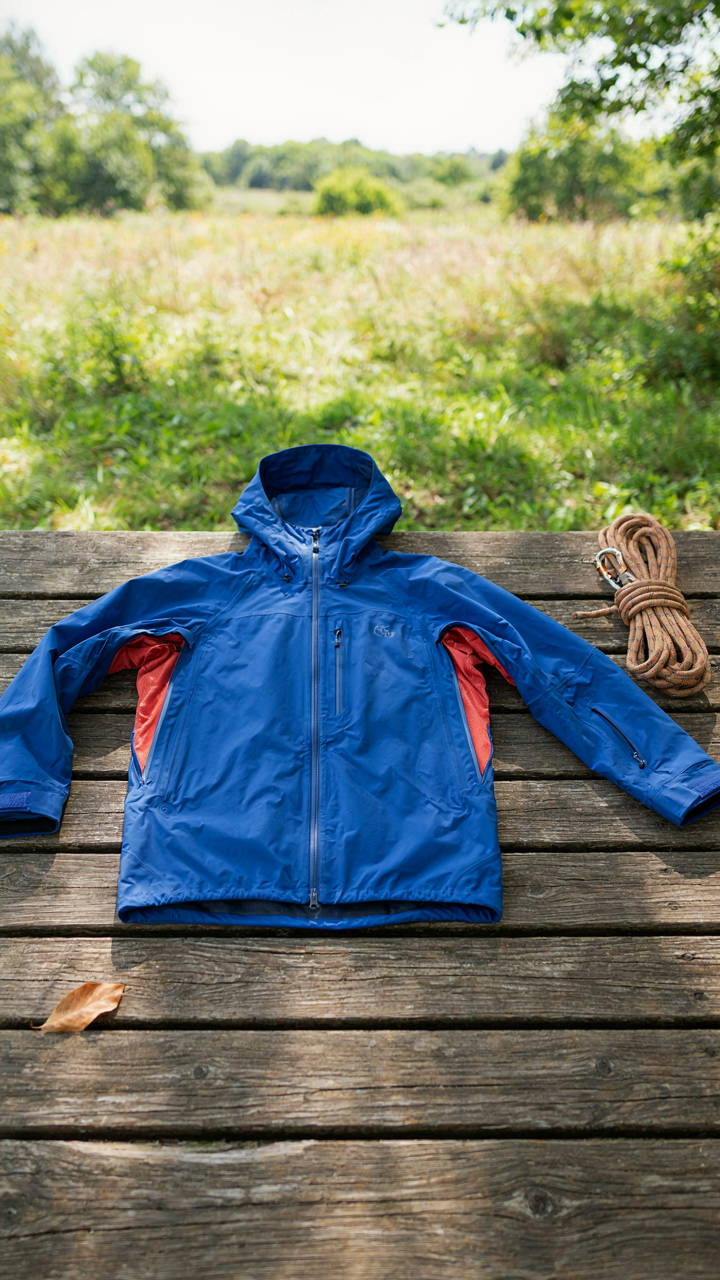
Hardshell Versus Softshell: Pick The Right Weapon
You’re buying a shell because you want to look like you know what you’re doing on a mountain. Here’s what actually matters: hardshells and softshells solve different problems, and most people choose wrong. Hardshell jackets use rigid, laminated membranes like Gore-Tex to block wind and rain completely. Softshells use stretchy, breathable fabrics that shed water but allow some moisture through. At altitude, this distinction changes your survival math. Hardshells excel in sustained rain and extreme wind. Softshells excel in variable conditions where you move between effort and rest.
The real mechanism: hardshells trap heat when you’re working hard because they don’t breathe enough. You sweat, that moisture condenses on the inner surface, and you get soaked from the inside. Softshells let vapor escape faster, keeping you dry during the climb. The trade off is softshells fail during extended downpours. Women’s cuts on both types tend to taper at the waist and give more room through the shoulders than men’s versions, which matters if you’re buying your actual size instead of sizing up. Pick hardshell for predictable bad weather. Pick softshell for the approach and descent.
Ventilation Zippers: The Thermostat You Actually Control
Pit zips and full-length side zippers aren’t style details. Thermodynamics explains why they matter: your core generates heat during exertion, and that heat needs an escape route or it builds toward hyperthermia. This is basic human physiology. A jacket with underarm vents or full side zippers lets you dump heat fast without removing the layer entirely, which means you stay protected while working hard. Most women’s hiking jackets skip pit zips to preserve aesthetics. That’s a design failure, not a feature.
Full-length side zippers from armpit to hip work better than pit zips alone because they create a wide thermal exit. Open them during climbs, close them during descents or when wind picks up. This single mechanism controls your internal temperature more precisely than any insulation choice below. Test the zippers before buying: they should move smoothly even when damp, and the slider should be large enough to grip with a gloved hand. Your shell’s ventilation system matters more than its waterproof rating at altitude.
Lower Body Logic: Trekking Outfits For Women Pants

Convertible Vs. Dedicated Hiking Pants
You’re hoping one piece of gear solves multiple trips so you don’t waste money. The mechanism is simple: convertible pants trade off specialization for versatility, and at altitude that trade-off costs you performance. Convertible pants have zip-off legs that convert to shorts. They’re heavier, the zips fail in cold, and the remaining inseam rides wrong when you’re layering thermal leggings underneath. Dedicated hiking pants cut weight and eliminate failure points.
At altitude, your legs need consistent insulation without gaps where wind finds skin. A dedicated pant sits flush over your base layer and lets you add or remove an insulating mid-layer without excess fabric bunching at the ankle. Convertibles force you to choose: keep the legs on and overheat on the ascent, or remove them and lose protection when you stop. Pick one tool for one job. Women’s hiking pants designed for alpine work have a higher rise, narrower thigh taper, and ankle gaiters loops that dedicated convertibles lack. That specificity matters at 12,000 feet.
Base Layer Options For Legs
The common advice says wear cotton or merino, then move on. That misses the actual driver: at altitude your legs sweat less than your core, but they still dump moisture, and cotton holds that moisture against your skin while you’re stationary between pitches. Merino wool absorbs 30 percent of its weight in moisture without feeling wet, which is the core advantage. Synthetic base layers like polyester or polypropylene wick faster but don’t regulate temperature the way merino does when you’re moving between sun and shade above tree line.
Merino base layers for legs cost more upfront but outlast synthetics by several seasons and don’t develop odor, which matters on multi-day treks where resupply and washing aren’t options. At altitude, your body prioritizes core warmth, so your legs cool faster. A merino layer underneath your dedicated hiking pant gives you a single, reliable system: if you’re cold, the layer traps heat; if you’re moving hard and sweating, merino dries against your skin instead of chilling you. Buy one quality merino base layer and test it on a 4-hour hike before committing it to an expedition. That single trial run prevents hypothermia.
The Extremities Protocol: Hands, Head, And Feet
Glove Layering For Dexterity And Warmth
You want gloves that look competent without admitting you’re terrified of losing finger sensation. The real mechanism here borrows from material science: you’re not insulating against cold, you’re blocking wind convection while managing moisture vapor. Most women skip proper layering and buy one thick glove, which destroys dexterity and traps sweat. The protocol is simple: thin merino wool liner glove plus a windproof shell with synthetic insulation. You swap the shell off when you need to adjust gear or use your phone.
Liner gloves handle moisture management and tactile feedback. Merino wool stays functional when wet, unlike cotton. The shell glove needs a grippy palm and a wrist closure tight enough to seal against your jacket cuff. Test glove fit over your actual base layer at home before the hike, not at altitude. Your hands shrink slightly at elevation, and loose gloves create dead air pockets that actually cool you down faster than protect you.
Hat And Buff Choices For Heat Regulation
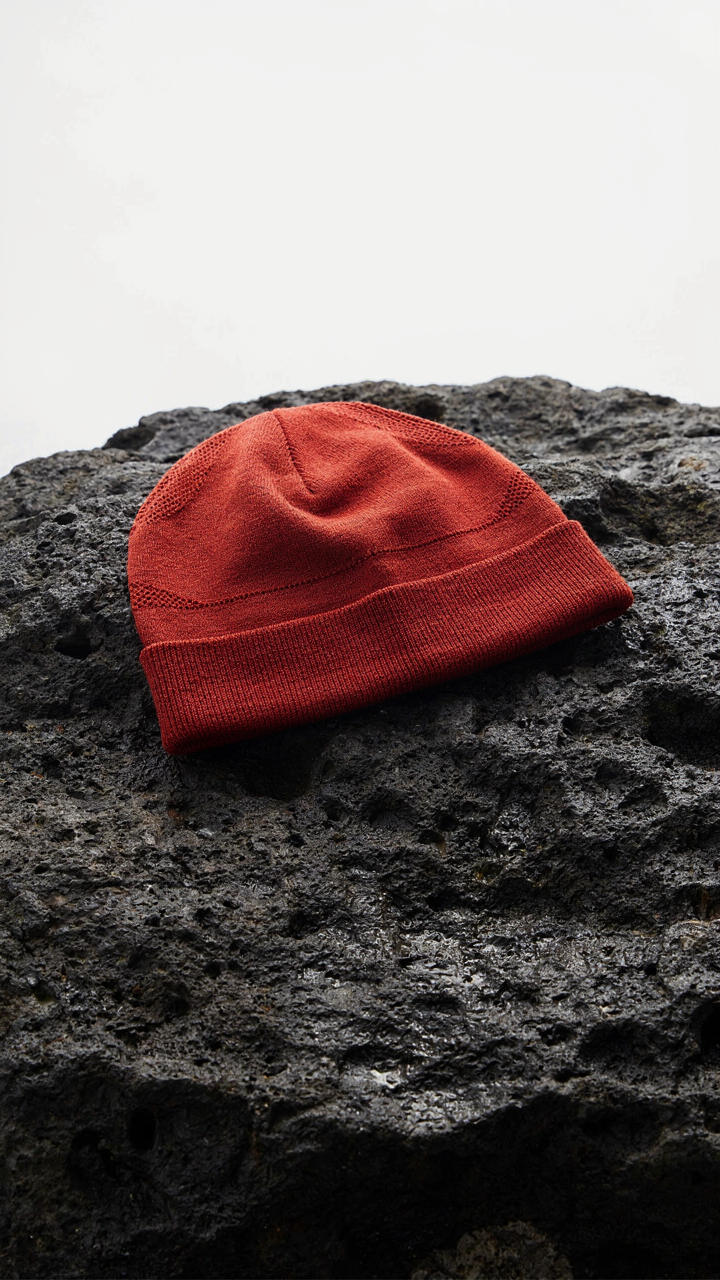
The common advice is wrong: a winter beanie at altitude makes you dumber and slower. Your body regulates core temperature partly through the scalp and face. Cover those areas completely and you overheat during the climb, then freeze during stops. The real strategy uses signal theory from thermoregulation: you need a hat that you can remove or uncover fast, plus a separate face layer you control independently. A lightweight merino wool beanie with ventilation panels beats a dense insulated hat every time.
Use a buff as a modular tool, not decoration. On the climb, wear it around your neck or stuffed in your pack. At altitude or during stops, pull it up as a neck gaiter and lower face mask. This setup prevents chafing where your base layer meets exposed skin and lets you adjust coverage in seconds as your exertion level changes. Your head is the fastest heat escape route on the mountain, and you need to control it precisely.
Footwear: Your Single Point Of Failure (High Altitude Hiking Outfit Women)

Boot Insulation And Waterproofing
You’re reading this because you don’t want to turn back at 12,000 feet with numb feet, and you’re hoping some gear choice will solve that. It won’t. But understanding heat loss physics will. Your foot loses warmth through conduction (direct contact with cold ground), convection (air moving through gaps), radiation (your body heat escaping into the void), and evaporation (moisture turning to vapor). Altitude amplifies all four. A boot’s insulation rating means nothing if water breaches the shell first.
Waterproofing fails before insulation does. Gore-Tex and similar membranes stop liquid water but allow vapor transfer, which means your sweat escapes while external moisture stays out. This matters because wet insulation loses 80 to 90 percent of its thermal value. At altitude, a wet insulated boot becomes a cold trap. The real mechanism: you need a boot that prioritizes the waterproof barrier over insulation thickness, then layer your socks to add warmth independently. Thick insulation plugs the system when moisture gets inside. A boot rated for minus 20 Fahrenheit with a compromised waterproof layer performs worse than a minus 10 boot that stays dry.
Sock Layering Strategy
You need a system, not one magic sock. The first layer traps and wicks moisture away from skin. Merino wool or synthetic blend socks accomplish this because they pull sweat sideways into the material instead of letting it pool. The second layer provides cushioning and additional insulation while maintaining airflow. Most hikers skip this step and wonder why their feet go numb despite expensive boots. Cotton is not an option at altitude, ever. It absorbs moisture and holds it against your skin, creating a heat sink your body can’t overcome.
- Liner sock (merino wool blend): Sits directly on skin, 100 to 150 weight, wicks moisture continuously and prevents blister formation by reducing friction.
- Midweight sock (merino or synthetic): Adds thermal buffer and cushioning, 200 to 400 weight, worn over the liner for insulation without compression.
- Gaiters above the sock line: Seal the boot-to-pant junction so cold air and debris don’t enter from above, extending the effective insulation zone upward.
- Boot fit with layered socks: Wear both sock layers when fitting boots to avoid buying a size that’s too tight, which cuts off circulation and defeats insulation.
- Change socks if wet: Carry a spare pair and swap them at camp or during a long summit push, treating dry socks like a performance tool, not a luxury.**
Compression and circulation matter more than total insulation count. A boot that fits perfectly with two layers allows blood flow to reach your toes. A tight boot with three layers cuts off circulation and your feet freeze regardless of the sock weight. Start each day with dry socks. Replace them the moment you feel moisture, not at the end of the day. Moisture accumulation is irreversible above 10,000 feet. Once your sock is damp, your foot temperature drops and doesn’t recover until you’re down where your body can generate enough heat to overcome the moisture penalty.
The “Cool Hiking Outfits Women” Fallacy: Prioritizing Function
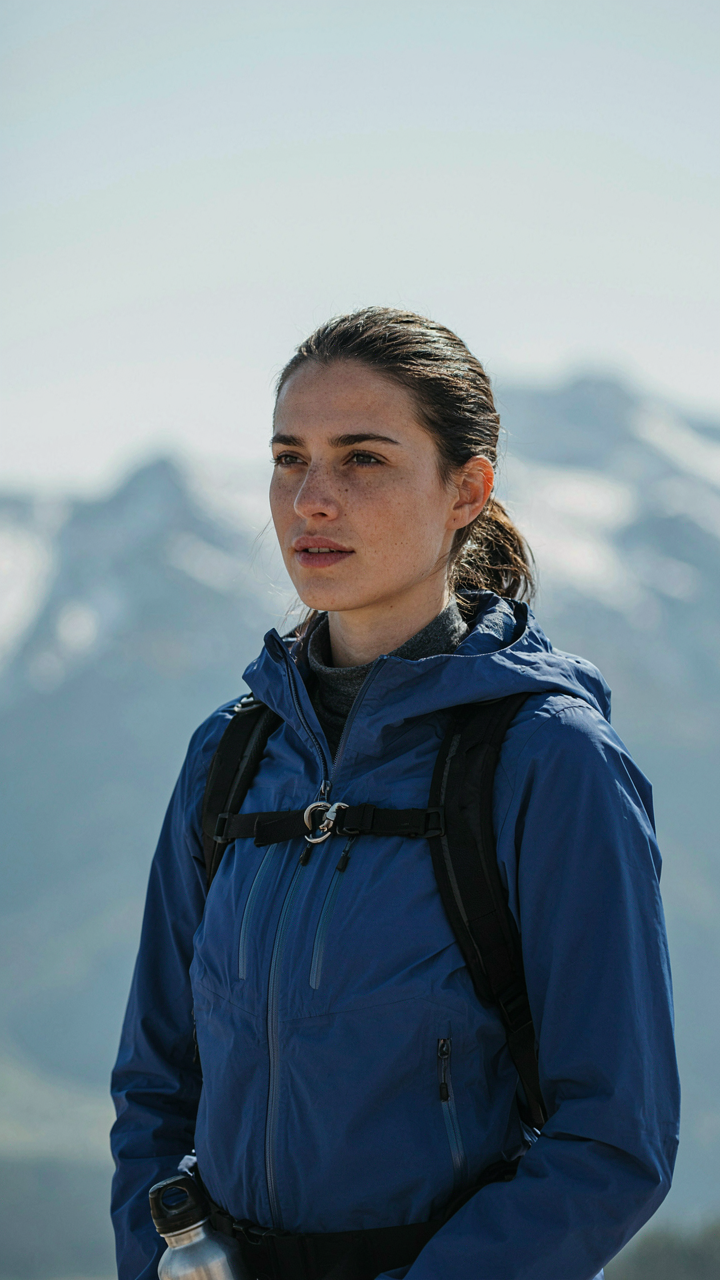
Fashion Versus Survival The Real Stakes
You want your outfit to look intentional at trailhead photos. That’s the real reason you’re reading this section. Here’s the mechanism: at altitude, your clothing system performs load-bearing work. Think of it in terms of engineering—each layer carries a specific structural load. A cute jacket that doesn’t vent moisture doesn’t fail gracefully. It fails by trapping sweat against your skin, dropping your core temperature, and creating hypothermia conditions while you’re still exerting energy uphill.
The gap between “cute” and “functional” at altitude isn’t aesthetic. It’s physiological. Cotton holds moisture. Synthetic blends that prioritize stretch and movement often sacrifice breathability. Gear chosen for Instagram compatibility frequently lacks the seam reinforcement needed for technical terrain or the fabric weight to handle wind chill. Women’s specific cuts sometimes compromise on pocket placement or adjustment points to maintain a sleeker silhouette. At 12,000 feet, your outfit isn’t a statement. It’s a life support system.
Durability And Repairability Over Trends
Most advice on women’s hiking gear suggests rotating seasonal collections or following color palettes. That’s backwards. Buy pieces that survive five years of repeated use and can be patched in the field. Military logistics teaches us the principle of redundancy with repair capability: gear fails, but systems that can be repaired quickly prevent cascading failures.
A heavy synthetic shell with reinforced seams costs more than a trendy lightweight jacket, but it resists abrasion from rock contact and rough pack straps. Gusseted underarm panels develop small tears over time—they’re repairable with needle and thread. Jackets with taped seams hold longer than those without. Women’s gear manufacturers sometimes use thinner fabrics in smaller sizes to reduce cost. Push back on that. Buy from brands with verifiable repair services or choose materials you can patch yourself using repair tape and basic stitching.
The Microclimate Control System
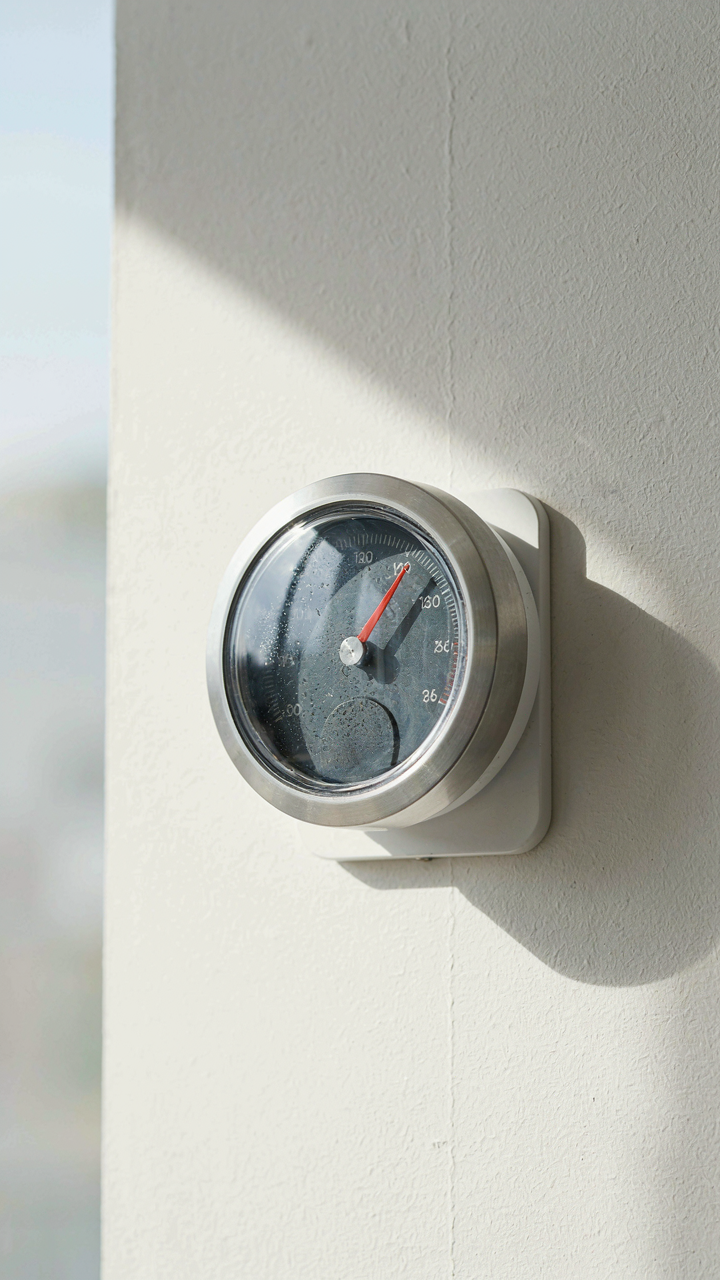
Your Clothing Reads Your Body Like Instruments
You want to believe gear choice is about looking competent at altitude. It’s not. Your body generates heat and sheds moisture constantly. Clothing works as a feedback system, the same way a thermostat responds to temperature changes. Each layer measures and reacts to your output. The goal isn’t to stay warm. It’s to regulate the gap between your skin and the air around you so your body doesn’t waste energy fighting itself.
Most women’s high altitude kits treat layering like a static formula: base, insulation, shell. That’s lazy thinking. What matters is permeability and timing. A merino wool base absorbs sweat without holding it. A synthetic mid-layer wicks faster but dries slower. A hardshell blocks wind but traps vapor if you don’t vent it. You choose layers based on what your body is doing right now, not what the mountain might do later.
Movement Demands Constant Adjustment
Common advice tells you to “dress for conditions.” Conditions don’t matter. Your exertion rate matters. A woman climbing at 14,000 feet generates significant heat from effort. Ten minutes later, standing at a summit eating lunch, she’s losing that heat fast with no engine running. The same outfit becomes a liability. Altitude amplifies this problem because your body can’t regulate temperature as efficiently when oxygen is scarce.
The mechanism is simple: strip layers before you sweat, add them the moment you stop moving. Don’t wait for the cold to hit. Anticipate the shift. Carry a pack system that lets you access mid and outer layers without removing your backpack. Zip vents on your jacket, not just sleeves. Your base layer should have roll-up sleeves, not integrated gloves. The women who move efficiently at altitude aren’t reacting to conditions; they’re staying one decision ahead.
Packing Smart: Cold Weather Outfits Hiking Efficiency
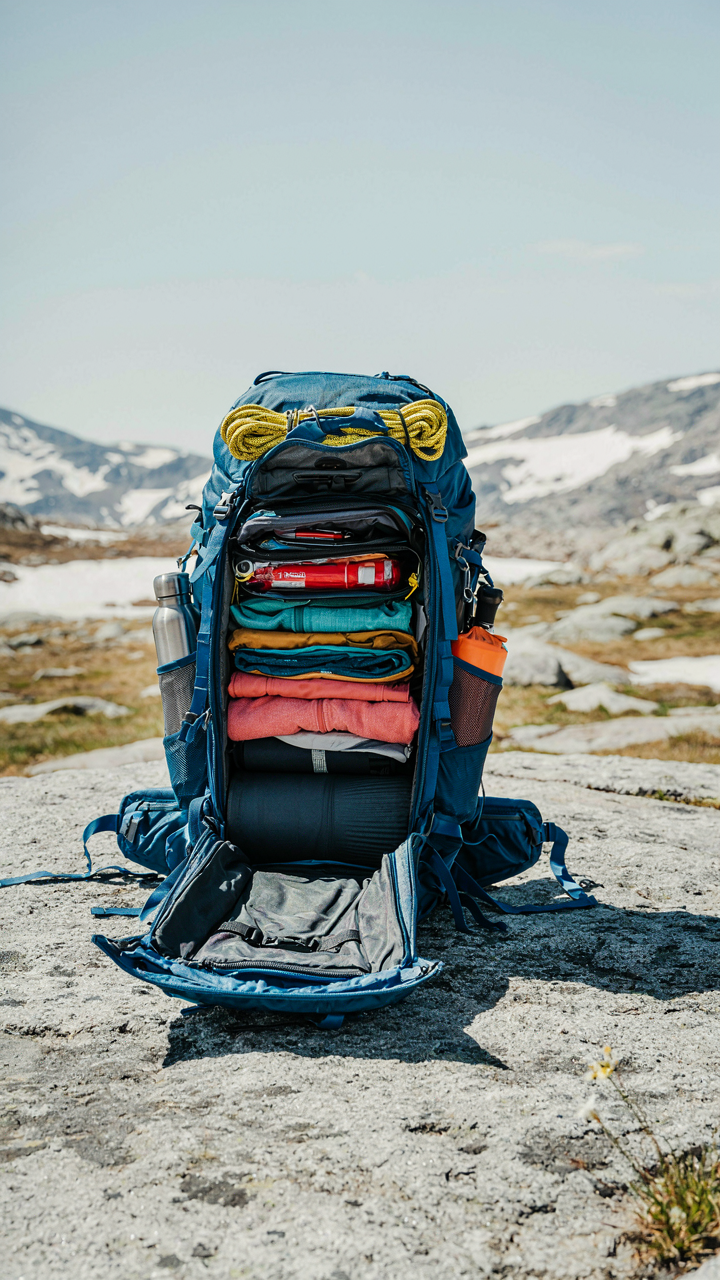
Fewer Pieces, Better Decisions
You want to feel prepared without hauling dead weight up a mountain. The real mechanism is constraint. Most hikers pack redundancy because they haven’t tested what actually works in cold. You eliminate options by owning pieces that layer predictably and serve multiple purposes. A merino wool base layer doesn’t just warm you—it manages moisture without stinking after days of use. Your insulating mid layer stays functional whether you’re moving hard or stationary. Your shell protects against wind and precipitation without adding bulk. That’s the stack. Everything else is negotiable based on elevation, duration, and your personal cold tolerance.
The minimalist approach forces you to know your gear before the hike. You test each piece at home, in cold, over distance. You discover that your synthetic puffy compresses smaller than down at 18,000 feet where humidity is irrelevant. You learn whether you actually need a second base layer or if one works with strategic layering timing. You stop buying gear because Instagram shows it—you buy because the piece solves a specific problem you’ve already encountered. Your pack weight drops. Your decision-making on the trail becomes automatic. You spend mental energy on navigation and pace, not on whether you should add a third insulating layer.
Compression And Organization Matter
Stuff sacks aren’t optional—they’re organizational architecture. By grouping like items (all insulation together, all water management together), you know exactly what to access without unpacking your entire bag at 14,000 feet. Compression bags reduce air pockets, but they require discipline. You compress only items you won’t need mid-hike, like your sleep system or backup gloves. Your active layers stay accessible in the main compartment because fumbling with compression straps when you’re cold and tired leads to poor decisions that cost time and warmth.
The strategy mirrors inventory management from logistics: density and accessibility. Heavier items pack low in your bag to preserve center of gravity. Mid-weight pieces (puffy, mid-layer) go in the middle where you can reach them without full unpacking. Your shell and hat stay on top or in side pockets. This isn’t aesthetic—it’s physics. A well-organized pack reduces fumbling time by 60 percent on cold stops, which means less heat loss and faster descent decisions. Test your compression and access strategy on a day hike before committing it to an overnight at altitude.
Stop Chasing Gear Lists. Master The Core Principles, Or Shiver Your Way To An Expensive Lesson
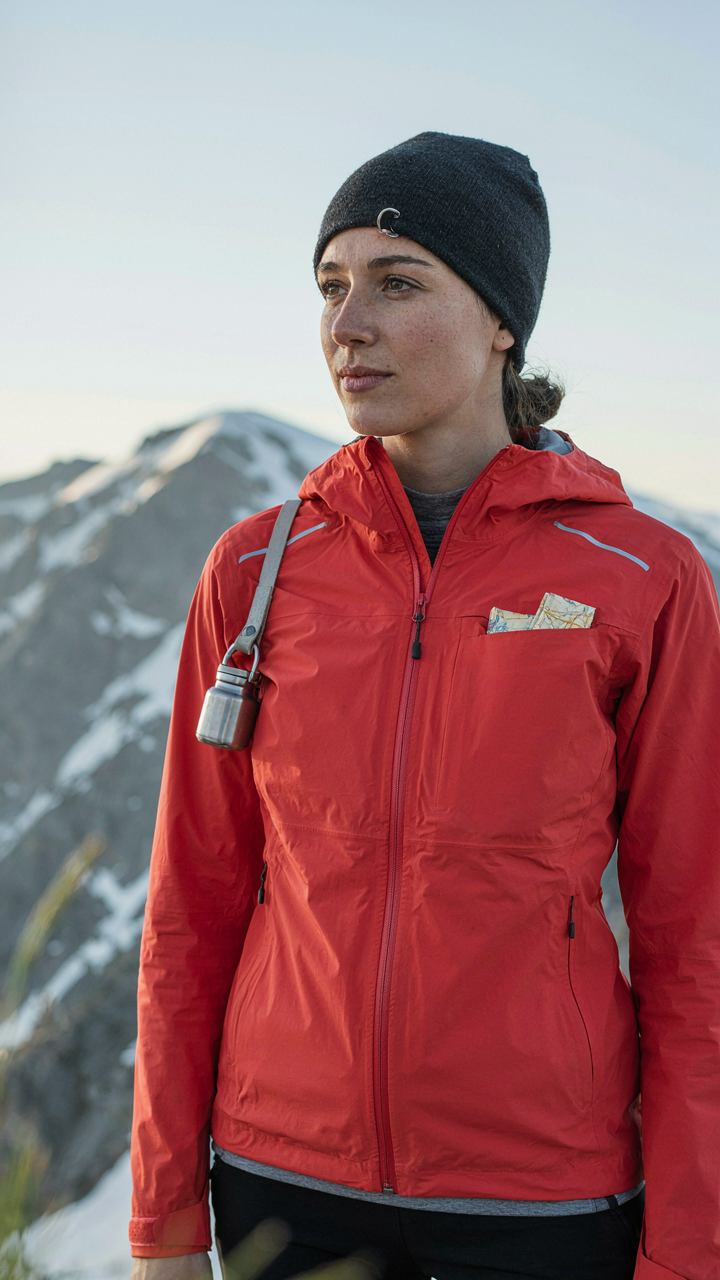
Most women buy the wrong gear because they treat altitude hiking like a checklist instead of a system. You don’t need fifteen jacket brands. You need to understand layering, moisture management, and how your body fails in cold thin air. Pick one trusted base layer today. Wear it on a local hike. Feel how it moves sweat. Everything else flows from that single decision. Gear doesn’t keep you warm. Understanding does.