
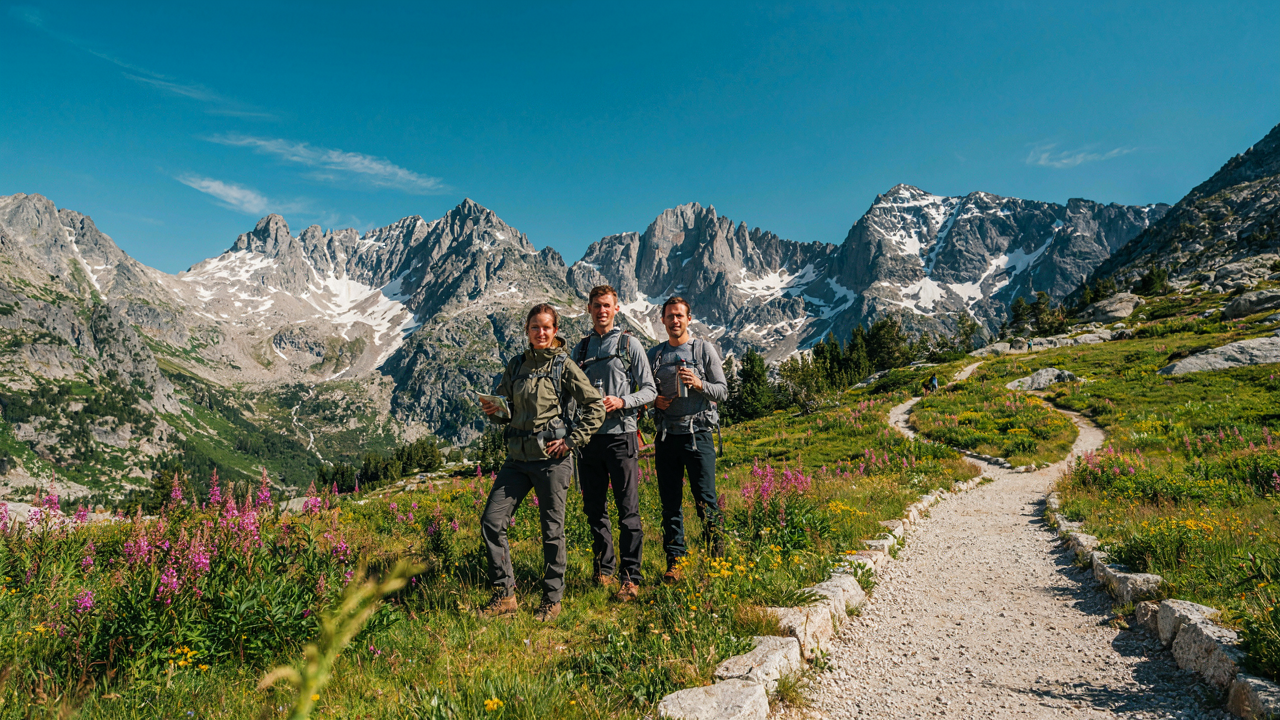
The Layering Protocol: Beyond Baselines

Sweat Management At Teen Metabolic Rates
You want to believe that expensive gear solves the problem of staying dry. It doesn’t. Your teen’s body generates heat faster than an adult’s at rest and during exertion, which means sweat production starts earlier and runs hotter. This is physiology, not marketing. The mechanism is simple: moisture traps heat against the skin, then steals it when the teen stops moving. A wet base layer at 14,000 feet becomes a liability in minutes.
The real play is fabric selection that moves water away faster than your teen produces it. Merino wool base layers work because the fiber absorbs moisture vapor before it pools, then releases it to the next layer. Synthetic polyester does the job faster but doesn’t regulate temperature as well during variable effort. Cotton is trash at altitude regardless of age. Your teen needs a base layer that prioritizes evacuation speed over comfort against skin, because staying dry is non-negotiable at elevation.
Insulation That Adapts To Output Changes

Conventional advice treats insulation as static. Wrong. At altitude, teens move between intense effort and complete stops with no middle ground. Their metabolic furnace ramps up and down like a light switch. Think of insulation like a financial portfolio: you need assets that respond to changing conditions, not a fixed allocation. A single puffy jacket creates a binary problem—too hot during climbing, inadequate during breaks.
The solution is layered insulation with different activation temperatures. A lightweight fleece activates at moderate exertion and sheds easily during climbs. A down or synthetic parka stays compressed in a pack until the teen stops moving. The teen wears the fleece while ascending, adds the parka during rest, and removes both when internal heat output spikes again. This three-layer insulation stack handles the on-off metabolic shifts that break single-layer systems. Pack the parka at the bottom where it stays until needed, not on the body where it creates overheating.

The Dynamic Microclimate Method: Engineering Personal Comfort

Your Body As A Heat Engine
You want to look capable on the trail without freezing or sweating through your layers. That’s the real concern. Here’s what actually matters: your body generates heat through work, and altitude amplifies how fast you lose it. Borrow thermodynamics here—your teen is a heat engine that converts fuel into motion and waste heat. At elevation, air density drops, convection pulls warmth away faster, and the sun’s UV intensity climbs. Cotton kills because it holds moisture against skin. Synthetic and wool wick that moisture away, maintaining the temperature gradient your body needs to function.
The mistake everyone makes: thinking layers are about adding warmth. They’re not. Layers trap still air and manage moisture movement. Base layer pulls sweat off skin. Mid layer holds dead air space. Outer shell blocks wind and precipitation. At 10,000 feet, a teen working hard generates 400-600 watts of heat. Without moisture management, that sweat cools the skin as it evaporates, dropping core temperature even while the body’s working. The sequence matters more than the materials. Start with a synthetic or merino base, add an insulating mid layer only when stopped or moving slowly, and deploy the shell reactively when wind or precipitation arrives.
Breathability Beats Armor When You’re Moving
The consensus says “get a Gore-Tex jacket and you’re set.” That’s incomplete. Gore-Tex manages moisture from inside the jacket outward, but it doesn’t prevent sweat buildup if your mid-layer and base layer can’t move that moisture fast enough. The real trade-off isn’t breathability versus protection—it’s heat shedding versus wind stopping. A breathable shell lets moisture escape continuously, which cools your teen faster while hiking but leaves them vulnerable to sudden wind chill when stopped. A less breathable shell traps more heat and moisture but protects better in exposed conditions.
Your teen needs two shells, not one. A lightweight, highly breathable layer for climbing and steady movement. A tighter, less breathable layer for exposed ridges, descents, or wind exposure. Most teens carry just one and overheat on the way up or get hammered by wind on top. The protocol: breathable shell during ascent, swap to protective shell when stopping or when weather shifts. This single decision prevents both hypothermia and heat exhaustion in the same day.
Footwear Fallacies: The Only Two Metrics That Matter

Ankle Support Versus Flexibility
You want to believe that a high ankle boot protects you from rolling an ankle on loose scree. That fear is understandable. But the mechanism is biomechanics, not armor, and boots don’t work the way your intuition says they do. A stiff ankle collar restricts proprioceptive feedback—your foot’s ability to sense terrain and adjust balance in real time. Restricted teens make worse decisions faster because their nervous system gets less information, not more.
The real protection comes from calf and ankle strength developed over time, plus footwear that lets your foot feel what it’s standing on. High altitude terrain changes constantly. Your foot needs to microcorrect dozens of times per minute. A flexible shoe lets it. A rigid boot locks it down and forces your knees and hips to compensate, which fails on uneven ground. Choose footwear that flexes at the midfoot and forefoot while staying stable under load.
Sock Technology And Blister Prevention
Blister formation is heat plus friction plus moisture. Most teens focus on friction and miss the actual problem: heat and sweat management during the climb. Moisture-wicking sock material matters less than sock construction at pressure points. Merino wool or synthetic blends with reinforced heel and toe boxes outperform cotton universally because they manage temperature and reduce shear stress where blisters form.
The protocol is simple: double-layer sock system for high altitude. Thin inner liner socks reduce friction between foot and outer sock. Thicker outer socks provide cushioning and compression. Change socks if they become damp during breaks. Fit your boots with this two-sock system already on your feet, not after purchase. A properly fitted boot with double-layer socks and frequent pressure relief stops blisters before they start.
Mountain Outfit: The Outer Shell Imperative
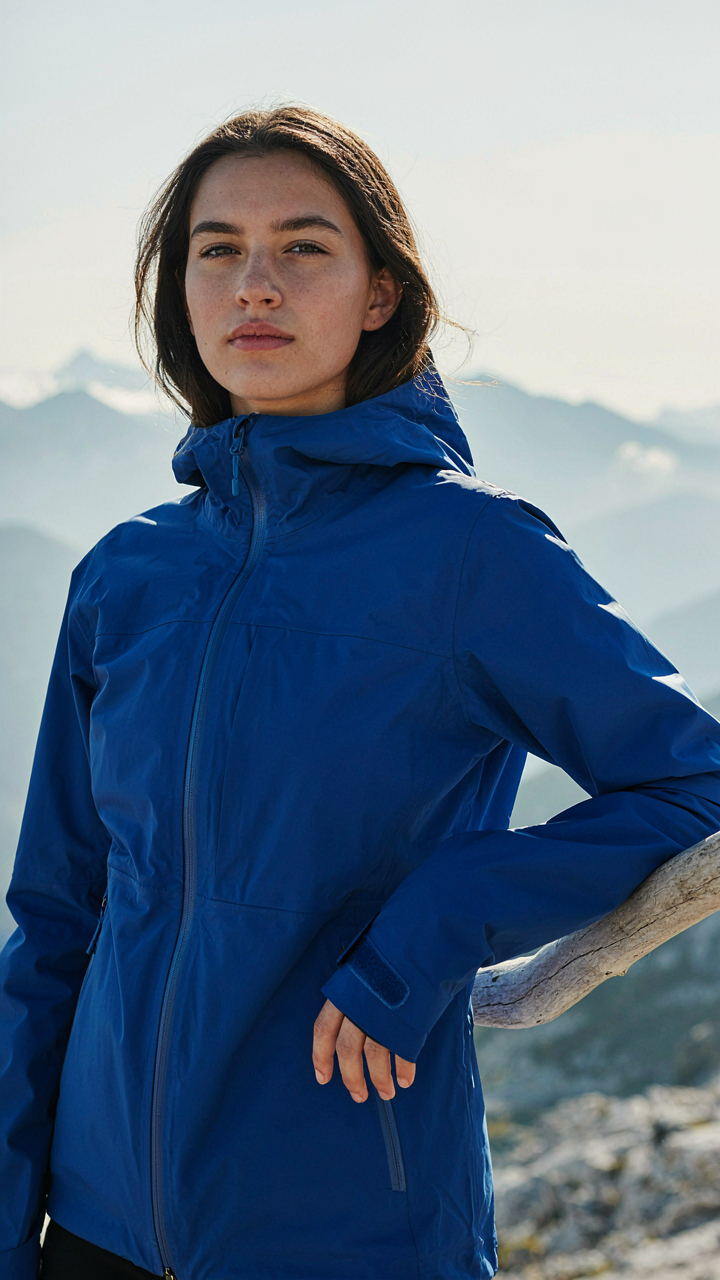
Why Your Jacket Actually Needs A Membrane
You want the right gear so you don’t look like a rookie on the trail. Here’s what actually matters: waterproof-breathable membranes work through physics, not marketing. The membrane has microscopic pores smaller than water droplets but larger than water vapor molecules. This asymmetry is the entire mechanism. Gore-Tex, eVent, and similar materials exploit this principle. The pores block rain from entering while letting sweat vapor escape from your skin outward. Without this membrane, you’re choosing between staying dry from outside rain or being soaked in your own sweat.
Most jackets fail because teens and parents misunderstand what “waterproof” means. A coating alone isn’t enough. The membrane must be bonded to fabric and sealed at seams, or water finds every gap. At high altitude, temperature swings are violent. Your shell needs to handle condensation from rapid cooling without trapping moisture against your skin. Test this before you buy: check if the jacket has taped seams and an internal laminate. If the tag says “water resistant” instead of “waterproof breathable membrane,” it won’t perform above 10,000 feet.
Armor Against Exposure And Wind
Wind strips heat from your body faster than cold air alone. This is the mechanism behind wind chill, borrowed from thermodynamics. Wind resistance means the outer fabric slows air penetration, forcing moving air to lose energy before reaching your insulation layers. Your shell must block this before wind even contacts the mid-layer. Exposed terrain at high altitude means zero protection from terrain. A peak or ridge exposes you on all sides. Your jacket needs a tight weave or brushed inner face to disrupt wind patterns.
Common advice says “just layer up.” Wrong. Layering helps, but a weak outer shell fails regardless of what’s underneath. The outer shell does one job: stop wind and water at the perimeter. Look for jackets with reinforced panels in high-wind zones like shoulders and chest. Pit zips matter here, not for ventilation during climbing, but for quick pressure relief during descent when wind exposure increases and body temperature drops fast. Your teen should practice opening pit zips before summiting, so adjusting happens without fumbling in cold hands.
The Unseen Essentials: Accessorizing For Survival, Not Style

Your Skull At Altitude
You want to look competent on the trail, but what you’re really buying is protection from damage you can’t see happening in real time. UV radiation intensifies at altitude because less atmosphere filters it—this is physics, not marketing. Every 3,300 feet of elevation gain roughly doubles UV exposure. A teen’s skin has no defense mechanism that kicks in faster at 12,000 feet than at sea level, which means the burn happens before the signal registers.
A hat with a brim protects the scalp, ears, and neck—the three zones where teens most often skip sunscreen because they “forgot” or thought it looked unnecessary. Wide-brimmed hats (minimum three inches all around) beat baseball caps because they cover the ears and back of the neck. Lightweight, packable options in light colors reflect heat. The hat stays on because it solves a problem the teen can feel: sun glare and warmth. Function drives compliance. A glacier or snow field multiplies UV reflection off the white surface below, making peak-hours exposure genuinely dangerous without protection.
Hands That Still Work At The Top
Most advice about gloves at altitude is incomplete. People say “wear gloves,” then act surprised when teens can’t operate a zipper, adjust a strap, or use a phone. The real mechanism is this: dexterity drops faster than warmth does, and a teen’s hands will freeze into uselessness long before they feel cold enough to complain. By the time sensation fades, fine motor control is already compromised.
Layered hand strategy works better than one heavy glove. Start with thin merino wool liner gloves that allow full dexterity while providing baseline insulation. Carry lightweight shell mittens or convertible gloves with flip-back fingers for wind protection without sacrificing grip. At altitude, teens need to adjust equipment constantly—pack straps, water bottles, camera settings. Hands that can’t move are hands that cause accidents. The protocol: liner gloves on at 8,000 feet, shells added only when wind kicks up or temperature actually drops. This preserves dexterity while preventing the sudden cold shock that makes teens panic and make bad decisions.
Outfit Tracking: The Feedback Loop Of Experience
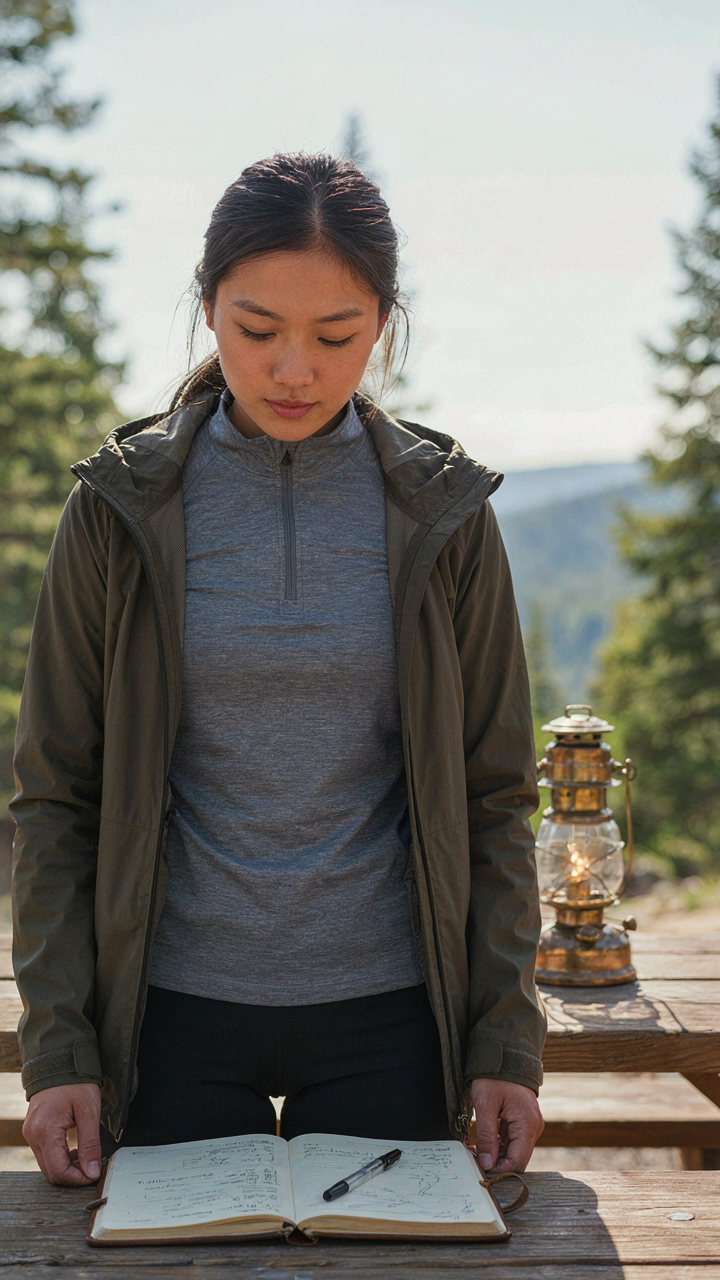
What Actually Happened Up There
You want to know if your outfit worked so you can feel confident on the next trip. That’s not really about confidence though. It’s about control. The mechanism is simple: you can’t improve what you don’t measure. Most teens hike once, remember fragments, and buy different gear anyway. They skip the step that separates hikers from people who happened to walk uphill.
Document three things during the hike: what you wore in each zone, where you felt temperature shift, and what actually bothered you. Not what you thought would bother you. Write it down that night while the memory is sharp. Muscle memory matters less than data here. You need a record.
What Changes On The Next Climb
Every altitude hike teaches you something about your body’s heat regulation pattern. Most common advice says “layer more” or “bring extra socks.” That’s incomplete. What you actually need is a personal threshold map: the exact elevation, temperature, and exertion level where your torso starts sweating, or your fingers go numb, or your calves cramp. This data is yours alone.
Pull your notes before the next trip. Review what failed. If your hands froze at 12,000 feet last time, buy gloves rated lower, or research whether you were overexerting early. If you overheated on the descent, adjust your mid-hike layers or pace. One specific change per trip. Small adjustments compound into a outfit that actually fits how you move at altitude.
The “Cute Hiking Outfit” Trap: Function Over Fashion
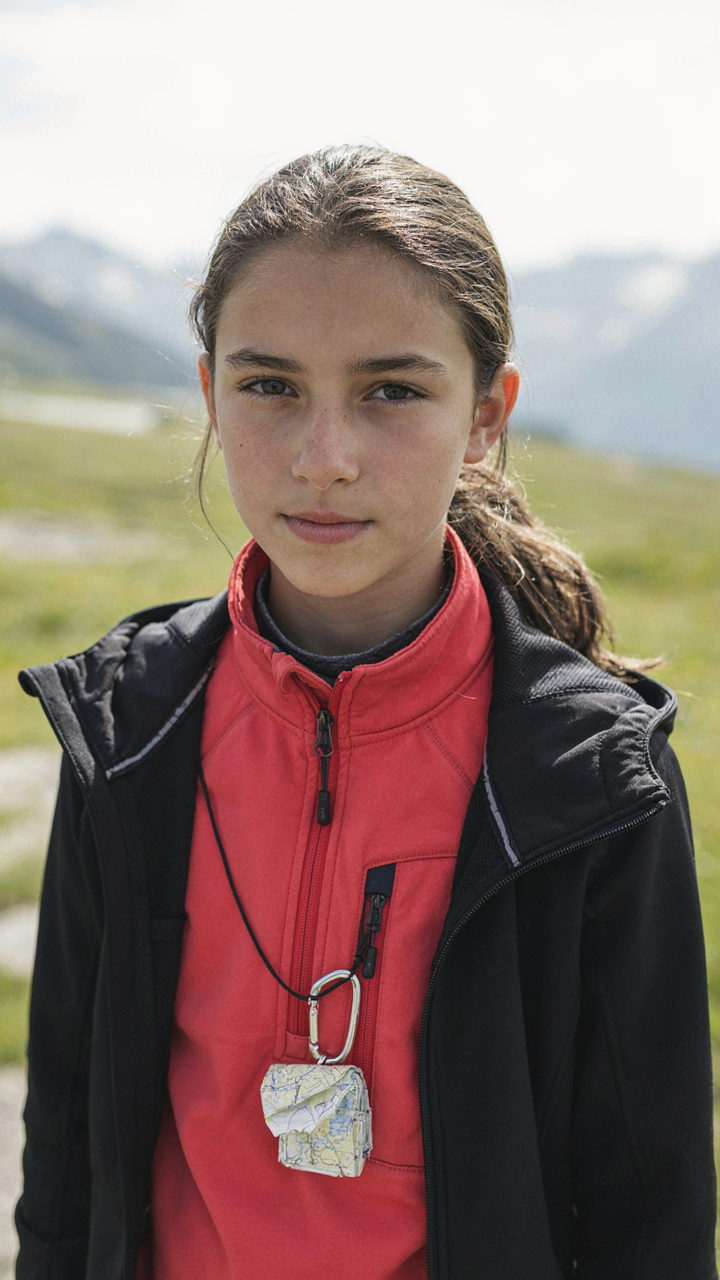
What Instagram Won’t Tell You About Elevation
You want to look good on the trail because you’re posting the photos. That’s the real motive here, and it’s costing you thermal regulation at 10,000 feet. Social media algorithms reward aesthetics—coordinated colors, branded gear, polished moments—but altitude doesn’t care about your feed. The mechanism is simple: clothing at elevation serves one job: manage heat loss and moisture. Fashion serves a different job: signal status. These two jobs conflict directly above treeline.
The gap between Instagram hiking content and actual high altitude conditions is massive. Most viral hiking outfit posts are taken at lower elevations, in mild conditions, during golden hour. The gear looks intentional and matchy. But high altitude hiking requires you to layer strategically across a 40-degree temperature swing in six hours, wear bulky wind protection that crushes any aesthetic, and ditch items mid-hike because you overheated. Teens scrolling these posts don’t see the unsexy reality: the sweaty base layer under everything, the goggle tan lines, the mud.
Prioritizing Survival Metrics Over Visual Appeal
The real advice everyone skips: your outfit fails or succeeds based on vapor pressure deficit, not likes. Vapor pressure deficit—a meteorology term—measures how quickly moisture evaporates from skin into air. At high altitude, VPD spikes because air is thinner and drier. Your clothing system must manage sweat evacuation faster than at sea level, or you’ll chill rapidly when you stop moving. This isn’t negotiable. Breathability beats color coordination every single time.
Start by rejecting any piece because it doesn’t match your other pieces. Base layers should be synthetic or merino wool—both wick moisture aggressively. Mid-layers should add insulation without trapping sweat. Outer shells must be waterproof and windproof, not cute. If your teen balks at a bulky jacket because it’s “not aesthetic,” remind them that hypothermia also ruins photos. Test every layer in actual conditions before the trip, not on the morning of. This eliminates guesswork and keeps function as the only metric that matters.
Emergency Preparedness: The Non Negotiable Kit (Kyrgyzstan Outfit Principles)
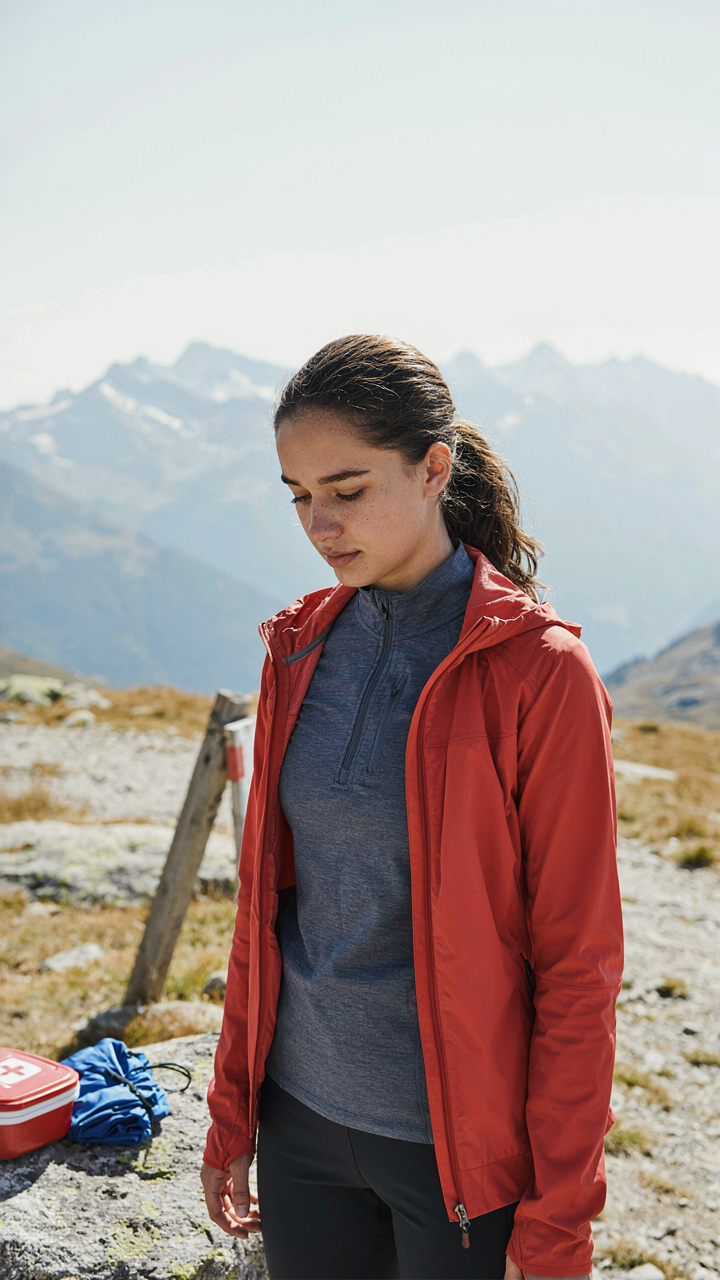
What Actually Fits In Your Pack
You want the gear that makes you look prepared without the weight that makes you quit. Here’s the mechanism: emergency kits fail because teens pack items they hope never get used, which means they pack too much. Kyrgyzstan high altitude expeditions exposed this flaw fast. Porters refused loads over certain weights. Teams that survived weren’t the ones with the most gear—they were the ones who understood triage.
- First aid compact kit: Blister treatment, pain relief, antibiotic ointment, athletic tape. Skip the full pharmacy. Three pounds maximum for a two-day trip.
- Weather barrier layer: Lightweight emergency poncho or space blanket. Hypothermia kills faster than dehydration at altitude. Takes up the space of a water bottle.
- Headlamp with extra batteries: Navigation and signaling. Darkness accelerates panic. USB rechargeable models cut battery weight by half compared to traditional alkaline.
- Whistle and signal mirror: Non-electronic rescue tools. Whistle carries three miles. Mirror works in daylight from miles away. Total weight under one ounce.
- Navigation redundancy: Paper map, compass, and your phone GPS as backup. Do not rely on one method. Phones die. Compasses don’t.
The common advice here is garbage: “pack everything just in case.” You’ll abandon half of it on mile two. Weight kills faster than missing items do. Calculate what saves your life in the scenario most likely to happen at your altitude, then add one backup tool. Everything else is theater.
Where Your Hands Reach First
Access matters more than content. Military combat medics use a doctrine called progressive casualty care: the items you need in the first five minutes live nowhere near items you need in hour three. Your teen’s emergency kit violates this constantly.
The top of the pack, or a hip belt pocket, holds only items used in the first ten minutes of crisis: pain relief, blister tape, the whistle, the headlamp. Everything else stays lower or in a separate compartment. When altitude sickness hits or a blister ruptures, reaching into the bottom of a 40-liter pack costs time your teen doesn’t have. The protocol: before every trip, physically arrange items in the order of deployment. Not mentally. Physically. Then run through the sequence once at camp when stakes are zero. Your teen’s hands will find them on the trail.
Your Teen’s Biggest High-Altitude Obstacle Isn’t The Gear; It’s The Ignorance Of Their Own Adaptable Biological Furnace

Your teen doesn’t need another jacket. They need to understand that their body adapts faster than their brain accepts it. Stop buying gear to solve problems their physiology already handles. Take them on a short high-altitude hike this weekend without the new equipment. Watch what actually fails. Their legs won’t. Their lungs won’t. Their confidence will. Build that first, then outfit it.