

The High Altitude Thermal Regulation Protocol: Beyond “Layering”
Base Layer Physics: Wicking, Not Warmth
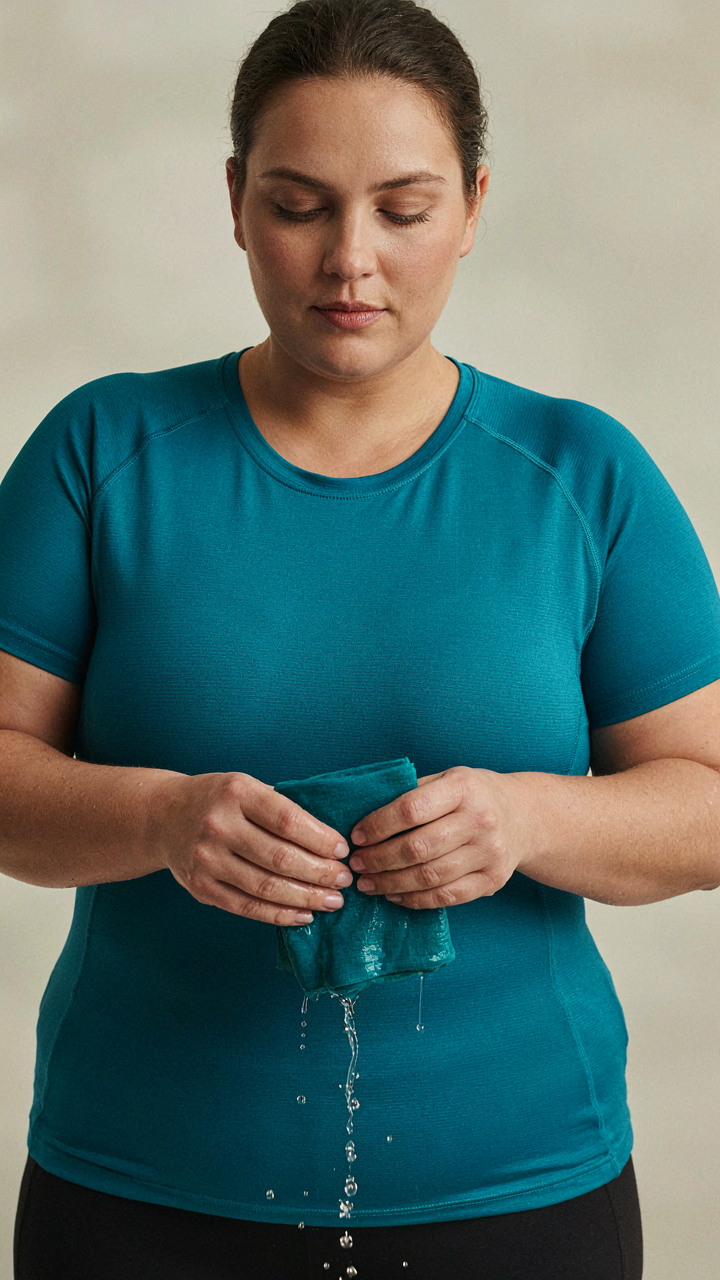
You’re reading this because you’ve bought the wrong base layer before and won’t admit it cost you comfort on the trail. The mechanism is simple: your skin dumps sweat constantly at altitude, and cotton holds that moisture like a sponge, making you colder. Physics calls this evaporative heat loss. In high altitude hiking for plus size women, this principle becomes non negotiable because surface area increases thermal demand and any trapped moisture accelerates core temperature drop.
Wicking works by capillary action, not magic. Synthetic fibers like polyester and nylon move moisture away from skin to the outer layer where it evaporates faster. Merino wool does this too, but costs more and requires care. The base layer’s job is transport, not insulation. Pick something that dries in under two hours when wrung out, fits without compression (compression cuts capillary action), and covers your torso, arms, and legs entirely at high altitude where wind strips away dead air space.
Mid Layer Strategy: Trapped Air, Adaptable Insulation

Most advice tells you to use fleece or down and stop thinking. That’s incomplete. The mid layer traps dead air, which insulates. But at altitude, you need the trapped air to stay stable while your activity level swings from hiking hard to standing still. This layer must shed moisture from the base layer while resisting wind passage through its structure without compressing when you load a pack or move aggressively.
Fleece works because its napped surface creates irregular air pockets that resist wind but allow vapor transmission. Down compresses under pressure and loses insulating value if damp. For plus size women hiking at altitude, a mid layer should weigh under six ounces, pack to fist size, and allow full arm mobility without binding at the shoulders or back. Test it with your pack on, not off. The protocol: wear it loose enough that you can pinch fabric at your ribs, and strip it the moment you start working hard, not after you’re sweating.

Shell Game: Hard Vs. Soft For Plus Size Hiking
When Hardshell Actually Works
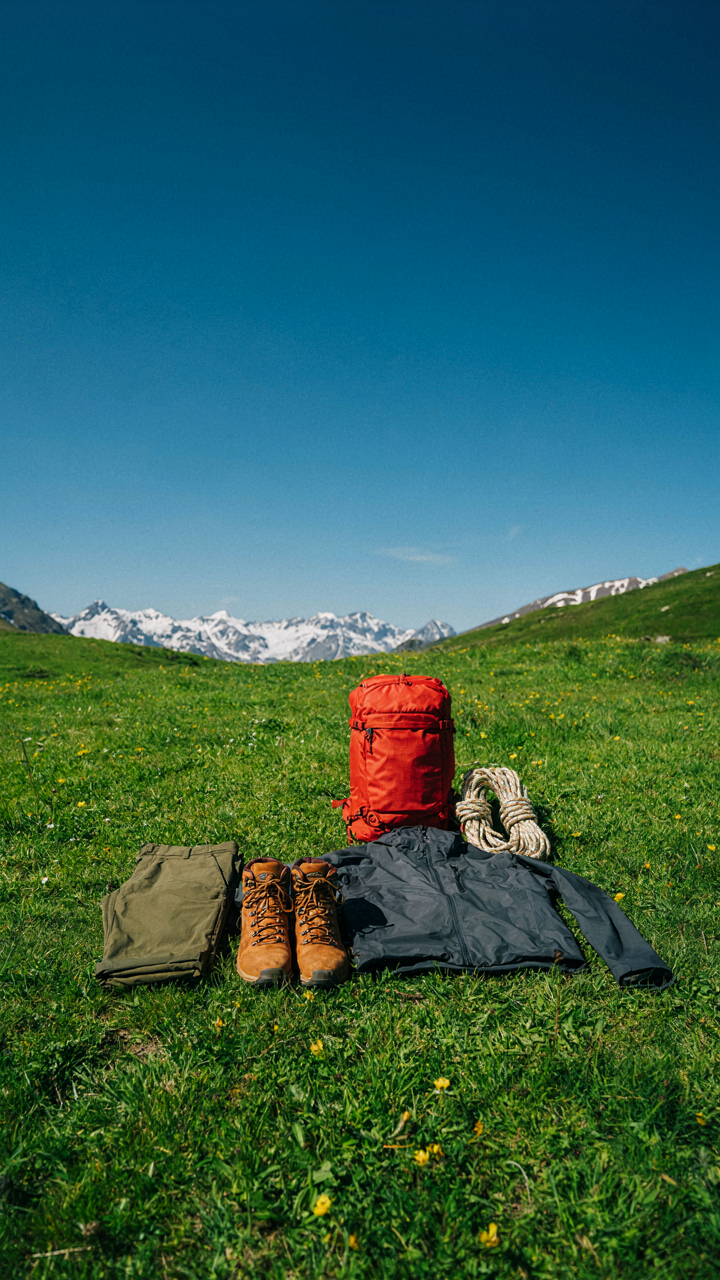
You want the hardshell because it sounds like armor. That’s the real reason. The mechanism is simpler: hardshells create an impenetrable barrier against wind and precipitation. They don’t stretch. That matters at altitude because movement restriction equals faster fatigue, and fatigue at elevation kills your oxygen efficiency. For plus size bodies, a hardshell that doesn’t accommodate your actual torso width creates pressure points that cut off circulation in your shoulders and chest, defeating the entire purpose of weather protection.
Hardshells excel in sustained downpours and consistent wind above treeline where breathability takes a backseat to staying dry and warm. Buy one size up minimum to avoid compression, which negates the insulation layer underneath. The trade-off is pack weight and reduced range of motion. Test the arm raise, the side bend, and the overhead reach before committing. If your ribs feel pressed, the shell is too small.
Why Softshell Wins In Real Conditions
Softshells handle the conditions plus size hikers actually face: variable temperature swings, moderate precipitation, and the constant need for unrestricted arm movement at altitude. They breathe, which prevents sweat accumulation that leads to hypothermia when you stop moving. Your body has to regulate itself through motion and layering, not through breathability that a hardshell blocks entirely. Softshells give you stretch where it counts: shoulders, hips, and torso.
Softshell isn’t waterproof, it’s water resistant. That distinction matters. You’ll stay dry in mist and light rain, but get soaked in a downpour. The payoff is mobility that extends your hiking window and reduces the muscle strain that size plus bodies experience on steep grades. Pair a softshell with a rain jacket you pack in your bag. Use the softshell for 80 percent of your hike, deploy the hardshell only when conditions shift.
Debunking The “Cute Plus Size Hiking Outfit” Myth
Performance Beats Aesthetics Every Time
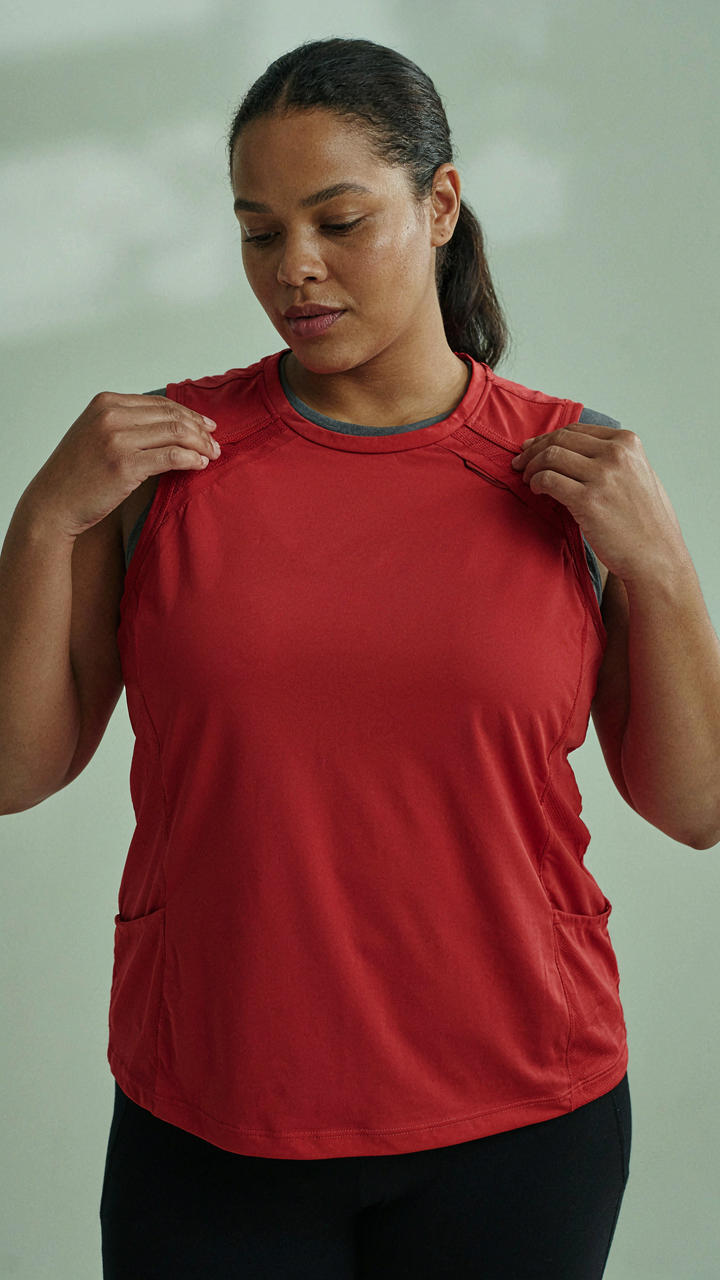
You want to look good on the trail because you think that’s what hiking is about. It’s not. At altitude, your body demands oxygen efficiency and thermal regulation. Economics teaches us about resource allocation: your energy budget at 10,000 feet is finite. Spend it on looking cute, and you’re stealing from the systems that keep you alive. Every piece of gear either moves heat away from your core or it doesn’t. Every seam either chafes under load or it doesn’t. The outfit that performs wins, regardless of how it photographs.
The real constraint isn’t style options. It’s that plus size technical wear must handle increased surface area, higher sweat output in key zones, and the specific pressure points where larger bodies experience friction during sustained exertion. A well-fitted base layer from a technical brand outperforms an oversized cotton shirt every single time, at any size. Base layers work through moisture management, not through looking intentional. Choose materials that wick: merino wool, polyester blends, or nylon. Then choose fit that matches your actual measurements, not sizing charts built for average bodies.
Materials That Survive The Work
The common advice is to buy expensive gear and assume it lasts. Wrong. Durability comes from understanding what actually fails on high altitude routes. Seams split from repeated stress and moisture cycling. Zippers jam from dust and freeze-thaw cycles. Fabrics thin where they take repeated friction. At elevation, you can’t turn back for a replacement. You need gear that handles actual abuse, not gear that looks premium in a store.
Plus size hikers experience specific wear patterns because of weight distribution and how fabric moves across a larger frame. Reinforce your seams by checking them before the trip. Test zippers in cold conditions before committing them to altitude. Choose base layers in thicker deniers for the zones taking the most punishment: inner thighs, underarms, lower back. Synthetic materials often outlast merino at high use sites because they resist pilling and maintain integrity through more wash cycles. This is why you inspect your kit before departure, not after you’re breathing thin air.
The Curvy Hiking Outfit Footwear Imperative: Gravity And Gait

Weight Distribution Changes Everything
You want footwear that won’t betray you at 10,000 feet because you’re tired of generic “just get good shoes” advice that ignores your actual biomechanics. Here’s the mechanism: a plus-size body distributes force differently across the foot than a smaller frame. Physics calls this load bearing—the structural capacity to handle stress. Your heel, midfoot, and forefoot experience higher ground reaction forces on steep terrain. Standard hiking boots designed for average-weight bodies don’t account for this. They flex where they shouldn’t, collapse where they need rigidity, and leave you managing foot pain instead of managing altitude.
The footwear choice isn’t about comfort first. It’s about architecture. You need boots that function as a structural system, not just protective shells. Sole rigidity matters more than cushioning at altitude. A stiffer midsole resists the constant micro-flexing that taxes your feet over eight to ten hours of climbing. Boots with ramped heel-to-toe drops and reinforced arch supports prevent the foot collapse that happens when carrying higher bodyweight on uneven ground. This is non-negotiable. Your shoe choice determines whether your legs finish strong or blow out by mile six.
Ankle Stability And Sole Mechanics
Ankle instability on talus fields and rock scrambles isn’t a minor inconvenience at elevation—it’s a route ender. Your ankle needs support systems designed for higher rotational forces, which engineering calls torsional stiffness. Look for boots with gusseted tongues that lock the midfoot, not just the ankle collar. Many brands skip this on plus-size options, assuming the larger volume accommodates instability. That assumption will cost you a descent you’re not prepared for.
Sole construction determines how your foot contacts variable terrain. Vibram or equivalent Michelin-compound soles grip better than cheaper rubber, but the midsole matters equally. Boots with full-length shank support—typically fiberglass or plastic running through the sole’s core—prevent the midfoot from torquing on scree. When you step on uneven ground under load, a shanked sole keeps your foot rigid and neutral. Without it, your ankle compensates, burns out, and fails. Verify the boot has a full shank, not a partial arch-only shank, before buying.
Accessory Alchemy For Plus Size Hiking: Mitigating Extremes
Where Your Head Goes, Your Core Temperature Follows
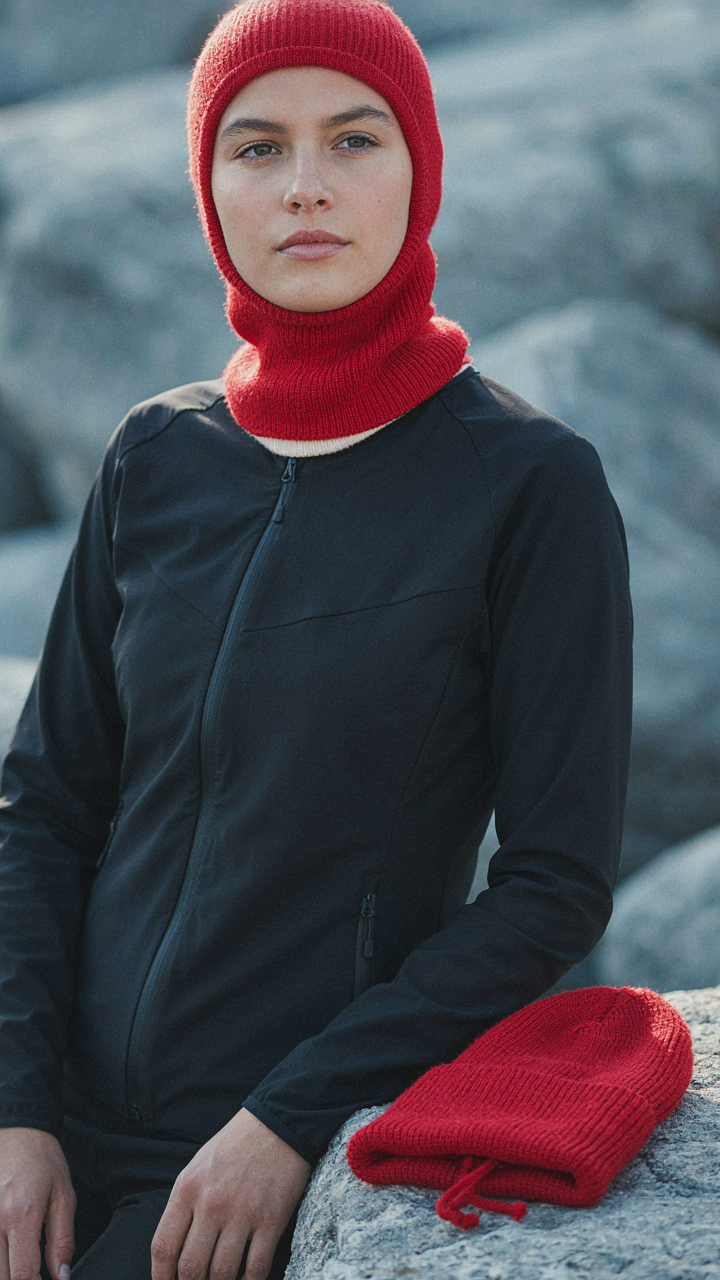
You want to look composed on the trail, but the real reason you care about headwear is survival math. Heat loss from your head and neck represents disproportionate thermoregulation failure—borrowing from thermodynamics, surface area is the variable that kills you fastest. A larger body means more absolute heat production, but proportionally less surface area per unit mass. Your head remains the same size regardless of body composition, making it a fixed liability in cold environments.
At altitude, wind speed increases and temperature drops roughly 3.5 degrees Fahrenheit per thousand feet. Standard beanies designed for average frames leave gaps around larger necks and fail under sustained wind. You need coverage that seals—not cinches—at the base of your skull and across your ears. Material matters: merino wool retains warmth when wet, synthetic blends dry faster. A balaclava-style piece addresses the mechanism directly by eliminating the gap between hat and jacket collar where convective heat escape happens fastest.
Glove Tension: Where Dexterity Collapses Into Numbness
The standard advice is “buy gloves a half size up for layering.” This misses the actual problem: larger hands require proportionally larger glove palms to maintain grip strength and finger mobility. Mittens provide superior insulation but eliminate your ability to adjust straps, operate a map, or manage gear. The tradeoff is real and nonnegotiable.
Insulated glove liners beneath leather or softshell shells let you remove the outer layer without losing protection. This approach preserves dexterity when you need it—map reading, tightening a boot, managing a trekking pole—while keeping core insulation intact. Choose gloves with reinforced palms in synthetic leather rather than fabric alone. Grip deteriorates fast at altitude when oxygen is scarce and fine motor control suffers first.
The Hydration & Nutrition Gear Nexus: Fueling The Ascent
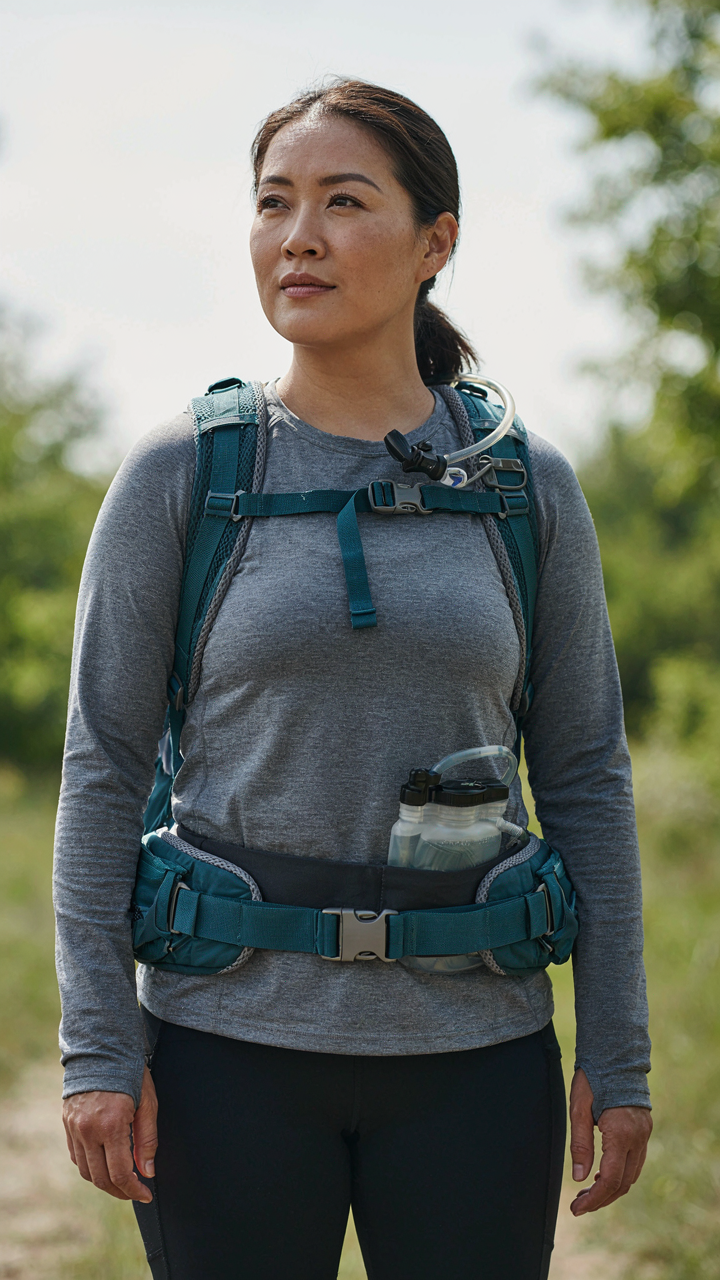
Carrying Water Without Breaking Your Frame
You want to believe hydration is simple because admitting it’s a logistics problem means you have to solve it. But weight distribution at altitude is pure physics: where mass sits on your body determines how hard your cardiovascular system works to move it. A plus size frame has a different load path than a smaller one, and the gear industry hasn’t designed around this reality.
The core mechanism is load placement relative to your center of gravity. Backpack weight belongs high and close to your spine, not low or lateral. For plus size women, this matters more because your torso carries more mass naturally. A hydration bladder in your pack stays stable. Handheld bottles create asymmetric load, forcing your core to compensate with extra muscle activation at altitude when oxygen is already scarce. Hip belts must fit your actual hip structure, not a sizing chart built for smaller frames.
- Hydration bladder systems (3L capacity): Sit centered in your pack against your back. Weight distributes evenly across shoulder and hip belts. More stable than bottles for technical terrain above 10,000 feet.
- Hip belt fit verification: Measure your hip circumference at the widest point. The belt should sit on bone, not soft tissue. Adjustable waist straps on quality packs accommodate plus size proportions without bunching.
- Insulated bladder sleeves: Keep water drinkable in sub-freezing temperatures above treeline. Prevents ice formation in tubing. Non-negotiable for sustained high altitude work.
- Bottle pocket placement on pack exterior: Access without removing the pack. Ideal for quick hydration breaks during steep sections. Keeps you from overheating by stopping frequently.
- Water bottle weight ratio: One liter weighs 2.2 pounds. Start with half your body weight in ounces as daily volume, then adjust. A 200-pound woman starts at 100 ounces, roughly three liters total including sources at camp.
Accessibility means you drink more. You drink more, your blood oxygen stabilizes, altitude sickness risk drops. Buried water requires removing your pack to access it. You stop accessing it. Dehydration compounds every other high altitude stress on your system. Keep hydration within arm’s reach.
Fuel Selection For Sustained Energy Output
Most advice says “bring whatever you like to eat.” That’s wrong. At altitude, your body rejects complex foods and your appetite vanishes while caloric demand doubles. Energy density isn’t about taste, it’s about calories per ounce and digestibility at low oxygen.
Target 200-300 calories per ounce minimum. This eliminates fresh fruit, vegetables, and anything water-based. Nuts, nut butters, dried fruit, energy bars, and chocolate cover your needs. A plus size body has higher absolute caloric requirements than smaller frames because basal metabolic rate scales with mass. What works calorie-wise for a 130-pound hiker underfuels you at 200 pounds. Calculate your maintenance calories before the trip, add 50 percent for altitude exertion, divide by days, then divide by remaining daylight hours to know your snacking rate. Eat on schedule whether hungry or not. Hunger is a lagging indicator at altitude. You’re already depleted when you feel it.
Fabrics And Folly: Decoding Technical Materials For Hiking Plus Size Outfit
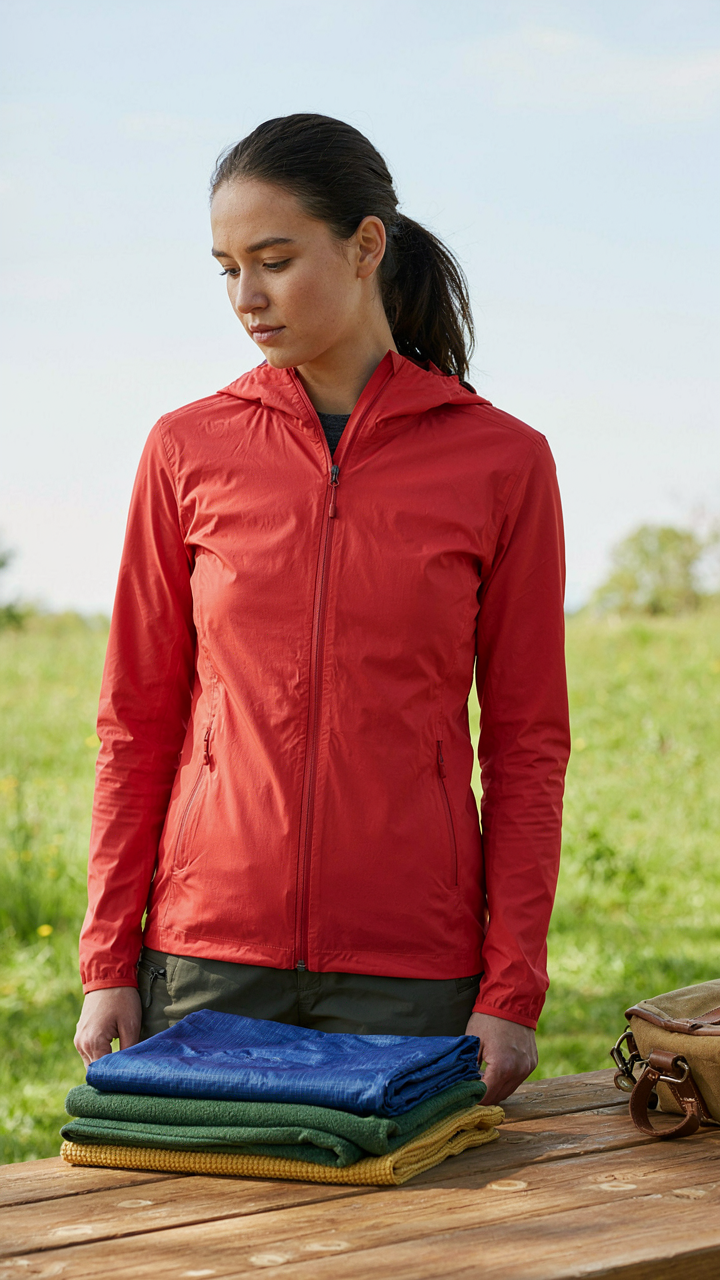
Synthetics Win The Physics Game
You want synthetics to feel premium because that’s what marketing trained you to believe. The actual mechanism is thermodynamics: synthetics trap air in fiber structure while moving moisture away from skin through capillary action, the same principle that makes paper towels work. Polyester, nylon, and polypropylene don’t absorb water, so they dry fast at altitude where temperatures drop and air is thin. Plus size bodies generate more surface area exposed to wind, making evaporative cooling faster and more aggressive, so moisture management becomes non-negotiable rather than optional.
At high altitude, durability matters more than at sea level because you’re carrying more gear and hiking longer days to cover distance. Synthetics resist UV damage from intense sun reflection off snow and rock. They don’t pill like merino in high-friction zones where pack straps dig into shoulders and thighs. Buy synthetics rated for the specific activity: hiking-weight base layers, not running-weight. The label will say grams per square meter or weight class. Thicker synthetics in plus size cuts provide actual insulation, not just moisture wicking.
Wool Does What It Actually Does
Merino wool performs one job better than anything else: it regulates temperature when you oscillate between moving hard and standing still. Biologically, wool fiber scales create air pockets that expand or contract based on humidity and temperature shifts, not based on whether you believe it works. Merino also resists odor because its pH and lanolin content inhibit bacterial growth, which matters on multi-day treks where you won’t wash clothes between camps.
Wool’s real constraint is cost and care requirements, not some invented weakness about itchiness. Merino doesn’t itch like coarse wool, but cheap merino blends do. Plus size outdoor wear in wool costs significantly more per garment because more yardage is required. Wool is slower to dry than synthetics, problematic above treeline where you can’t build a fire and temperatures drop forty degrees between sunset and dawn. For plus size hikers, use merino for mid-layer insulation in cool conditions, not as your primary moisture-wicking base. Layer it over synthetic base layers, not directly on skin.
The Logistical Blueprint: Packing For Plus Size Hiking Outfit Summer & Winter
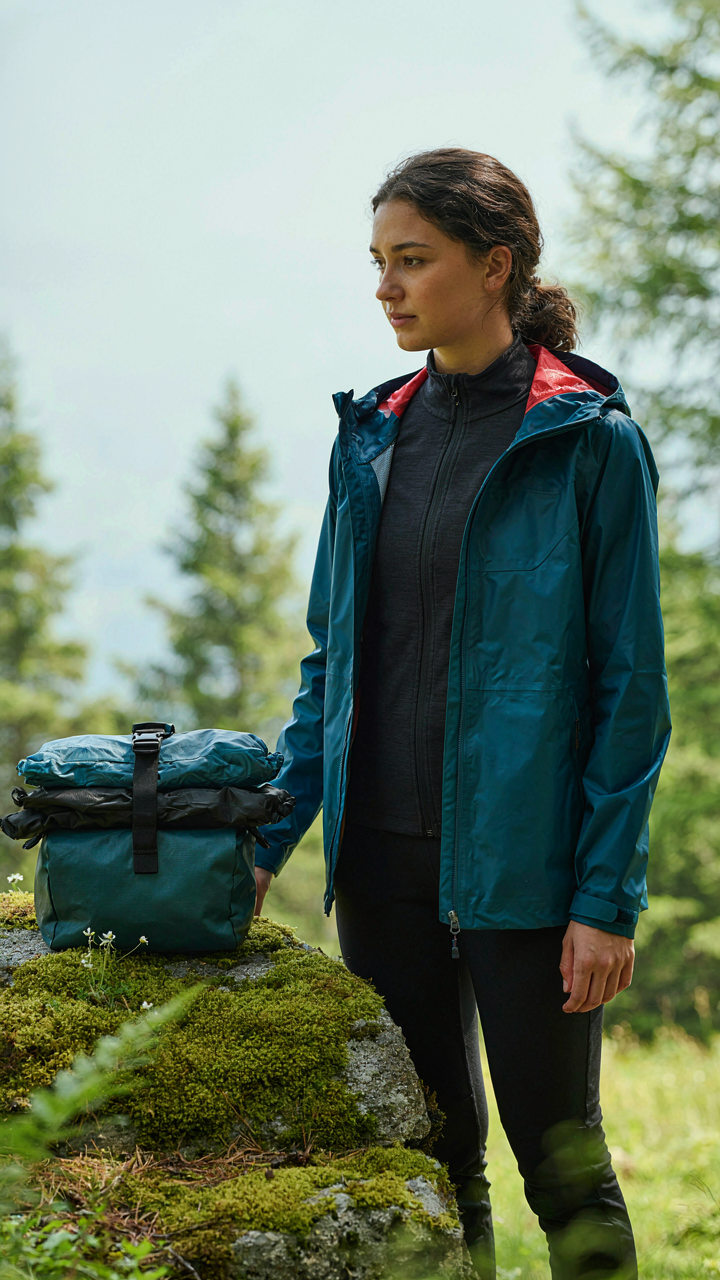
Redundancy Over Single Solutions
You want a packing list that makes you feel prepared. What you actually need is a military supply chain principle: every critical function gets backup. In military logistics, redundancy means the mission doesn’t fail when one system breaks. Apply that here. Your plus-size frame needs temperature regulation, blister prevention, and joint support to work at altitude. Don’t pack one rain layer. Pack two different weights. Don’t rely on one pair of socks. Bring merino wool and synthetic options. One fails, the other absorbs the load.
The difference between a casual day hike and high altitude is that mistakes compound. At 10,000 feet, a single blister doesn’t just hurt. It forces you down faster. A single wet layer doesn’t just chill you. It triggers hypothermia faster in thin air. Redundancy isn’t paranoia. It’s the tax you pay to move your body safely through an environment hostile to malfunction. Build your pack so that no single item’s failure stops you cold.
Every Ounce Earns Its Place
Most packing advice tells you to “minimize weight.” That’s incomplete. The real mechanism is weight-to-utility ratio. Every gram you carry must justify itself against the specific threats of high altitude plus your specific body. Your torso generates more surface area than a smaller hiker. You lose heat faster. That means your insulation layer isn’t optional dead weight. It’s mandatory utility. A 400-gram fleece isn’t heavy. It’s the insurance policy that keeps you functional at 12,000 feet when the wind hits thirty miles per hour.
Strip the pack of anything that serves one purpose only. A regular towel? Gone. A microfiber towel that dries fast and weighs forty grams? It handles sweat, minor injuries, and equipment care. That’s three utilities in one item. Scrutinize every piece. If it does one job adequately instead of one job excellently, calculate whether a different item does two jobs better. At altitude with a larger frame, the extra weight of redundancy and durability costs less than the cost of failure. Weigh each piece on a scale. Know the number. Then ask if that utility is worth the gram-per-benefit trade.
Beyond The Clothing: Mindset As Essential Gear

Adaptation Over Comfort
You want this section to promise you won’t struggle. That’s the hidden ask. But altitude strips away that deal. The real mechanism isn’t mental toughness—it’s adaptation capacity, borrowed from biology. Your body adjusts to oxygen deprivation. Your mind adjusts to discomfort. Both require the same skill: problem-solving under constraint. Plus size women hiking at altitude face wind resistance, temperature regulation challenges, and gear fit issues that demand real-time fixes, not predetermined solutions.
The common advice says “push through.” That’s incomplete. You don’t push through altitude—you negotiate with it. Bring extra layers in unexpected sizes. Test gear in poor conditions before the summit. Know your breathing patterns so you recognize what’s normal fatigue versus what needs immediate descent. Discomfort tolerance isn’t gritting teeth. It’s gathering data, staying mobile, and choosing actions based on what your body tells you, not what the guidebook promises.
Self Reliance Through Preparation
External validation kills decision-making at altitude. Your guide can’t feel your oxygen levels. Your hiking group can’t fix a boot blister halfway up a 13,000-foot pass. Preparedness isn’t about control—it’s about removing the need for rescue by making sound decisions alone. This means knowing your fitness baseline before you book the trip, carrying redundant navigation tools, and understanding your own thresholds for descent. Plus size women often internalize pressure to prove capability. That pressure becomes a liability when it overrides self-awareness.
Build your confidence through repetition on lower elevations. Learn what your body does at 8,000 feet. Learn it again at 10,000 feet. Carry repair kits, extra fuel, and a personal first aid protocol. When you’re self-reliant, you hike the altitude you’re ready for, not the altitude others expect you to summit. The mechanism is simple: preparation replaces the need to depend on others’ judgment of your limits.
The Real Obstacle Isn’t Your Size; It’s Succumbing To Marketing Narratives Over Functional Realities

Stop waiting for brands to make gear “for you.” They won’t. Instead, buy what works and modify it. Try on three jackets today. Pick the one that lets you move, not the one the marketing copy says you need. Your body doesn’t care about sizing categories. It cares about function. Every pound you carry up the mountain punishes you the same way it punishes anyone else. The only difference between you and other hikers is the gear you chose and the excuses you believed.